Table of Contents
- What Exactly Is Engineered Stone (and Is Quartz One of Them?)
- Why the Buzz Around Silicosis and Engineered Stone Bans?
- Types of Engineered Stone Countertops in the Market
- Engineered Stone vs Quartz vs Granite vs Corian
- Pros and Cons of Engineered Stone Countertops
- Engineered Worktop Prices & What’s Available Near You
- So, Is Engineered Stone Still Worth It?
- Best-Selling Engineered Worktops 2024
- Final Thoughts
- Frequently Asked Questions and Answers
Walk into any new kitchen showroom and you’ll notice one thing: engineered stone countertops look like luxury. They shine like marble, behave like granite, and cost somewhere in between. But in 2025, the conversation around engineered stone in the UK isn’t just about looks or price anymore. It’s about safety, bans, and what comes after quartz.
What Exactly Is Engineered Stone (and Is Quartz One of Them?)
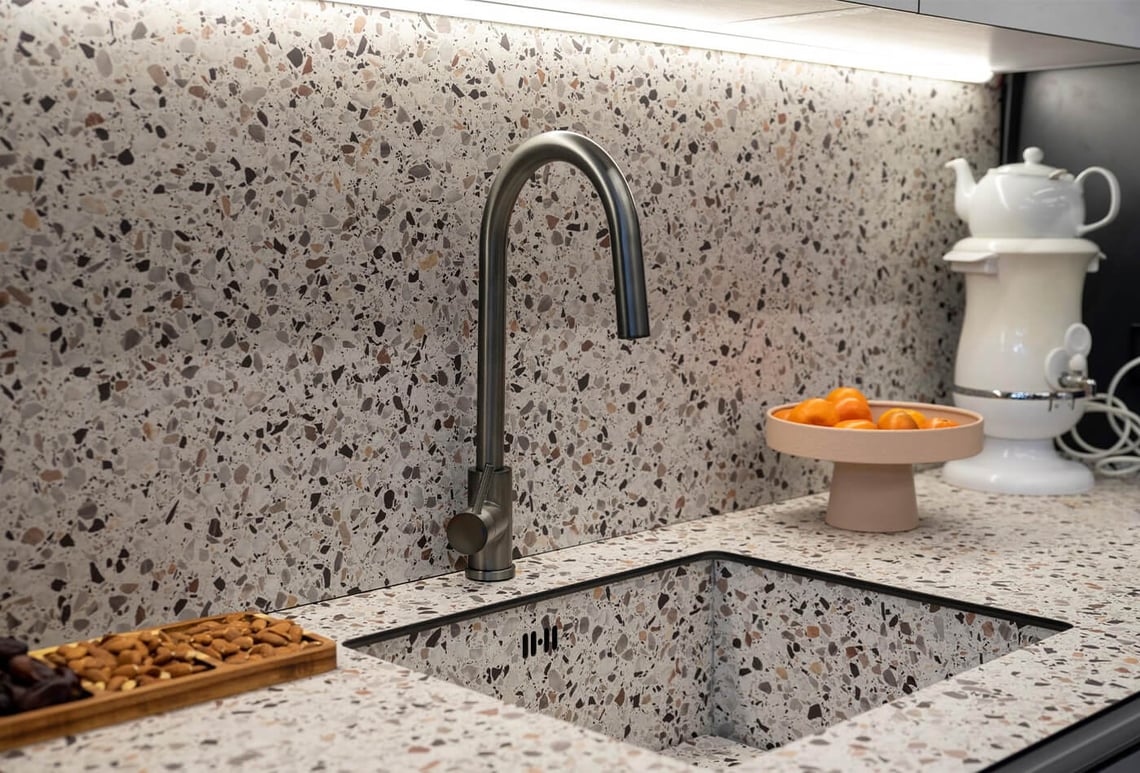
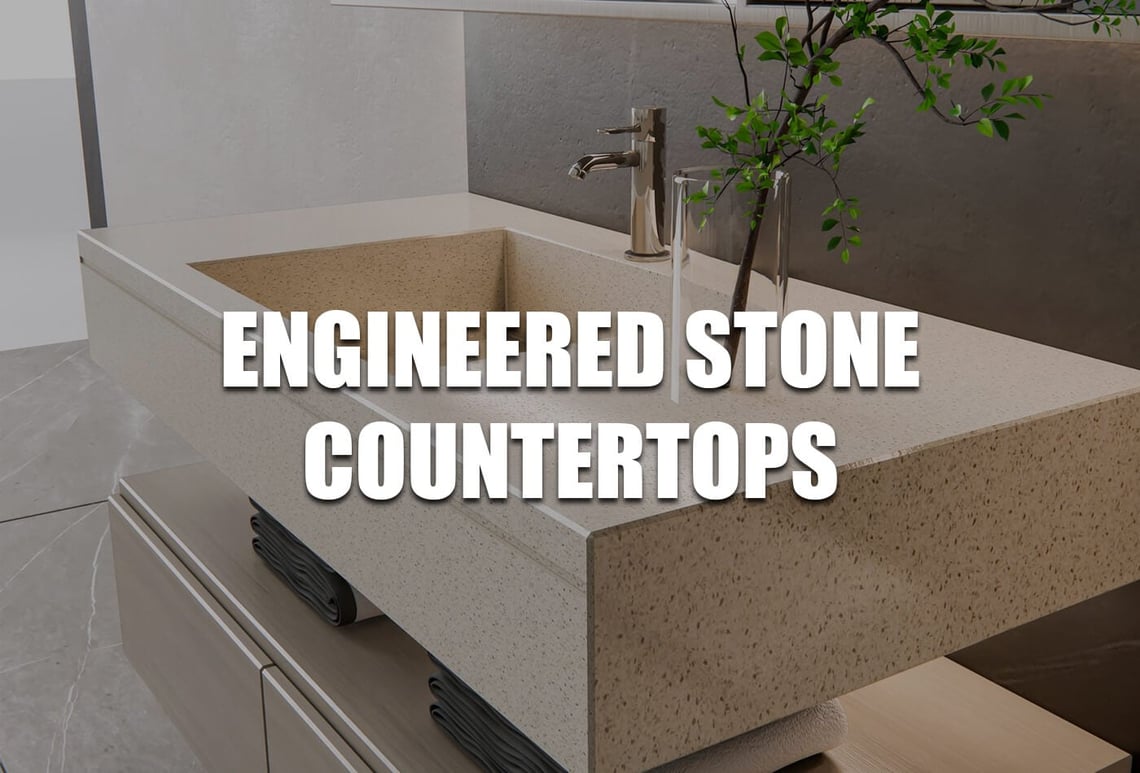
Let’s clear this up first: a quartz worktop is a type of engineered stone slab. The slabs are made by blending crushed stone, which are mostly natural quartz crystals, with resin and pigments. That mix is then pressed and baked into slabs. The slabs turn out to be durable, stain-resistant and near-indestructible in a home kitchen.
So yes, when you see “quartz countertops”, you’re still looking at engineered stone. But not all engineered stones are quartz. There are new composites in the market now made with recycled glass, porcelain, or even low-silica minerals.
HELSINKI WHITE PORCELAIN

£344.69
Helsinki White porcelain has a beige white background that features striped pattern with grey veins of varying thicknesses. It is a highly durable, engineered surface stone that is blessed with qualities like moisture, stain and scratch resistance. It hence shows… read more
STATUARIO NUOVO RECTIFIED PORCELAIN TILES

£28.50
Statuario Nuovo Rectified Porcelain Tiles is manufactured to imitate the marble-effect of the famous Statuario Marble from Carrara, Italy. It has a white background with grey veins. One of the most sought-after marbles in the entire world has been reproduced… read more
GREY STARLIGHT ( DARK GREY ) QUARTZ

£293.31
Grey Starlight Quartz has a surface that is predominantly dominated by grey much like the name suggests. The entire slab is patterned with various sized glass and mirrored flecks. It is a dream come true for kitchens, baths, entryways, laundry… read more
Why the Buzz Around Silicosis and Engineered Stone Bans?
Engineered stone looks great in kitchens, but there’s a hidden risk when it’s being cut or polished. Researchers say that workers can breathe in fine silica dust. This, when it happens over time, may cause silicosis, a serious lung condition. Because of this, some countries are restricting or even banning certain engineered stone worktops. In the UK, the discussion is growing, so it’s worth asking your installer about safety measures. That doesn’t mean you can’t buy it, but it does mean buyers are starting to ask tougher questions about sourcing and fabrication safety.
But we would say workers can protect themselves from silicosis with proper measures: wet cutting/polishing, effective dust extraction (LEV), high-quality respiratory masks (P3/P100), protective clothing, and regular health checks. This way, the process could be protected.
Next Read: What Is The Most Hygienic Worktop for Kitchens?
Types of Engineered Stone Countertops in the Market
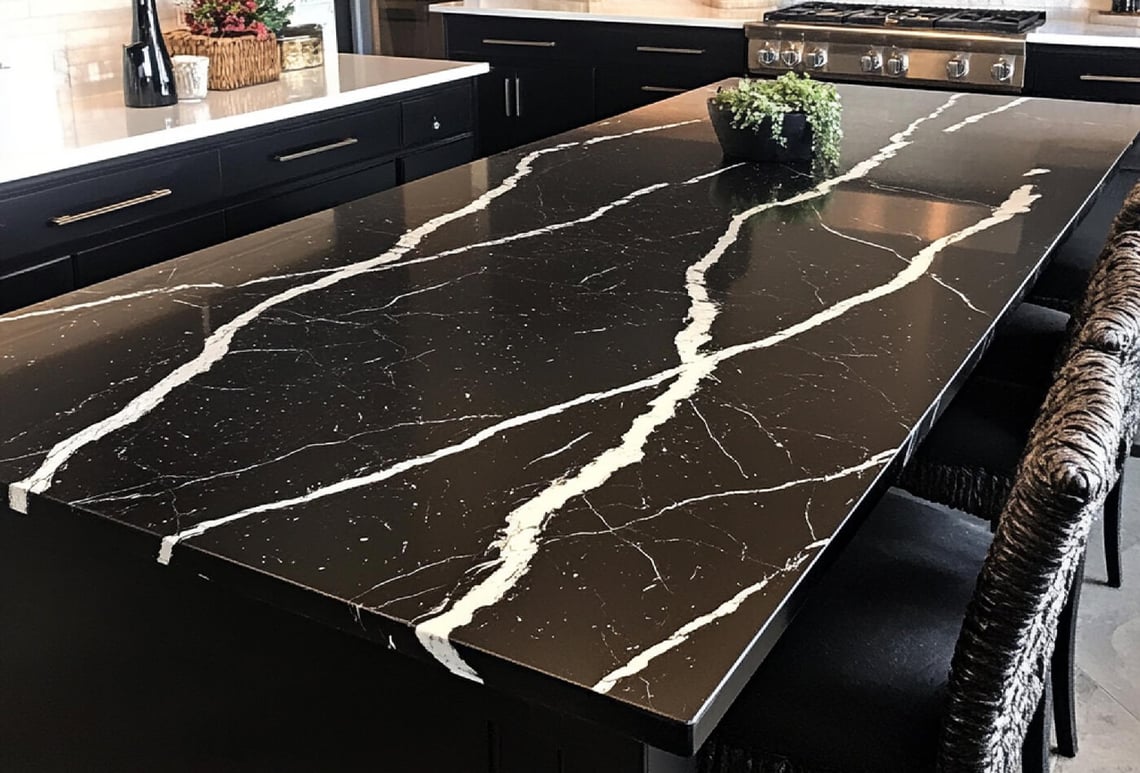
Not all engineered stones are the same. Here’s how it usually breaks down:
Quartz surfaces: classic, uniform look, low maintenance.
Composite stone worktops: A mix of natural stone and resins, sometimes using recycled materials.
Porcelain-based engineered stone: newer, tougher, and lower in silica.
Hybrid or “eco” engineered stone: uses recycled glass or alternative binders to reduce dust risk.
If you’re researching the best engineered stone worktops, look beyond just brand names; check for “low-silica” or “silica-free” options. These are starting to replace the traditional quartz-heavy slabs.
Check out Latest Engineered Stone Collection
Engineered Stone vs Quartz vs Granite vs Corian
When homeowners start comparing, it usually goes something like this:
Material | Look & Feel | Maintenance | Safety | Price |
Quartz (engineered stone) | Polished, consistent patterns | Very low | Silica risk during cutting | £300–£600 per m² |
Granite countertops | Natural, unique | Needs sealing | Safer for workers | £250–£500 per m² |
Corian countertops | Seamless, modern | Scratch-prone | Low silica | £350–£700 per m² |
Composite stone | Varied | low | Depends on make | £300–£650 per m² |
Pros and Cons of Engineered Stone Countertops
Pros:
Sleek, high-end look for less than natural stone
Non-porous, doesn’t absorb stains
Huge variety of colours and patterns
Durable and easy to maintain
Cons:
Health risk during fabrication (silicosis)
Resin can discolour near high heat
Not ideal for outdoor kitchens
Possible bans may affect resale or supply
Next Read: Are Worktops Food Safe?
Engineered Worktop Prices & What’s Available Near You
In the UK, engineered stone worktops prices range roughly from £250 to £600 per square metre, depending on the brand and finish.
If you search for engineered stone countertops near me, you’ll likely find quartz showrooms, kitchen studios, and local fabricators. But if you’re going this route, ask them directly about their silica safety protocols, a question more homeowners are starting to raise.
We don’t offer samples of engineered stone countertops, and it’s not because we want to be difficult. It’s a conscious, green choice, reducing waste and keeping the material out of landfills. Instead, we encourage visiting our showroom or viewing full slabs in person.
Call 0330 113 5868 or email info@work-tops.com for queries.
So, Is Engineered Stone Still Worth It?
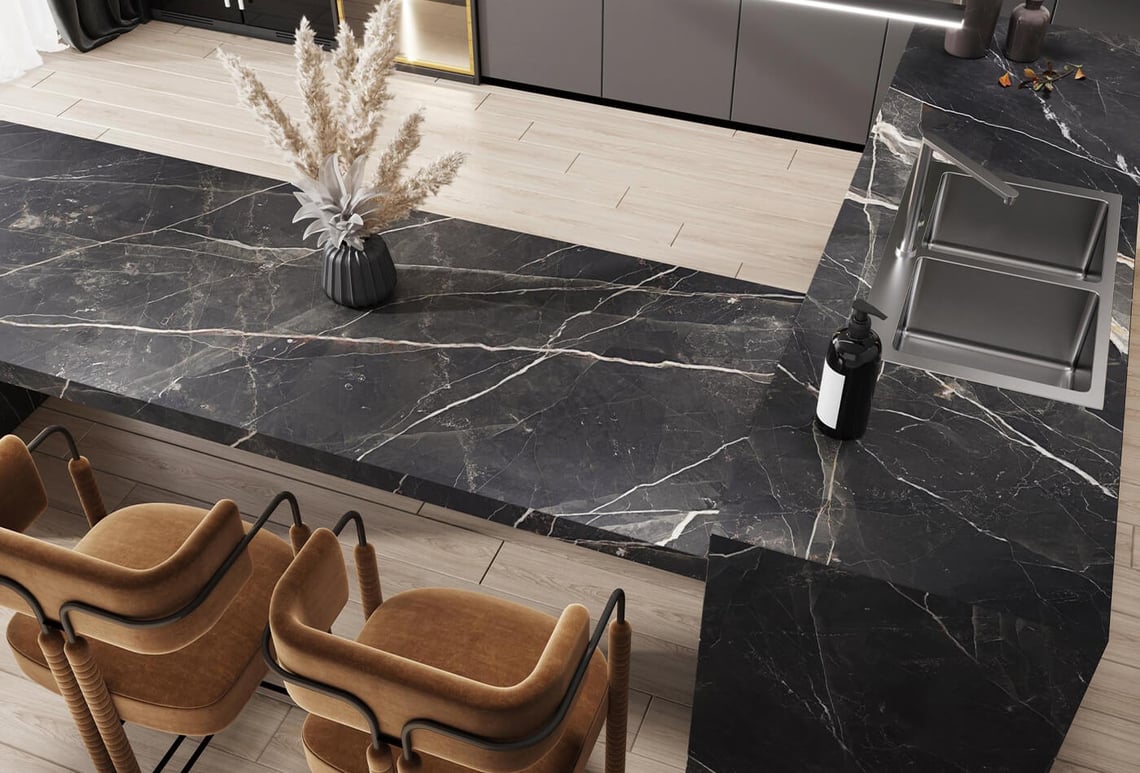
If you love the look of quartz but don’t love the idea of dust-related disease or potential bans, you’ve got choices. New-generation low-silica engineered stones, sintered surfaces, and even recycled composite worktops offer a safer middle ground.
Engineered stone isn’t going away; it’s just evolving. The next wave will likely be engineered differently: safer for workers, just as sleek for your kitchen, and maybe even more sustainable.
When choosing engineered countertops in the UK, ask the installer about care instructions; some surfaces need sealing, while others are maintenance-free. Also, check for any updates on safety regulations and make sure the fabricator uses dust control when cutting. A little research goes a long way toward a kitchen you’ll enjoy for years.
BLUE AGATE SEMI PRECIOUS

£2,372.75
Blue Agate Semi Precious Stone Slab is a fantastic decorative stone slab that is popularly used by both residential homeowners as well as commercial property owners. It has an enchanting visual appearance that features multiple pebble like designs in blue,… read more
MALACHITE SEMI PRECIOUS

£4,060.25
Malachite Semi Precious Stone Slab has an enchanting visual appearance created by repetitive green and black hallucinative designs. This stunning decorative stone slab is popularly used by both residential homeowners as well as commercial property owners. Also, this stain-resistant semi-precious… read more
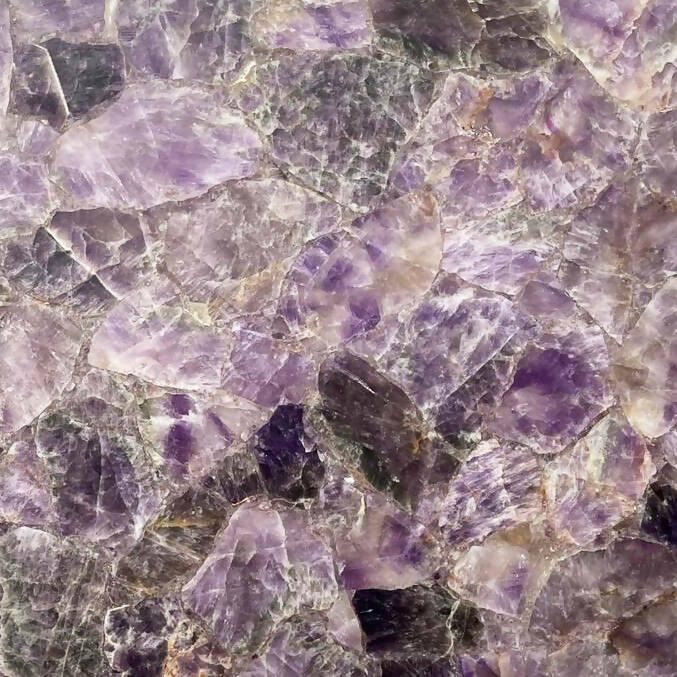
AMETHYST SEMI PRECIOUS
£2,654.00
Amethyst Semi Precious Stone Slab is a fantastic decorative stone slab that is popularly used by both residential homeowners as well as commercial property owners. It has a striking visual appearance that features repetitive designs created by varying shades of… read more
Best-Selling Engineered Worktops 2024
Final Thoughts
Engineered stone countertops are at a crossroads. The beauty is still there, but the industry is under pressure to clean up how it’s made. As the UK watches global bans and health studies, the smartest thing homeowners can do is stay informed and choose responsibly.
Get your free quote for a kitchen makeover or email info@work-tops.com for queries.
Dial 0330 113 5868 for the material suggestion today.
Frequently Asked Questions and Answers
What Is The Engineered Stone Worktops Ban In The UK?
Some UK authorities are reviewing safety rules because of silica dust exposure during fabrication.
Does Engineered Stone Countertop Need Sealing?
No. Almost all engineered worktops are non-porous. This means it requires no sealing, unlike granite or marble.
Is Engineered Worktop Suitable For Bathrooms?
Yes. You can install engineered surfaces like quartz, Dekton, Terrazzo slabs in each and every place of a home, not just the kitchen. They are made to resist stains and moisture so it is perfect for bathroom walls, shower claddings, splashbacks, etc.
Will One Hot Pan Ruin My Quartz Worktop?
One hot pan will not instantly ruin engineered stone countertops like quartz but it may leave faint marks if you do not wipe them immediately, and spoil in the long run.