Table of Contents
- Importance of Antibacterial Kitchen Worktops
- Common Kitchen Worktops & Their Hygienic Qualities
- What Is The Most Hygienic Worktop?
- Common Kitchen Hygiene Problems Faced By UK Homeowners
- How To Keep Kitchen Worktops Hygienic?
- Kitchen Worktops Cost vs Hygiene: UK Expectations
- Order Antibacterial Kitchen Worktops in the UK
- Final Thoughts: What Is The Most Hygienic Worktop?
- Frequently Asked Questions and Answers
When it comes to kitchen hygiene, the worktop is one of the most important surfaces in your home. Every spill, every raw food prep, and every cleaning job involves it. But which material gives you maximum hygiene while also being practical, durable, and attractive? In this article, we explore what is the most hygienic worktop available in the UK, comparing the leading materials, real-world pros & cons, and how to maintain hygiene long-term.
Importance of Antibacterial Kitchen Worktops
Choosing the right kitchen worktop isn’t just about looks or price. Hygiene plays a much bigger role than many people realise.
Have you thought about how, day after day, your worktops face moisture, food scraps, raw meat juices, fruit acids, and everyday spills? And do you realise that if your countertops are porous or full of tiny grooves, they’ll be trapping huge amounts of germs, making it extremely hard to clean? Ofc, the bacteria that get trapped will survive in hidden pores even with your regular wiping if the material isn’t naturally resistant.
This means that over time, your worktops stain, wear, and may develop fine cracks, creating micro-crevices where dirt and microbes can settle permanently. Now you know why just asking, “What is the most hygienic worktop?” isn’t enough. Talking to experts of the industry, selecting an antibacterial or highly non-porous worktop from the start is very important. This makes everyday cleaning easier and keeps your kitchen safer for food preparation.
Help Me Pick The Safest Kitchen Worktops
DARK EMPERADOR MARBLE

£270.80
The delicate cream veins on the dark brown marble are a depiction of sophistication. It is especially good for countertops,wall and floor applications. It is also suited for interior and exterior designs.Dark Emperador Marble is quarried in Spain. Emperador Oscuro,… read more
GOLD MARINACE GRANITE

£444.10
Gold Marinace Granite is a multicolour, coarse grained natural stone that has a gorgeous blend of olive green, brown, beige, grey and black. Granite is a natural stone which adds charm and elegance to any living space. Granites are formed… read more
INDO LAVANTE MARBLE

£260.00
Indo Levanto is a shade of brown-orange marble combined with darker and lighter shades of grey and white veins on the brown-orange slab. This stone is especially good for exterior and interior wall and floor applications, monuments, countertops, mosaics, fountains,… read more
Common Kitchen Worktops & Their Hygienic Qualities
Material | Hygiene Strengths | Hygiene Weaknesses | Maintenance / Notes |
Quartz | Almost non-porous, resists staining; doesn’t absorb liquids easily, so there are fewer places for germs to hide. According to several UK sources, quartz is often rated among the top choices for hygiene. | Sensitive to high heat in some cases; cheaper, resin-heavy options may be less durable. | Use only mild detergent to clean your worktop. Avoid harsh acids and abrasive pads. Make sure to use trivets for hot pans. |
Silestone and Dekton | Extremely dense; minimal porosity; excellent resistance to bacteria, staining, and even heat; very easy to clean. | Can be expensive and heavy; installation must be precise; large-format slabs may require strong support. | Clean just like quartz; avoid dropping heavy items; edges/seams need expert finishing. |
Granite (Sealed Natural Stone) | Very durable; when properly sealed, polished granite resists germs and is fairly hygienic; natural stone appeals. | Natural stone is porous to some extent; requires sealing; joints and unsealed edges can trap dirt; can stain with acidic spills if not maintained. | Re-seal periodically, clean spills immediately, use cutting boards, and avoid acid cleaners. |
Solid Surface (e.g., Corian etc.) | Seamless sinks and joints are possible; generally non-porous; easy to repair; good for families or frequent food prep. | Less heat tolerant; can scratch more easily; some repair needed over time; initial cost may be higher. | Use mild cleaners; fix scratches via the manufacturer’s guidelines; avoid placing hot pans directly. |
Contact Us for Best Kitchen Worktops in the UK
What Is The Most Hygienic Worktop?
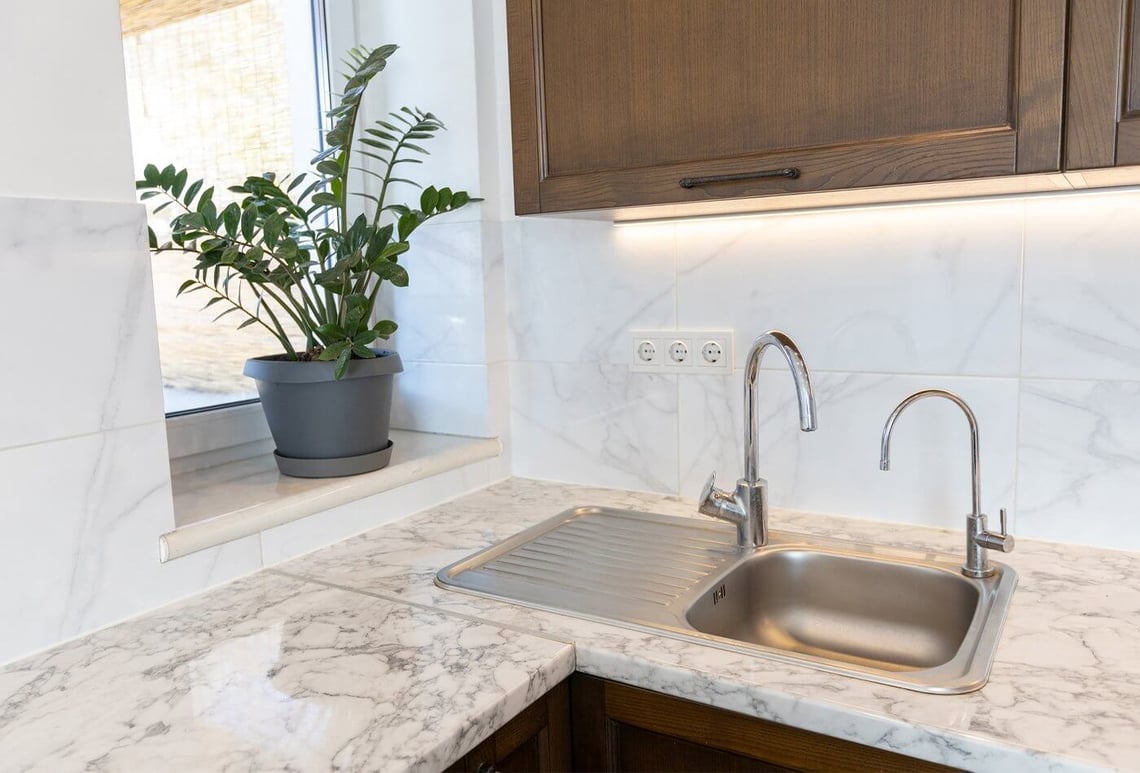
Based on comparisons, user experiences, and durability, quartz and sintered stone/ultra-compact surfaces like Silestone and Dekton emerge as top contenders for what is the safest and most hygienic worktop.
Sintered stone and ultra-compact surfaces like Dekton have a very slight edge due to extreme density, full non-porosity, and high resistance to both wear and bacterial buildup.
If budget is your concern, regular Quartz worktops are also a good pick.
Common Kitchen Hygiene Problems Faced By UK Homeowners
Besides bluntly asking, "What is the most hygienic worktop?" here are some of the common questions asked by UK homeowners, which reflect real concerns:
“Is Quartz Really Non-Porous or Only After Sealing?”
“How Often Do I Need to Seal Granite Before It Becomes Unhygienic?”
“Can Stainless Steel Worktops Get Mould Under Joins or Behind Splashbacks?”
“What Happens If I Leave Raw Meat Juices On A Worktop Overnight – Which Material Kills Or Resists Bacteria Best?”
“Do Cheaper Quartz/Resin Blends Perform Noticeably Worse In Hygiene Terms?”
These concerns underline that hygiene isn’t just about the material name — it’s also about installation quality, how it is cleaned, sealed (if needed), and how you look after it daily.
Call 0330 113 5868 to discuss the answers.
How To Keep Kitchen Worktops Hygienic?
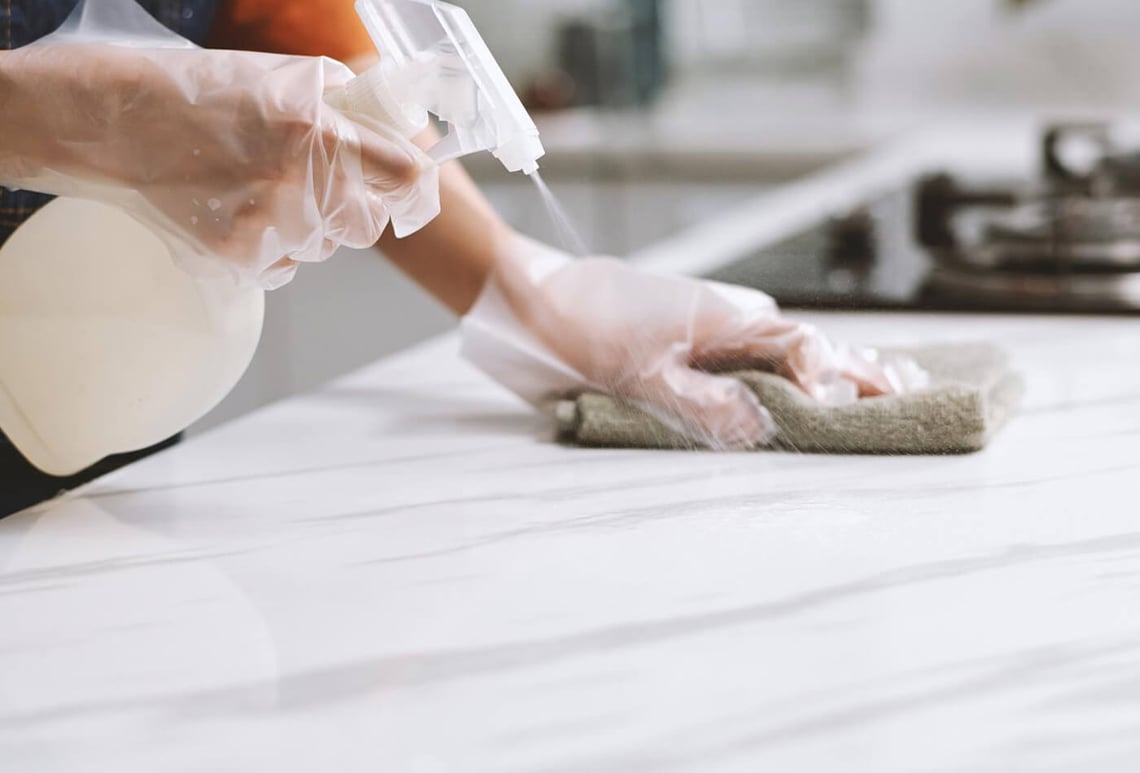
Okay, so what decides what is the most hygienic worktop?
Even with the best material, poor maintenance will negate many advantages. Here are best practices you can follow to get an antibacterial kitchen for a longer period of time:
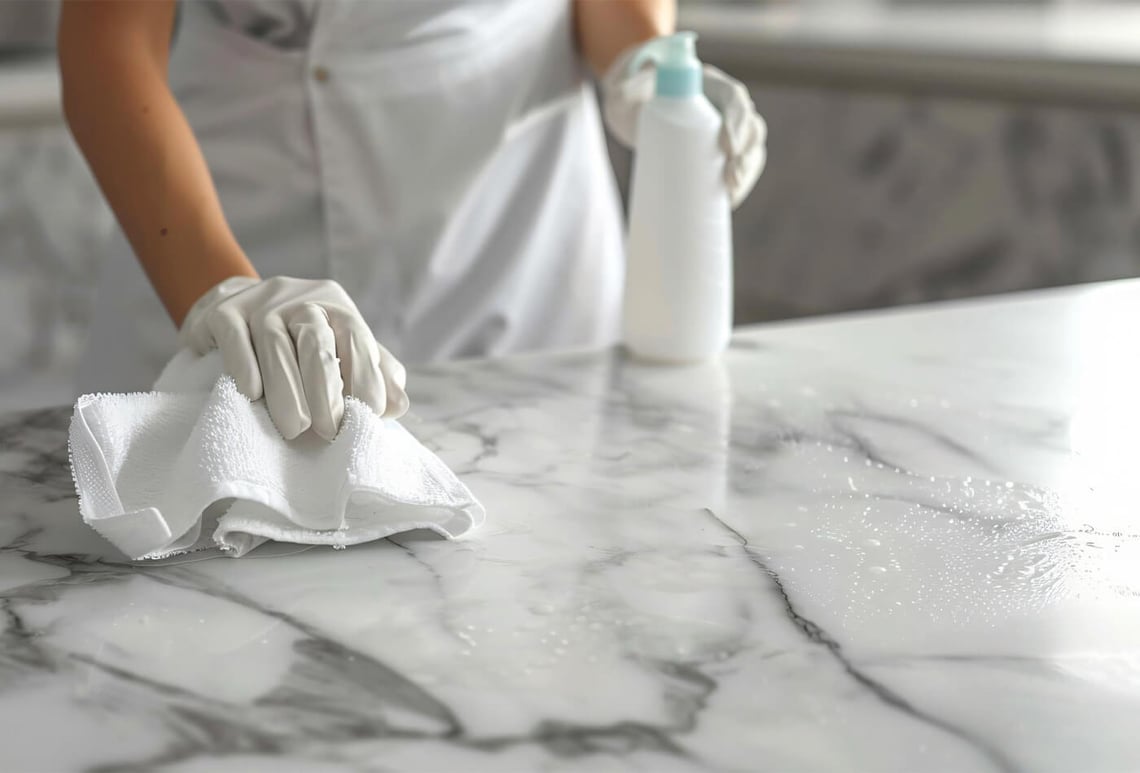
Remove scraps from your kitchen worktops and wipe with a mild non-abrasive cleaner. This habit of cleaning promptly after use will take it a long way.
Don't use bleach on marble and granite worktops for cleaning. Just using a safe, food-contact disinfectant is enough to disinfect regularly.
Try to avoid damaging your countertops by using trivets and chopping boards, as knives can easily scrape them. The reason is that chips and cracks are heavy breeding grounds for bacteria. So if you spot one, repair promptly.
Seal Natural Materials: For granite, marble, etc., sealing is necessary (usually annually or as the manufacturer recommends).
Don't allow water ingress, as that could be another unhygienic ground for bacteria growth. Make sure your worktop seams & joints are properly sealed. Try to keep as few joints as possible, even in splashbacks or backsplashes.
Even the finishes play a role in kitchen hygiene. Gloss finish countertops may show dirt more, but they are easier to clean. Comparatively, matte finishes and other textured surfaces do hide marks but are harder to disinfect.
So have we understood that what is the most hygienic worktop is highly decided by factors other than just the material? Let us know your opinions in the comment below.
Kitchen Worktops Cost vs Hygiene: UK Expectations
Sintered stone tends to be premium priced. Costs include material, transportation (heavy slabs), and expert installation.
Quartz is generally less expensive but still a higher-end material compared to laminate or wood.
Stainless steel can cost more depending on fabrication (seams, special sink integration).
Natural stone like granite may have a lower initial cost but with ongoing sealing/maintenance costs.
Also Read: How To Remove Turmeric Stains From Stone Counters?
Order Antibacterial Kitchen Worktops in the UK
If I have to list the absolute leaders in kitchen hygiene, I recommend Silestone and Dekton worktops. They are hard to beat thanks to their non-porous surface.
But what is the most hygienic worktop is highly decided by other factors too, like correct installation, regular cleaning and sensible daily care. Otherwise, there is almost no difference in having a wooden worktop or a sintered one.
For best stain- and moisture-proof kitchen worktop collection and the top-rated cleaning practices, call 0330 113 5868 or email info@work-tops.com
You can also click here for free quotes on hygienic kitchen worktops.
NERO FANTASY GRANITE

£438.20
This granite is from South Africa. The textures run across like flowing water and like clouded patches – capable of inspiring you to design with it. It is also described to be strands of Angel feathers left in the world,… read more
MOCHA QUARTZ

£300.50
Mocha Quartz is a stunning, long-lasting quartz material that is inspired by the looks of Mocha marble. It has a brown face which is detailed with a golden-white vein pattern that adds dimension. It can be used to design your… read more
NERO MISTRAL QUARTZ

£338.54
Nero Mistral Quartz is an eye-catching interior design slab that features a black base with busy white veins. It is given a dazzling finish that makes a perfect addition in both residential and commercial settings. It is a dream come… read more
Final Thoughts: What Is The Most Hygienic Worktop?
You see, kitchen safety isn’t just about appliances and gadgets. A large part of it also starts with our regular cleaning practices about the surface we prepare food on.
But choosing kitchen worktops that are non-porous is one of the key decisions that makes an antibacterial kitchen. Our experts not just offer you the best deals but also advice, help you choose the most antibacterial materials and arrange professional installation anywhere in Britain.
For design ideas and instant pricing, call 0330 113 5868 or email info@work-tops.com today.
Frequently Asked Questions and Answers
What Are The Best Materials For A Hygienic Kitchen Worktop?
Choose non-porous worktops to be safe. At Work-tops.,com we have the best hygienic worktops, Silestone and Dekton, with almost zero porosity. They resist absorption of liquids and bacteria, making them easier to clean and less likely to harbour germs.
How Often Should Granite Be Sealed To Stay Hygienic?
Seal your Granite worktops at least once a year in the UK so that there are no pores for bacteria to enter. If water no longer beads on your worktop surface, it likely needs resealing.
Do Cheaper Quartz Worktops Compromise On Hygiene?
Cheaper quartz blends may have higher resin content making them slightly more porous or less resistant to heat or stains. If hygiene is a priority, opt for reputable brands like Silestone and ensure good installation from affiliated partners like Work-tops.com.
What Is The Most Hygienic Worktop?
Silestone and Dekton worktops are highly non-porous making them best antibacterial choices for kitchen countertops. But it is very important that you know the best cleaning practices to actually make them hygienic worktops. More in the blog.
Can Wood Ever Be A Hygienic Worktop?
If you have time to pay attention to its maintenance that includes sanding, sealing, oiling and keeping it dry at most times, wood is fairly hygienic. But compared to stone worktops, it will always be more prone to absorbing moisture, staining or harbouring bacteria. For serious hygiene, wood often needs more care and isn’t usually the top recommendation.
Does Finish (Polished vs Matt) Affect Hygiene?
The finish of kitchen worktops does play a role in hygiene. Notice that your polished countertops are easier to wipe clean. This is because they are more levelled in the microscopic level thus having fewer places for bacteria to hide. While matt and other textured finishes like brushed and flamed have small dents on the surface that hide dirt making it harder to clean thoroughly.