Table of Contents
- Why Porcelain Feels “Heavy”?
- How Much Does Porcelain Weigh?
- UK Building Standards and Upstairs Floors
- The Real Challenge: Subfloor Preparation
- Bathrooms Upstairs With Porcelain
- Porcelain in Bedrooms and Living Areas
- Common Myths About Porcelain Upstairs
- Lifespan of Porcelain Tile and Professional Advice
- Porcelain Maintenance and Everyday Living
- Why Homeowners Still Choose Porcelain?
- FINAL THOUGHTS - Upstairs Porcelain Tiles
- Frequently Asked Questions and Answers
When people think of tiling a bathroom or bedroom upstairs, one worry pops up: “Is porcelain tile too heavy for upstairs?” It’s a fair concern. Nobody wants to put in the effort, only to risk cracked floors or, worse, structural strain.
The good news? In most UK homes, porcelain tiles can be installed upstairs safely – with the right preparation. Let’s break down the facts.
Let’s clear it up once and for all.
Find a Stylish Porcelain That Lasts Decades
Why Porcelain Feels “Heavy”?
Porcelain is dense. It’s fired at extremely high temperatures, which makes it harder, tougher, and yes, heavier than standard ceramic. Pick one up in a tile showroom and you’ll instantly feel the difference.
But weight in your hand doesn’t automatically mean it’s too much for your upstairs floor. The strength of the building matters more than the tile itself.
Renovating Entire Home? Check Out Popular Stone Collection
How Much Does Porcelain Weigh?
On average, a Porcelain tile weighs around 20–25kg per square metre. The final weight depends on the thickness of the tile. A Ceramic tile on the other hand, is slightly lighter and weighs 16–20kg per square metre in general.
Add adhesive and grout, and you’re looking at a little more. Still, UK building standards typically account for much heavier loads than this. Your floor joists are designed to handle furniture, people, and appliances combined.
A set of wardrobes or a full bath weighs far more than porcelain tile weight ever will.
Next Read: Do Marble Tiles Crack Easily? What Most People Don’t Know
UK Building Standards and Upstairs Floors
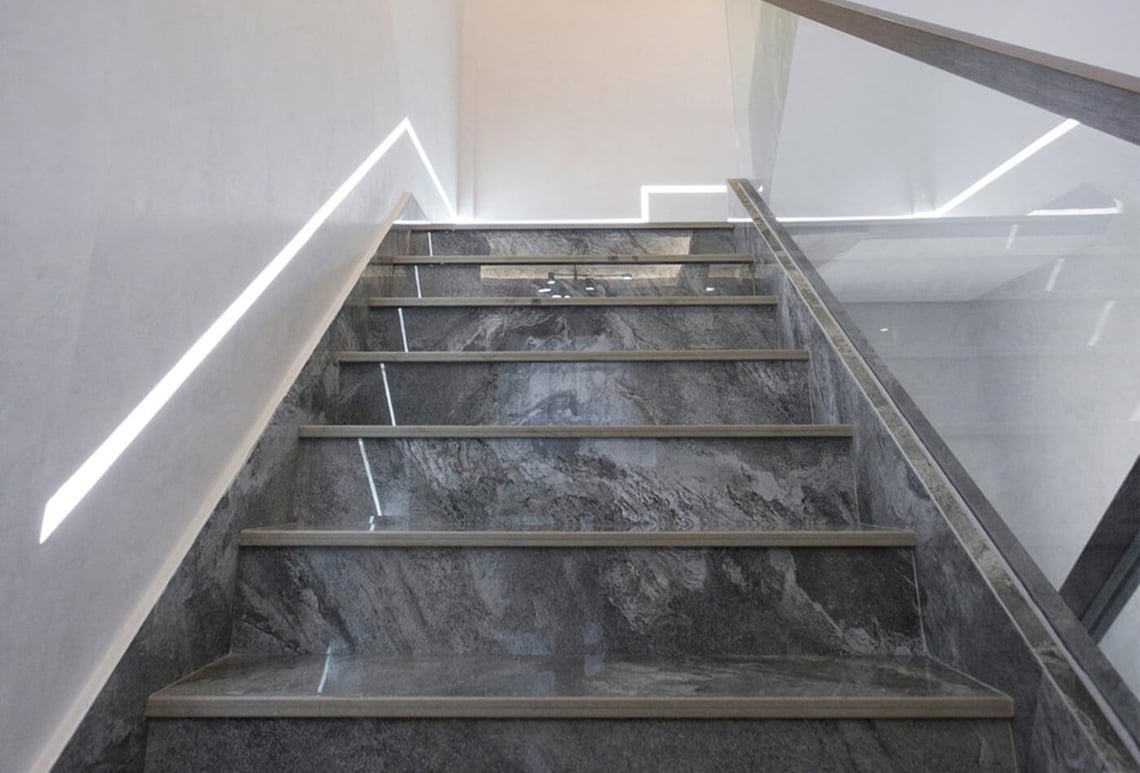
Here’s what matters: British building regulations usually design upstairs floors to carry about 1.5 kN/m² to 2 kN/m² (that’s roughly 150–200 kg per square metre). Compare that to porcelain tile at 25 kg/m², and you can see there’s a huge safety margin.
That said, older properties may have timber floors that flex more than modern builds. In these cases, weight is less of an issue than movement. Tiles don’t like movement. They’re rigid, so they can crack if the floor bends beneath them.
To Check Out Variety Tile Collection for Home Renovation - Click Here
The Real Challenge: Subfloor Preparation
So, is porcelain tile too heavy for upstairs? No – not if the subfloor is prepared correctly.
What really matters is:
Flatness: The floor must be level. Small dips can create stress points.
Strength: Joists and boards should be secure, with minimal bounce.
Underlayment: A cement backer board or decoupling mat can distribute weight and absorb movement.
Think of it like this: porcelain doesn’t damage the floor; poor installation does.
Avoid Costly Mistakes - Contact for Expert Advice Today
Bathrooms Upstairs With Porcelain
Is porcelain tile too heavy for upstairs? One of the most common places for porcelain upstairs is the bathroom. UK homeowners love porcelain because it’s water-resistant and looks fantastic in marble or stone-effect finishes.
Can your bathroom handle porcelain? Almost always, yes. In fact, porcelain is often safer than wood-effect vinyls upstairs because it won’t swell with steam.
The only thing you’ll need to check is the strength of the floor beneath a bath. The bath plus water plus a person can weigh hundreds of kilos. Tiles add comparatively little in that equation.
Email info@work-tops.com or just dial 0330 113 5868 to order the best porcelain for your home today.
Porcelain in Bedrooms and Living Areas
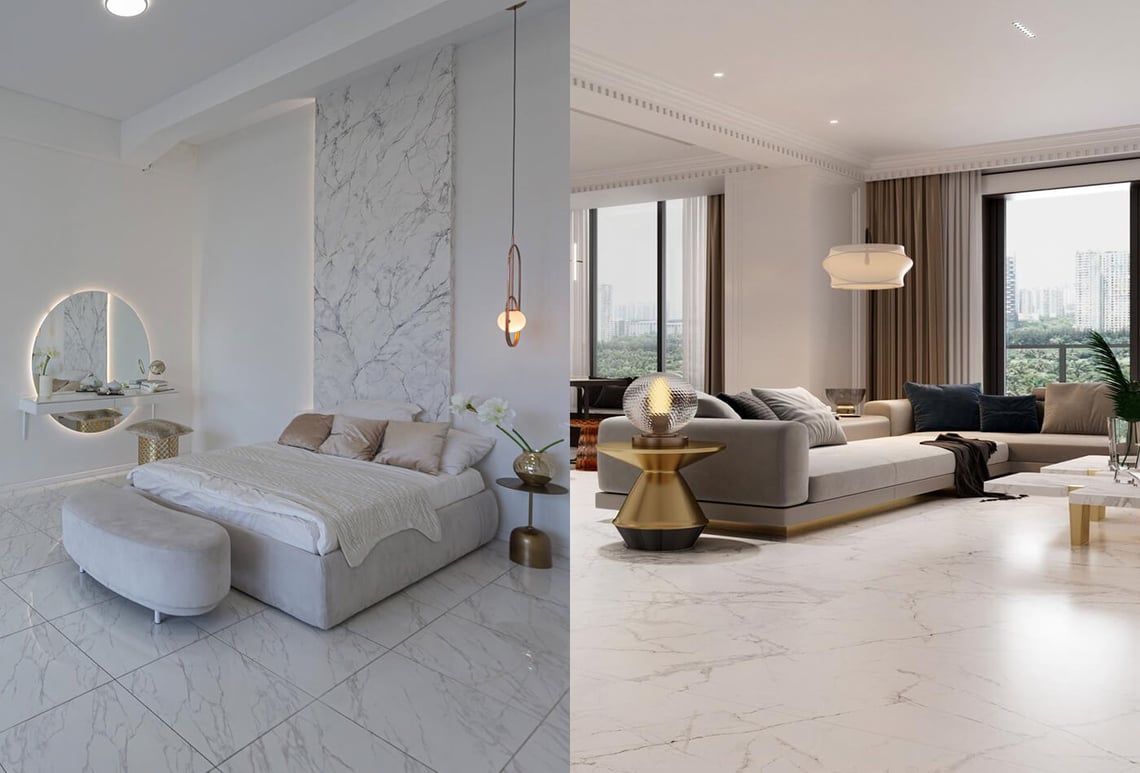
Is porcelain tile too heavy for upstairs and suitable for bedrooms? Tiles upstairs aren’t just for bathrooms. Some UK homes now feature tiled bedrooms or lofts for a contemporary look.
If you’re considering a porcelain tile, it is a good decision. It works brilliantly with underfloor heating upstairs.
Porcelain tiles are also hygienic, easy to clean and a long-lasting investment.
The weight of the tile isn’t a problem; comfort underfoot and warmth are bigger considerations.
Adding rugs or mixing tile with softer flooring zones can solve that easily.
Also Read: Do You Need To Seal Marble Floor Tiles? Avoid Costly Mistakes
Common Myths About Porcelain Upstairs
1. “Porcelain is too heavy; the ceiling will collapse.”
Not true. The load is far below what UK floors are designed to handle.
2. “You can only use ceramic upstairs.”
Ceramic is lighter, yes, but porcelain is perfectly suitable. Choice should depend on design and use, not fear of weight.
3. “Tiles crack upstairs because they’re heavy.”
Tiles crack from movement or poor installation, not from being “too heavy”.…so, what do you think, “is porcelain tile too heavy for upstairs?”
Lifespan of Porcelain Tile and Professional Advice
If you’re in an older UK home – especially Victorian or Edwardian properties – it’s smart to have a tiler or builder check the joists. They may recommend reinforcing or adding a cement backer board. If you look at it wisely, it is a small investment compared to the lifespan of porcelain, which can last decades.
Want To Send An Email For A Tiles Order?
Porcelain Maintenance and Everyday Living
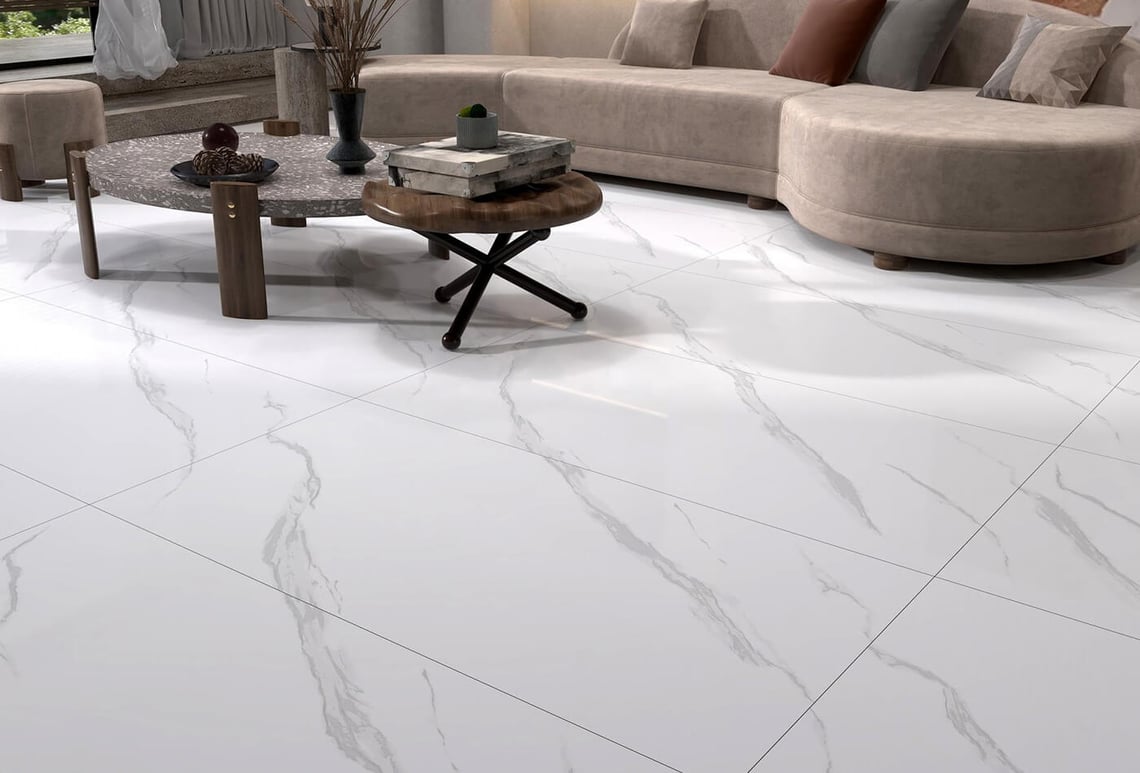
Once installed, porcelain upstairs behaves exactly as it would downstairs.
Some simple steps will ensure that your porcelain tiles remain in their best state and increase its lifespan:
Sweep regularly.
Mop with a mild detergent.
Use rugs in high-traffic areas if you like warmth.
The tiles won’t warp or bend. They’ll look as good in 15 years as they do on day one.
Why Homeowners Still Choose Porcelain?
So why risk the extra weight at all? Because porcelain offers:
Durability – handles pets, kids, and heavy furniture.
Style – mimics stone, wood, or concrete flawlessly.
Longevity – you won’t be replacing it every 5–10 years.
Ceramic is a great option, but if you want something that feels solid and premium, porcelain’s the natural choice.
FINAL THOUGHTS - Upstairs Porcelain Tiles
So, is porcelain tile too heavy for upstairs?
No. In most UK homes, the floor structure easily supports it. The key is proper preparation: stable subfloor, correct adhesive, and expert installation.
Tiles don’t break houses. Poor planning does.
At Work-tops.com, we supply porcelain tiles trusted by homeowners, designers, and contractors across the UK. Whether it’s for a bathroom, bedroom, or an entire loft conversion, we’ll help you choose the right tile for your upstairs project.
Shop Your Favourite Porcelain Tile Today
Frequently Asked Questions and Answers
1. Are Porcelain Tiles Suitable for Bathroom Upstairs?
You can install porcelain tiles in your bathroom upstairs. They don't absorb moisture and thus have a better performance than most options.
2. Is Porcelain Tile Suitable For Upstairs Bathrooms And Bedrooms?
Absolutely. Porcelain’s density and water resistance make it ideal for wet areas (like bathrooms), and it's beautifully low maintenance in living areas too. Many UK homeowners install it upstairs with excellent results. Just be mindful of slip resistance in bathrooms and comfort in living spaces, underfloor heating or rugs can help.
3. Will Porcelain Tiles Crack Due To Floor Flex Or Movement Upstairs?
Tiles don’t crack because of weight—they crack because of movement. Porcelain tiles are rigid. If your floor structure flexes, it can compromise the tile. This can be avoided easily with proper subfloor preparation like adding cement backer boards or using a decoupling membrane.
4. Can Upstairs Floors Support The Weight Of Porcelain Tiles?
Yes, your floors upstairs can support the weight of porcelain tiles. Modern UK building standards typically design upper floor bedrooms and bathrooms to handle loads up to 150–200 kg/m². Even if you compare that with installation materials, porcelain tiles generally weigh only 20–25 kg/m², so they’re well within structural limits in most homes. The exceptions only apply to very old or compromised floor structures.
5. Is Porcelain Tile Too Heavy For Upstairs?
Porcelain may be heavy in weight, but it is tougher in strength. It is completely safe to install upstairs.