Table of Contents
- Porcelain vs Ceramic: What’s the Real Difference?
- So, Does Porcelain Break Easier Than Ceramic?
- What is Porcelain Tile Best For?
- Best Use of Ceramic Tiles
- Why Do Tiles Crack? List of Reasons
- Porcelain Vs Ceramic – What’s Durable for Your Home?
- Caring for Porcelain and Ceramic Tiles
- Ceramic Vs Porcelain Style and Design Choices
- Porcelain Vs Ceramic: How to Decide?
- FINAL THOUGHTS
- Frequently Asked Questions and Answers
When you’re choosing tiles, there’s always that question: “Does porcelain tile break easier than ceramic?” It’s fair to ask. Tiles go on floors, walls, showers, kitchens – places where they need to take a lot of wear. Nobody wants a cracked surface just months after installation.
Let’s clear it up once and for all.
Check Out the Variety Tile Collection for UK Homes.
Porcelain vs Ceramic: What’s the Real Difference?
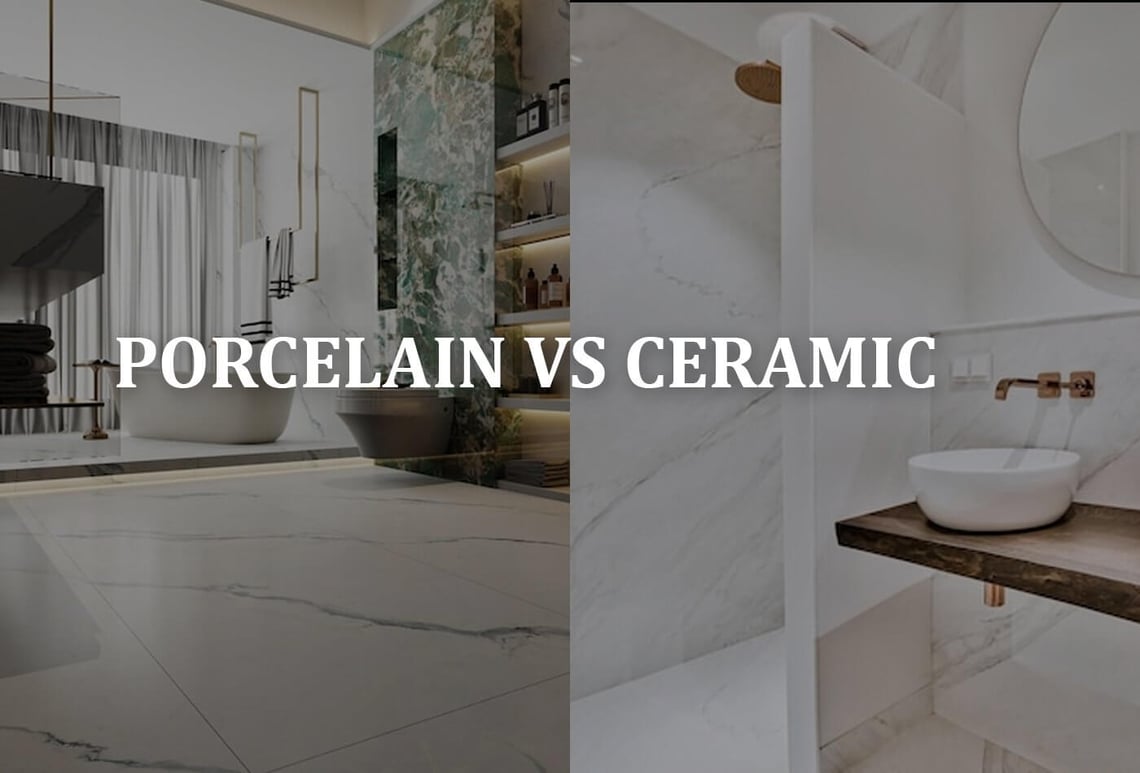
Both porcelain and ceramic have been created from the same base. That is, clay, water and heat. But the process of creation is what changes how each tile behaves. That is what creates the key difference between ceramic and porcelain tile.
Porcelain is fired at higher temperatures, making it denser, harder and less porous. You can think of a porcelain tile as a tightly packed clay that is baked until it’s almost stone-like.
Ceramic, on the other hand, is fired at slightly lower temperatures. It’s still strong but a bit lighter, easier to cut and usually more budget-friendly.
On the surface, both tiles can look almost identical. You’ll see marble-look ceramics and porcelain that mimics natural stone. To the untrained eye, they’re just tiles, but experts know which is more durable, ceramic or porcelain tile.
Renovating Home Entirely? Check Out Popular Stone Collection
So, Does Porcelain Break Easier Than Ceramic?
So, does porcelain tile break easier than ceramic? Short answer: No.
Porcelain is actually tougher. Because it’s denser, it resists chips and scratches better than standard ceramic. That’s why it’s popular in busy kitchens and hallways.
But here’s the part people miss:
Tiles don’t usually “break” because they’re weak. They break because of how they’re used.
- A poorly prepared floor.
- An uneven sublayer.
Heavy impact from something dropping on them.
Even the strongest porcelain won’t survive a cast-iron pan landing edge-first. The same goes for ceramic. It’s not about being fragile. It’s about physics.
Next Read: Porcelain Vs Ceramic Sink / Basin: How Different Are They?
What is Porcelain Tile Best For?
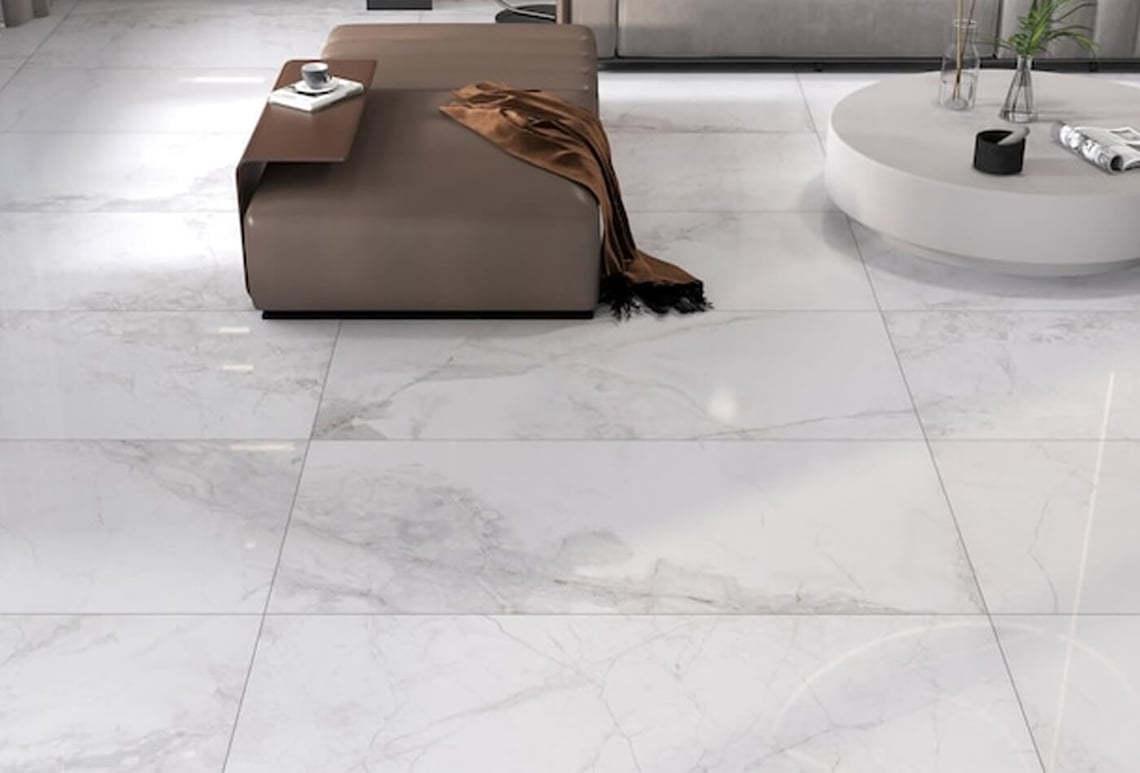
In the UK, porcelain flooring is a go-to for:
Kitchen floors – withstand spills, constant foot traffic, and pets.
Bathrooms – low water absorption, so less risk of moisture damage.
Outdoor patios – frost-resistant when properly graded.
Hallways – tough enough to handle boots, bags, and even bicycles.
It’s a hard-working tile. That’s why you’ll often hear designers recommend porcelain tiles for high-traffic areas.
Keep reading to know “does porcelain tile break easier than ceramic?”
Also Read: Ceramic vs Natural Stone | Key Differences for Your Home
Best Use of Ceramic Tiles
Ceramic doesn’t fall behind. It shines in places where style, variety, and lighter weight matter. We will see where ceramic holds its own:
Bathroom walls – easier to cut around fixtures and pipes.
Splashbacks – kitchens or utility rooms, add colour and texture.
Feature walls – lighter to install, more design options.
Moderate-use floors – bedrooms or guest bathrooms.
Ceramic has been used in UK homes for centuries. It’s not going anywhere.
Why Do Tiles Crack? List of Reasons
Most tiles don’t crack because of the material itself. For those asking “does porcelain tile break easier than ceramic?”, we will list some common reasons why any tile cracks. Here’s the honest bit:
Improper installation. If the surface isn’t level, the tile carries uneven pressure. Over time, it gives way.
Wrong tile in the wrong place. A wall-grade ceramic on a busy kitchen floor? It won’t last.
Sudden heavy impact. Drop a hammer, and even granite can chip.
Temperature extremes. Rapid freezing and thawing outdoors can stress a tile if it’s not frost-proof.
In other words, both porcelain and ceramic are reliable – if you pick the right one for the right job.
Email info@work-tops.com or just dial 0330 113 5868 to order the best for your home today.
Porcelain Vs Ceramic – What’s Durable for Your Home?

Porcelain tiles resist scratches and stains. It is also water-resistant, which means moisture doesn't affect its performance. You can drag chairs across it, mop it daily, and it will hold its shine. It thus makes the best choice for shower and bathroom areas.
Ceramic tiles are easy to clean and still resistant to wear, but as compared to porcelain, they are slightly more prone to chips if something heavy drops.
Does that mean porcelain is “better”? Not always. If you’re tiling a wall, you don’t need the toughness of porcelain. Ceramic will look just as good, at a lower cost.
So, for those wanting to know, does porcelain tile break easier than ceramic, you have your answer.
Caring for Porcelain and Ceramic Tiles
Neither porcelain nor ceramic tile demands much from us. That’s the beauty of these tiles. The steps to maintain their long life are pretty simple:
Sweep or vacuum loose grit.
Mop with warm water and a gentle cleaner. That’s it. No need for any harsh acids. In fact, it is best to avoid them.
If a tile does chip or crack, you can usually replace just that piece. No need to redo the entire floor.
Want to send an email for a Tile Order?
Ceramic Vs Porcelain Style and Design Choices
Here’s where both shine.
Porcelain can mimic stone, wood, and even concrete. Perfect for modern UK kitchens or loft-style apartments. Large-format porcelain tiles also create seamless looks with fewer grout lines.
Ceramic offers endless patterns, colours, and gloss finishes. From metro tiles in London flats to hand-painted Moroccan styles, ceramic has flair.
Your choice doesn’t have to be about strength alone. Style matters.
Porcelain Vs Ceramic: How to Decide?

Instead of worrying about which breaks easier, ask yourself:
Where will these tiles go?
How much traffic will the area get?
Do I want a low-maintenance or decorative variety?
What’s my budget?
For busy kitchens, porcelain is hard to beat. For feature walls or stylish bathroom splashbacks, ceramic might be the smarter, more affordable option.
Both last decades if installed right. Both add value and beauty to your home.
FINAL THOUGHTS
So, does porcelain tile break easier than ceramic? No. If anything, porcelain is tougher. But ceramic isn’t “weak” – it’s more than capable when used correctly.
It’s not a competition. It’s about the right tile in the right place.
At Work-tops.com, we stock a wide range of both porcelain and ceramic tiles designed for UK homes. Whether you’re after durability for a busy floor or style for a wall feature, we’ll help you find the perfect fit.
Browse our porcelain and ceramic tile collections today.
Frequently Asked Questions and Answers
Porcelain or Ceramic: What is Best for Bathroom Floors?
For bathroom floors, porcelain tiles are a better choice, as they absorb less moisture than ceramic.
Which Is Cheaper: Ceramic Or Porcelain?
In terms of price, ceramic is generally more affordable than porcelain, but the actual price of the product varies depending on thickness and finish.
Does Porcelain Tile Break Easier Than Ceramic?
Porcelain is tougher in strength when compared to ceramic tiles, but ceramic is not weak either. It’s about installing the right tile in the right place.