Table of Contents
- Where is a Kitchen Splashback Installed?
- Kitchen Splashback Tiles Vs Other Splashback Options
- Best Materials For Kitchen Splashbacks
- Tile Sizes That Work Best For Kitchen Splashbacks
- Choosing A Finish That Fits Real Kitchen Use
- Heat, Steam, And Cooking Zones
- Kitchen Tile Cleaning And Maintenance Expectations
- Ordering Kitchen Tiles In The UK
- Final Thoughts
- Frequently Asked Questions and Answers
Kitchen splashback tiles tend to get chosen late in the process. Units are picked. Worktops are decided. Then attention turns to the wall behind the hob and sink.
That’s often when confusion starts.
In the UK, “kitchen splashback” usually refers to any tiled surface fixed behind cooking or washing areas to protect the wall. It sounds simple, but the wrong choice shows quickly. Marks appear. Cleaning becomes annoying. Heat affects it.
In this guide we have simplified for you what to look for before ordering tiles for your kitchen splashback, what type of problem can arise after installation, different types of splashback choices, and similar other topics that will be helpful in your home renovation process.
Our blogs are based on common UK kitchen layouts and day-to-day use.
Where is a Kitchen Splashback Installed?
Some think that installing a kitchen splashback just adds more to the overall cost of a kitchen renovation. But you can install backdrop tiles in one of three places, whatever fits your budget:
Just behind the hob. This protects the main vulnerable area by cutting down your cost.
Along the sink and preparation area
Across the full worktop run, sometimes up to wall units. This protects your entire kitchen and also improves the overall value of a property.
In smaller UK kitchens, splashbacks are almost always visible from the doorway or dining space. In open-plan layouts, they’re visible from sofas and dining tables too.
That visibility is why splashback tiles behave differently from other surfaces. They don’t get ignored.
Book Your Free Personal Consultation HERE
ARABASCATO QUARTZ

£297.80
Arabescato Quartz is a favourite among designers due to its classic aesthetics and its long, black streaks. It was created using the Arabescato Marble as inspiration. A designer's fantasy, it has the look of genuine marble, a light grey background,… read more
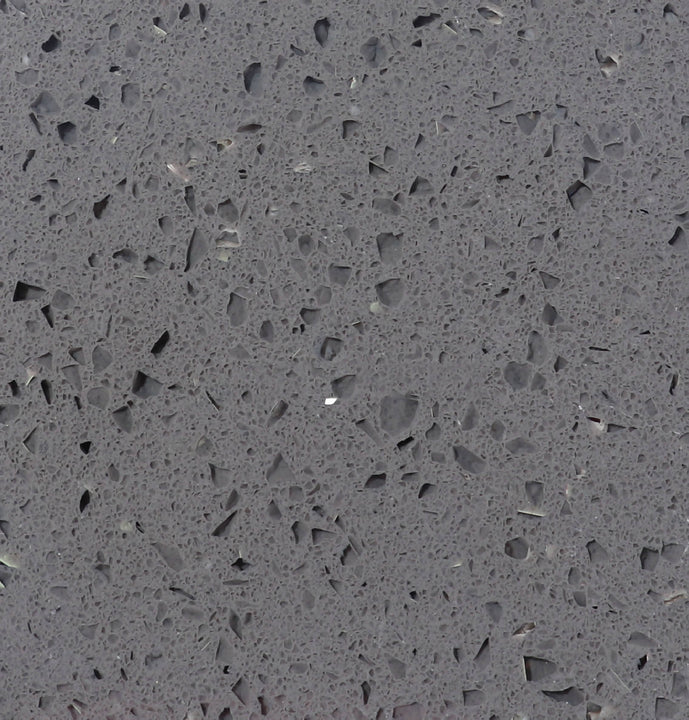
GREY MIRROR QUARTZ
£271.04
Grey Mirror Quartz has a surface that is predominantly dominated by grey much like the name suggests. The entire slab is patterned with various sized glass and mirrored flecks. It is a dream come true for kitchens, baths, entryways, laundry… read more
CAMBRIA CANTERBURY QUARTZ OFF-CUT

£731.27
Cambria Canterbury Quartz is made up of a brown base with black and beige speckles. It is well-suited for both residential and commercial installations, and looks great with dark brown cabinets.… read more
Kitchen Splashback Tiles Vs Other Splashback Options
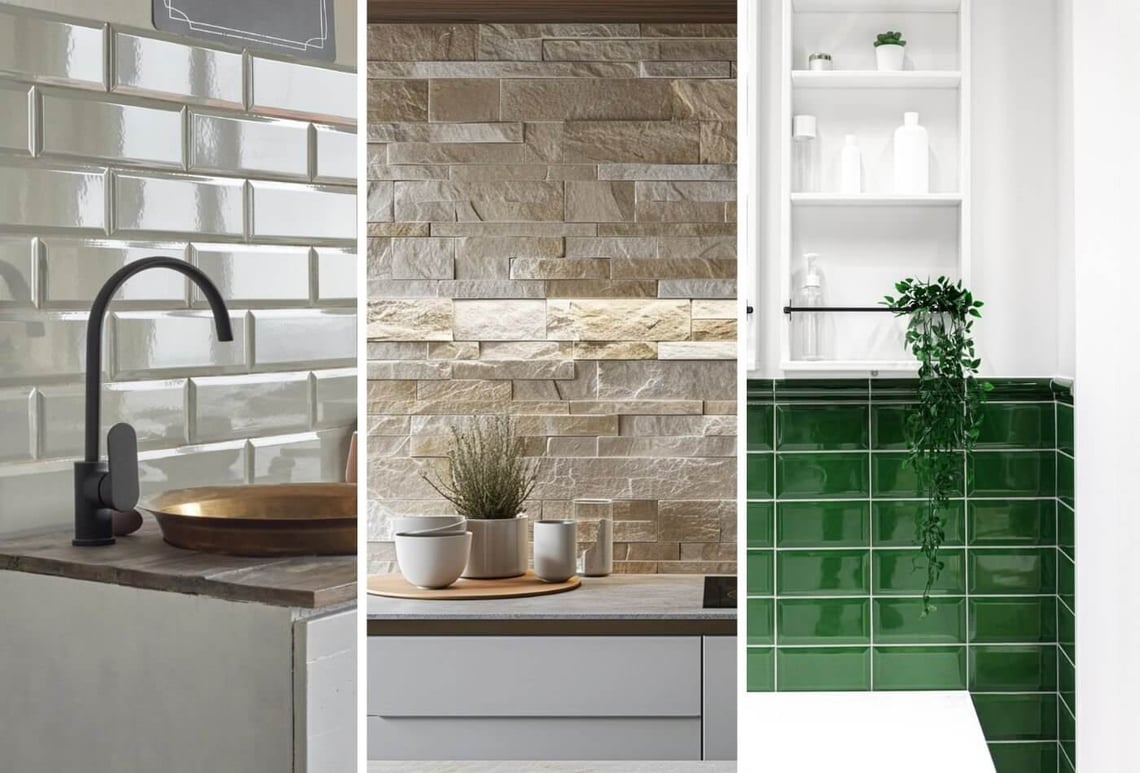
Tiles aren’t the only option available. Buyers often compare them with glass or metal panels.
Glass splashbacks are easy to wipe but limit design flexibility. If they crack, replacement can be costly.
Stainless steel splashbacks are also one choice available in the UK market these days. They are good with handling heat. But the downside is they show fingerprints and scratches quickly, so cleaning is needed more often.
Tile kitchen splashbacks are modular, so they remain popular. If one tile chips, you can easily replace it. Talk about patterns, sizes, and finishes—you have so many options to choose from. And heat tolerance is also good when you pick the right material.
That balance keeps tiles firmly in demand across UK kitchens.
Best Materials For Kitchen Splashbacks
What is your opinion? You think we can use any type of material for kitchen splashback tiles? Does our material choice affect heat resistance, cleaning effort, and long-term appearance? Yes, it does. Because every tile item behaves differently. Not that one is better than another, but A might be better with your lifestyle, while for mine, B might be better. Let us see what options there are and how they behave.
Porcelain Tiles as Kitchen Splashback
Porcelain tile. This is the most common choice these days in UK kitchens.
It is non-porous and resistant to heat and stains. You will get consistent performance from porcelain tiles after installing them behind gas or induction hobs.
Sometimes homeowners who wish to install natural stone also buy porcelain tiles if they have a lower budget. Another reason they are chosen is they don't need sealing or special maintenance. You may not realise it, but from a practical point of view, this fact alone matters more than most people expect.
Ceramic Tiles For Splashbacks
These tiles are lighter in weight when you compare them to porcelain. They are also a bit more affordable. In the UK people buy them to install behind sinks and low-impact prep areas.
Behind heavy cooking zones, ceramic can be less forgiving. Chips and cracks aren’t unusual if impact resistance is low. That doesn’t make ceramic unsuitable, but placement matters.
Stone Kitchen Splashback
Natural stones are full of character. When it comes to visual appeal, nothing beats this choice. Manmade kitchen splashback tiles are there in the market, but they definitely can’t fully copy the exact look and feel. Popular natural stones are granite and marble. Our buyers often ask us to install the same stone for their worktop and kitchen backdrop combo. This is popular among those types of buyers who love a neat and uniform-looking space. Some like to add a colour that pops out too, though – just like this red-coloured Jasper Quartzite.
But one thing to remember is stones require timely sealing and careful cleaning. It’s better suited to splashbacks away from intense heat. Buyers usually choose stone knowingly, accepting the upkeep involved. Because they know stones increase a property's value, and this is a long-term benefit.
Tile Sizes That Work Best For Kitchen Splashbacks
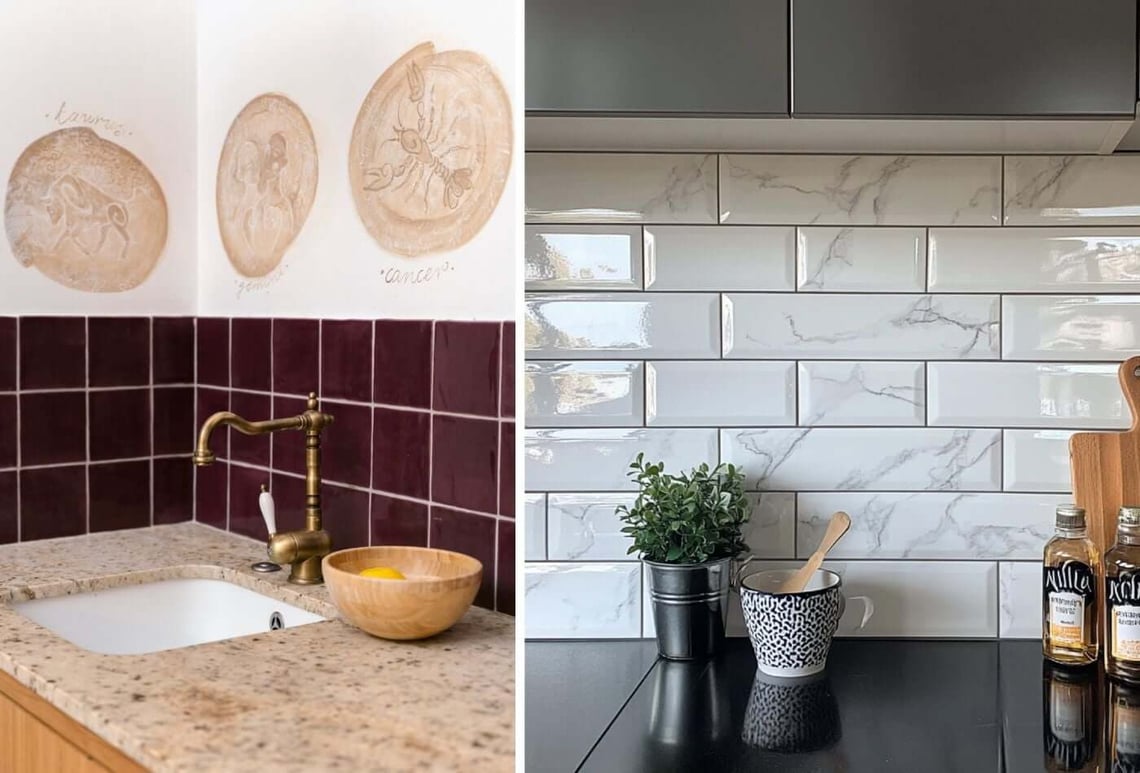
Do you think small and big tile sizes are the same when it comes to function? What about maintenance? Ever given it a thought how the size of a tile can make a difference in daily cleaning?
Well…tile size affects cleaning more than style.
Let me explain. If you install small kitchen splashback tiles, this means your overall splashback has more grout lines. Grout is basically a small gap between two tiles, so more grout means more cleaning.
Now, think of the same thing with large-format tiles. Your area where splashback will be required stays the same, but because you are installing bigger tiles, it will now have fewer grout lines. So, few gaps mean fewer areas where dirt and grease can enter. So this is how tile size affects your lifestyle.
Common UK choices include:
Metro tiles for traditional or transitional kitchens
Medium formats for balanced proportions
Large formats for modern, low-maintenance layouts
Layout direction also matters. Horizontal layouts can make narrow kitchens feel wider. Vertical layouts can help low ceilings feel less compressed.
Check out different sizes of Tiles HERE
Choosing A Finish That Fits Real Kitchen Use
The final choice is where expectations often clash with reality.
Gloss tiles reflect light well and brighten compact kitchens. They also show splash marks immediately. In busy households, that can become frustrating.
Matt finishes hide marks better but absorbs light. If your kitchen is a dark space because of low sunlight and on top of that you install matte-finish kitchen tiles, your space will look more dull. Why? Because glossy surfaces scatter light and a honed finish doesn't.
But if you hate the overly polished and glossy look, buy soft matt or satin-finished kitchen splashback tiles. This finish helps maintain a workable balance. They don’t shout either and also cope better with daily use.
Also Read: Worktops That Stay Strong Through Everyday Use
Heat, Steam, And Cooking Zones
Behind a hob, tiles deal with constant temperature changes. That’s where heat resistance matters most.
Porcelain tiles are generally safe for this zone. Adhesives and grout should also be rated for heat. Failures usually come from shortcuts during installation, not the tiles themselves.
Steam exposure matters too. Poor ventilation increases condensation, which affects grout long before it affects tiles.
Kitchen Tile Cleaning And Maintenance Expectations
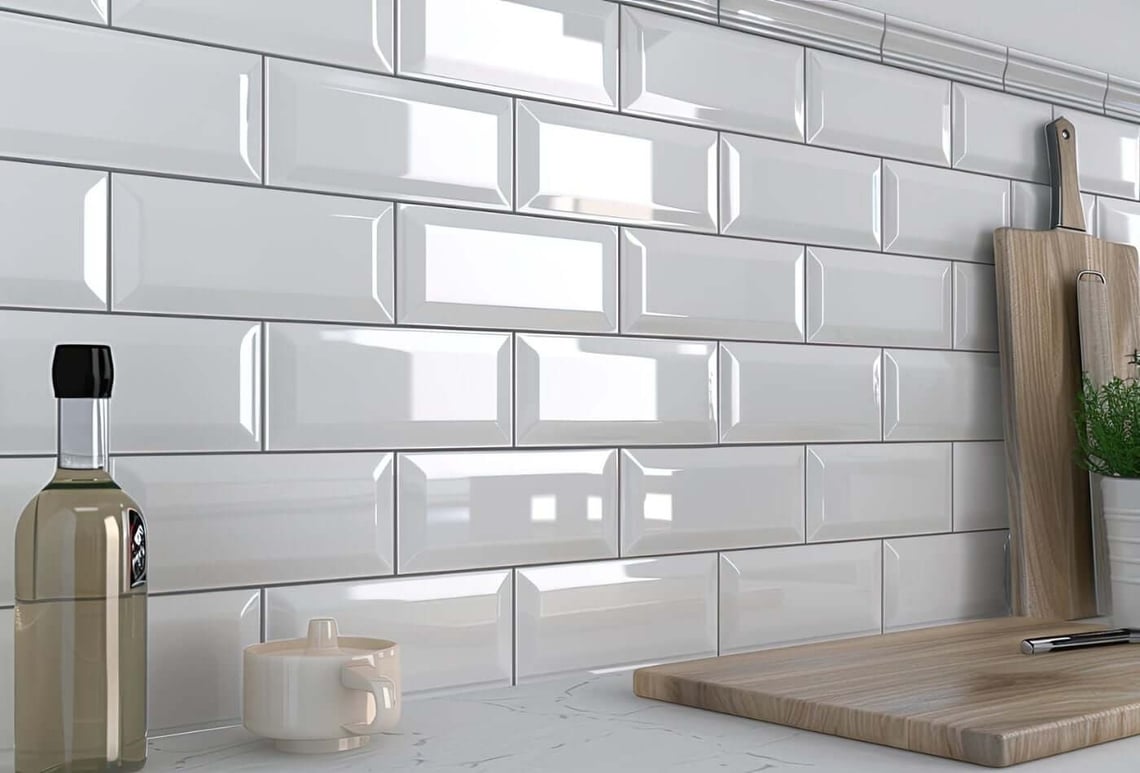
Most buyers underestimate cleaning when choosing splashback tiles.
Grout colour has a bigger impact than tile colour. Pale grout stains faster. Very dark grout shows residue.
From a maintenance point of view:
Fewer grout lines help
Neutral grout colours age better
Smooth finishes clean faster
These aren’t design opinions. They’re cleaning realities.
Click For More Simplified Guidance on Other Home Renovation Topics
Ordering Kitchen Tiles In The UK
Delivery is part of the decision, not an afterthought.
Tiles are heavy and fragile. Breakage usually happens in transit, not in kitchens. Proper packaging and palletised delivery reduce risk.
Fast delivery matters when projects are timed tightly. Safe delivery matters when replacements delay installations.
UK buyers increasingly look for both.
JERUSALEM ANTIQUE GOLD LIMESTONE TILES

£40.50
Jerusalem Antique Gold Limestone Tiles have an unpolished raw appearance and cosy cream tone, due to which it has become one of our highly requested limestone tiles. The massive pyramids were built using this same robust stone. For outdoor areas,… read more
ST MORITZ CHISELLED EDGE MARBLE TILES

£55.50
ST Moritz Chiselled Edge marble Tiles are beige to silver in colour. At certain times of the day, this magnificent stone can appear more beige or grey according to the lighting. Exceptionally robust, and ideal for high-activity spaces like the… read more
CREMA MARFIL MARBLE TILES

£60.00
Crema Marfil Select Marble Tiles come in a variety of custom sizes and finishes that are suitable for both commercial and residential projects.Crema Marfil Select Marble tiles display a beige shade. Crema Marfil marble tiles will give your space the… read more
Final Thoughts
Kitchen splashback tiles aren’t decorative extras. They’re working surfaces that sit in plain sight.
UK buyers tend to be happiest when they choose tiles based on use first and appearance second. Heat resistance, cleaning effort, and installation quality matter more over time than initial impact.
The right splashback tiles don’t draw attention to themselves. They simply hold up, quietly, as the kitchen gets used every day.
That’s usually what people are looking for, even if they don’t say it at the start.
You can dial 0330 113 5868 to talk to us directly for the best kitchen tiles.
Next Read: Do Standard Kitchen Sink Sizes UK Vary According to Lifestyle?
Frequently Asked Questions and Answers
Are Tile Kitchen Splashbacks Better Than Glass Splashbacks?
Glass and tiles both have different types of pros and cons. Tiles are usually a more common choice in the UK, though, compared to glass splashbacks. There are many reasons, but the main reason is that tiles are easier to repair if damaged. Think of a broken glass mirror. You can't replace just a small part right? But tiles? Only one small area can be changed too, for a small cost. So, glass may be simple to clean, but it is less adaptable.
Which Tiles Are Best Behind A Kitchen Hob?
A popular and common choice in our experience is porcelain tiles. They are very reliable for kitchen splashbacks. They tolerate heat well, don't allow moisture in and look good too. But if you have a budget, stone splashbacks are the best choice for the long run.
How Long Does UK Tile Delivery Usually Take?
Delivery times for kitchen splashback tiles vary by supplier, but fast and secure packaging is more important than speed alone.
Do Splashback Tiles Need Special Adhesive?
Yes. Adhesives behind hobs should be heat-resistant and suitable for wall applications.
What Tile Finish Is Easiest to Clean?
Smooth, soft matt or satin finishes with minimal grout lines tend to be easiest to maintain.