Table of Contents
- Choosing Tiles for Your UK Kitchen?
- Choosing Kitchen Tiles For Busy UK Homes
- When Comfort Becomes A Daily Issue
- When The Budget Does Not Allow Proper Installation
- When Subfloors Are Uneven Or Unreliable
- When Zero Maintenance Is Expected
- When Speed Is More Important Than Longevity
- When You Buy Kitchen Tiles Following Design Trends
- When Cleaning Habits Do Not Match The Material
- Considering Alternatives Without Dismissing Tiles
- Remember This Before Buying Kitchen Floor Tiles
- Can We Order Custom Kitchen Tiles in the UK?
- FINAL THOUGHTS
- Frequently Asked Questions and Answers
I’ve lost count of how many times someone has said, “Kitchen tiles seemed like the safest option.”
On paper, they usually are.
But after seeing how different kitchens behave once people actually live in them, I’ve learned that kitchen tiling isn't always the right decision, even when they look perfect on day one.
This isn’t about saying tiles are bad. They aren’t.
It’s about recognising the situations where tiles quietly become a problem, and no one mentions it until it’s too late.
Choosing Tiles for Your UK Kitchen?
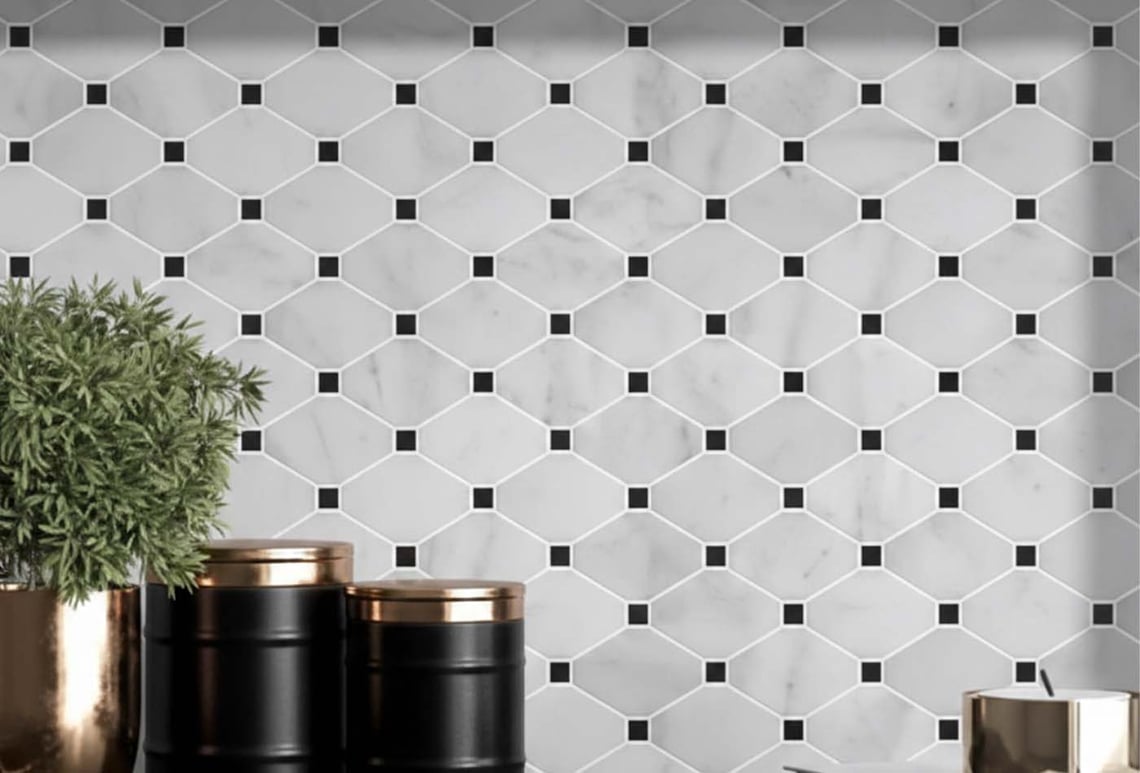
Tiles are often presented as the default choice for a kitchen. All kitchen wall tiles ideas that you have come across online. Don't they talk about tiles being perfectly durable, practical, and easy to clean? On paper, they seem ideal, but in real homes, especially across the UK, tiles don’t always behave the way people expect them to.
That doesn’t mean tiles are a bad option. It means they’re not always the right option.
INDIGO QUARTZ

£334.25
Indigo quartz countertops are quickly becoming an unmistakably traditional shading choice. Indigo quartz looks fantastic in both contemporary and classic kitchen designs, It also has a light grey base with white Veins. It can be used indoorsGrey quartz veined with… read more
APOLLO QUARTZ

£299.28
You can't go wrong with Apollo Quartz countertops if you want the look and feel of a marble surface but with a much more solid and distinct colour veins. It has a beautiful colour with a white base and a… read more
BROWN MIRROR QUARTZ

£273.95
Brown Mirror Quartz has a surface that is predominantly dominated by grey much like the name suggests. The entire slab is patterned with various sized glass and mirrored flecks. It is a dream come true for kitchens, baths, entryways, laundry… read more
Choosing Kitchen Tiles For Busy UK Homes
UK kitchens deal with challenges that aren’t always discussed. Condensation in winter, muddy footprints, and constant heating cycles all affect how tiles perform. Matt finishes tend to hide marks better than high-gloss surfaces. Tiles with a lot of texture are known to provide better grip underfoot.
Let us see in which cases tiles might not be the best decision to make for your home kitchens:
When Comfort Becomes A Daily Issue
This comes up more than people admit.
In busy kitchens where someone is cooking every day — not just reheating food — standing on tiled floors for long periods can feel harsh. I’ve seen this especially in family homes where the kitchen doubles as a social space.
During winter, the issue is amplified. UK kitchens, particularly in older homes or north-facing rooms, already struggle with warmth. Tiles hold onto cold in a way people don’t always expect.
Underfloor heating solves this, but not everyone plans for it. When comfort is overlooked, tiles stop feeling like a smart choice very quickly.
In these situations, kitchen tiles aren’t the problem. The issue is choosing tiles without considering comfort as part of everyday use.
Next Read: Various Type of Countertop Edge Styles For Kitchens
When The Budget Does Not Allow Proper Installation
Tiles themselves are only part of the cost.
Proper installation requires:
A level, stable subfloor
Quality adhesive and grout
Skilled labour
When budgets are tight, installation is often where corners are cut. This is where problems begin. Cracked tiles, uneven surfaces, and loose edges are rarely caused by the tile — they’re caused by poor preparation.
If the budget doesn’t stretch beyond the tile purchase itself, choosing tiles may not be the right decision at that moment for your kitchen. Waiting or adjusting the scope usually leads to better long-term results.
When Subfloors Are Uneven Or Unreliable
Older UK homes have character. They also have movement.
Victorian terraces and period properties often have timber subfloors that flex slightly. Tiling over these without reinforcement is asking for trouble. Even a small amount of movement can cause tiles to crack over time.
I’ve seen cases where homeowners were advised against tiles but went ahead anyway because “tiles are standard.” A year later, they’re dealing with loose edges and hairline fractures.
Tiles can work in these homes, but only when the structure is respected. Ignoring that reality is when tiles become the wrong choice.
This doesn’t mean tiles are impossible in these homes. It means extra preparation is essential. When that preparation isn’t feasible, tiles become a risk rather than a solution.
In these cases, the wrong decision isn’t choosing tiles; it’s ignoring what the structure underneath is telling you.
When Zero Maintenance Is Expected
There’s a myth that tiles need no care at all. That myth causes a lot of frustration. Just as different worktops suit different kitchens, tiles make sense only when they align with lifestyle needs and personal priorities.
Porcelain kitchen tiles are low maintenance, yes. But grout still needs cleaning. Natural stone kitchen tiles need sealing. Cleaning products matter more than people realise.
I’ve noticed that dissatisfaction usually comes from expectation, not effort. People expect to install tiles and never think about them again. That expectation doesn’t match reality. If the expectation is to install something and never think about it again, tiles may disappoint. No surface truly offers zero upkeep, and tiles are no exception.
Tiles don’t demand much — but they do demand some attention.
When Speed Is More Important Than Longevity
Tiling isn’t fast. It takes time. From surface preparation to curing, a tiled kitchen floor or wall installation isn’t a quick process.
In projects where speed is the priority — rental refurbishments, quick renovations — tiles often get rushed between preparation, installation, and curing. Can you relate to pressuring your tiler to complete the work faster? Please don’t henceforth. Because rushed tiling shows. Uneven lines, lippage, and poorly finished edges. These things aren’t always visible immediately, but they become obvious once the kitchen is in daily use.
Here again, the issue isn’t tiles. It’s forcing long-term material into a short-term timeline. Tiles aren’t wrong in theory; they’re wrong for the timeline.
When You Buy Kitchen Tiles Following Design Trends
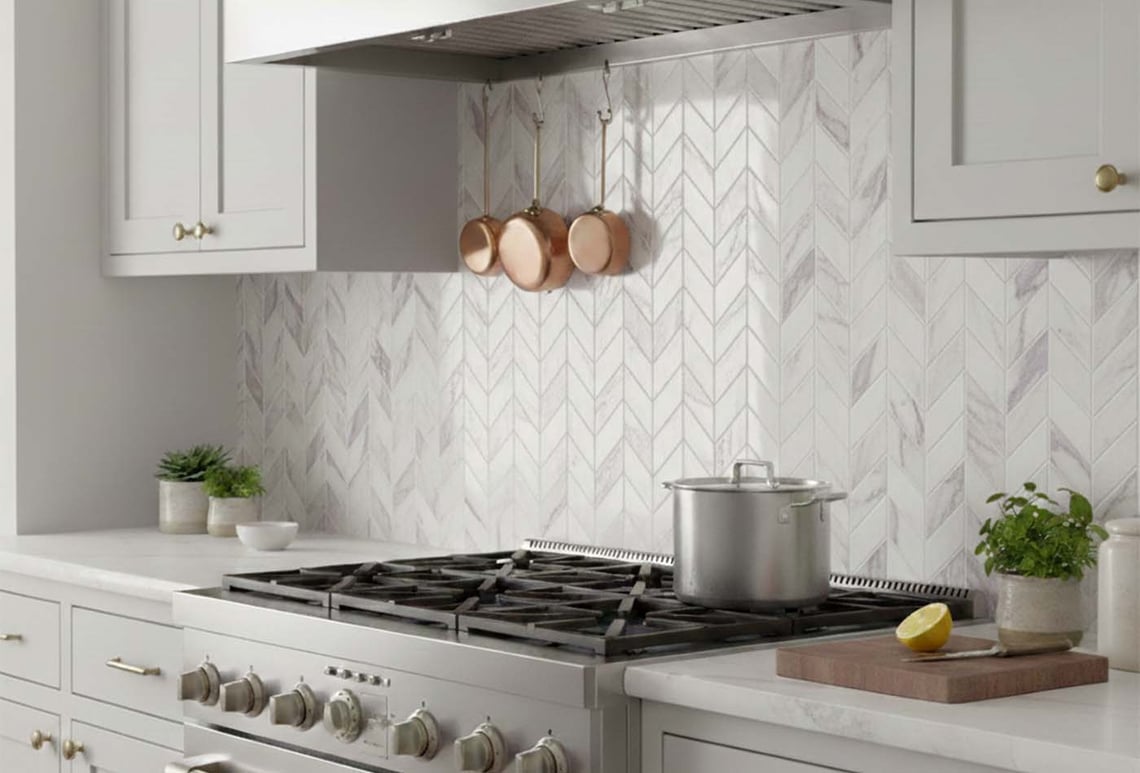
When trends lead the decision, it does not give practical outputs.
This one is uncomfortable to talk about but necessary.
I’ve seen kitchens built entirely around trends that didn’t last. Strong patterns, ultra-contrasting grout, overly bold finishes — they look striking at first, then tiring.
Tiles are not easy to change. When trends fade, tiles stay. This is where regret often sets in.
More neutral, material-led choices age far better. When tiles are chosen to impress rather than endure, they can feel like the wrong decision surprisingly quickly.
Timeless materials and finishes tend to age better than statements made too loudly.
When Cleaning Habits Do Not Match The Material
Different kitchen tiles behave differently.
Glossy tiles show marks more easily. Textured tiles can trap dirt if not cleaned regularly. Light grout highlights stains. Natural stones easily react to harsh chemicals.
So it is when your cleaning habits don’t match your tile choice; then you end up with frustration. Many people blame the tiles when the real issue is the mismatch between material and lifestyle.
Choosing the wrong type of kitchen tile is far more common than tiles being the wrong choice altogether.
Considering Alternatives Without Dismissing Tiles
There are times when alternatives make sense.
Vinyl can feel warmer. Laminate installs quickly. Engineered wood offers softness underfoot. These materials can suit certain homes better, especially when flexibility or comfort is prioritised.
But every alternative comes with trade-offs, especially around moisture and longevity. The key is understanding when they suit the space — and when they don’t.
Remember This Before Buying Kitchen Floor Tiles
In UK homes, kitchens work hard. They deal with damp winters, muddy shoes, daily cooking, and layouts that aren’t always generous with space. Choosing tiles isn’t about trends alone. It’s about how a surface behaves after years of real use.
Can We Order Custom Kitchen Tiles in the UK?
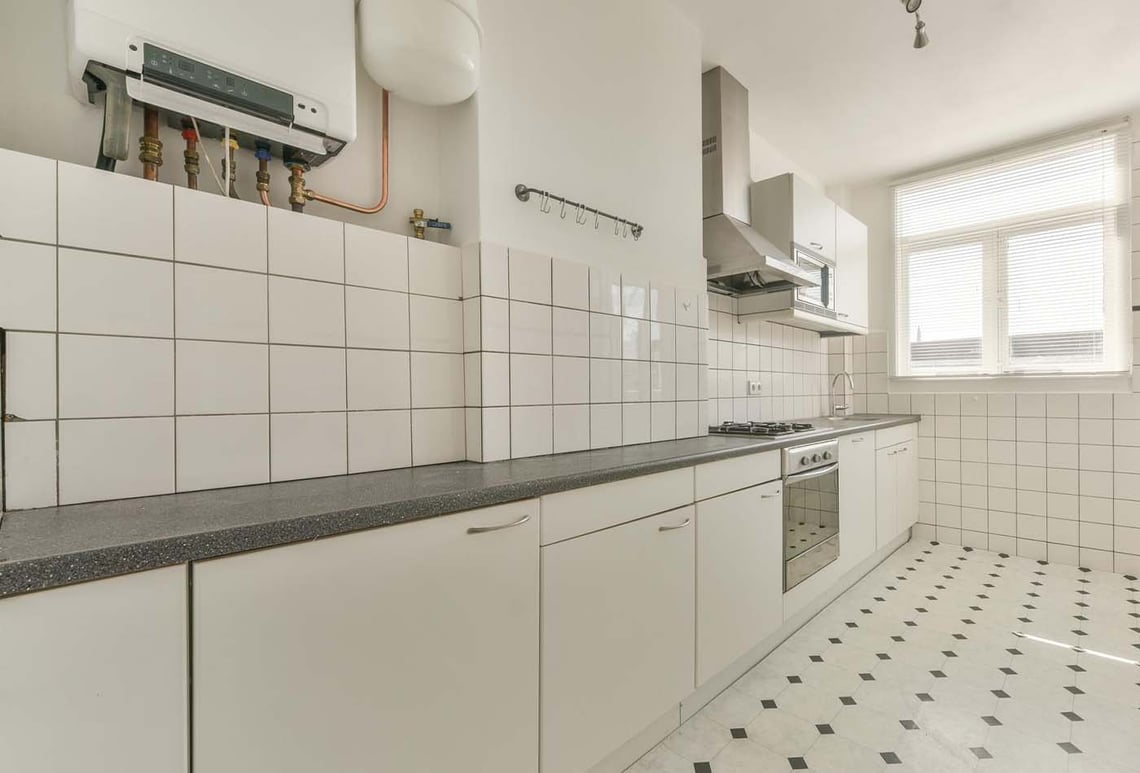
This question comes down to priorities. If budget is the main driver, porcelain tiles make sense. They’re reliable and predictable.
If long-term value, character, and material honesty matter, custom tiles carved from natural stone often justify their cost. They don’t go out of fashion quickly, and they suit a wide range of UK homes, from country kitchens to renovated terraces.
Stone isn’t about perfection. It’s about presence.
Contact us to order custom floors and walls.
ROSE QUARTZ SEMI PRECIOUS

£2,372.75
Rose Quartz Semi Precious Stone Slab is a fantastic decorative stone slab that is popularly used by both residential homeowners as well as commercial property owners. It has a soft visual appearance that features repetitive designs created by colours like… read more
AMAZONITE SEMI PRECIOUS

£4,060.25
Amazonite Semi Precious Stone Slab has a lovely visual appearance created by turquoise green gems that are bound together by resin. This stunning decorative stone slab is popularly used by both residential homeowners as well as commercial property owners. Also,… read more
MALACHITE SEMI PRECIOUS

£4,060.25
Malachite Semi Precious Stone Slab has an enchanting visual appearance created by repetitive green and black hallucinative designs. This stunning decorative stone slab is popularly used by both residential homeowners as well as commercial property owners. Also, this stain-resistant semi-precious… read more
FINAL THOUGHTS
Tiles aren’t a universal answer for every kitchen — and pretending they are does no one any favours.
Most regret around tiles doesn’t come from the material. It comes from rushing decisions, ignoring how a home actually behaves, or expecting tiles to solve problems they were never meant to.
When kitchen tiles are chosen with realism — about comfort, structure, time, and maintenance — they remain one of the most reliable options for UK homes.
The real mistake isn’t choosing tiles.
It’s choosing them without listening to the space they’re going into. It’s choosing them without asking the right questions first.
Call 0330 113 5868 to ask the right questions today. Don’t make costly mistakes.
Email Link? HERE
Read Next: Smart Home Automation 2026
Frequently Asked Questions and Answers
When Should Tiles Be Avoided in a Kitchen?
Tiles may be avoided when subfloors are unstable, budgets are too tight for proper installation, or comfort is a top priority without heating solutions.
Do People Regret Installing Tiles in Their Kitchen?
When installation is rushed, subfloors are ignored, or trends drive the decision, people end up with frustration not because tiles weren't a good choice but the lack of preparation leads to poor results.
Do Tiles Always Feel Cold In UK Kitchens?
They can, especially in winter, but heating solutions and finishes make a difference.
Are Natural Stone Kitchen Tiles Hard To Live With?
They need care, but many homeowners find the character worth it.
Should Tiles Be Avoided in Kitchens of Older Homes?
Not necessarily, but cost, installation quality, and tenant use patterns should be carefully considered. Approached carefully with proper preparation.