

Choosing the Best Oil for Your Wooden Kitchen Worktops
GMS Kumar
Choosing the right finish for your wooden worktops can feel a bit overwhelming, right? You want something that looks good, protects against spills and wear, and doesn't make a mess of your kitchen. Forget those complicated finishes that chip or peel. We're talking about wood oil for worktops here – a classic choice that's making a big comeback for good reason. It’s natural, it’s tough, and it keeps your wood looking like wood. Let’s figure out which oil for kitchen worktops wooden is your best bet.
Key Takeaways
- Wood oil soaks into the wood to protect it from moisture and daily wear, bringing out its natural look without a fake shine.
- Traditional oils like Tung oil or Danish oil offer a natural look and good protection, but might need a bit more attention.
- Newer oil and wax blends, such as Osmo TopOil, offer better protection against spills and are easier to fix up.
- Getting the wood surface clean and smooth before oiling is super important for a good finish.
- Oiled worktops are generally simpler to fix and maintain compared to varnished ones, keeping that real wood feel.
Understanding Wood Oil For Kitchen Worktops
So, you've got yourself some lovely wooden kitchen worktops. Great choice! They bring a warmth and natural beauty that synthetic materials just can't match. But, let's be real, a kitchen is a tough environment for wood. Spills, heat, knives – it all takes a toll. That's where wood oil comes in.
What is Wood Oil?
Think of wood oil as a deep conditioner for your worktops. Unlike varnishes or lacquers that sit on the surface like a plastic film, oil actually soaks into the wood. It seeps into the pores, nourishing the timber and bringing out its natural color and grain. It’s kind of like moisturizing your skin; it goes deep to keep things healthy and looking good. Most oils are made from natural sources, sometimes with a little help from resins or waxes, all designed to protect the wood from the inside out. There are quite a few types out there, each with its own quirks, which is why picking the right one is important.
Why Choose Wood Oil For Worktops?
When it comes to kitchen surfaces, you need something that can handle a bit of a beating while still looking good. Wood is fantastic for its look and feel, but it needs protection to survive the daily grind of cooking and cleaning. This is where oil really shines. Because it penetrates the wood rather than forming a surface layer, it allows the wood to expand and contract naturally with changes in temperature and humidity. This means the finish is less likely to crack or peel over time, which is a common problem with other types of coatings. Plus, if you happen to get a scratch or a stubborn mark, oil finishes are usually way easier to fix. You can often just re-oil the affected spot, blending it in without having to tackle the whole surface. It’s a practical way to keep that beautiful wood looking its best.
The Benefits of Wood Oil Protection
Using oil on your worktops isn't just about making them look nice, though it certainly does that. It's about giving them a fighting chance against the rigors of kitchen life. Here’s what you get:
- Natural Beauty: Oil really brings out the wood's natural grain and color. It gives a rich, authentic look without that artificial, plasticky sheen you can get with other finishes. It just looks and feels like wood.
- Moisture Resistance: A well-oiled surface helps repel water and other liquids, preventing them from soaking into the wood and causing stains or damage. This is super important in a kitchen where spills are inevitable.
- Repairability: Scratches or worn patches? No big deal. You can usually just sand down the affected area lightly and reapply the oil. It blends in pretty easily, saving you a lot of hassle compared to refinishing an entire surface.
- Food Safety: Many wood oils are specifically formulated to be food-safe, meaning you don't have to worry about preparing meals directly on the surface. This is a big plus for a kitchen environment. You can find great food-safe formulations for kitchens that offer peace of mind.
Wood oil works by penetrating the wood's surface, offering protection from within. This method preserves the natural feel and look of the timber, allowing it to breathe and adapt to environmental changes, unlike surface coatings that can become brittle and prone to damage over time. It's a finish that ages gracefully with your worktops.
Choosing the right oil is key, and there are options ranging from traditional choices like linseed oil to more modern hybrid finishes. We'll explore those next.
Exploring Different Types of Wood Oil
When it comes to finishing your wooden kitchen worktops, you've got a few main routes you can go down with oils. It's not just a one-size-fits-all situation, and understanding the differences can really help you pick the right stuff for your kitchen.
Traditional Oil Options
These are the old-school choices, the ones that have been used for ages. They work by soaking right into the wood, filling up the little gaps and then hardening. This makes the wood tougher and better at resisting water and everyday wear and tear. A lot of people still love these because they give wood a really natural look and feel, something you just don't get with other finishes. They're usually pretty simple to apply, though they might need a bit more attention down the line compared to some newer options.
- Boiled Linseed Oil: This is a classic. It's derived from flax seeds and offers decent water resistance. It does tend to darken the wood a bit more than some other oils, giving it a richer tone. It takes a while to dry, usually around 24 hours per coat, and you'll likely need three coats for good protection.
- Tung Oil: If you're after a really natural, matte look, pure tung oil is a top pick. It comes from the nut of the tung tree and lets the wood's natural grain really shine. It's pretty water-resistant once it's fully cured, though that can take some time. Because it's so pure, it doesn't have added dryers or varnishes, which is great for that authentic feel. It might take a few thin coats, but the result is a beautiful, classic finish. You can find a good range of wood oils for this purpose.
- Teak Oil: Often used for outdoor furniture, teak oil can also be a good choice for worktops. It usually contains tung oil or linseed oil mixed with a bit of varnish and solvent. This gives it good penetration and a decent level of protection. It typically dries faster than pure linseed oil, often within 4-6 hours.
Modern Oil and Wax Hybrid Finishes
These are kind of the best of both worlds. They combine the penetrating qualities of oil with the surface protection of wax. This often means you get a finish that's tough, water-resistant, and has a lovely subtle sheen, all while still letting the wood look and feel natural. They can sometimes be a bit quicker to dry and might offer a bit more resilience against spills and marks right on the surface.
Food-Safe Formulations for Kitchens
For kitchen worktops, especially if you do a lot of food prep directly on the surface, food-safe is a big deal. Many oils are perfectly safe once they've fully cured, but there are specific formulations designed with food preparation in mind. These often use mineral oils or blends that are certified as food-safe. They provide a good barrier against moisture and stains without introducing any harmful chemicals. It's always worth checking the product details to make sure it's suitable for direct food contact if that's important to you. Some products, like Osmo TopOil, are specifically designed to be both durable and food-safe for kitchen use.
When choosing an oil, think about how you use your kitchen. If it's a high-traffic area with lots of cooking and potential spills, you'll want something that offers robust protection and is easy to clean. If you're more about the aesthetic and prefer a very natural, matte look, then a pure tung oil might be more your style, just be prepared for a bit more maintenance.
Here's a quick look at how some common oils stack up:
| Oil Type | Finish | Water Protection | Drying Time (per coat) | Ease of Use |
|---|---|---|---|---|
| Boiled Linseed Oil | Satin | Moderate | ~24 hours | Easy |
| Tung Oil | Matt | Good | ~24 hours | Easy |
| Teak Oil | Matt | Good | 4-6 hours | Easy |
| Danish Oil | Satin | Excellent | 4-6 hours | Easy |
Achieving the Perfect Finish: Application and Maintenance
So, you've picked out the perfect wood oil for your worktops. Awesome! But now comes the part where you actually make it happen. Getting this right means your worktops will look great and last for ages. Mess it up, and well, you might be looking at a sticky situation or a finish that just doesn't hold up. It’s not rocket science, but a little care goes a long way.
Essential Surface Preparation Steps
Before you even think about opening that can of oil, you've got to get the wood ready. This is probably the most important step, honestly. If the surface isn't prepped right, the oil won't soak in properly, and your finish will look patchy. Skipping these prep steps is like trying to paint a dirty wall. It just won't end well, and you'll be kicking yourself later.
Here’s what you need to do:
- Clean it up: Make sure the worktop is totally free of dust, grease, or any old finishes. If you're dealing with an old finish, you'll need to strip it back to bare wood. Seriously, get it spotless. Ensure the counters are completely dry before proceeding [c2ab].
- Sand it down: Grab some sandpaper, usually around 240-grit is a good starting point for worktops. You want to sand with the grain, not against it. This opens up the wood pores so the oil can really get in there. After sanding, vacuum up all the dust. Don't use a damp cloth here; it can make the grain stand up weirdly.
- Check for moisture: Make sure the wood is completely dry. If it's too damp, the oil won't cure properly.
Applying Your Chosen Wood Oil
Alright, prep is done. Time for the fun part! Applying the oil is where you see the transformation happen. The key here is thin, even coats. Don't be tempted to slather it on thick, thinking more is better. It's not. You'll just end up with a sticky mess that takes forever to dry.
- First Coat: Pour a little oil onto a lint-free cloth or a good quality brush. Work it into the wood, going with the grain. Make sure you cover every bit, including the edges and corners. Let this coat soak in and dry according to the product's instructions – usually a few hours. Applying a light coat of oil with a lint-free cloth or brush is key [6091].
- Second Coat (and maybe more): For new or bare wood, you'll likely need at least two coats. Apply the second coat the same way as the first. This builds up the protection. Some people like to apply a third coat, especially on high-use areas like around the sink. Again, let each coat dry fully before applying the next.
- Wipe off the excess: After each coat, and especially the final one, use a clean, dry cloth to wipe away any oil that hasn't soaked in. This prevents a sticky surface. You want the oil to be in the wood, not sitting on top.
For a really good finish, consider using a product that combines oil and wax for extra durability. It's a smart move for busy kitchens.
Ongoing Care and Reapplication
Once your worktops are oiled and looking sharp, you need to keep them that way. Regular cleaning and occasional reapplication will keep them protected and looking their best.
- Daily Cleaning: Just use a damp cloth to wipe up spills. Avoid soaking the worktops, as standing water is the enemy of oiled wood. For tougher spots, a mild soap or a dedicated wood cleaner is usually fine. Just make sure to wipe it dry afterward.
- Dealing with Marks: If you get a scratch or a stubborn stain, don't panic. Most oils allow for easy spot repairs. You can often just sand down the affected area and reapply oil just to that spot. It blends in pretty well, which is one of the big wins of using oil over varnish.
- Reapplication: How often you need to reapply oil depends on how much you use your worktops and the type of oil you used. For kitchen worktops, you might need to re-oil every year or two. You'll know it's time when the wood starts to look a bit dull or water doesn't bead up on the surface anymore. Just give it a light clean, maybe a very fine sanding if needed, and apply a thin coat of oil, following the same application steps as before. It’s much easier to do a quick refresh than to fix major damage.
Why Wood Oil Outperforms Other Finishes
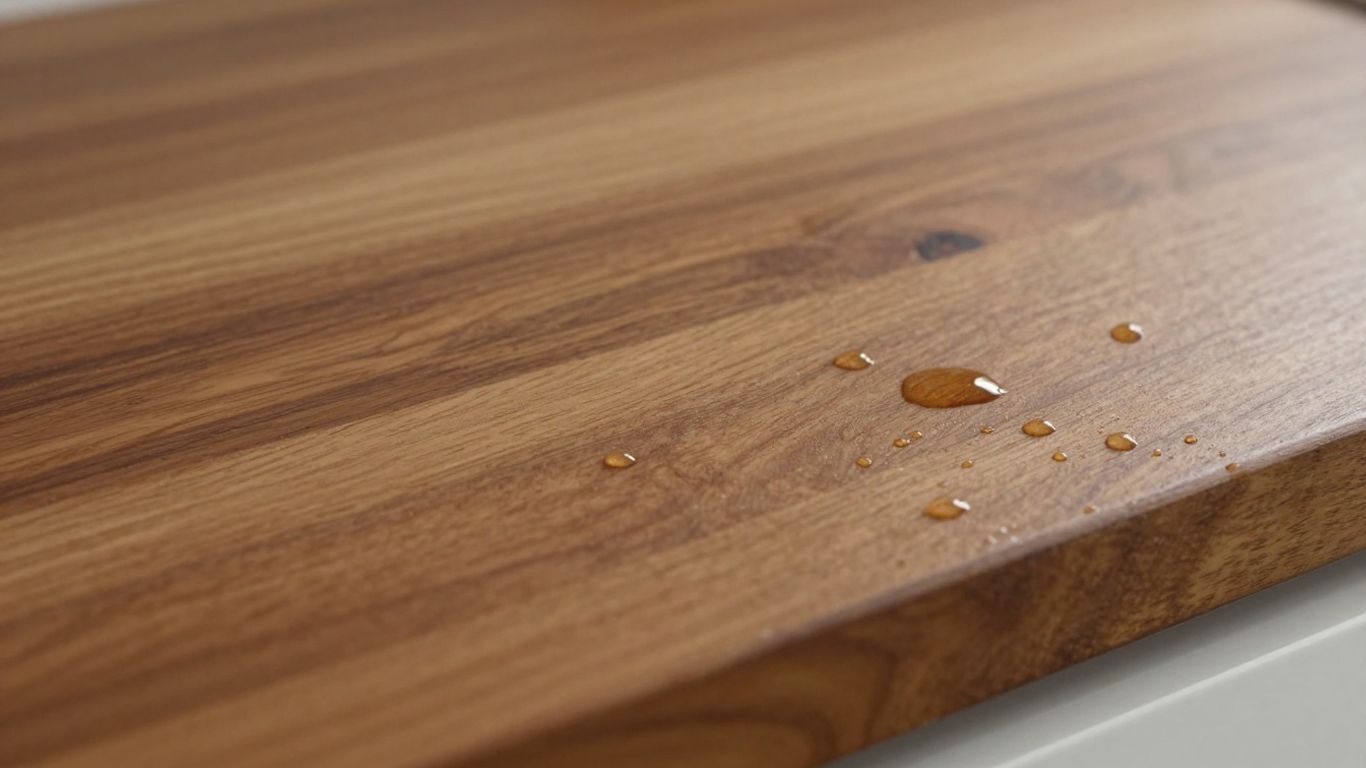
When you're looking at ways to finish your wooden kitchen worktops, it's easy to get overwhelmed by all the options. But honestly, wood oil really stands out for a few solid reasons. It's not just about looks, though it certainly has that covered. It's about how the finish interacts with the wood itself.
Durability and Protection
Wood oil works by soaking into the wood, not just sitting on top. Think of it like feeding the timber. This deep penetration means it strengthens the wood from the inside out. It fills up those little pores, making the surface tougher and more resistant to everyday spills and moisture. Unlike film finishes, like varnish, which can crack or peel when the wood expands or contracts with changes in humidity, oil moves with the wood. This flexibility means the protection lasts longer without the finish failing.
- Moisture Resistance: A well-oiled surface repels water, preventing damage.
- Breathability: The wood can still 'breathe', which helps stop it from warping or cracking.
- Internal Strength: The oil hardens within the wood, adding resilience.
This deep-penetrating action is what truly sets wood oil apart.
Ease of Application and Repair
Let's be real, nobody wants a finish that's a nightmare to apply or fix. Wood oil is generally pretty forgiving. You don't need to be a master craftsman to get a good result. And if you get a scratch or a water ring? No big deal. You can often just buff out minor marks or spot-treat the area with more oil. It blends right in, and you don't have to refinish the whole worktop. This makes ongoing maintenance a breeze compared to other finishes where a small problem can mean a huge job.
Repairing an oiled surface is often as simple as reapplying a thin coat of oil to the affected area. This allows the new oil to blend seamlessly with the existing finish, restoring the look and protection without the need for extensive sanding or stripping.
Natural Aesthetics
This is where wood oil really shines for many people. It doesn't hide the wood; it celebrates it. Oil brings out the natural grain, the subtle color variations, and the overall character of the timber. It gives the wood a soft, natural sheen that feels warm and inviting to the touch. You get that beautiful, authentic wood look and feel, which is exactly why you chose a wooden worktop in the first place. It's a finish that respects the material and makes your kitchen feel more grounded and natural. For a truly authentic look, pure tung oil is a fantastic option.
| Finish Type | Appearance |
|---|---|
| Wood Oil | Natural, matte |
| Varnish | Glossy, plastic-like |
| Lacquer | High gloss, thin |
Maintaining Your Oiled Worktops
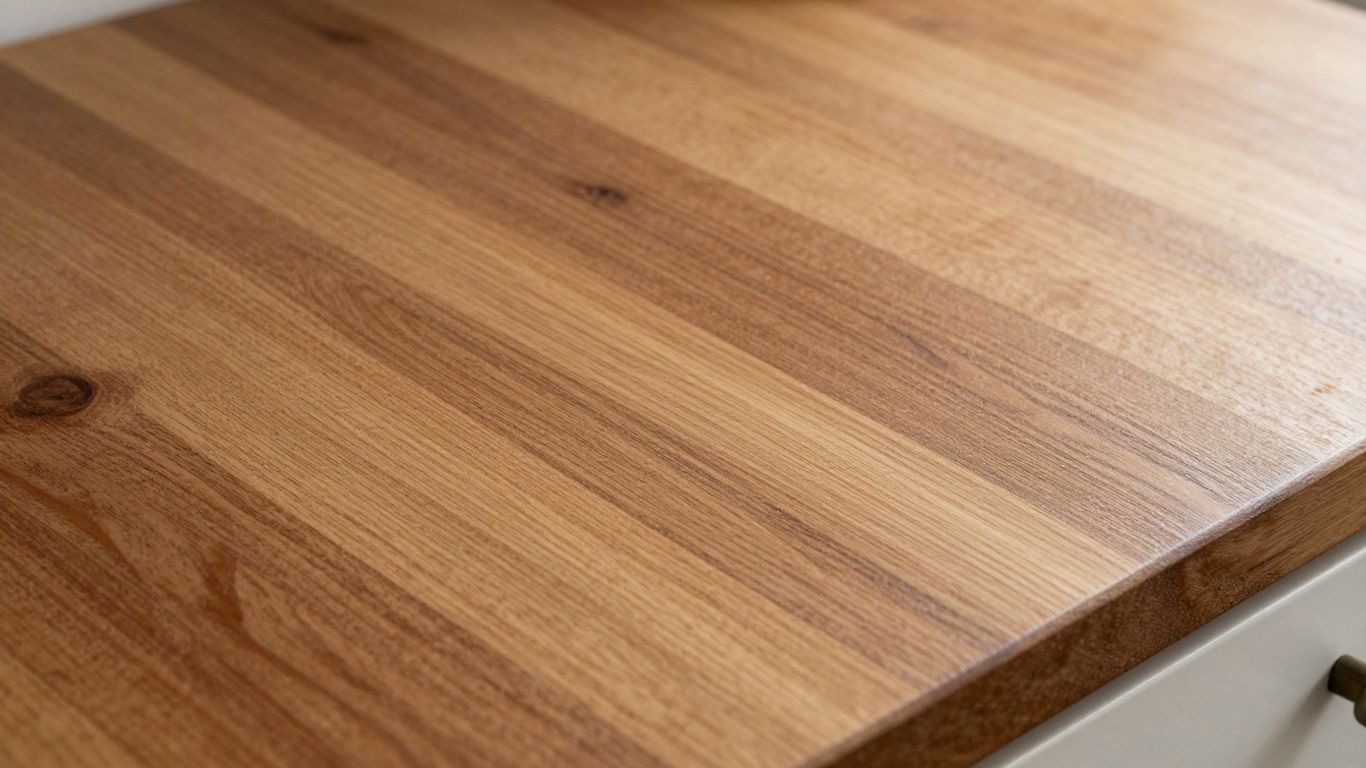
So, you've got those beautiful oiled worktops looking just the way you want them. That's great! But keeping them that way is the real trick, isn't it? It's not super complicated, but you do need to pay a little attention. Think of it like looking after a good pair of leather shoes – a bit of care goes a long way.
Daily Cleaning Practices
For everyday spills and messes, just grab a damp cloth. Wipe up any liquids right away. Seriously, don't let water or juice sit around; it's the enemy of oiled wood. For tougher spots, a mild soap or a cleaner specifically made for wood surfaces usually does the trick. Just remember to wipe everything dry afterward. No soaking allowed!
Dealing with Marks and Stains
Got a scratch or a stubborn mark? Don't freak out. One of the best things about oiled worktops is how easy they are to fix. Most of the time, you can just lightly sand down the affected area. Then, apply a bit more oil just to that spot. It usually blends in pretty well, which is a huge plus compared to other finishes. You can find some great wood cleaners that help with stubborn spots too.
When to Reapply Oil
How often you need to re-oil really depends on how much you use your kitchen. If you're constantly chopping, spilling, and generally making a mess, you might need to reapply oil every few months. For less busy kitchens, once or twice a year is often plenty. You'll know it's time when the wood starts looking a bit dull, or water doesn't bead up on the surface anymore. It's always easier to do a quick refresh than to deal with bigger problems later. For new worktops, you'll want to oil them more frequently at first, maybe weekly for the first six weeks, to build up a good protective layer [2454]. After that initial period, you can cut back on the frequency.
So, What's the Takeaway?
Alright, so we've gone over why wood oil is a pretty solid choice for your kitchen counters. It's not like varnish that cracks or is a pain to fix. Oils soak in, keep the wood looking natural, and are way easier to touch up if something happens. Whether you go with a classic like Tung oil or a modern blend like Osmo TopOil, the main thing is to prep the wood right and apply it carefully. A little bit of effort now means your kitchen worktops will look good and last for ages. If you're still unsure, don't be afraid to ask for advice – that's what the pros are for!
Frequently Asked Questions
What is wood oil, and how does it protect my worktops?
Wood oil is like a special liquid that soaks into the wood, kind of like how a sponge soaks up water. It goes deep inside the wood to make it stronger and stops moisture from getting in. It also creates a protective shield on the surface, keeping your worktops safe from spills and everyday wear and tear. Think of it as giving your wood a healthy drink and a cozy blanket at the same time!
Why is wood oil a better choice for kitchen worktops than varnish?
Varnish is like a hard plastic coat that can crack when the wood moves, which it naturally does with changes in temperature and moisture. It's also a pain to fix if it gets scratched – you often have to sand and redo the whole thing! Wood oil, on the other hand, flexes with the wood, is much easier to repair (just a quick re-oil in the damaged spot!), and many are safe for food prep, which is super important in a kitchen.
What's the difference between Danish oil, Tung oil, and Teak oil?
Danish oil is a good all-around choice that's easy to use and protects well. Tung oil is known for giving a very pure, natural look and is great at repelling water. Teak oil is often used for outdoor wood because it's really good at handling weather, but it can also work well on indoor wood that needs extra protection.
What are these new 'oil and wax' hybrid finishes, like Osmo TopOil?
These are like a super-team of protection! The oil part sinks in deep to strengthen the wood, while the wax part creates a tough, water-repellent layer on top. This combo is really durable, helps prevent stains from things like wine or coffee, and still lets the wood look natural, not plasticky. Plus, they're usually safe for food prep!
How do I get my worktops ready before I apply the oil?
First, make sure your worktop is totally clean and dry. If there's any old finish like varnish or paint, you have to get rid of it completely down to the bare wood. Then, give it a good sanding, starting with rougher paper and moving to finer ones so the surface is smooth. Finally, wipe away all the dust really well with a vacuum or a dry cloth – don't use a wet one, or it might make the wood fuzzy!
How often do I need to re-oil my worktops?
It really depends on how much you use your kitchen! If you have a busy kitchen where you chop and spill things often, you might need to re-oil every few months, especially if the wood starts looking dry or dull. For less busy areas, once or twice a year is usually enough to keep them looking great and protected.


