

The Ultimate Guide to Granite Cutting Boards: Durability, Design, and Best Uses
GMS Kumar
Thinking about getting a granite cutting board? They look pretty slick, right? Granite cutting boards can really add a touch of class to your kitchen. But are they actually good for chopping? We're going to break down what makes these stone boards tick, how they stack up against wood and plastic, and if they're really worth the investment. Plus, we'll cover how to keep yours looking good for ages. Let's get into it.
Key Takeaways
- Granite cutting boards are super tough and can last a long time, looking good while they do it.
- They're a stylish addition to any kitchen, with unique natural patterns.
- Granite is tough on your knives, so you'll need to sharpen them more often or use other boards for heavy chopping.
- These boards are heavy and can be slippery if they don't have non-slip feet.
- To keep your granite board in good shape, clean it gently, seal it regularly, and store it properly.
Understanding Granite Chopping Boards
What Defines A Granite Chopping Board?
A granite chopping board is essentially a slab of natural granite, polished to a smooth finish and shaped for kitchen use. Unlike manufactured materials, granite is a real stone, formed over millions of years. This means each board has its own unique pattern and color variations, from deep blacks and grays to speckled whites and earthy tones. They're known for being quite hard and dense. This natural hardness is a big part of what makes them stand out in the kitchen. They can be used for all sorts of things, not just chopping. Think of them as a sturdy, attractive surface for prepping food, serving cheese platters, or even rolling out dough. Because it's a natural material, you get that one-of-a-kind look that manufactured boards just can't replicate. It's a piece of the earth right there on your counter.
The Unique Appeal of Natural Granite
What really sets granite apart is its natural beauty. You won't find two granite boards exactly alike. The swirling patterns, mineral flecks, and color variations are all part of its charm. It brings a touch of elegance and a grounded, natural feel to your kitchen space. It’s a material that feels substantial and looks sophisticated, whether you have a modern kitchen or something more traditional. It’s a material that has a certain gravitas, you know? It’s not just a tool; it’s a decorative element too. Plus, its natural density means it doesn't absorb odors or flavors easily, which is a big plus when you're prepping different kinds of food. It’s a material that has a certain gravitas, you know? It’s not just a tool; it’s a decorative element too. You can find some really beautiful granite options out there that can really change the look of your kitchen.
Granite Chopping Boards: A Versatile Kitchen Tool
Don't let the elegant look fool you; granite chopping boards are built tough. They're incredibly durable and can handle a lot of use. Here’s a quick look at what makes them so versatile:
- Durability: Granite is a very hard stone, so it resists scratches and chips pretty well. This means your board can last for a long time.
- Heat Resistance: You can often place warm dishes on a granite board without worrying about it cracking or getting damaged. It’s a nice feature if you’re serving something straight from the oven.
- Hygiene: When properly sealed, granite is non-porous. This makes it harder for bacteria to grow and easier to clean up spills, which is always a good thing in the kitchen.
- Aesthetics: Beyond function, they look great. They add a sophisticated touch to your kitchen counter or serving table.
Granite cutting boards offer a solid, stable surface that's great for a variety of kitchen tasks. Their natural beauty means they can easily transition from food prep to serving, adding a touch of class to any meal or gathering. They’re a practical choice that doesn’t skimp on style.
Because they are so dense and hard, they can also be used for tasks that might be too tough for softer materials. For example, rolling out dough is a breeze on a cool, smooth granite surface. It’s a material that has a certain gravitas, you know? It’s not just a tool; it’s a decorative element too. You can find some really beautiful granite options out there that can really change the look of your kitchen.
Comparing Granite Chopping Boards to Alternatives
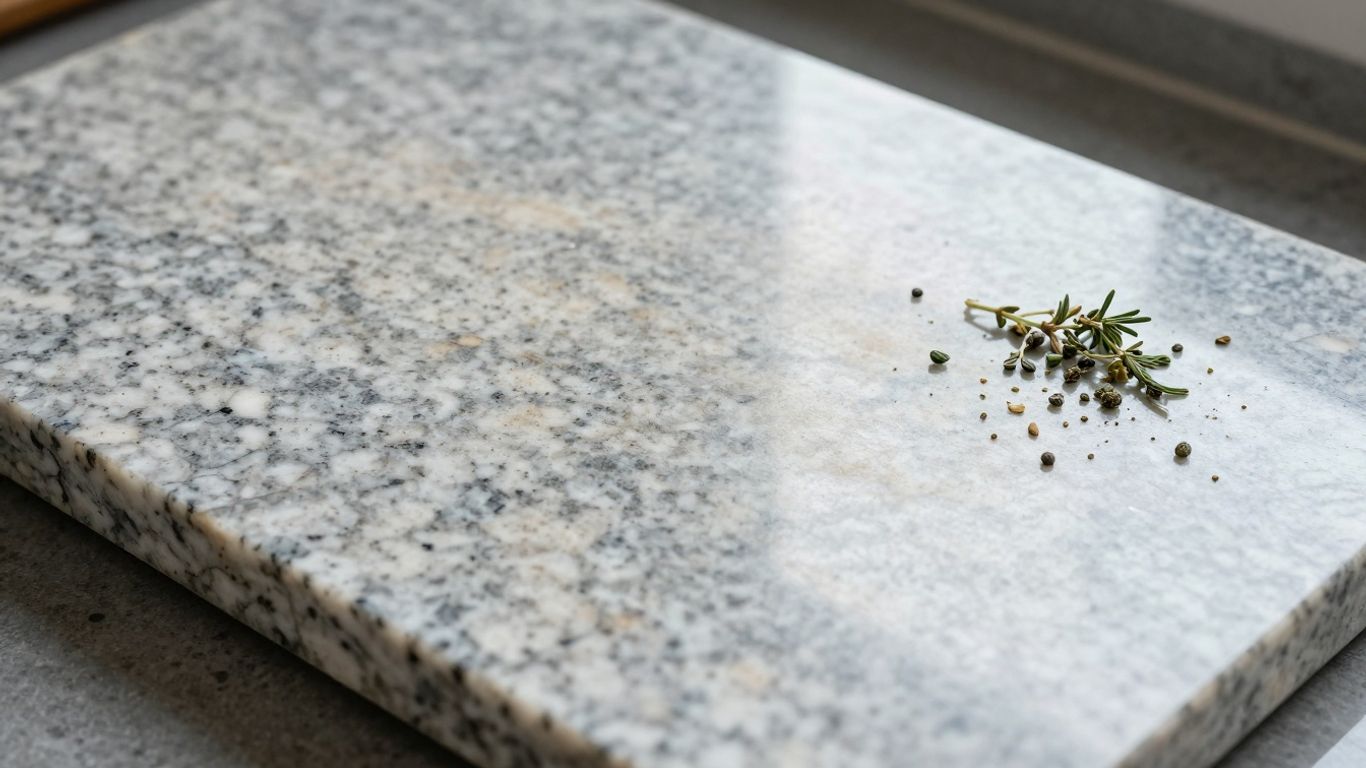
So, you're thinking about a granite cutting board, huh? That's cool. But before you commit, it's smart to see how it stacks up against the other guys you might have in your kitchen or are considering. It's not just about looks, though granite definitely has that going for it. We're talking about how it handles your knives, how easy it is to keep clean, and if it's even practical for your everyday cooking.
Granite Versus Wood Chopping Boards
Wood cutting boards have been kitchen staples forever, and for good reason. They're generally kinder to your knife's edge. The natural grain in wood helps absorb some of the impact, meaning your blades stay sharper for longer. This is a big deal if you're someone who really values keeping your knives in top shape. Plus, wood boards are usually lighter and easier to move around. However, wood does soak up liquids and can be a breeding ground for bacteria if not cleaned and dried properly. They also need more regular care, like oiling, to prevent drying out and cracking. Granite, on the other hand, is super tough and doesn't absorb liquids as much, making it more hygienic in that sense. But, that toughness comes at a cost to your knives. Granite is significantly harder on knife edges than wood.
Granite Versus Plastic Chopping Boards
Plastic boards are often the budget-friendly choice. They're lightweight, easy to toss in the dishwasher (though some argue this isn't ideal for hygiene), and come in all sorts of colors. You can find them everywhere. But here's the thing: plastic can get pretty gnarly over time. Knives can leave deep grooves, and those grooves are perfect little hiding spots for bacteria. Studies have shown that plastic boards can actually harbor more germs than wood, even after washing. Granite is way more durable and doesn't develop those deep cuts. It's also a lot more attractive. While plastic is cheap and light, granite offers a more premium feel and better longevity, though it's heavier and harder on knives. If you're looking for something that won't absorb liquids and is easy to wipe down, granite is a good pick, but remember that plastic boards can be a good option for raw meats if you're careful about sanitizing them. For better food safety, wood or high-quality plastic are often recommended.
Granite Versus Marble Chopping Boards
Marble and granite are both natural stones, so they share some similarities, like looking pretty fancy in the kitchen. Both are hard surfaces and can be quite heavy. Marble is often seen as the more elegant choice, with its smooth, cool surface that's fantastic for rolling out pastry dough. It has a classic, luxurious look. However, marble is softer than granite and is more prone to etching from acidic foods like lemon juice or tomatoes. It also stains more easily. Granite is generally harder and more resistant to scratches and stains than marble. While both can be tough on knives, granite's superior hardness means it's less likely to get damaged itself. If you're looking for a workhorse that can handle a lot of chopping and is a bit more forgiving in terms of staining, granite might be the better bet. Marble is often better suited for serving or tasks where cutting isn't the main event.
When comparing cutting board materials, think about what matters most to you: knife longevity, ease of cleaning, weight, or sheer durability. Each material has its own set of pros and cons that will fit different kitchens and cooking styles.
The Advantages of Granite Chopping Boards
So, why would you even consider a granite cutting board? Well, there are some pretty solid reasons.
Exceptional Durability and Longevity
First off, these things are tough. Granite is a natural stone that’s known for being super hard. This means it can take a beating in the kitchen without showing it too much. Scratches and dents that would ruin a plastic or wood board? Granite just shrugs them off. If you're looking for something that will last practically forever with decent care, granite is a strong contender. It’s a real investment piece for your kitchen that won't need replacing anytime soon. Think of it as a one-and-done kind of purchase.
Elegant Aesthetic and Kitchen Enhancement
Let's be honest, granite looks good. It brings a natural beauty and a touch of class to your kitchen. Each slab has its own unique patterns and veining, so your board will be one-of-a-kind. It can really make your kitchen feel a bit more upscale, whether it's sitting on the counter or being used for serving. It’s a nice way to add some visual interest without going overboard. Plus, they come in a bunch of colors, so you can usually find one that matches your existing decor. It's a simple way to upgrade your kitchen's look.
Superior Heat Resistance Properties
This is a big one. Unlike wood or plastic, granite can handle heat really well. You can take a hot pan right out of the oven and set it on your granite board without worrying about it melting or warping. It’s also handy for transferring hot baking sheets. This makes it super versatile, not just for chopping but for all sorts of kitchen tasks. You can even use it as a trivet in a pinch.
Hygienic Non-Porous Surface Benefits
When granite is properly sealed, it becomes non-porous. What does that mean for you? It means it's really good at resisting bacteria, odors, and stains. This is a huge plus for food prep, as it keeps things cleaner and safer. You don't have to worry as much about lingering smells from onions or garlic, and it's less likely to absorb juices from raw meats. It’s a much more sanitary option compared to some other materials out there.
Keeping your kitchen surfaces clean is always a priority, and a non-porous board makes that job a whole lot easier. It's one less thing to stress about when you're busy cooking.
Here’s a quick rundown of why granite boards are so great:
- Durability: Built to last, resisting scratches and wear.
- Aesthetics: Adds natural beauty and elegance to your kitchen.
- Heat Resistance: Can handle hot items without damage.
- Hygiene: Non-porous surface resists bacteria and odors when sealed.
- Versatility: Useful for prep, serving, and even as a hot item trivet.
Potential Drawbacks of Granite Chopping Boards
While granite cutting boards are pretty fantastic for a lot of reasons, they aren't perfect for everyone or every kitchen task. It's good to know the downsides before you commit, right? Let's chat about a few things to consider.
Impact on Knife Sharpness
This is a big one for serious cooks. Granite is a really hard natural stone. Because it's so hard, it can dull your knife blades pretty quickly. If you've invested in some nice chef's knives, you might find yourself sharpening them more often than you'd like. It's not that you can't cut on granite, but it's definitely not the gentlest surface for your blades. For everyday chopping, you might want to keep a softer board, like wood, handy too. It’s a trade-off between board durability and knife longevity. Some people find that using granite for tasks like rolling out dough is a better fit, saving their sharpest knives for softer surfaces.
Considerations for Weight and Portability
Granite is heavy. Like, really heavy. If you plan on moving your cutting board around a lot – maybe from the counter to the sink, or storing it in a cabinet – you'll notice the heft. It's not something you can just casually toss into a bag or easily lift with one hand, especially if you get a thicker, more substantial board. This weight does add stability when you're chopping, which is a plus, but it's something to think about if you have mobility issues or just prefer lighter kitchen tools. It’s a bit of a workout just to move it!
Addressing Potential Slipperiness
Unless your granite cutting board comes with built-in non-slip features, like rubber feet or a silicone base, it can slide around on smooth countertops. This is a safety concern, especially when you're doing a lot of chopping or slicing. A board that moves is a recipe for accidents. You can mitigate this by placing a damp cloth or a non-slip mat underneath it, but it's an extra step to remember. Always check if the board you're considering has these features already included.
Maintenance Requirements for Longevity
Even though granite is tough, it still needs a little TLC to stay in top shape. To keep its surface non-porous and resistant to stains, you'll need to seal it periodically. This usually means applying a food-safe sealant every few months, depending on how often you use it and what you cut on it. While not overly complicated, it's an extra maintenance step compared to, say, a plastic board that you might just toss in the dishwasher. Proper cleaning is also key; you want to avoid harsh chemicals that could damage the finish or the sealant. This stone requires care.
Granite cutting boards are beautiful and durable, but their hardness can dull knives, and their weight can make them cumbersome. They might also require extra steps to prevent slipping and need regular sealing to maintain their best condition. It's about weighing these factors against their many benefits.
Selecting The Ideal Granite Chopping Board
So, you've decided a granite cutting board is the way to go. Awesome choice! But before you grab the first one you see, let's talk about picking the right one for your kitchen. It’s not just about picking a pretty stone; there are a few things to consider to make sure it’s a good fit for how you cook.
Determining Optimal Size and Thickness
First off, size matters. Think about your counter space. Do you have a huge kitchen with tons of room, or are you working with a cozy setup? A board that's too big will just get in the way, and one that's too small will feel cramped when you're prepping a big meal. Most granite boards are pretty substantial, so measure your available space before you buy. Thickness is another point. A thicker board, say 3/4 inch or more, feels really solid and stable. It’s less likely to wobble around, which is a good thing. However, thicker boards are also heavier, so keep that in mind if you plan on moving it around a lot.
Choosing The Right Finish and Edge Design
Granite comes in different finishes. You'll often see polished ones, which are super smooth and easy to wipe down. They look really sleek, too. Then there are matte or honed finishes. These have a more natural, less shiny look, which some people prefer for a rustic vibe. For the edges, you can go with a simple, flat edge for a modern look, or a rounded, beveled edge for a softer feel and a bit more safety. Honestly, the finish and edge are mostly about looks and how easy it is to clean, so pick what appeals to you and fits your kitchen's style.
Prioritizing Non-Slip Features
This is a big one, especially with how hard granite is. You don't want your board sliding around while you're trying to chop onions, right? Look for boards that come with built-in rubber feet or silicone pads on the bottom. These little guys make a huge difference in keeping the board stable on your countertop. If a board doesn't have them, you can always place a damp dish towel underneath it. It’s a simple trick that works surprisingly well to prevent slipping. Safety first, always!
Navigating The Price Range
Granite cutting boards can vary quite a bit in price. You'll find some that are surprisingly affordable, and others that are definitely an investment. Generally, the price depends on the type of granite, the size, the thickness, and the complexity of the edge design. Don't just go for the cheapest option; sometimes those might have imperfections or a less durable finish. On the flip side, you don't necessarily need the most expensive one either. Finding a balance between quality, size, and your budget is key. Think about how much you'll use it and what features are most important to you. For everyday chopping, you might want to consider other cutting board materials that are gentler on your knives, reserving the granite for tasks like rolling dough or serving.
When you're picking out your granite board, remember it's a tool, but it's also a statement piece. Think about how it will fit into your daily routine and your kitchen's overall look. A well-chosen granite board can be a joy to use for years to come.
Essential Care For Your Granite Chopping Board
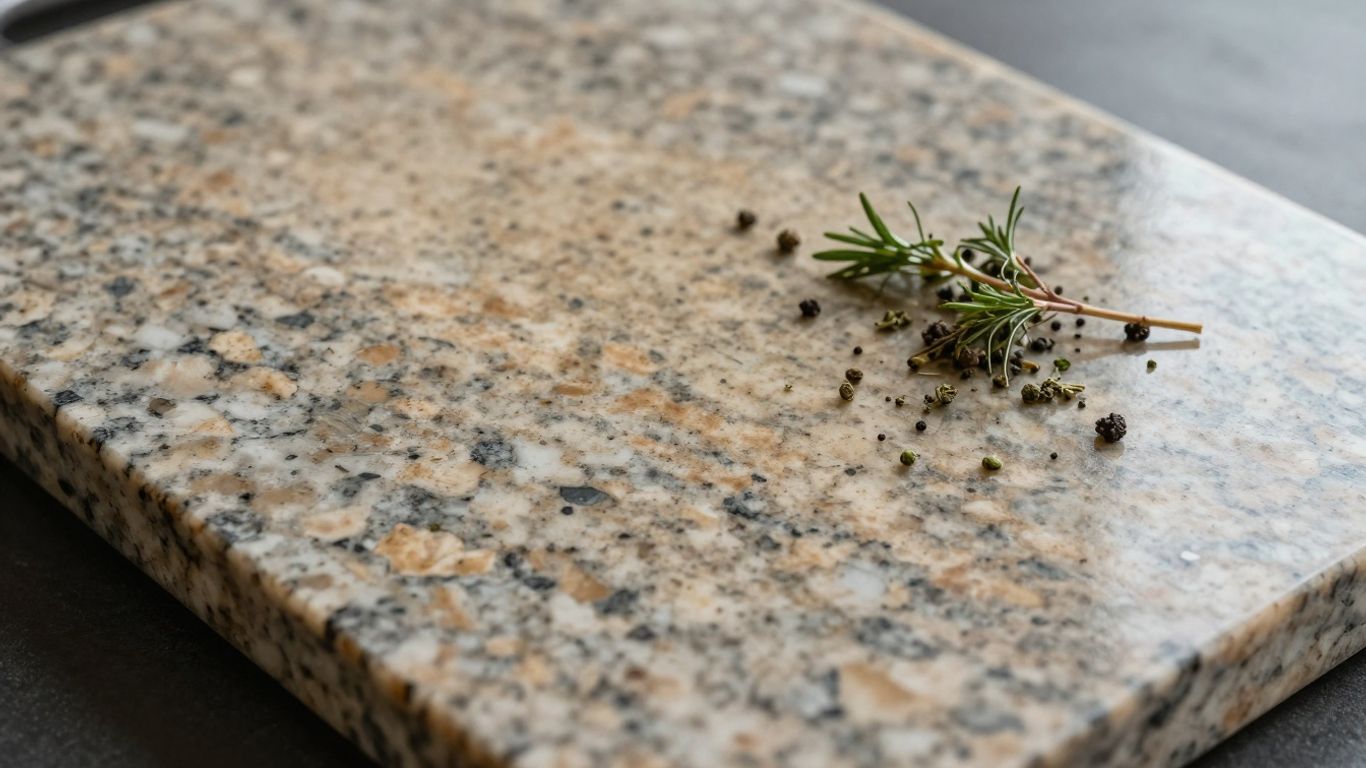
So, you've got yourself a granite cutting board. Nice choice! They look pretty slick and are tough as nails, but like anything good, they need a little TLC to keep them in top shape. It’s not rocket science, but a few simple steps make a big difference.
Proper Cleaning Techniques
After you’re done chopping up those veggies or slicing that bread, give your granite board a good wash. Use warm water and a bit of mild dish soap. Don't go crazy with harsh scrubbers or super strong cleaners, though; they can actually damage the stone's finish over time. Just a gentle wipe-down is usually all it takes. Always air dry your board completely before putting it away. Storing it upright or on its side helps with airflow and prevents moisture from getting trapped.
Strategies for Stain Prevention
Granite is pretty good at resisting stains, especially if it's sealed properly. But still, it's a good idea to wipe up spills right away. Things like red wine, tomato sauce, or citrus juice can sometimes leave a mark if left sitting for too long. For really messy jobs, like dicing beets or working with sticky dough, you might want to use a separate mat or a different board if you have one. It’s just an extra layer of protection.
The Importance of Regular Sealing
Think of sealing your granite board like giving it a protective coat. Over time, the sealant can wear down, making the stone more open to stains and odors. You'll want to re-seal it every few months, maybe every 3 to 6 months, depending on how much you use it. You can find food-safe granite sealants at most hardware stores. It’s a simple process that really helps maintain that non-porous surface and keeps your board looking good for years. It’s a small step that makes a big difference in the long run for your granite cutting board.
Effective Storage Solutions
Where you keep your cutting board matters. Avoid just tossing it flat on the counter or in a crowded drawer. Storing it upright on its edge is best. This allows air to circulate around it, helping it dry thoroughly and preventing any potential moisture issues. Some people like to use a dedicated cutting board holder or even just lean it against a backsplash. Just make sure it's stable and won't easily fall over. Proper storage also helps prevent accidental chips or scratches, keeping your board looking its best.
So, Is a Granite Cutting Board Right for You?
Alright, so we've talked a lot about granite cutting boards. They look pretty fancy, right? And yeah, they're tough cookies, not easily scratched up. Plus, they don't soak up smells or stains if you seal them up right. But, and this is a big but, they're not exactly kind to your knives. They'll dull them faster than a wooden board will. So, if you've got a favorite chef's knife you want to keep sharp, you might want to think twice or just use it for rolling out dough or serving cheese. They're heavy too, so don't expect to be tossing them around. If you're looking for something that's both a looker and a doer, and you don't mind the extra knife care, a granite board could be a solid choice. Just remember to seal it and wash it by hand.
Frequently Asked Questions
Are granite cutting boards good for my knives?
Granite is a really hard material. This means it can make your knives get dull faster than softer cutting boards, like wood. To keep your knives sharp, you might need to sharpen them more often or use a different board for tasks where you cut a lot.
Can I use a granite cutting board for all my food prep?
Yes, you can use granite boards for most foods, like veggies, fruits, and cheese. They're great for rolling out dough too. Just be careful with raw meats, as they can sometimes leave stains if not cleaned up right away.
How do I stop my granite cutting board from sliding around?
Some granite boards come with rubber feet on the bottom to keep them from slipping. If yours doesn't, you can put a damp paper towel or a thin, wet kitchen towel underneath it. This gives it extra grip on your counter.
Do I need to seal my granite cutting board?
Yes, sealing is a good idea. It helps keep the stone from soaking up liquids and getting stained. It also makes it harder for germs and smells to stick around, keeping your board more hygienic.
Can I just toss my granite cutting board in the dishwasher?
No, please don't put your granite cutting board in the dishwasher. The hot water and strong soaps can damage the stone and its finish. It’s best to wash it by hand with warm water and a little bit of mild soap.
Are granite cutting boards heavy?
Granite is a natural stone, so these cutting boards are definitely heavier than ones made from plastic or wood. This weight can make them feel sturdy, but it also means they're not as easy to move around or store.


