Table of Contents
- Different Places to Install Dekton Slabs
- Dekton Surface Finishes: What They Really Feel Like
- Dekton Surface Colours UK: What People Are Actually Choosing?
- Dekton Kitchen Surfaces: Everyday Practicality
- Outdoor Dekton Surfaces: A More Underrated Use
- Dekton Vs Quartz: Which Feels More Practical?
- Common Mistakes People Make When Buying Dekton for Home Renovation
- FINAL THOUGHTS
- Frequently Asked Questions and Answers
If you’ve been looking at worktops lately, chances are you’ve come across Dekton surfaces more than once. I remember browsing a few kitchen worktops and right after about an hour, I kept seeing different types of kitchen surfaces pop up everywhere on my feed. Useful, yes. But also a bit vague. The algorithm you know! But this blog? Intentional. We are here to turn this into a decision as we explain to you more about these modern surfaces and their applications in a home.
Different Places to Install Dekton Slabs
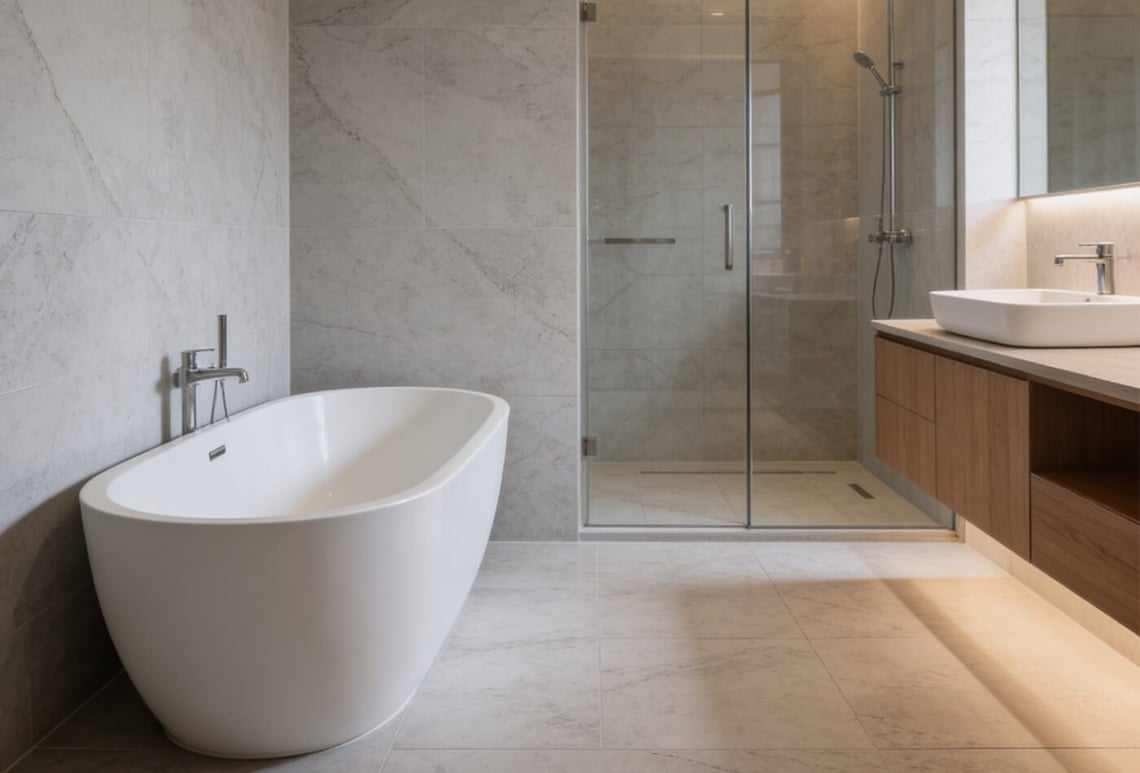
One thing I noticed early on is that Dekton isn’t just a “kitchen worktop material”—it’s used across different parts of a home, and the experience can vary quite a bit depending on where it’s installed.
Kitchens
This is still the most common place. Dekton surfaces are great if you cook often or tend to be a bit careless with hot pans (I definitely am). You don’t have to panic about placing something hot directly on the surface. That said, the feel is quite firm and solid, almost cold to the touch. Some people like that premium feel; others find it a bit too industrial. Worth thinking about. Just letting you know that it isn't just the worktop Dekton is for; even splashback and full kitchen wall cladding look best with slim Dekton slabs.
Outdoor Spaces
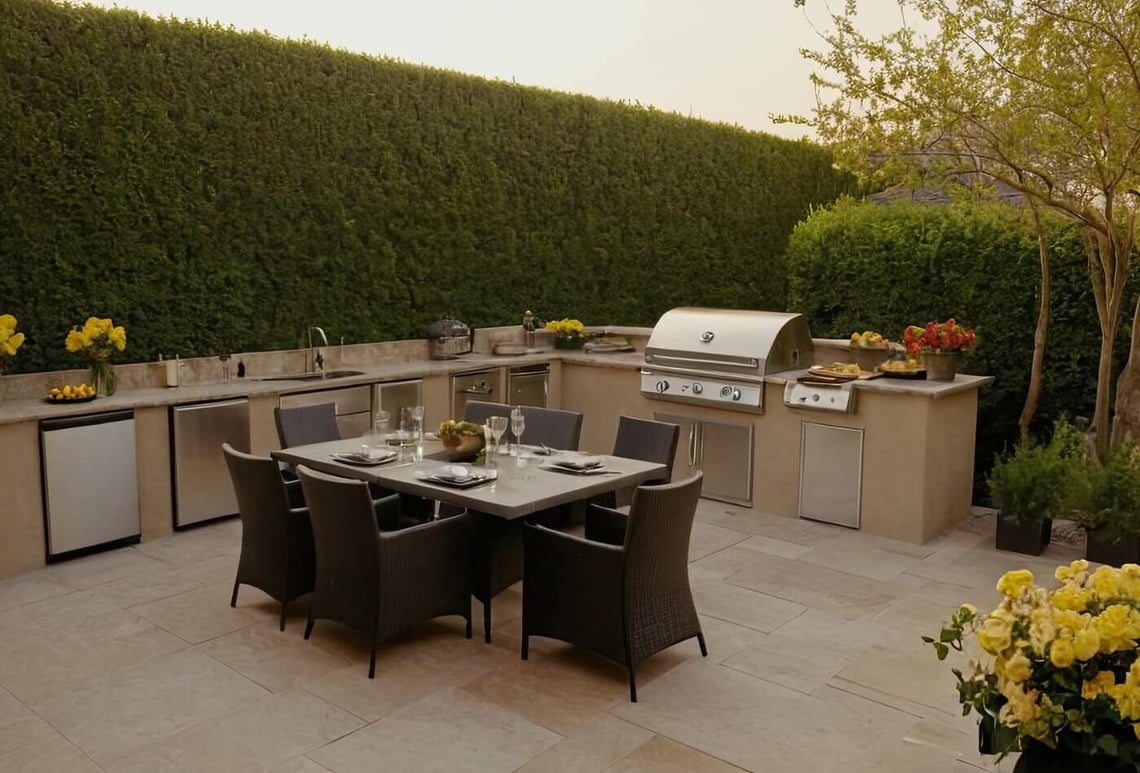
This is where Dekton really stands out. In the UK, weather is unpredictable at best, and not all materials handle that well. Dekton outdoor surfaces can deal with rain, UV exposure, and temperature changes without fading or warping easily.
If you’re planning a garden kitchen or even a simple BBQ counter, this is one of those situations where Dekton surfaces actually make more sense than many alternatives.
Bathrooms
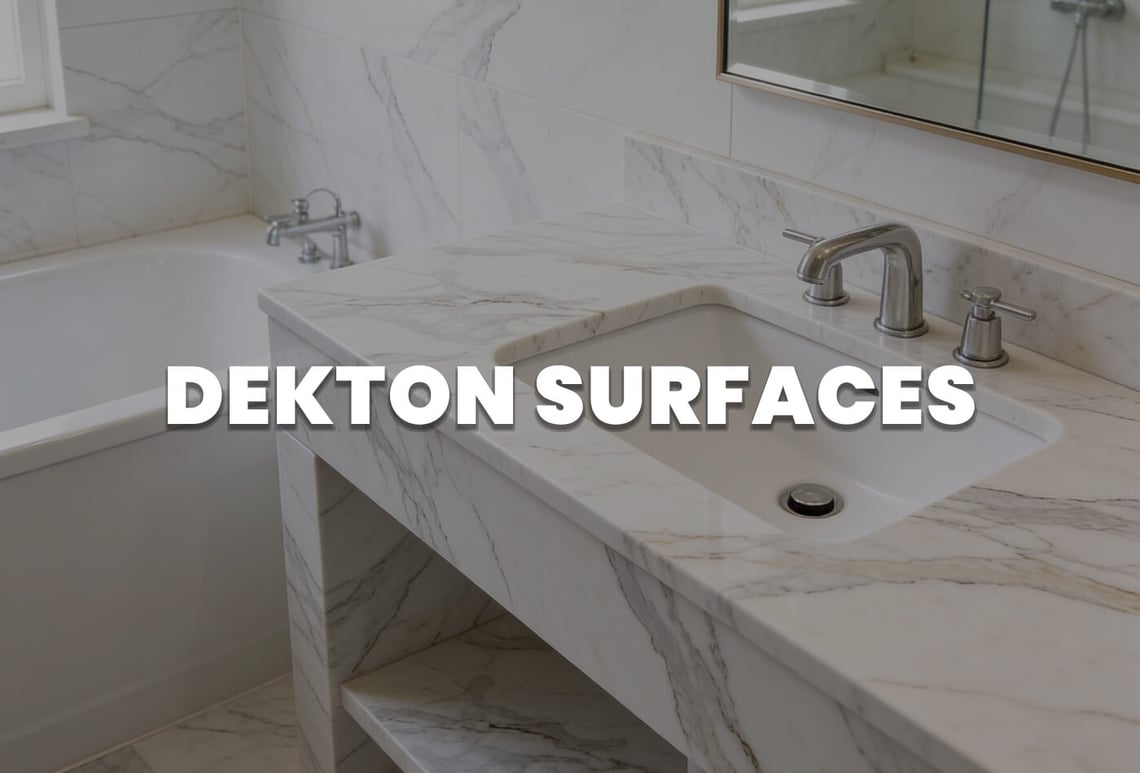
Less talked about, but still useful. For vanity tops or wall cladding, Dekton works well because it doesn’t absorb moisture. Though personally, I feel it can look a bit too “hard” unless balanced with warmer textures like wood.
From the office to outdoors, Dekton suits any place. Check it out!
VIGIL ONIRIKA DEKTON

£528.66
Vigil KC Onirika Dekton stone is a white slab that features thin grey veiny patterns and some occasional thick streaks. It is given a dazzling finish that makes a perfect addition in both residential and commercial settings. It is a… read more
REM NATURAL DEKTON

£397.32
Rem KC Natural Dekton is a surface material which has a white-coloured base. It features some light grey veins that are hazily finished. It is given a dazzling finish that makes a perfect addition in both residential and commercial settings.… read more
KHALO STONIKA DEKTON

£528.66
Khalo Stonika Dekton slab features colours like off-white and brown which make an interesting pattern. The base is a brown-grey smudged surface which is decorated with big white patches that do not have a defined circumference. One can also find… read more
Dekton Surface Finishes: What They Really Feel Like
When people say “choose a finish”, it sounds straightforward, but in reality, the finish changes how the surface behaves daily.
Matte Finish
This is probably the most popular. Dekton in matte finish looks clean and modern and doesn’t reflect too much light. However, one small thing I noticed, fingerprints can show up more than expected, especially in darker shades.
Polished Finish
Polished finish Dekton looks more luxurious and reflective, almost like glass. It brightens up smaller kitchens nicely. But it can show smudges and requires a bit more regular wiping if you like things spotless.
Textured Finish
This one is not so common but very interesting. A textured type of finish, like we can understand by the name, adds grip and depth. It is a good choice for outdoors. It can also be installed to work well with a rustic-style interior. Regarding cleaning, it does take a bit more effort, not lying.
Browse Our Other Stone Collection too, and call 0330 113 5868 to Customise Your Needs
Dekton Surface Colours UK: What People Are Actually Choosing?
Dekton surfaces are sold in a huge range of colours, which can be hard to decide on when seeing just samples. To make it easier, here are some style types that most UK homeowners tend to lean towards:
Marble-look whites and greys – Classic, safe, and bright
Concrete and industrial tones – Popular in modern flats
Dark shades (charcoal, black) – Bold, but show marks more easily
One small thing I realised, colours look very different under showroom lighting compared to a typical UK home (especially with grey skies half the year). If possible, always check samples in natural light.
Dekton Kitchen Surfaces: Everyday Practicality
Let’s talk about real use, not just features.
Our kitchens are mostly busy, and what matters is how the surface you choose behaves during small daily moments, not just how long it is going to last. Things like
Chopping vegetables quickly
Spilling tea or oil
Sliding heavy pots across the surface
Dekton handles most of this quite well. It doesn’t stain easily, and you won’t feel overly cautious using it.
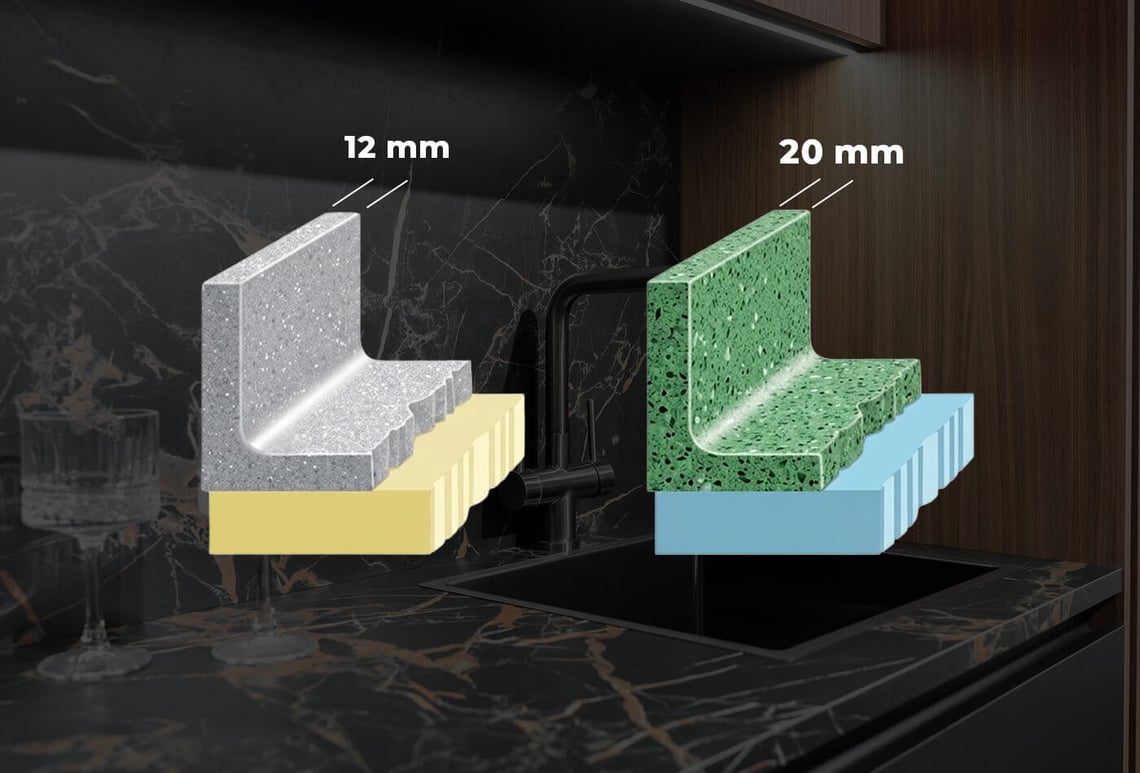
However, edges can chip if hit hard enough. It’s not common, but it’s not impossible either. This is one of those things brochures don’t really highlight.
Outdoor Dekton Surfaces: A More Underrated Use
If I had to pick one area where Dekton feels genuinely different, it’s outdoor use.
In the UK, materials often struggle with:
Damp conditions
Temperature changes
Sun exposure (when we do get it)
Dekton outdoor surfaces are designed to handle all of this. They don’t fade easily and require very little maintenance.
A friend of mine installed a small outdoor counter last year, and even after winter, it still looks almost new, which is quite rare here.
Next Read: Bring Woah Factor Into Your Home With Kira Natural Dekton
Dekton Vs Quartz: Which Feels More Practical?
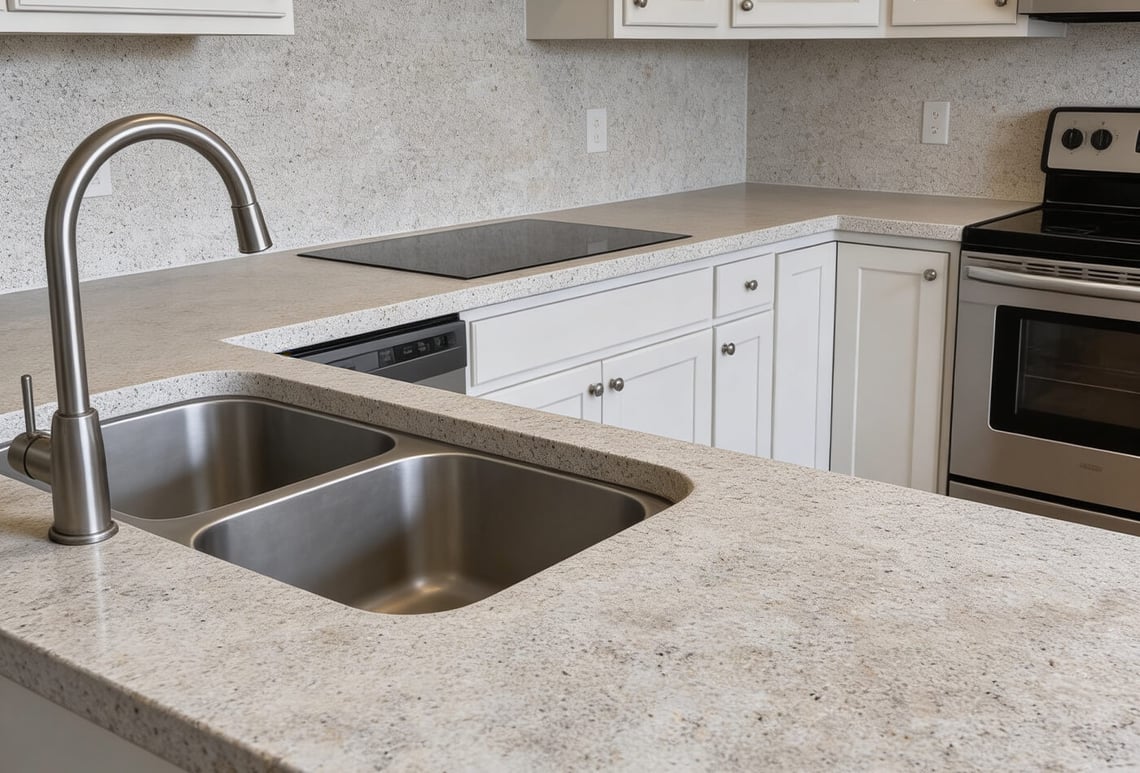
Dekton:
Better with heat (no need to worry about hot pans)
Suitable for outdoor use
Slightly more rigid feel
Quartz Surfaces:
Slightly warmer and softer in feel
Wide colour consistency
Not ideal for outdoor or direct heat
If you cook often and want less worry, Dekton makes more sense. If comfort and warmth matter more, quartz might feel nicer.
It really depends on how you use your space day to day.
AWAKE ONIRIKA DEKTON

£528.66
Awake KC Onirika Dekton stone is a bright white slab that features brown veiny patterns. It is given a dazzling finish that makes it a perfect addition in both residential and commercial settings. It is a dream come true for… read more
VERA NATURAL DEKTON

£454.82
Vera Natural Dekton is a grey slab that features patterns made of linear veins. It is given a dazzling finish that makes a perfect addition in both residential and commercial settings. It is a dream come true for kitchens, baths,… read more
BOTTICINO QUARTZ

£334.25
Botticino Quartz has been manufactured to mimic Botticino Classico, one of the highest quality Italian marbles. It has a luxurious look with a series of gold stripes and veins on a beige base that combines seamlessly to produce a plain… read more
Common Mistakes People Make When Buying Dekton for Home Renovation
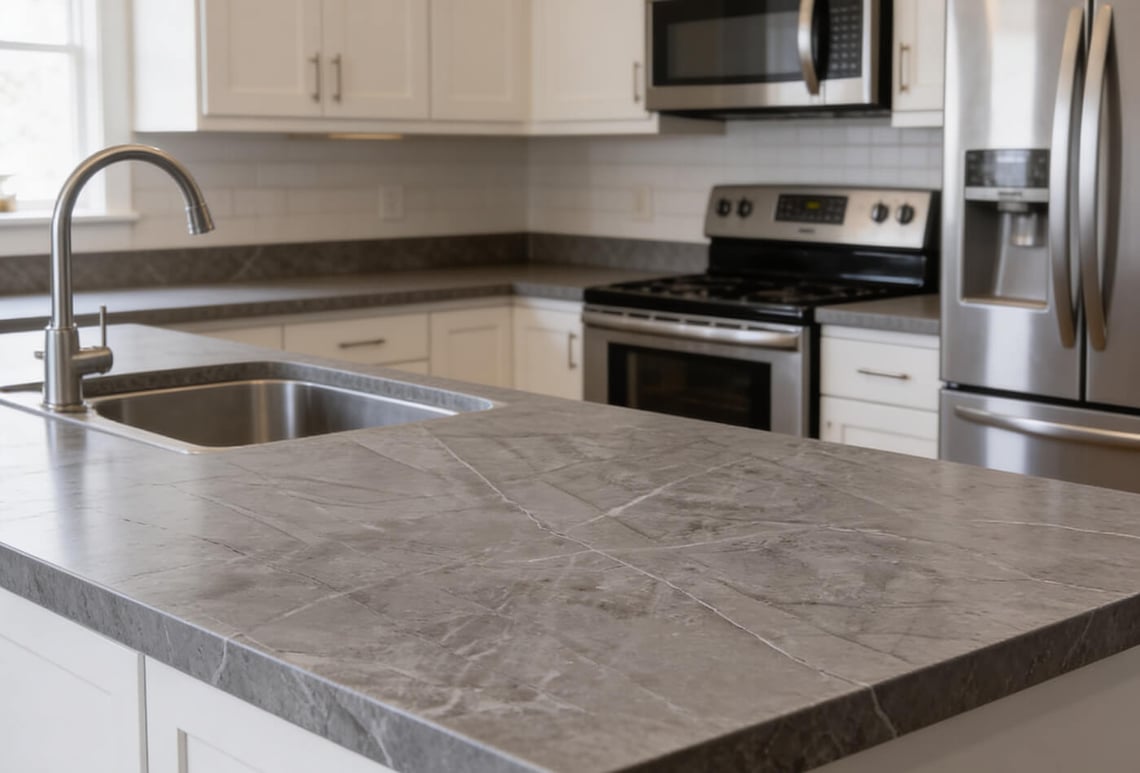
This is probably the most useful part if you’re deciding.
Choosing Based Only On Looks
A surface might look perfect in photos but feel different in real use.
Ignoring Edge Details
Edges matter more than people think. Thin edges look modern but can be more vulnerable.
Not Checking Lighting Conditions
As mentioned earlier, lighting changes everything, especially in UK homes.
Assuming It’s Completely Indestructible
It’s strong, yes. But not invincible. Small care still helps.
We have discussed the Pros and Cons here..if you need one.
FINAL THOUGHTS
After going through all this, I don’t think Dekton surfaces are something you choose just because they’re popular. They make more sense when they match how you actually use your space.
For example, if you’re someone who cooks daily, moves things around quickly, maybe doesn’t want to think twice before putting down a hot pan—then yes, it starts to feel like a very easy choice.
But if your kitchen is more for light use, or you care a lot about warmth and feel, you might pause a bit.
Here are some situations where Dekton makes sense and doesn't:
Heavy daily cooking – Yes, very practical.
Outdoor kitchen or BBQ area – Definitely yes.
Low-use, design-focused kitchen – Maybe, depends on preference
Want a softer, warmer feel – Might consider alternatives
If I had to sum it up in a simple way, it's not about whether Dekton is “good” or “better”. It’s more about whether it quietly fits into your routine without you having to adjust too much.
Mail info@work-tops.com for enquiries. Dial 0330 113 5868 for urgent orders.
Frequently Asked Questions and Answers
Do People Install Dekton Kitchen Worktops in the a UK?
Yes, Dekton has become quite popular already. Last year we installed Dekton for more than 20 homes and 18 of them were for modern kitchens.
Can Dekton Be Used Outdoors In The UK?
It can, and this is actually where it performs really well. With the UK’s mix of rain, cold, and occasional sun, not every surface holds up—but Dekton generally does.
Is Dekton Better Than Quartz?
It depends on your needs. Dekton is better for heat and outdoor use, while quartz may feel slightly warmer and softer indoors.
Are Dekton Surfaces Good For Kitchens?
Yes, especially if your kitchen sees regular use. If you cook often or tend to place hot things down without thinking too much (which most of us do), it handles that quite comfortably.
Does Dekton Walls and Worktops Stain Easily?
No, these slabs are actually one of the most resistant to stains. Most spills can be cleaned with basic wiping. They are perfect for hob splashbacks.