Table of Contents
- First, What is a Kitchen Splashback?
- Thickness Options for Dekton Splashbacks In The UK
- How Thick Dekton Splashbacks Are Best for Kitchens?
- 12mm Vs 20mm Dekton Wall Panels: What’s The Real Difference?
- Weight And Installation
- Cost Differences In The UK
- When People Regret Their Choice
- Is Thin Dekton Good For Kitchen Walls?
- 12mm Vs 20mm Dekton Wall Panels: What’s The Real Difference?
- Best Backsplash Thickness For Different Kitchen Styles
- Dekton Cost Considerations In The UK
- Common Mistakes To Avoid When Buying Kitchen Wall Panels
- Final Thoughts
- Frequently Asked Questions and Answers
Do dekton splashback thickness make any difference? I had been planning to build a modern-style kitchen and happened to find out that Dekton slabs are available in ultra-slim varieties like 4mm too, unlike granite and marble, the thinnest of which are usually 20mm. But then I had a serious doubt: is 4mm the right choice just because it is ultra sleek? Don’t they break?! They do sound fragile...right?! And then I did all the digging and found out that they are more than suitable! But but but...there are a couple of important points to keep in mind when choosing the thickness of a splashback for your kitchen, and we are going to discuss exactly those here.
Let’s go through it properly, without overcomplicating it.
First, What is a Kitchen Splashback?
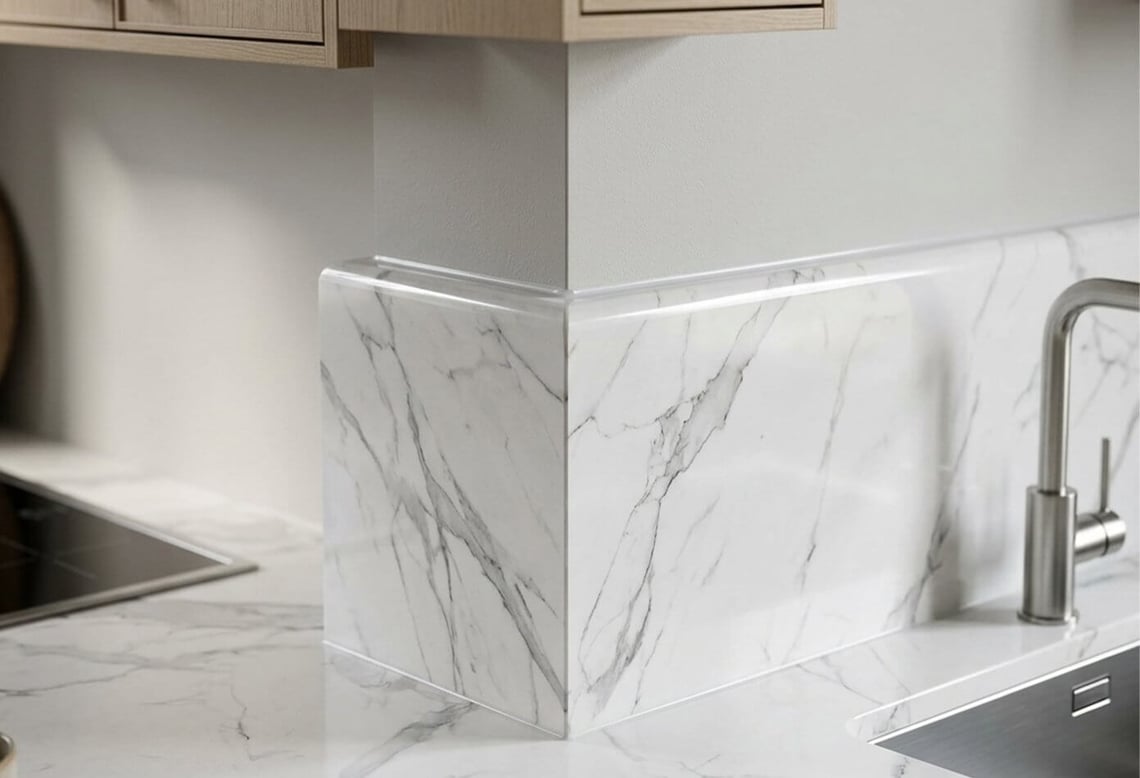
A wall cladding that goes behind the cooking zone, especially, is called a kitchen splashback. Because its main function is to protect the area that is prone to discolouration, fading, and oily staining from the daily cooking, splashbacks are primarily associated with this area behind the hob. But there is no limit to it. We can extend it behind the entire worktop and also stretch it till the sink so that walls can be protected from water splash and moisture. There are many splash back ideas to execute so that this wall in your kitchen is not only practical but also looks stylish and premium.
Some call it 'backsplash', 'splashback', 'wall panel', 'wall cladding', 'sink guard', 'hob guard' and similar other names too.
Let us know in the comments below what you call it.
HELENA STONIKA DEKTON

£528.66
Helena 22 Stonika is inspired by onyx real stone and has a translucent appearance of white and grey tones. These are the dazzling stone slabs for your home with its beautiful pattern. This Dekton worktop makes a timeless statement that… read more
OLIMPO KC STONIKA DEKTON

£528.66
Olimpo KC Stonika Dekton stone is a white-grey slab that features an interesting bluish-veiny pattern. It is given a dazzling finish that makes a perfect addition in both residential and commercial settings. It is a dream come true for kitchens,… read more
VIGIL ONIRIKA DEKTON

£528.66
Vigil KC Onirika Dekton stone is a white slab that features thin grey veiny patterns and some occasional thick streaks. It is given a dazzling finish that makes a perfect addition in both residential and commercial settings. It is a… read more
Thickness Options for Dekton Splashbacks In The UK
Dekton slabs are popularly used for many types of creative interiors. And, from what I’ve seen across different kitchen setups, most people don’t struggle with colour or finish as much as they do with this one question, how thick should it actually be?
In the UK market, Dekton splashbacks usually come in three main thickness options:
4mm to 8mm (Ultra-Thin)
12mm (Standard Choice)
20mm (Thicker, Statement Finish)
Each Dekton splashback thickness has its place. Many of us make the mistake of assuming thicker is always better. It isn’t.
So, what is?
Let’s find out!
How Thick Dekton Splashbacks Are Best for Kitchens?
If I’m being honest, most people end up going for 12mm and in a lot of cases, that’s absolutely fine. It just works
This Dekton splashback thickness is strong enough to tolerate daily use and also looks clean and slim on the wall; I'd say it is the perfect balance. The cherry on top is when you combine it with a perfect Dekton worktop like Edora Natural. Trust me, a splashback-worktop combo is enough to make your kitchen stand out. Keep the rest of the designs simple.
But here’s where it gets a bit more personal. If your kitchen is a modern minimalist theme, where you have planned handleless units and a sort, the sleek, slim wall splashback blends into the wall so perfectly that the entire setup looks natural.
On the other hand, if you like your space to have that bit of boldness, then chunky splashbacks can do the work. You’ll notice it more. Some people like that; some don’t.
So instead of chasing the “best” thickness, it’s probably more useful to think, what do I want this wall to feel like when it’s done?"
That answer usually points you in the right direction quicker than any spec sheet ever will.
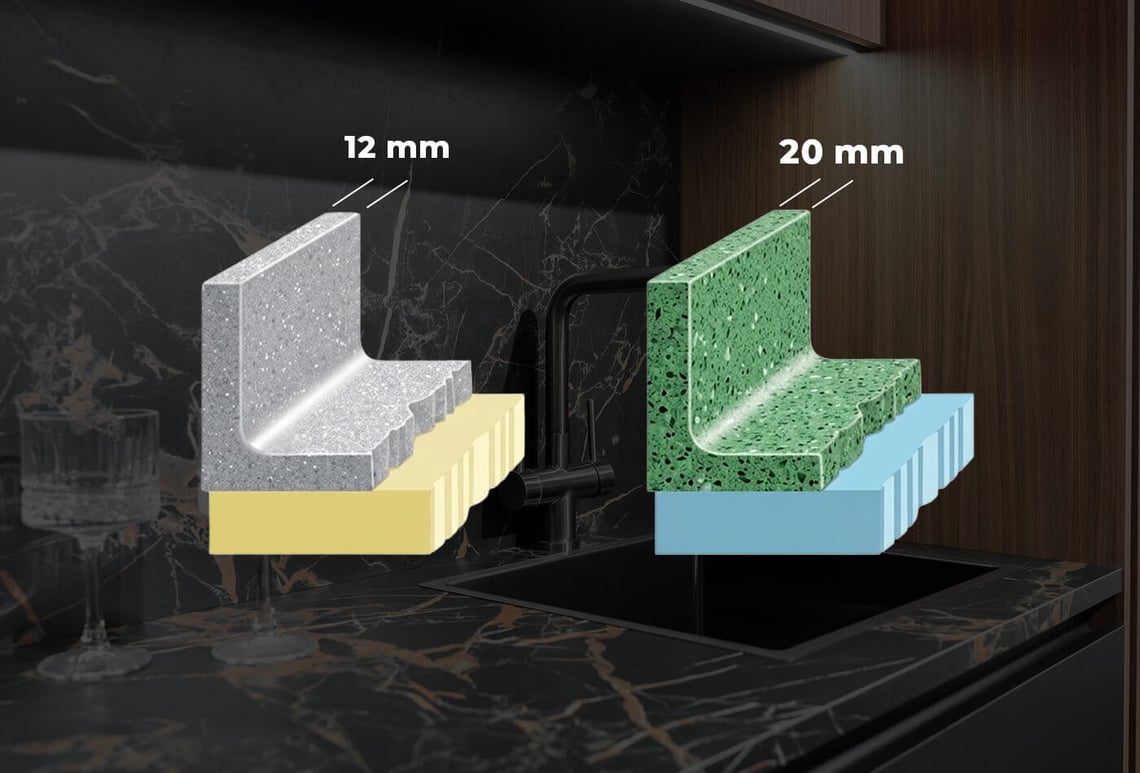
12mm Vs 20mm Dekton Wall Panels: What’s The Real Difference?
This is where most decisions happen.
Visual Impact
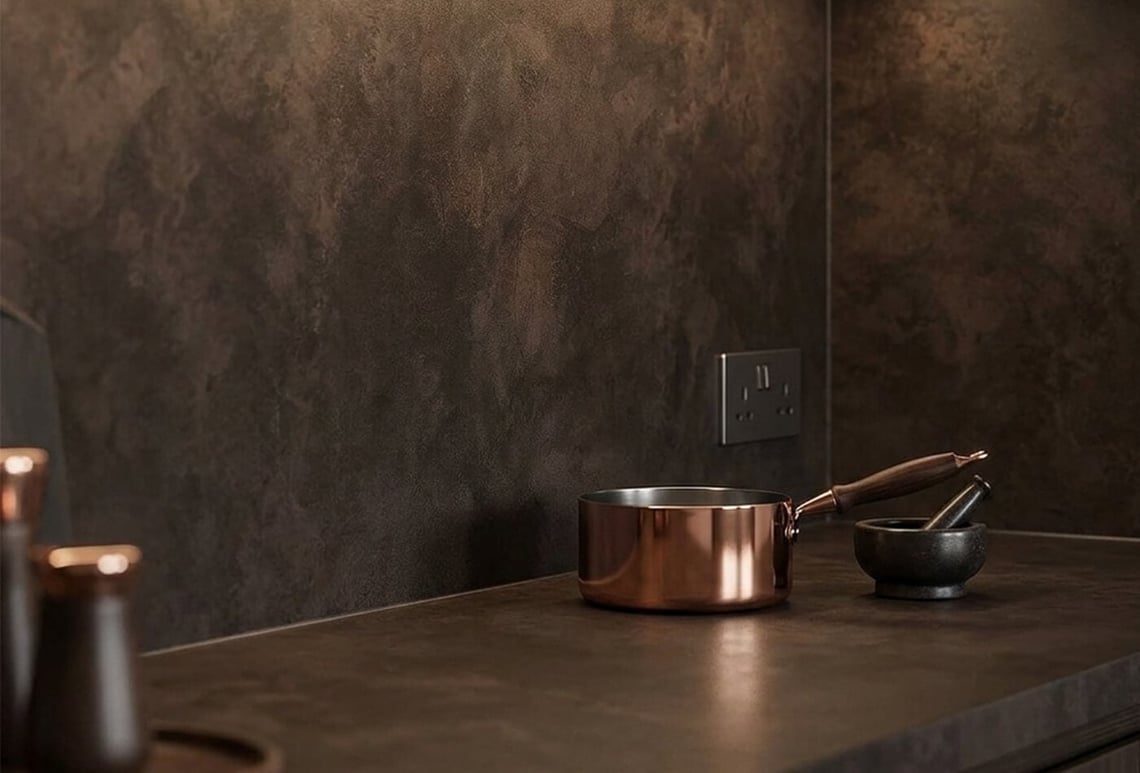
A 12mm Dekton splashback thickness looks neat and balanced. This one is good in cases when you have an outstanding kitchen worktop. The thin splashback here blends with the wall well so it does not steal the attention and lets the worktop or cabinetry claim its spotlight.
A 20mm splashback, on the other hand, feels the opposite – heavier and more solid. This one can also look quite premium, but in larger kitchens.
Check Out Opera Natural Dekton.
Weight And Installation
This is something people often overlook.
12mm is easier to handle and install
20mm is heavier, which can mean more support and careful fitting
If your walls aren’t perfectly prepared, thicker slabs can make installation more complicated.
Cost Differences In The UK
Thicker usually means:
More material
Higher fabrication cost
More labour during installation
So yes, 20mm will generally cost more, and not always in a way that adds real value to your kitchen.
When People Regret Their Choice
From what I’ve noticed:
Going too thick can make the space feel bulky
Going too thin without proper wall prep can affect the finish
That’s why 12mm tends to be the safe middle ground.
Is Thin Dekton Good For Kitchen Walls?
Yes, but only in the right setup.
Thin Dekton splashback thickness (around 4mm to 8mm) works really well in:
Modern, handleless kitchens
Flat wall designs with minimal joints
Projects where you want a seamless, almost panel-like look
But there’s a catch.
Your wall needs to be properly prepared. Any unevenness can show through more with thinner slabs. So while you might save on material, you could end up spending more on getting the wall right.
It’s not a bad option at all, just one that needs a bit more planning.
Check out Khalo Stonika Dekton.
12mm Vs 20mm Dekton Wall Panels: What’s The Real Difference?
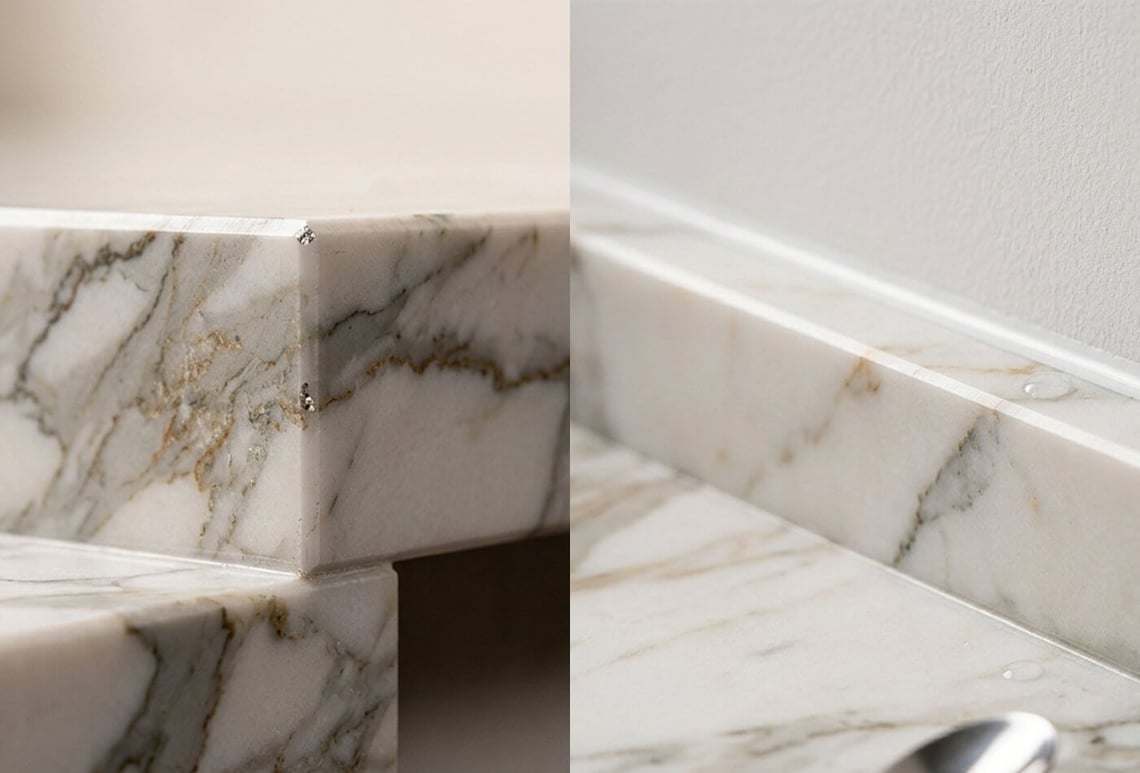
This is one detail that makes a bigger difference than people expect.
If your worktop is:
12mm Dekton → matching it with a 12mm splashback keeps everything consistent
20mm or thicker → you can either match it or go thinner to avoid a bulky look
Personally, I think a slight contrast in thickness can actually look better in some kitchens. It stops everything from feeling too heavy or overdone.
Next Read: Standard Height of a Worktop | UK Kitchen Counter Guide
Best Backsplash Thickness For Different Kitchen Styles
Modern Kitchens
Thin, or 12mm, works best. Keeps things clean and simple in both residential and commercial kitchens.
Classic Or Shaker Kitchens
12mm is a safe choice. It blends in without overpowering the design.
Luxury Or Statement Kitchens
20mm can work here, especially if you want the splashback to stand out more.
Small Kitchens
Stick to thinner options. Thick slabs can make the space feel tighter than it already is.
Stone Splashback Installation Realities You Should Know
This part doesn’t get talked about enough.
Thin slabs need very smooth walls
12mm is more forgiving during installation
20mm may require stronger fixing and careful handling
Make a note - 20mm and thicker slabs can sometimes make joints or edges more noticeable. But of course, it depends on the design.
Fabricators can guide you much better than any published article, so do have a proper chat with your team before finalising your Dekton splashback thickness choice. A small detail like this can affect the final finish quite a bit.
MORPHEUS ONIRIKA DEKTON

£484.38
Morpheus KC Onirika Dekton is a durable slab that features intense veiny patterns. It is given a dazzling finish that makes a perfect addition in both residential and commercial settings. It is a dream come true for kitchens, baths, entryways,… read more
ARGA STONIKA DEKTON

£416.50
Agra Stonika Dekton stone is a beige-white slab that features veiny patterns and some subtle brown streaks. It is given a dazzling finish that makes a perfect addition in both residential and commercial settings. It is a dream come true… read more
MORPHEUS ONIRIKA DEKTON
£484.38
Morpheus KC Onirika Dekton is a durable slab that features intense veiny patterns. It is given a dazzling finish that makes a perfect addition in both residential and commercial settings. It is a dream come true for kitchens, baths, entryways,… read more
Dekton Cost Considerations In The UK
Rather than focusing on exact prices, it’s more helpful to understand what affects the cost:
Thickness of the slab
Cutting and fabrication work
Installation complexity
Size of the splashback area
In general:
Thinner slabs → lower material cost, but possible prep work
12mm → balanced cost and practicality
20mm → higher overall cost
So if you’re trying to keep things sensible budget-wise, 12mm is usually the safest bet.
Order Readymade Dekton to Save Huge
Common Mistakes To Avoid When Buying Kitchen Wall Panels
A few things I’ve seen people get wrong:
Choosing thickness purely based on price
Not considering how it matches the worktop
Ignoring wall condition before choosing thin slabs
Going too thick in a small kitchen
Assuming thicker always means better quality
A bit of thought here can save you from rework later.
Final Thoughts
If I had to keep it simple, I’d say this: don’t overthink it, but don’t ignore it either.
Thickness isn’t just a technical spec. It changes how your kitchen feels once everything is installed.
For most homes, a 12mm Dekton splashback thickness does the job perfectly. It’s practical, looks right, and doesn’t push your budget unnecessarily. If you want something more design-led, thinner or thicker options can work, but only when the rest of the kitchen supports that choice.
Take a moment to think about your space, not just the material. That usually leads to a better decision in the end.
Contact 0330 113 5868 to get Original Dekton with Warranty.
Frequently Asked Questions and Answers
How Thick Should A Dekton Splashback Be?
If you want a straight answer, 12mm is what most UK kitchens go for cost-wise and look-wise. This is especially for modern kitchens. People do buy 20mm splashbacks too if they have a traditional-themed kitchen though. It is always a good thing to ask our fabricators what fits our kitchen style best.
Is 12mm Enough For A Splashback?
Yes, it does everything a kitchen backsplash needs to. It is strong, lasts long and blends well with the wall.
Is 20mm Too Thick For A Splashback?
20mm is actually one of the popular kitchen splashback thicknesses in the UK. Dekton slabs have that modern look, so you need to finalise if your kitchen is traditional or minimalist themed, and then your fabricator can suggest to you the best one which can make your space feel premium but also balance your budget.
Can You Use Thin Dekton For Kitchen Walls?
Yes, thin Dekton works well for splashbacks, especially in modern designs, but it requires well-prepared walls for a clean finish.
What Is The Most Popular Dekton Thickness In The UK?
12mm Dekton splashback thickness is currently the most popular thickness for Dekton splashbacks in the UK.