

Granite Countertops: How to Clean and Maintain Their Shine
GMS Kumar
Granite countertops are a kitchen's best friend, right? They look amazing and seem super tough. But keeping that shine? That's the real trick. If you've ever wondered how to clean granite countertops and keep them looking like new, you're in the right place. It’s not as complicated as you might think, and you don't need a whole cabinet full of fancy cleaners. We'll go over the simple stuff that makes a big difference.
Key Takeaways
- Clean spills right away to stop them from setting in. Blot, don't wipe, to avoid spreading the mess.
- Use only pH-neutral cleaners or mild dish soap with warm water. Avoid harsh chemicals like bleach, ammonia, or acidic cleaners (vinegar, lemon juice).
- Wipe down your granite daily with a soft cloth. For deeper cleaning, use a granite-specific cleaner or a DIY mix of water, rubbing alcohol, and a little dish soap.
- Protect your granite's shine by using trivets and cutting boards. Avoid sliding pots and pans across the surface.
- Regularly resealing your granite (about once a year) helps keep it protected from stains and liquids, maintaining its natural beauty.
Understanding Granite Countertop Shine
That glossy look on your granite countertops? It's not some kind of coating applied at the factory. It's actually the natural beauty of the stone itself, brought out through careful polishing. When granite is fabricated, it's smoothed down using increasingly fine abrasives. Think of it like sanding wood, but with materials that get smoother and smoother. The goal is to get the surface so flat that there are virtually no tiny scratches left. When light hits a surface with fewer scratches, it bounces off more evenly, and that's what creates that reflective, shiny appearance. The fewer imperfections on the surface, the more light it reflects, and the shinier it looks.
The Nature of Granite's Glossy Finish
Granite's shine comes from its mineral composition, particularly the quartz content. When polished, these minerals create a smooth, hard surface. The finish you see is a direct result of how well that surface has been smoothed and how much light it can reflect. Different types of granite will have slightly different inherent sheens, even before polishing, due to their unique mineral makeup and crystal structure. Some granites naturally have a deeper luster than others.
How Polishing Creates Reflective Surfaces
Polishing granite is a multi-step process. It starts with coarser abrasives to level the stone and remove any rough patches from cutting. Then, progressively finer abrasives are used. This is where the magic happens. Each stage removes smaller and smaller imperfections. The final stages often use very fine powders, sometimes even diamond abrasives, to achieve a mirror-like finish. This meticulous process is what transforms a rough slab into a gleaming surface ready for your kitchen. It's all about creating a surface so smooth that light bounces off it uniformly, giving you that brilliant shine. For a truly restored look, professional polishing systems can bring back that depth [f0a9].
Why Granite's Shine Matters in a Kitchen
Beyond just looking good, that shine on your granite countertops does more than just catch the eye. A well-polished surface is generally easier to clean because there are fewer microscopic nooks and crannies for dirt and liquids to get trapped in. It also makes the kitchen feel brighter and more open, as the light reflects around the space. A shiny countertop often signals a well-maintained kitchen, making the whole room feel more inviting and cared for. It's a statement piece that adds a touch of elegance and durability to the heart of your home.
Daily Habits for Granite Countertop Care
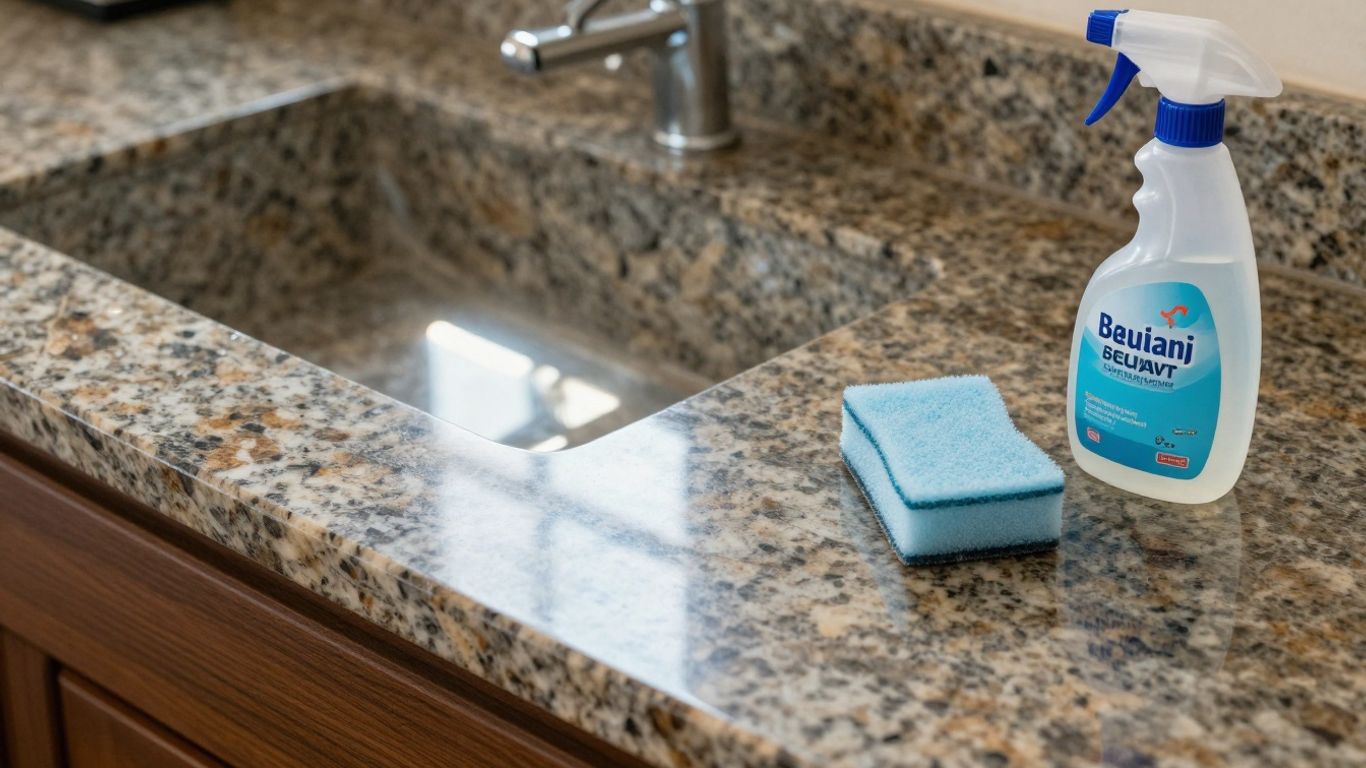
Keeping your granite countertops looking great doesn't require a lot of fuss. Honestly, it's mostly about being mindful of a few simple things day-to-day. Think of it like taking care of a nice piece of furniture – a little attention prevents bigger problems later.
The Importance of Immediate Spill Cleanup
This is probably the most important habit to get into. Granite is tough, sure, but it's also porous. That means liquids can soak in if you let them sit there. Wiping up spills right away is your first line of defense against stains. Acidic things like wine, juice, or even coffee can be particularly sneaky. Don't just wipe it around; blot it up gently with a soft cloth or paper towel. This stops the liquid from spreading and giving it a chance to seep into the stone. For most everyday spills, a quick blot and a wipe with a damp cloth is all you need. It’s a small effort that makes a huge difference in keeping your counters looking pristine. You can find more tips on dealing with spills on granite kitchen countertops.
Gentle Wiping Techniques for Daily Maintenance
For your regular wipe-downs, grab a soft microfiber cloth. These are great because they don't scratch the surface and they pick up dirt well. You don't need a fancy cleaner for this. Just a little warm water and maybe a tiny drop of mild dish soap (make sure it's not one with citrus or vinegar in it, as those can be too harsh) will do the trick. Wipe the counters down, then go over them again with a cloth dampened with plain water to get rid of any soap residue. Finally, give them a quick dry with a clean microfiber cloth. This prevents water spots and keeps that shine looking fresh. It’s a simple routine that takes just a minute or two.
Preventing Scratches from Everyday Items
Granite is hard, but it's not indestructible. The polished surface can get scratched over time, especially if you're not careful. Things like dragging heavy pots and pans across the surface, or even just placing a gritty grocery bag down, can cause tiny scratches that dull the shine. To avoid this, make it a habit to use trivets under hot dishes and cutting boards when you're chopping food. It might seem like a hassle, but it really protects that beautiful finish. Think of it as giving your countertops a little respect. It’s better to use a trivet than to deal with a scratch later on.
The key to maintaining granite's shine isn't about complicated cleaning rituals. It's about consistent, gentle care. Small habits, like immediate spill cleanup and using protective pads, go a long way in preserving the stone's natural beauty and reflective finish for years to come.
Here’s a quick rundown of what to do and what to avoid:
- Do: Wipe up spills immediately.
- Do: Use soft cloths like microfiber.
- Do: Use trivets and cutting boards.
- Don't: Slide heavy pots or pans.
- Don't: Use abrasive scrubbers.
- Don't: Let liquids sit on the surface for extended periods.
Effective Cleaning Solutions for Granite
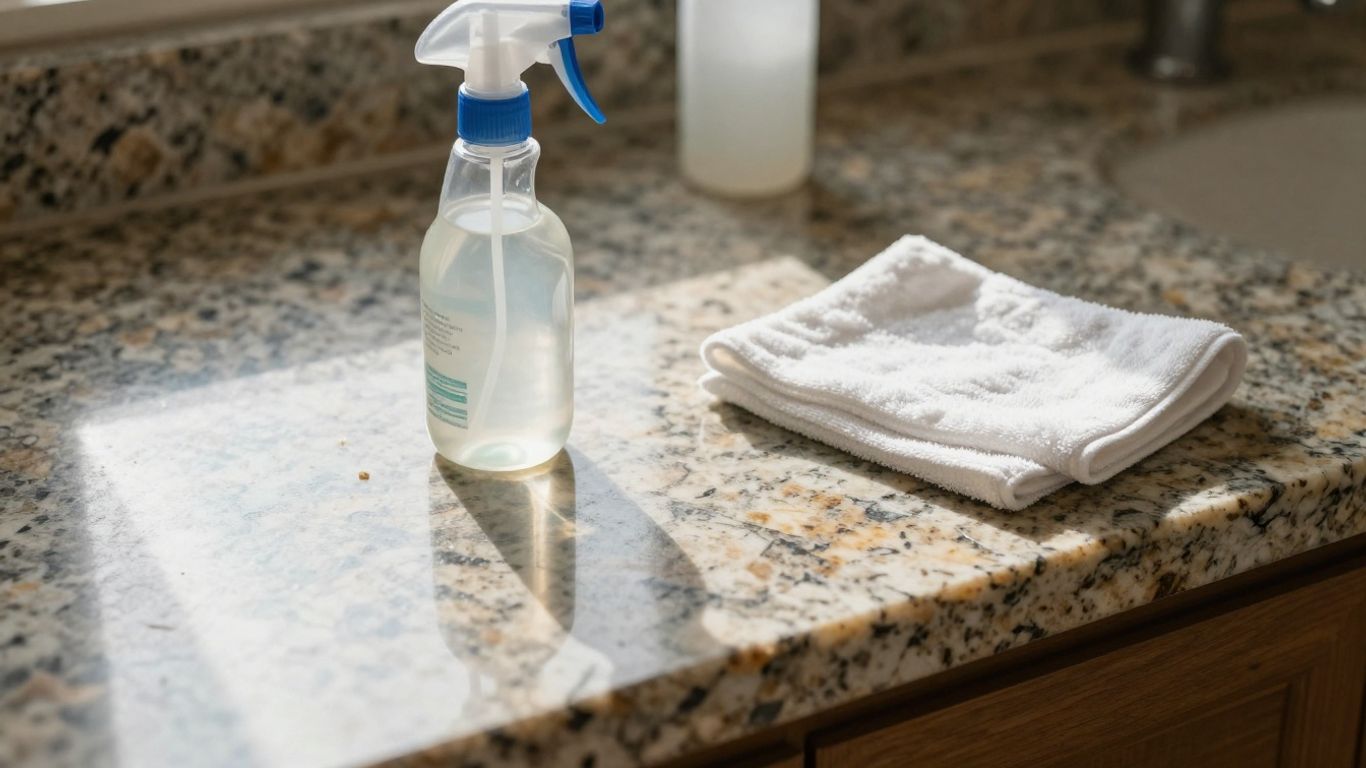
When it comes to keeping your granite countertops looking their best, the cleaning solutions you choose really matter. You don't want to use anything too harsh that could dull that beautiful shine or damage the sealant. The key is to stick with gentle, pH-neutral options.
Choosing the Right pH-Neutral Cleaners
Think of your granite like a sensitive friend – it doesn't like strong chemicals. Acidic cleaners, like vinegar or lemon juice, can actually etch the surface over time, making it look dull. Even some all-purpose cleaners might be too aggressive. What you're looking for are products specifically made for natural stone, or simple solutions you can whip up yourself. A good rule of thumb is to check the label for "pH-neutral" or "stone-safe." If you're unsure, a simple mix of mild dish soap and warm water is usually a safe bet for everyday cleaning. This approach helps maintain the integrity of your granite's protective sealant without stripping it away.
DIY Natural Cleaning Recipes
Making your own cleaner is super easy and often just as effective as store-bought options. Here are a couple of go-to recipes:
- Basic Daily Cleaner: Mix 2 cups of warm water with 1/4 cup of rubbing alcohol (or vodka) and about 5 drops of gentle dish soap. You can add 10 drops of your favorite essential oil, like lavender or lemon, for a nice scent. Shake it up in a spray bottle and you're good to go. Just spray and wipe with a soft cloth.
- Disinfecting Spray: For a bit more cleaning power, try a mix of equal parts water and rubbing alcohol in a spray bottle, adding a few drops of dish soap. This helps kill germs without harming the stone.
Using natural ingredients means you avoid those harsh fumes and potential damage to your countertops. Plus, it's budget-friendly!
When to Use a Granite-Specific Cleaner
While DIY solutions are great for daily upkeep, sometimes you might encounter a particularly stubborn spot or want that extra bit of polish. In these cases, a cleaner specifically formulated for granite can be a good investment. These products are designed to tackle tougher grime or provide a bit of extra shine without the risks associated with general household cleaners. They can be especially helpful if you're dealing with water spots or want to restore a bit of that showroom gleam. You can find these at most home improvement or specialty stone care stores. For more detailed advice on keeping your granite looking its best, check out this guide to granite care.
Deep Cleaning and Stain Removal
Sometimes, your granite countertops need a little more than just a quick wipe-down. If you're noticing stubborn spots or a general dullness that daily cleaning just can't fix, it's time for a deeper approach. This isn't about harsh scrubbing; it's about using the right methods to lift away grime and revive that beautiful shine.
Recognizing When a Deep Clean Is Needed
How do you know it's time to roll up your sleeves for a more thorough clean? Look for a few tell-tale signs. If spills seem to be soaking in more easily than before, or if you see faint rings or marks that don't come off with your usual routine, that's a good indicator. A surface that just looks generally less vibrant, even after a good wipe, also signals that it's time for a deeper clean. For most kitchens, doing this every few months is usually plenty, but if you cook a lot or have kids, you might need to do it more often.
Using Baking Soda Paste for Stubborn Stains
When it comes to tackling those really tough stains, a simple baking soda paste is your best friend. It's gentle enough not to harm your granite but effective at drawing out discoloration. To make it, just mix about half a cup of baking soda with a little bit of water. You want a thick, spreadable paste, kind of like toothpaste. Apply this paste directly over the stain. For really set-in marks, cover the paste with plastic wrap and let it sit overnight. This gives the baking soda ample time to work its magic. The next morning, gently wipe away the paste with a damp cloth. You might need to do this a couple of times for very persistent stains, but it's a much safer option than harsh chemicals. This method is great for organic stains like coffee or wine. For oil-based stains, you might need a slightly different approach, perhaps using a poultice made with a solvent, but baking soda is a fantastic starting point for many common issues. You can find more tips on cleaning granite stains if you need them.
Rinsing and Drying After Deep Cleaning
After you've tackled those stubborn spots with a paste or any other deep cleaning solution, rinsing is super important. You don't want any cleaning residue left behind, as it can dull the shine or even attract more dirt. Use a clean, damp cloth to wipe down the entire area you cleaned. Make sure to rinse your cloth frequently so you're not just spreading the residue around. Once you've rinsed away all traces of the cleaner, grab a dry, soft cloth, preferably microfiber. Buff the surface until it's completely dry. This step is key to preventing water spots and bringing back that lovely, reflective finish. A good drying and buffing can make a world of difference in how your countertops look after a deep clean.
Always remember that granite is a natural stone. While it's tough, it's not indestructible. Gentle, targeted cleaning methods are always better than aggressive scrubbing or harsh chemicals. Patience is often the best tool when dealing with tough spots.
Here's a quick rundown of what you might need:
- Baking soda
- Water
- Plastic wrap
- Soft cloths (microfiber is great)
- A small bowl for mixing
This process, while a bit more involved than daily wiping, is really effective for keeping your granite looking its absolute best. It's all about giving your countertops the care they deserve to maintain their beauty for years to come. You can learn more about making a baking soda paste for stain removal.
Maintaining Granite's Luster Over Time
Keeping that gorgeous shine on your granite countertops isn't a one-time job; it's about consistent care. Think of it like tending a garden – a little effort regularly makes a big difference. The goal is to protect the stone's natural polish, not to constantly try and recreate it.
The Role of Regular Sealing
Granite, while tough, is naturally porous. This means it can soak up liquids, which can lead to stains and dullness over time. Sealing creates a barrier, helping to keep spills from penetrating the stone. It's a pretty important step in protecting your investment. How often you need to reseal can vary. Some sources suggest checking it annually, but it really depends on the type of granite and how much you use your kitchen. A simple water test can help: if water beads up on the surface, your seal is likely still good. If it soaks in, it's probably time for a refresh. You can find a variety of granite sealers on the market, and most come with clear instructions.
Polishing for Enhanced Shine
While daily cleaning keeps things tidy, sometimes your granite might need a little extra boost to bring back that sparkle. This is where polishing comes in. You can find specific granite polish products designed to buff out minor imperfections and make the surface gleam. When you're polishing, always use a soft cloth, like microfiber, and work in a circular motion. Never use abrasive tools or harsh cleaners when polishing, as this can actually scratch the stone and do more harm than good.
Avoiding Harsh Chemicals and Abrasives
This is probably the most critical rule for keeping your granite looking its best. Common household cleaners, especially those with acidic or alkaline bases (think vinegar, lemon juice, or bleach), can break down the sealant and even etch the stone itself. Similarly, abrasive scrubbers or steel wool will scratch the polished surface, making it look dull and worn. Sticking to mild soap and water for daily cleaning, and using pH-neutral, granite-specific cleaners when needed, will go a long way. It’s about respecting the material and using products that are designed for it.
Over time, the shine on your granite can fade due to daily wear and tear, exposure to certain substances, or a worn-down sealant. Consistent, gentle care is the key to preventing this dullness and maintaining the stone's natural beauty for years to come.
Common Mistakes to Avoid When Cleaning Granite
Alright, let's talk about what not to do when you're trying to keep your granite countertops looking sharp. It’s easy to think that because granite is tough, you can just go at it with whatever cleaner you have under the sink. But honestly, that’s a fast track to dulling that beautiful shine or worse.
Steering Clear of Acidic Household Cleaners
So, you’ve got a spill, and you reach for the vinegar or lemon juice because, hey, they cut grease, right? Big mistake. These guys are acidic, and they can actually etch into your granite's surface. Think of it like this: that glossy finish you love? Acids can break down the sealant that protects it, and over time, they can even dull the stone itself. Even things like Windex, which seems pretty harmless, can sometimes have ammonia or other chemicals that aren't granite-friendly. It’s really about being gentle with this natural stone. For everyday cleaning, sticking to a mild dish soap mixed with water is usually your best bet. If you're unsure, always check the label or opt for cleaners specifically made for natural stone. You can find some good options when you're shopping for stone care products.
The Danger of Abrasive Scrubbing Tools
Next up, let's chat about scrubbing. You know those green scrubby pads or steel wool? Yeah, don't use those on your granite. Granite is hard, but it's not invincible. Those rough tools can leave tiny scratches on the surface. At first, you might not even notice them, but over time, these little scratches add up and can make your countertop look dull and worn. It’s like giving your granite a constant micro-abrasion treatment it really doesn't need. Instead, grab a soft cloth, a microfiber towel, or a sponge that's not going to be too aggressive. Think gentle wiping, not heavy-duty scrubbing. This is especially important if you've got a polished finish; you want to keep that smooth surface intact.
Why Leaving Soapy Residue is Detrimental
This one might seem a little less obvious, but it's super important. After you clean your countertops, you need to make sure you rinse away all the soap. If you just wipe down with soapy water and then let it air dry, you're often left with a thin film of soap residue. This film traps dirt and grime, and it's what causes that streaky, dull look. It basically smothers the shine. So, after you've cleaned with your mild soap solution, go back over the surface with a clean, damp cloth (just water!) to get rid of any leftover soap. Then, dry it thoroughly with a clean, soft towel. This final step makes all the difference in keeping that granite looking bright and clean. It’s a small step, but it really helps maintain the natural beauty of your stone.
Keeping Your Granite Looking Great
So, there you have it. Keeping your granite countertops looking their best isn't some big mystery. It really just comes down to a few simple habits. Wipe up spills when they happen, use the right cleaners – nothing too harsh – and maybe give them a little polish now and then. Honestly, treating your counters with a bit of respect goes a long way. If things do get a bit dull or stained, don't panic. Often, a good clean or a professional touch-up can bring back that shine. Your granite is a beautiful part of your home, and with a little regular care, it'll keep looking that way for years.
Frequently Asked Questions
How do I keep my granite countertops shiny every day?
The best way to keep your granite shiny is to wipe up spills right away with a soft cloth. For daily cleaning, just use a little mild soap and warm water. Then, dry it off with a clean towel to prevent water spots. This simple routine stops dirt from building up and dulling the shine.
What kind of cleaners should I use on granite?
Always use cleaners that are gentle and don't have strong acids or bases. Think of mild dish soap mixed with water, or special cleaners made just for granite. Avoid things like vinegar, lemon juice, bleach, or ammonia, as they can damage the stone's shine and sealant.
Can I use natural cleaners like baking soda or vinegar?
While baking soda can be used carefully for tough stains (as a paste), it's best to avoid vinegar and lemon juice. These are acidic and can etch, or dull, the shiny surface of your granite over time. Stick to pH-neutral cleaners for regular cleaning.
What causes granite countertops to lose their shine?
Granite loses its shine mainly from tiny scratches that build up over time. This can happen from sliding rough pots and pans, using abrasive cleaning pads, or even dirt from grocery bags. Harsh chemicals can also strip away the sealant and dull the surface.
How often should I seal my granite countertops?
It's a good idea to reseal your granite about once a year, or whenever you notice water soaking into the stone instead of beading up on top. Sealing helps protect the granite from stains and keeps its natural beauty and shine looking great.
What's the best way to remove tough stains from granite?
For stubborn stains, you can make a paste using baking soda and water. Apply it to the stain, cover it with plastic wrap, and let it sit overnight. The baking soda helps pull the stain out of the stone. Gently wipe it away in the morning, rinse, and dry.


