

Quartz vs. Granite: Unpacking the Key Differences for Your Next Project
GMS Kumar
Picking out new countertops can feel like a big decision, right? You've got your eye on a few options, but the big players are usually quartz and granite. They both look great, and they're both super popular for kitchens and bathrooms. But there's a pretty significant difference between quartz and granite that really matters when you're thinking about how they'll hold up day-to-day and how much work they'll be to keep looking nice. Let's break down what makes them tick so you can pick the best one for your home.
Key Takeaways
- Granite is 100% natural stone, meaning each slab is unique with its own patterns and colors, while quartz is an engineered material made from crushed quartz and resins, offering consistent looks.
- Quartz is non-porous and highly resistant to stains and scratches, requiring minimal maintenance and no sealing, making it ideal for busy households.
- Granite is very durable but porous, meaning it needs regular sealing to prevent stains and etching from spills, requiring more upkeep than quartz.
- Granite handles high heat better than quartz, which can be damaged by extreme temperatures due to its resin content; always use trivets with quartz.
- The choice often comes down to personal preference: natural, unique beauty with more maintenance (granite) versus consistent, low-maintenance performance (quartz).
Understanding The Core Difference Between Quartz and Granite
When you're picking out countertops, the big question often comes down to quartz versus granite. It sounds simple, but these two popular materials are actually quite different, and knowing those differences is key to choosing the right one for your project. It really boils down to one main thing: where they come from and how they're made.
Natural Stone vs. Engineered Material
Granite is a 100% natural stone. Think of it as a piece of the earth, quarried directly from mountains. Each slab is unique, with its own distinct patterns, veins, and mineral flecks that Mother Nature created over millions of years. When you choose granite, you're getting a one-of-a-kind surface that no one else will have. It's literally a work of art from the ground up.
Quartz, on the other hand, is an engineered or man-made material. It's created in a factory by combining about 90-95% ground natural quartz (one of the hardest minerals around) with polymer resins and pigments. This process allows for a lot of control over the final look and performance. The biggest difference is that granite is natural, while quartz is manufactured.
Origin Stories: From Mountain to Factory
Granite's journey starts deep within the earth. Massive blocks are extracted from quarries, then cut into slabs. This process is energy-intensive, and often, these beautiful slabs travel long distances from places like Brazil or India to reach your home. This means granite has a significant carbon footprint associated with its extraction and transportation.
Quartz takes a different path. While it uses natural quartz as its main ingredient, it's manufactured. This factory setting means the process can be more controlled. Some manufacturers are even incorporating recycled materials like glass or mirrors into their quartz slabs, which can be a nice perk for those thinking about sustainability. Plus, the raw materials are often sourced more locally, potentially reducing shipping emissions compared to some exotic granites.
The Impact of Composition on Performance
How these materials are made directly affects how they perform in your home. Because granite is natural, it's porous. This means it can absorb liquids if not properly sealed, potentially leading to stains. Its crystalline structure, while strong, can also be susceptible to chips or cracks from sharp impacts, especially on edges.
Quartz's engineered nature makes it non-porous. This is a huge advantage for stain resistance – spills tend to just sit on the surface. The resins also give it a bit more flexibility, making it slightly less prone to chipping than granite. However, this engineered composition means quartz has a lower tolerance for extreme heat. Direct contact with very hot pans can damage the resins, leading to discoloration or even cracks, so using trivets is a must. Granite, being a natural stone formed under immense heat and pressure, generally handles hot pans better. For a quick overview of how they stack up, you can check out this material comparison.
The choice between a natural wonder and a manufactured marvel hinges on what you prioritize: the unpredictable beauty of the earth or the consistent, low-maintenance performance of modern engineering. Both have their place, but understanding their origins is the first step to making the right call for your space.
Aesthetic Appeal: Natural Beauty Versus Engineered Consistency
When you're picking out countertops, how they look is usually the first thing that grabs your attention, right? It's what sets the tone for your whole kitchen or bathroom. This is where quartz and granite really show their different personalities. One offers the wild, unpredictable beauty of nature, while the other gives you a clean, predictable look thanks to modern manufacturing.
Granite's Unique, One-of-a-Kind Patterns
Think of granite as a piece of art directly from the earth. Every single slab is quarried from a mountain, and because of that, no two pieces are ever alike. You'll find unique veining, mineral flecks, and color swirls that tell a geological story. It’s this natural variation that many people love – it means your countertop is truly one-of-a-kind. However, this also means the sample you see in the store might not look exactly like the slab that gets installed in your home. It's a good idea to always view and approve the specific slab for your project to avoid any surprises.
Quartz's Predictable and Uniform Appearance
Quartz countertops, on the other hand, are engineered in a factory. This manufacturing process gives them a consistent look. The colors and patterns are uniform across the entire slab, which is great if you want a seamless appearance, especially for large areas or islands. Plus, technology has come a long way, so you can find quartz that mimics the look of marble or concrete, or choose from a huge range of solid colors that you just won't find in nature. This predictability is a big draw for many homeowners looking for a modern, clean aesthetic.
Matching Your Style: Natural Artistry or Modern Design
So, how do you decide? It really comes down to what you prefer. Are you drawn to the raw, random beauty of natural stone, where every swirl and speck is unique? Or do you lean towards a more controlled, uniform look that offers a predictable finish every time?
- Natural Artistry: If you love the idea of a countertop that's a conversation starter, with its own unique geological story, granite is likely your pick. It brings an organic, earthy feel to any space.
- Modern Design: If clean lines, consistent patterns, and a more controlled aesthetic appeal to you, quartz offers that polished, contemporary vibe.
- Customization: While granite's beauty is dictated by nature, quartz offers a wider palette of colors and patterns, allowing for more specific design matching.
The choice between granite and quartz often boils down to a simple question: do you want a "perfectly imperfect" natural masterpiece or a "flawlessly consistent" modern design? Your gut reaction to this question will probably point you in the right direction for your project.
Ultimately, both materials can look fantastic. It’s about understanding their inherent differences and choosing the one that best fits your personal style and the overall vision for your home. If you're curious about the different types of quartz available, you can explore natural vs. engineered quartz to get a clearer picture.
Durability and Daily Resilience: How They Handle Wear and Tear
Both quartz and granite are known for being tough, but they handle the everyday bumps and spills of a busy home a little differently. It's worth looking at how they stand up to scratches, heat, and stains.
Scratch and Chip Resistance: The Hardness Factor
When we talk about pure hardness, quartz actually has a slight edge. It typically scores a 7 on the Mohs scale, which is a bit higher than most granite, usually falling between 6 and 7. This engineered structure means quartz is incredibly resistant to scratches from knives, pots, and even plates sliding across the surface. This makes quartz a bit more durable in the long run.
Granite, being a natural crystalline stone, can sometimes chip if it takes a sharp, hard hit, especially on an edge or corner. While a professional can usually fix these chips, getting a perfectly invisible repair can be tricky. Quartz, on the other hand, has a bit more flexibility thanks to the polymer resins that bind the quartz particles together. This makes it slightly less brittle and better at resisting those accidental knocks and dings. Plus, its uniform makeup means there aren't any hidden weak spots you might find in a natural slab.
Heat Tolerance: Handling Hot Pans
This is where granite really shines. Because it's formed under immense heat and pressure deep within the earth, granite can handle a hot pan directly from the stove or oven without much fuss. If you're someone who often cooks and moves quickly, this is a pretty big plus. You don't have to worry as much about using trivets or hot pads.
Quartz isn't quite as heat-proof. The resins used to bind the quartz particles can be sensitive to extreme or sudden temperature changes. This can sometimes lead to discoloration or even, in rare cases, cracking. So, with quartz, it's always a good idea to use trivets or hot pads for anything coming straight off the heat. It’s a small step, but it helps protect your investment.
Stain Resistance: Dealing with Spills
This is a major win for quartz. Its surface is non-porous, meaning liquids just can't soak in. Spills like red wine, coffee, or oil can usually be wiped away clean without leaving any mark behind. This also makes it super hygienic because there are no tiny pores for bacteria to hide in. It’s a real game-changer for busy households.
Granite, being a natural stone, is porous. If it hasn't been sealed properly, it can absorb liquids, leading to stains that can be a real pain to get out. And that brings us to maintenance, which is a whole other topic, but it's directly tied to how well your granite handles spills.
When choosing between quartz and granite, think about your daily routine. Are you someone who often places hot pans directly on the counter, or are you diligent about using trivets? Do you frequently deal with spills that might stain, or is easy cleanup your top priority? These practical considerations can make a big difference in your satisfaction with the material over time.
Here’s a quick look at how they stack up:
- Quartz: Extremely resistant to scratches and chips due to its engineered hardness. Highly stain-resistant because it's non-porous. Moderate heat resistance; trivets are recommended for hot items.
- Granite: Very durable and scratch-resistant, though can chip on edges. Excellent heat resistance, capable of handling hot pans directly. Porous; requires regular sealing to prevent stains.
Maintenance Requirements: Effortless Upkeep Versus Routine Care
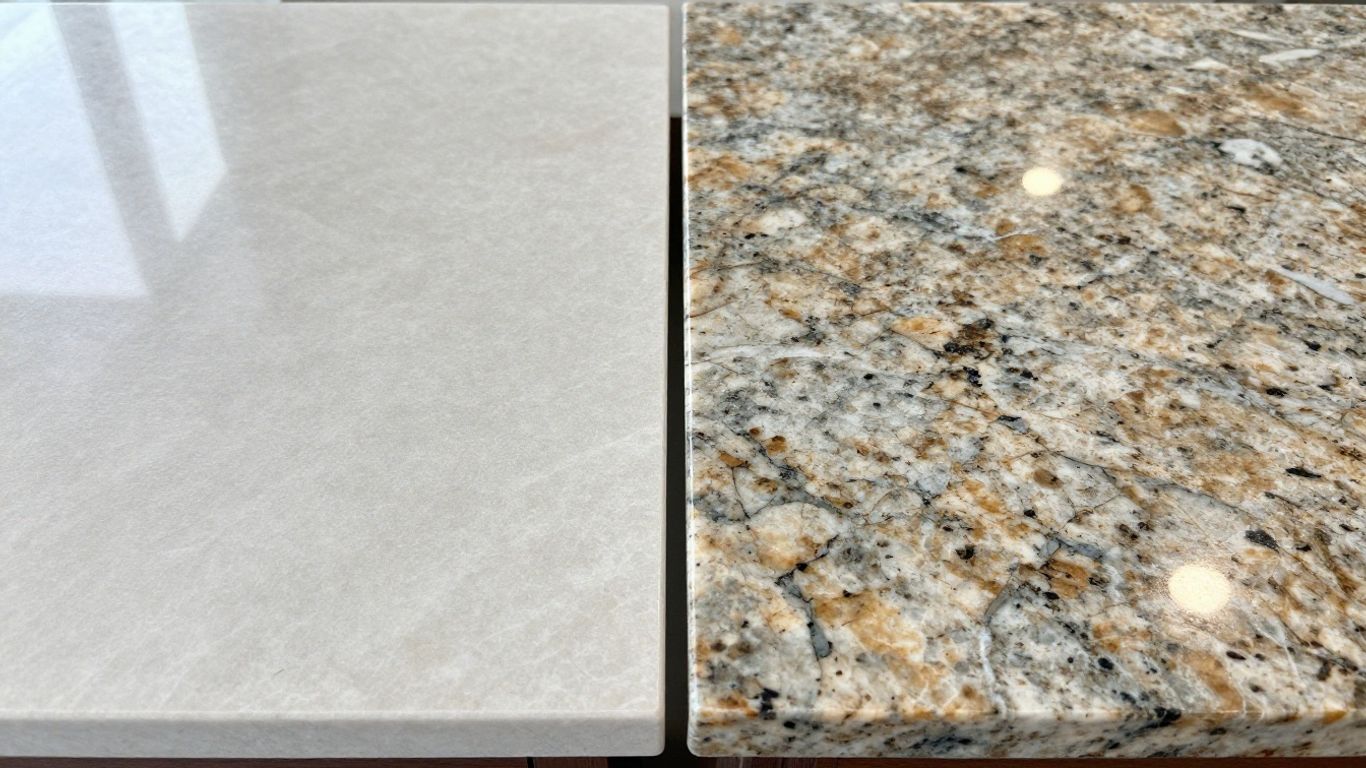
When you're picking out countertops, it's easy to get caught up in how they look. But let's be real, how much work are you willing to put in to keep them looking good? This is where quartz and granite really show their differences, and it can be a pretty big deal for your day-to-day life.
Quartz: The Non-Porous, No-Sealing Solution
Honestly, quartz is pretty much the "set it and forget it" option. Because it's engineered, it's made to be non-porous. What does that mean for you? It means liquids like wine, coffee, or that accidental spill of olive oil just sit on top. They don't soak in. So, cleaning up is usually just a quick wipe with some mild soap and water. You will never have to seal a quartz countertop. Ever. This lack of sealing is a huge plus, especially if you're not someone who enjoys extra chores. It also means it's super hygienic, as there are no tiny little holes for bacteria to hide in. It's a real win for busy households where spills are just part of the scenery.
Granite: The Need for Regular Sealing
Granite, being a natural stone, has a bit more personality, and that includes being porous. This means it can absorb liquids if it's not properly protected. To keep it looking its best and to prevent stains from setting in, granite needs to be sealed when it's installed. And then, you have to do it again every year or two. It's not a super complicated process, but it is another task on your home maintenance list. Forgetting to seal it can lead to problems; a spill that might have wiped away clean on quartz could become a permanent mark on unsealed granite. It's a commitment, for sure.
Cleaning Best Practices for Each Material
Here's a quick rundown on keeping both materials looking sharp:
- Quartz:
- Use mild dish soap and water for daily cleaning.
- For tougher spots, a gentle, non-abrasive cleaner is fine.
- Avoid harsh chemicals or abrasive scrubbers that could dull the finish.
- Granite:
- Wipe up spills immediately to prevent absorption.
- Use a pH-neutral cleaner specifically designed for natural stone, or mild soap and water.
- After sealing (which you'll do periodically), follow the sealant manufacturer's instructions.
The long-term cost of a countertop isn't just what you pay upfront. The ongoing maintenance, or lack thereof, can significantly impact your budget and your free time over the years. Quartz offers a clear advantage in this department for those seeking minimal upkeep. Quartz offers long-term savings due to its minimal maintenance needs.
Choosing between them really comes down to how much time and effort you're willing to dedicate to your countertops. If you want a "no fuss" surface, quartz is the way to go. If you don't mind the yearly sealing ritual and appreciate the natural beauty of granite, it can still be a great choice. Quartz countertops require minimal maintenance, making them a convenient choice for kitchens.
Installation and Environmental Considerations
When you're picking out your new countertops, it's easy to get lost in the colors and patterns. But have you thought about how these materials actually get to your home? The installation process and the environmental story behind both granite and quartz are pretty important parts of the decision.
The Installation Journey: Templating to Turnover
Both granite and quartz are heavy, unforgiving materials, so professional installation is a must. It's not a weekend DIY job; it's a skilled process. While the basic steps are similar for both, there are some subtle differences.
- Templating: A precise template of your countertop space is created. This is super important for a perfect fit.
- Fabrication: The slabs are cut and shaped according to the template. This is where the skill of the fabricator really shows.
- Installation: The new countertops are fitted into place. This involves careful handling and precise placement.
- Finishing: Edges are smoothed, and the surface is cleaned. The space is then ready for you to use.
The whole process requires precision from start to finish.
Granite's Environmental Footprint
Granite is a natural stone, meaning it's quarried directly from the earth. This process involves heavy machinery and can have a significant environmental impact, including habitat disruption and energy consumption for extraction and transportation. However, because it's a natural material, it doesn't involve synthetic manufacturing processes. When considering eco-friendly countertop choices, granite's natural origin is a plus, but its quarrying impact is something to think about. You can explore eco-friendly countertop choices to see how it stacks up.
Quartz's Sustainability Angles
Quartz countertops are engineered, made from crushed quartz crystals mixed with resins and polymers. The manufacturing process uses energy, but it often incorporates recycled materials and can be done closer to distribution centers, potentially reducing transportation emissions. The resins used are a point of consideration for some, but modern manufacturing aims to minimize volatile organic compounds (VOCs). The durability and low maintenance of quartz also contribute to its sustainability over its lifespan, as it requires less frequent replacement and no sealing chemicals.
Choosing between these two materials involves looking beyond just the surface. The journey from the earth or the factory to your home, and the resources used along the way, are part of what makes each option unique. Thinking about the long-term impact and the manufacturing processes can help you make a more informed decision for your project.
Performance in Key Household Areas
Choosing between quartz and granite isn't just about how they look; it's about how they handle the real-life chaos and demands of your home. Let's break down how each material performs in the most used spots.
The Busy Family Kitchen
This is where spills, sticky fingers, and hurried meal prep are just part of the daily grind. For a kitchen that's constantly in use, especially with kids around, you need a surface that can take a beating and clean up easily. Think dropped bowls, smeared jelly, and maybe even a rogue marker incident. In this high-traffic, high-mess environment, stain resistance and effortless cleanup are non-negotiable.
- Quartz: Its non-porous nature is a lifesaver. Grape juice, coffee, or even permanent marker won't soak in. A quick wipe with soap and water usually does the trick, offering great peace of mind. It also holds up well against the general wear and tear of daily family life.
- Granite: While durable, its natural porosity can be a problem. A missed spill on a counter that isn't perfectly sealed could lead to a permanent stain. Plus, remembering to reseal it annually adds another task to an already busy schedule.
For a busy family kitchen, quartz is generally the more practical choice. Its ability to resist stains and its low-maintenance upkeep make it a stress-free option for a space that sees constant action.
The Hardworking Home Cook's Kitchen
If your kitchen is more like a culinary workshop, where heat, sharp objects, and intense prep work are the norm, your countertop needs to be tough. This is where the material's ability to handle high temperatures and resist scratches really comes into play. Serious cooks need surfaces that can keep up with their passion.
- Granite: This is where granite truly shines. It's incredibly heat resistant, meaning you can often place hot pans directly on the surface without worry – a huge convenience when you're in the middle of cooking. Its natural hardness also makes it quite resilient against accidental nicks and scratches from knives during food prep.
- Quartz: The resins used to bind quartz particles can be sensitive to high heat. Placing a hot pan directly on quartz can potentially cause discoloration or even cracking. This means you absolutely must use trivets and hot pads every single time, without exception. While it's hard, it can be more prone to chipping than granite under certain impacts.
For the dedicated home chef, granite often wins out due to its superior heat tolerance, offering more freedom in the kitchen. You can explore different granite countertop options that might suit your cooking style.
The Bathroom Vanity
Bathrooms are typically spaces where aesthetics and hygiene are key. Countertops here need to look good, tie the room's design together, and handle everyday bathroom products like toothpaste, makeup, and hairspray, along with constant moisture. Consistency in appearance is often a big factor, especially for larger vanities.
- Quartz: Its uniform appearance is a big plus for bathroom vanities, offering a clean, modern look. It's also non-porous, making it highly resistant to stains from cosmetics and easy to clean. This makes it a hygienic choice for a space that sees daily use.
- Granite: Granite can offer a beautiful, natural look for a bathroom. However, its porosity means it needs to be sealed properly to prevent stains from things like hair dye or lotions. While generally durable, the unique patterns of granite might not always provide the consistent look some prefer for a bathroom design.
Both materials can work well in a bathroom, but quartz often has an edge for its low maintenance and consistent appearance, which aligns well with the desire for a clean and serene bathroom space. If you're comparing other materials, porcelain countertops are also worth considering for bathrooms due to their excellent water resistance.
Making The Final Decision: Weighing Your Priorities
Assessing Your Maintenance Tolerance
So, you've looked at all the pretty pictures and read up on the technical stuff. Now comes the real talk: how much effort are you willing to put into your countertops? Be honest with yourself here. If the thought of wiping up spills immediately or remembering to reseal every year makes you sigh, then quartz is probably your jam. It's pretty much set-it-and-forget-it. Granite, on the other hand, is a bit more high-maintenance. It needs regular sealing to keep stains at bay, and you'll want to be a bit more careful with acidic liquids. Your tolerance for upkeep is a huge factor in which material will make you happier long-term.
Defining Your Aesthetic Preferences
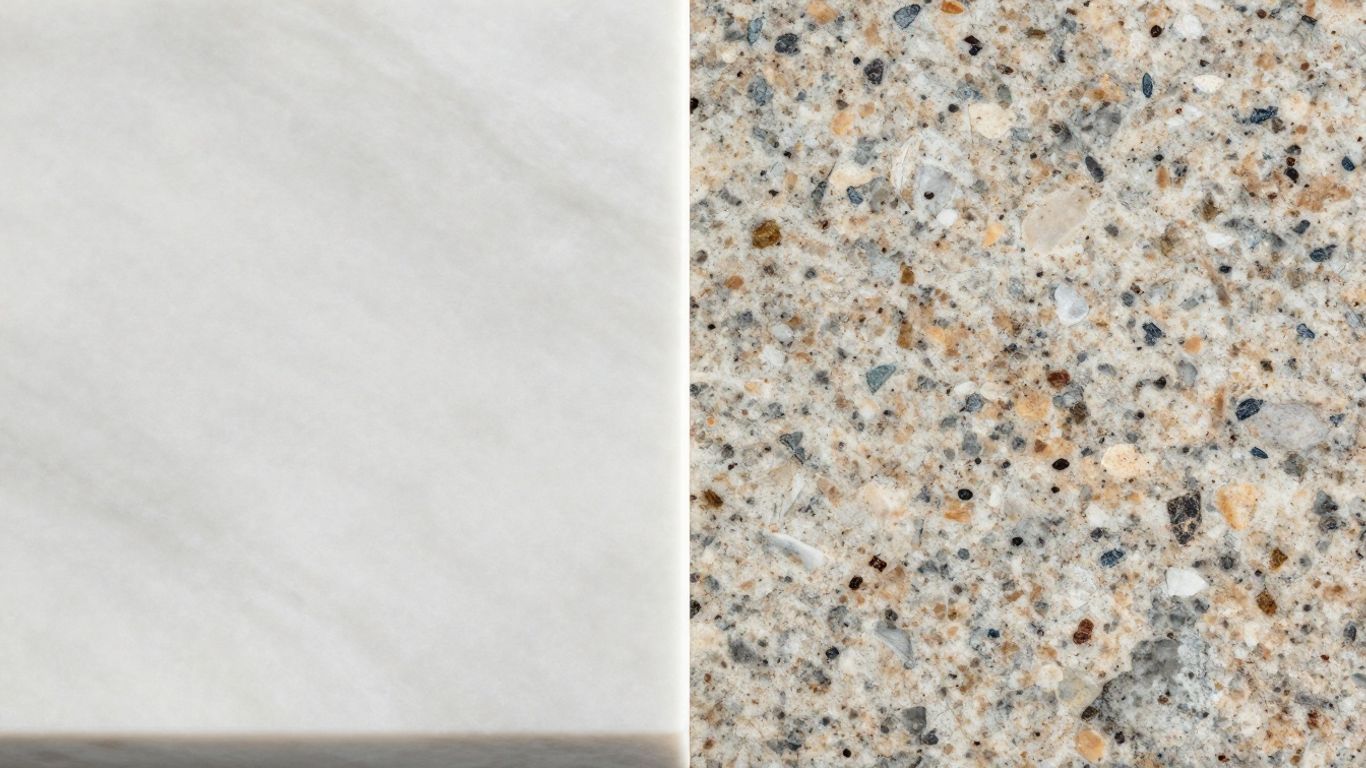
This is where personal taste really shines. Do you love the idea of having a countertop that's literally one-of-a-kind, like a piece of art pulled straight from the earth? Granite offers that unique, unpredictable beauty with its natural veining and patterns. No two slabs are ever exactly alike. If you prefer a more controlled, consistent look – maybe something sleek and modern that matches your cabinets perfectly every time – then quartz is your go-to. Its engineered nature means you get predictable patterns and colors, which can be a real plus if you have a specific design vision in mind.
Considering Long-Term Value and Budget
Let's talk money, because that's always part of the equation. While granite might sometimes have a lower upfront cost, especially for more common varieties, you have to factor in the ongoing expenses. That annual sealing, potential stain removal, or even minor repairs can add up over the years. Quartz often comes with a higher initial price tag, but its durability and low maintenance mean fewer recurring costs. Many homeowners find that quartz countertops offer a better return on investment when it's time to sell their home, simply because buyers are looking for beautiful, hassle-free surfaces. It's about looking at the total cost of ownership, not just the sticker price when you first buy it.
Here's a quick rundown to help you decide:
- Quartz:
- Low maintenance, no sealing required.
- Consistent, predictable patterns and colors.
- Excellent stain and scratch resistance.
- Often higher initial cost, but lower long-term expenses.
- Granite:
- Unique, natural beauty with one-of-a-kind patterns.
- Requires regular sealing (typically annually).
- Can be prone to staining if not sealed properly.
- May have a lower initial cost, but ongoing maintenance adds up.
Ultimately, the best choice hinges on what matters most to you. Are you prioritizing ease of care and a uniform look, or are you drawn to the natural artistry and don't mind a bit of routine upkeep? Thinking through these priorities will guide you to the countertop that truly fits your life and your home.
So, Which One Wins?
Alright, so we've gone over a lot of ground, looking at granite and quartz from every angle. In the end, there's no single 'best' choice here. It really comes down to what matters most to you and how you plan to use your space. If you love the idea of a truly unique, natural look and don't mind a little extra upkeep, granite might be your jam. But if you're all about low maintenance, consistent style, and serious stain resistance, quartz is probably going to make you happier. Think about your daily routine, your budget, and what kind of vibe you're going for. Either way, you're getting a countertop that can totally transform your kitchen or bathroom.
Frequently Asked Questions
What's the main difference between quartz and granite?
Granite is a natural stone, meaning it's dug straight from the earth and has unique patterns. Quartz is made in a factory by mixing crushed quartz with resins and other materials, giving it a more consistent look and making it super tough.
Is granite or quartz better for preventing stains?
Quartz is much better at resisting stains because it's not porous, so liquids can't soak into it. Granite is porous, which means spills can seep in and cause stains if it's not sealed properly.
Can I put hot pans directly on my countertops?
Granite can handle hot pans right off the stove because it's naturally heat-resistant. Quartz is not as good with heat; the resins can get damaged, so it's best to use a trivet or hot pad to protect it.
How do I clean quartz and granite countertops?
Cleaning both is pretty simple! For quartz, just use mild soap and water. For granite, use soap and water too, but avoid cleaners with acidic ingredients like vinegar or lemon, as they can damage the sealer.
Do I need to seal granite countertops?
Yes, you do. Granite needs to be sealed when it's installed and then resealed every year or two to keep it from soaking up stains. Quartz doesn't need sealing at all because it's not porous.
Which one is more eco-friendly?
It's a bit of a trade-off. Granite has a big environmental impact from quarrying and shipping. Quartz manufacturing also uses energy, but many quartz products now include recycled materials, and some companies source their materials closer to home, which can reduce their footprint.


