

Silestone Worktop Durability: Is This Popular Quartz Surface Worth the Investment?
GMS Kumar
Thinking about getting a Silestone worktop for your kitchen or bathroom? They look pretty sharp, and everyone talks about how tough they are. But are they really worth the money? We've been looking into what makes this popular quartz surface tick, from how it holds up to daily life to what you need to do to keep it looking good. Let's break down if a Silestone worktop is the right move for your home.
Key Takeaways
- Silestone worktops are known for being super durable, resisting scratches and impacts well thanks to their quartz composition, but they aren't completely scratch-proof, so using cutting boards is still a good idea.
- The non-porous nature of Silestone means it's great at resisting stains and is hygienic, making daily cleaning simple with just soap and water, though you should avoid harsh chemicals.
- While tough, Silestone surfaces can be sensitive to high heat; always use trivets or heat pads under hot pots and pans to prevent damage to the resin components.
- Silestone offers a huge range of colors and finishes, giving you lots of design flexibility for kitchens, bathrooms, and other areas, but the initial cost can be higher than some alternatives.
- Proper installation by skilled fabricators is important for the longevity and appearance of your Silestone worktop, and while generally low-maintenance, be mindful of potential edge marking or water spots around sinks.
Assessing The Durability Of Silestone Worktops
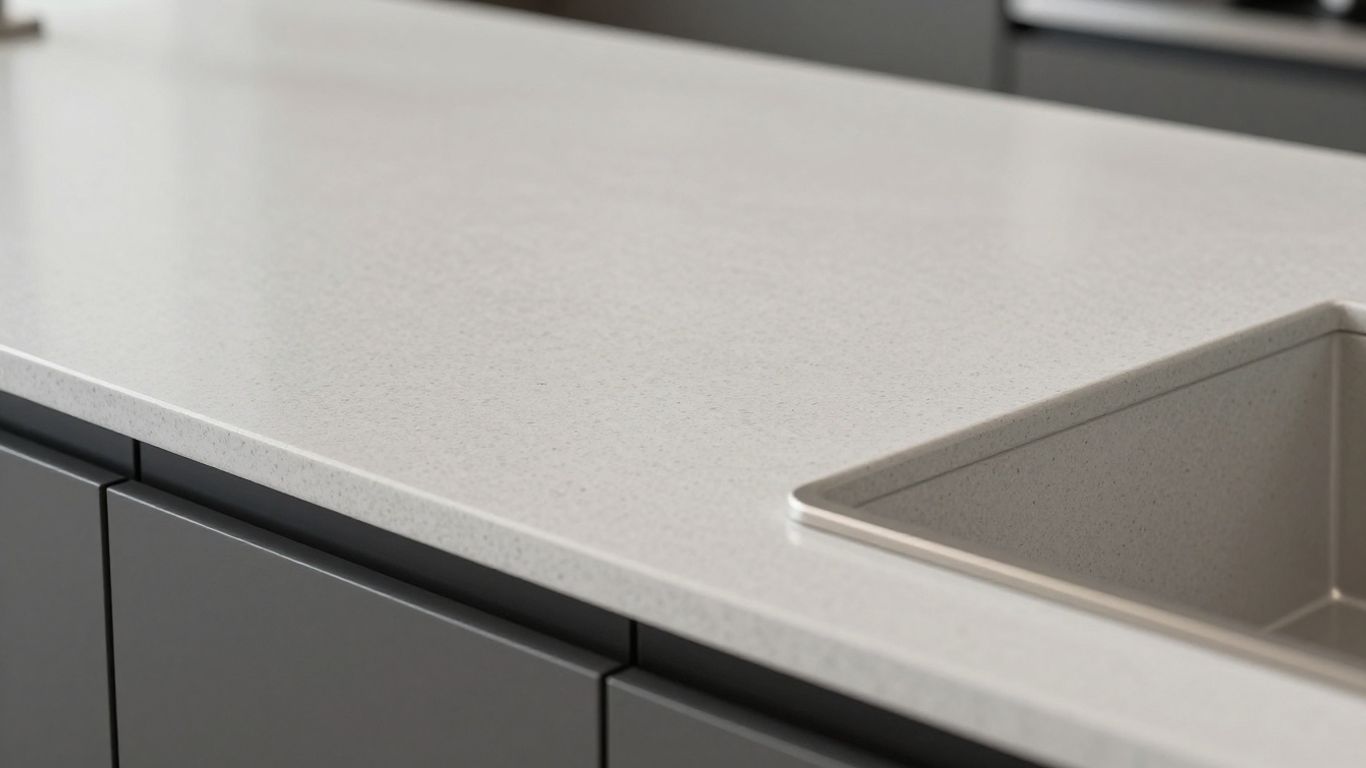
When you're thinking about kitchen upgrades, the worktop is a big deal. It's where you prep food, where coffee cups land, and sometimes, where kids do their homework. So, how tough is Silestone, really? Let's break down what makes it a popular choice for so many kitchens.
Scratch Resistance Of Silestone
Silestone is made from quartz, which is one of the hardest natural minerals out there. This means it holds up pretty well against everyday scratches. You can chop veggies on it, sure, but it's still a good idea to use a cutting board. The surface is highly resistant, but not completely scratch-proof. Think of it like a really good phone screen – it can handle a lot, but a sharp knife or a dropped set of keys could still leave a mark. Over time, minor scratches might appear, especially on darker, more polished finishes, but they're usually not a major issue.
Impact Resistance And Longevity
Beyond just scratches, how does Silestone handle bumps and knocks? It's pretty solid. Dropping a mug or a can of food is unlikely to cause a problem. However, very heavy impacts, like a cast iron skillet falling from a height, could potentially chip or crack the surface. This is where the quality of the installation really matters, as a well-fitted slab is stronger. Generally, though, Silestone is built to last for decades, which is why many people see it as a long-term investment for their home. It's a material that's designed to keep looking good for years, resisting wear and tear from daily use.
Understanding Silestone's Non-Porous Nature
One of the biggest pluses for Silestone is that it's non-porous. What does that mean for you? It means liquids like water, juice, or wine can't soak into the surface. This makes it super hygienic because bacteria and germs don't have a place to hide. It also means it's highly resistant to staining. You don't have to worry about that red wine spill setting in like you might with some other materials. This characteristic is a major reason why Silestone is often recommended for busy kitchens and bathrooms. It's a surface that's easy to keep clean and sanitary, which is a big win for most homeowners.
The non-porous quality of Silestone is a key feature that contributes significantly to its durability and ease of maintenance. It prevents liquids from penetrating the surface, which in turn inhibits the growth of bacteria and mold, making it a hygienic choice for food preparation areas.
Everyday Care And Maintenance For Silestone
Keeping your Silestone worktop looking its best is surprisingly straightforward, which is a big part of its appeal. Because it's a non-porous material, it naturally resists stains and bacteria, meaning you won't have to fuss over it constantly. A simple cleaning routine is usually all that's needed to maintain its beauty and functionality.
Daily Cleaning Routines
For day-to-day upkeep, you really don't need much. Just grab a soft cloth or a sponge and some warm water. A little bit of mild dish soap works wonders for cutting through any light grease or food residue. Give the surface a gentle wipe, and you're done. It's that easy. This approach helps prevent any buildup that could dull the finish over time. For a quick refresh, you can even use a specialized quartz cleaner if you have one handy.
Dealing With Spills And Stains
While Silestone is quite good at resisting stains, it's still a good idea to wipe up spills as soon as you can, especially things like coffee, wine, or cooking oils. Liquids tend to sit on top of the surface rather than soaking in, giving you a decent window to clean them up. If something does dry on, a bit of warm water and mild soap should do the trick. For tougher spots, a gentle cleaner like vinegar can be effective. Remember, the less time a spill has to sit, the easier it is to remove completely. You can find more tips on how to clean quartz countertops here.
Avoiding Harsh Chemicals And Cleaners
This is where you need to be a little careful. While Silestone is tough, it's not invincible to certain chemicals. You'll want to steer clear of anything with ammonia or bleach, as these can really damage the surface and take away its shine. Also, avoid abrasive cleaners, drain cleaners, and oven cleaners. If any of these accidentally come into contact with your worktop, just neutralize the area with plenty of water right away. Sticking to mild soap and water or a pH-neutral cleaner is your safest bet for long-term care. Using cleaning vinegar is also a good option for disinfecting Silestone surfaces.
The non-porous nature of Silestone is a major advantage, meaning it doesn't require sealing like natural stone does. This saves you time and money over the years, as there's no need for periodic resealing to maintain its protective qualities.
Protecting Your Silestone Worktop From Heat
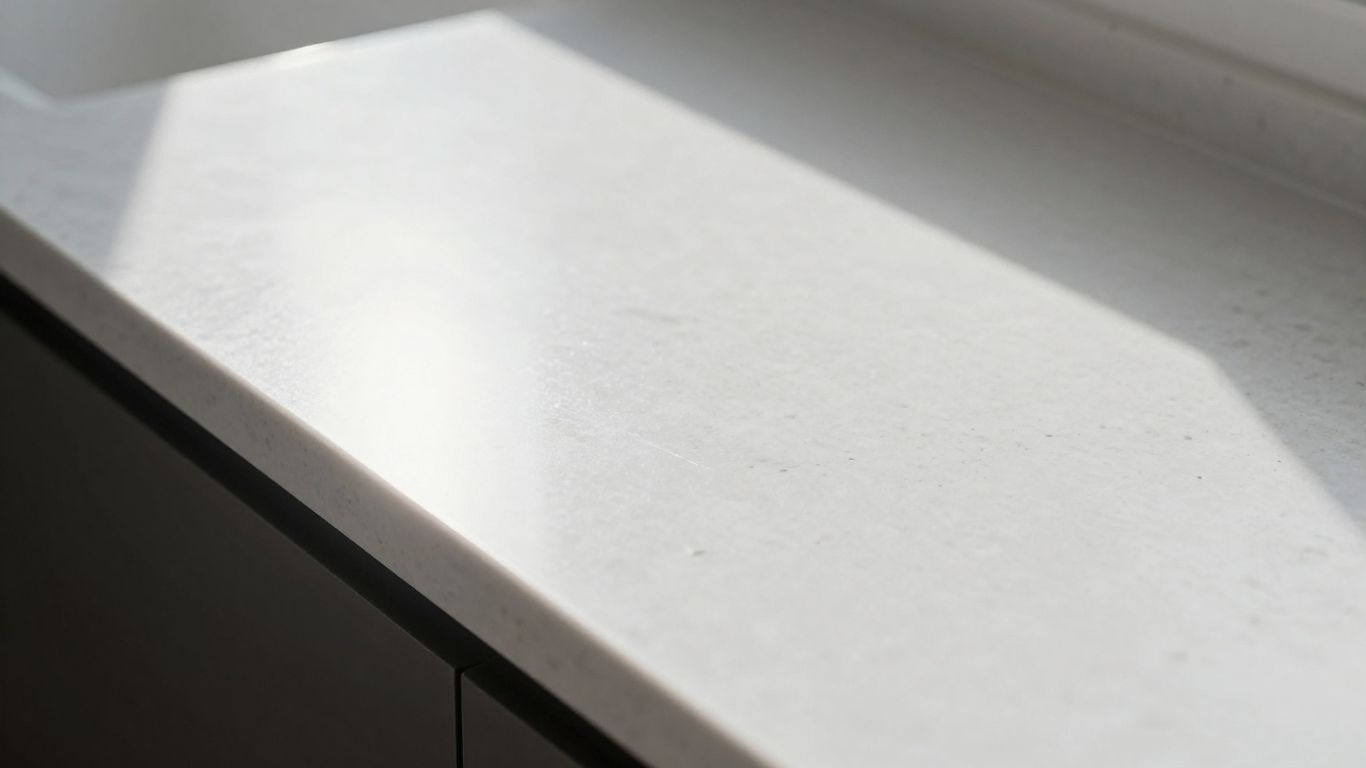
While Silestone is a pretty tough surface, it's not invincible, especially when it comes to heat. Think of it like this: it can handle a lot, but you don't want to push it too far, especially with direct, intense heat. The main thing to remember is that Silestone is made with quartz and resin. That resin is what gives it its beautiful finish and makes it non-porous, but it's also the part that can be sensitive to high temperatures.
The Impact Of Hot Cookware
So, what happens if you put a scorching hot pan straight from the stove onto your Silestone? Well, it's not ideal. Direct contact with very hot items can cause thermal shock, potentially leading to discoloration or even cracking over time. It's not usually an instant disaster, but repeated exposure to extreme heat is where the problems start. The resin can start to degrade or melt, leaving a mark that's pretty tough to get rid of. It’s a bit like leaving a plastic item too close to a heat source – it can warp or melt.
Using Trivets And Heat Pads
This is where being proactive really pays off. To keep your Silestone looking its best for years, always use trivets or heat pads under hot pots, pans, or baking dishes. It’s a simple habit that makes a huge difference. Seriously, just get into the routine of grabbing a trivet before you even think about setting something down. It protects not just the Silestone but also your cabinets underneath.
Here’s a quick rundown of what to do:
- Always have trivets or heat pads readily available near your stove and oven.
- Educate everyone in the household about the importance of using them.
- Consider using oven mitts to carry hot items directly to the trivet.
Understanding Resin's Sensitivity To Heat
Silestone generally has a heat resistance of up to about 150°C (300°F). That's pretty good for most everyday kitchen tasks, like placing a warm bowl of soup or a coffee maker on the counter. However, things like a searing hot cast iron skillet or a curling iron left on too long can exceed that threshold. The resin component is the weak link here. It's what allows Silestone to be so non-porous and stain-resistant, but it's also what makes it susceptible to heat damage. So, while it's durable, it's not indestructible when it comes to extreme temperatures. For more on its general properties, you can check out Silestone's heat resistance.
The key takeaway is that while Silestone is a robust material for daily use, treating it with care around high heat will prevent potential damage and keep its surface looking pristine. Simple precautions go a long way in preserving its beauty and functionality.
Aesthetic Appeal And Design Versatility
When you're picking out a new countertop, you want something that looks good, right? Silestone really shines here. They've got a massive range of colors and patterns, so you can find something that totally fits your style. Whether you're into that classic marble look with cool veining or prefer a clean, solid color, they've got you covered. It's kind of nice because you don't have to hunt around for that one-of-a-kind slab like you do with natural stone; Silestone is engineered to be consistent. This means the sample you pick is pretty much exactly what you'll get, which saves a lot of headache, especially if you're busy.
Exploring Silestone Colour Palettes
Silestone offers a huge variety of colors. Seriously, it's a lot. You can find everything from deep, moody grays and blacks to soft, warm creams and whites. They even have patterns that mimic natural stones like marble and granite, but with that engineered consistency. Some popular choices include shades inspired by classic marble, like those with dramatic veining, or simpler, solid tones that keep things looking clean and modern. It's all about finding that perfect shade that makes your kitchen or bathroom feel just right.
Finishes And Textures Available
Beyond just color, Silestone lets you choose different finishes. The most common are polished (which is super shiny and reflective) and matte (which has a softer, more textured feel). The matte finishes, sometimes called suede, can be really nice because they don't show fingerprints or smudges as easily as the high-gloss ones. This means less constant wiping to keep things looking perfect. It’s a small detail, but it makes a difference in daily life.
Design Applications Beyond Kitchens
While countertops are the most common use, Silestone isn't just for kitchens. You can use it for bathroom vanities, shower walls, and even as decorative wall cladding. Its durability and water resistance make it a great choice for wet areas. Some people even use it for things like reception desks or commercial spaces because it looks so good and holds up well. It's a pretty versatile material that can be used in a lot of different ways to add a touch of style and toughness to a space. You can even find Silestone cladding for walls, which opens up a whole new world of design possibilities.
The engineered nature of Silestone means you get a predictable and consistent look across large surfaces, which is a big plus for achieving a specific design vision without the surprises often found with natural stone.
The Investment: Cost Versus Value
When you're looking at Silestone countertops, it's natural to wonder if the price tag is really worth it. Let's break down what you're paying for and what you get in return.
Silestone Worktop Pricing
Silestone isn't the cheapest option out there, but it's not the most expensive either. You're generally looking at a price range of about $60 to $140 per square foot, installed. This puts it in a similar bracket to mid-range granite, but it's definitely a step up from laminate or basic tile. The exact cost can shift depending on the specific Silestone collection you pick – some patterns and colors are more complex and therefore cost a bit more. Remember, this price includes professional installation, which is pretty important for these heavy slabs.
Long-Term Value Proposition
So, why do people spend the extra cash on Silestone? Well, it really comes down to the long game. These countertops are built to last. Their non-porous nature means they resist stains and bacteria, and they're tough against scratches. This durability means you won't be looking to replace them anytime soon, unlike cheaper alternatives that might show wear and tear much faster. Plus, the low maintenance aspect saves you time and money over the years – no need for special sealants or complicated cleaning routines. For many homeowners, the peace of mind and reduced upkeep are well worth the initial outlay.
Comparing Silestone To Other Materials
It's always good to see how Silestone stacks up against other popular choices. Here's a quick look:
- Laminate: Much cheaper, but not nearly as durable or heat resistant. Scratches and water damage are common issues.
- Granite: Can be similar in price, but requires sealing and can be prone to staining if not properly maintained. Each slab is unique, which can be a pro or con depending on your taste.
- Marble: Beautiful, but very porous and prone to etching and staining. It demands a lot of care and is often more expensive.
- Quartz (General): Silestone is a brand of quartz, so it shares many of the same benefits. When comparing brands, it's worth looking at warranty coverage and specific design options, as detailed in guides comparing quartz brands.
While the upfront cost of Silestone might seem high compared to some materials, its longevity and minimal upkeep often make it a more economical choice over the lifespan of your kitchen. Think of it as an investment in a surface that will serve you well for decades.
Natural stone countertops, in general, can boost your home's appeal and value. The quality of the stone, how well it's installed, and how it fits with your home's overall style all play a part in how much of a selling point it becomes. A well-chosen and expertly fitted Silestone surface can definitely be a plus when it comes time to sell, contributing to the overall value of your home.
Potential Drawbacks Of Silestone Surfaces
While Silestone is a fantastic material for countertops, it's not without its quirks. It's good to know these little things upfront so you can avoid any surprises down the road.
Edge Marking Considerations
One thing to watch out for is how the edges are treated. Sometimes, depending on the specific color and finish, you might notice a slight difference in how the edge looks compared to the main surface. This isn't a flaw, but more of a characteristic of how the material is finished. It's usually subtle, but if you're someone who notices every little detail, it's something to be aware of. It's often a good idea to look at samples of the edge profiles in person before making a final decision.
Water Marks Around Sinks
Even though Silestone is non-porous and great at resisting stains, you might still see water marks, especially around the sink area. This isn't because the Silestone is absorbing water, but rather because hard water deposits can build up on the surface over time. Think of it like water spots on your car or shower glass. Regular cleaning with a mild cleaner and a soft cloth usually takes care of this. It’s just a matter of keeping up with the cleaning routine to prevent buildup.
Temperature Sensations
Silestone, like most quartz surfaces, can feel quite cool to the touch. This is generally a pleasant sensation, especially in warmer climates or during the summer months. However, in colder weather or in homes that tend to be cooler, it might feel a bit chilly under your hands. It's not a functional drawback, but more of a sensory experience that some people might find less appealing. If you're used to warmer materials like wood, there's a definite difference. It's also important to remember that while durable, Silestone isn't completely impervious to heat damage. Placing extremely hot items directly from the stove or oven onto the surface can cause discoloration or even cracking due to the resin component. Always use trivets or hot pads to protect your investment.
While Silestone is incredibly durable and resistant to many common kitchen mishaps, it's wise to be mindful of its limitations. Understanding these potential drawbacks, like edge finishing nuances and the need for heat protection, allows for better care and a longer-lasting, beautiful surface. It's all about managing expectations and practicing good maintenance habits.
The Role Of Installation In Silestone Longevity
When you're investing in Silestone countertops, you're probably thinking about how they'll look and how tough they are day-to-day. But there's a big piece of the puzzle that happens before you even start using them: the installation. Getting this part right is super important for making sure your Silestone lasts as long as it's supposed to.
Importance Of Skilled Fabricators
Think of fabricators as the surgeons of the countertop world. They're the ones who cut the slabs to fit your kitchen perfectly, create the edge profiles, and make sure everything lines up just right. If they're not experienced, they might make mistakes that can cause problems down the line. This could be anything from uneven cuts that leave gaps to improper handling that could chip the material. Hiring certified and experienced fabricators is key to a flawless finish and a long-lasting countertop. It's worth doing a little research to find someone reputable.
Addressing Seam Discoloration
Seams are where two pieces of Silestone meet. While Silestone is pretty consistent, sometimes the adhesive used to join these pieces can be a weak spot. If the wrong type of adhesive is used, or if it's not applied correctly, it can start to discolor over time, especially if it's exposed to UV light or certain cleaning agents. This can really mess with the overall look of your kitchen. A good installer will use the right color-matched adhesive and techniques to minimize the visibility and potential for discoloration. They'll also know how to properly clean and seal the seams, if necessary, to prevent issues.
Edge Profile Options
The edge profile is the shape of the edge of your countertop. There are tons of options, from simple, clean straight edges to more decorative ones like bullnose or ogee. The choice here isn't just about looks, though. Some edge profiles can be more prone to chipping or wear and tear than others, especially in high-traffic areas. For example, a very sharp, square edge might be more susceptible to damage than a rounded one. Your installer should be able to walk you through the pros and cons of each profile in terms of both aesthetics and durability, helping you pick one that suits your lifestyle and kitchen use. They'll also make sure the chosen profile is executed cleanly and precisely, which contributes to the overall longevity and appearance of your Silestone worktop.
Proper installation isn't just about making things look good right away. It's about setting up your Silestone for success over the years. A skilled team pays attention to the details that prevent future headaches, ensuring your investment stays beautiful and functional for a long time.
So, Is Silestone Worth It?
After looking at all the ins and outs, it really seems like Silestone countertops are a solid choice for most homes. They look great, hold up well against daily life – think spills, scratches, and general kitchen chaos – and don't need a ton of fuss to keep clean. Sure, they cost a bit more upfront, and you've got to be mindful of super hot pans, but the trade-off is a surface that lasts for ages and keeps its good looks. If you're after a kitchen or bathroom that's both stylish and practical without constant upkeep, Silestone definitely makes a strong case for being worth the investment.
Frequently Asked Questions
Is Silestone a good choice for my kitchen?
Yes, Silestone is a great choice for kitchens! It's super tough and doesn't get stained easily, making it perfect for busy cooking areas. Plus, it looks really nice and comes in tons of colors to match your style. It's built to last, so you won't have to worry about replacing it anytime soon.
How do I clean my Silestone countertops?
Cleaning Silestone is a breeze! For everyday messes, just use a soft cloth with some mild soap and water. You don't need any special cleaners, and definitely avoid harsh chemicals like bleach or oven cleaners, as they can damage the surface. Just a quick wipe keeps it looking new.
Can I put hot pots and pans directly on Silestone?
It's best not to. While Silestone is strong, putting very hot pans straight from the stove or oven onto the surface can cause damage because of the material it's made from. Always use a trivet or a hot pad to protect your countertops from extreme heat.
Will Silestone get scratched easily?
Silestone is very resistant to scratches, which is one of its best features. You can cut vegetables on it with a knife, but it's still a good idea to use a cutting board to keep it looking perfect and to avoid any accidental scratches over time. It's tough, but not completely scratch-proof.
Is Silestone expensive compared to other countertops?
Silestone is a bit more of an investment than some other options like laminate, but it's often in the same price range as granite. Think of it as paying a little more upfront for something that will last much longer and require less work to maintain. Many people find it's worth the cost for its durability and beauty.
Does Silestone stain easily?
Not at all! Silestone is non-porous, which means liquids like wine, coffee, or juice can't soak into the surface. This makes it highly resistant to stains. Even if something spills, you usually have plenty of time to wipe it up before it causes any problems.


