

Choosing the Right Laminate Marble Worktop for Your Kitchen
GMS Kumar
Thinking about a new kitchen worktop? It's a big decision, and there are tons of options out there. Today, we're zeroing in on laminate marble worktops. They give you that fancy marble look without, you know, the actual marble price tag and hassle. We'll break down what makes them tick, what styles you can get, how they hold up, and how to make them fit into your kitchen's overall vibe. It’s all about finding something that looks good, works well, and fits your budget.
Key Takeaways
- A laminate marble worktop offers the look of natural marble at a more accessible price point.
- These worktops come in various styles, from classic white to dramatic patterns, with options for matte or glossy finishes.
- While generally durable and easy to clean, understanding their limits with heat and scratches is important.
- Laminate marble worktops can be paired with different cabinet and flooring styles to define your kitchen's look.
- They provide a budget-friendly way to achieve a high-end aesthetic, offering good value for money.
Understanding Laminate Marble Worktops
What is a Laminate Marble Worktop?
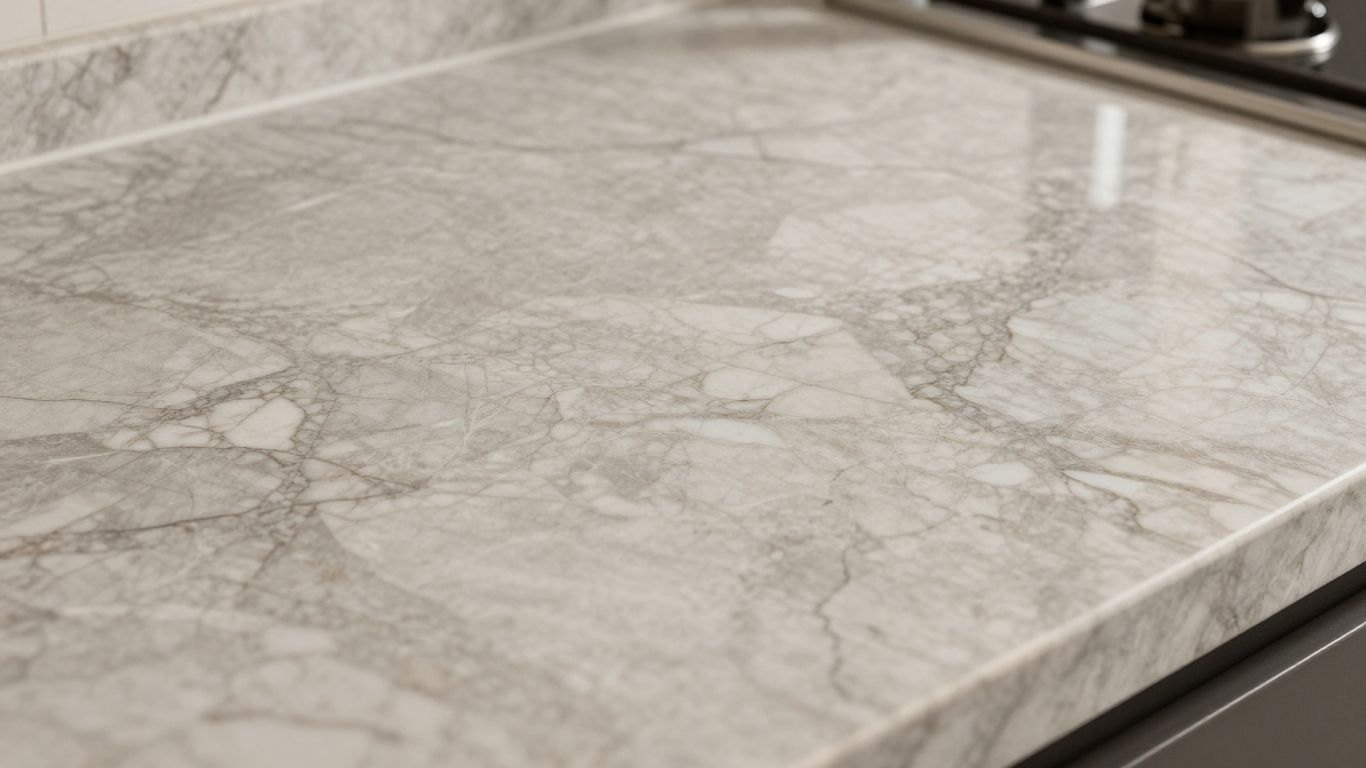
So, you're thinking about a marble look for your kitchen counters but are a bit worried about the upkeep or the price tag. That's where laminate marble worktops come in. Basically, they're a composite material. You've got a core, usually made of particleboard or MDF, and then a decorative layer on top. This top layer is where the magic happens – it's printed with a high-resolution image of marble, often sealed with a clear protective coating. This construction gives you the visual appeal of marble without all the fuss and expense of the real thing. It's a smart way to get that high-end look for less. Laminate countertops offer an affordable and easy-to-maintain option compared to expensive stone or solid-surface materials [5a91].
The Appeal of Marble Aesthetics
Let's be honest, marble is gorgeous. It has this timeless elegance, with its unique veining and natural patterns that can make any kitchen feel instantly more luxurious. Whether you're dreaming of classic white marble with subtle grey streaks or something more dramatic with bold, swirling patterns, the look is undeniably sophisticated. It brings a sense of natural beauty and artistry to your space that's hard to replicate. It’s the kind of look that makes you want to spend more time in the kitchen, maybe even try out that fancy recipe you’ve been saving.
Laminate's Practical Advantages
Beyond just looking good, laminate marble worktops are pretty practical. They're generally easier to clean than natural marble, which can be quite porous and prone to staining. You don't have to worry as much about spills setting in or needing to seal it every few months like you would with real marble. Marble countertops require regular sealing every 6-12 months to prevent staining, making them high-maintenance [f9f3]. Plus, they're usually more forgiving when it comes to minor bumps and scrapes. It’s a material that’s designed for everyday life in a busy kitchen. Think about it:
- Easy to Clean: Most spills wipe right up.
- Lower Cost: Significantly more budget-friendly than natural stone.
- Variety: Available in a huge range of marble patterns and styles.
- Less Maintenance: No need for special sealants or intensive cleaning routines.
Laminate worktops have really come a long way. They used to look a bit fake, but nowadays, the printing technology is so good, you can get some really convincing marble effects. It’s a great compromise if you love the look but not the price or the delicate nature of real marble.
Exploring Laminate Marble Worktop Styles
When you're picking out a laminate marble worktop, it's not just about picking a color. There's a whole world of styles out there that can really change how your kitchen looks and feels. Think about the vibe you're going for – do you want something super classic and clean, or maybe something with a bit more drama?
Classic White Marble Looks
This is probably what most people picture when they think of marble. We're talking about those soft white or creamy backgrounds with gentle, subtle veining. It's a look that just doesn't go out of style. It makes a kitchen feel bright and airy, and it goes with pretty much anything. If you're aiming for that timeless, elegant kitchen, a classic white marble laminate is a solid choice. It's like the little black dress of kitchen countertops – always a good decision. You can find some really convincing options that mimic the real thing, like the Formica Calacatta Marble which offers that Italian marble look without the hefty price tag.
Dramatic Veining and Bold Patterns
But maybe subtle isn't your thing. Laminate marble also comes in designs with really strong, bold veining. Think deep greys, blacks, or even gold running through the surface. These patterns can be a real showstopper, especially on a kitchen island. They add a lot of personality and can make a kitchen feel more luxurious and high-end. It's a way to bring some of that natural stone drama into your home without the actual stone's upkeep. These bold looks can really anchor a space and give it a focal point.
Matte vs. Glossy Finishes
Beyond the pattern, the finish makes a big difference too. You've got your classic glossy finish, which reflects light and makes the space feel bigger and brighter. It's also super easy to wipe down, which is always a plus in a kitchen. Then there's the matte finish. This is a bit more modern and sophisticated. It doesn't show fingerprints or smudges as easily, and it gives a softer, more understated look. It can make the marble pattern feel more subtle and less in-your-face. It's really a matter of personal preference and what fits the overall style of your kitchen.
Here's a quick rundown of what to consider:
- Classic White: Soft, subtle veining. Great for bright, timeless kitchens.
- Bold Veining: Strong patterns, dramatic look. Perfect for statement islands.
- Glossy Finish: Reflects light, easy to clean, classic shine.
- Matte Finish: Modern, sophisticated, hides smudges well.
Choosing the right style and finish is key to getting the look you want. It's about finding that balance between the aesthetic appeal of marble and the practical benefits of laminate. Don't be afraid to look at a few different options to see what really speaks to you and your home.
There are so many stunning kitchen laminate countertop designs available today, including these marble effects, that you're bound to find something that fits your vision perfectly.
Durability and Maintenance of Laminate Marble
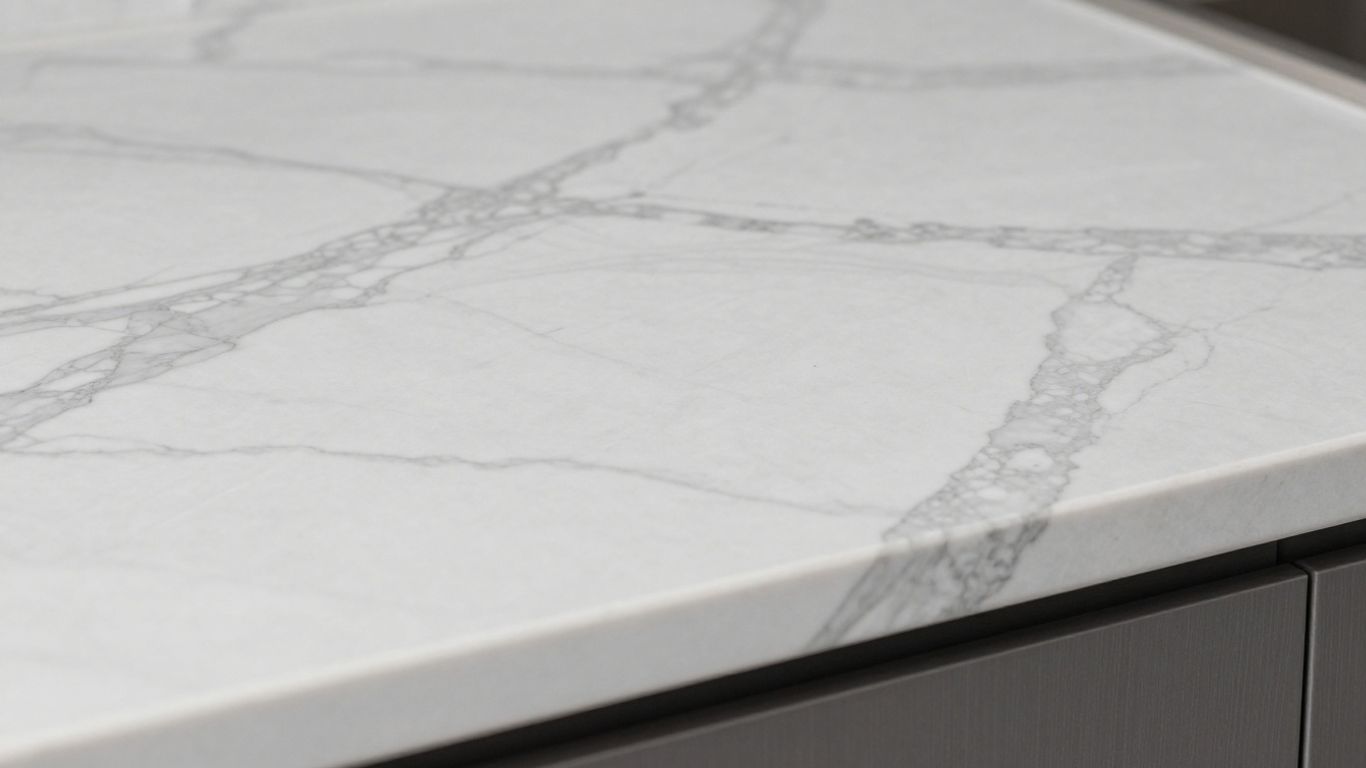
When you're thinking about a laminate marble worktop, it's good to know what you're getting into regarding how tough it is and how to keep it looking nice. These worktops are designed to mimic the look of real marble, but they're made from different materials, which affects how they hold up over time.
Scratch and Stain Resistance
Laminate marble worktops are generally pretty good at resisting everyday scuffs and spills. The top layer is usually quite resilient, meaning you don't have to panic every time a little something gets spilled or a pot is slid across the surface. However, it's not indestructible. While they offer decent protection, it's still wise to use cutting boards and trivets to prevent deep scratches or heat damage. Unlike natural marble, which can stain easily, laminate is often less porous. Still, it's a good idea to wipe up spills, especially things like red wine or oil, fairly quickly just to be safe. Some sources mention that laminate countertops will not stain, but it's always better to be cautious with any kitchen surface.
Heat Tolerance Considerations
This is where laminate marble worktops have their limits. They aren't like granite or quartz that can handle a hot pan directly on them. The layers that make up laminate can warp, melt, or discolor if exposed to high heat for too long. So, always use a hot pad or a trivet under anything coming straight from the oven or stovetop. It’s a simple step that makes a big difference in keeping your worktop looking good.
Everyday Cleaning and Care
Taking care of your laminate marble worktop is usually pretty straightforward. Most of the time, a damp cloth with a bit of mild dish soap is all you need for daily cleaning. You can just wipe down the surface after cooking or preparing food. Avoid using abrasive cleaners or scrub pads, as these can dull the finish over time. For tougher spots, a non-abrasive cleaner should do the trick.
Here’s a quick rundown on keeping it clean:
- Daily Wiping: Use a soft cloth dampened with water and mild soap.
- Spill Management: Wipe up spills promptly, especially colored liquids.
- Heat Protection: Always use trivets or hot pads for hot items.
- Avoid Abrasives: Steer clear of harsh chemicals and scouring pads.
- Cutting Boards: Use them for chopping to protect the surface.
While laminate marble offers a beautiful aesthetic at a more accessible price point, understanding its material properties is key to its longevity. It provides a practical surface for most kitchen activities, but mindful use, particularly concerning heat and sharp objects, will help maintain its appearance for years to come.
If you're looking for a worktop that requires minimal upkeep, laminate is a strong contender. However, if you're comparing it to natural stone, remember that materials like marble require regular sealing to maintain their look and protect against stains, which adds to their long-term maintenance needs.
Integrating Laminate Marble into Your Kitchen Design
So, you've picked out a laminate marble worktop that looks fantastic. Now, how do you make it fit perfectly into your kitchen's overall vibe? It's all about how you pair it with other elements. Think of your worktop as the anchor for your whole kitchen look.
Pairing with Cabinetry and Flooring
This is where you can really make your laminate marble shine. A common trick is to match your worktop tone with your flooring. This creates a really calm, unified feel. Or, if you want a bit more visual interest, try a gentle contrast. For instance, if you have lighter cabinets, a darker veined marble laminate could look really striking. Conversely, a classic white marble look can brighten up darker cabinets. It's about finding that balance.
Here’s a quick rundown of pairings:
- Classic White Marble Laminate: Works well with
- Dark wood cabinets (e.g., walnut, espresso)
- Navy or deep green cabinets
- Light grey or white cabinets for a bright, airy feel
- Grey Marble Laminate: Pairs nicely with
- White or off-white cabinets
- Light wood tones
- Charcoal or black cabinets for a modern contrast
- Dark/Black Marble Laminate: Looks great with
- White or cream cabinets
- Light wood finishes
- Metallic accents (like brushed nickel or brass hardware)
When it comes to flooring, you have options. You can go for a continuous look by matching the worktop's general tone, or introduce a subtle difference. For example, a polished marble look might pair well with a matte tile floor to add some textural variety. It's about creating a cohesive space that feels just right for you. You can explore various kitchen countertop materials to see how different finishes might complement your flooring choices.
Defining Kitchen Zones with Worktops
If you have an open-plan kitchen, your worktop can be a subtle way to mark out different areas. Imagine a kitchen island with a distinct laminate marble finish. This can visually separate your cooking zone from your dining or living area, all while keeping the overall look consistent. It's a smart way to add definition without needing walls or screens. This is especially effective if you're going for a more modern kitchen design that benefits from open spaces, perhaps incorporating floating cabinets and marble countertops for an even airier feel.
Complementing Your Kitchen Style
Your laminate marble worktop should feel like a natural fit for your kitchen's overall style. Whether you're aiming for a sleek, modern look or something more traditional, there's a laminate marble pattern to match. A dramatic, high-contrast marble might be perfect for a bold, contemporary kitchen, while a softer, more subtle veining could suit a classic or farmhouse style. The key is to choose a pattern that enhances, rather than competes with, your existing design elements.
Think about the overall mood you want to create. Do you want a bright and cheerful space, or something more subdued and sophisticated? The right laminate marble worktop can really help set that tone. It’s not just about the look, but how the surface makes you feel when you’re in the room.
Budget and Value of Laminate Marble Worktops
When you're thinking about kitchen renovations, the budget is always a big part of the conversation, right? Laminate marble worktops really shine here because they offer a way to get that high-end marble look without the hefty price tag. It's like getting the best of both worlds, visually speaking.
Affordable Luxury
Laminate worktops are generally much more budget-friendly than their natural stone counterparts. While a genuine marble slab can set you back quite a bit, laminate provides a realistic imitation at a fraction of the cost. This makes the luxurious appearance of marble accessible to more people, allowing you to achieve a high-end kitchen aesthetic without breaking the bank. It’s a smart way to get that designer feel.
Long-Term Cost-Effectiveness
While the initial cost is lower, it's worth considering the long-term value. Laminate is designed to be practical for everyday use. It holds up well against common kitchen spills and daily wear, making it a durable choice for busy households. Though it might not last as long as solid stone, its affordability means that if it does need replacing down the line, it's a less significant financial hit. For many, this balance of upfront savings and reasonable longevity makes it a sensible pick.
Comparing to Natural Stone
Let's be real, natural marble is beautiful. It has a unique depth and veining that laminate tries to replicate. However, natural marble is also porous, prone to staining, and can be quite expensive. The cost of kitchen countertops can make up a significant portion of a remodel budget, with laminate typically costing much less than natural stone options [3163]. Laminate offers a similar visual appeal with less worry about maintenance and a much gentler impact on your wallet. It's a trade-off between the absolute authenticity of natural stone and the practical, budget-conscious benefits of laminate.
Choosing a worktop material involves weighing initial costs against expected lifespan and maintenance needs. Laminate marble provides a compelling option for those prioritizing visual impact and budget control.
Here's a quick look at how laminate generally stacks up:
- Initial Cost: Significantly lower than natural marble.
- Maintenance: Generally easier and less costly than natural marble.
- Lifespan: Good for its price point, but typically shorter than natural stone.
- Aesthetic: High-quality laminates offer a very convincing marble look.
Ultimately, laminate marble worktops are a fantastic option for homeowners looking to achieve a sophisticated kitchen design without the premium investment associated with real marble [c292]. They offer a practical solution that doesn't compromise too much on style.
Wrapping It Up
So, picking out a laminate marble worktop might seem like a big decision, and honestly, it is. It's not just about looks, though that's a huge part of it. Think about how you actually use your kitchen. Are you a whirlwind of cooking and baking, or is it more of a chill zone for coffee and chats? Laminate offers a lot of style for your money, and while it might not last as long as some pricier options, it's easy to live with and even easier to swap out if your taste changes. Weighing up what matters most – budget, how tough you need it to be, and the overall vibe you're going for – will help you land on the perfect choice for your space. Happy kitchen planning!
Frequently Asked Questions
What exactly is a laminate marble worktop?
A laminate marble worktop is a kitchen counter made by layering thin sheets of paper or fabric that have been soaked in resin. This is then pressed together under high heat and pressure. The top layer is printed with a design that looks like real marble. So, you get the fancy marble look without the high cost or the delicate nature of real marble.
Are laminate marble worktops tough enough for a busy kitchen?
Yes, laminate worktops are quite durable for everyday use. They can handle regular cooking, chopping (though a cutting board is always best!), and spills. They are designed to be resistant to scratches and stains, making them a practical choice for most kitchens. However, they aren't as tough as stone, so avoiding very hot pans directly on the surface is a good idea.
How do I clean and care for my laminate marble worktop?
Cleaning is super easy! Just use a damp cloth with a little mild soap and water. Wipe up spills right away, especially colorful ones like wine or juice, to prevent any staining. Avoid using harsh cleaners or abrasive pads, as these can damage the surface. Regular wiping will keep it looking great.
Can I put hot pots and pans directly on a laminate marble worktop?
It's best not to. While laminate can handle some warmth, placing very hot pots, pans, or baking sheets straight from the oven onto the surface can cause damage, like scorching or warping. Always use trivets or hot pads to protect your worktop from extreme heat.
Do laminate marble worktops look cheap compared to real marble?
Not anymore! Modern laminate technology has gotten really good at mimicking the look of real marble. You can find stunning designs with realistic veining and patterns that look very high-end. While a true marble connoisseur might spot the difference up close, for most people, laminate offers a beautiful and affordable way to get that luxurious marble style.
How long do laminate marble worktops usually last?
With good care and regular cleaning, a laminate marble worktop can last for many years, often 10 to 15 years or even longer in a typical home. They are a cost-effective option that provides a stylish look for a long time. If the surface does get damaged, they are also generally easier and less expensive to replace than natural stone.


