

Choosing the Perfect Kitchen Top: A Guide to Materials and Styles
GMS Kumar
Picking the right kitchen top is a big deal for your kitchen. It's not just about looks, though that's important. It's also about how you use your kitchen every day. Think about cooking, entertaining, or just having your morning coffee. This guide will help you figure out what kind of kitchen top works best for your life and your home, without getting too complicated.
Key Takeaways
- Consider how you live and cook to pick a kitchen top that fits your daily routine.
- Look at common kitchen top materials like granite, quartz, laminate, and wood, and see what fits your budget and style.
- Don't forget about other options like concrete or stainless steel if you want something different.
- Think about how tough the kitchen top needs to be, how well it handles heat and stains, and how much cleaning it needs.
- The finish, edge style, and color of your kitchen top can really change how your kitchen looks and feels.
Understanding Your Kitchen Top Needs
Picking out a new kitchen countertop is a pretty big deal, right? It's not just about looks, though that's part of it. This surface is where you'll be chopping veggies, mixing dough, maybe even helping with homework. It really sets the tone for your whole kitchen. So, before you get swept away by a beautiful slab of granite or a sleek quartz pattern, it's smart to pause and think about what you actually need from your kitchen top.
Assessing Your Lifestyle and Usage
Let's be real, how do you actually use your kitchen? Are you a gourmet chef who's constantly experimenting with new recipes, or is it more of a quick breakfast and coffee spot? Think about the daily grind. Do kids do their homework here? Are you always entertaining guests, meaning spills are likely? Or is it mostly just you, keeping things pretty low-key?
- Heavy Use: If your kitchen is the heart of your home, with lots of cooking, baking, and general activity, you'll want something that can handle a beating. Durability is key here.
- Light Use: If your kitchen is more for show or light meal prep, you might have more flexibility with materials that are beautiful but maybe a bit less tough.
- Family Focus: Got little ones running around? You'll want to consider edges that aren't too sharp and surfaces that can withstand a bit of roughhousing and frequent cleaning.
Understanding these habits helps narrow down the field considerably. It's about finding a countertop that works with your life, not against it. For instance, if you're always rushing, a low-maintenance material is probably a better fit than something that needs constant sealing. You can find some great info on standard countertop heights to make sure the ergonomics are right for your activities too.
Choosing a countertop material that aligns with your tolerance for maintenance requirements is key to long-term satisfaction with your new kitchen.
Budgetary Considerations for Your Kitchen Top
Okay, let's talk money. Kitchen countertops can range from surprisingly affordable to seriously splurge-worthy. It's easy to fall in love with a high-end material, but you've got to be realistic about what your wallet can handle. Remember to factor in not just the material cost, but also installation, potential sink cutouts, and any edge detailing you might want. Sometimes, a slightly less expensive material that still looks fantastic can save you a lot of stress down the line. It's all about finding that sweet spot between your dream look and your actual budget. You can explore popular countertop options and get a general idea of price points.
Defining Your Kitchen's Aesthetic Style
What's the overall vibe you're going for in your kitchen? Are you dreaming of a modern, minimalist space, a cozy farmhouse feel, or something more traditional? The countertop plays a huge role in this. Think about how the color, pattern, and finish will tie in with your cabinets, flooring, and even your backsplash. Do you want something that blends in or stands out? Considering your desired aesthetic from the start will help you choose a material that truly complements your vision and makes your kitchen feel cohesive and complete.
Exploring Popular Kitchen Top Materials
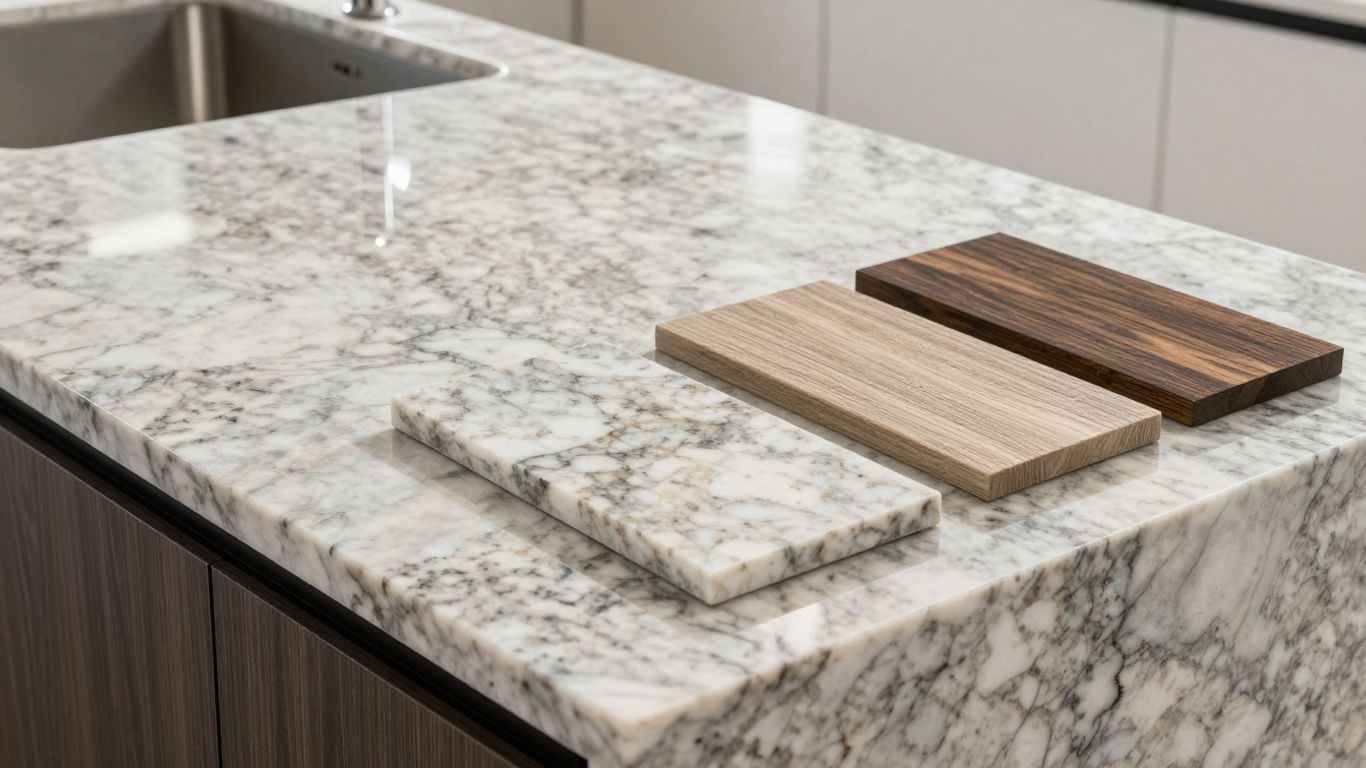
Alright, let's talk about the big players when it comes to kitchen countertops. These are the materials you'll see most often, and for good reason. They've stood the test of time and offer a good mix of looks and performance. Picking the right one really comes down to what you need day-to-day.
Durable Granite Kitchen Tops
Granite is a natural stone, and honestly, it's a classic for a reason. Each slab is totally unique, so you're getting something one-of-a-kind for your kitchen. It's super tough, resisting scratches and heat pretty well. This makes it a solid choice for busy kitchens where things can get a little hectic. Because it's natural, it does have pores, meaning it needs to be sealed every year or two to keep stains from soaking in. If you like the look of natural stone and don't mind a bit of upkeep, granite is definitely worth considering. It adds a certain timeless quality to any kitchen. You can find granite countertops in a huge range of colors and patterns, from subtle speckles to dramatic veins. It's a material that really brings a sense of the earth into your home. For more on its benefits, check out why granite is a preferred selection.
Elegant Quartz Kitchen Tops
Quartz countertops are a bit different because they're engineered. They're made from about 90% crushed quartz mixed with resins and pigments. The big win here is consistency. You get a uniform look, and they are incredibly durable. They don't need sealing like granite because they're non-porous, which means spills just sit on top. They're also really good at resisting stains and scratches. While they handle heat pretty well, it's still a good idea to use trivets for really hot pans, just to be safe. Quartz comes in a massive variety of colors and patterns, including some that look just like natural stone, but without the maintenance. It’s a really practical option for families or anyone who wants a beautiful countertop with minimal fuss.
Affordable Laminate Kitchen Tops
If budget is a big concern, laminate countertops are often the go-to. They're made by layering plastic laminate onto particleboard. The best part about laminate is the sheer variety. You can find them in almost any color or pattern imaginable, including looks that mimic wood or stone pretty convincingly. They're also pretty easy to clean and install yourself if you're feeling handy. However, they aren't as tough as stone or quartz. They can scratch, chip, and they don't handle heat very well, so you'll always need to use cutting boards and trivets. Water can also be an issue if it gets into the seams. But for a budget-friendly update, they really can't be beat.
Warm Wood Kitchen Tops
Wood countertops, often called butcher block, bring a natural warmth and character that other materials just can't match. They're fantastic for creating a cozy, inviting kitchen vibe. Butcher block is even great for chopping directly on, though it will show knife marks over time. The main thing with wood is maintenance. It needs regular oiling or sealing to prevent it from drying out, cracking, or getting water damage. It's also susceptible to heat and stains if not properly protected. If you love the look of wood and are committed to keeping it looking its best, it can be a beautiful addition. It really adds a rustic charm that feels very homey.
Choosing a kitchen countertop material involves balancing aesthetics with practicality. Think about how you use your kitchen daily. Are you a frequent cook who needs a surface that can handle heat and spills? Or is your kitchen more of a showpiece? Your lifestyle will heavily influence which material is the best fit for your home.
Discovering Alternative Kitchen Top Options
Beyond the usual suspects like granite and quartz, there's a whole world of kitchen top materials that offer unique looks and practical benefits. If you're looking to step outside the box, these alternatives might be just what you need.
Customizable Concrete Kitchen Tops
Concrete countertops are a really interesting option if you want something totally custom. You can shape them into pretty much anything and add pigments for color. They have this cool, industrial vibe that works well in modern or loft-style kitchens. Plus, they're super tough and can handle heat like a champ. The catch? They're heavy, so you might need to reinforce your cabinets. And because concrete is naturally porous, it needs a really good sealant to keep stains at bay. Without it, spills can soak in.
- Pros: Highly customizable shape and color, very durable, excellent heat resistance.
- Cons: Heavy, requires excellent sealing to prevent stains, can develop hairline cracks.
- Best for: Unique designs, industrial aesthetics, homeowners who don't mind a bit of maintenance.
Concrete is a material that really shows its character over time. Don't be surprised if it develops a patina or minor imperfections – that's part of its charm.
Sleek Stainless Steel Kitchen Tops
For a professional, clean look, stainless steel is a solid choice. It's incredibly hygienic because it's non-porous, meaning germs don't have anywhere to hide. It also handles heat like a pro – you can put hot pans directly on it without worry. However, stainless steel does scratch. Over time, it'll develop a patina, which some people love, but others find it looks worn. Fingerprints also show up easily, so be prepared for a bit of wiping.
- Durability: High, but prone to scratches.
- Heat Resistance: Excellent.
- Maintenance: Easy to clean, but shows smudges and scratches.
Seamless Solid Surface Kitchen Tops
Solid surface materials, like Corian, are made from acrylic or polyester resins. What's neat about them is that they can be formed into almost any shape, and the seams where pieces join are practically invisible. This gives you a really smooth, uninterrupted look. They're also non-porous, which is great for hygiene, and if you do get a scratch, it can often be buffed out. They're not quite as tough as stone when it comes to heat, so using trivets is still a good idea. You can even get sinks made from the same material for a totally integrated look. If you're after a clean, modern aesthetic, solid surface countertops are worth a look.
Key Factors in Kitchen Top Selection
So, you're picking out a new kitchen top. It's a big decision, right? It's not just about looks, though that's part of it. You've got to think about how you actually use your kitchen. Are you a gourmet chef who's always chopping and sautéing, or more of a microwave-and-go person? This stuff really matters.
Durability and Scratch Resistance
This is a big one for most people. Nobody wants a kitchen top that looks beat up after a year. Think about how often you'll be cutting directly on the surface (which, by the way, you probably shouldn't do on most materials) or sliding pots and pans around. Some materials are tough as nails, while others can get scratched up pretty easily. It's worth looking into how each material holds up to daily wear and tear. For instance, granite and quartz are generally quite good at resisting scratches, which is a major plus if you're hard on your kitchen. Laminate, on the other hand, can show scratches more readily.
Heat and Stain Resistance
Another practical consideration. Do you often put hot pots straight from the stove onto the counter? If so, heat resistance is super important. Some materials can handle a hot pan, while others might scorch or even crack. Stains are also a common kitchen hazard. Coffee, wine, tomato sauce – they can all leave their mark. You'll want a surface that can handle these spills without becoming permanently discolored. A good way to compare is to look at ratings for different materials. For example, sintered stone is known for being incredibly resistant to both heat and stains, making it a really practical choice for busy kitchens.
Maintenance Requirements for Your Kitchen Top
This is where your lifestyle really comes into play. Are you someone who loves to clean and maintain things meticulously, or do you prefer a more low-effort approach? Some kitchen tops, like sealed granite or wood, need regular attention – think sealing, special cleaners, and careful wiping. Others, like quartz or solid surface, are pretty much wipe-and-go. You don't want to pick a material that requires a level of upkeep you're not willing to commit to. It's easy to fall in love with a look, but if it means constant scrubbing or sealing, you might regret it later. It's all about finding a balance between the look you want and the work you're prepared to do.
Choosing the right kitchen top involves looking beyond just the initial appearance. You need to consider how the material will perform day in and day out, how much effort you're willing to put into its care, and whether it fits the overall vibe of your kitchen. Thinking through these practical aspects will help you make a choice you'll be happy with for years to come.
Here's a quick rundown of what to think about:
- Durability: How well does it resist scratches, chips, and dents?
- Heat Tolerance: Can it handle hot pots and pans without damage?
- Stain Proofing: How does it react to common kitchen spills like wine, oil, or coffee?
- Upkeep: What kind of cleaning and maintenance is needed regularly?
- Repairability: Can minor damage be fixed easily, or does it require professional help?
Considering these points will help you find a kitchen top that not only looks great but also functions perfectly for your needs. You can find more information on how different materials perform in key areas like stain and heat resistance.
Enhancing Your Kitchen Top with Finishes and Edges
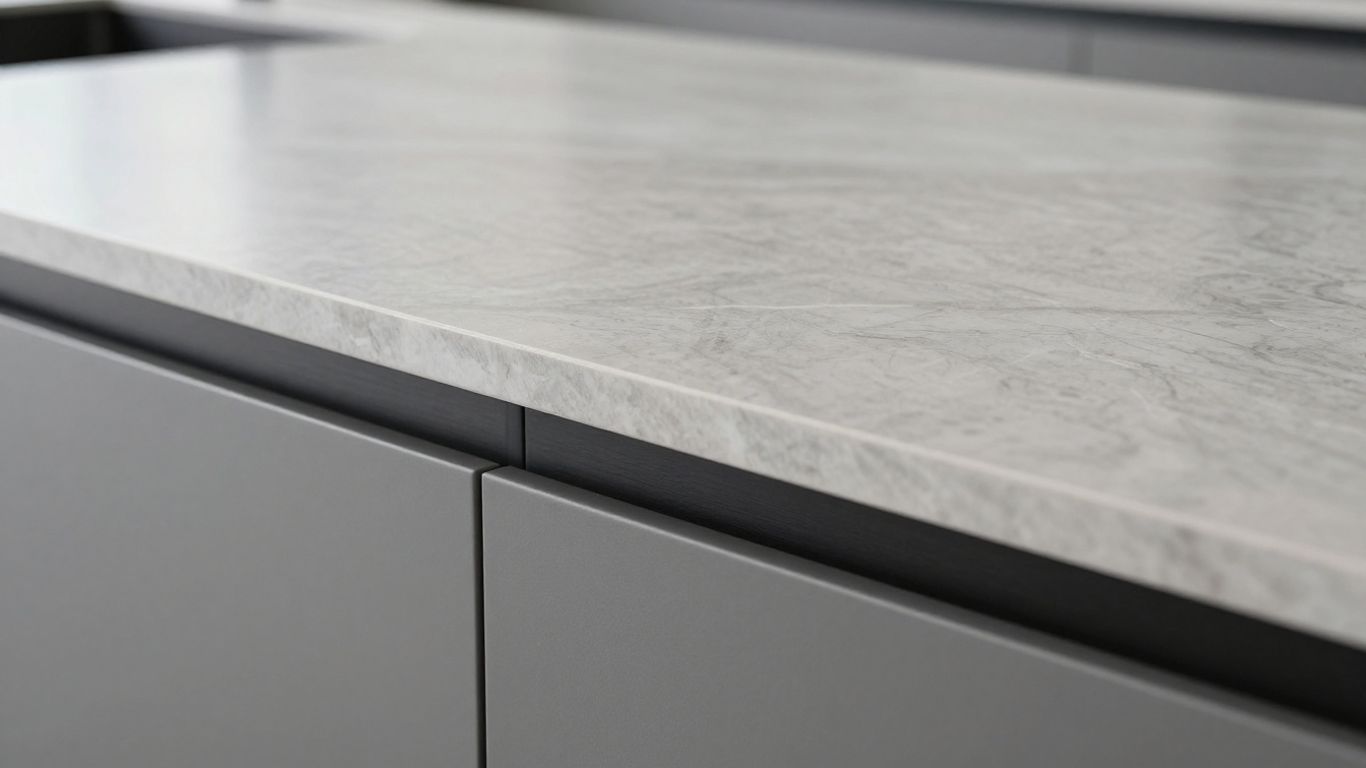
So, you've picked out your material – maybe it's that cool granite or sleek quartz. Awesome! But wait, there's more to making your kitchen top look just right. It's all in the little details, like the finish and the edge. These things can totally change the vibe of your kitchen, making it feel more fancy or more laid-back.
Choosing the Right Finish: Polished to Matte
The finish is basically how the surface of your countertop feels and looks. It’s not just about color; it’s about the sheen, or lack thereof. Think about how you want your kitchen to feel. Do you want it to sparkle and reflect light, or have a more subdued, natural look?
- Polished: This is the classic high-gloss finish you see a lot. It’s super shiny, reflects light like crazy, and makes colors pop. It looks really clean and modern, but be warned, it can show fingerprints and smudges more easily. If you like a bit of sparkle, this is your go-to.
- Matte/Honed: This finish has a softer, low-sheen look. It feels more natural and can hide smudges and minor imperfections a bit better than polished. It gives off a more relaxed, sophisticated feel. Some people worry about stains with matte finishes, but good sealing usually takes care of that.
- Textured/Leathered: This is where things get interesting. These finishes add a tactile element, like a subtle texture or a leather-like feel. They can hide fingerprints and water spots really well and add a unique character to your countertop. It’s a great option if you want something a little different.
The finish you choose can really impact how you interact with your countertop daily. A polished surface might look stunning, but if you're constantly wiping it down, it might get annoying. A matte or textured finish can offer a more forgiving surface for everyday life.
Exploring Edge Profiles for a Custom Look
Now, let's talk edges. The edge profile is the shape of the very edge of your countertop. It might seem small, but it makes a big difference in the overall style and even safety of your kitchen.
Here are some common edge styles:
- Square/Straight: This is a super clean, modern look. It’s just a straight, sharp edge. Sometimes, they slightly soften it to avoid any sharp corners, which is called an eased edge.
- Bevelled: This is like a square edge but with a small angle cut off the top. It adds a little bit of detail without being too fancy. It’s a nice middle ground.
- Rounded (Bullnose/Half-Bullnose): These edges are curved and soft. They’re great if you have kids running around because there are no sharp corners to bump into. It gives a more traditional or softer feel.
- Mitered/Waterfall: This is a more high-end look. A mitered edge makes the countertop look thicker than it is, and a waterfall edge means the material flows straight down the side of your cabinets. It’s very contemporary and makes a statement.
Color and Pattern Considerations for Your Kitchen Top
Finally, color and pattern. This is where you really inject your personality into the kitchen. Think about the overall mood you want to create. Lighter colors can make a kitchen feel bigger and brighter, which is great for smaller spaces. Darker colors can add a sense of drama and sophistication.
When picking a color or pattern, look at your cabinets, your floor, and even your backsplash. You want everything to work together. It’s a good idea to get samples and look at them in your kitchen at different times of the day. Natural light can make colors look different than artificial light. Don't just pick something because it's trendy; make sure it’s something you’ll love for years to come. You can find a lot of great options when you look at quartz countertops because they come in so many colors and patterns.
Installation and Longevity of Your Kitchen Top
So, you've picked out the perfect kitchen top material – awesome! Now comes the part where it actually gets into your kitchen. This is where things can get a little tricky, and it's super important to get it right so your new top lasts for ages.
DIY vs. Professional Kitchen Top Installation
Honestly, for most kitchen tops, especially heavier ones like granite or quartz, going pro is the way to go. Trying to do it yourself can lead to some serious headaches and potentially costly mistakes. Professionals have the tools, the know-how, and the extra hands needed to maneuver these big slabs without damaging them, your cabinets, or themselves. Laminate or some wood tops might be a DIY-friendly option if you're handy, but even then, precision is key. Getting the installation done right the first time saves you a lot of hassle down the road. If you're unsure, always err on the side of caution and hire an expert. It's a big part of making sure your countertops are installed correctly [3bf8].
Planning for Installation and Kitchen Downtime
Before the installers even show up, there's some prep work. Your cabinets need to be level and super sturdy, especially if you're going with a heavy material. You'll also need to think about disconnecting and reconnecting plumbing and electrical if your old top was tied into those. And let's talk about downtime. Your kitchen will be out of commission for a bit. Depending on the material and how custom it is, this could be anywhere from a few days to a couple of weeks. It's best to plan meals that don't require a full kitchen setup during this period. Think crockpot meals or takeout!
Ensuring Long-Term Satisfaction with Your Kitchen Top
Longevity really comes down to two things: the material you chose and how you care for it. Some materials, like quartz, are practically maintenance-free, which is a huge plus. Others, like granite, need a bit more attention, like periodic sealing, to keep them looking their best and prevent stains. Even simple cleaning makes a big difference; using the right products and avoiding harsh chemicals will keep your top looking great. For example, with laminate, just a gentle wipe-down with mild soap and water is usually all it takes [951b].
Here's a quick look at how different materials hold up:
| Material | Scratch Resistance | Heat Resistance | Stain Resistance | Maintenance Needs |
|---|---|---|---|---|
| Granite | High | Excellent | Good (if sealed) | Periodic sealing, gentle clean |
| Quartz | Very High | Moderate | Excellent | Simple cleaning, no sealing |
| Laminate | Low | Low | Good | Gentle cleaning, avoid excess water |
| Wood/Butcher Block | Low | Low | Low (if unsealed) | Regular oiling/sealing, wipe spills fast |
| Solid Surface | Moderate | Moderate | Very Good | Simple cleaning, can be refinished |
Choosing a countertop material that aligns with your tolerance for maintenance requirements is key to long-term satisfaction with your new kitchen. It's not just about the initial look; it's about how it fits into your daily life for years to come.
Wrapping It Up
So, picking out a kitchen countertop can feel like a big deal, right? There are so many choices out there, from the super tough stuff like granite and quartz to the warmer feel of wood or the budget-friendly laminate. It’s not just about what looks good, though. You’ve got to think about how you actually use your kitchen – are you a master chef, a busy parent, or someone who just likes to keep things simple? Your lifestyle really matters when deciding on durability and how much cleaning you’re up for. Don’t forget to check out different finishes and edge styles too, because those little details can totally change the look. Ultimately, the best countertop is the one that fits your kitchen, your life, and your wallet. Take your time, look at samples, and you’ll find the perfect surface for all your kitchen adventures.
Frequently Asked Questions
What's the most important thing to think about when picking a kitchen countertop?
The most important thing is to think about how you actually use your kitchen every day. Are you a big cook? Do you have kids? Do you often entertain guests? Knowing this will help you choose a material that can handle your lifestyle, whether that means something super tough or something that looks really fancy.
What's the difference between granite and quartz countertops?
Granite is a natural stone, so each piece is unique with cool patterns and colors. It's tough and can handle heat well. Quartz is made in a factory, so it has a more consistent look and comes in tons of colors. It's also very strong, doesn't stain easily, and is pretty low-maintenance.
Are laminate countertops a good choice if I'm on a tight budget?
Yes, absolutely! Laminate countertops are usually the most affordable option. They're made from layers of plastic glued to a board, and they can even look like stone or wood. They're easy to clean, but they aren't as tough as stone or quartz when it comes to heat or deep scratches.
How much work does it take to keep a wood countertop looking good?
Wood countertops, like butcher blocks, offer a warm, natural feel. However, they need regular care. You'll need to oil or seal them often to keep them from drying out or getting damaged by water. They can also scratch and stain more easily than other materials, but scratches can often be sanded out.
What does 'edge profile' mean for a countertop?
The edge profile is the shape of the very edge of your countertop. You can choose from different styles, like a simple straight edge for a modern look, a rounded edge that's safer for kids, or more fancy edges that make the countertop look thicker or flow down the side of the cabinets. It's a small detail that can really change the style.
Should I try to install my new countertop myself?
For some materials like laminate, you might be able to do it yourself if you're handy. But for heavier materials like granite, quartz, or concrete, it's usually best to hire professionals. They have the right tools and experience to make sure it's installed perfectly and safely, which can save you from making costly mistakes.


