

Is Quartz Better Than Granite? A Comprehensive Comparison for Your Kitchen
GMS Kumar
Thinking about a kitchen refresh? You've probably landed on granite and quartz as top contenders. Both look great and hold up well, but they're not quite the same. Figuring out if quartz is better than granite for your place means looking at how they're made, how they look, how tough they are, and what kind of upkeep they need. Let's break it down so you can pick the best fit for your home.
Key Takeaways
- Quartz is engineered, made from crushed quartz and resin, offering consistent looks and low maintenance. Granite is natural stone, meaning each slab is unique and requires sealing.
- Granite boasts natural, one-of-a-kind beauty, often with bold patterns, while quartz provides a wide range of uniform colors and designs, including marble-like looks.
- Both are durable, but quartz is generally more stain-resistant due to its non-porous nature. Granite is more heat-tolerant, though using trivets is still wise for both.
- Quartz needs very little maintenance – just simple cleaning. Granite requires periodic sealing (every 1-2 years) to prevent stains and maintain its look.
- The cost can be similar, but quartz might have a higher upfront price for premium designs. Long-term, quartz can be cheaper due to less maintenance, while granite's value lies in its natural appeal.
Understanding The Core Differences Between Quartz And Granite
What Is Quartz?
Quartz countertops aren't pulled straight from the earth like their natural stone counterparts. Instead, they're engineered. Think of it as a high-tech composite. They're made by grinding up natural quartz crystals, usually about 90-95% of the mix, and then binding them together with polymers and resins. Pigments are added to give them color. This manufacturing process means you get a really consistent look, and manufacturers can create a huge variety of colors and patterns, from solid whites to stone-like veining. This engineered nature is the biggest difference from granite.
What Is Granite?
Granite, on the other hand, is a 100% natural stone. It's quarried directly from the ground, cut into slabs, and then polished for use. Because it's natural, every single slab is unique. You'll find all sorts of variations in color, veining, and mineral flecks, all formed over millions of years. This natural variation is what gives granite its distinctive character and appeal. If you're looking for a truly one-of-a-kind surface, granite countertops are definitely worth considering.
Key Compositional Distinctions
So, what's the real breakdown? It comes down to what they're made of and how that affects their properties.
- Quartz: A blend of natural quartz (90-95%) and resins/polymers (5-10%). This mix makes it non-porous.
- Granite: Pure, 100% natural igneous rock. It's inherently porous, meaning it can absorb liquids if not sealed.
Here's a quick look at how they stack up:
| Feature | Quartz | Granite |
|---|---|---|
| Composition | Engineered (Quartz + Resin) | Natural Stone |
| Porosity | Non-porous | Porous (requires sealing) |
| Appearance | Consistent, Wide Range of Options | Unique, Natural Patterns |
| Origin | Manufactured | Mined from Earth |
The fundamental difference lies in their origin: one is a product of nature, the other a product of human ingenuity combining natural elements. This distinction influences everything from appearance to upkeep.
Aesthetic Appeal: Natural Beauty Versus Engineered Consistency
When you're picking out countertops, how they look is a pretty big deal, right? It totally sets the mood for your whole kitchen. Both granite and quartz have their own vibe, and what looks good really depends on what you're going for.
The Unique Character of Granite
Granite is all about that natural, one-of-a-kind look. Since it's quarried straight from the earth, every slab is different. You'll find all sorts of swirls, speckles, and color variations that you just can't get with anything manufactured. This natural artistry makes each granite countertop a unique piece. It's great for kitchens that lean towards a more traditional, rustic, or even a farmhouse style. Think earthy tones and patterns that feel grounded and authentic. If you want your kitchen to have a bit of that old-world charm or a statement piece that's truly unique, granite is definitely worth a look. It's like bringing a little bit of the outdoors in, and honestly, that natural beauty is hard to beat. For homeowners who love natural beauty and want a durable, authentic surface, granite is a fantastic choice.
The Customizable Nature of Quartz
Quartz, on the other hand, is engineered. This means manufacturers can control exactly what it looks like. You can get pretty much any color you can imagine, from crisp whites and soft grays to deep blacks and even vibrant hues. Plus, they can mimic the look of other stones, like marble, but without all the fuss of maintenance. This makes quartz super versatile. It's a go-to for modern, minimalist, or industrial kitchens where a clean, consistent look is key. If you have a smaller space, lighter quartz colors can make it feel bigger and brighter. It's also a solid option if you're looking for something that's super low-maintenance and always looks polished. Quartz offers a clean, consistent look with strong performance and very little upkeep.
Current Trends in Quartz and Granite Styles
Right now, there's a lot of love for both. With granite, people are often looking for those dramatic patterns and exotic colors that really make a kitchen pop. Think bold veins or unique mineral flecks. For quartz, the trend is leaning towards designs that look like natural stone but offer that easy-care factor. Marble-look quartz is still super popular, as are subtle, concrete-like finishes for a more industrial feel. White and light gray quartz continue to be favorites for their clean, airy appearance, fitting well into many modern kitchen designs.
- Granite: Favored for unique, natural patterns and earthy tones.
- Quartz: Popular for consistent colors, marble-like appearances, and modern aesthetics.
- Both: Increasingly chosen for their durability and ability to complement various kitchen styles.
Ultimately, the choice between granite and quartz often comes down to whether you prioritize the unpredictable beauty of nature or the predictable perfection of engineering. Both can make your kitchen look amazing, but they do it in very different ways.
Durability And Performance In The Kitchen
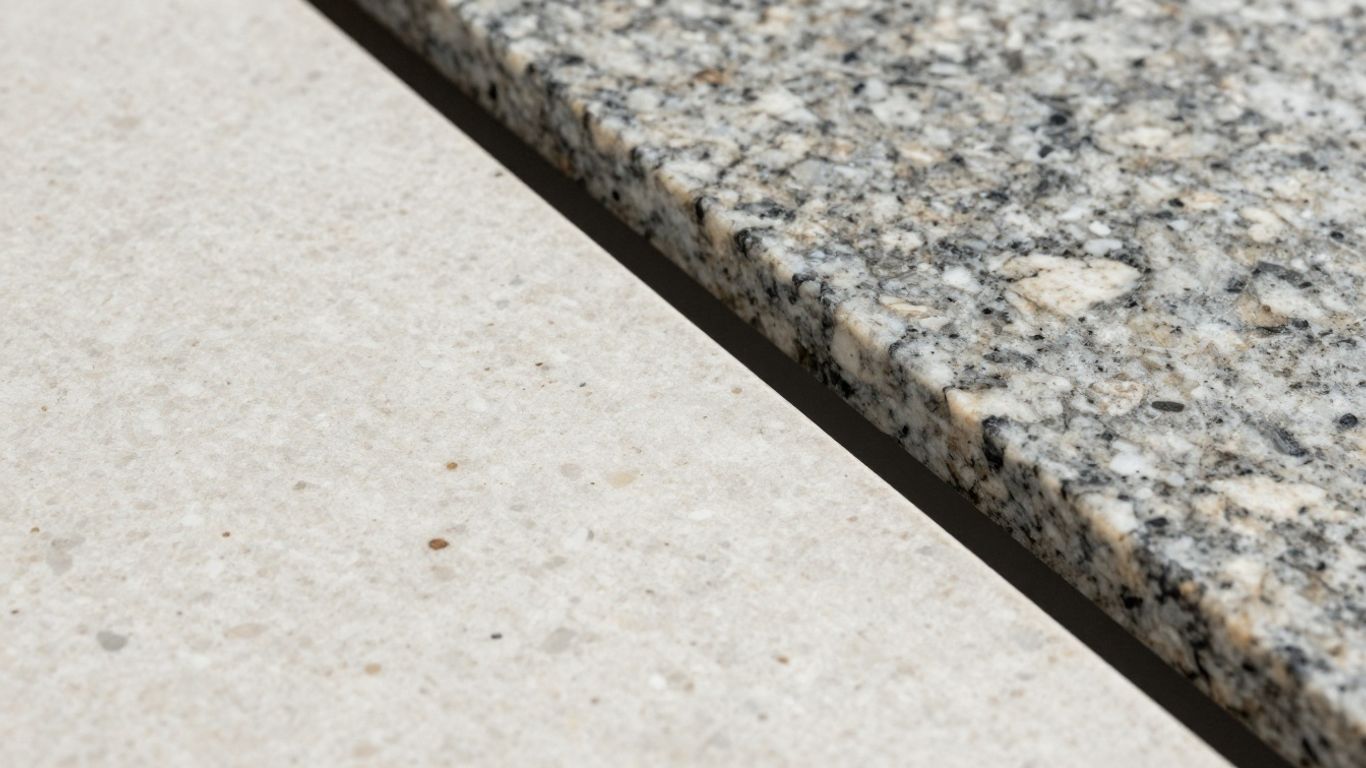
When it comes to kitchen countertops, how they hold up against daily life is a big deal. You want something that looks good but can also handle spills, hot pans, and maybe even a dropped pot. Both quartz and granite are known for being tough, but they have their own quirks.
Scratch And Stain Resistance Comparison
Quartz is generally more resistant to stains because it's non-porous, meaning liquids can't soak in. This is a huge plus for busy kitchens where spills from coffee, wine, or oil can happen in an instant. Cleanup is usually a breeze with just soap and water. Granite, on the other hand, is a natural stone and can be porous. While many granite countertops are sealed, which helps a lot, they might still need resealing every year or two to keep them from absorbing stains. As for scratches, both materials are pretty hard. Quartz usually scores high on the Mohs hardness scale, and granite isn't far behind. You'd have to be pretty aggressive with a knife to scratch either, but it's always a good idea to use a cutting board on both surfaces to keep them looking their best and to protect your knives.
Heat Tolerance Of Each Material
This is where granite often gets a nod. Because it's a natural stone formed under intense heat and pressure, granite can handle hot pots and pans directly from the stove or oven. However, extreme temperature changes can still cause issues, like cracking, so using trivets is still a smart move. Quartz, with its resin binders, isn't as fond of high heat. Prolonged exposure to temperatures over about 150°F (65°C) can cause discoloration or even damage the surface. So, if you're someone who often places hot items directly on the counter, you'll definitely want to keep trivets and hot pads handy for quartz.
Never put a slow cooker or an air fryer directly on a quartz countertop. Even with granite, while it's more heat-tolerant, it's still best practice to use protective pads to preserve the finish and prevent potential thermal shock.
Impact Resistance And Longevity
Both quartz and granite are very durable materials that can last for decades with proper care. Granite, being a natural stone, can sometimes have fissures or natural fault lines that might make it slightly more susceptible to chipping or cracking if a heavy object is dropped on a specific spot. Quartz, being engineered, tends to have a more uniform structure, which can make it quite resilient to impacts. However, the resins in quartz can be more sensitive to harsh chemicals than granite. For most everyday kitchen use, though, you can expect excellent longevity from either material. Choosing a reputable installer and understanding the specific properties of the slab you select are key to getting the most out of your kitchen countertops.
Here's a quick rundown:
- Quartz: Excellent stain resistance, good scratch resistance, moderate heat tolerance (use trivets!), very durable overall.
- Granite: Good stain resistance (with sealing), very good scratch resistance, excellent heat tolerance (but still use trivets!), very durable overall.
Ultimately, both materials offer fantastic performance for a busy kitchen environment. The choice often comes down to how you use your kitchen and your willingness to perform certain maintenance tasks, like sealing granite.
Maintenance Requirements For Each Countertop Type
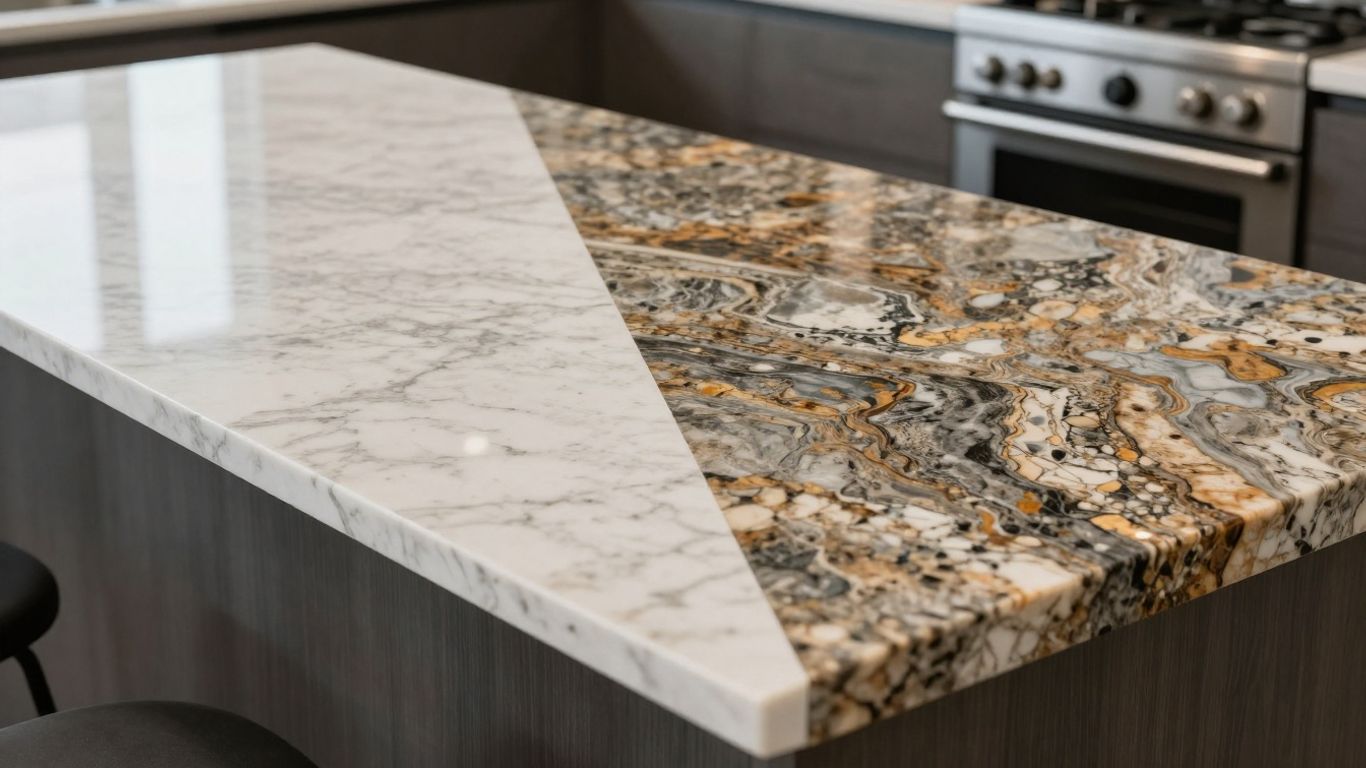
When it comes to keeping your kitchen looking its best, the upkeep required for your countertops is a big deal. Nobody wants to spend hours scrubbing or worrying about every little spill. Luckily, both quartz and granite are pretty tough, but they do have different needs.
The Non-Porous Advantage Of Quartz
One of the biggest selling points for quartz is how easy it is to care for. Because it's engineered and not a natural stone, it's made to be non-porous. This means liquids just bead up on the surface instead of soaking in. This makes quartz incredibly resistant to stains from things like wine, coffee, or tomato sauce. You don't have to worry about sealing it, ever. Just a quick wipe-down is usually all it takes.
- Daily Cleaning: Use a soft cloth with mild soap and water. Avoid abrasive cleaners that could dull the finish.
- Tougher Stains: For dried-on gunk, a plastic putty knife or scraper can usually lift it without scratching.
- Avoid Harsh Chemicals: Stick to gentle cleaners. Things like oven cleaner or drain cleaner can damage the resin binders in quartz.
While quartz is super tough, it's still a good idea to use trivets for very hot pots and pans. Extreme heat can sometimes cause discoloration or damage to the resin.
Granite's Need For Sealing
Granite, being a natural stone, has its own charm but also requires a bit more attention. Its natural beauty comes with a porous surface, which means it can absorb liquids if not properly protected. This is where sealing comes in. Sealing fills in the tiny pores, making it much harder for stains to set in. You'll need to reseal it periodically.
- Sealing Frequency: Typically, granite needs sealing every 1 to 2 years, depending on the type of stone and how much it's used. A simple water test can tell you if it's time – if water beads up, you're good; if it soaks in, it's time to reseal.
- Cleaning: Similar to quartz, a mild soap and water solution is best for daily cleaning. Avoid harsh chemicals and abrasive scrubbers.
- Spill Management: Wipe up spills as soon as they happen to give the sealant the best chance to do its job.
Daily Cleaning And Care
For both materials, the basic routine is pretty straightforward. A soft cloth, warm water, and a bit of mild dish soap will handle most everyday messes. For quartz, this is often the only step needed. Granite benefits from this too, but remember that periodic sealing is key to maintaining its stain resistance. If you're looking for a truly low-maintenance option, quartz countertops generally win out due to their inherent non-porous nature, meaning no sealing is ever required. This makes them a popular choice for busy kitchens where quick cleanups are a must. Ultimately, understanding these maintenance differences helps you pick the countertop that fits your lifestyle best.
Cost Considerations For Quartz Versus Granite
When you're looking at new kitchen countertops, the price tag is usually a big part of the conversation. Both quartz and granite can be fantastic choices, but they definitely come with different price points and long-term cost implications. It's not just about the initial purchase; you've got to think about what you're getting for your money over the years.
Upfront Investment For Each Material
Generally speaking, the initial cost for quartz and granite can be pretty close, but there's a lot of variation. You might find some granite slabs that are more affordable than certain quartz patterns, and vice versa. The rarity of the granite slab and the complexity of the quartz design play huge roles here. For instance, a common black granite might be less expensive than a high-end quartz with intricate veining. On the flip side, exotic granites can easily outprice even the most premium quartz options.
Here's a rough idea of what you might expect:
- Quartz: Typically ranges from $80 to $140 per square foot installed. Some sources suggest it can go up to $185 per square foot for premium designs. Quartz countertops often have a more predictable price range.
- Granite: Prices can start around $80 per square foot installed and go all the way up to $175 or even $225 per square foot for rarer stones.
Keep in mind that things like edge profiles, sink cutouts, and the thickness of the slab (2 cm vs. 3 cm) will also add to the initial cost. Simple edges are cheaper than fancy ones, and thicker slabs cost more.
Long-Term Value And Maintenance Costs
This is where quartz often shines for many homeowners. Because quartz is engineered and non-porous, it doesn't require sealing. This means no annual or bi-annual sealing appointments, saving you time and money over the life of the countertop. Granite, on the other hand, is porous and usually needs to be sealed periodically to prevent stains. While some modern granite treatments might reduce this need, it's still something to consider.
- Quartz: Minimal long-term maintenance costs. Just regular cleaning with mild soap and water is usually all that's needed.
- Granite: Requires periodic sealing (every 1-2 years, though some sealers last longer). You'll also want to use specific stone cleaners to keep it in good shape.
So, while granite might sometimes have a lower entry price, the ongoing maintenance for quartz can make it more cost-effective in the long run for busy households.
Factors Influencing Overall Price
Several things can nudge the price up or down for both materials. It's not just about the stone itself.
- Material Source: Where the stone comes from matters. Locally sourced materials might be cheaper than imported ones.
- Color and Pattern: Common colors and simpler patterns are usually less expensive than unique, exotic, or highly patterned options.
- Fabrication Complexity: Intricate edge designs, special cutouts for sinks or cooktops, and custom shapes all increase labor costs.
- Installer Reputation: Experienced and reputable installers might charge more, but they often provide better quality work and fewer headaches.
- Location: Prices can vary significantly depending on where you live. What's affordable in one region might be pricier in another.
When comparing quartz and granite, think beyond the initial square footage price. Consider the total cost of ownership, including installation, potential repairs, and ongoing maintenance. A slightly higher upfront investment in a material that requires less upkeep might save you money and hassle down the road. Always get multiple quotes from different suppliers to compare apples to apples and find the best deal for your specific project.
Choosing The Ideal Countertop For Your Lifestyle
So, you've weighed the pros and cons, looked at the aesthetics, and thought about durability. Now comes the really important part: figuring out which countertop material actually fits your life. It’s not just about what looks good; it’s about what’s going to work day in and day out in your kitchen. Let's break down how to pick the winner based on how you actually use your space.
Best Fit For Busy Households
If your kitchen is the command center for a bustling family, you probably need something that can handle a lot without a fuss. Think spills, dropped pots, and kids doing homework at the island. In this scenario, quartz often shines. Its non-porous nature means it’s super resistant to stains from juice, wine, or tomato sauce. Plus, it doesn't need sealing like granite does, which is one less thing to worry about. It’s pretty tough against scratches too, making it a solid choice for high-traffic areas. You get that sleek look without the constant worry of upkeep.
- Low Maintenance: Wipe it down with soap and water. No special cleaners or sealing needed.
- Stain Resistance: Excellent defense against common kitchen spills.
- Durability: Holds up well against daily wear and tear.
For families on the go, the ease of maintenance and inherent toughness of quartz can be a real game-changer, freeing up more time for what matters.
Considerations For Homeowners Seeking Natural Elegance
If you’re drawn to the unique beauty and character that only nature can provide, granite might be calling your name. Each slab is a one-of-a-kind piece, with variations in color and veining that add depth and personality to your kitchen. While it does require a bit more attention, like periodic sealing to maintain its stain resistance, many homeowners find the natural artistry of granite to be worth the effort. It brings a timeless, earthy feel that engineered materials just can't replicate. If you appreciate the subtle imperfections and the story each stone tells, granite is a fantastic option. You can explore different granite styles to find a pattern that speaks to you.
Matching Countertops To Kitchen Design
Your countertop is a major design element, so it needs to play well with the rest of your kitchen. Think about the overall vibe you're going for.
- Modern & Minimalist: Quartz, with its consistent patterns and wide range of solid colors or subtle veining, fits perfectly. It creates a clean, streamlined look.
- Traditional & Rustic: Granite's natural variations and earthy tones add warmth and authenticity. It pairs beautifully with wood cabinetry and classic decor.
- Bold & Dramatic: Both materials can make a statement. A dramatic granite slab can be a showstopper, while quartz can be found in striking colors or with bold, marble-like veining for a high-impact look.
Consider the scale of your kitchen too. Lighter, more uniform materials like quartz can make smaller spaces feel bigger, while grander granite patterns can hold their own in expansive kitchens. Ultimately, the best countertop is the one that complements your kitchen's aesthetic and your personal taste, creating a space you love spending time in.
So, Which One Wins?
Alright, so we've looked at granite and quartz pretty closely. Granite brings that unique, natural beauty and can handle a hot pan like a champ, which is pretty cool. But, it needs a bit of upkeep, like sealing every now and then, to keep it looking its best. Quartz, on the other hand, is super low-maintenance. It's non-porous, so spills aren't a big worry, and you get a ton of design options. It’s a bit more sensitive to heat, so you’ll want to use trivets. Honestly, there's no single 'better' option here. It really boils down to what you need in your kitchen. If you want something that looks like a one-of-a-kind piece of art and you don't mind a little care, granite is a solid choice. If you're all about easy cleaning and a consistent look that fits your style perfectly, quartz is probably your winner. Both will make your kitchen look great and last for years.
Frequently Asked Questions
Is quartz or granite better for a kitchen?
Both quartz and granite are great choices for kitchens! Granite is a natural stone with unique beauty and can handle heat really well. Quartz is made by humans, so it's super consistent, doesn't stain easily, and is low maintenance. The 'better' one really depends on what you care about most: natural looks and heat resistance (granite) or easy cleaning and lots of design options (quartz).
Which countertop is more durable, quartz or granite?
Both are very tough! Granite is a super hard natural stone that resists scratches and heat. Quartz is also very hard and is engineered to be tough. It's a bit more flexible than granite, which can make it slightly better at resisting chips from impacts. For everyday use, they both hold up really well.
Does granite stain easily compared to quartz?
Granite is a natural stone and has tiny holes, which means it can soak up liquids if not sealed properly. This can lead to stains. Quartz, on the other hand, is made with resins, so it's not porous and doesn't absorb liquids. This makes quartz much more resistant to stains than unsealed or poorly sealed granite.
How do I clean quartz and granite countertops?
Cleaning quartz is super simple! Just use mild soap and water. Avoid harsh chemicals. For granite, it's best to use cleaners made for stone. You'll also need to seal granite every year or two to keep it from staining. Both look best when wiped down regularly.
Is quartz more expensive than granite?
It can go either way! Basic granite can sometimes be cheaper than quartz. However, unique or exotic granite can be much more expensive. Quartz prices are usually more predictable, but fancy quartz patterns can cost more than some granites. When you think about the cost, remember that granite might need sealing over time, which adds a little extra expense.
Can I put hot pans directly on quartz or granite?
Granite is fantastic with heat and you can usually put hot pans directly on it. Quartz is also heat resistant, but it's not as tough as granite when it comes to extreme heat. It's always a good idea to use a trivet or hot pad for very hot items on quartz to be safe and keep it looking its best for a long time.


