

Mastering the Care of Quartzite Countertops: A Comprehensive Guide
GMS Kumar
Quartzite countertops are really popular right now, and it's easy to see why. They look amazing and are super tough. But, keeping them looking good can be a bit of a puzzle for some people. This guide is here to clear things up and help you make sure your quartzite surfaces stay looking their best for a long, long time.
Key Takeaways
- Quartzite is a natural stone, known for being really hard and pretty. It's not the same as engineered quartz.
- For everyday cleaning, stick to mild soap and water. Just wipe it down and dry it off.
- Deep cleaning might need a special stone cleaner. For tough spots, a poultice can help lift stains.
- Sealing your quartzite is a good idea to give it extra protection against stains.
- Protect your counters by using cutting boards and trivets, and wipe up spills, especially acidic ones, right away.
Understanding Quartzite Countertop Properties
So, you've got your eye on quartzite countertops. Smart move! They look amazing, kind of like marble but way tougher. Let's break down what makes this stone so special.
The Unique Nature of Quartzite
Quartzite is a natural stone, which means every slab is a little bit different. It's formed deep within the earth when sandstone gets squeezed and heated up for ages. This process creates a rock that's incredibly hard and has these cool, natural patterns and veins. You'll find it in all sorts of colors, though white and gray are pretty common. The really vibrant colors? Those are rarer and can be quite pricey, but they sure are eye-catching.
Distinguishing Natural Quartzite from Engineered Quartz
This is where people sometimes get confused. Engineered quartz, often just called 'quartz,' is actually a man-made product. It's a mix of ground quartz crystals, resins, and polymers. Natural quartzite, on the other hand, is 100% stone that Mother Nature made. While engineered quartz is durable, natural quartzite has a different kind of strength. For instance, natural quartzite offers superior heat resistance compared to engineered quartz, which can be damaged by excessive heat due to its resin content. This makes quartzite a more durable option for applications exposed to high temperatures. Natural quartzite is also generally harder than granite.
Key Inherent Properties of Quartzite
What makes quartzite stand out? A few things:
- Hardness: It's one of the hardest natural stones out there, second only to diamond. This means it's tough to scratch or chip. This makes it a highly resilient choice for surfaces that experience daily wear and tear.
- Heat Resistance: You can put hot pans on it without much worry, though using trivets is still a good idea to keep it looking its best for years.
- Stain Resistance: It's pretty good at resisting stains, especially if it's sealed properly. However, it's not completely invincible, so cleaning up spills quickly is still important.
- Appearance: It has that beautiful, natural look that many people love, often resembling marble but without the high maintenance.
While quartzite is super tough, it's still a natural stone. Think of it like a really strong athlete – they can handle a lot, but they still need proper care to perform at their best and avoid injuries.
Here's a quick look at how it stacks up:
| Property | Quartzite | Engineered Quartz |
|---|---|---|
| Origin | Natural Stone | Man-made (Quartz dust + resin) |
| Hardness | Very High | High |
| Heat Resistance | Excellent | Good (can be damaged by excessive heat) |
| Porosity | Low (when sealed) | Very Low (non-porous) |
| Appearance | Unique, natural veining | Consistent patterns, wide color range |
| Maintenance | Requires sealing, careful cleaning | Low maintenance, non-porous |
| Etching Resistance | Good | Excellent |
Basically, quartzite is a fantastic option if you want something that looks high-end but can also handle the everyday hustle and bustle of a busy home. Quartzite is significantly more durable than marble, offering superior resistance to etching, scratching, and heat damage.
Routine Care for Pristine Quartzite Surfaces
Keeping your quartzite countertops looking their best doesn't have to be a chore. With a few simple habits, you can maintain their beauty and durability for years. It's really about being consistent with the basics.
Daily Wiping and Spill Management
Think of daily wiping as a quick refresh for your countertops. A soft cloth or paper towel is all you need for this. Just a quick pass over the surface each day helps remove dust and any minor smudges. Wiping up spills as soon as they happen is the most important thing you can do. Even though quartzite is tough, letting liquids sit, especially acidic ones like coffee or wine, can sometimes leave a mark if left too long. So, keep a cloth handy and give any spills a quick dab.
Selecting Appropriate Cleaning Products
When it comes to cleaning products, less is often more with natural stone. You don't need fancy or harsh chemicals. A mild dish soap mixed with warm water is usually perfect for everyday cleaning. If you want something specifically for stone, look for cleaners labeled for natural stone. Just make sure they don't contain any strong acids or abrasive ingredients. Using the wrong cleaner can dull the finish over time, and nobody wants that.
The Importance of pH-Neutral Cleaners
This is a big one. Quartzite, like many natural stones, does best with cleaners that have a neutral pH. Think of it like this: highly acidic or alkaline cleaners can actually break down the sealant on your countertops, making them more open to stains. A pH-neutral cleaner won't strip away that protective layer. You can find many good options designed for natural stone, or simply use a very mild liquid soap. Always rinse the surface with clean water after cleaning and dry it thoroughly with a soft cloth to prevent water spots and keep that shine.
Remember, the goal is to clean without damaging the stone's natural integrity or its protective sealant. Gentle methods are key to long-term beauty.
Here’s a quick rundown of what to use and what to avoid:
- Use:
- Soft cloths or paper towels
- Warm water
- Mild dish soap
- pH-neutral stone cleaners
- Avoid:
- Abrasive scrubbers or steel wool
- Acidic cleaners (like vinegar or lemon-based products)
- Harsh chemical cleaners (like bleach or ammonia, unless heavily diluted for specific issues and with caution)
Following these simple steps will help maintain your quartzite countertops and keep them looking great.
Deep Cleaning and Stain Removal Techniques
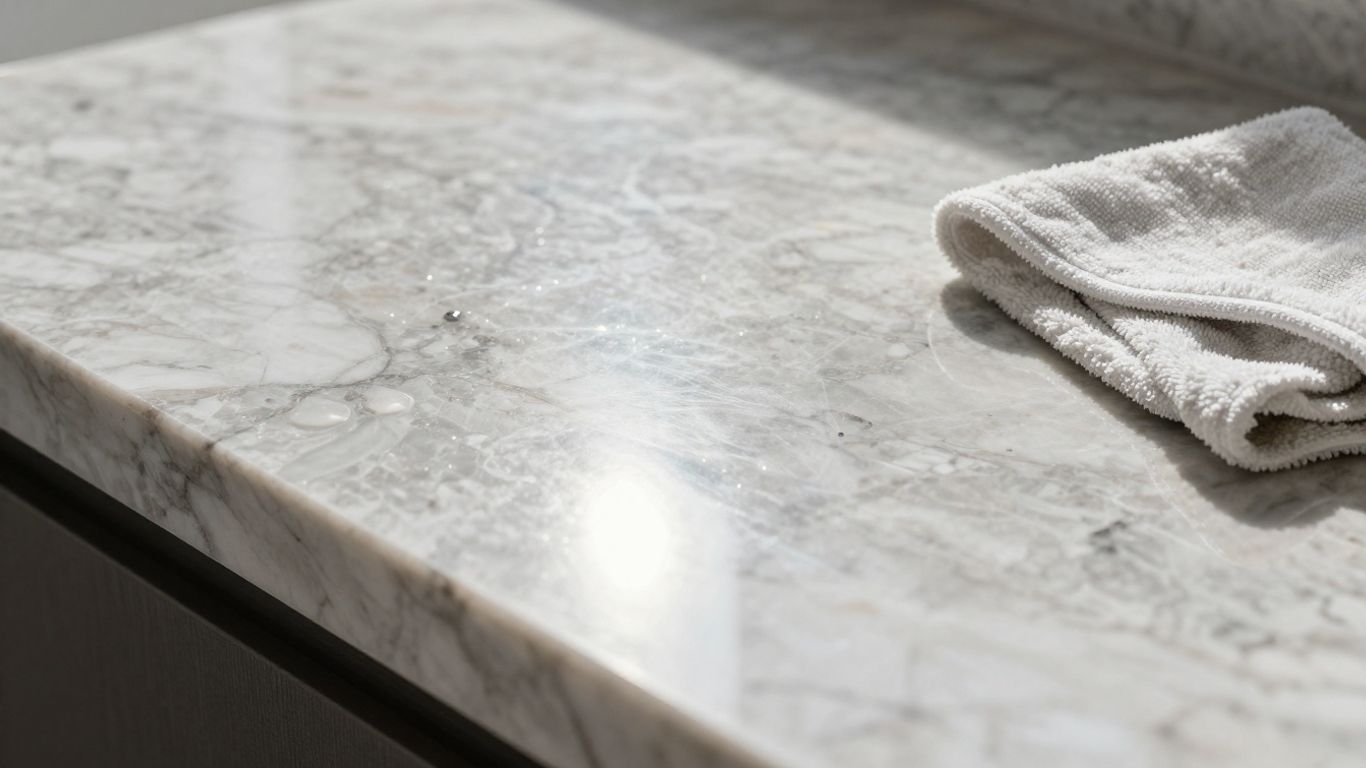
Sometimes, even with the best daily care, a stubborn mark can appear on your quartzite. Don't panic! Most stains can be tackled with the right approach. The key is to act quickly and use methods suited for natural stone.
Preparing the Surface for Deep Cleaning
Before you get into serious stain-fighting mode, give your countertop a good once-over. You want to start with a clean slate, so to speak.
- First, clear everything off the counter.
- Then, give it a good wipe-down with a soft cloth and some warm water. If there's any loose debris or crumbs, sweep them away with a soft brush.
- Make sure the surface is completely dry before you move on to any stain treatments. This helps prevent spreading the stain or diluting your cleaning solution.
Tackling Stubborn Stains with Poultices
For those really tough stains that just won't budge with regular cleaning, a poultice is your best friend. Think of it as a special paste that draws the stain out of the stone.
- Identify the Stain Type: Knowing what caused the stain (oil, food, etc.) helps pick the right poultice ingredients.
- Mix Your Poultice: You can buy pre-made poultices or make your own. A common DIY mix involves an absorbent material like baking soda or diatomaceous earth mixed with a liquid cleaner suitable for stone. For oil-based stains, a little dish soap mixed with water can work. For organic stains, a bit of hydrogen peroxide might be helpful.
- Apply the Poultice: Spread the paste about a quarter-inch thick over the stained area.
- Cover and Wait: Cover the poultice with plastic wrap and tape down the edges. Let it sit for at least 24 hours, or even up to 48 hours for very stubborn marks. The plastic keeps the poultice moist so it can work its magic.
- Remove and Clean: Once dry, carefully scrape off the poultice with a plastic scraper. Clean the area with a damp cloth and mild soap, then dry thoroughly. You might need to repeat this process for deeply set stains. For rust stains, always use rust removers specifically designed for natural stone. Avoid using bleach or common household rust removers, as these can etch the surface finish.
Addressing Specific Stain Types
Different stains need different treatments. Here's a quick rundown:
- Oil-Based Stains (Grease, Cooking Oil): These can be tricky. Try a poultice made with baking soda and water, or a commercial degreaser safe for stone. Sometimes, a bit of mineral spirits or acetone on a cloth can help lift the stain, but test in an inconspicuous spot first.
- Organic Stains (Food, Coffee, Tea, Wine): A poultice with hydrogen peroxide can often lift these. For lighter stains, a simple wipe with mild soap and water might do the trick.
- Water Spots and Rings: These are usually surface-level. Try buffing the area with a dry microfiber cloth. If that doesn't work, a gentle cleaner designed for stone should help.
Always remember to test any cleaning solution or poultice in a hidden area of your countertop first. This way, you can be sure it won't cause discoloration or damage before applying it to a visible spot. Patience is key when dealing with stains on natural stone.
Essential Sealing for Enhanced Protection
Even though quartzite is a tough natural stone, sealing it is a really good idea. It adds an extra layer of defense against spills and stains, keeping your countertops looking great for longer. Think of it like putting a raincoat on your stone – it helps repel liquids.
Why Sealing Quartzite is Crucial
While quartzite is naturally dense and resistant, it's not completely impervious. Over time, without a proper seal, liquids can potentially seep into the stone's pores. This is especially true for colored liquids or oily substances. Sealing fills these microscopic pores, making it much harder for anything to penetrate the surface. This step is key to maintaining the stone's original beauty and preventing unsightly marks. It's a proactive measure that saves a lot of hassle down the road.
The Step-by-Step Sealing Process
Sealing your quartzite isn't complicated, but it does require a bit of care. Here’s how you can do it:
- Clean the Surface Thoroughly: Before you start sealing, make sure your countertops are completely clean and dry. Any dirt or residue can get trapped under the sealant.
- Apply the Sealer: Use a high-quality impregnating sealer. These work by soaking into the stone itself. Apply it evenly using a clean cloth or applicator pad, following the product's instructions. You want to cover the entire surface without letting it pool.
- Let it Penetrate: Allow the sealer to sit on the surface for the time recommended by the manufacturer. This is when the magic happens, and the sealer gets into the stone's pores.
- Wipe Away Excess: Once the penetration time is up, use a clean, lint-free cloth to wipe off any excess sealer. If you leave too much on, it can dry and leave a hazy film.
Frequency of Re-Sealing
How often you need to reseal depends on a few things, like how much you use your countertops and the type of sealer you used. A good rule of thumb is to reseal every one to two years. You can test if it's time by dripping a little water on the surface. If the water beads up, your seal is still good. If it soaks in and darkens the stone, it's time to reseal. Some professionals suggest using products like StoneRescue recommends for optimal protection.
Sealing is not a one-time job. It's an ongoing part of quartzite care. Think of it as a tune-up for your countertops to keep them performing their best against daily wear and tear. Regular sealing is a simple yet effective way to protect your investment and keep your quartzite looking stunning for years to come.
Preventive Measures for Long-Term Durability
Taking a few simple steps can really help keep your quartzite countertops looking great for a long, long time. It’s not complicated, but it does make a difference. Think of it like giving your countertops a little extra TLC so they don't have to work so hard.
Utilizing Cutting Boards and Trivets
This is a big one. While quartzite is tough, why risk it? Using a cutting board means you don't have to worry about knives scratching the surface. It’s a simple habit that saves a lot of potential headaches down the road. The same goes for hot pots and pans. Even though quartzite handles heat well, placing a trivet or a hot pad under them is a good idea. It’s like wearing gloves when you handle something really hot – just an extra layer of protection.
- Always use a cutting board for chopping or slicing.
- Keep trivets or pot holders handy for hot cookware.
- Consider using placemats during meals to protect the surface from potential scratches or spills.
Avoiding Direct Contact with Acidic Substances
Things like lemon juice, vinegar, or even some types of wine can be a bit harsh on natural stone if left to sit. They aren't going to instantly ruin your countertops, but over time, they can cause etching, which is like a dull spot on the surface. So, the best approach is to wipe up any spills of these kinds of liquids right away. A quick wipe with a damp cloth is usually all it takes.
Promptly addressing spills, especially those from acidic foods or drinks, is key to maintaining the pristine finish of your quartzite. A moment's attention can prevent long-term surface issues.
Protecting Against Heat and Scratches
We've touched on this a bit, but it's worth repeating. While quartzite is known for its heat resistance, it's not indestructible. Extreme heat or prolonged exposure could potentially cause issues. Similarly, while it's very hard to scratch, dragging heavy pots or appliances across the surface could leave a mark. Being mindful of these things helps maintain that beautiful, smooth finish. For more general tips on keeping your stone surfaces looking their best, check out general countertop care.
- Wipe up spills immediately, especially acidic ones.
- Use trivets and coasters consistently.
- Avoid dragging heavy items across the countertop; lift them instead.
Special Considerations for Quartzite Maintenance
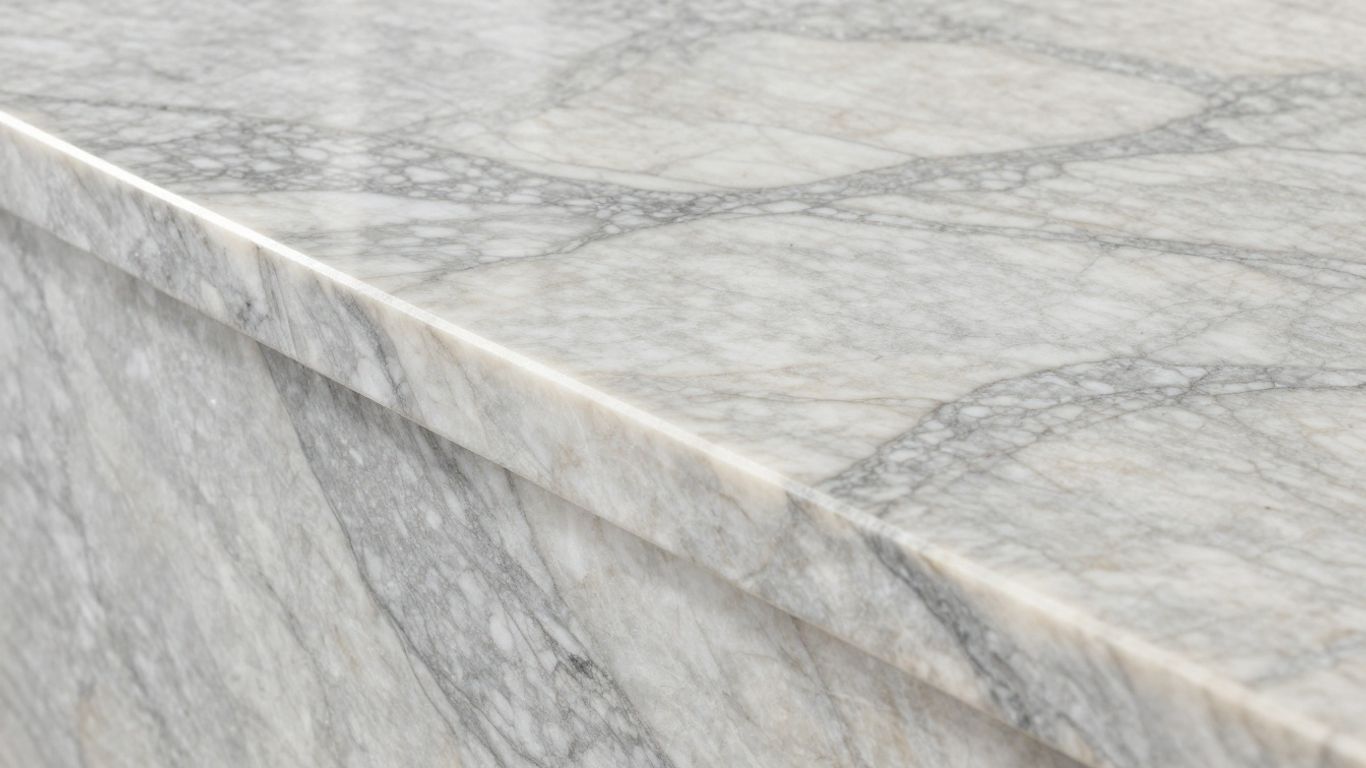
Even with the best daily and deep cleaning routines, sometimes you run into specific issues with quartzite. It's a tough stone, no doubt, but a few common problems pop up, especially in bathrooms or kitchens where things can get a bit messy. Let's talk about how to handle those.
Dealing with Soap Scum on Vanities
Bathrooms can be tricky. Over time, especially around sinks and shower areas, you might notice a chalky buildup – that's soap scum. It's not usually a deep stain, but it can make your beautiful quartzite look dull. For this, you want to avoid anything too harsh that could etch the surface. A good approach is to use a cleaner specifically made for soap scum that isn't acidic. Sometimes, a diluted solution of ammonia and water can work, but you have to be careful with how often you use it, as it can still affect the sealant over time. Always test in an inconspicuous spot first.
Managing Acidic Stains Effectively
We all know quartzite is pretty resistant, but strong acidic substances like lemon juice, vinegar, or even some fruit juices can still cause issues if left sitting. They can etch the surface, making it look dull or slightly discolored. If you catch an acidic spill right away, a quick wipe with mild soap and water is usually enough. If a mark has set in, you might need something a bit stronger. A mix of hydrogen peroxide and a tiny bit of ammonia can sometimes lift these marks. Think of it like a gentle bleach for the stone. Again, test it first!
Removing Oil-Based Stains
Oil-based stains, like those from cooking grease or certain lotions, can be a bit stubborn. They tend to soak into the stone if it's not perfectly sealed. The trick here is to use something that can break down the oil. Mild dish soap, which is designed to cut grease, is a good starting point. You can also try a bit of mineral spirits or acetone on a cloth, but use these sparingly and make sure the area is well-ventilated. For really tough ones, a poultice made from baking soda and water can draw the oil out over a day or two. It's all about patience with these types of marks.
Remember, even though quartzite is super durable, treating it with a little extra care, especially when dealing with specific types of spills or buildup, will keep it looking its best for ages. It's not about being overly fussy, just smart about how you clean.
Here's a quick rundown of what to use for different issues:
- Soap Scum: Non-acidic bathroom cleaner or diluted ammonia solution.
- Acidic Stains: Hydrogen peroxide with a few drops of ammonia.
- Oil-Based Stains: Mild dish soap, mineral spirits, or acetone.
For general upkeep and to keep your Taj Mahal quartzite looking its finest, consistent, gentle cleaning is key. If you're ever unsure about a particular cleaner, it's always best to consult the manufacturer's recommendations or test it on a small, hidden area first. This approach helps maintain the integrity of your countertops without risking damage.
Enjoying Your Beautiful Quartzite for Years to Come
So, there you have it. Taking care of your quartzite countertops doesn't have to be a huge chore. With just a little bit of regular attention – a quick wipe-down here, the right cleaner there, and maybe a reseal now and then – you can keep them looking fantastic. These countertops are tough and beautiful, and with these simple steps, you'll be enjoying their natural charm in your home for a really long time. It’s all about being a bit mindful, and your kitchen or bathroom will thank you for it.
Frequently Asked Questions
What makes quartzite special compared to other countertop materials?
Quartzite is a super strong natural stone. It's made deep inside the Earth by heat and pressure. This makes it really tough, even tougher than granite! It looks a lot like marble, which is pretty, but quartzite doesn't scratch or stain as easily. Plus, it can handle hot pans without getting damaged.
How often should I clean my quartzite countertops?
For everyday messes, just wipe them down with a soft cloth and some warm water. If you spill something, clean it up right away, especially if it's something acidic like juice. A quick wipe daily keeps them looking great.
What kind of cleaner is best for quartzite?
You should use cleaners that are gentle, like ones that don't have a strong acid or base. A mild dish soap mixed with water works well. Avoid harsh chemicals or scrubby pads because they can dull the shine or even scratch the surface over time.
Do I really need to seal my quartzite countertops?
Yes, sealing is a good idea! Even though quartzite is tough, sealing it adds an extra layer of protection against stains. It helps keep the stone looking its best and makes it even easier to clean up spills. You'll need to re-seal it every year or so.
What should I do if I get a tough stain on my quartzite?
For really stubborn stains, you can make a paste called a 'poultice.' You can buy these or make one with baking soda and water. Put it on the stain, cover it, and let it sit for a day. Then, clean it off. It helps pull the stain out of the stone.
Can I put hot pots and pans directly on quartzite?
Quartzite is very good at handling heat, so you usually don't have to worry about a hot pan causing damage. However, it's always a smart move to use a trivet or hot pad. Doing this helps protect the sealant and keeps your countertops looking perfect for a much longer time.


