

Porcelain vs Quartz Countertop: A Comprehensive Comparison for Your Kitchen
GMS Kumar
Picking out a new countertop is a big deal when you're redoing your kitchen or bathroom. For a while now, quartz has been the go-to, pretty much replacing granite as the top choice for toughness and looks. But there's a new player in town, porcelain, that's been making waves. Both are made, not dug out of the ground like marble, but they're different in how they're made, what they can do, and how much they cost. We're going to break down the porcelain vs quartz countertop choice to help you figure out what works best for your place.
Key Takeaways
- Porcelain is fired at very high temperatures, making it extremely heat-resistant, unlike quartz which can be damaged by hot pans due to its resin binders.
- While both are hard, porcelain is more brittle and prone to chipping if hit hard, whereas quartz has a bit more give and is less likely to chip.
- Quartz patterns go all the way through the material, meaning chips or edge details show the same pattern. Porcelain patterns are often printed on the surface, so edges might be a solid color.
- Porcelain is excellent for outdoor kitchens because it's UV-resistant and won't fade, while quartz is not recommended for outdoor use as sunlight can damage it.
- Both are non-porous and easy to clean, but porcelain is more resistant to harsh cleaning chemicals than quartz, which can be dulled by strong acids or alkalis.
Understanding The Core Differences: Porcelain vs Quartz Countertop
Material Composition and Manufacturing
When you're looking at kitchen countertops, porcelain and quartz often come up. They're both engineered materials, meaning they're made by humans, not just pulled out of the ground like granite. But how they're made is pretty different, and that affects how they perform.
Quartz countertops are made by crushing natural quartz crystals and then binding them together with polymer resins and other additives. Think of it like a very strong, very dense concrete, but with quartz instead of gravel. This process gives quartz its signature look and feel. The resins are key here, as they hold everything together and give quartz its flexibility.
Porcelain, on the other hand, is made from natural clay, feldspar, and other minerals. These raw materials are put through an intense process of grinding, pressing, and then firing in a kiln at extremely high temperatures. This high-heat firing, called vitrification, creates a material that's incredibly dense and non-porous. Unlike quartz, porcelain doesn't use any resins or glues to bind it together. This makes porcelain a more eco-friendly option for your kitchen surfaces [21ea].
Key Performance Characteristics
So, what does this manufacturing difference mean for your kitchen? It boils down to a few key traits:
- Porosity: Porcelain is virtually non-porous, meaning it doesn't absorb liquids. This makes it highly resistant to stains and bacteria.
- Density: Both materials are very dense, but porcelain is generally denser due to its firing process.
- Heat Tolerance: Because quartz uses resins, it's more sensitive to high heat. Porcelain, having been fired at such high temperatures, can handle heat much better.
- Hardness: Porcelain is technically harder than quartz, but this can also make it more brittle.
Understanding these basic differences in how they're made helps explain why porcelain and quartz behave differently when it comes to heat, scratches, and everyday use. It's not just about looks; it's about the science behind the slab.
When you're comparing these two, it's helpful to think about how they'll hold up to the demands of a busy kitchen. Quartz countertops are generally more expensive per slab than porcelain, but they are thicker and easier to work with during fabrication [4fd8]. This ease of fabrication can sometimes offset the initial material cost, making them a comparable option depending on the specific project and desired finish.
Durability Showdown: Heat, Scratches, and Impact
When you're picking out a countertop, you want something that can handle the daily grind of kitchen life, right? Both porcelain and quartz are tough cookies, but they go about it in slightly different ways. Let's break down how they stack up against heat, scratches, and the occasional dropped pot.
Heat Resistance: A Clear Distinction
This is where porcelain really shines. Because it's fired at super high temperatures, it can take the heat. You can literally pull a hot pan out of the oven and set it right on a porcelain counter without a second thought. Quartz, on the other hand, is made with resins that can get a bit melty or discolored if they get too hot for too long. So, with quartz, it's always a good idea to use trivets or hot pads. It's not that quartz can't handle some heat, it's just that porcelain is in a whole different league when it comes to extreme temperatures.
Hardness Versus Brittleness
Both materials are hard, but how they react to impact is different. Quartz, being engineered with resins, has a little bit of give. This flexibility means it's less likely to chip or crack if you drop something heavy on it. Think of it like a slightly bendy ruler versus a very stiff one – the stiff one might snap easier. Porcelain is incredibly hard, but because of that, it can be more brittle. A really hard impact, especially on the edges, could cause it to chip or crack. While porcelain is tough against surface scratches, it's the impact resistance where quartz often has a slight edge.
Resistance to Daily Wear and Tear
For everyday life, both materials hold up well. Porcelain is non-porous and resists stains and water like a champ, making it super easy to clean up spills. Quartz is also non-porous and resists stains, and its engineered nature makes it highly resistant to scratches from knives or abrasive cleaning. However, remember that while quartz is very scratch-resistant, it's not completely immune. Porcelain's extreme heat resistance and quartz's superior impact resilience are the key differentiators for most kitchens.
Here's a quick look at how they compare:
| Feature | Porcelain Countertops | Quartz Countertops |
|---|---|---|
| Heat Resistance | Extreme; direct hot pans are fine. | Good; use trivets for prolonged high heat. |
| Scratch Resistance | High; very resistant to surface scratches. | Very High; excellent resistance to everyday wear. |
| Impact Resistance | Good; can chip or crack on sharp, heavy impacts. | Excellent; slight flexibility reduces risk of chipping. |
When you're deciding, think about how you actually use your kitchen. If you're constantly pulling hot pans from the oven and setting them down, porcelain is a no-brainer. If you're more worried about the kids dropping heavy toys or pots, quartz's resilience might give you more peace of mind. Both are great choices, but they suit different kitchen habits.
Choosing the right countertop involves weighing these durability factors against your personal cooking style and family habits. For many, the peace of mind that comes with quartz countertops being less prone to chipping is a significant factor. However, if you're building an outdoor kitchen or simply want the ultimate in heat-proof surfaces, porcelain is hard to beat. Both offer fantastic longevity, but understanding these specific strengths helps you pick the one that fits your life best. Porcelain countertops are also known for their UV resistance, making them a great option for areas exposed to sunlight, unlike quartz which can fade over time. Porcelain countertops are a solid choice for durability.
Aesthetic Possibilities and Design Integration
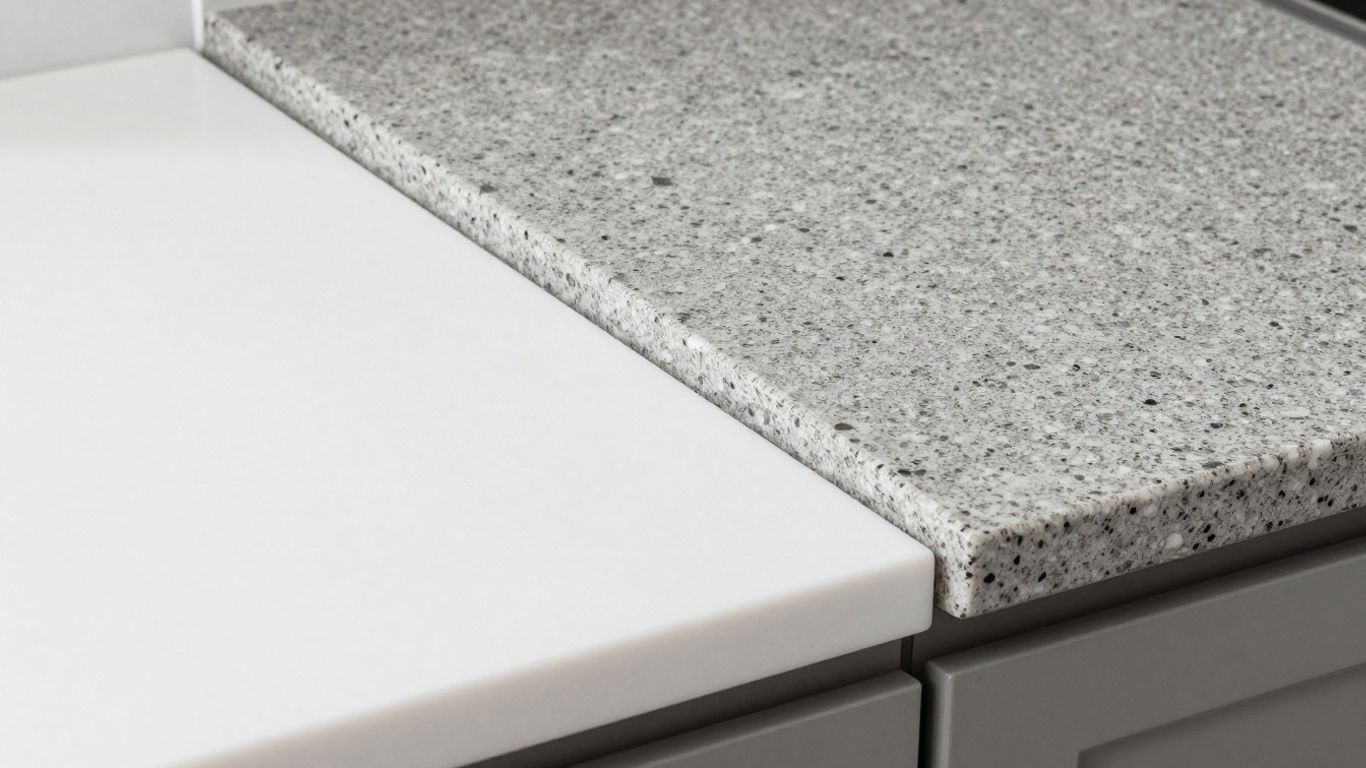
When you're picking out countertops, how they look and how well they fit into your kitchen's overall style is a big deal. Both porcelain and quartz really shine here, offering a ton of options to match pretty much any design you can dream up. It's not just about the color, either; it's about the patterns, the finishes, and how it all comes together.
Visual Appeal and Pattern Consistency
Porcelain is pretty amazing because manufacturers can print almost any design onto it. Think realistic marble veining, the look of aged wood, or even a sleek concrete finish. They use advanced printing tech to get these patterns onto large slabs, which means you can get a really consistent look across a big counter space with fewer seams. Quartz, on the other hand, is engineered, so it has a very predictable and uniform appearance. If you want a specific pattern, like a particular type of granite or a clean, solid color, quartz is fantastic because you know exactly what you're getting. This consistency is a major plus for designers and homeowners who want a very controlled look.
Here's a quick look at how they stack up visually:
| Feature | Porcelain | Quartz |
|---|---|---|
| Design Replication | Mimics natural stone, wood, concrete, etc. | Mimics natural stone, solid colors, patterns |
| Pattern | Can have variations; advanced printing tech | Very consistent and uniform patterns |
| Realism | High, especially with natural stone looks | High, but can sometimes look more 'manufactured' |
Edge Profiles and Finish Options
Beyond the surface design, the edges and finishes play a big role in the final look. Both materials can be cut and shaped, but quartz often gives you a bit more flexibility with edge profiles. You can get more intricate edges with quartz, which can add a custom touch. Finishes usually include polished (shiny), honed (matte), or brushed. Porcelain, especially the larger format slabs, often leans towards a more modern, clean look, and while it can be finished in different ways, the options might be slightly more limited compared to quartz, depending on the manufacturer. It's worth checking out what quartz countertops offer in terms of customization.
Seamless Integration and Modern Aesthetics
When it comes to making your kitchen look cohesive, how the countertop fits in is key. Porcelain's ability to come in large format slabs means you can cover a lot of counter space with very few, if any, visible seams. This creates a really clean, uninterrupted surface that looks super modern. Quartz also offers a great look, and its consistent patterns help tie a room together. For kitchens that aim for a minimalist or contemporary vibe, both materials can work wonders, but porcelain's large slabs can sometimes give that extra edge in achieving a truly monolithic appearance.
The visual impact of a countertop isn't just about its color or pattern; it's about how it contributes to the overall feel of the kitchen. Whether you're going for a dramatic marble look or a simple, clean surface, the material's ability to mimic other textures or present a uniform appearance is what makes it a design chameleon.
Practical Considerations for Your Kitchen
When you're picking out countertops, it's not just about how they look, right? You've got to think about how they'll actually work in your day-to-day life. This means looking at how easy they are to keep clean, if they can handle being outside, and what kind of headache installation might be. Let's break it down.
Maintenance and Hygiene Standards
Both porcelain and quartz are pretty good when it comes to keeping them clean, which is a big plus for any kitchen. Quartz is naturally non-porous, meaning spills and germs don't really soak in. You can just wipe it down with some soap and water, and you're usually good to go. Porcelain is also non-porous and super tough, so it resists stains and bacteria really well too. It's a bit like a super-hygienic surface.
- Quartz: Wipe with a damp cloth and mild soap. Avoid harsh chemicals.
- Porcelain: Similar to quartz, use mild cleaners. Its dense surface makes it very resistant to staining.
- Both: Regular cleaning prevents buildup and keeps them looking their best.
Keeping your kitchen surfaces clean is important for health and appearance. Both quartz and porcelain offer low-maintenance solutions that fit well into busy households.
Suitability for Outdoor Kitchens
This is where things get a bit more specific. If you're thinking about an outdoor kitchen or a space that gets a lot of direct sun, porcelain has a definite edge. It's made to handle UV rays and temperature changes without fading or warping. Quartz, on the other hand, isn't usually the best choice for areas with constant sun exposure. The resins in quartz can sometimes degrade or discolor over time when hit by strong UV light. So, if your kitchen is going to be out in the elements, porcelain is likely the way to go. You can find out more about quartz countertops for outdoor use but generally, it's not recommended.
Installation and Fabrication Complexities
Getting your new countertops installed is a whole process, and both materials have their quirks. Quartz is generally easier to work with for fabricators. It's a bit more forgiving if a mistake happens during cutting or shaping. Porcelain, however, can be trickier. Because it's so dense and hard, it requires specialized tools and techniques to cut and shape without chipping or breaking. This can sometimes mean higher fabrication costs. Also, porcelain often comes in larger, thinner slabs, which can make them heavier and more difficult to maneuver during installation. So, while the material itself might sometimes be cheaper, the installation labor could potentially even things out or make it more expensive.
| Material | Fabrication Difficulty | Installation Weight | Specialized Tools Needed | Potential Cost Impact |
|---|---|---|---|---|
| Quartz | Moderate | High | Standard | Moderate |
| Porcelain | High | Very High | Specialized | Moderate to High |
Budgeting for Your Countertop Choice
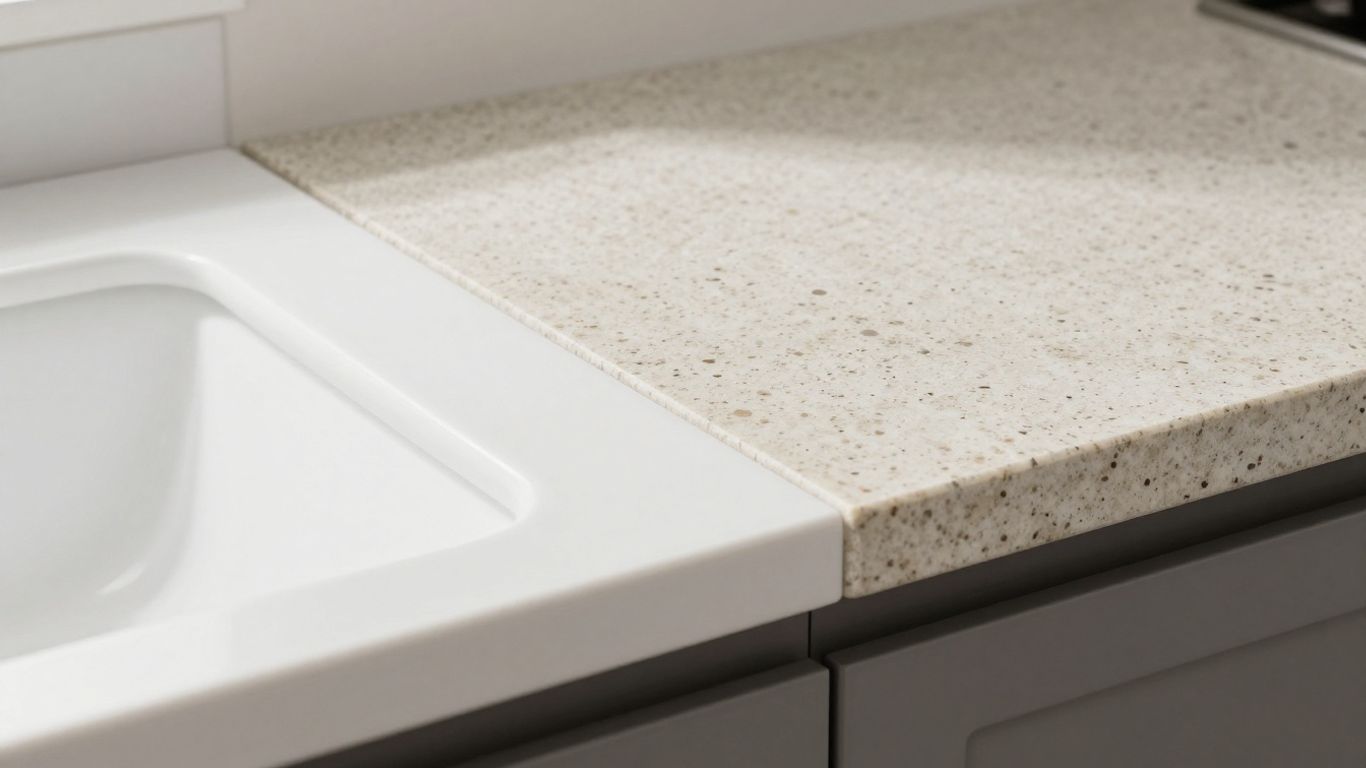
Alright, let's talk about the elephant in the room: money. Picking out a new countertop isn't just about looks; it's a significant investment for your kitchen. Both porcelain and quartz have their own price tags, and understanding these differences is key to making a choice that fits your wallet.
Material and Fabrication Costs
When you're looking at the numbers, you'll find that quartz countertops generally fall in the range of $70 to $130 per square foot. This price can shift based on the brand you pick and how thick the slab is. Porcelain, on the other hand, often comes in as the more expensive option, especially when you factor in the fabrication. You're typically looking at costs between $120 and $150 per square foot for porcelain, with prices influenced by its intricate designs and thickness. It's worth noting that sometimes, porcelain can be a bit less expensive than premium quartz, particularly when installation is bundled in.
Here's a quick look at the typical price ranges:
| Material | Estimated Cost Per Square Foot |
|---|---|
| Quartz | $70 - $130 |
| Porcelain | $120 - $150 |
Remember, these are just estimates. The final price will depend on the specific product, any special edge profiles you choose, and the complexity of the installation. For instance, getting a quote for quartz countertops might vary quite a bit from one supplier to another.
Long-Term Value Considerations
Beyond the initial sticker shock, think about what you're getting for your money over time. Quartz, while sometimes having a higher upfront cost, is known for its incredible durability and low maintenance. This means fewer potential repair costs down the line and a surface that holds up well to daily use. It's a material that can really add to your home's value.
Porcelain also offers good value, especially if you find a design you love at a more accessible price point. Its resistance to heat and scratches means it can also be a long-lasting choice. However, if damage does occur, repairs might be more involved or costly compared to quartz.
When you're weighing the costs, don't just look at the price tag today. Consider how long the countertop is expected to last, how much upkeep it will need, and how it might affect your home's resale value later on. A slightly higher initial investment in a material that lasts longer and requires less maintenance can actually save you money and hassle in the long run. It's about finding that sweet spot between your budget now and your peace of mind later.
Ultimately, the best choice balances your immediate financial comfort with the long-term benefits and potential upkeep associated with each material. Don't be afraid to get detailed quotes for both options to see exactly how they stack up for your specific project.
Choosing The Right Material For Your Lifestyle
So, you've looked at the nitty-gritty details of porcelain and quartz, and now it's time to figure out which one actually fits your life. It's not just about looks, right? It's about how you use your kitchen day in and day out. Think about your cooking habits, whether you've got little ones running around, or if you're planning on doing some serious entertaining. The best countertop is the one that makes your life easier, not harder.
When Quartz Is The Superior Choice
Quartz really shines for folks who want a bit of a worry-free experience, especially when it comes to everyday bumps and knocks. If you've got a busy household, maybe with kids who aren't always the most careful, quartz is a solid bet. It's engineered to be tough against impacts, so those accidental bangs from pots and pans are less likely to cause chips or cracks compared to porcelain. Plus, if you're dreaming of a specific look with fancy edge details, quartz offers more flexibility there. It's also a great option if you're trying to keep a closer eye on the budget, as it can sometimes be more cost-effective, particularly when you factor in installation. For those who appreciate a consistent look throughout the slab, quartz often provides that "through-body" pattern that appears the same no matter where you cut it.
When Porcelain Outshines Quartz
Porcelain, on the other hand, is the champion for heat resistance. If you're the type who often pulls a hot pan from the oven and wants to set it down without a second thought, porcelain is your go-to. It handles extreme heat like a champ. It's also a fantastic choice if you're thinking about an outdoor kitchen or a space that gets a lot of direct sunlight, as it's built to withstand those elements without fading or degrading. For those who prioritize a super clean, minimalist aesthetic, porcelain's ability to be made into very thin, large slabs can give you that sleek, modern look. And if hygiene is at the top of your list, porcelain's non-porous nature makes it incredibly resistant to stains and chemicals, making cleanup a breeze.
Matching Your Countertop To Your Needs
Ultimately, the decision comes down to what matters most to you. Here’s a quick rundown to help you decide:
- Busy Families: Quartz is generally more forgiving with impacts and daily wear.
- Home Chefs: Porcelain's superior heat resistance is a big plus.
- Outdoor Spaces: Porcelain is the clear winner for durability in the elements.
- Design Flexibility: Both offer great looks, but quartz might have an edge for intricate edge profiles, while porcelain excels in ultra-thin, modern designs.
- Budget Conscious: Porcelain can often be a more budget-friendly option, especially when installation is considered.
Think about how you actually use your kitchen. Are you a gourmet cook who needs extreme heat resistance, or do you need a surface that can handle the occasional dropped pot without a fuss? Your daily routine is the biggest clue.
Choosing between these two materials is a big decision, but understanding these lifestyle factors should make it a lot clearer. Whether you lean towards the robust nature of quartz or the heat-defying qualities of porcelain, you're investing in a surface that can last for years. For more insights into material choices, exploring options like quartz countertops can be helpful.
So, Which Countertop Wins?
Alright, so we've gone over the nitty-gritty of porcelain versus quartz countertops. It's not really a case of one being 'better' than the other, you know? It really boils down to what you need in your kitchen. If you're always worried about scorching pans or want something super tough for the outdoors, porcelain might be your jam. But if you're looking for something that's a bit easier to work with for fabricators, has a bit more give if you drop something, and maybe fits a slightly tighter budget, quartz is a solid choice. Both are pretty great options, honestly. Just think about how you use your kitchen day-to-day, and pick the one that makes the most sense for you and your family. You really can't go wrong with either if you choose wisely.
Frequently Asked Questions
What's the main difference between quartz and porcelain countertops?
Think of it like this: quartz is made from natural quartz mixed with binders, kind of like a strong glue. Porcelain is made from natural clay baked at super high temperatures. This makes porcelain really tough and heat-proof, while quartz is known for being super hard and good at resisting chips.
Can I put a hot pan directly on my countertop?
With porcelain, yes! It's like a pizza oven, so hot pans are no problem. Quartz, however, has binders that can get damaged by extreme heat. It's best to use a trivet or hot pad with quartz to avoid scorch marks.
Which countertop is better for outdoor kitchens?
Porcelain is the winner here. It can handle direct sunlight without fading or getting damaged. Quartz, on the other hand, can turn yellow and brittle if left out in the sun because of its binders.
Are both countertops easy to clean?
Yes, both are great at resisting stains and are easy to wipe down with soap and water. Porcelain is a bit tougher and can handle stronger cleaners, while quartz is best cleaned with milder solutions to keep its finish looking good.
Which one is more likely to chip or break?
While both are very hard, porcelain is a bit more brittle. This means if you drop something heavy on the edge, it's more likely to chip than quartz. Quartz has a little more give, making it slightly more resistant to chipping.
How do the looks of quartz and porcelain compare?
Quartz is amazing at mimicking natural stones like marble and granite, with patterns that go all the way through the material. Porcelain often has patterns printed on the surface, which can look really realistic but might show a different color on the edge. Both come in many styles and colors.


