

Silestone Worktops: Durability, Colors, and Why They're a Top Choice for Your Kitchen
GMS Kumar
Thinking about new kitchen counters? It's a big decision, and you want something that looks good and lasts. Silestone worktops are a popular choice for a reason. They're made from a mix of natural quartz and other materials, giving them a lot of strength. In this article, we'll cover what makes Silestone worktops great, from how tough they are to all the different styles you can get. We'll also talk about how to look after them and why they might just be the perfect fit for your kitchen.
Key Takeaways
- Silestone worktops are made from about 90% quartz, making them very hard and resistant to scratches and stains.
- They are non-porous, which means liquids and food won't soak in, preventing stains and making them hygienic.
- Silestone offers a wide variety of colors and patterns to match any kitchen design.
- These worktops are easy to clean and don't need sealing, saving you time and effort.
- While they can be more expensive upfront, Silestone worktops are a durable and long-lasting investment for your home.
Understanding Silestone Worktops: Composition and Benefits
What Are Silestone Worktops Made Of?
Silestone isn't just any countertop material; it's a carefully engineered product. At its core, it's made from about 90% natural quartz, one of the hardest minerals you can find. This quartz is then combined with binders and pigments. Sometimes, recycled materials like glass or mirrors are added too, giving it unique textures and colors. This blend creates a surface that's incredibly strong and visually appealing. It’s a manufactured product, yes, but one that leverages the best qualities of natural quartz. This composition is what gives Silestone its impressive durability and low maintenance.
The Advantages of Silestone for Your Kitchen
So, why are so many people choosing Silestone for their kitchens? Well, it really comes down to a few key things. First off, it's tough. Because of that high quartz content, it stands up really well to scratches and stains. Spills from coffee, wine, or even olive oil? They tend to just sit on the surface, making cleanup a breeze. Plus, it doesn't need sealing like natural stone does, which is a big time-saver. It also has this neat way of reflecting light, making kitchens feel brighter and more open. It’s a material that looks good and performs even better.
Here’s a quick rundown of the main perks:
- Durability: Resists scratches, stains, and impacts.
- Low Maintenance: Non-porous surface means no sealing required.
- Aesthetics: Wide range of colors and patterns available.
- Hygiene: Naturally resistant to bacteria.
Antimicrobial Protection in Silestone
One of the standout features of Silestone is its built-in antimicrobial protection. This isn't something you add on later; it's part of the material itself. It works by inhibiting the growth of bacteria and other microbes on the surface. This is a pretty big deal in a kitchen, where food prep happens daily. It means your countertops are not only beautiful and durable but also more hygienic. This feature is particularly appealing for families or anyone who prioritizes a clean living space. It’s a smart addition that offers peace of mind, making it a hygienic choice for kitchens and bathrooms. This feature enhances cleanliness.
Silestone's unique composition offers a blend of natural strength and engineered consistency, providing a surface that's both beautiful and highly practical for everyday life.
The Unmatched Durability of Silestone Worktops
When you're picking out a kitchen countertop, durability is probably pretty high on your list. You want something that can handle the daily grind without looking worn out after a year or two. That's where Silestone really shines. It's built tough, designed to stand up to a lot of what a busy kitchen throws at it.
Scratch and Stain Resistance Explained
One of the biggest wins for Silestone is how well it resists scratches and stains. Because it's made with a high percentage of quartz, one of nature's hardest minerals, it's incredibly tough. You can chop vegetables on it (though a cutting board is always a good idea to keep your knives sharp!), and it's not going to show every little nick and scratch. Spills are also less of a worry. Coffee, wine, olive oil – these common kitchen culprits usually wipe right off without leaving a mark. This non-porous nature means liquids just can't soak in and cause those stubborn stains you see on other surfaces. It’s a big reason why quartz countertops, in general, perform so well in tests Consumer Reports have done.
Heat Tolerance of Silestone Surfaces
Now, about heat. Silestone can handle some heat, but it's not invincible. You can place a hot pan on it for a short time, and it's usually fine. However, it's not as heat-proof as some other materials out there. Extreme or prolonged heat can cause issues, and just like with natural stone, there's a risk of thermal shock, which could lead to cracks. So, while it's pretty resilient, it's always best practice to use trivets or hot pads for really hot pots and pans straight from the stove or oven. It's a small step that helps protect your investment.
Long-Term Value and Longevity
Thinking about the future? Silestone worktops are a smart choice for the long haul. They're designed to last for decades – we're talking 25 years or more with proper care. This longevity means you're not just buying a countertop; you're investing in a surface that will look good and perform well for a very long time. Unlike materials that might need frequent sealing or refinishing, Silestone maintains its good looks with minimal fuss. This durability translates directly into value, making it a solid choice for homeowners who want a beautiful, reliable kitchen for years to come. It's a material that holds up, much like Cambria quartz countertops are known for their lasting quality.
While Silestone is incredibly durable, it's wise to remember that no countertop is completely indestructible. Using common sense, like employing trivets for hot items and avoiding harsh chemical cleaners, will ensure your Silestone surface remains beautiful and functional for its entire lifespan.
Exploring the Aesthetic Appeal of Silestone
A Spectrum of Colors and Patterns
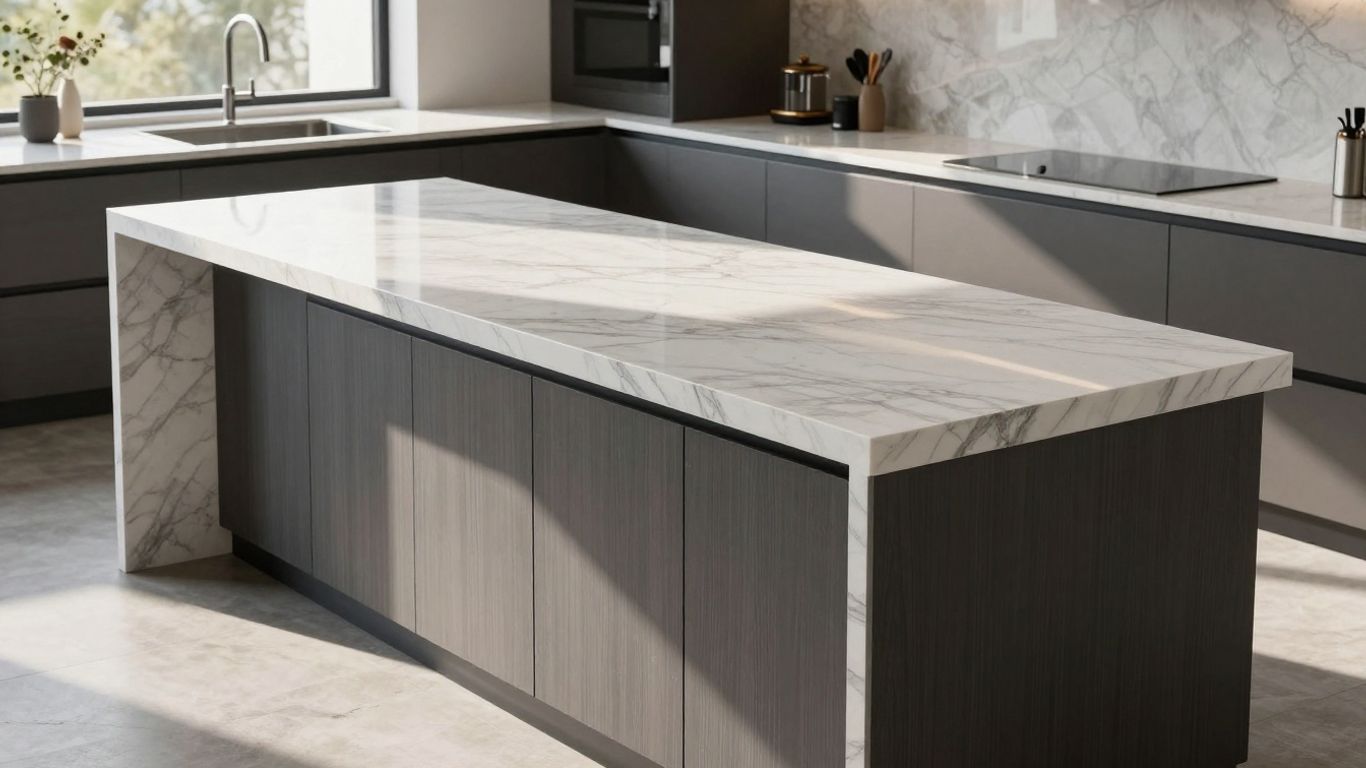
Silestone really shines when it comes to looks. They've got this huge range of colors and patterns, so you're almost guaranteed to find something that fits your kitchen vibe. Whether you're into sleek, modern looks or something that mimics natural stone, they've got you covered. Think about deep, solid colors that make a statement, or subtle patterns that add a bit of texture without being too loud. They even have designs that look a lot like marble, but without all the fuss of caring for real marble. It’s pretty cool how they can create such variety.
- Classic Whites and Grays: Perfect for a clean, timeless look.
- Bold Blacks and Deep Blues: For a dramatic, sophisticated kitchen.
- Earthy Tones: Warm browns and beiges to create a cozy atmosphere.
- Marble-Inspired Veining: Get the look of luxury stone with quartz durability.
It's not just about the color, either. The way Silestone surfaces are made means they can have different finishes, too. Some are super glossy, others have a more matte feel. This variety means you can really tailor the look to your specific taste and the overall design of your home. It’s a big reason why so many people choose Silestone quartz countertops for their kitchens and bathrooms.
Unique Light Reflectivity
One thing that sets Silestone apart is how it plays with light. Because it's made with quartz, it has this natural sparkle that catches the light in a really nice way. It’s not just a flat surface; it has a bit of depth and shimmer. This can make your kitchen feel brighter and more open, especially if you have good lighting. It’s a subtle detail, but it makes a big difference in how the whole space feels. It’s like the surface has a bit of life to it.
The way Silestone interacts with light can really change the mood of your kitchen. It adds a touch of elegance that you don't always get with other materials. It's a small detail that contributes to a more polished and inviting atmosphere.
Timeless Style for Any Kitchen
No matter your kitchen's style, Silestone can fit right in. It’s one of those materials that just works. You can pair it with modern, flat-panel cabinets for a super sleek look, or go for a more traditional shaker style. Even with dark wood cabinets or bright white ones, Silestone tends to complement them well. It’s a material that doesn’t really go out of fashion. You get the look you want now, and it’s likely to still look good years down the line. This means you’re not just picking a countertop; you’re choosing a style that has staying power. It’s a solid choice for anyone looking for a kitchen that feels both current and classic. The diverse palette of colors and designs means it’s easy to find a match for almost any aesthetic.
Maintenance and Care for Your Silestone Investment
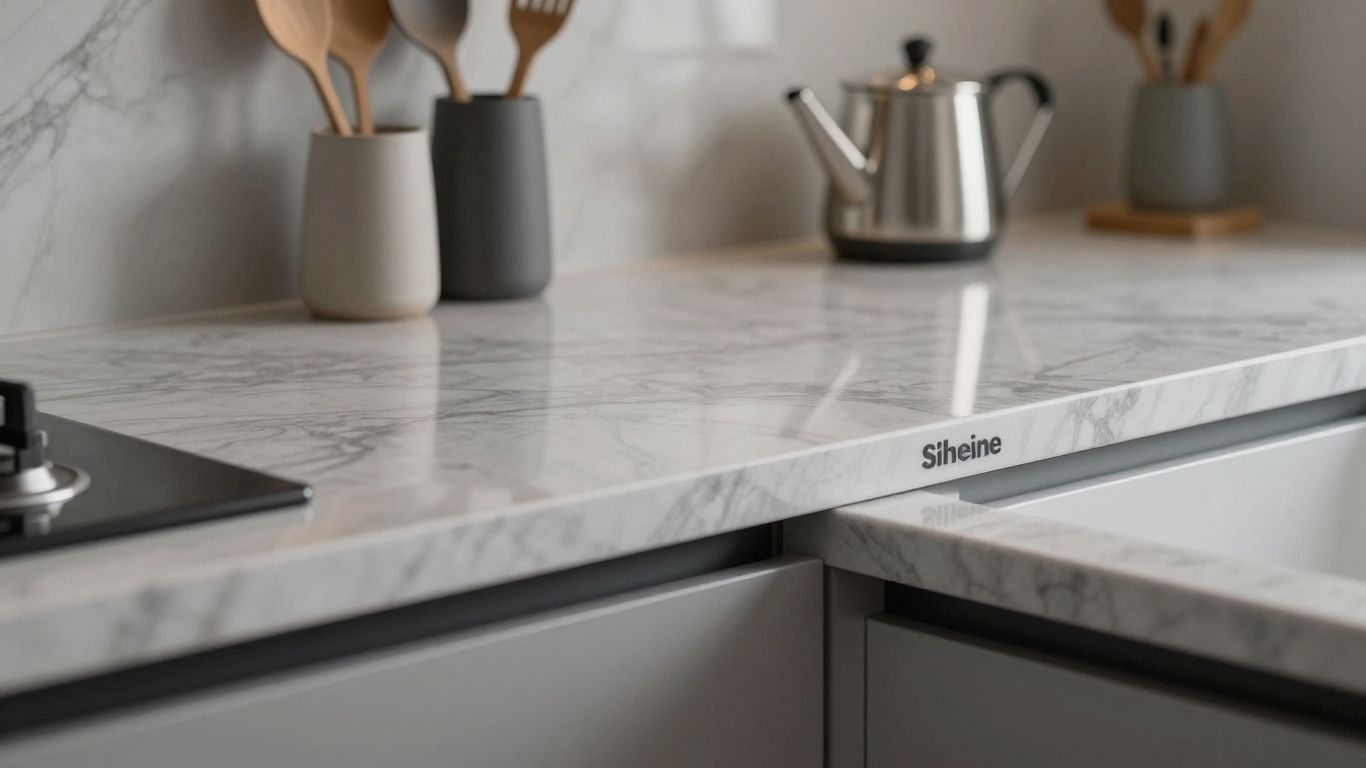
So, you've picked out your dream Silestone countertops. Awesome choice! Now, let's talk about keeping them looking spiffy without a whole lot of fuss. Honestly, one of the best things about Silestone is how easy it is to look after. It’s not like some fussy materials that demand constant attention.
Effortless Cleaning and Non-Porous Nature
Because Silestone is non-porous, spills just sit on the surface. Think coffee, wine, olive oil – no problem. They won't soak in and leave a permanent mark. For everyday cleaning, a damp cloth with a bit of mild soap is usually all you need. Seriously, it’s that simple. You can just wipe it down after cooking, and it’s good to go. For tougher spots, a pH-neutral cleaner works wonders. Just avoid anything too harsh, like abrasive cleaners or scrubbers, as they can dull the finish over time. It’s all about gentle, consistent care. You can find some great tips for maintaining your Silestone surface online.
No Need for Sealants or Special Treatments
This is where Silestone really shines compared to some other materials. You don't need to worry about sealing it periodically. That's right, no sealants, no special waxes, nothing. The material itself is engineered to resist stains and bacteria, so it's pretty much maintenance-free in that regard. This saves you time and money, which is always a win in my book. It’s a set-it-and-forget-it kind of deal, mostly.
Handling Hot Items on Silestone
While Silestone is quite tough, it's not invincible, especially when it comes to extreme heat. It can handle brief exposure to high temperatures, but it's best to play it safe. Always use trivets or hot pads when placing hot pots, pans, or dishes directly from the oven or stovetop onto the surface. This protects against potential thermal shock, which, like with any stone material, could cause damage. It’s a small step that goes a long way in preserving the beauty of your countertops for years to come. Think of it as giving your countertops a little break from the heat.
Why Silestone Worktops Are a Superior Choice
So, you're thinking about kitchen worktops and wondering if Silestone is the right fit. It's a big decision, and honestly, there are a lot of options out there. But when you look at what Silestone brings to the table, it really stands out. It’s not just about looking good; it’s about a smart, long-term choice for your home.
Eco-Conscious Features of Silestone
It's good to know that Silestone is made with sustainability in mind. The company uses recycled materials in its production process, which is a nice touch. Plus, Silestone is certified as a low-emitting product by organizations like NSF International and GREENGUARD. This means it doesn't release a lot of volatile organic compounds (VOCs) into your home's air. This focus on environmental responsibility and indoor air quality is a big plus for many homeowners today.
Silestone vs. Other Countertop Materials
When you compare Silestone to other popular choices, its strengths become even clearer. Take granite, for example. While natural stone is beautiful, it often requires regular sealing to prevent stains, and its patterns can be unpredictable. Silestone, on the other hand, is engineered to be non-porous, meaning spills just sit on the surface and wipe away easily. It’s also more consistent in color and pattern than natural stone. Compared to materials like laminate, Silestone offers far superior durability and a more premium feel. Even compared to solid surfaces like Corian, Silestone's high quartz content gives it better resistance to scratches and heat. It’s a material that gives you the look and feel of natural stone without many of the drawbacks. You can find a wide range of Silestone colors and patterns to match your kitchen's style.
A Smart Investment for Discerning Homeowners
Ultimately, choosing Silestone is about making a smart investment in your home. These worktops are built to last, often for 25 years or more, and they come with a warranty. The combination of extreme durability, low maintenance, and timeless style means you won't be looking to replace them anytime soon. They hold up well against daily kitchen chaos – think dropped pots, spilled wine, or a hot pan slid off the stove. While the initial cost might be higher than some alternatives, the longevity and ease of care make Silestone a cost-effective choice over time. It’s a surface that truly performs, day in and day out, making your kitchen a more enjoyable and resilient space.
Silestone offers a unique blend of natural quartz and other premium minerals, resulting in a surface that is not only beautiful but also incredibly strong and practical for everyday life. Its engineered nature allows for consistent quality and performance that natural materials can sometimes lack.
So, Is Silestone the Right Pick for Your Kitchen?
Alright, so we've talked a lot about Silestone. It's tough, it looks good, and honestly, it's pretty easy to keep clean, which is a big win in my book. You get that high-end vibe without all the fuss of constant sealing or worrying about every little spill. Plus, with all the colors and patterns out there, finding one that fits your kitchen's style shouldn't be too hard. While it might cost a bit more upfront, thinking about how long it lasts and how little maintenance it needs, it really does seem like a solid choice for most kitchens. It’s definitely worth considering if you want something that’s both good-looking and can handle daily life.
Frequently Asked Questions
What exactly is Silestone made of?
Silestone is mostly made of quartz, which is a super hard natural mineral. It also has some other bits and pieces, like recycled materials, mixed in. Think of it like a really strong, engineered stone.
Is Silestone really as tough as they say?
Yes, it's incredibly tough! Silestone is really good at resisting scratches and stains, so everyday kitchen messes are usually not a problem. It's made from quartz, one of the hardest things on Earth, so it can handle a lot.
Do I need to do special cleaning for Silestone?
Nope! Silestone is super easy to keep clean because it's not porous, meaning liquids can't soak into it. Just a little soap and water is usually all you need. You don't have to seal it like some other countertops.
Can I put hot pots and pans directly on Silestone?
While Silestone can handle some heat for short periods, it's best not to. Just like other strong materials, extreme heat can cause it to crack. Always use a trivet or hot pad to be safe.
Does Silestone come in many colors and styles?
Absolutely! Silestone offers a huge variety of colors and patterns. You can find almost any look you can imagine, from plain white to marbled designs, so it can fit into any kitchen style.
Is Silestone a good long-term choice for my kitchen?
Definitely. Silestone is built to last for many years, often over 25, with its strong, low-maintenance surface. Because it holds up so well and stays looking good, it's a smart investment for your home.


