

Understanding Kitchen Countertop Depth: What You Need to Know
GMS Kumar
So, you're thinking about your kitchen counters, huh? It's easy to overlook something like depth, but honestly, it makes a bigger difference than you might think. The standard kitchen countertop depth is usually around 25.5 inches, and it's a good starting point for most kitchens. But depending on how you use your kitchen, the appliances you have, and even who's using it, you might need to tweak that measurement. Let's break down why the standard kitchen countertop depth is what it is, and when it makes sense to go a little deeper or even shallower.
Key Takeaways
- The standard kitchen countertop depth is typically 25.5 inches, which includes a 24-inch base cabinet and a 1.5-inch overhang.
- This standard depth balances workspace, appliance fit, and ease of reach for most people.
- Consider deeper countertops (26-28 inches) if you need more prep space or have larger appliances.
- Shallower depths might be better for very small kitchens or specific accessibility needs.
- Deviating from the standard kitchen countertop depth can affect costs and potentially resale value, so weigh your options carefully.
Understanding Standard Kitchen Countertop Depth
Defining Kitchen Countertop Depth
So, what exactly are we talking about when we say "countertop depth"? It's pretty straightforward, really. It's the measurement from the very front edge of your counter, including any little bit that sticks out, all the way to the back edge where it meets the wall or backsplash. This measurement is directly tied to the size of the cabinets sitting underneath it. Think of it as the counter's footprint from front to back.
The Standard Measurement Explained
In most homes, you'll find that kitchen countertops are typically 25.5 inches deep. This isn't just a random number; it's a measurement that works well with the standard 24-inch deep base cabinets. That extra half-inch gives you a slight overhang, which is actually pretty important. It helps protect your cabinet doors and drawers from spills and makes them easier to open without bumping into the counter edge. It's a small detail, but it makes a difference in daily use.
Here's a quick breakdown of the standard measurements:
| Component | Standard Measurement |
|---|---|
| Kitchen Countertop | 25.5 inches |
| Base Cabinet | 24 inches |
| Countertop Overhang | 1.5 inches |
Why 25.5 Inches Is The Industry Standard
This 25.5-inch depth is the go-to for a few good reasons. For starters, it's a sweet spot for ergonomics. It means most people can comfortably reach the back of the counter without overextending, which is great for tasks like chopping veggies or wiping down the surface. It also means you're not left with a huge, hard-to-reach space at the back. Plus, this depth is just right for fitting in most common kitchen appliances, like your coffee maker or toaster, without them hogging all your prep space. It's a practical choice that balances usability and space.
The standard 25.5-inch depth is a well-thought-out measurement that considers how we actually use our kitchens every day. It's about making sure there's enough room for your appliances, enough space to work, and that you can comfortably reach everything without straining.
This standard depth also helps ensure that appliances like your refrigerator or range, which are often slightly recessed into the wall, have the necessary clearance behind them for things like plumbing and electrical hookups. It's all about making sure everything fits together smoothly and functions properly. If you're planning a kitchen remodel, understanding this standard is a good starting point before you start looking at different countertop materials.
Factors Influencing Your Kitchen Countertop Depth
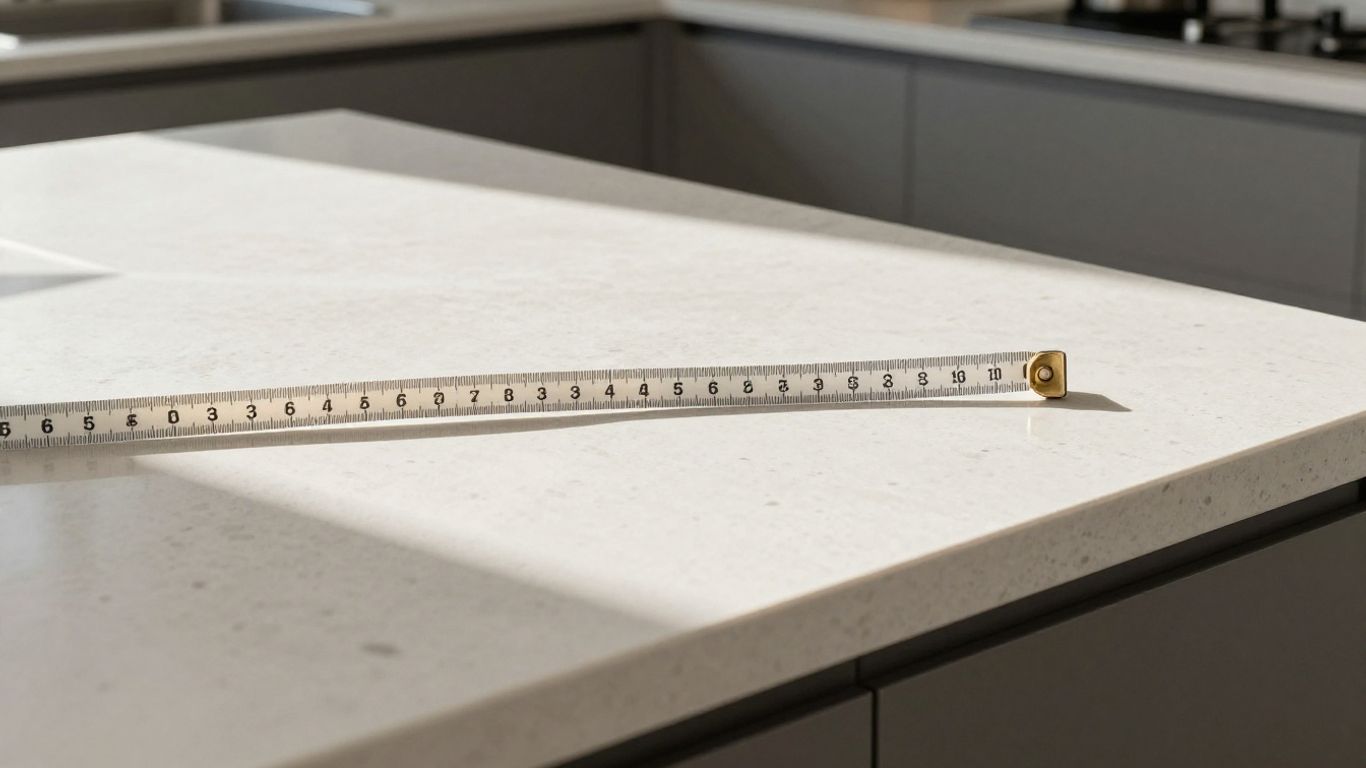
So, you've got the standard 25.5-inch depth in mind, but is it really the best fit for your kitchen? It's not always a one-size-fits-all situation. Several things can nudge you towards a different depth, making your kitchen work better for you.
Kitchen Layout and Size Considerations
Think about the shape and size of your kitchen. In a smaller space, like a galley kitchen, sticking to the standard depth is usually a good idea. It keeps walkways clear and stops the room from feeling like a tunnel. But if you have a more open layout or a big island, you might have room to play with a deeper counter without making things feel cramped. It's all about balancing that workspace with the need to move around freely. A larger kitchen can often handle a deeper counter, giving you more elbow room for prep work or even a spot to set out serving dishes during parties. On the flip side, a tight space needs careful planning to avoid feeling cluttered.
Ergonomics and User Comfort
This is a big one. How do you actually use your kitchen? If you're tall, a counter that's a bit deeper might feel more natural, stopping you from hunching over too much. Shorter folks might find it easier to reach the back of a slightly shallower counter. The goal is to find a depth that lets you work comfortably without straining. It should feel right when you're chopping veggies or mixing ingredients. If the counter is too deep, you might find yourself leaning way over to reach the backsplash, which isn't ideal for long cooking sessions. It’s about making the kitchen fit the people using it, not the other way around.
Appliance Dimensions and Fit
Your appliances have their own dimensions, and your countertops need to play nice with them. Most standard appliances, like dishwashers and refrigerators, are designed to fit with a 25.5-inch counter. But what if you have a professional-grade range or a super deep fridge? You might need a deeper countertop to make sure the appliance doesn't stick out awkwardly. A counter that's too shallow can leave a gap behind the appliance, making it look unfinished. It's also worth considering the small appliances you use daily. Do you have a stand mixer that takes up a lot of space? A bit more depth can give you room for those gadgets without sacrificing your prep area. You want everything to look and function as a cohesive unit, and that includes how your appliances sit within the cabinetry. Proper dimensions ensure comfortable use.
Choosing the right countertop depth isn't just about aesthetics; it's about creating a functional workspace that supports your daily activities. It impacts everything from how comfortably you can chop vegetables to whether your appliances fit seamlessly into your design.
When to Deviate From The Standard Depth
So, the standard 25.5-inch countertop depth is great for most kitchens, but sometimes, you just need to go off-script. It's not a hard and fast rule that applies to every single kitchen out there. Thinking about changing things up? Here are a few reasons why you might want to adjust that depth.
Accommodating Larger Appliances
Sometimes, the appliances you want just don't fit the standard mold. If you're eyeing a professional-grade range or a refrigerator that's a bit chunkier than average, you might need more depth. This isn't just about fitting them in; it's about making sure they're properly integrated without sticking out awkwardly or causing workflow issues. You might need an extra inch or two to allow for ventilation or to keep the appliance flush with the surrounding cabinets. It’s all about making sure your big ticket items work with your kitchen, not against it.
Maximizing Prep and Workspace
Are you someone who loves to spread out when you cook? Maybe you're always juggling a stand mixer, a cutting board, and a pile of ingredients. If that sounds like you, a deeper countertop could be a game-changer. It gives you more room to chop, mix, and plate without feeling like you're constantly running out of space. More counter depth means more room to actually do things. This is especially true if you use large cutting boards or frequently have multiple small appliances out at once.
Custom Cabinetry and Unique Designs
Not all cabinets are created equal, especially if you're working with custom pieces or in an older home. Sometimes, the cabinets themselves are a different depth, and your countertop needs to match. Or maybe you're going for a really specific look, like a waterfall edge that extends further down the side of the cabinet. These design choices can influence how deep your countertop needs to be. It’s about making sure everything looks cohesive and functions as intended. You might even consider shallower cabinets in very tight spaces to increase walkway room, which would then require a shallower countertop to match. This distinction between cabinet and finished countertop depth is important here.
When you start thinking about custom depths, it's easy to get carried away. It's always a good idea to sketch out your kitchen and mark where everything will go. Think about how you move around the space and where you do most of your work. Sometimes, just a little extra depth in one specific area can make a big difference without costing a fortune.
Here's a quick look at how different needs might influence depth:
- Extra Prep Space: Aim for 27-30 inches or more.
- Appliance Housing: Measure your appliance carefully; you might need 28-30 inches.
- Tight Kitchens: Consider 22-24 inches to improve flow.
- Seating Overhangs: This is a whole other ballgame, but generally, you'll need extra depth for the overhang itself, often adding 12-18 inches beyond the base cabinet depth. For example, a standard 24-inch cabinet with a 12-inch overhang for seating would result in a 36-inch total depth in that section. Standard kitchen counters are usually 24 inches deep, so adding seating significantly increases the required depth.
Kitchen Island Countertop Depth Nuances
Kitchen islands are often the heart of the kitchen, and their countertop depth plays a big role in how well they function. Unlike the more fixed depths of perimeter counters, island depths have a bit more wiggle room, which is great for adding extra utility. The extra inches on an island can make a huge difference in prep space and overall usability.
Island Depth for Extra Workspace
Standard kitchen island countertops usually measure between 27 and 28 inches deep. This gives you a good amount of extra room compared to the typical 25.5-inch perimeter counter. Think about it: that extra few inches can mean the difference between feeling cramped while chopping vegetables and having plenty of space to spread out ingredients or even place a stand mixer without it hogging all the room. It’s all about making your cooking and prep time smoother.
Incorporating Seating and Overhangs
If your island is going to double as a dining spot or a casual breakfast bar, you'll need to think about depth differently. For comfortable seating, you generally want at least 15 inches of clear knee space behind the seated person. This means the countertop itself needs to be deeper. A common recommendation is to have the island countertop be at least 30 inches deep to accommodate this seating area, including any overhang. This ensures people can sit without their knees constantly bumping into the cabinet base. It’s a detail that really impacts the comfort and practicality of the island.
| Feature | Recommended Depth | Notes |
|---|---|---|
| Standard Island | 27-28 inches | Provides extra prep space over perimeter counters. |
| Island with Seating | 30+ inches | Includes space for knee clearance and overhang for comfortable seating. |
Balancing Depth with Kitchen Flow
While it's tempting to go as deep as possible on an island for maximum workspace, you have to consider the overall flow of your kitchen. A super deep island in a smaller kitchen can make it feel crowded and hard to move around. You need enough space to walk comfortably between the island and other cabinets or appliances. Generally, you'll want at least 36 inches of walkway space, but 42-48 inches is even better for a more comfortable feel. So, it's a balancing act between getting that generous workspace and keeping your kitchen easy to navigate.
When planning your island's depth, always measure your kitchen space carefully. Consider not just the island itself, but also how much room you need to move around it. A well-proportioned island feels integrated, not intrusive.
Choosing the right depth for your island is a key part of kitchen design. It affects how you cook, entertain, and simply move around your kitchen. Don't be afraid to think beyond the standard measurements if your space and needs call for it. Sometimes, a little extra depth can really transform how you use your kitchen, making it more functional and enjoyable. For more on standard measurements, check out NKBA guidelines.
Accessibility and Custom Depth Solutions
When we talk about kitchen countertops, it's easy to get caught up in materials and colors. But what about how the counter actually works for you? Especially if you or someone in your household has specific needs, like using a wheelchair or being on the shorter side, the standard depth might not cut it. Thinking about accessibility from the start means creating a kitchen that's not just pretty, but truly functional for everyone.
Adjusting Depth for Wheelchair Users
For folks who use wheelchairs, a standard 25.5-inch countertop depth can be a real challenge. Reaching the back of the counter from a seated position can be difficult, making tasks like chopping vegetables or even just placing items feel awkward. Often, a shallower depth, around 24 inches, is recommended. This allows for better reach and also provides that much-needed knee clearance underneath. It's all about making sure the workspace is within comfortable reach. This thoughtful adjustment can make a huge difference in daily kitchen use.
Ergonomic Considerations for Shorter Individuals
It's not just wheelchair users who benefit from custom depths. Shorter individuals might also find standard counters a bit too deep, leading to strain when trying to reach the backsplash or upper cabinets. A slightly shallower counter can make a big difference in comfort and ease of use. It's about finding that sweet spot where you don't have to overextend yourself to do everyday kitchen tasks. Sometimes, just an inch or two less depth makes a kitchen feel much more user-friendly.
Creating Accessible Work Zones
Beyond just depth, think about how different areas of your kitchen can be made more accessible. This might mean having a lower prep zone for someone in a wheelchair, or perhaps a section of counter that's a bit deeper for someone who needs more space for appliances. It's about creating zones that cater to specific needs. For example, a section of counter might be designed with a specific height and depth to perfectly fit a stand mixer, making it easy to use and store. This kind of tailored approach is key to a truly accessible kitchen design, and it's something that expert advice can really help with.
Designing for accessibility isn't an afterthought; it's about building a kitchen that welcomes and supports everyone who uses it. It means looking beyond the standard measurements and considering the unique ways people interact with their space.
The Impact of Custom Depth on Cost and Resale
So, you're thinking about going custom with your countertop depth. It sounds like a great idea to get everything just right for your kitchen, but it's worth looking at how it affects your wallet and what happens when you eventually sell your home.
Understanding Custom Slab Cutting Costs
When you move away from the standard 25.5-inch depth, you're often looking at custom cuts from larger slabs of material. This isn't usually a simple trim job. Fabricators have to work with the raw material, and deviating from standard sizes can mean more waste. Think about it: if a slab is designed to yield a certain number of standard-sized pieces, cutting it differently might leave awkward offcuts that are hard to use elsewhere. This extra material waste, plus the specialized labor involved in making those custom cuts, naturally adds to the overall price tag. It’s not just about the material itself, but the process of shaping it to your unique needs.
Balancing Personal Needs with Future Appeal
It's easy to get caught up in making your kitchen perfect for you, right now. Maybe you need an extra few inches for a specific appliance or just want a more expansive prep area. That's totally understandable. However, it's also smart to consider how these custom choices might be viewed by potential buyers down the line. While a unique depth might work wonders for your current cooking style, it could be a point of concern or confusion for someone else. A kitchen is a significant investment, and buyers often look for functionality that fits a broad range of needs. It’s a bit of a balancing act – creating a space you love while also keeping its general appeal in mind for the future. Sometimes, a slight adjustment that feels custom to you can still align with broader design principles that appeal to more people.
The Role of a Designer in Customization
This is where a good designer really earns their keep. They can help you figure out if that custom depth is truly necessary or if there's a way to achieve a similar benefit with standard dimensions. They also know how to make custom choices look intentional and high-end, rather than like an afterthought or a mistake. A designer can help you understand the trade-offs, not just in terms of cost, but also in terms of workflow and aesthetics. They can also advise on materials and fabrication methods that might minimize waste and cost for custom cuts. Plus, they have a feel for what buyers generally look for, helping you make choices that are both personal and practical for resale. Working with a fabricator your designer trusts is a good step to take.
Here are some things to think about when considering custom depths:
- Material Waste: Custom cuts often lead to more leftover material, increasing the base cost.
- Labor Intensity: Non-standard cuts can require more time and specialized skills from fabricators.
- Appliance Fit: Ensure any custom depth accommodates standard or specific appliance sizes without issue.
- Ergonomics: While custom can improve comfort, ensure it doesn't create reachability problems for others.
- Resale Value: Consider if the custom feature adds or detracts from general market appeal.
Making significant changes to standard dimensions can sometimes lead to unexpected complications. It's always a good idea to get a clear picture of the costs and potential drawbacks before committing to a custom solution that deviates significantly from the norm. Consulting with professionals can help avoid costly mistakes. Countertop upgrades are often seen as a smart investment, but custom work needs careful consideration.
So, What's the Takeaway?
Alright, so we've talked a lot about countertop depth. It turns out it's not just a random number; it really matters for how you use your kitchen. The standard 25.5 inches is a good default for most people, fitting standard cabinets and appliances just fine. But if you're a serious cook, have a super small kitchen, or need things to work a certain way for accessibility, you might want to tweak that depth. Going custom can cost more, sure, but getting it right means a kitchen that feels good to work in and looks great. Don't just guess; measure and think about how you actually use your space. It’s a detail that makes a big difference in the end.
Frequently Asked Questions
What is the normal depth for kitchen counters?
Most kitchen counters are about 25.5 inches deep. This measurement includes the cabinet underneath and a small part that sticks out, called an overhang. It's a good size that works for most kitchens and common appliances.
Why is 25.5 inches the standard depth?
This depth is standard because it works well for most people's reach, fits common kitchen appliances without sticking out too far, and helps protect the cabinets in front. It's a balance that makes kitchens easy to use and build.
Can I have counters that are deeper or shallower than the standard?
Yes, you can! If you need more space for cooking or have big appliances, deeper counters (like 27-28 inches) can be great. If your kitchen is very small, shallower counters might help you move around better.
How does countertop depth affect kitchen islands?
Kitchen islands often have deeper counters, usually around 27-28 inches, to give you more room for preparing food or placing appliances. If you want to add seating at the island, you'll need even more depth, often 30 inches or more, for legroom.
What if I need counters for someone in a wheelchair?
For better accessibility, counters might be made shallower (around 24 inches) or lower. This makes sure someone in a wheelchair can easily reach the counter and has enough space underneath for their knees.
Does changing the countertop depth cost more?
Yes, going with a depth that isn't standard usually costs more. This is because the material might need to be cut specially, which can create more waste and increase the price. It's good to think about if the extra cost is worth the benefit for you.


