

Effortless Shine: Your Ultimate Guide on How to Clean Quartzite Countertops
GMS Kumar
Quartzite countertops bring a timeless beauty and natural strength to any kitchen or bathroom. They're known for being tough and looking good, resisting scratches and daily use. But even though they're durable, quartzite needs the right kind of care to keep its shine and texture. Everyday activities can lead to spills and stains, and without the right approach, these can dull the surface over time. This guide will walk you through how to clean quartzite countertops, covering everything from daily wipe-downs to tackling tougher spots, so you can keep them looking their best.
Key Takeaways
- To keep your quartzite countertops looking good, a daily wipe-down with mild dish soap and warm water using a soft cloth is best. This helps prevent dirt from building up.
- Always use cutting boards when prepping food and trivets for hot items. This protects the surface from scratches and heat damage.
- Avoid harsh cleaners like vinegar, lemon juice, or bleach. These acidic or abrasive products can damage the stone's surface and protective seal.
- For stubborn stains, try a paste of baking soda and water. For more difficult issues, use a stone-safe stain remover, following the product's directions carefully.
- Regular sealing, usually every 1-2 years, is important. It adds a protective layer to prevent stains and moisture from soaking into the stone.
Understanding Quartzite Countertops
What Makes Quartzite Unique
Quartzite is a natural stone that's formed deep within the earth. Basically, sandstone gets squeezed and heated up over a really long time, turning into this super hard rock. What's cool about it is that it looks a lot like marble, with those beautiful swirly patterns, but it's way tougher. It's actually harder than granite, which means it's pretty resistant to scratches and doesn't get easily damaged by hot pans. This natural toughness is a big reason why people choose it for their kitchens and bathrooms. Unlike engineered quartz, every slab of quartzite is one-of-a-kind, so you get a truly unique look for your home.
Why Quartzite Needs Special Care
Even though quartzite is tough, it's still a natural stone, and that means it has a few quirks. One of the main things to know is that it can be a bit porous. This means liquids, especially things like wine, oil, or acidic juices, can soak in if you don't clean them up quickly. If that happens, you might end up with stains or even etching, which is like a dull spot on the surface. Because of this, quartzite needs to be sealed regularly to create a barrier against spills. It's not super high maintenance, but you can't just ignore it. You have to be mindful of what you're putting on it and how you're cleaning it. Using the wrong cleaners can strip away the sealant or even damage the stone itself. So, while it looks amazing and is super durable, a little bit of attention goes a long way in keeping it looking its best.
- Durability: Harder than granite, resisting scratches and heat.
- Aesthetics: Unique, marble-like patterns with natural variations.
- Porosity: Can absorb liquids if not sealed properly, leading to stains.
- Maintenance: Requires regular sealing and gentle cleaning to preserve its look.
While quartzite is known for its impressive durability and heat resistance, it's important to remember it's still a natural material. Its porous nature means prompt cleanup of spills is key to preventing stains and maintaining the surface's integrity. Regular sealing is also a vital step in protecting your investment.
Essential Supplies for Cleaning Quartzite
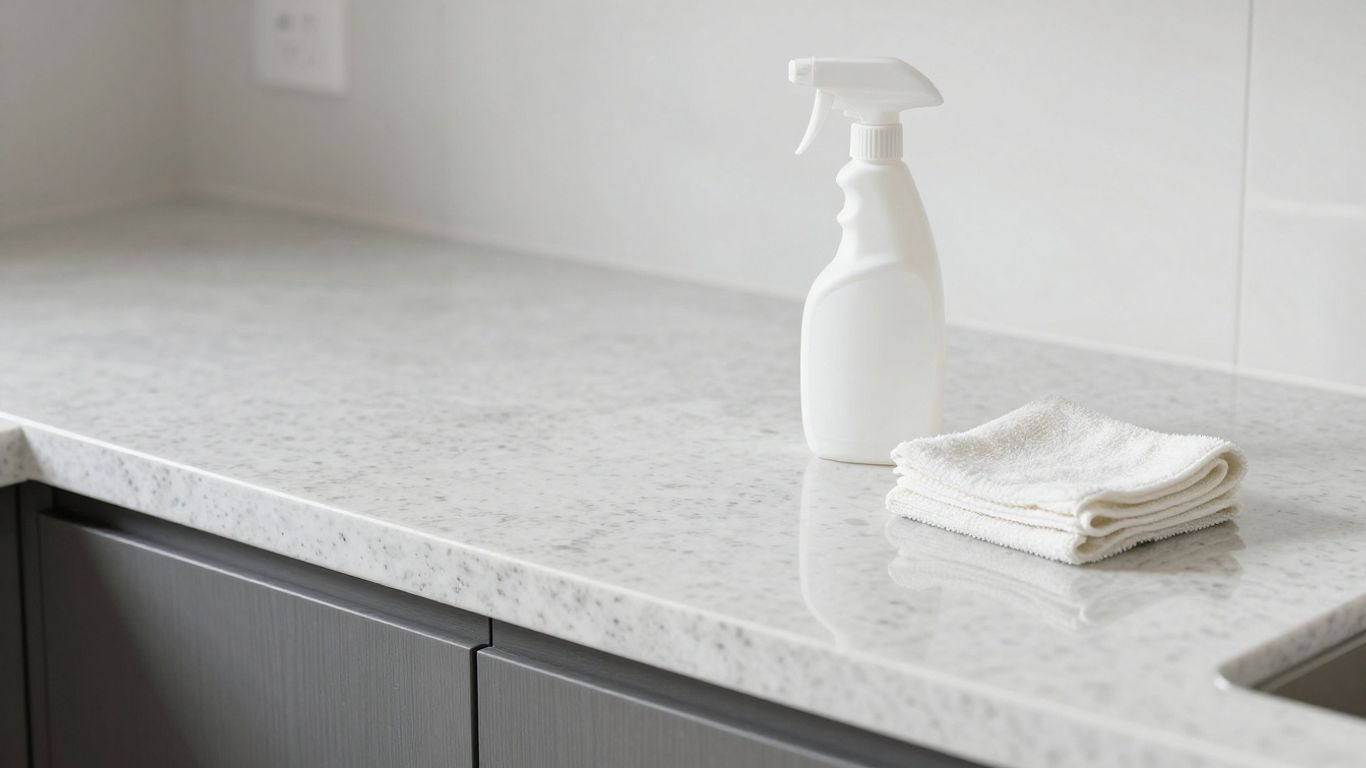
Alright, so you've got these gorgeous quartzite countertops, and you want to keep them looking their best. It's not rocket science, but you do need the right stuff. Using the wrong cleaners is a surefire way to dull that shine or even damage the stone, and nobody wants that. Think of it like using the right tools for a job – you wouldn't try to hammer a nail with a screwdriver, right? Same idea here.
Gathering Your Cleaning Tools
First things first, let's talk about what you'll need to have on hand. It's a pretty short list, which is nice. You don't need a whole cabinet full of specialized gadgets.
- Soft Microfiber Cloths: These are your best friends. Seriously, grab a few. They're gentle enough not to scratch the quartzite, and they're great for both washing and drying. Plus, they buff out nicely for that extra sparkle.
- Non-Abrasive Sponge or Soft Brush: For those times when a simple wipe isn't enough, you'll want something that can tackle dried-on bits without being harsh. Think of a soft-bristled brush or a sponge that doesn't have any rough scrubby bits.
- Spray Bottle (Optional but Handy): If you like to mix your own cleaning solution, a spray bottle makes it super easy to apply it evenly across the surface without drenching it.
Choosing the Right Cleaning Solutions
This is where people sometimes go wrong. You might be tempted to grab whatever cleaner is under your sink, but hold up! Quartzite needs a gentler touch. Using a pH-neutral cleaner is key to preserving your countertop's finish.
Here’s what to look for:
- pH-Neutral Stone Cleaner: These are specifically made for natural stone like quartzite. They get the job done without stripping away the sealant or etching the surface. You can find good ones at most home improvement stores or online. Some brands even make specific disinfectant cleaners for stone that are safe to use.
- Mild Dish Soap (Used Sparingly): In a pinch, a tiny amount of mild dish soap mixed with warm water can work for daily wipe-downs. Just be sure to rinse thoroughly afterward so no residue is left behind.
- Warm Water: Honestly, for everyday spills and crumbs, a damp cloth with warm water is often all you need. It's the simplest and safest option.
What you absolutely want to avoid are harsh chemicals. Things like vinegar, ammonia, bleach, or abrasive cleaners can cause permanent damage, like dull spots or etching. It’s better to be safe than sorry when it comes to your beautiful stone.
Remember, the goal is to clean effectively without causing any damage. Sticking to these simple supplies will help keep your quartzite countertops looking fantastic for years to come. It’s all about being gentle and using the right products, which you can find at most home goods stores.
Daily Cleaning Routine for Quartzite
Keeping your quartzite countertops looking their best doesn't require a lot of fuss. A simple, consistent routine is all it takes to maintain that beautiful shine and prevent everyday messes from becoming bigger problems. Think of it like brushing your teeth – a quick, regular habit that keeps things healthy and looking good.
Wiping Down Surfaces
For your day-to-day cleaning, you really only need a few things. Grab a soft cloth, maybe a microfiber one if you have it, and some warm water mixed with a tiny bit of mild dish soap. You're not trying to scrub away baked-on grime here; it's more about picking up crumbs, dust, and any light splatters from your morning coffee or evening meal prep. Just a gentle wipe-down is usually enough. The key is to be consistent and gentle.
- Gather your supplies: A soft cloth (microfiber is great) and a bowl of warm water with a drop of mild dish soap.
- Wipe away debris: Start by clearing any loose crumbs or dust.
- Gentle cleaning: Use your damp cloth to wipe down the entire surface, paying attention to any visible spots.
Rinsing and Drying Techniques
After you've wiped everything down with your soapy solution, it's important to get rid of any soap residue. You don't want that left behind, as it can sometimes leave a dull film. So, grab a second, clean cloth and dampen it with just plain water. Give the countertops another wipe-down to rinse away the soap. Once that's done, immediately follow up with a dry, soft cloth. This step is super important for preventing water spots, which can be a real eyesore on a shiny surface. Buffing it dry helps bring out that natural luster.
Adding a Finishing Touch for Shine
Once everything is clean and dry, you might notice your countertops looking pretty good already. But if you want that extra bit of sparkle, you can give them a final buff with a dry microfiber cloth. It sounds simple, but this little extra step really helps to make the surface gleam. It’s like polishing a piece of furniture – it just brings out the best in the material. For a truly pristine look, consider using a dedicated stone cleaner designed for natural surfaces. It can help remove any lingering smudges and leave a streak-free finish that really pops.
Regular cleaning prevents buildup and makes deeper cleaning much easier down the road. It’s all about consistent, gentle care to keep your quartzite looking its best without a lot of effort.
Tackling Stubborn Stains on Quartzite
Even with the best daily care, sometimes a stubborn stain can pop up on your beautiful quartzite countertops. Don't panic! Most of these can be dealt with using a little patience and the right approach. The first step is always to figure out what kind of stain you're dealing with, as this will guide your cleaning method.
Creating a Baking Soda Paste
For common culprits like oil-based spills or general food marks, a simple paste made from baking soda and water is often your best bet. Mix about three parts baking soda to one part water until you get a thick, spreadable paste. Apply this directly onto the stain, covering it completely. You can gently cover the paste with plastic wrap to keep it moist. Let it sit for at least 24 hours. The baking soda works by drawing the stain out of the stone. After the waiting period, gently scrape away the dried paste and wipe the area clean with a damp cloth. You might need to repeat this process for older or deeper stains.
Using Stone-Safe Stain Removers
If the baking soda paste doesn't quite do the trick, or if you're dealing with something a bit more specific like organic stains (think coffee, tea, or wine), you might need a specialized cleaner. For organic stains, you can try making a paste using baking soda and hydrogen peroxide instead of water. Apply it the same way as the baking soda and water paste. For other tough stains, look for a commercial stain remover that's specifically labeled as safe for natural stone or quartzite. Always read and follow the product instructions carefully, and it's a good idea to test any new cleaner on a small, hidden spot first to make sure it doesn't affect the stone's finish. You can find stone-safe stain removers online or at specialty home improvement stores.
Addressing Etching Marks
Etching is a bit different from staining. Instead of discoloration, etching looks like dull spots or a hazy film on the surface, often caused by acidic substances like lemon juice or vinegar. Unfortunately, etching is damage to the stone's surface itself, not just a mark on top. Because quartzite is harder than granite, it's more resistant to scratches but can still be susceptible to etching. It's really important to avoid acidic cleaners altogether to prevent this. If you notice etching, it's usually best to consult a professional stone restoration specialist. They have special tools and products to carefully buff out or repair the etched areas without damaging the surrounding stone. Trying to fix etching yourself can sometimes make it worse.
Always remember to use soft cloths and gentle motions when cleaning any stain. Scrubbing too hard, even with a mild cleaner, can potentially damage the surface or spread the stain further.
Advanced Care and Protection for Quartzite
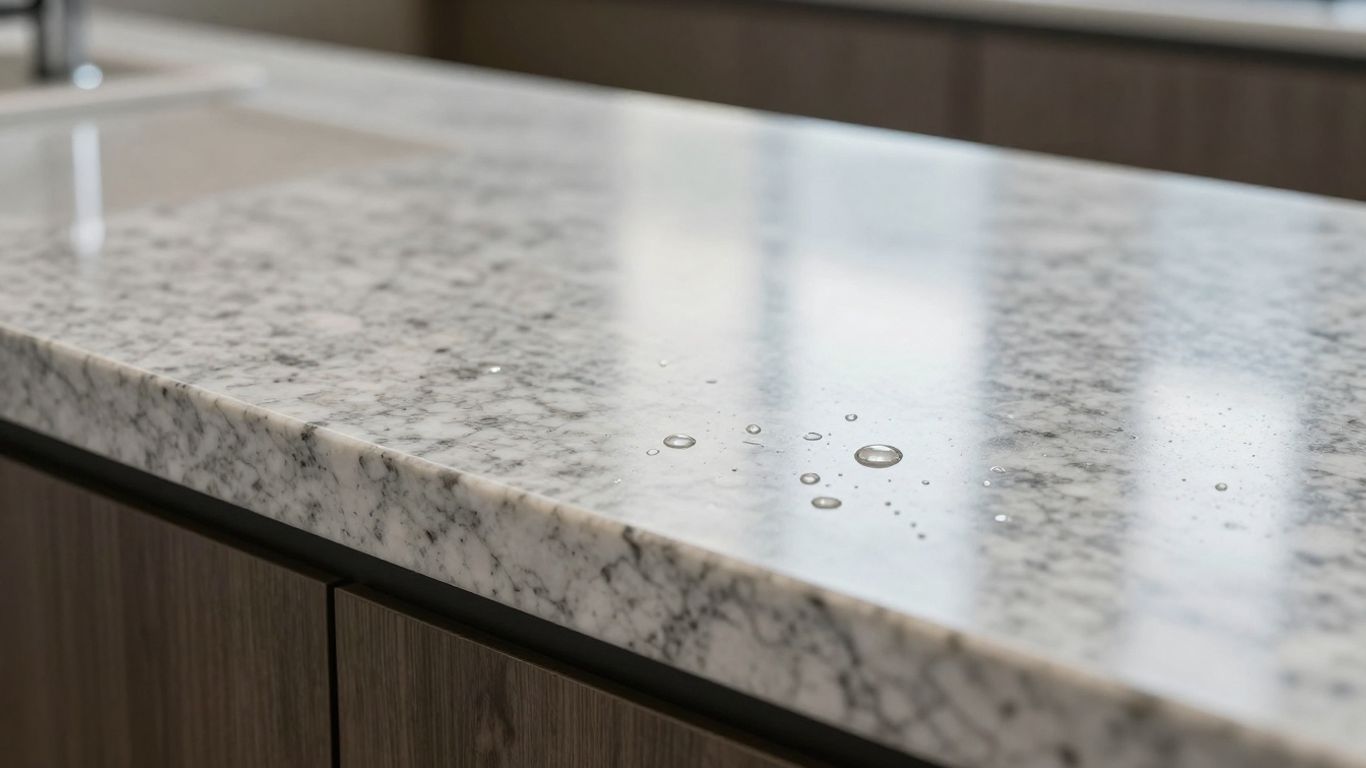
Even though quartzite is super tough, giving it a little extra attention now and then can really keep it looking its best. Think of it like giving your favorite jacket a good polish or a nice conditioning treatment – it just makes it last longer and look better.
Polishing Techniques for Restoring Luster
Over time, daily use can make your quartzite countertops look a bit dull. Don't worry, it's usually not permanent! You can bring back that beautiful shine with a stone-safe polishing product. Just grab a soft cloth or a polishing pad, apply a small amount of the product, and work it over the surface in gentle, circular motions. Follow the product's instructions, and buff until you see that lovely gleam return. Doing this every few months can make a big difference.
Professional Sealing Recommendations
Sealing is a big deal for quartzite. It creates a barrier that stops liquids from soaking in, which helps prevent stains and those annoying etch marks. While you can seal it yourself, sometimes it's best to let the pros handle it. They have the right stuff and know how to get it done right, making sure your countertops are well-protected. A good sealant can last a couple of years, so it's worth looking into professional sealing every so often, maybe every 2 to 3 years, depending on how much you use your kitchen or bathroom.
Protecting Against Heat and Scratches
Quartzite is pretty good with heat, but it's not invincible. Always use trivets or hot pads under hot pots and pans straight from the stove or oven. It’s just a simple habit that saves your countertops from potential damage. The same goes for scratches. While quartzite is hard, dragging heavy pots, pans, or even rough-bottomed appliances across the surface can leave marks. Using cutting boards for chopping and being mindful when moving things around will go a long way in keeping your countertops looking pristine.
Remember, even the most durable materials benefit from a little extra care. Simple habits like using trivets and being gentle when moving items can prevent damage and keep your quartzite looking gorgeous for years to come.
Common Mistakes to Avoid When Cleaning Quartzite
Even though quartzite is a tough natural stone, it's not indestructible. Making a few common slip-ups when cleaning can actually do more harm than good, dulling its shine or even causing damage. Let's talk about what not to do so your countertops stay looking great.
Steering Clear of Harsh Chemicals
This is a big one. You might think a strong cleaner will get things sparkling, but for quartzite, it's usually the opposite. Things like vinegar, lemon juice, or bleach are acidic and can break down the sealant on your countertops. Over time, this can lead to dull spots or even etching, which is like a permanent dull mark on the stone. Even ammonia-based cleaners aren't your friend here. Always opt for mild, pH-neutral cleaners. A little bit of gentle dish soap mixed with warm water is often all you need for daily wipe-downs. If you're unsure, stick to products specifically made for natural stone. Using the wrong stuff can really shorten the lifespan of your beautiful stone surfaces.
The Importance of Gentle Motions
When you're cleaning, resist the urge to scrub hard. Using abrasive pads, steel wool, or even rough sponges can create tiny scratches on the surface. These might not be obvious at first, but they add up, making the countertop look less shiny over time. Think of it like this:
- Daily Wiping: Use a soft microfiber cloth. Gentle, circular motions are best.
- Stubborn Spots: For tougher grime, try a bit more soap and water, or a dedicated stone cleaner. Let it sit for a minute before gently wiping.
- Avoid Scrubbing: Never use anything that feels gritty or rough against the stone.
It's also worth remembering not to cut directly on your quartzite. While it's hard, knives can still leave fine scratches. Always use a cutting board. And don't forget to wipe up spills right away, especially things like red wine or oil, as they can stain if left to sit. A little bit of care goes a long way in keeping your countertops looking their best.
Taking shortcuts with harsh chemicals or aggressive scrubbing might seem efficient, but it's a recipe for long-term damage. Gentle, consistent care is the key to preserving the natural beauty and durability of your quartzite.
Keeping Your Quartzite Looking Great
So, there you have it! Keeping your quartzite countertops looking their best doesn't have to be a big chore. By sticking to simple daily wipe-downs with mild soap and water, and remembering to use cutting boards and trivets, you're already doing a lot to protect them. Don't forget to seal them every so often for that extra layer of defense. If you run into a tough stain or notice some dullness, a little baking soda paste or a specialized stone cleaner can usually do the trick. For anything more serious, there are always pros who can help. Just a little consistent care goes a long way in keeping that beautiful shine and making sure your countertops stay a highlight in your home for years to come.
Frequently Asked Questions
What is quartzite and why is it special?
Quartzite is a natural stone that's super strong, kind of like granite, but it looks really pretty, like marble. It's made deep in the Earth from sandstone that gets squished and heated up a lot. Because it's natural, it has tiny little holes that can soak up liquids if you don't clean them up fast.
What are the best things to use for cleaning quartzite?
For everyday cleaning, you just need a soft cloth, some warm water, and a tiny bit of mild dish soap or a cleaner made for stone. It's important to use gentle stuff so you don't hurt the stone. A microfiber cloth is great because it won't scratch.
How often should I clean my quartzite countertops?
It's best to give your countertops a quick wipe-down every day, especially after cooking or making a mess. This helps stop spills from soaking in and causing stains. For deeper cleaning, you can do that every week or as needed.
What should I do if I spill something on my quartzite?
If you spill something, especially liquids like juice, wine, or oil, wipe it up right away with a soft cloth. This is the best way to prevent stains and marks from forming on your beautiful countertops.
Can I use regular cleaning sprays on quartzite?
No, it's really important to avoid harsh cleaners like vinegar, lemon juice, bleach, or anything with ammonia. These strong chemicals can damage the surface of the quartzite, making it look dull or even causing permanent marks. Always stick to mild, stone-safe cleaners.
How can I make my quartzite countertops shine again?
To get that extra sparkle back, you can gently buff the clean, dry countertop with a dry microfiber cloth. For really dull spots, there are special stone polishes you can use, but always make sure they are safe for quartzite. Sometimes, a professional can help restore the shine too.


