

Effortless Shine: Your Ultimate Guide on How to Clean Quartz Worktops
GMS Kumar
So, you've got those gorgeous quartz countertops, huh? They look amazing, and honestly, they're pretty easy to live with. But like anything, they need a little TLC to keep them looking their best. Forget those harsh chemicals you might have used on older counters. Quartz is a bit different, and knowing how to clean quartz worktops properly means keeping that shine for years. We'll walk you through the simple steps to make sure your kitchen or bathroom surfaces stay looking like new, without all the fuss.
Key Takeaways
- Quartz is engineered stone, about 90% quartz crystals and 10% resin, making it durable but sensitive to harsh chemicals and extreme heat.
- Daily cleaning is best done with just warm water and a mild dish soap on a soft cloth to avoid dulling the surface.
- Avoid abrasive cleaners, strong chemicals like bleach or ammonia, and scouring pads, as they can damage the resin and dull the finish.
- Always use trivets under hot pots and pans and cutting boards for food prep to prevent heat damage and scratches.
- For tough spots, use specific stone cleaners or isopropyl alcohol, and gently scrape dried-on gunk with a plastic tool instead of metal.
Understanding Quartz Countertop Care
So, you've got these beautiful quartz countertops, and you want to keep them looking good, right? It’s not rocket science, but knowing a few things upfront makes a big difference. Unlike natural stone, quartz is engineered, which means it’s a bit more forgiving in some ways, but it still needs a little respect.
The Science Behind Quartz Surfaces
Basically, quartz countertops are made from about 90-95% natural quartz crystals mixed with polymer resins and pigments. This process creates a surface that’s super hard and, importantly, non-porous. That non-porous quality is a big deal because it means liquids like wine, coffee, or oil don't soak in easily. This makes them naturally resistant to staining and bacteria growth, which is a huge plus in any kitchen or bathroom. The resins are what bind everything together, giving the surface its strength and flexibility.
Why Proper Care Matters for Your Investment
Think of your countertops as a long-term investment. While quartz is tough, it’s not completely invincible. Taking a few simple steps to care for them properly will keep them looking great for years, saving you hassle and potential repair costs down the line. Skipping out on basic maintenance can lead to dullness, minor damage, or even issues with the resin over time. It’s all about preserving that initial shine and durability you paid for.
Understanding Non-Porous Surfaces and Resin Sensitivity
Because quartz is non-porous, it doesn't need sealing like granite or marble. That’s a major convenience! However, the resins used in manufacturing are sensitive to certain things. Extreme heat can cause the resin to discolor or even crack. Also, harsh chemicals, especially those with high pH levels or strong solvents, can break down the resin over time, dulling the surface or causing damage that’s hard to fix. It’s why sticking to mild cleaners is so important. You want to clean the surface without attacking the very thing that holds it together. For more on general care, you can check out tips for quartz care.
Here’s a quick rundown of what to keep in mind:
- Non-Porous Nature: Great for hygiene and stain resistance.
- Resin Binder: Sensitive to extreme heat and harsh chemicals.
- Engineered Material: Doesn't require sealing, unlike natural stone.
The key takeaway is that while quartz is durable, its engineered nature means it has specific vulnerabilities, primarily related to heat and certain chemicals. Understanding these points helps you avoid common mistakes and keep your countertops looking their best.
Establishing A Daily Cleaning Routine
Keeping your quartz countertops looking their best doesn't require a lot of fuss. Honestly, the biggest secret is just being consistent. You don't need fancy chemicals or a whole afternoon dedicated to scrubbing. A quick wipe-down each day is way more effective than a deep clean once in a while. Think of it like brushing your teeth – a little bit every day keeps things in good shape.
The 'Less Is More' Philosophy for Daily Maintenance
When it comes to quartz, the idea that more cleaning power equals a cleaner surface just isn't true. In fact, using harsh stuff can actually dull your countertops over time. The non-porous nature of quartz means it doesn't really soak up messes, so you don't need to blast it with cleaners. The goal is to gently remove daily grime without leaving any residue behind. This approach helps maintain that lovely sheen without any extra effort.
Gentle Cleansing With Mild Soap Solutions
For your everyday cleaning, grab a soft cloth or a sponge. Mix a tiny bit of mild dish soap with some warm water. Seriously, just a drop or two of soap is plenty. You don't want a ton of suds. Wipe down the surfaces, paying attention to any spots where you've prepped food or set down cups. After you've cleaned, give it a good rinse with plain water to make sure no soap film is left behind. Then, dry it off with a clean, soft cloth, like a microfiber one. This step is key to preventing water spots and streaks, especially if you have hard water.
Preventing Buildup and Maintaining Shine
So, what's the best way to keep things looking good day after day? It's all about consistency and using the right tools. Here’s a simple plan:
- Clear the Decks: Before you do anything else, just wipe away any crumbs or dry bits with a dry microfiber cloth. This stops you from dragging grit across the surface.
- Gentle Wash: Use your mild soap and water solution on a damp cloth. Don't soak the cloth – just damp is perfect.
- Rinse and Dry: Wipe down with a cloth dampened with plain water, then immediately dry the surface thoroughly with a clean, dry microfiber cloth. Buffing it dry is what really makes it shine and prevents any marks from forming.
The biggest mistake people make is using too much soap or not rinsing properly. This leaves a film that can make your counters look dull over time. Stick to the basics, and your quartz will thank you.
Following this simple routine every day, maybe even at night before you head to bed, will make a huge difference. It takes just a couple of minutes, but it keeps your quartz surfaces looking fantastic and ready for whatever the next day throws at them.
Tackling Stubborn Stains and Residue
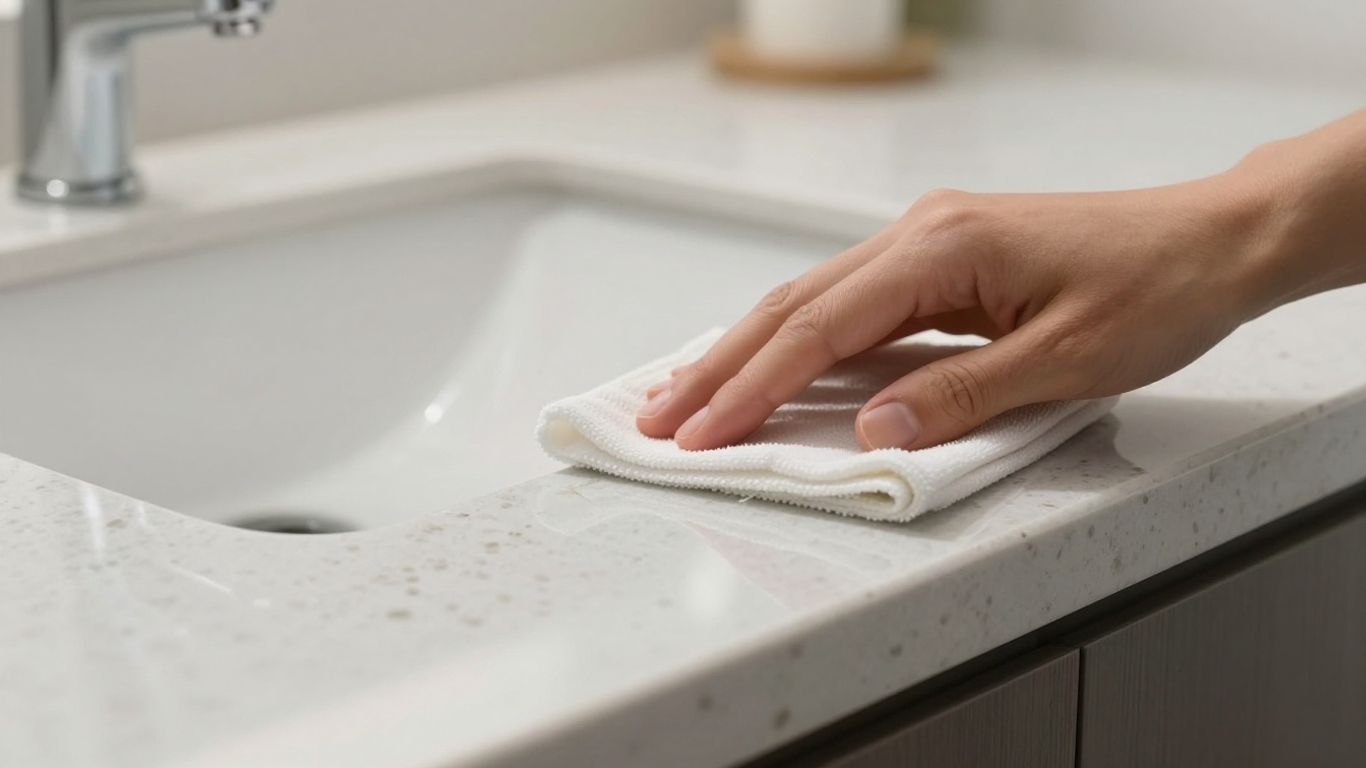
Even with the best daily habits, sometimes life happens. A spilled glass of red wine, a smear of tomato sauce, or even some dried-on candle wax can happen to anyone. When these moments occur, it's natural to want to grab the strongest cleaner you have, but hold on a second. The key to dealing with tough spots on quartz is to act fast and use the right approach.
Immediate Action for Spills
The absolute first thing you should do when something spills is to grab a clean cloth or paper towel and blot it up. Don't wipe, just blot. Wiping can spread the spill and push it into any tiny imperfections. For most common spills like juice, coffee, or wine, a quick blot is often all you need to prevent a stain from forming. If there's any residue left, a simple wipe with a damp cloth and a bit of mild soap should do the trick. It’s all about stopping the liquid from sitting there for too long.
Safe Solutions for Tough Stains
When a spill has had a bit too much time to set, or it's something a bit more stubborn like ink or grease, you might need a slightly stronger approach. A 70% isopropyl alcohol solution is a secret weapon many pros use. Just apply a little to a soft cloth and gently rub the stained area. Alcohol is great because it breaks down many common stains without harming the quartz surface itself. For really tough, dried-on messes, like old food or even candle wax, try the "wet soak" method. Lay a warm, damp microfiber cloth over the spot for about 10-15 minutes. This softens the gunk, making it much easier to wipe away without any harsh scrubbing. You can also use a plastic scraper or even an old credit card to gently lift off any hardened bits before you do the damp cloth treatment. If you're dealing with mineral deposits or limescale, especially if you have hard water, a specialized cleaner designed for stone surfaces can help dissolve these without scratching. For more detailed guidance on safe interventions, industry experts at MSI provide excellent Quartz Maintenance Tips that emphasize gentle, non-abrasive care.
Removing Dried-On Gunk and Wax
Dried-on food, sticky residues, or even hardened wax can be a pain. The temptation to use a knife or a metal scraper is strong, but please resist! Metal tools can easily scratch your beautiful quartz. Instead, reach for something plastic. A plastic scraper, a spatula, or even a credit card works wonders for gently lifting off these dried bits. Once you've scraped away as much as you can, follow up with the warm, damp cloth method mentioned earlier. This combination of gentle scraping and a warm soak usually takes care of even the most stubborn dried-on messes. Remember, patience is key here; you want to remove the residue without damaging the surface.
Always remember that quartz is engineered stone. While it's durable, the resin binder that holds it together can be sensitive to harsh chemicals and abrasive scrubbing. Using the right tools and gentle methods will protect your investment for years to come.
Avoiding Damage and Preserving Luster
Okay, so you've got these gorgeous quartz countertops, and you want them to stay that way, right? It's not rocket science, but there are definitely a few things to keep in mind to stop them from looking dull or getting damaged. Think of it like taking care of a nice car – you wouldn't just blast it with harsh chemicals, would you?
Protecting Against Heat Exposure
Quartz is tough, but it's not invincible, especially when it comes to heat. That resin binder in there can get a bit unhappy with super high temperatures. So, what does this mean for your kitchen? It means you should always, always use trivets or hot pads for anything hot coming off the stove or out of the oven. Seriously, don't skip this step. A hot pan might seem harmless, but it can cause discoloration or even small cracks over time. It’s a simple habit that saves a lot of potential headaches.
- Always use a trivet or heat-resistant mat for hot pots and pans.
- Avoid placing hot appliances like slow cookers or electric skillets directly on the surface.
- Consider a cutting board for hot items, not just for protecting the counter but also your cookware.
Preventing Scratches and Etching
Quartz is pretty scratch-resistant, but it's not completely scratch-proof. You know those little nicks you might get on a wooden table? You can get similar marks on quartz if you're not careful. The biggest culprits here are dragging heavy pots, pans, or appliances across the surface. Always lift them. Also, be mindful of knives – while quartz is hard, a sharp knife can still leave a mark, especially if you're chopping vigorously. For this reason, it's best to use a cutting board. This is a pretty straightforward way to keep your countertops looking pristine.
Etching is a bit different. It's not a scratch, but more like a dull spot caused by certain chemicals. This is why avoiding harsh cleaners is so important. Even something like a strong acidic cleaner, if left to sit, can react with the resin and dull the finish. It’s a permanent change, so prevention is key.
The 'Never Use' List: Chemical Hazards
This is a big one, and it's worth repeating. There are certain household cleaners that are just a no-go for quartz. Think of them as the enemies of your shiny countertops. If you're not sure about a cleaner, it's always better to err on the side of caution and stick to what you know is safe.
- Abrasive cleaners and scouring pads: These will scratch the surface, making it look dull and worn over time.
- Harsh chemicals: This includes things like oven cleaners, drain cleaners, and strong acids or alkalis. They can break down the resin binder, causing permanent damage like discoloration or dull spots.
- Solvents like acetone or nail polish remover (unless used sparingly and wiped immediately): While a quick wipe with a cloth dampened with isopropyl alcohol is often fine for tough spots, prolonged contact with strong solvents can damage the resin.
When in doubt, always go back to the basics: mild soap and water. It's the safest bet for maintaining the integrity and appearance of your quartz surfaces. Trying to cut corners with harsh cleaners often leads to more expensive repairs down the line.
Restoring Shine and Periodic Deep Cleaning
Sometimes, even with the best daily habits, your quartz countertops might start to look a little less vibrant. This isn't usually a sign of damage, but more likely a buildup of microscopic residue or mineral deposits. Getting that factory-fresh shine back is totally achievable with a few targeted cleaning techniques.
Getting the Shine Back on Dull Counters
If your counters are looking a bit hazy or just not as bright as they used to be, it's often due to a thin film left behind by everyday cleaners, especially standard dish soaps. These soaps have surfactants designed to cling to grease, and on a non-porous surface like quartz, they can build up over time, trapping dust and making things look cloudy. The good news is, this film is usually removable. A good deep clean can strip away this residue and reveal the original luster.
The key to restoring shine is to remove the invisible film that dulls the surface. This film is often a combination of soap scum and mineral deposits from water. Gentle, targeted cleaning is far more effective than aggressive scrubbing.
Deep Cleaning Products for Quartz
When it's time for a more thorough clean, reach for products specifically formulated for quartz. Avoid harsh chemicals that can damage the resin binder. A good option is a professional stone degreaser that's designed to break down that stubborn film without harming the surface. You can also create a simple yet effective solution at home. A mixture of warm water and a small amount of mild dish soap can work wonders for general cleaning, but for a deeper clean to remove buildup, a solution of rubbing alcohol and water is often recommended. Just be sure to use filtered water if your tap water is particularly hard, as this can help prevent new mineral spots from forming.
Here’s a quick rundown of what to use:
- pH-Neutral Stone Cleaner: Look for cleaners specifically labeled for engineered stone. These are formulated to be effective without being too harsh.
- Rubbing Alcohol and Water Solution: A 50/50 mix can be great for cutting through residue. Always test in an inconspicuous spot first.
- Filtered Water: Especially important if you have hard water, to minimize mineral deposits.
- Microfiber Cloths: Essential for applying cleaners and buffing the surface dry.
Polishing Quartz Surfaces for Enhanced Shine
While quartz doesn't require sealing and is naturally quite glossy, a gentle polish can sometimes give it an extra boost. This isn't a regular maintenance step, but more of an occasional treat for your countertops. You can find polishes specifically made for quartz surfaces. Apply a small amount to a clean microfiber cloth and buff it into the surface in a circular motion. This can help fill in any microscopic imperfections and give the countertop a more uniform, brilliant shine. After polishing, it's a good idea to give the surface a final wipe-down with a clean, damp microfiber cloth to remove any excess polish, and then buff it dry to a streak-free finish. This step is particularly effective after a deep clean has removed all existing residue, allowing the polish to work on a perfectly clean surface. Maintaining this shine is easier than you might think with the right approach.
Specific Considerations for Quartz Surfaces
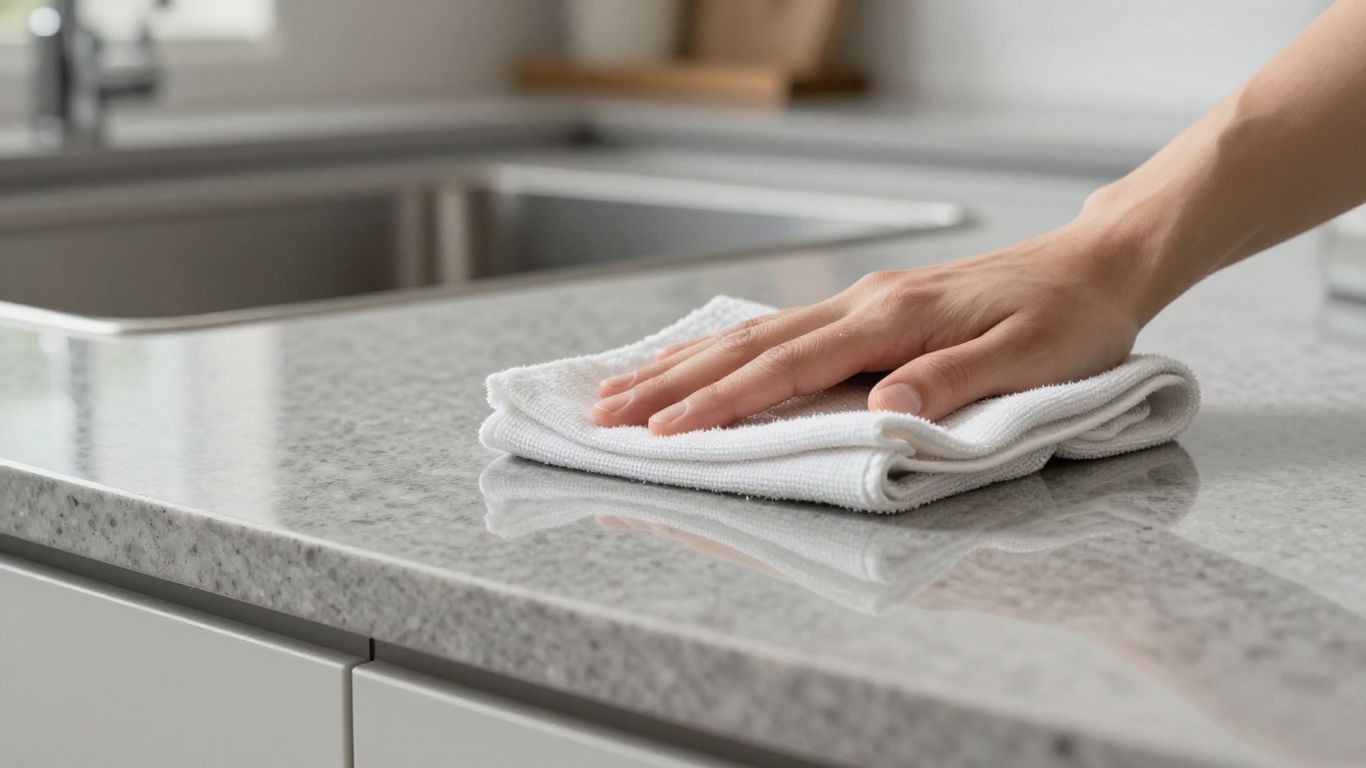
While quartz countertops are generally low-maintenance, a few specific points can help you keep them looking their best, especially depending on where they're installed and the type of quartz you have. It's not just about general cleaning; it's about being mindful of the environment and the material itself.
Cleaning Quartz Countertops in Bathrooms
Bathrooms present unique challenges, often involving different types of residues than kitchens. Think toothpaste, hairspray, and soap scum. The good news is that quartz handles these pretty well. For daily wipe-downs, a soft cloth with warm water and a bit of mild dish soap is still your go-to. For tougher spots, like dried toothpaste or soap buildup, a gentle scrub with a non-abrasive sponge should do the trick. If you encounter hard water spots, a 50/50 mix of water and white vinegar can be applied to the affected area, but be sure to rinse it off thoroughly with plain water afterward. Avoid letting any cleaning solutions sit on the surface for too long.
Maintaining Dark or Black Quartz Surfaces
Darker quartz, especially black, can be stunning, but they also tend to show smudges, fingerprints, and water spots more readily than lighter colors. This means you might find yourself wiping them down more often. After cleaning with a mild soap solution and rinsing, a quick buff with a dry microfiber cloth is your best friend here. This helps prevent water spots from forming and leaves a streak-free shine. For any stubborn residue, a cleaner like hydrogen peroxide can be effective, as it's non-abrasive and won't dull the finish, but always test in an inconspicuous spot first.
Understanding Water Hardness Effects
Water hardness refers to the mineral content in your water. If you have hard water, you might notice a chalky white film or cloudy spots, particularly around the sink area. These are mineral deposits. To tackle this, you can use a solution of equal parts water and white vinegar. Apply it directly to the affected spots, let it sit for a minute or two (but no longer!), and then rinse thoroughly with clean water. Regular buffing with a dry cloth after cleaning can also help prevent these mineral spots from becoming a persistent issue. If you're dealing with persistent buildup, consider using a dedicated quartz cleaner that's formulated to handle mineral deposits without harming the resin.
Keep That Sparkle Going
So, there you have it. Keeping your quartz countertops looking great really isn't that complicated. It's mostly about being gentle and consistent. Forget those harsh chemicals and abrasive scrubbers; a simple wipe-down with mild soap and water usually does the trick. Remember to use trivets and cutting boards, and you'll avoid most of the common issues. With just a little bit of regular attention, your quartz surfaces will stay looking sharp and beautiful for ages, making your kitchen or bathroom a place you'll love spending time in.
Frequently Asked Questions
What's the best way to clean my quartz counters every day?
For daily cleaning, keep it simple! Grab a soft cloth or sponge and some warm water. If you need a little extra cleaning power, add a tiny drop of mild dish soap. Just wipe down the counters gently. The main thing is to avoid tough scrubbing or harsh stuff, as that can make your counters look dull over time. After wiping, give it a quick rinse with clean water and dry it with a soft towel to stop water spots from showing up.
Can I use regular dish soap on quartz?
While a tiny bit of mild dish soap mixed with water is okay for occasional cleaning, it's best not to use it all the time. Many dish soaps have chemicals that can build up on the quartz surface like a thin film. This film can trap dirt and make your counters look cloudy. It's better to use cleaners made specifically for stone or just warm water and a soft cloth for most daily cleanups.
What should I absolutely NOT use to clean my quartz countertops?
Never use strong chemicals like bleach, ammonia, or oven cleaners on your quartz. Also, stay away from abrasive scrubbers, steel wool, or anything that feels gritty. These can damage the shiny finish or even scratch the surface. Even things like vinegar, which seem natural, can be too acidic for regular cleaning and might dull the shine over time.
How do I get rid of tough stains like wine or coffee?
For stubborn spots, try making a paste with baking soda and a little water. Gently rub this paste onto the stain with a soft cloth. Rinse the area well afterward and dry it. If a stain is really dried on, like old food or wax, you can try gently scraping it off with a plastic scraper or even a credit card. For sticky stuff, try putting a warm, damp cloth over it for a few minutes to soften it up before wiping.
Do I need to seal my quartz countertops?
Nope, you don't need to seal quartz! Quartz is made in a factory to be non-porous, meaning liquids can't soak into it. This is why it's naturally good at resisting stains and doesn't need extra protection like some natural stones do. Trying to seal it can actually make it look cloudy or streaky.
What about hot pans or cutting directly on the counter?
Even though quartz is tough, it's not indestructible. Always use a trivet or a hot pad under hot pots and pans coming straight from the oven or stove. Extreme heat can damage the material. Also, it's best to use a cutting board when chopping food. While quartz is scratch-resistant, cutting directly on it can dull your knives and might leave marks, especially on lighter colors.


