

Choosing the Right Marble for Countertops: A Comprehensive Guide
GMS Kumar
Thinking about marble for countertops? It's a beautiful choice, no doubt. That natural elegance and unique look can really make a kitchen pop. But let's be real, it's not just about looks. Your kitchen sees a lot of action – spills, heat, daily use. So, picking the right marble means finding one that’s not only gorgeous but also holds up to your life. We'll walk through the different types and what to keep in mind so you end up with a countertop you love for years.
Key Takeaways
- Marble for countertops offers timeless beauty but requires understanding its unique properties and maintenance needs.
- Popular choices like Carrara provide classic elegance, while Calacatta offers bold luxury, and Statuario brings striking sophistication.
- Durable options like Danby Marble (American-sourced) and dramatic Nero Marquina (Spanish black marble) cater to different design preferences and lifestyles.
- When selecting marble, consider your daily usage, desired color and veining patterns, and the finish that best suits your needs.
- Proper sealing and consistent cleaning practices are vital for maintaining marble countertops and preventing stains or etching.
Understanding Marble for Countertops
Marble has been a go-to material for beautiful spaces for ages, and for good reason. It brings this natural elegance and a sense of luxury that's hard to beat. But when you're thinking about putting it in your kitchen, where things get messy and busy, it's good to know what you're getting into.
What Makes Marble Unique
So, what's the big deal with marble? Well, it's a natural stone, formed deep within the earth over millions of years. This process involves limestone being squeezed and heated, which changes its structure into something crystalline and luminous. No two slabs of marble are ever exactly alike, meaning your countertop will be a one-of-a-kind piece of art.
Marble's beauty comes from its natural formation. Impurities like clay or iron mixed in during its creation are what give it those distinctive veins and color variations. This is why you'll see everything from soft, subtle lines to bold, dramatic swirls.
Marble is softer than materials like granite or quartz, usually scoring between 3 and 5 on the Mohs hardness scale. This means it can scratch or etch more easily, especially from acidic things like lemon juice or vinegar. It's also naturally cool, which is a plus for bakers, but it does mean it's a bit more porous. This is why sealing is so important for marble countertops.
The Geological Formation of Marble
Marble is a metamorphic rock. Think of it like this: regular limestone gets put under a lot of heat and pressure way down in the earth. This intense environment causes the original minerals in the limestone to recrystallize. The main ingredient is calcite, but any other bits and pieces that were hanging around during formation – like clay, iron, or silica – end up creating the unique patterns and colors we see. This whole process is what gives marble its depth and that special glow that manufactured materials just can't quite copy.
Marble's Place in Kitchen Design
For a long time, marble has been seen as a symbol of high-end design. Its classic look fits into all sorts of kitchen styles, from super modern to cozy farmhouse. Whether you're going for a bright, airy feel or something more dramatic, there's a marble out there for you. It's a material that can really make a kitchen feel special. When you're picking out your slabs, you'll see a huge range of looks, from the subtle grays of Carrara to the striking contrasts of Calacatta. Understanding these different types is key to finding the perfect fit for your home. You can explore some of the popular marble varieties to get a feel for what's out there.
Exploring Popular Marble Varieties for Countertops
When you think of marble countertops, you probably picture those classic white slabs with elegant gray lines. And you're not wrong! Many of the most sought-after marbles have that timeless look. But there's a whole spectrum of beauty and character within the world of marble, and picking the right one can really make your kitchen sing. It's not just about looks, though; some marbles handle daily kitchen life a bit better than others.
Carrara Marble: Classic Elegance
Carrara is probably the marble you see most often, and for good reason. It comes from Italy, specifically the Carrara region. Its background is usually a soft white or light gray, and it's crisscrossed with fine, feathery veins of gray. The veining is generally pretty subtle and spread out evenly. This gives it a look that's both understated and sophisticated, fitting into pretty much any kitchen style, whether it's super modern or more traditional. It's also one of the more common types, which often makes it a bit more budget-friendly compared to other marbles. Because it's widely available, it's a great way to get that genuine marble feel without breaking the bank. It looks fantastic with white cabinets or natural wood tones.
Calacatta Marble: Bold Luxury
If you want something with a bit more drama, Calacatta might be your pick. This marble also hails from Italy but is much rarer than Carrara. What sets it apart is its bright, pure white background, which really makes the veining pop. And the veining? It's typically bolder and more dramatic than Carrara's, often in shades of gold or deep gray, and can come in thick, sweeping patterns or more angular shapes. Calacatta is definitely a statement piece. It's a pricier option due to its rarity, but the visual impact is undeniable. It's perfect for creating a high-end, luxurious feel in your kitchen, especially if you're going for a more dramatic design.
Statuario Marble: Striking Sophistication
Statuario is another Italian marble that sits at the top tier, often considered one of the most prized varieties. It shares that luminous, bright white background with Calacatta, but its veining is often described as more striking and distinct. You'll find bold, clear gray or sometimes even black veining that can create dramatic patterns. It's less common than Carrara and often commands a higher price, but its unique beauty is truly captivating. Many designers love Statuario for its clean, crisp appearance that can really brighten up a space and give it a high-end, sophisticated vibe. It's a fantastic choice for a kitchen island or a feature wall where you want to make a real impression.
While all marble is beautiful, the differences in background color, veining intensity, and rarity mean that some types are significantly more expensive than others. It's worth understanding these distinctions before you fall in love with a slab that's outside your budget.
Here's a quick look at how these popular types compare:
| Marble Type | Background Color | Veining Style | Rarity/Price | Common Use Cases |
|---|---|---|---|---|
| Carrara | Soft White/Gray | Fine, Feathery Gray | Common/Lower | Everyday countertops, backsplashes, general use |
| Calacatta | Bright White | Bold, Dramatic | Rare/Higher | Statement islands, luxury kitchens, feature walls |
| Statuario | Luminous White | Striking, Distinct | Rare/Higher | High-end kitchens, focal points, elegant bathrooms |
Choosing between these iconic marbles often comes down to your personal style and how you envision your kitchen. Whether you lean towards the subtle charm of Carrara, the bold statement of Calacatta, or the refined elegance of Statuario, each offers a unique way to bring natural beauty into your home. For more on selecting the perfect stone, exploring popular marble options can offer further insights.
Durable and Distinct Marble Options
Danby Marble: American Durability
When you think of marble, you might picture those classic Italian quarries, but there's a fantastic option right here in the USA: Danby marble. Quarried in Vermont, this stone offers a beautiful alternative that's known for being a bit tougher than many imported varieties. It usually has a creamy white or light gray base with soft, subtle veins of gray, gold, or taupe. It comes in a few different looks, like Imperial, Montclair, and Eureka, each with its own charm.
What's really cool about Danby is that it's less porous than a lot of other marbles. This means it's better at resisting stains and doesn't need sealing quite as often. If your kitchen sees a lot of action – think daily cooking, baking, and maybe a few accidental spills – Danby is a really smart choice. It holds up well and still gives you that natural marble elegance. It fits right into farmhouse kitchens or more modern spaces where you want something natural and not too flashy. It's definitely one of the more durable marble types out there.
Nero Marquina: Contemporary Drama
Now, if you're looking to make a serious statement and steer clear of the usual white marble, check out Nero Marquina. This marble comes from Spain and is all about deep, jet-black color. It's got these striking white veins that can be thin and linear, or sometimes they're bold and splashy, depending on the specific slab. It's a really dramatic look that can totally transform a kitchen.
Because it's so dark, you'll notice dust, water spots, and light scratches more easily than on lighter stones. So, it definitely needs to be sealed well and you'll want to be a bit more careful with it. But, if you're going for a modern, industrial vibe, or a kitchen that's mostly black and white, Nero Marquina is incredible. It adds a sophisticated edge that's hard to beat.
Choosing a marble that balances your aesthetic desires with your daily routine is key. While some marbles are prized for their dramatic looks, others offer a more forgiving surface for busy households. Consider how you use your kitchen most often when making your final decision.
Here's a quick look at how these two compare:
| Feature | Danby Marble | Nero Marquina Marble |
|---|---|---|
| Origin | Vermont, USA | Basque Country, Spain |
| Base Color | Creamy white to light gray | Deep jet-black |
| Veining | Soft gray, gold, or taupe | Crisp white, linear or dramatic |
| Porosity | Lower (more stain-resistant) | Higher (requires diligent sealing) |
| Best For | High-use kitchens, farmhouse, transitional | Modern, dramatic, monochromatic kitchens |
| Maintenance | Less frequent sealing | Diligent sealing and careful cleaning |
Key Considerations for Marble Countertop Selection
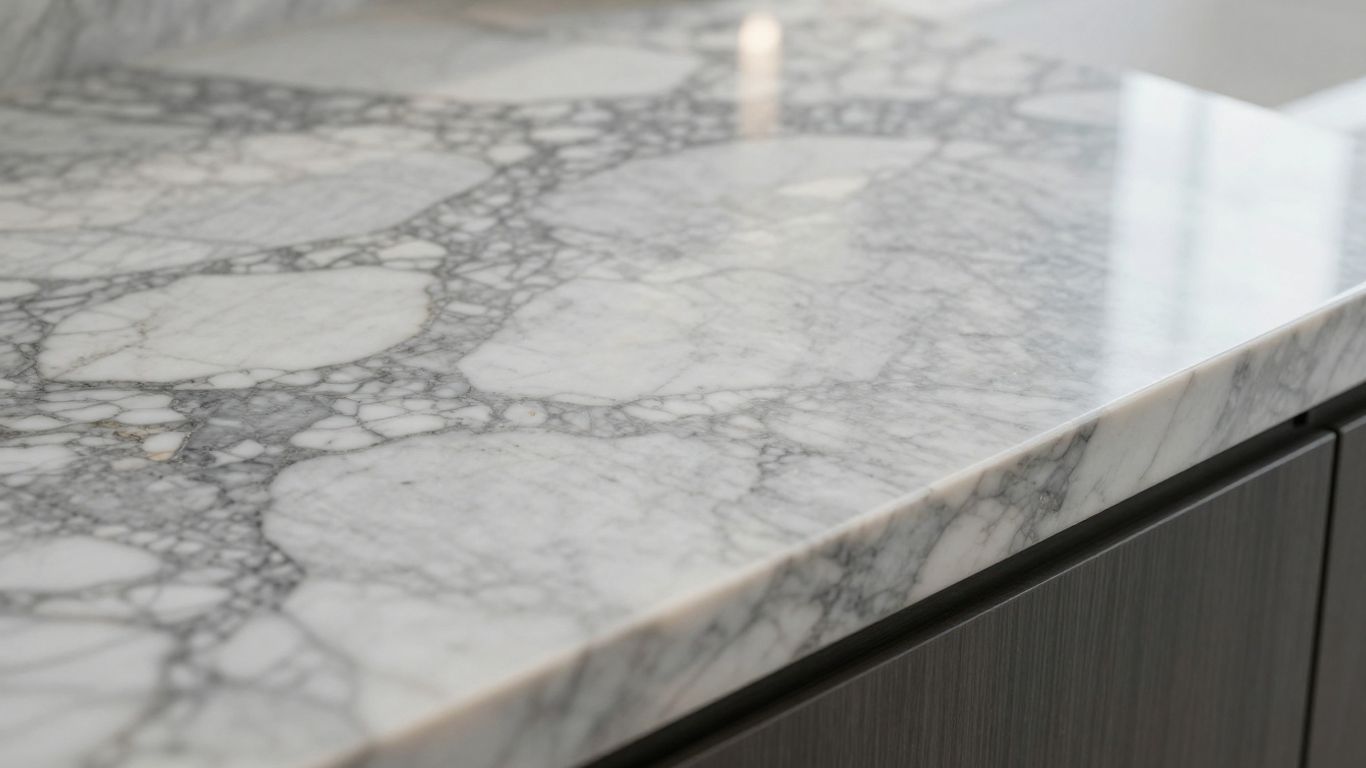
So, you've fallen for marble. Great choice! It really does bring a certain something to a kitchen that other materials just can't replicate. But before you get too carried away picking out the prettiest slab, let's talk about what really matters when you're making this big decision. It's not just about looks, you know. We need to think about how you actually use your kitchen and what kind of finish will work best for your daily life. Picking the right marble is about finding that sweet spot between stunning aesthetics and practical performance. It’s a bit like choosing a partner – you want someone beautiful, sure, but also someone who can handle the day-to-day hustle.
Assessing Your Lifestyle and Usage
Think about your kitchen routine. Are you a whirlwind of activity, constantly chopping, stirring, and maybe a little bit of splashing? Or is your kitchen more of a calm sanctuary, used for lighter meal prep and entertaining? This is super important. If you're a serious home cook, especially one who loves to experiment with acidic ingredients like lemon juice or tomatoes, you'll want to lean towards marble varieties that are a bit more forgiving. Denser stones with lower porosity, like Danby marble, tend to be more resistant to stains and etching. A honed finish, which is more matte than a high-gloss polish, can also hide minor wear and tear better than a polished surface.
- High-Activity Kitchens: Consider denser marbles and honed finishes. These can better withstand frequent use and potential spills.
- Light-Use Kitchens: You have more flexibility. Polished finishes and more delicate veining patterns are perfectly fine here.
- Family Homes: Think about how kids might interact with the surfaces. While marble is beautiful, it does require a bit more attention than, say, granite.
Marble countertops are a beautiful investment, but they do require a commitment to care. Understanding your household's habits is the first step to selecting a stone that will bring you joy for years, not stress.
Understanding Color and Veining
This is where the artistry of marble really shines. The colors and patterns are completely unique to each slab, formed over millions of years. You've got everything from the soft, subtle grays of Carrara to the dramatic, bold veins of Calacatta. When you're looking at slabs, pay attention to the background color – is it a bright white, a creamy off-white, or a soft gray? Then, check out the veins. Are they thin and wispy, or thick and sweeping? Do they have hints of gold, gray, or even black? Your choice here will significantly impact the overall feel of your kitchen. Think about how the marble will look with your cabinets, flooring, and backsplash. It's a good idea to get samples if you can, and see how they look in your kitchen's lighting at different times of the day. You can explore different marble varieties to get a feel for the range of options available.
Choosing the Right Finish
The finish on your marble countertop affects both its appearance and how it performs. The two main options are polished and honed.
- Polished Finish: This gives you that classic, high-gloss look. It reflects light beautifully and makes the colors and veining pop. However, it can also show fingerprints, smudges, and minor scratches more easily. It's also a bit more slippery when wet.
- Honed Finish: This is a more matte, satin-like finish. It has a softer look and feel, and it's generally more forgiving when it comes to hiding everyday wear and tear, like minor scratches and water spots. It's a great choice if you're concerned about maintaining that "perfect" look all the time.
Ultimately, the best marble for your kitchen countertops depends on your priorities and how you plan to use the space. Taking the time to consider these factors will help you make a choice that you'll be happy with for a long time. For more guidance on selecting the perfect countertop, this guide can be really helpful.
Maintaining Your Marble Countertops
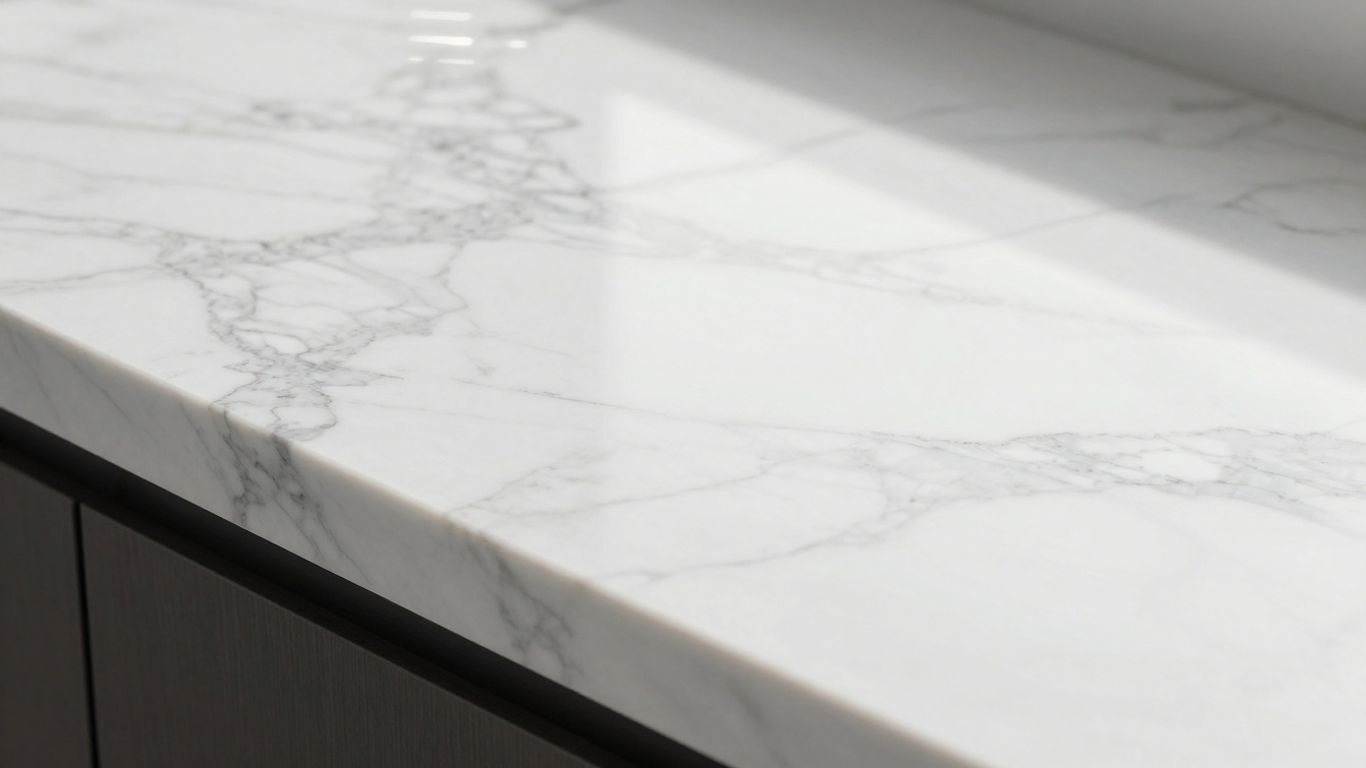
Marble countertops are beautiful, no doubt about it. But let's be real, they need a little extra TLC compared to, say, your laminate counters. It's not rocket science, though; just a few simple habits can keep your marble looking gorgeous for years. The key is consistency and using the right approach.
The Importance of Sealing
Think of sealing as giving your marble a protective shield. It doesn't make it stain-proof, but it really slows down how fast liquids soak in. This gives you a better chance to clean up spills before they become permanent marks. Most fabricators will seal your countertops when they're installed, but you'll need to reapply it every year or two. You can buy impregnating sealers at most hardware stores; they have smaller molecules that get into the stone better. It's a pretty straightforward process, and totally worth it.
Daily Cleaning Practices
For everyday cleaning, you really want to stick to gentle methods. Forget those harsh chemical cleaners; they can do more harm than good. A simple mix of warm water and a mild dish soap is usually your best bet. Always use a soft cloth or sponge, and wipe spills up as soon as they happen. If you've got a stubborn spot, a pH-neutral cleaner specifically made for natural stone is a good choice. Just make sure it's safe for marble. You can find good options for cleaning these natural stone surfaces.
Managing Spills and Etching
This is where marble can be a bit finicky. Acidic things like lemon juice, vinegar, wine, or even some tomato sauces can cause etching. Etching isn't a stain; it's more like the acid has eaten away at the surface, leaving a dull spot. The best defense is a quick offense: blot up spills immediately. If you do get an etch mark, sometimes a professional can re-hone or polish the area to make it look new again. For minor issues, you might be able to tackle it yourself with a bit of care, but it's always good to know when to call in the pros. Some people even like the patina that develops over time, but if you prefer a pristine look, prompt action is your friend.
Marble is a natural material, and like all natural things, it has its quirks. It's not as forgiving as some synthetic materials, but its unique beauty is part of its charm. Understanding its needs and responding with the right care will make all the difference in keeping it looking its best.
Wrapping It Up
So, picking the right marble for your kitchen isn't just about looks, though it's definitely a big part of it. It's about figuring out how you actually use your kitchen and what kind of upkeep you're willing to do. Whether you're leaning towards the classic look of Carrara, the dramatic flair of Calacatta, or maybe the tougher Danby, there's a marble out there for you. Just remember to seal it well and clean up spills quickly, and you'll have a countertop that looks amazing for years. It’s a beautiful material, for sure, but it does need a little love to stay that way.
Frequently Asked Questions
What makes marble special for countertops?
Marble is special because it's a natural stone that looks super elegant. It has unique lines and colors that no other stone has. It feels cool to the touch, which is great for baking. Plus, it makes any kitchen look fancy and expensive.
Is marble really tough enough for a kitchen?
Marble can be tough, but it's softer than granite or quartz. It can get scratched or stained if you're not careful, especially with things like lemon juice or tomato sauce. You have to clean up spills right away and seal it often to keep it looking good.
What's the difference between Carrara and Calacatta marble?
Carrara marble is more common and usually has lighter gray lines on a white or light gray background. It's a bit less expensive. Calacatta marble is rarer and has a brighter white background with bolder, thicker lines, often in gold or dark gray. It's considered more luxurious and costs more.
Do I really need to seal my marble countertops?
Yes, sealing is a must! Sealing helps protect the marble from soaking up liquids too quickly, giving you more time to wipe up spills before they cause a stain. You'll need to reseal it every year or two to keep it protected.
What happens if something acidic spills on my marble?
Acids, like from lemons, vinegar, or some sauces, can eat away at the marble's surface. This is called etching, and it makes the shiny part look dull or cloudy. It's not a stain, but it can be hard to fix, so wiping up spills fast is super important.
Is marble too much work for a busy kitchen?
Marble does need more attention than some other countertop materials. If your kitchen is always busy and you don't have much time for cleaning, you might find it a bit high-maintenance. However, if you love the look and are willing to take care of it, it can be a beautiful choice.


