

Durable and Stylish: Exploring Concrete for Worktops
GMS Kumar
Thinking about concrete for your kitchen worktops? It's a material that's really gained traction lately, and for good reason. It's not just about that cool, industrial vibe anymore. Concrete offers a unique blend of style and substance, letting you create a kitchen that feels both modern and deeply personal. We're going to explore what makes concrete worktops so appealing, how you can make them your own, and what you need to know to keep them looking great.
Key Takeaways
- Concrete worktops offer a distinct architectural and sculptural quality, making them a statement material for contemporary kitchens.
- Customization is a major draw, allowing for unique shapes, sizes, colors, and textures to match your personal style.
- While durable, concrete is porous and requires sealing and regular maintenance to resist stains and wear.
- Pairing concrete worktops with natural wood elements or matte hardware can create a balanced and inviting kitchen aesthetic.
- For those wanting the look without the upkeep, concrete-effect materials like quartz or laminate offer a practical alternative.
Exploring The Appeal Of Concrete For Worktops
Concrete countertops are really having a moment, aren't they? They've moved way beyond just industrial lofts and are showing up in all sorts of kitchens. It's not just about looking tough, though. There's something about concrete that feels really solid and architectural. It brings a kind of sculptural quality to a space, making it feel more grounded and intentional. Plus, the fact that no two pours are exactly alike means you get something truly unique. It’s a material that feels honest and has a certain raw beauty to it.
A Statement Material For Modern Kitchens
Forget those super-polished, almost sterile surfaces. Concrete offers a different vibe. It’s a material that feels substantial and has a definite presence. It’s a bold choice that can really anchor a kitchen design. Whether you're going for a minimalist look or something a bit more eclectic, concrete worktops can provide that striking focal point. They work surprisingly well in a variety of settings, from sleek, modern spaces to more rustic environments. It's a material that doesn't shy away from making a statement.
The Architectural And Sculptural Quality
Think of concrete worktops as functional art for your kitchen. They have a weight and a form that can really define a space. The way light plays on the surface, the subtle variations in color – it all adds to a sense of depth and character. It’s this inherent architectural quality that draws many people to concrete. It’s not just a flat surface; it’s a design element that contributes to the overall structure and feel of the room. It’s a material that feels like it belongs, like it has a story.
Embracing Imperfection And Authenticity
One of the most appealing things about concrete is its willingness to show its age and character. Unlike materials that aim for a flawless finish, concrete embraces its imperfections. Small variations, subtle color shifts, or even hairline cracks can add to its charm. This approach to design celebrates authenticity and a more natural aesthetic. It’s about accepting that things don’t have to be perfect to be beautiful. This raw, honest quality is a big part of why concrete worktops are so popular right now. It’s a refreshing change from the pursuit of manufactured perfection, offering a more grounded and real feel to your kitchen design.
Concrete countertops bring a unique blend of raw beauty and modern sophistication. Their inherent strength and customizable nature allow them to become a central feature in contemporary kitchens, offering a distinct alternative to traditional materials.
Designing Your Unique Concrete Worktop
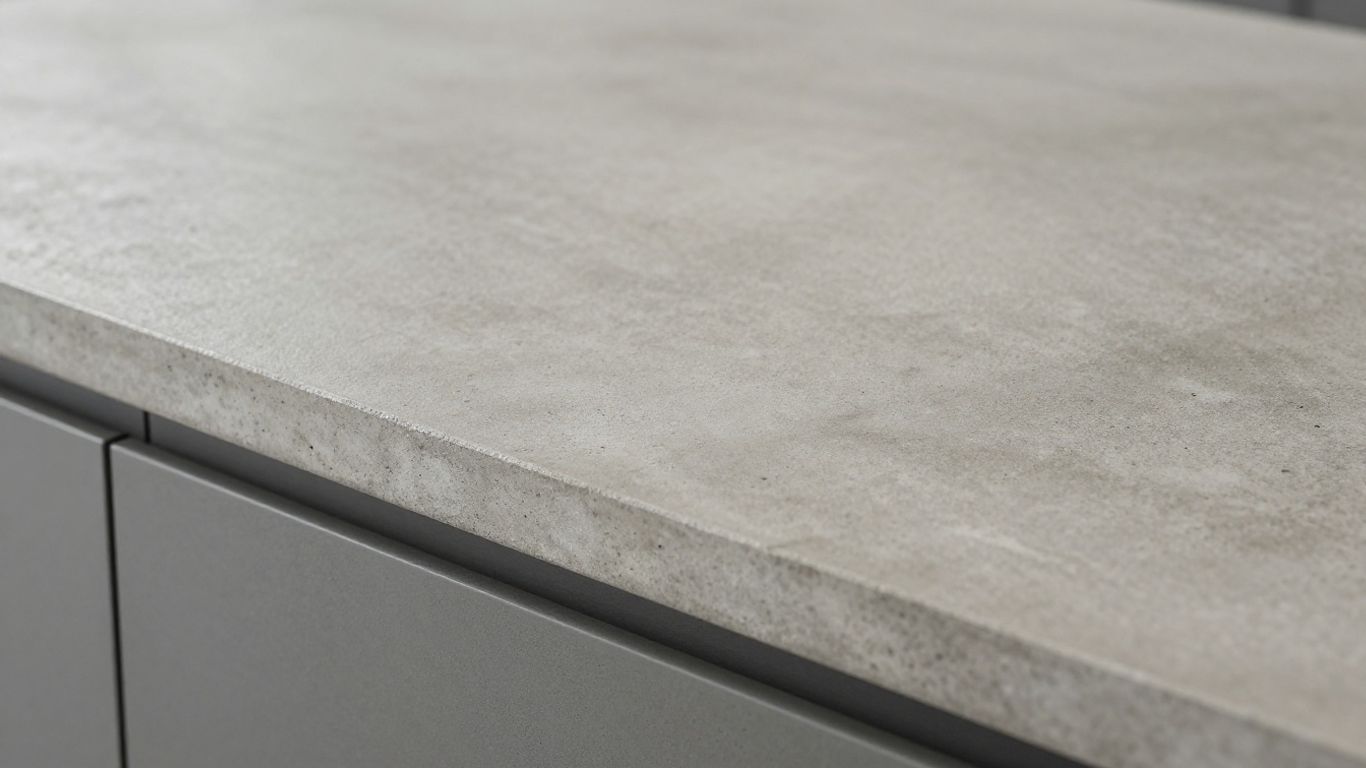
Concrete countertops are a fantastic way to inject personality into your kitchen. They're not just a surface; they're a statement piece that you can really make your own. Forget cookie-cutter options; with concrete, you get to play designer.
Customizing Shape, Size, And Thickness
One of the biggest draws of concrete is its moldability. You're not limited by standard dimensions. Need a super-long island? A quirky L-shaped counter to fit a tight corner? Concrete can handle it. You can specify the exact dimensions, ensuring a perfect fit for your space. The thickness is also up to you – a thicker slab can give a more substantial, weighty feel, while a thinner profile might look sleeker and more modern. It's all about what looks and feels right for your kitchen.
Pigmenting Concrete For A Desired Aesthetic
Concrete doesn't have to be just gray. Seriously, you can add pigments during the mixing process to achieve almost any color imaginable. Want a warm, earthy tone to complement wood cabinets? Easy. Dreaming of a bold, dark charcoal? That's doable too. This color customization is a huge advantage, allowing you to perfectly match your worktop to your overall kitchen design. For a truly minimalist vibe, consider pure white concrete countertops, which offer a striking visual impact. Pure white concrete can make a kitchen feel incredibly bright and open.
Incorporating Patterns And Textures
Beyond color, you can also play with the surface itself. Think about adding decorative aggregates like glass chips or pebbles for a bit of sparkle and texture. Or, you could opt for embedded elements like metal strips or even wood pieces for a unique look. The finish is another area for customization. You can go for a super-smooth, polished surface that gleams, or a more matte, honed finish that feels softer and less reflective. Some people even like to introduce subtle patterns or textures directly into the concrete mix before it sets. It's these little details that make your concrete worktop truly one-of-a-kind.
Remember, concrete is a material that can be shaped and colored to fit your exact vision. Don't be afraid to explore different possibilities to create a surface that's both functional and a work of art.
The Practicalities Of Concrete Worktops
So, you're thinking about concrete for your kitchen counters. Awesome choice for looks, but let's get real about what it takes to live with them day-to-day. Concrete is a fantastic material, offering a unique, architectural feel that many people love. However, it's not exactly like your standard laminate or quartz. It has its own quirks and needs, and understanding these upfront is key to a happy kitchen.
Understanding Durability And Porosity
Concrete is tough, no doubt. It can handle heat pretty well, and when it's made right, it's super strong. But here's the thing: concrete is naturally porous. Think of it like a sponge. This means it can soak up liquids if it's not properly protected. Spills from coffee, wine, or even just water can seep in if you're not careful. This porosity is also why sealing is so important. Without it, you're looking at potential stains and even bacteria growth over time. The key is to remember that while durable, concrete isn't impervious to everything.
Sealing And Stain Resistance
This is where the magic happens, or at least, where you make your concrete worktop more user-friendly. Sealing creates a barrier on the surface, making it much harder for liquids to penetrate. There are different types of sealants out there, some offering more protection than others. Some modern sealants are so good they can make your concrete countertop practically stain-proof, and some fabricators even offer warranties. It's worth discussing the options with your installer to find a sealant that fits your lifestyle and desired look. A well-sealed concrete surface can stand up to everyday kitchen messes much better than an unsealed one. You can find more information on sealing options for concrete countertops.
Maintenance And Upkeep Requirements
Living with concrete means a little bit of regular attention. Most concrete countertops need to be resealed periodically, usually about once a year. This might sound like a chore, but it's often a straightforward process. For a DIYer, the cost for resealing materials is pretty minimal, maybe around $50. If you'd rather have someone else handle it, you might be looking at closer to $150. Beyond sealing, general cleaning is pretty simple – usually just a mild soap and water. Avoid harsh chemicals, as they can damage the sealant.
- Daily Cleaning: Wipe up spills immediately. Use a soft cloth with mild soap and water for general cleaning.
- Annual Maintenance: Reapply sealant as recommended by your fabricator. This is crucial for maintaining stain resistance.
- Avoid Abrasives: Steer clear of abrasive cleaners or scouring pads, which can scratch the surface.
- Protect from Impact: While strong, very heavy or sharp objects dropped directly on the edge could cause chips.
While concrete offers a unique aesthetic, its porous nature means it can absorb liquids if not adequately protected. Weighing these pros and cons is essential before deciding on concrete countertops.
Styling And Integrating Concrete Worktops
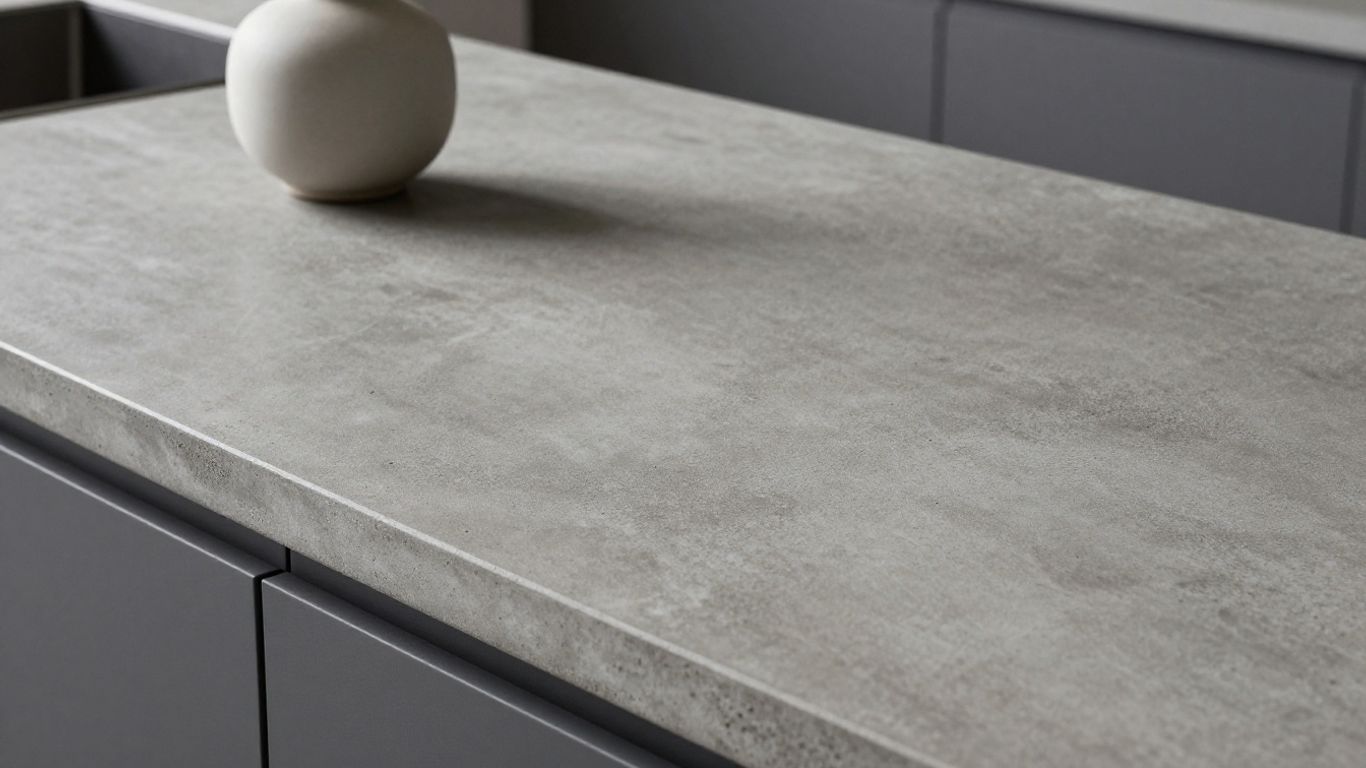
Concrete worktops can really anchor a kitchen's look, but how you pair them makes all the difference. They're surprisingly versatile, working with a bunch of different styles. The key is balancing concrete's raw, solid feel with other materials.
Pairing With Natural Wood Elements
This is a classic for a reason. Concrete can sometimes feel a bit stark on its own, right? Bringing in wood, especially lighter tones like pale oak or even a warm walnut, softens the whole vibe. It creates this really nice dialogue between the materials – the concrete gives the kitchen structure, and the wood brings in that cozy warmth that makes you want to hang out.
- Light Woods: Think pale oak cabinets against a dove-gray concrete top. It feels airy and modern.
- Dark Woods: Walnut or darker stained woods can create a more dramatic, grounded look with concrete.
- Accents: Even wood cutting boards, bowls, or a small butcher block section can tie the look together.
Complementing Cabinet Styles
Concrete countertops are pretty adaptable. They look great with sleek, modern cabinets, especially in white or black. But don't shy away from them if you have a more traditional or even a rustic kitchen. They can add a cool, unexpected edge. For a truly custom kitchen, consider working with professionals who can help plan and install the ideal concrete surface to complement your specific space.
Creating Striking Contrasts With Hardware
Hardware is like the jewelry for your cabinets, and it can totally change how your concrete worktops feel. Matte black hardware can give a really sharp, contemporary edge. Brushed nickel or brass can add a touch of warmth or a more vintage feel. It’s all about the details that pull the whole design together.
Don't forget that concrete countertops offer a versatile neutral tone that complements a wide range of cabinet styles, from modern white shaker to bold black or navy. They create a warm and inviting atmosphere when paired with appropriate elements.
Popular Concrete Worktop Colors And Finishes
When you're thinking about concrete worktops, the first thing that might pop into your head is that classic, stony gray. And sure, gray is definitely a big player, offering a neutral base that works with pretty much anything. But concrete is way more adaptable than you might think. You can really get it in almost any color imaginable.
Trending Neutral Tones
Right now, shades of gray are still leading the pack. We're seeing a lot of soft, dove grays, deeper charcoal tones, and even warmer, greige (gray-beige) options. These neutrals are fantastic because they don't fight with your other kitchen elements. They provide a solid, grounding feel without being overpowering. Beyond gray, you'll also find popular choices like sandy beiges and even off-whites, giving a lighter, airier vibe.
Exploring Various Textures And Finishes
The finish is where concrete really shows its personality. You can go for a super smooth, almost polished look that feels sleek and modern. Or, you might prefer something with a bit more character, like a honed finish that's softer to the touch and doesn't reflect light as much. Some people even like a more rustic, rough-hewn texture that highlights the material's natural variations. It's all about what vibe you're going for in your kitchen. You can explore different concrete countertop ideas to see how these finishes play out.
Achieving A Bespoke, One-Of-A-Kind Character
What's really cool about concrete is that no two slabs are exactly alike. Even if you choose the same color and finish as someone else, the natural curing process means your worktop will have its own unique subtle variations in color and texture. This is part of the appeal for many – it’s not mass-produced; it’s a custom piece for your home. You can even incorporate things like pigments or decorative aggregates during the pouring process to create truly custom effects. This adaptability means you can achieve a look that's perfectly suited to your space, whether you're aiming for a minimalist aesthetic or something with more visual interest. It's a great way to make your kitchen truly yours, offering a versatile and stylish option for surfaces.
Alternatives To Full Concrete Worktops
So, you're digging the whole concrete vibe for your kitchen, but maybe a full-on concrete worktop feels like a bit much? Totally get it. It's a big commitment, and honestly, not everyone wants that level of upkeep. The good news is, you don't have to miss out on the industrial-chic look. There are some pretty clever ways to get that concrete aesthetic without the full slab.
Concrete-Looking Countertop Materials
This is where things get interesting. You can actually get countertops made from materials like quartz, laminate, or even porcelain that are designed to look exactly like concrete. They give you that raw, urban feel but are way easier to manage day-to-day. Think of it as getting the best of both worlds – the style you love with the practicality you need. These materials are often more resistant to stains and don't require the same kind of sealing as real concrete. It’s a smart move if you want that concrete style but aren't ready to deal with mixing and pouring your own or the potential for etching. You can find some really convincing options that mimic the color variations and textures of poured concrete, offering a durable and low-maintenance surface. For a truly convincing look, check out options like concrete-style engineered stone.
Incorporating Concrete Accents
If you're not ready for countertops at all, consider bringing in concrete as an accent. It's a fantastic way to add a touch of that industrial feel without a major kitchen overhaul. Think about a concrete pendant light hanging over your island, or maybe a concrete sink. Even a concrete dining table can make a big statement in an open-plan space. These smaller touches can really change the feel of your kitchen, adding that architectural quality without the commitment of a full worktop. It’s all about strategic placement to get the look you want.
- Concrete pendant lights: Suspend a few over your kitchen island for a modern focal point.
- Concrete sinks: A unique and durable option that adds character.
- Concrete accessories: Think decorative bowls, planters, or even a small concrete tray for your kitchen essentials.
Sometimes, just a hint of a material is all you need to achieve a desired aesthetic. It's about balance and making sure the elements in your kitchen work together harmoniously.
DIY Concrete Countertop Projects
Now, if you're feeling adventurous and handy, a DIY concrete countertop project could be your jam. It's definitely a more hands-on approach, but it offers the ultimate in customization. You can control the color, texture, and even embed objects into the concrete for a truly unique finish. While it requires careful planning and execution, the result can be incredibly rewarding and cost-effective. Just remember, it's a project that demands patience and attention to detail. You'll want to research proper mixing ratios, curing times, and sealing techniques thoroughly before you start. It’s a way to get a custom concrete look that’s entirely your own, perhaps even inspired by the unique blend of wood and concrete found in materials like Woodform® Concrete.
| Aspect | Full Concrete Worktop | Concrete-Look Material | Concrete Accents | DIY Concrete |
|---|---|---|---|---|
| Aesthetic | Authentic, Raw | Mimics Concrete | Industrial Touch | Highly Custom |
| Maintenance | High | Low | Low | Moderate |
| Cost | Moderate to High | Moderate | Low to Moderate | Low to Moderate |
| Installation | Professional | Varies | Simple | DIY |
So, Should You Go For Concrete?
Alright, so we've talked a lot about concrete countertops. They definitely bring a cool, modern vibe to a kitchen, and you can really make them your own with different colors and finishes. Plus, they can be a great DIY project if you're feeling adventurous. But, let's be real, they aren't the toughest kids on the block. Stains and scratches can happen, and they need a bit of looking after with sealing and cleaning. If you love that unique, industrial look and don't mind a little extra upkeep, concrete could be your jam. If you're after something super low-maintenance that can take a beating, maybe look into those concrete-look alternatives. It's all about what works for your kitchen and your lifestyle, right?
Frequently Asked Questions
Are concrete countertops really tough?
Concrete countertops can be strong, but they're not the toughest. They can get scratched or stained easily if they aren't sealed properly. Think of them as a cool-looking material that needs a bit of extra care, especially in busy kitchens.
Can I pick any color for my concrete countertop?
Yes, you can! Concrete can be colored with special pigments. You can get classic grays, earthy browns, or even bolder shades. This means you can make your countertop match your kitchen's style perfectly.
Do concrete countertops need special cleaning?
They do need a little attention. It's best to use mild soaps and avoid harsh cleaners that can damage the sealant. Wiping up spills quickly also helps prevent stains, as concrete can soak things up if left too long.
What if I like the concrete look but not the upkeep?
That's a common thought! You can get countertops made from materials like quartz or laminate that look just like concrete. These often need less maintenance and are easier to install, giving you the style without all the work.
Can I add designs or patterns to a concrete countertop?
Absolutely! Concrete is super flexible. You can add different textures, like smooth or rough, or even embed designs or small objects into it when it's being made. This lets you create a truly unique countertop.
Are concrete countertops a good choice for a family kitchen?
Concrete countertops can be a great choice if you love the unique look and are prepared for the maintenance. They can be sealed to resist stains and scratches, but they might not be the best option if you want a 'set it and forget it' surface for a very busy kitchen.


