

Find the Best Marble Worktop Near Me: A 2026 Guide
GMS Kumar
Looking for a marble worktop near me? You've come to the right place. Marble countertops are a fantastic choice for kitchens and bathrooms, bringing a touch of luxury and timeless style. But with so many types of marble out there, picking the right one can feel a bit overwhelming. This guide breaks down some of the most popular marble options to help you find the perfect slab for your home.
Key Takeaways
- Marble countertops offer timeless elegance and can significantly boost a home's aesthetic appeal.
- Different marble types, like Carrara, Calacatta, and Statuario, have unique veining patterns and appearances.
- Consider factors like durability, maintenance, and budget when choosing a marble worktop.
- Marble is naturally cool, making it a great surface for baking.
- While beautiful, marble can be porous and may require sealing to prevent stains and etching.
1. Carrara Marble
When you think of classic marble, Carrara is probably what comes to mind. It's that iconic Italian marble, famous for its soft white or grayish-white background and those distinctive, feathery gray veins. It's been used for centuries in sculptures and architecture, so it definitely has a timeless vibe.
Carrara marble is a go-to for a reason: it brings a touch of understated elegance to any kitchen or bathroom. It’s not overly flashy, but it has this subtle beauty that just works. Because it’s a natural stone, each slab is totally unique, which is pretty cool. You won't find another kitchen exactly like yours.
Here’s a quick rundown of what makes Carrara special:
- Aesthetics: Soft white to gray base with delicate, often wispy, gray veining. It’s elegant without being overpowering.
- Origin: Primarily quarried in Carrara, Italy.
- Versatility: Pairs well with a wide range of cabinet colors and design styles, from modern to traditional.
- Maintenance: Like all natural marble, it requires sealing and careful cleaning to prevent etching and staining. You'll want to wipe up spills quickly and avoid harsh chemicals.
It's worth noting that while genuine Carrara marble is beautiful, it can be prone to etching from acidic substances like lemon juice or vinegar, and it can stain if spills aren't cleaned up promptly. For those who love the look but want something a bit more low-maintenance, there are excellent Carrara quartz countertops available that mimic the appearance with added durability.
While Carrara marble is known for its beauty, its porous nature means it can absorb liquids and is susceptible to etching from acids. Regular sealing and prompt cleanup of spills are key to maintaining its pristine look over time.
2. Calacatta Marble
Calacatta marble is a real showstopper, known for its dramatic veining and pure white background. Unlike Carrara, which has softer, more subtle patterns, Calacatta often features bold, sweeping veins of gray, gold, or even black. This makes it a really popular choice if you're looking to make a statement in your kitchen or bathroom. It's definitely on the pricier side, but honestly, the look is pretty unmatched.
Calacatta Viola, in particular, is getting a lot of buzz for 2026. It's all about bringing more color and personality into kitchens, moving away from those super minimalist vibes. The rich tones and striking patterns of Calacatta Viola are perfect for adding that unique character and a touch of luxury. If you're after a worktop that's both elegant and has a bit of an edge, this could be it. You can find some great options, like a Calacatta Marble Merino Worktop, which measures 5'x12' and is priced at $45.00 per unit.
When you're thinking about Calacatta, keep these points in mind:
- Distinctive Veining: Expect bold, often dramatic patterns that really stand out.
- Color Palette: Primarily white with strong veins in gray, gold, or black.
- Luxury Appeal: It's considered a high-end material, adding significant value and beauty.
- Maintenance: Like all natural marble, it requires sealing and careful cleaning to prevent etching and staining.
While Calacatta marble is stunning, its porous nature means it can absorb liquids and is susceptible to etching from acidic substances. Regular sealing and prompt cleanup of spills are key to maintaining its pristine appearance over time.
3. Statuario Marble
Statuario marble is a really high-end choice, often considered one of the most luxurious types of marble out there. It's known for its bright white background, which is super pure, and then it has these bold, dramatic veins that can be gray or sometimes even a bit of a golden color. Unlike Carrara, which has finer, more feathery veining, Statuario's patterns are usually thicker and more striking. This makes it a real statement piece for any kitchen or bathroom.
It's a top pick for those who want a dramatic, classic look.
When you're looking at Statuario, you'll notice a few key characteristics:
- Coloration: Predominantly a clean, bright white base.
- Veining: Bold, dark gray to black, often angular or linear patterns.
- Origin: Primarily quarried in the Carrara region of Italy, just like its cousins.
- Rarity: It's less common than Carrara, which contributes to its higher price point.
Because it's so beautiful and somewhat rare, Statuario marble is often used for focal points. Think of a stunning island countertop or a dramatic fireplace surround. It really commands attention. You might see variations like Statuario Maximus, which has a slightly softer look but still maintains that distinctive veining. If you're aiming for a truly sophisticated and impactful design, Statuario is definitely worth considering. It's the kind of material that makes a space feel instantly more grand. You can find suppliers who offer this exquisite stone, like Palazzo Stone, who specialize in premium marble worktops.
Working with Statuario requires a bit more care. Its porous nature means it can stain if spills aren't wiped up quickly, and it can etch from acidic substances. Regular sealing and gentle cleaning are a must to keep it looking its best for years to come.
4. Danby Marble
Danby marble is a bit of a unique find, coming all the way from Vermont. It's known for its durability, which is a big plus for a natural stone that can sometimes be a bit delicate. You'll often see it with a clean, white background, but what makes it stand out are the subtle, gray veining patterns. They're not usually super dramatic, giving it a more understated elegance compared to some other marbles.
This marble is a fantastic choice if you want the look of marble without some of the typical maintenance worries.
Here's a quick rundown of what makes Danby marble a solid option:
- Durability: It's harder than many other marbles, meaning it can handle daily kitchen use a bit better. Still, it's marble, so treat it with some care!
- Aesthetics: Offers a classic, clean look with soft veining that fits well in both modern and traditional kitchens.
- Origin: Sourced domestically in the US, which can sometimes mean easier availability and potentially lower transportation costs.
- Versatility: Works well for countertops, backsplashes, and even flooring.
When you're looking at different slabs, keep an eye out for variations in the veining. Some might have more pronounced lines, while others are almost solid white. It's all part of the natural beauty of the stone. If you're interested in seeing a wide range of natural stones, including options like Danby, you might want to check out places that have an extensive selection of stones.
While Danby marble is more resistant to etching and staining than some other marbles, it's still a natural stone. It's wise to use cutting boards and coasters to keep it looking its best for years to come.
5. Crema Marfil Marble
Crema Marfil is a popular choice if you're looking for a warmer, softer look for your kitchen or bathroom. It's a type of marble that comes from Spain, and it's known for its creamy, beige background with subtle veining. Think of it as the gentle cousin to the bolder white marbles.
This stone has a really classic feel to it. It’s not as stark as pure white marble, which can be a good thing depending on the vibe you're going for. It blends well with a lot of different cabinet colors and flooring, making it pretty versatile.
Here’s a quick rundown of what makes Crema Marfil stand out:
- Color Palette: Primarily a soft beige, sometimes with hints of cream or light brown. The veining can range from faint white to deeper caramel tones.
- Origin: Mined in the Alicante region of Spain.
- Aesthetic: Offers a warm, inviting, and elegant appearance.
- Finishes: It can be polished for a shiny look or honed for a more matte, subtle finish. A honed finish can help hide minor wear and tear.
The subtle veining in Crema Marfil makes it a fantastic option for creating a sophisticated yet comfortable atmosphere. It's a marble that doesn't shout for attention but rather adds a layer of understated luxury. Because it's a natural stone, each slab is unique, so you'll get a countertop that's truly one-of-a-kind.
When it comes to maintenance, like all marbles, Crema Marfil needs a bit of care. It’s a softer stone than granite or quartz, so it can be prone to etching from acidic substances and staining if spills aren't wiped up quickly. Sealing it regularly is a good idea to help protect it. You can find beautiful Crema Marfil herringbone marble tiles if you're looking for something specific for a backsplash or floor.
While it's beautiful, remember that marble is a natural material. It will develop a patina over time, showing signs of use. Some people love this aged look, while others prefer their surfaces to stay pristine. It's worth considering how you feel about that before committing.
If you're aiming for a timeless, warm, and elegant look, Crema Marfil is definitely worth considering for your next project. It brings a touch of natural beauty that's hard to beat.
6. Emperador Marble
Emperador marble is a really popular choice, and for good reason. It’s known for its rich, deep brown tones, often with lighter beige or cream veining running through it. This gives it a warm, earthy feel that’s quite different from the bright whites of Carrara or Calacatta.
It’s a fantastic option if you’re looking to add a touch of warmth and sophistication to your kitchen or bathroom. While it’s a natural stone and beautiful, it does require a bit of care, just like other marbles.
Here’s a quick look at what makes Emperador stand out:
- Color Palette: Primarily deep browns, ranging from chocolate to a lighter caramel, often with contrasting creamy veins.
- Origin: Mostly quarried in Spain.
- Aesthetic: Offers a luxurious, earthy, and classic look.
- Maintenance: Requires sealing and careful cleaning to prevent etching and staining.
Because of its distinct color, Emperador marble can really anchor a space. It pairs well with lighter cabinetry and flooring, creating a beautiful contrast. You can find it in various forms, including stunning porcelain surfaces that capture its splendor if you're looking for a more durable alternative. It's also available in laminate options, like the Omega Modern Emperador Marble worktop, which offers a similar look with added resilience for busy kitchens.
When considering Emperador marble, think about how its deep hues will interact with the light in your room. It can create a cozy, inviting atmosphere, but in very dark spaces, it might make the area feel smaller if not balanced with good lighting and lighter accents.
7. Pietra Gray Marble
Pietra Gray marble is a really striking choice for countertops, and it’s been getting a lot of attention lately. It’s a stone that looks a lot like marble but has this really intense, dark gray base. What makes it stand out are the strong white veins that cut through it. They’re not subtle; they’re bold and create a lot of contrast, giving it a dramatic flair.
This stone offers a sophisticated look that can really change the feel of a kitchen or bathroom. It’s inspired by natural marble, so you get that luxurious vibe without necessarily having to deal with the same level of maintenance as some other natural stones. It’s often available in larger slab sizes, which is great for creating a more unified look on your countertops.
When you're thinking about Pietra Gray, it's good to know what you're getting into. Here’s a quick rundown:
- Color Palette: Primarily dark gray with prominent white veining.
- Origin: Inspired by natural marble, often quarried in regions known for stone.
- Aesthetic: Modern, dramatic, high-contrast.
- Best Use: Countertops, backsplashes, feature walls.
It’s a material that definitely makes a statement. If you’re going for a bold, contemporary look, Pietra Gray is worth a serious look. You can find slabs that are quite large, often around 320x160 cm, which is pretty standard for many quartz surfaces that mimic natural stone.
People often choose Pietra Gray when they want the elegance of marble but need something that feels a bit more grounded and modern. The strong veining adds a lot of character, making each piece unique. It’s a material that doesn’t shy away from attention.
When considering Pietra Gray, remember it's a material that brings a lot of personality to a space. It’s not just a background element; it’s a focal point. Its intense beauty and strong contrasts make it a popular choice for those who want their kitchen or bathroom to feel unique and high-end. It’s a stone that really commands attention.
8. Arabescato Marble
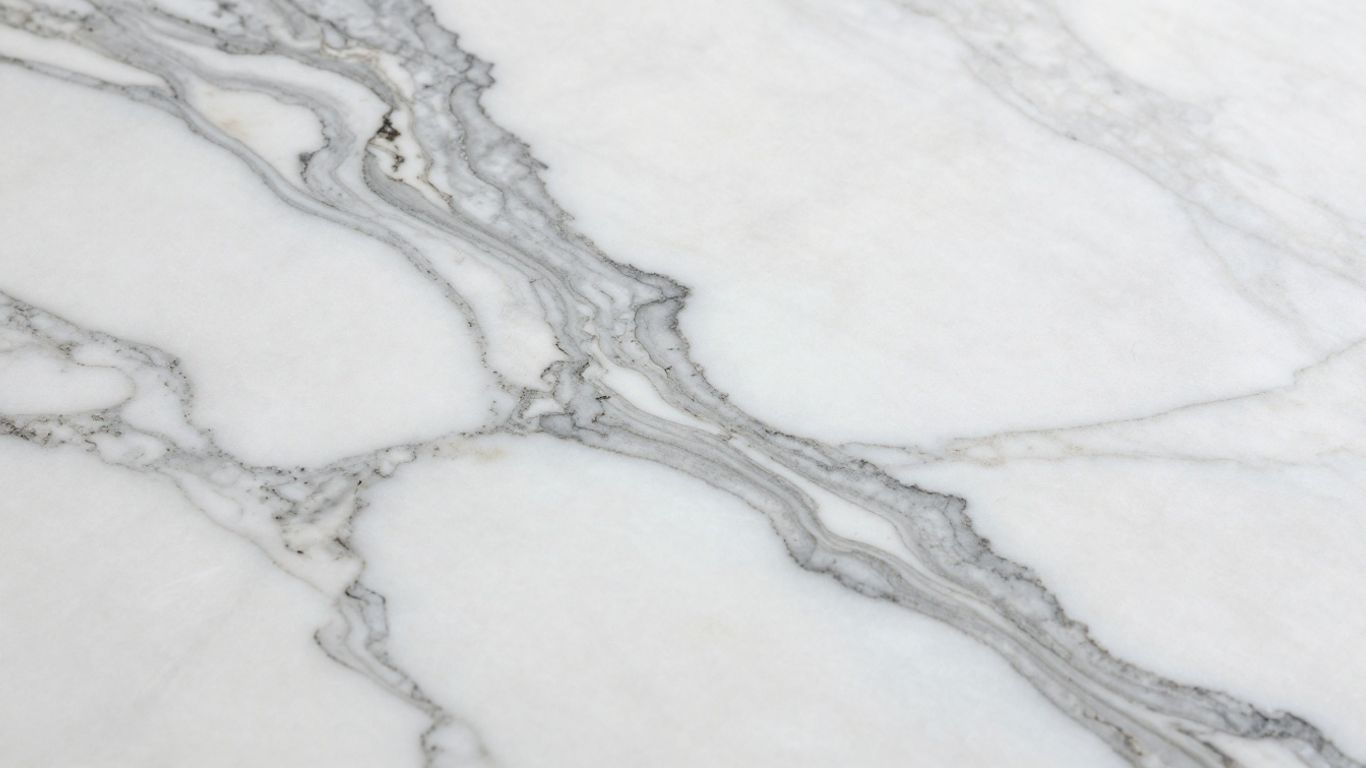
Arabescato marble is a real showstopper, known for its dramatic veining. Unlike some other white marbles that have subtle patterns, Arabescato often features bold, sweeping gray or black lines that really stand out. This distinctive look makes it a popular choice for those wanting a statement piece in their kitchen or bathroom.
When you're looking at Arabescato, you'll notice a few things that set it apart:
- The Background: It's typically a bright white, giving it that classic marble feel.
- The Veining: This is where it gets interesting. You'll see strong, irregular patterns, often described as looking like tree branches or even clouds.
- The Finish: It can be polished to a high shine, which really makes those veins pop, or honed for a softer look.
It's a natural stone, so each slab is completely unique. You might find variations in the intensity and color of the veining from one piece to another. This is part of its charm, really. If you're considering this type of stone, it's a good idea to see the actual slab you'll be getting before committing. Some suppliers might even offer Arabescato quartz worktops if you like the look but want something a bit more low-maintenance.
Because of its striking appearance, Arabescato is often used as a focal point. Think of it for a kitchen island, a bathroom vanity top, or even a feature wall. It adds a touch of luxury and drama that's hard to beat.
Prices can vary quite a bit depending on the specific quarry and the complexity of the veining. However, you can generally expect to find Arabescato marble worktops starting around £580 per square meter. It's definitely an investment, but for a truly unique and elegant surface, many people find it's well worth it.
9. Bianco Carrara Marble
Bianco Carrara marble is a classic choice, and for good reason. It's a type of marble quarried in Carrara, Italy, just like its more famous cousin, Carrara marble. But Bianco Carrara tends to have a more consistent, subtle veining pattern. Think soft, feathery gray lines against a clean white background. It's not as dramatic as some other marbles, which is exactly what makes it so versatile.
This marble offers a timeless elegance that fits into almost any kitchen or bathroom design. Whether you're going for a modern, minimalist look or something more traditional, Bianco Carrara can pull it off. It's a bit like the little black dress of the countertop world – always appropriate and always stylish.
When you're looking at Bianco Carrara, you'll notice a few things:
- Color: Predominantly white with light to medium gray veining.
- Veining: Usually fine, wispy, and linear, sometimes with a slight fan shape.
- Origin: Quarried in the Carrara region of Italy.
- Finish: It can be polished for a shiny look or honed for a softer, matte finish.
It's a popular option because it's generally more affordable than some of the more exotic marbles, but still gives you that genuine stone luxury. You can find it in many places, and it's a solid choice if you want that authentic marble feel without breaking the bank. It’s a great way to get that high-end look for your kitchen countertops.
One thing to remember with any marble, including Bianco Carrara, is that it's a natural stone. It will etch and stain if you're not careful. Acidic foods like lemon juice or vinegar can leave marks, and spills need to be wiped up quickly. It's not as low-maintenance as quartz, but many people feel the beauty is worth the extra care.
Marble is a natural material, and its beauty lies in its imperfections. Each slab is unique, with its own story told through its veining and color variations. Embrace the natural character of your Bianco Carrara, as it will develop a patina over time, adding to its charm and history in your home.
10. Dolomite Marble
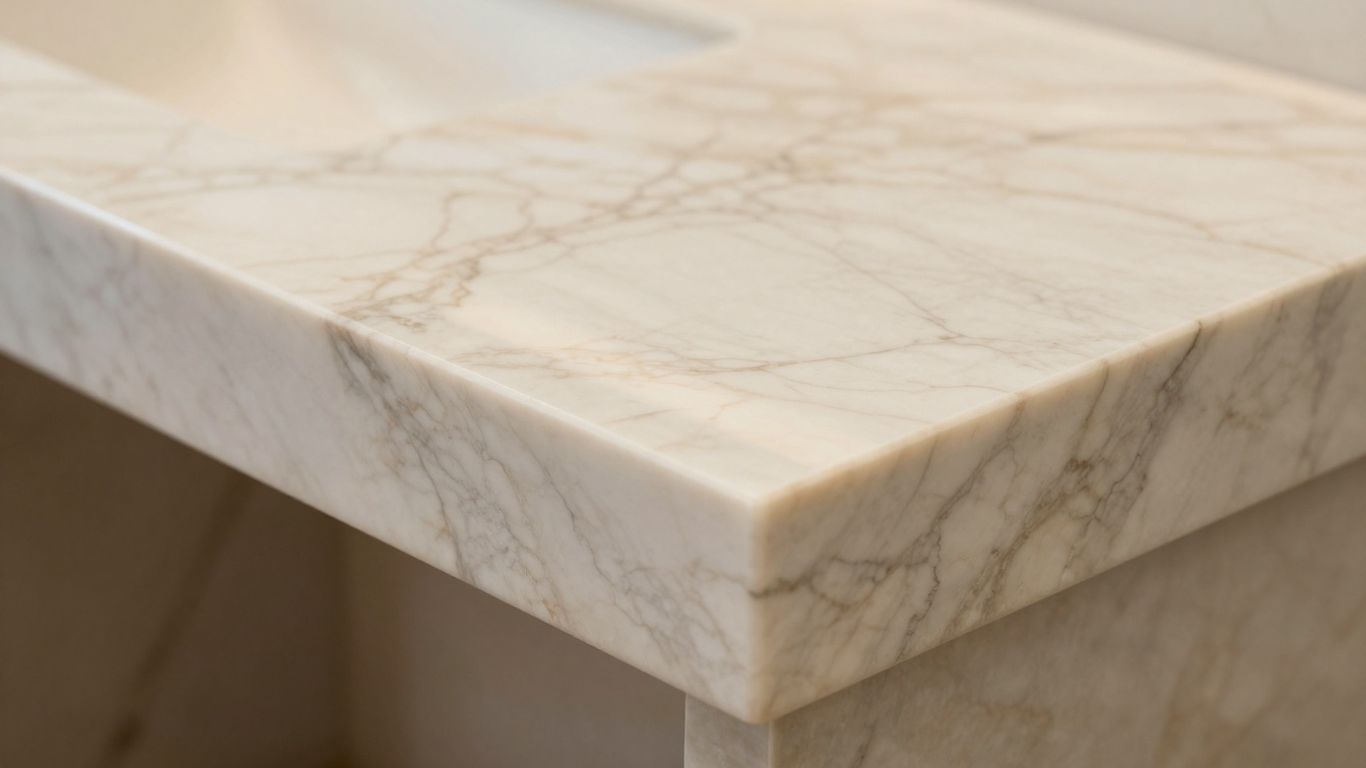
Dolomite marble is a bit of a curveball in the world of natural stone countertops. It's technically a metamorphic rock, like marble, but it's formed from dolomite, which is a mineral composed of calcium and magnesium carbonate. This gives it some properties that are a little different from your typical marble.
It's often mistaken for marble, but it's actually harder and less porous. This means it can stand up a bit better to daily wear and tear, which is a big plus for busy kitchens. You'll find it in a range of colors, usually lighter shades like whites, grays, and sometimes with subtle veining. It has a nice, clean look that can fit into a lot of different kitchen styles.
Here's a quick look at what makes Dolomite stand out:
- Durability: It's more resistant to etching and staining compared to many traditional marbles. This makes it a more practical choice for surfaces that see a lot of action.
- Appearance: It offers that classic, elegant look that people love about marble, but with a bit more resilience.
- Maintenance: While it's more forgiving than some marbles, it still requires care. Sealing is usually recommended to keep it looking its best and to prevent any potential issues down the line.
When you're looking for a stone that gives you the marble aesthetic without all the fuss, Dolomite is definitely worth considering. It's a solid option if you want that sophisticated feel but need something a little more robust for your kitchen worktop.
Dolomite offers a compelling middle ground for homeowners who admire the beauty of marble but are concerned about its susceptibility to etching and staining. Its unique composition provides a more forgiving surface for everyday use, making it a popular choice for those seeking both elegance and practicality in their home design.
Wrapping It Up
So, finding the perfect marble worktop near you in 2026 is totally doable. It’s not just about picking something that looks good, though that’s a big part of it. Think about how you use your kitchen or bathroom day-to-day. Do you need something super tough that can handle a lot of action, or is a bit more delicate beauty okay? We’ve talked about how marble brings that classic, fancy vibe, but also how other materials like quartz or granite might be a better fit depending on your lifestyle and budget. Don't forget to check out local showrooms or online galleries to get a real feel for the options. Getting expert advice can really help sort through the choices, making sure you end up with a worktop you’ll love for years to come.
Frequently Asked Questions
How do I keep my marble countertops clean?
To clean your marble countertops, start by dusting off any loose crumbs or dirt with a soft cloth. Then, mix a tiny bit of mild, pH-neutral soap with warm water. Dampen a soft cloth with this mixture and wipe down the surface. Finally, use a damp cloth to rinse off any soap and dry it all up with a clean towel. It's important to avoid using strong or gritty cleaners, as they can harm the marble.
What's the best way to get rid of stains on marble?
For stains, you can make a thick paste using baking soda and water. If the stain is really tough, try using hydrogen peroxide instead of water. Spread this paste over the stained spot, cover it with plastic wrap, and let it sit overnight. The next day, remove the paste and wipe the area clean. You might need to do this a couple of times for stubborn stains.
Should I seal my marble countertops, and how do I do it?
Yes, sealing your marble countertops is a good idea to protect them. First, make sure the marble is completely clean and dry. Then, pick a good quality sealer made specifically for marble. Apply it evenly with a clean brush in a thin layer. Let the sealer soak into the stone for about 10-15 minutes, then wipe off any extra. Let it dry fully according to the product's instructions, usually about 24 hours.
Are marble countertops very expensive?
Marble countertops can range in price. They aren't always the most expensive option. The cost really depends on the specific type of marble, how popular it is, and how easy it is to find. Some marble can be quite affordable, while rarer types will naturally cost more.
Is marble good for cooking and baking?
Marble is actually fantastic for baking! Because it stays naturally cool, it's perfect for working with dough and butter, keeping them from getting too warm. It's also quite resistant to heat, which is great for a kitchen. Just remember to use trivets or hot pads for very hot pans to be safe.
What are the different looks or finishes for marble?
Marble can be finished in a few ways. A polished finish gives it a super shiny, glossy look that feels very luxurious. If you prefer something a bit softer and more understated, a honed finish is a good choice. There's also a leathered finish that has a bit of texture, which can be nice for hiding minor scratches and giving a warm feel.


