

The Ultimate Guide to Finding the Best Granite Cleaner for Your Home
GMS Kumar
Granite countertops look great in pretty much any kitchen. They're tough and can handle a lot, but that doesn't mean you can just forget about them. Keeping them looking good actually takes a little know-how. You don't want to use the wrong stuff and end up damaging that beautiful stone. This guide is all about figuring out the best granite cleaner and how to use it so your counters stay nice for years.
Key Takeaways
- Granite is durable but still needs proper care to maintain its look and integrity.
- Always opt for a cleaner specifically designed for granite or use a pH-neutral, mild soap with water.
- Avoid harsh chemicals, acidic or alkaline cleaners, and abrasive scrubbing pads that can damage the stone.
- Wipe up spills immediately and perform regular cleanings to prevent stains and dullness.
- Use protective items like trivets, hot pads, and cutting boards to shield your granite from heat, scratches, and potential damage.
Understanding Your Granite Countertops
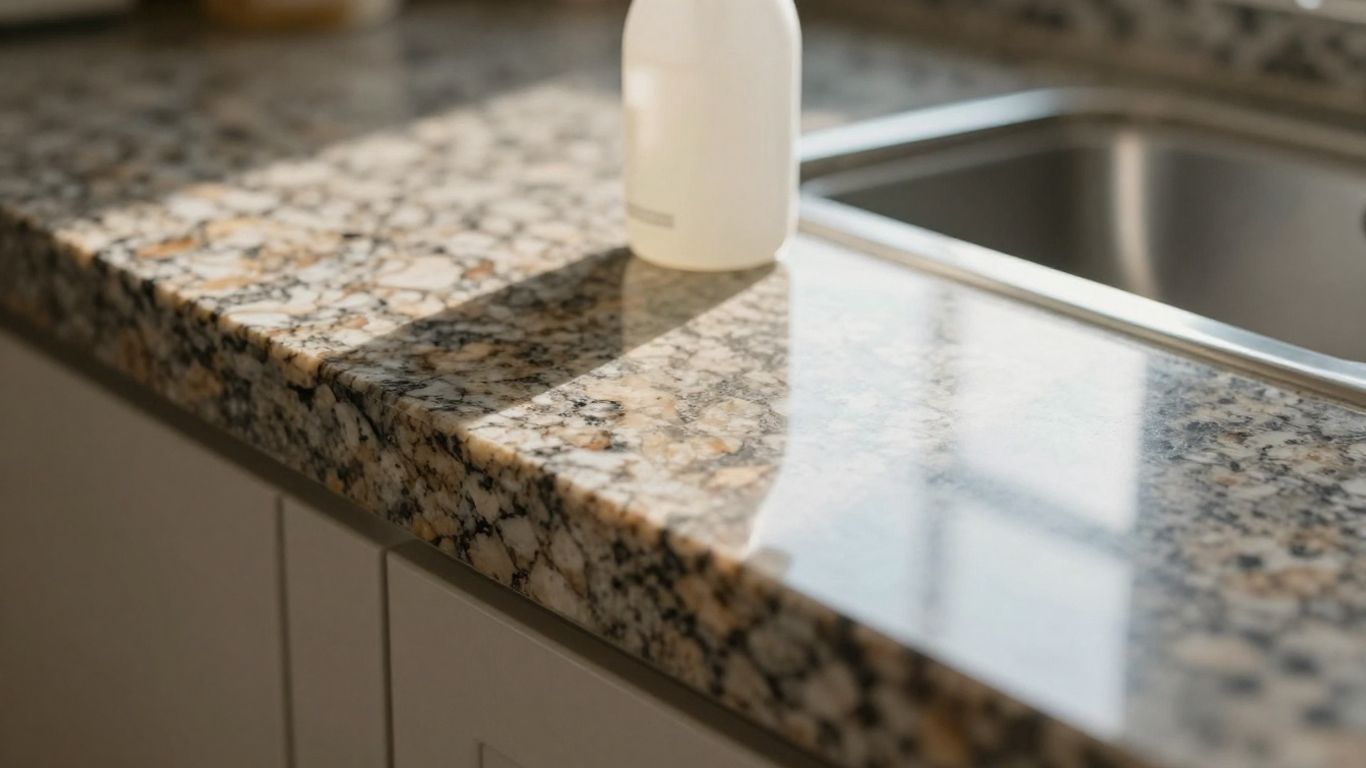
Granite countertops have become super popular over the last few decades, and it's easy to see why. They look fantastic and are tough as nails, which is a big plus for busy homes. But even though they're durable, they still need a little attention to keep them looking their best.
The Durability and Appeal of Granite
Granite is a natural stone that's formed deep within the earth. This process makes it incredibly hard – in fact, it's one of the hardest natural stones you can get. This means it stands up really well to daily wear and tear. You can expect it to resist scratches and heat, which is great for kitchens where things can get a bit hectic. Beyond its toughness, granite has this unique, natural beauty. Each slab is different, with its own patterns and colors, making your countertops truly one-of-a-kind. It really adds a touch of elegance to any room.
Why Granite Maintenance Matters
Even though granite is tough, it's not completely invincible. It's a porous material, which means liquids can soak into it if it's not properly protected. If spills aren't cleaned up quickly, they can leave stains that are hard to get out. Regular care helps prevent this. Keeping your granite clean and sealed is key to maintaining its beauty and preventing damage over time. It’s not about constant scrubbing, but more about a consistent, gentle approach.
Here’s a quick look at what’s involved:
- Daily Wiping: A quick wipe-down after use keeps crumbs and minor spills from setting in.
- Spill Management: Dealing with spills right away stops them from becoming permanent marks.
- Periodic Sealing: This is the main defense against liquid absorption.
The Importance of Sealing Granite
Sealing granite is a really important step in its upkeep. Think of it like giving your countertops a protective shield. Granite, being porous, has tiny little holes. A sealant fills these holes, making it much harder for liquids and stains to seep into the stone. Without sealing, you're leaving your countertops vulnerable. It’s a straightforward process that makes a huge difference in how well your granite holds up. Most experts recommend sealing your granite countertops about once a year, but if you have a high-traffic kitchen, you might need to do it more often, maybe every 6 to 8 months. Lighter colored granite might also need a bit more frequent attention.
Proper sealing prevents common issues like water spots and oil stains from becoming permanent problems. It's a simple step that preserves the natural beauty of your stone for years to come.
When you're cleaning up, remember to use gentle methods. For everyday messes, a simple mix of warm water and a little bit of mild dish soap works wonders. Just use a soft cloth, wipe it down, and then dry it off. This routine helps maintain the beauty and longevity of your granite surfaces. For quick cleanups, warm water is often all you need.
Choosing the Right Granite Cleaner
So, you've got these beautiful granite countertops. They look great, right? But keeping them that way means picking the right stuff to clean them with. It’s not as simple as just grabbing whatever’s under the sink. Using the wrong cleaner can actually do more harm than good, dulling the shine or even causing damage over time. The key is to use products specifically made for natural stone.
What Makes a Granite Cleaner Safe?
When you're looking for a cleaner that won't mess with your granite, you want something that's pH-neutral. Think of it like this: granite is a natural stone, and it can be sensitive. Harsh chemicals can strip away the sealant that protects it, making it more likely to stain. A good granite cleaner will lift dirt and grime without being aggressive. It should leave your countertops looking clean and shiny, not dull or streaky. Many cleaners are designed to safely remove grime and buildup from various natural stone surfaces, including granite [41a7].
Identifying Harmful Ingredients to Avoid
There are definitely some things you want to steer clear of. Generic household cleaners often contain ingredients that are just too tough for granite. Here’s a quick rundown of what to watch out for:
- Acids: Things like vinegar, lemon juice, or even some bathroom cleaners can etch the surface of your granite. This means they can actually eat away at the stone, leaving dull spots.
- Alkalis: Strong alkaline cleaners, like ammonia or bleach, can also break down the sealant. Once the sealant is gone, your granite is more open to stains.
- Abrasives: Scrubbing powders or abrasive pads can scratch the surface. Even if the scratch is tiny, it can catch dirt and make the granite look less appealing.
- Harsh Solvents: Some degreasers or all-purpose cleaners might contain strong solvents that can damage the stone or its finish.
It's really tempting to use that all-purpose spray you use everywhere else, but granite is different. It needs a gentler touch and specific products to keep it looking its best for years to come.
Recommended Granite Cleaner Types
So, what should you use? Your best bet is to look for cleaners that are specifically labeled for granite or natural stone. These are usually pH-neutral and formulated to clean effectively without damaging the stone or its sealant. You can find them in spray bottles at most home improvement or grocery stores. Sometimes, a simple solution of warm water and a mild dish soap (make sure it doesn't have added degreasers or harsh chemicals) can work for daily wipe-downs. For a more thorough clean or to tackle specific issues, a dedicated granite cleaner is the way to go. Consulting expert reviews can help you find the best options [bd6d].
Daily Cleaning Routines for Granite
Keeping your granite countertops looking their best doesn't have to be a chore. In fact, a few simple habits can go a long way in preserving their natural beauty and shine. The key is consistency and using the right approach.
Wiping Down Surfaces Regularly
Think of this as your granite's daily spa treatment. A quick wipe-down after each use, especially in high-traffic areas like the kitchen, prevents grime and food particles from setting in. This simple habit is the most effective way to maintain your granite's luster. You don't need fancy products for this; often, a damp, soft cloth is all it takes. For a bit more cleaning power, a little bit of mild dish soap mixed with warm water works wonders. Just be sure to rinse and dry thoroughly to avoid any streaks or water spots.
Immediate Action for Spills
Granite is tough, but it's not entirely immune to staining, especially from liquids like wine, coffee, or oil. The moment something spills, grab a clean cloth or paper towel and blot it up. Don't rub, as this can spread the spill. Blotting helps lift the liquid from the surface before it has a chance to seep into the stone's pores. This is especially important for colored liquids or anything oily.
Using Warm Water for Quick Cleanups
For those everyday messes that aren't necessarily spills but just general kitchen activity, warm water is your best friend. It's gentle, effective, and won't harm your granite's sealant. You can use a soft sponge or cloth dipped in warm water to wipe down the counters. If you need a little extra cleaning action, a few drops of a pH-neutral dish soap can be added to the water. After cleaning, always follow up with a dry cloth to buff the surface and prevent water marks. This routine helps keep your granite countertops looking fresh without any harsh chemicals.
Remember, the goal with daily cleaning is to be proactive. Addressing small issues before they become big problems is the easiest way to care for your granite. It’s about building a routine that fits your lifestyle and keeps your surfaces looking great with minimal fuss.
Deep Cleaning and Stain Removal
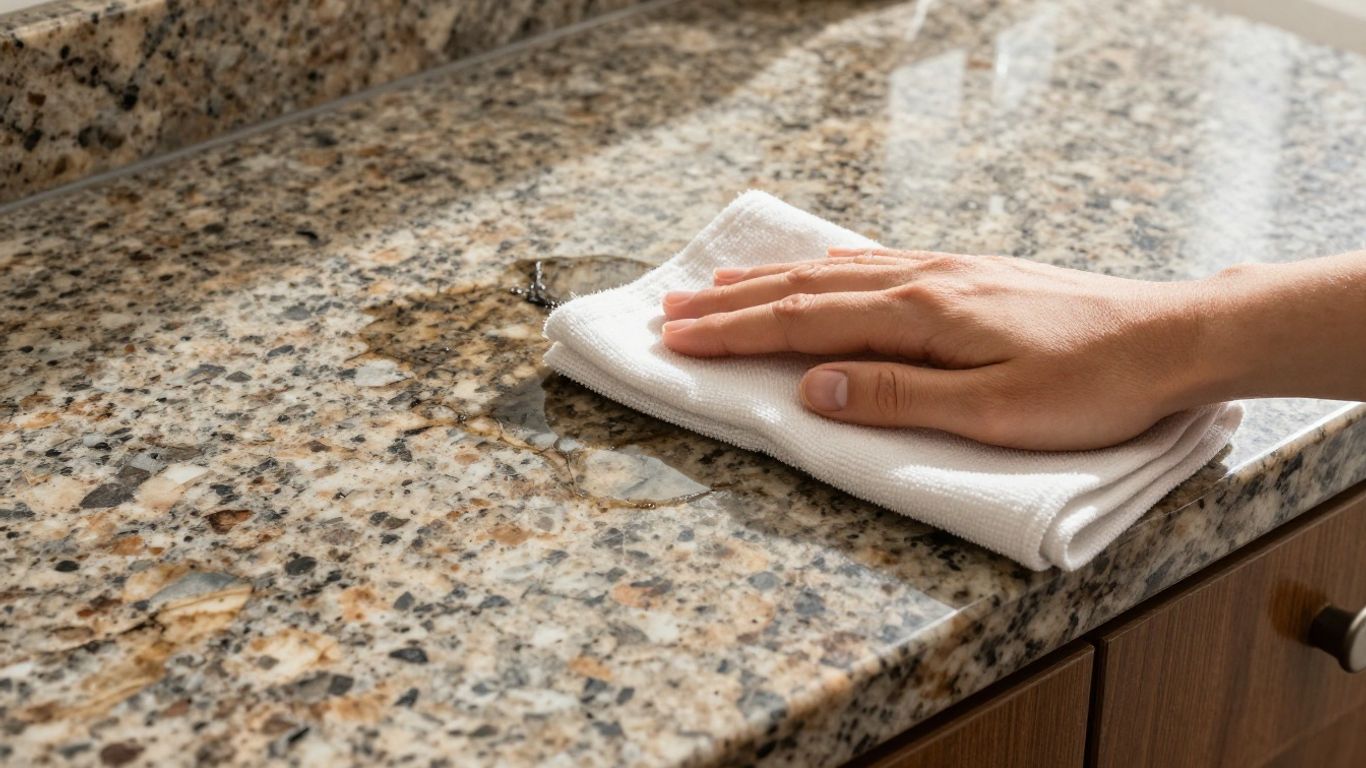
Even with the best daily care, sometimes your granite countertops might need a little extra attention. Stains can happen, and knowing how to tackle them without damaging your beautiful stone is key. It's not just about wiping the surface; sometimes, the offending liquid has seeped in a bit.
Effective Granite Cleaner Solutions
When everyday wiping isn't enough, it's time for a more targeted approach. For general deep cleaning, a simple solution of warm water and a few drops of mild dish soap can work wonders. If you want something a bit more potent but still safe, a 50/50 mix of isopropyl alcohol and water is great for disinfecting and lifting grime. For those tougher, set-in spots, a poultice is your best friend. You can make one at home using baking soda and water. This paste is applied to the stain, covered, and left to work its magic.
- Start with a clean slate: Always begin by washing the surface with warm water and a soft cloth to remove any loose debris. This prepares the area for more focused stain removal.
- DIY Poultice Power: Mix baking soda with just enough water to form a thick paste. Apply it generously over the stained area.
- Patience is a virtue: Cover the poultice with plastic wrap and tape the edges down. Let it sit for at least 12-24 hours.
- Rinse and Reveal: Gently remove the plastic wrap and wipe away the dried paste with a damp cloth. Rinse the area thoroughly with clean water and dry it completely.
Remember, the goal is to draw the stain out of the stone, not just scrub it off the surface.
Tackling Oil-Based Stains
Oil-based stains, like those from cooking grease, butter, or even some cosmetics, can be tricky. The best way to combat these is with a paste that can absorb the oil. A mixture of baking soda and water is perfect for this. Apply the paste, cover it, and let it sit for several hours, or even overnight, to give it time to lift the oily residue. Then, just wipe it away.
Addressing Water-Based Marks
Water-based stains, such as those from juice, tea, coffee, or wine, can also leave their mark. For these, a paste made from baking soda and a bit of hydrogen peroxide is often effective. Apply this mixture to the stain, cover it, and let it sit overnight. The next day, wipe it clean and rinse. For stubborn water spots or rings, sometimes a gentle buffing with dry 0000-grade steel wool can help remove them without scratching the granite.
| Stain Type | Recommended Solution | Application Time |
|---|---|---|
| Oil-Based | Baking soda and water paste | Several hours to overnight |
| Water-Based | Baking soda and hydrogen peroxide paste | Overnight |
| General Grime | Mild dish soap and water or Isopropyl alcohol mix | As needed |
Always test any cleaning solution on an inconspicuous area first. This helps make sure it won't discolor or damage your granite. If you're dealing with a particularly stubborn stain, don't hesitate to consult a professional stone care specialist. They have access to specialized products and techniques that can often resolve issues that DIY methods can't. For persistent issues, consider professional granite cleaning services.
What to Avoid When Cleaning Granite
When it comes to keeping your granite countertops looking their best, knowing what not to do is just as important as knowing what to do. Some common household cleaners might seem like a good idea, but they can actually cause damage over time. It’s all about being gentle and using the right stuff.
Steering Clear of Abrasive Cleaners
First off, let's talk about scrubbing. Granite is tough, sure, but that doesn't mean it can handle being scrubbed with anything and everything. You want to avoid anything that feels gritty or scratchy. Think about it – if it can scratch a pot, it can probably scratch your countertop too. This includes things like scouring powders or pads that are meant for tougher jobs. They can dull the shine and even create tiny scratches you might not see right away but will show up later.
The Dangers of Generic Cleaning Products
Many everyday cleaners are just too harsh for natural stone. Products like bleach, ammonia, or even window cleaners can strip away the sealant that protects your granite. Once that sealant is gone, your countertops are more vulnerable to stains and damage. Even cleaners that smell like lemons or oranges can be problematic because they often contain citric acid. It’s best to stick to cleaners specifically made for natural stone surfaces or use a simple solution of warm water and a little mild dish soap for daily wipe-downs.
Why Acidic and Alkaline Substances Harm Granite
Granite has a specific pH balance, and messing with that can cause issues. Acidic things, like vinegar or lemon juice, can etch the surface and damage the sealant. On the other hand, highly alkaline substances can also break down the sealant over time. It’s a delicate balance, and using the wrong cleaner is like giving your countertops a chemical bath they don’t need.
Here’s a quick rundown of what to keep away from:
- Acidic Cleaners: Vinegar, lemon juice, citrus-based cleaners.
- Alkaline Cleaners: Some oven cleaners, ammonia-based products.
- Abrasive Scrubbers: Steel wool, harsh scouring pads, gritty powders.
- Generic Multi-Purpose Cleaners: Unless specifically stated as safe for granite.
Remember, your granite countertops are an investment. Treating them with the right care means they'll look great for years to come. It’s not complicated, just a matter of using the correct products and methods. Avoiding these common mistakes is a big step in maintaining your granite.
Protecting Your Granite Surfaces
Even though granite is tough, treating it with a little extra care goes a long way in keeping it looking great for years. Think of it like this: you wouldn't wear your best shoes to go hiking, right? Same idea applies here. A few simple habits can prevent a lot of potential headaches.
The Role of Trivets and Hot Pads
Granite can handle heat, but that doesn't mean you should test its limits. Placing scorching hot pots and pans directly on the surface, even if it doesn't crack immediately, can potentially cause thermal shock or dull the finish over time. It's always better to be safe than sorry. Keep a set of trivets or hot pads handy right next to your stove. This simple step protects the stone from extreme temperature changes and preserves its natural beauty.
Using Cutting Boards for Food Prep
Granite is incredibly hard – so hard, in fact, that it can dull your knives if you try to cut directly on it. To keep both your countertops and your cutlery in good shape, always use a cutting board. This is non-negotiable for any serious food preparation. It’s a small effort that makes a big difference in maintaining the integrity of your granite and the sharpness of your knives. For everyday tasks like slicing fruit or cheese, a thin plastic or wooden board works perfectly.
The Benefit of Coasters for Drinks
While a well-sealed granite surface should resist most liquid spills, it's still wise to use coasters. Condensation from cold drinks can, over time, find its way into the stone's pores, especially if the sealant isn't in perfect condition. This can lead to faint rings or even subtle staining. Using coasters, particularly for beverages that might leave a residue, is a simple habit that adds an extra layer of protection. It’s especially important if you’re unsure about the current state of your granite countertop sealant.
Being proactive with these protective measures means you'll spend less time worrying about damage and more time enjoying the beauty of your granite. It’s about mindful use, not restrictive use.
Wrapping It Up
So, there you have it. Keeping your granite looking sharp doesn't have to be a huge chore. It's mostly about being mindful – cleaning up spills right away, using coasters and trivets, and most importantly, picking the right cleaner. Avoid those harsh chemicals and generic sprays, and stick to products made for stone or even just warm water and a little mild soap for everyday stuff. A little bit of care goes a long way in making sure those beautiful granite surfaces stay that way for years to come. Happy cleaning!
Frequently Asked Questions
What's the best way to clean granite every day?
For daily cleaning, a soft cloth or sponge with warm water and a little bit of mild dish soap works wonders. Just wipe down the surface, rinse with clean water, and dry it with a soft cloth to keep it looking great and free of dirt and grease.
What kind of cleaners should I absolutely avoid using on my granite?
You should steer clear of harsh cleaners like bleach, ammonia, and anything with strong acids like vinegar or lemon juice. Also, avoid abrasive scrubbers or generic cleaning products not made specifically for stone, as they can damage the sealant and the granite itself.
My granite got a spill on it. What should I do right away?
Don't wait! Grab a dishcloth and dry up any spills immediately. This is super important to stop liquids from soaking into the stone's pores and causing stains.
Can I put hot pots and pans directly on my granite countertops?
While granite is tough and can handle some heat, it's best not to risk it. Always use trivets or hot pads under hot pots and pans to protect your countertop from potential damage like chips or cracks.
How do I get rid of tough stains like oil or water marks?
For oil stains, make a paste of baking soda and water, apply it to the stain, let it sit for a few hours or overnight, then wipe it off. For water-based stains, try a paste of baking soda and a little hydrogen peroxide, let it sit overnight, and then clean it up.
Does granite need to be sealed, and how often?
Yes, sealing is important because granite is porous and can absorb liquids. Sealing fills up those tiny holes, preventing stains. You can test if your granite needs sealing by seeing if water beads up or soaks in; if it soaks in, it's time to reseal, which is typically done every few years.


