

Transform Your Kitchen with Durable Vinyl for Worktops
GMS Kumar
Thinking about giving your kitchen a facelift without breaking the bank? Maybe you're tired of those old countertops but a full replacement just isn't in the cards right now. Well, you're in luck! There's a pretty neat trick that's become super popular for updating kitchen surfaces, and it involves something called vinyl wrap. It's a way to change up the look of your worktops without all the fuss and cost of new ones. We're going to look into what this vinyl for worktops stuff is all about and see if it might be the right move for your kitchen.
Key Takeaways
- Vinyl for worktops offers a budget-friendly way to update your kitchen's appearance, mimicking materials like wood or marble without the high cost.
- Application is generally straightforward for DIYers, but requires careful preparation and patience to avoid bubbles and ensure a smooth finish.
- While vinyl for worktops is water-resistant and easy to clean, it can be sensitive to heat and prone to scratches or peeling over time, especially with heavy use.
- Choosing patterned vinyl for worktops can help disguise minor imperfections and scratches, extending its visual appeal.
- Vinyl for worktops is a good short-term solution for a quick refresh or for renters, but consider its durability limitations compared to traditional materials for long-term use.
Understanding Vinyl for Worktops
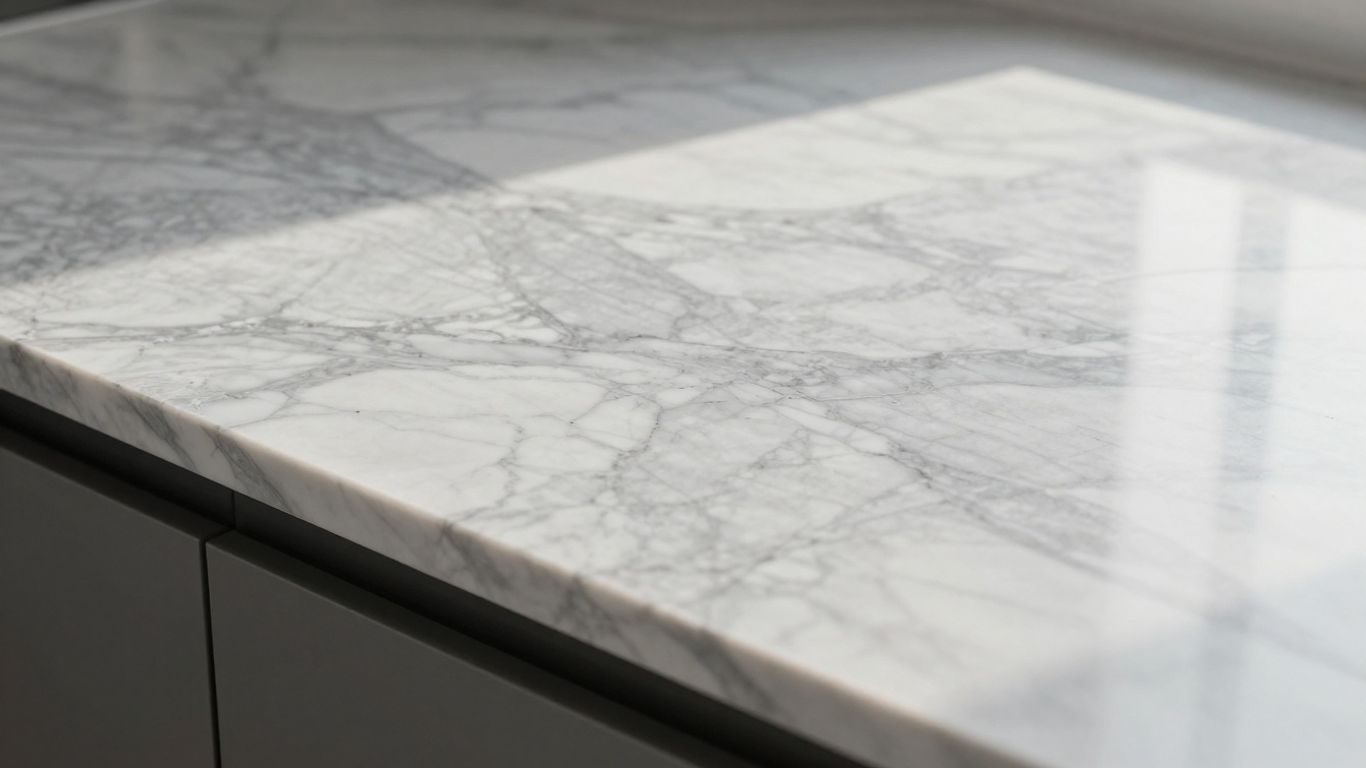
Thinking about giving your kitchen a facelift without a full renovation? You're not alone. Many homeowners are looking for smart, budget-friendly ways to update their space, and that's where vinyl for worktops really shines. It's a fantastic option for renters or anyone wanting a quick, stylish change. Vinyl offers a surprisingly durable and attractive solution for refreshing your countertops.
What Exactly Is Vinyl For Worktops?
So, what exactly are we talking about when we say "vinyl for worktops"? It's essentially a durable, self-adhesive material that you can apply directly onto your existing countertops. Think of it like a super-powered contact paper, but designed specifically for the high-traffic, often wet environment of a kitchen. It's not just about looks, though. This stuff is built to handle spills, heat (within reason!), and daily wear and tear. It's a way to get a brand-new countertop look without the hassle and expense of replacing the whole thing. You can find it in rolls, much like wallpaper, and it comes in an incredible variety of finishes.
The Budget-Friendly Appeal
Why has vinyl wrapping become so popular for kitchen makeovers? For starters, the cost is a huge factor. Compared to granite, quartz, or even a new laminate countertop, vinyl is a fraction of the price. Plus, the visual transformation can be dramatic. It's a great way to update countertops with a wooden appearance using worktop vinyl wrap. You can mimic the look of expensive materials like marble or natural wood, or go for a sleek, modern solid color. It's also incredibly practical. Cleaning is usually just a quick wipe-down, and it's resistant to moisture, which is a big plus in a kitchen.
Mimicking Premium Materials
One of the biggest draws of vinyl for worktops is its ability to imitate more expensive materials. You can get finishes that look remarkably like natural stone, from the veining of marble to the textured look of granite. Wood-effect vinyl is also incredibly popular, offering the warmth and style of real timber without the high cost or maintenance. Beyond natural looks, there are also concrete finishes for a modern industrial vibe, or even bold patterns and solid colors to make a statement. The printing technology has gotten really good, so the details can be quite convincing.
The key is that vinyl provides a visual upgrade that can completely change the feel of your kitchen without breaking the bank. It's a smart choice for a quick refresh.
| Material Mimicked | Typical Cost (per sq ft) | Vinyl Alternative Cost (per sq ft) |
|---|---|---|
| Granite | $50 - $200 | $5 - $20 |
| Marble | $75 - $250 | $5 - $20 |
| Quartz | $50 - $150 | $5 - $20 |
| Solid Wood | $30 - $100 | $5 - $20 |
Achieving a Stylish Look with Vinyl
Wood-Effect Vinyl for Worktops
Want that warm, natural look of wood without the upkeep? Vinyl worktops come in a huge range of wood grains, from light oak to rich walnut. You can get finishes that really mimic the texture, making your kitchen feel cozy and inviting. It's a great way to get a wooden appearance using worktop vinyl wrap, especially if you're on a budget or want something easy to clean.
Mimicking Stone and Concrete Finishes
Beyond wood, vinyl is a master of disguise. Think you can't afford a sleek concrete countertop or the look of natural stone? Think again. Vinyl offers convincing replicas of marble, granite, slate, and even modern concrete. These finishes can give your kitchen a sophisticated, high-end feel without the hefty price tag. The variety of patterns means you can achieve almost any aesthetic you desire.
Choosing Patterns to Disguise Imperfections
Sometimes, a busy pattern is your best friend. If you're worried about minor spills or everyday smudges showing up, a vinyl with a more complex design can be a lifesaver. Think subtle speckles, abstract swirls, or even a faux-tile effect. These patterns naturally draw the eye away from any small marks, making your worktops look cleaner for longer. It’s a smart trick for busy kitchens, and you can explore innovative applications for kitchen wrap vinyl to see how it can transform more than just your counters.
Vinyl is surprisingly forgiving. While it can mimic premium materials, it also offers practical benefits like ease of cleaning and a lower cost. It's a win-win for style and function in the kitchen.
Practicality and Durability of Vinyl
Moisture and Stain Resistance
One of the biggest wins for vinyl worktops is how well they handle moisture. Kitchens are naturally steamy places, and spills happen, right? Unlike wood, which can swell or get damaged by water, vinyl doesn't really mind a bit of dampness. This makes it a solid choice for busy kitchens where you might not always wipe up spills the second they happen. It's also pretty good at fending off most common stains. Coffee rings or a bit of tomato sauce usually wipe away without leaving a trace. This resistance to water and stains is a big reason why vinyl is a popular pick for areas that see a lot of action.
Heat and Scratch Considerations
Now, while vinyl is tough, it's not completely invincible. You do need to be a little mindful of extreme heat. Placing a scorching hot pan straight from the oven directly onto the vinyl surface isn't recommended, as it can cause melting or discoloration. Always use trivets or heat pads to protect the surface. Similarly, while it resists everyday scratches pretty well, dragging heavy pots or sharp objects across it can leave marks. For food prep, it's always best to use a cutting board. Think of it like this: it's durable for daily life, but not indestructible against extreme conditions. For a more in-depth look at how different materials handle wear, you might find information on vinyl plank flooring durability helpful.
Long-Term Wear and Tear
When it comes to how vinyl holds up over time, it's generally a good performer, especially for its price point. For everyday use, like chopping vegetables (with a board, of course!) or placing down dishes, it stands up well. However, very heavy, prolonged use or constant dragging of appliances could eventually show some wear. Some users have noted minor issues like slight peeling in hidden spots or visible shrinking over several years, particularly if not installed perfectly. Choosing a busy pattern can help disguise minor imperfections that might appear over time. It's a practical material that offers a good balance of longevity and affordability for most home kitchens.
Vinyl worktops offer a practical solution for many kitchens, standing up well to daily moisture and common spills. While not immune to extreme heat or deep scratches, mindful use and simple protective measures can significantly extend their lifespan. For busy households, their resistance to stains and water makes them a low-stress option.
Here's a quick rundown of what to keep in mind:
- Moisture: Vinyl is highly resistant to water, making it great for kitchens.
- Stains: Most common kitchen spills wipe away easily.
- Heat: Avoid direct contact with very hot items; use protection.
- Scratches: Use cutting boards and avoid dragging heavy objects.
- Wear: Generally durable for daily use, but extreme conditions can cause damage.
DIY Installation of Vinyl for Worktops
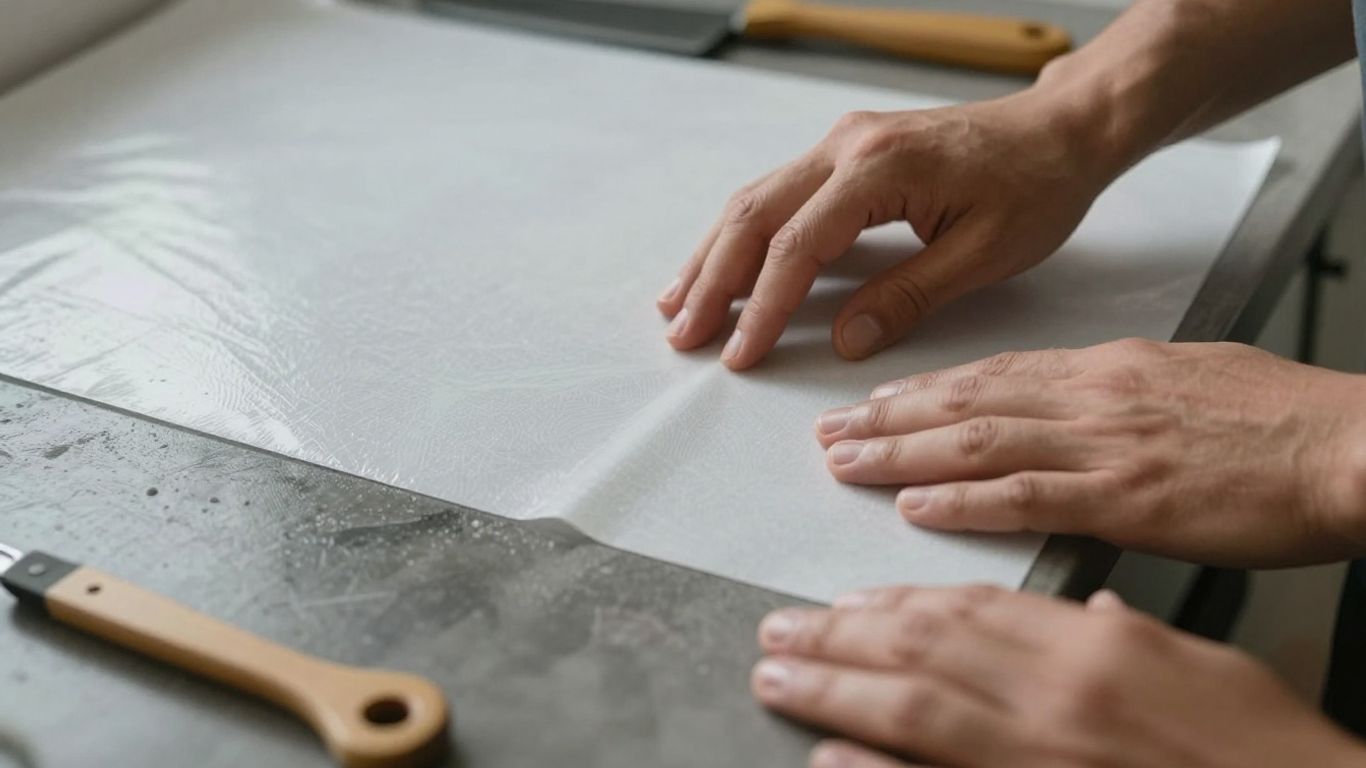
Essential Tools for Application
Getting your vinyl worktop installed yourself can be a rewarding project, and with the right tools, it's totally doable. You don't need a whole workshop, just a few key items. First off, a good measuring tape is a must for getting your cuts just right. You'll also want a sharp utility knife or a craft knife for making clean edges. A squeegee, or even a firm plastic card like a credit card, is helpful for smoothing out the vinyl and pushing out air bubbles. Some people swear by a heat gun or even a hairdryer to make the vinyl more pliable, especially around corners and edges. And of course, don't forget cleaning supplies – a degreaser and a lint-free cloth are super important.
Surface Preparation is Key
Seriously, don't rush this part. The smoother and cleaner your existing worktop is, the better your vinyl will look and stick. Any little bump, bit of old glue, or grease spot will show through or cause the vinyl to lift later. So, give your worktop a thorough cleaning. Use a degreaser to get rid of any oily residue, then wipe it down with a clean cloth. If you have any deep scratches or chips, you might want to fill them with a suitable filler and sand it smooth before you start. A perfectly prepped surface is half the battle won.
Tips for a Seamless Finish
When you start applying the vinyl, work slowly. It's often best to cut the vinyl a little larger than you need, giving you some room to maneuver. Peel back only a small section of the backing paper at first. Use your squeegee to smooth the vinyl down as you go, working from the center outwards to push out any air bubbles. Try not to stretch the vinyl too much, as this can cause it to shrink back later. For tricky areas like around the sink or hob, a bit of gentle heat from a hairdryer can help the vinyl conform to the shape. Having a second person to help hold things steady can make a big difference, especially on longer runs. You can find some helpful tips on joining vinyl wrap for worktops.
Taking your time during the application process is really important. Rushing can lead to mistakes like air bubbles or uneven edges that are hard to fix later. It's better to go slow and steady for a professional-looking result.
Here's a quick rundown of what you'll need:
- Measuring tape
- Sharp utility knife
- Squeegee or plastic card
- Heat gun or hairdryer (optional, but helpful)
- Degreaser and lint-free cloths
- Filler and sandpaper (if needed for repairs)
Remember, practice makes perfect, and even if your first attempt isn't flawless, it's a great way to learn. For more detailed guidance, check out this guide on applying vinyl wraps.
Maintaining Your Vinyl Worktops
Keeping your vinyl worktops looking good doesn't have to be a chore. With a little regular attention, they'll stay fresh and functional for a long time. It's really not complicated, honestly.
Everyday Cleaning Routine
For daily spills and crumbs, a simple wipe-down is usually all that's needed. Grab a soft cloth, some warm water, and a tiny bit of mild dish soap. Give it a gentle scrub – no need for anything harsh. This approach is effective for keeping the surfaces looking nice day-to-day. The key is consistency; a quick clean after each use prevents build-up. Always wipe in the direction of the texture or pattern, avoiding circular motions, to maintain the integrity and appearance of your countertops. For textured or woodgrain vinyl, a soft-bristle toothbrush can be helpful to lightly brush along the grain [dae0].
Avoiding Common Damage
Vinyl is pretty tough, but it's not invincible. Hot pans straight from the oven are a definite no-no directly on the surface. Always use trivets or heat pads. You know, those things you put under hot dishes? Yeah, use those. Scratches can also happen if you're not careful. Try to avoid dragging heavy pots or appliances across the surface. If you do notice a scratch, sometimes a bit of gentle buffing can help, but it's best to prevent them in the first place. It’s a good idea to keep a cutting board handy for food prep.
Extending the Lifespan of Your Vinyl
To get the most out of your vinyl worktops, think about a few things. Avoid harsh chemicals or abrasive cleaners, as these can dull the finish or even damage the material over time. Also, be mindful of prolonged exposure to direct sunlight, which can sometimes cause fading. If you're dealing with a stubborn stain, try a specialized vinyl cleaner, but always test it on an inconspicuous spot first. Remember, these worktops are a cost-effective choice, and with proper care, they can last quite a while. Taking care of your vinyl worktops is mostly about common sense. Think of it like looking after any other surface in your kitchen – gentle cleaning, avoiding extreme heat, and being a bit careful with sharp objects will go a long way. It's not rocket science, just a bit of mindful upkeep. You can find some helpful tips on joining vinyl wrap for worktops [65b7].
Remember, these worktops are a cost-effective choice, and with proper care, they can last quite a while. It's not rocket science, just a bit of mindful upkeep.
Key Considerations Before Choosing Vinyl
Before you commit to transforming your kitchen with vinyl worktops, it's smart to pause and think about a few things. It’s not just about picking a pretty pattern; there are practical aspects to consider that will affect how happy you are with your new surfaces in the long run.
Assessing Your Kitchen's Usage
Think about how you actually use your kitchen. Is it the central hub for family meals, homework sessions, and lots of cooking action? Or is it more of a quiet space where you just whip up the occasional meal? A busy, high-traffic kitchen needs a different approach than a more laid-back one. If you've got kids who are prone to spills or you're a keen baker who uses the worktops a lot, you'll want to lean towards designs that can hide minor marks. A busy pattern can be your best friend here, making small scratches or smudges less noticeable than a plain, solid color would.
Environmental Impact of Vinyl
Vinyl, being a plastic product, does have an environmental footprint. While it's a great way to upcycle existing surfaces and avoid the waste of full replacement, it's worth considering its lifecycle. If you're looking for more eco-friendly options, you might explore alternatives like resurfacing kits or even natural materials if your budget allows. However, for a budget-friendly and quick update, vinyl is certainly a popular choice.
Managing Expectations for Longevity
It's important to be realistic about how long vinyl worktops will last and how they'll hold up. While vinyl is quite durable for its cost, it's not the same as solid stone or quartz. Very hot pans placed directly on the surface can cause melting, and sharp objects can scratch it. Over time, especially with a lot of use, you might notice some minor shrinking or lifting, particularly at the edges or seams. This doesn't mean it's a bad option, but it does mean treating it with a bit of care will go a long way. For instance, always use a trivet for hot dishes and a cutting board for chopping. This approach helps maintain the look and function of your vinyl for a good while.
- Surface Prep is Key: Make sure your existing countertop is perfectly clean, dry, and smooth before applying. Any bumps or grease will show through.
- Measure Twice, Cut Once: Account for edges and any tricky corners. It's better to have a little extra material than to run short.
- Use the Right Tools: A sharp craft knife and a smoothing tool will make the application process much easier and give a cleaner finish.
While vinyl wrap is a fantastic budget-friendly option, it's important to manage expectations. It's a surface covering, not a replacement for solid stone. Treat it with a bit of care, and it will serve you well for a good amount of time.
Wrapping It Up: Is Vinyl Right for Your Kitchen?
So, there you have it. Vinyl wrap for kitchen worktops is a pretty neat way to give your space a fresh look without emptying your wallet. It's budget-friendly, comes in tons of styles, and honestly, it's not that hard to put up yourself if you're patient. Just remember to prep your surfaces well and be a little gentle with super hot pans or sharp knives. It might not be granite, but for a quick, stylish update or if you're renting, it's a solid choice that can really make a difference. Give it some thought – your kitchen might just thank you for it.
Frequently Asked Questions
What exactly is vinyl for worktops?
Vinyl for worktops is a strong, sticky material that you can put right on top of your old counters. Think of it like a super-tough sticker made for kitchens. It helps you get a new look without replacing your whole countertop.
Is vinyl wrap expensive?
Nope, vinyl wrap is a really affordable way to update your kitchen. It costs much less than materials like granite or quartz, making it a great option if you're on a budget.
Can vinyl look like real wood or stone?
Yes! Vinyl comes in tons of styles that look a lot like real wood, marble, granite, or even concrete. It's a clever way to get a fancy look without the high price.
Is vinyl wrap easy to install?
For most people, yes! You can usually install it yourself with basic tools like a sharp knife and a smoother. The most important parts are making sure the surface is super clean and taking your time to avoid air bubbles.
How do I clean and care for vinyl worktops?
Cleaning is simple – just wipe it down with a damp cloth and mild soap. Try to avoid putting very hot pans directly on it, and be careful with sharp knives to prevent scratches.
Will vinyl worktops last a long time?
Vinyl is pretty durable for everyday use and resists water and stains well. However, it's not as tough as stone or solid surfaces. With good care, it can look great for several years, but it might show wear and tear faster than more expensive materials, especially in very busy kitchens.


