

Transform Your Outdoors: The Ultimate Guide to Granite Slab Paving
GMS Kumar
Thinking about changing up your outdoor space? Maybe you've got a patio that's seen better days, or perhaps a driveway that needs a serious upgrade. Well, you've come to the right place. We're going to talk all about granite slab paving. It's a solid choice for making your yard look good and last a long time. Stick around, and we'll cover what you need to know to get started.
Key Takeaways
- Granite slab paving offers a strong and attractive option for outdoor areas like patios and driveways.
- When picking granite, think about the different types, colors, and how well they resist slipping.
- Planning your design is important, whether it's for a patio, a path, or even a driveway.
- Proper installation by a qualified pro is key to making your granite paving last.
- Taking care of your granite slabs with regular cleaning and occasional sealing will keep them looking great.
Understanding Granite Slab Paving
What is Granite Slab Paving?
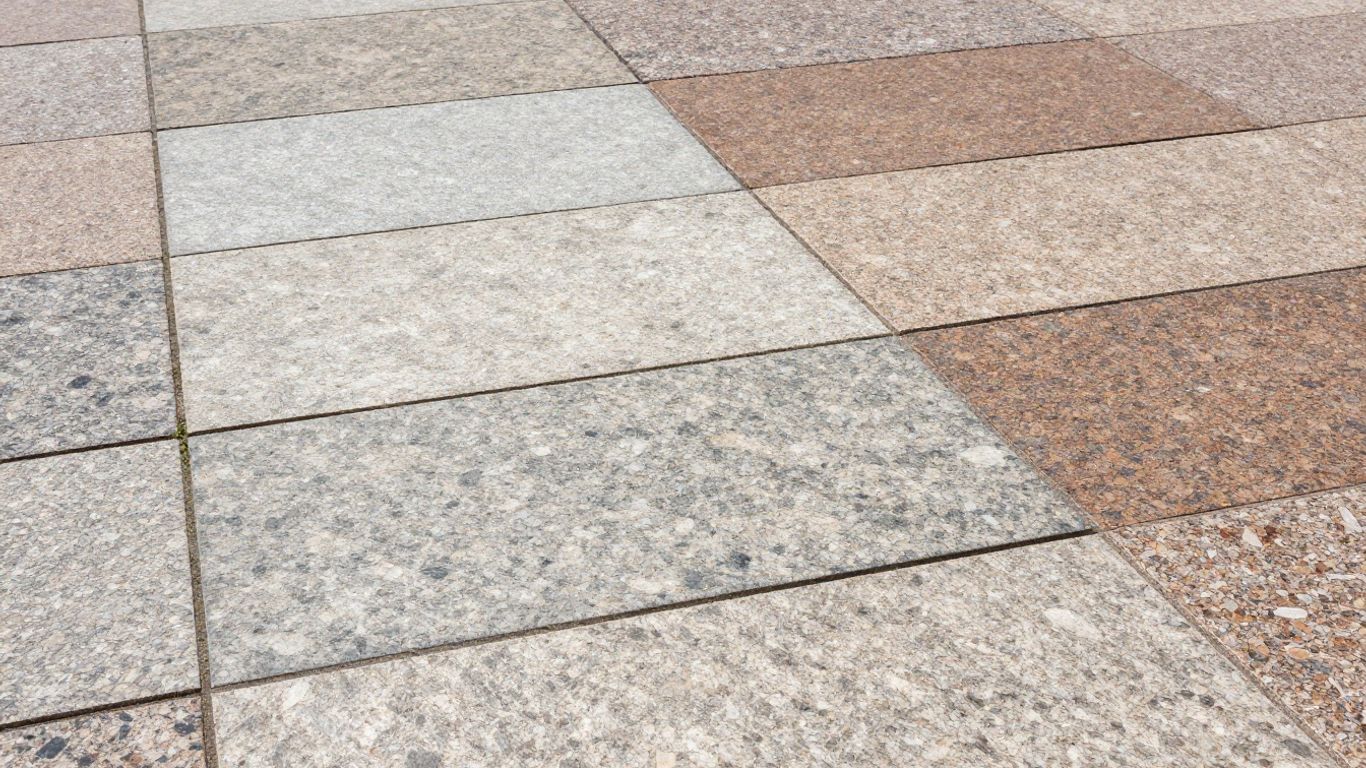
Granite slab paving is essentially using large, cut pieces of granite, a natural igneous rock, to create durable and attractive outdoor surfaces. Think of it as a more substantial, natural alternative to concrete pavers or brick. This material is formed deep within the earth under immense heat and pressure, which gives it its characteristic hardness and density. When quarried and cut into slabs, it offers a robust and visually appealing option for patios, walkways, driveways, and more. The natural variations in granite mean no two installations will ever look exactly the same.
The Enduring Appeal of Granite
People have been drawn to granite for centuries, and it's easy to see why. Its appeal lies in its timeless beauty and incredible strength. It’s a material that feels both grounded and luxurious. Whether you're going for a modern, clean look or something more rustic and natural, granite can fit the bill. Its speckled patterns and rich color variations, like those found in sesame granite, add a unique character that manufactured materials often struggle to replicate. It just has a certain gravitas, you know?
Key Benefits of Granite Slab Paving
So, why choose granite for your outdoor projects? There are several good reasons:
- Unmatched Durability: Granite is one of the hardest natural stones available. It stands up really well to heavy foot traffic, weather extremes, and even vehicles if used for driveways. This means your paving will likely last for decades with minimal fuss.
- Low Maintenance: Forget constant sealing or scrubbing. Granite is naturally dense and doesn't absorb liquids easily, making it resistant to stains and easy to clean. A simple sweep and occasional wash usually do the trick.
- Natural Beauty: Each slab has its own unique pattern and color. This natural variation adds depth and visual interest to your outdoor space, making it look sophisticated and one-of-a-kind.
- Slip Resistance: Many granite finishes offer good traction, which is a big plus for safety, especially around pools or on steps. This makes it a practical choice for busy areas.
Granite's inherent density and low porosity mean it's naturally resistant to the elements and daily wear. This makes it a solid choice for paving projects that need to stand up to a lot of use and varying weather conditions.
Choosing the Right Granite Slabs
So, you've decided granite slabs are the way to go for your outdoor project. Awesome choice! But now comes the fun part: picking the actual slabs. It's not just about grabbing the first ones you see; there's a bit more to it than that. You want something that looks good, lasts forever, and doesn't turn into a slip-and-slide when it rains, right?
Exploring Granite Varieties
Granite isn't just granite. It's a natural stone, formed deep underground over millions of years, and that means it comes in a wild array of colors and patterns. Think of it like a fingerprint – no two slabs are exactly alike. You've got everything from classic blacks and grays to earthy browns, soft beiges, and even some bolder blues and greens. Each type has its own personality. For instance, some have a fine, speckled look, while others might have larger, more dramatic flecks or even subtle veins. It's worth taking a look at different granite varieties to see what catches your eye and fits the vibe of your home.
Color and Finish Considerations
When you're picking out your slabs, color is obviously a big one. Do you want something light and airy that makes your space feel bigger, or a darker, more dramatic look? Consider how the color will play with your house's exterior and your landscaping. And don't forget the finish! You'll usually see three main types:
- Polished: This gives you a super shiny, reflective surface. It really makes the colors and patterns pop, but it can also show water spots and smudges more easily.
- Honed: This is a more matte finish, kind of like a satin look. It's less reflective than polished but still looks really smooth and elegant. It's a bit more forgiving when it comes to showing everyday marks.
- Leathered/Textured: This finish has a bit of a rougher, more tactile feel. It hides fingerprints and water spots really well, making it a great choice if you've got a busy household or a lot of foot traffic. It also adds a nice natural texture to the look.
The finish you choose can make a big difference in how the granite looks and how easy it is to keep clean. Think about your lifestyle and how much time you want to spend on upkeep.
Durability and Slip Resistance
Granite is tough stuff, no doubt about it. It's super hard and can handle a lot of wear and tear, which is why it's great for patios and driveways. But, when it comes to slip resistance, not all granite is created equal. A polished finish can get slick when wet, especially if you live somewhere with rain or snow. Honed or leathered finishes generally offer better grip. It's a good idea to ask about the slip-resistance rating of the slabs you're considering, especially if safety is a top priority for your outdoor paving project.
Here's a quick rundown of what to keep in mind:
- Hardness: Granite is one of the hardest natural stones, resisting scratches and chips well.
- Weather Resistance: It holds up against heat, cold, and moisture, which is key for outdoor use.
- Slip Factor: Polished surfaces can be slippery; honed or textured finishes are usually safer.
- Porosity: While granite isn't super porous, sealing it is still a good idea to prevent stains, especially from things like oil or grease.
Designing with Granite Slab Paving
When it comes to granite slab paving, the design possibilities are pretty vast. It’s not just about laying down stones; it’s about creating a space that looks good and works for you. Granite’s natural beauty means it can really transform an area, whether that’s your backyard patio or the path leading up to your front door.
Patio and Deck Applications
Granite slabs are fantastic for patios. They give you a solid, attractive surface that feels a bit more upscale than poured concrete. You can go for a more modern look with light, silver-grey granite, which pairs nicely with darker furniture or metal accents. Or, if you’re going for a warmer vibe, darker granite can work too. It’s all about what matches your home and your style. Plus, granite is pretty slip-resistant, which is a big plus if you have kids or older folks around.
- Create distinct zones: Use different patterns or borders to separate areas for dining and lounging.
- Consider the finish: A honed finish offers a matte look, while a polished finish is more reflective and can make a space feel larger.
- Incorporate curves: Don't feel limited to straight lines; curved edges can add a softer, more organic feel to your patio.
Driveway and Pathway Designs
For driveways, granite is a really strong choice. It can handle the weight of cars, which is obviously important, and it looks way better than plain asphalt. Think about the impact of a driveway that’s made of beautiful, natural stone. For pathways, granite offers a durable and safe surface. Its natural texture provides good grip, even when it’s wet. You can use it to create winding garden paths or a grand entrance to your home. Lighting can also be integrated into pathway designs, perhaps with subtle in-ground lights to highlight the edges at night, making them both functional and visually appealing.
Integrating Granite with Other Materials
Mixing granite slabs with other materials can really make your design pop. You can create interesting contrasts by pairing granite with wood decking, gravel, or even different types of stone. For example, a granite patio might transition into a gravel pathway, or you could use a border of smaller granite cobbles around larger slabs. This approach adds texture and visual interest, breaking up large areas and defining different parts of your outdoor space. It’s a great way to add a personal touch and make your design truly unique.
When planning your design, think about how the granite will look throughout the day and in different weather conditions. Its natural variations mean it can appear quite different when wet compared to when dry, adding another layer of visual depth to your project.
Here’s a quick look at how different granite colors can work:
| Granite Color | Best For |
|---|---|
| Light Grey | Modern, minimalist patios |
| Dark Grey/Black | Traditional, formal driveways and paths |
| Beige/Brown | Rustic, natural garden settings |
| Speckled | Adds texture and visual interest to any area |
Remember, the right design can turn your outdoor area into a beautiful and functional extension of your home. Don't be afraid to get creative with patterns, borders, and combinations of materials to achieve the look you want. For inspiration on how different colors can complement your space, check out light, silver-grey granite pavers.
The Granite Slab Paving Installation Process
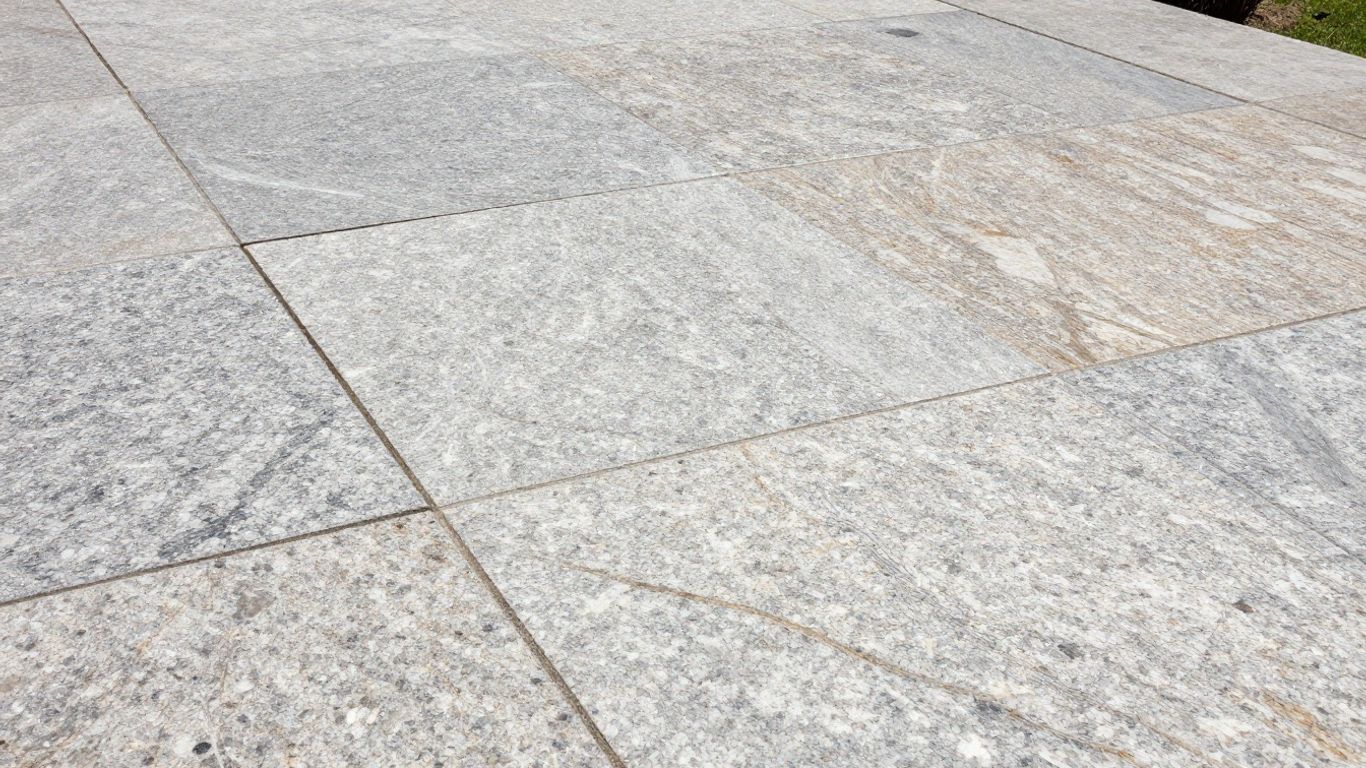
Getting granite slabs laid down isn't quite like throwing down some mulch, you know? It takes some real planning and the right steps to make sure it looks good and lasts. If you're thinking about doing this yourself, well, good luck! Most folks find it's way better to bring in the pros.
Essential Preparation and Planning
Before any digging starts, you've got to figure out exactly where everything's going. This means mapping out the design, thinking about how water will drain away (super important!), and making sure the ground slopes the right way. Getting this part right from the start saves a ton of headaches later on. It’s all about setting up for success.
- Layout Design: Sketch out where the slabs will go, considering furniture placement or traffic flow.
- Drainage Assessment: Check how rain will run off the area. You don't want puddles forming.
- Site Measurement: Accurately measure the space to order the correct amount of material.
- Sub-base Calculation: Determine the depth needed for the gravel and sand layers.
Selecting a Qualified Contractor
Finding someone who actually knows their way around stone paving is key. You want a contractor who has done this kind of work before, especially with granite. Ask to see pictures of their past projects. A good contractor will also be clear about timelines and costs, and they won't mind answering your questions. It’s worth spending a bit of time finding the right person for the job.
Hiring a professional ensures the base is properly compacted and the slabs are laid with the correct pitch for drainage. This attention to detail is what separates a good installation from one that might cause problems down the road.
Step-by-Step Installation Guide
While the exact process can vary a bit, here’s a general rundown of what happens when your granite slabs get installed:
- Excavation: The area is dug out to the correct depth, removing any existing grass, soil, or old paving. This creates the space for the new base layers.
- Base Layer: A solid foundation is built using compacted gravel. This layer is vital for stability and drainage, preventing the slabs from shifting over time. You can find more details on preparing the ground in guides about installing patio pavers.
- Sand Bedding: A layer of coarse sand is spread evenly over the gravel base. This sand bed provides a smooth, level surface for the granite slabs to rest on.
- Slab Placement: The granite slabs are carefully laid onto the sand bed. They are positioned precisely, tapped into place, and checked for levelness and alignment with the surrounding slabs. This is where the design really starts to take shape.
- Cutting and Fitting: Slabs that need to fit around edges or obstacles are cut to size using specialized tools. This ensures a clean, finished look.
- Jointing: The gaps between the slabs are filled, usually with fine sand or a polymeric compound. This locks the slabs together and prevents weeds from growing through.
- Compaction and Cleaning: The entire paved area might be lightly compacted, and then it's swept clean. Any excess sand or dust is removed, revealing the finished surface. For more on the initial setup, check out steps for installing paving stones.
Maintaining Your Granite Slab Paving
Keeping your granite slab patio or driveway looking its best doesn't have to be a huge chore. With a little regular attention, these beautiful stones will stay strong and attractive for years. It’s really about consistency, not about spending hours scrubbing.
Routine Cleaning and Care
First things first, get into the habit of sweeping your granite surfaces regularly. This gets rid of loose dirt, leaves, and other bits that can get ground into the stone or cause discoloration over time. Think of it like dusting your furniture, but for your patio. For a more thorough clean, a simple wash with mild soap and water usually does the trick. Just use a soft brush or mop and rinse well. Avoid using harsh chemicals or abrasive cleaners, as these can actually damage the granite's surface or its sealant. For tougher spots, a specialized stone cleaner can be a good option. Remember, gentle is usually best when it comes to natural stone.
- Sweep regularly: Daily or every few days to remove debris.
- Wash periodically: Use mild soap and water for a deeper clean.
- Address spills quickly: Don't let liquids sit on the surface for too long.
- Weed prevention: Pull any weeds that pop up between the slabs right away.
Sealing for Enhanced Protection
While granite is tough, sealing it can give it an extra layer of defense. Sealing helps prevent stains from setting in and can protect the stone from moisture, especially important if you live in an area with harsh winters or lots of rain. The frequency of sealing depends on the type of granite and how much traffic it gets, but generally, every two to three years is a good ballpark figure. You can find sealants specifically made for natural stone. Applying it is usually straightforward, often involving brushing or rolling it on and then wiping off any excess. It really makes a difference in keeping the stone looking vibrant and resisting those annoying marks. You can find good stone-specific cleaners that often pair well with sealants.
Addressing Wear and Tear
Even the most durable materials can show signs of age. If you notice any cracks or chips developing, it’s best to tackle them sooner rather than later. Small issues can become bigger problems if left unattended. For minor repairs, you might be able to use a stone repair epoxy. However, for anything significant, it’s always a good idea to call in a professional. They have the tools and know-how to fix things properly, making sure your granite paving looks as good as new again. Sometimes, a quick rinse with a pressure washer on a low setting can help clean up the area before any repairs, just be sure to keep the nozzle a good distance away. Pressure washing tips can be helpful here.
Taking care of your granite slabs is more about consistent, gentle upkeep than intense, infrequent cleaning. A little effort goes a long way in preserving their natural beauty and ensuring they remain a stunning feature of your outdoor space for decades to come.
Granite Slab Paving: A Worthwhile Investment
Long-Term Value and Durability
When you're looking at paving options, it's easy to get caught up in the upfront cost. But with granite slabs, you're really looking at a long-term play. This stuff is built to last. Think about it – granite is a natural stone that's formed under immense pressure over millions of years. That means it's incredibly tough. It can handle pretty much anything you throw at it, from harsh weather to constant foot traffic, even cars driving over it if you're paving a driveway. This kind of resilience means you won't be replacing it anytime soon. Unlike some other materials that might look good for a few years and then start to fade or crack, granite just keeps going. It's a solid choice if you want something that looks great and performs even better for decades. For high-traffic areas, its strength is a big plus, making it suitable for commercial use too.
Cost Considerations for Granite
Okay, let's talk money. Granite slabs aren't usually the cheapest option when you first look at them. You might see prices ranging from $100 to $150 per square meter for good quality granite, and then you've got installation costs on top of that, which can add another $50 to $100 per square meter. It really depends on how complicated the job is and who you hire. It's always a good idea to get a few quotes to make sure you're getting a fair price. But here's the thing: while the initial outlay might be higher, you have to factor in the longevity. You're not going to be spending money on repairs or replacements every few years like you might with cheaper materials. So, over the lifespan of your patio or driveway, granite can actually end up saving you money. It's an investment, not just an expense.
Enhancing Property Appeal
Beyond just being tough and lasting a long time, granite slabs really do make your property look better. That natural stone look is just classic. It adds a touch of elegance and sophistication that's hard to beat. Whether you've got a modern house or something more traditional, granite can fit right in. The different colors and finishes mean you can really tailor it to your home's style. A well-paved granite patio or driveway can make a big difference when you're thinking about curb appeal. It signals quality and good taste to anyone visiting or thinking about buying your home. It's one of those features that can really make your outdoor space feel more finished and inviting. Plus, it's a natural material, which is a nice bonus for those looking for eco-friendly options.
Here's a quick look at what makes granite a smart choice:
- Unmatched Durability: Stands up to weather, traffic, and time.
- Timeless Aesthetics: Adds a touch of class that never goes out of style.
- Low Maintenance: Requires minimal upkeep to look its best.
- Increased Property Value: A beautiful, lasting feature that buyers appreciate.
Choosing granite paving is about more than just covering the ground; it's about creating a lasting foundation for your outdoor living that adds beauty and value to your home for years to come. It's a decision that pays off in both looks and performance.
Wrapping It Up
So, we've gone over a lot about granite slab paving, from why it's a solid choice to how to pick the right kind and keep it looking good. It's not just about making your yard look nice; it's about creating a space that lasts and works for you. Whether you're planning a big patio redo or just a small path, thinking about granite is a good move. It's tough, looks great, and with a little care, it'll be around for ages. Hopefully, this guide has given you the info you need to make your outdoor area something special.
Frequently Asked Questions
What exactly is granite slab paving?
Granite slab paving means using big, flat pieces of granite rock to cover outdoor areas like patios, walkways, or driveways. Granite is a super strong natural stone that looks really nice and lasts a very long time.
Why is granite a good choice for outdoor paving?
Granite is tough! It can handle all kinds of weather, from hot sun to freezing cold, and it doesn't wear down easily from people walking on it or cars driving over it. Plus, it looks fancy and can make your home look more valuable.
How do I pick the best granite slabs for my yard?
Think about the color and how smooth or rough you want the surface to be. Some granites are speckled, others are more uniform. Also, make sure the slabs are good for walking on, meaning they aren't too slippery, especially if you live somewhere with rain or snow.
Can I mix granite slabs with other materials in my design?
Yes, you totally can! Mixing granite with wood, metal, or even different types of stone can create a really cool and unique look. It adds different textures and can help define different areas in your outdoor space.
How do I keep my granite paving looking good?
It's pretty easy to care for. Just sweep away dirt and leaves regularly. Washing it with a little soap and water now and then will keep it clean. Sometimes, putting a special sealer on it can help protect it even more from stains.
Is granite paving expensive?
Granite is a premium material, so it can cost more upfront than some other options like concrete. However, because it lasts so long and needs less maintenance, it can be a great value over time. It's an investment that really pays off.


