

Transform Your Outdoors with Durable Paving Granite
GMS Kumar
Thinking about changing up your outdoor space? Maybe you've got a patio that's seen better days, or perhaps a driveway that needs a serious upgrade. Well, you've come to the right place. We're going to talk all about paving granite. It's a solid choice for making your yard look good and last a long time. Stick around, and we'll cover what you need to know to get started.
Key Takeaways
- Paving granite offers a strong and attractive option for outdoor areas like patios and driveways.
- When picking paving granite, think about the different types, colors, and how well they resist slipping.
- Planning your design is important, whether it's for a patio, a path, or even a driveway.
- Proper installation is key to making your paving granite last.
- Taking care of your paving granite slabs with regular cleaning and occasional sealing will keep them looking great.
Understanding The Enduring Appeal Of Paving Granite
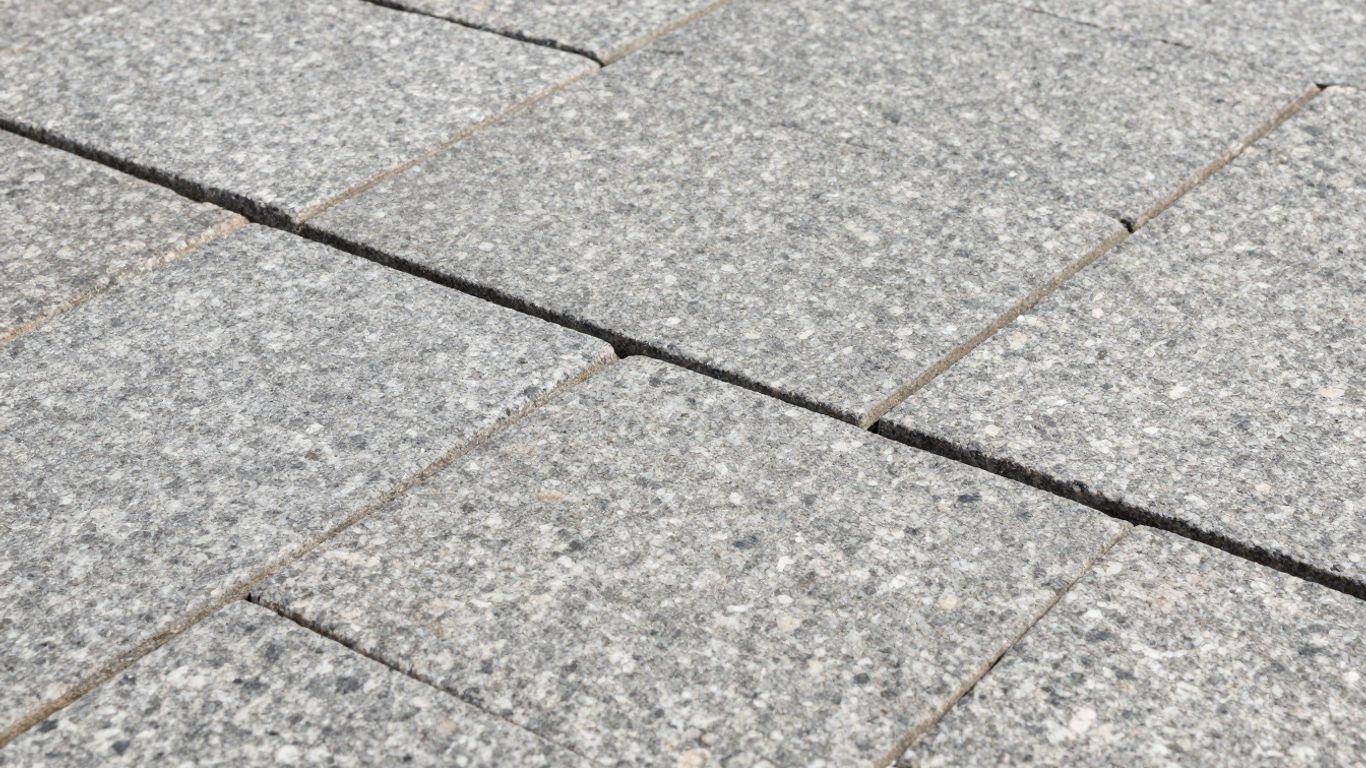
So, you're thinking about paving your patio or walkway, and granite keeps popping up. It's not just a trend; this stuff has been around for ages for good reason. Granite is a natural igneous rock, formed deep underground under a whole lot of heat and pressure. This process makes it incredibly hard and dense. When it's cut into slabs or pavers, it gives you a surface that's tough as nails and looks pretty darn good too.
What Is Granite Slab Paving?
Basically, granite slab paving means using those big, cut pieces of granite to make your outdoor areas. It's like a more substantial, natural version of concrete pavers or bricks. Because it's a natural stone, every single piece has its own unique look, so your patio or path won't look like anyone else's. It’s a solid choice for patios, walkways, and even driveways.
The Timeless Beauty Of Natural Stone
People have loved granite for centuries, and it's easy to see why. It has this timeless beauty that just doesn't quit. Whether you're going for a super modern look or something more down-to-earth and rustic, granite can fit right in. The natural speckles and color variations give it a character that manufactured materials just can't match. It just has a certain weight to it, you know?
Key Benefits Of Granite Paving
Why pick granite over other options? Well, there are a few big advantages:
- Unmatched Durability: Granite is one of the hardest natural stones out there. It handles heavy foot traffic, bad weather, and even cars if you're paving a driveway. This means your paving should last for ages with hardly any trouble. It's a material that's known for its long-lasting performance.
- Low Maintenance: You don't need to be constantly sealing or scrubbing it. Granite is naturally dense, so it doesn't soak up liquids easily. This makes it pretty resistant to stains and simple to clean. Usually, a quick sweep and an occasional wash are all it needs.
- Natural Beauty: Every slab is different. This natural variation adds depth and visual interest, making your outdoor space look unique and sophisticated.
Choosing granite paving is about more than just covering the ground; it's about creating a lasting foundation for your outdoor living that adds beauty and value to your home for years to come. It's a decision that pays off in both looks and performance.
When you think about it, granite paving is a smart move for creating an outdoor space that looks great and holds up over time. It's a material that really stands the test of time, offering both style and substance for your home.
Exploring Different Types Of Paving Granite
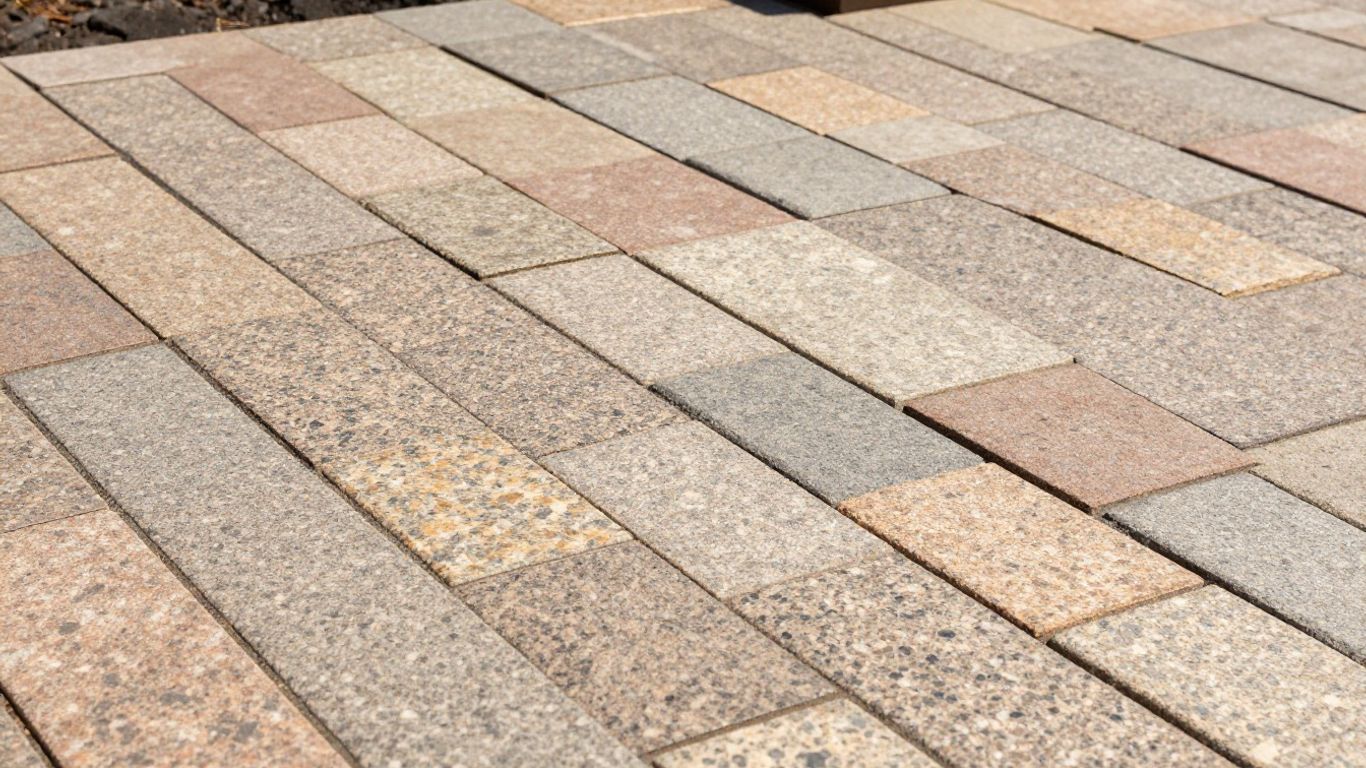
Granite paving isn't just one thing; it comes in a few different styles, mostly based on how the surface is treated. This affects how it looks and how slippery it might be. Picking the right finish can really change the feel of your outdoor area.
Flamed Granite For Enhanced Traction
Flamed granite is treated with a high-temperature flame. This process creates a rough, textured surface. This texture is great for preventing slips, which is a big deal for patios and walkways, especially if you get rain or snow. It also brings out the natural colors in the stone, giving it a nice, earthy look. It’s a really practical choice if safety is a top concern.
Honed Granite For A Sleek Finish
If you're going for a more modern and smooth look, honed granite is the way to go. The surface is sanded down until it's flat and smooth, but it doesn't have that shiny gloss like polished granite. It gives off a sophisticated vibe without being too flashy. It feels nice underfoot and works well for areas where you want a clean, refined appearance.
Polished Granite For Sophistication
Polished granite has a high-gloss finish that really makes the stone's colors and patterns pop. It looks super elegant and can make an outdoor space feel quite luxurious. It’s a good option if you want your patio or pathway to have a real wow factor. Just be mindful that the smooth, shiny surface can be a bit more slippery than other finishes, especially when wet.
Split Face Granite For A Rugged Look
Split face granite has a more natural, rough texture because the stone is split along its natural grain. This gives it a rugged, rustic appearance that’s perfect for a more naturalistic landscape design. It’s often used for things like retaining walls or garden paths where you want that earthy, natural feel. It adds a lot of character and looks like it's been there forever.
When you're looking at granite pavers, think about how the surface will feel and perform in your specific climate. A rougher finish like flamed or split face offers better grip, while smoother finishes like honed or polished give a more refined look but might need a bit more care in wet conditions.
Here's a quick rundown of the finishes:
- Flamed: Rough texture, good for grip, natural colors.
- Honed: Smooth, matte finish, modern and sleek.
- Polished: High-gloss finish, elegant and sophisticated.
- Split Face: Natural, uneven texture, rustic and rugged.
Choosing the right finish is all about balancing aesthetics with practicality for your outdoor area. You can even mix and match finishes for different zones in your yard, creating visual interest. For example, using flamed granite for main walkways and honed granite for a seating area.
Design Ideas To Transform Your Outdoor Space With Paving Granite
Granite isn't just tough; it's also a fantastic material for making your outdoor areas look amazing. Think of it as the foundation for creating spaces that are both beautiful and functional. Whether you're dreaming of a chill patio spot or a place to gather around a fire, granite can really make it happen. It's all about how you use it.
Creating Stunning Granite Patio Flooring
Your patio is often the heart of your outdoor living. Using granite for patio flooring gives you a surface that's not only super durable but also looks pretty classy. You can go with large slabs for a clean, modern feel, or smaller pavers for more intricate patterns. Consider mixing different granite colors to create unique designs that pop. For instance, a light grey granite can make a smaller patio feel more open, while darker tones can add a sense of cozy sophistication. Don't forget about the finish – a flamed finish offers a bit of texture for better grip, which is great if your patio gets wet often, like near a pool. A honed finish gives a smoother, matte look that’s also quite popular.
Building Inviting Granite Fire Pits
A fire pit can turn a backyard into a go-to spot for evenings with friends and family. Granite is a natural fit here because it handles heat really well. You can build a simple, sturdy fire pit using granite blocks or even use large granite slabs to create a more elaborate structure. Think about adding a polished granite cap for a touch of elegance, or stick with a more natural, rough-hewn look to match a rustic garden setting. It’s a great way to add a focal point that’s both warm and visually striking.
Designing Elegant Granite Outdoor Tables
Who says outdoor furniture can't be as stylish as what's inside? Granite makes for incredibly durable and attractive outdoor tables. Imagine a solid granite tabletop – it’s practically indestructible and can withstand all sorts of weather. You can pair a granite top with a metal or stone base to create a dining set or a coffee table that’s built to last. The natural patterns in the granite add a unique touch to each piece, making your outdoor dining or lounging area feel really special. It’s a way to bring a bit of luxury and lasting quality right into your garden.
When planning your granite installations, always think about how water will flow away from the area. Good drainage is key to preventing problems down the line and keeping your granite looking its best for years to come. It’s a simple step that makes a big difference.
Choosing The Right Paving Granite For Your Project
So, you've decided granite is the way to go for your outdoor space. Awesome choice! But hold on, not all granite paving is created equal. You've got a few main paths to consider, and picking the right one really depends on what you need it to do and, let's be honest, what your wallet can handle. It's not just about looks; it's about how it'll hold up over time.
Natural Granite Stone Pavers
This is the real deal, folks. We're talking about solid granite, quarried and cut into pavers. It's got that authentic, natural look that you just can't fake. If you're building something that needs to last for ages, like a driveway that'll see a lot of cars or a busy patio, this is your best bet. It's super tough and can handle pretty much anything you throw at it. The downside? It's usually the priciest option, often two to four times more than concrete. But hey, you get what you pay for, right? These pavers are built to last for centuries.
Granite-Look Porcelain Pavers
Now, if you like the granite aesthetic but want something a bit lighter and maybe easier to install, porcelain pavers with a granite look are worth a look. They're great for places like rooftop decks or patios where weight might be a concern. They're also really good at resisting stains and are quite slip-resistant, which is always a plus. Installation can be pretty straightforward, especially if you're using a pedestal system. They're not as long-lasting as natural granite, maybe 50 to 100 years if you take care of them, and they're typically about 1.5 to 2 times the cost of concrete.
Granite-Look Concrete Pavers
For a more budget-friendly option that still gives you that granite vibe, concrete pavers with granite flecks are a solid choice. These are heavy-duty and can be customized quite a bit. They're a good pick for walkways, public spaces, or even residential projects where you want durability without breaking the bank. While they won't last for centuries like natural stone, they'll certainly hold up for decades. They're generally less expensive than both natural granite and porcelain pavers.
When you're weighing your options, think about the daily wear and tear your paving will face. A busy driveway needs something different than a quiet garden path. Don't just go for the prettiest option; consider the practicalities first.
Here's a quick rundown to help you decide:
- Natural Granite: Best for heavy traffic, ultimate durability, and authentic look. Highest cost.
- Porcelain (Granite-Look): Good for lighter applications, easy installation, stain/slip resistance. Mid-range cost.
- Concrete (Granite-Look): Budget-friendly, durable for general use, customizable. Lowest cost.
No matter which you choose, making an informed decision now will save you headaches down the road. It's all about finding that sweet spot between looks, function, and your budget. For more advice on selecting the right pavers for your outdoor space, consider checking out resources that offer expert guidance on outdoor remodeling.
Essential Installation Tips For Paving Granite
Alright, so you've picked out some gorgeous granite pavers for your yard. That's awesome! But before you start picturing yourself lounging on your new patio, let's talk about getting them in the ground properly. This isn't a 'wing it' kind of job; getting the installation right from the start is super important if you want your granite to look good and last for ages. Think of it as building a solid foundation for a long-lasting relationship with your outdoor space.
Substrate Preparation For Stability
This is probably the most critical step, honestly. You need a base that's not going to shift or settle, especially with heavy granite. Most pros start by digging out the area to a good depth. Then comes the gravel layer, and this needs to be compacted really well. We're talking using a plate compactor to get it nice and firm. This gravel base is what gives your paving its strength and helps water drain away. After the gravel, there's usually a layer of coarse sand spread evenly. This sand bed is what the granite slabs will sit on, giving you a smooth surface to work with and making it easier to get everything perfectly level. Skipping or rushing this part is a recipe for uneven pavers and potential problems down the road. For XL granite slabs, making sure this base is solid is key, and compacting the stone in lifts is a common method to ensure a stable foundation.
Ensuring Proper Drainage
Nobody likes a soggy patio, right? Proper drainage is a big deal with outdoor paving, and granite is no exception. You need to make sure water can get away from your paved area. This usually means the ground itself needs to have a slight slope away from your house or any structures. The compacted gravel base we just talked about also helps with this, letting water filter down and away. If water pools up, it can freeze and expand in the winter, causing cracks, or just make your patio feel swampy in the summer. It's all about planning for the weather and how water naturally flows.
Sealing Your Granite Installation
Granite is tough stuff, no doubt about it. But sealing it can give it an extra boost of protection. A good sealant helps keep stains from soaking in – think spilled wine or greasy barbecue drips. It also adds a barrier against moisture, which is especially helpful if you live somewhere with a lot of rain or freezing temperatures. How often you need to seal depends on the specific granite and how much foot traffic it gets, but generally, every couple of years is a good idea. There are sealants made just for natural stone, and applying them is usually pretty straightforward. It really helps keep that granite looking vibrant and resisting those annoying marks.
Using The Right Adhesive For Longevity
If your installation involves adhering granite pieces, like maybe for a custom countertop or a wall feature, using the correct adhesive is non-negotiable. You need something specifically designed for outdoor use that can handle temperature swings – hot summers, cold winters, you name it. The wrong adhesive can break down over time, leading to loose pieces and a whole lot of frustration. For things like granite steps, making sure they're set right is also about using the proper materials to bond them securely. It's about making sure everything stays put, no matter what the weather throws at it.
Getting the installation right is more than just aesthetics; it's about building something that will stand the test of time and weather. Taking the extra time and care during this phase will pay off significantly in the long run, saving you from potential headaches and costly repairs later on.
Maintaining The Beauty Of Your Paving Granite
So, you've got this fantastic granite paving, and you want it to keep looking good, right? It's not as much work as you might think. Honestly, a little bit of regular attention goes a really long way. It’s more about being consistent than doing a massive clean-up every now and then.
Simple Cleaning Techniques
First off, just get into the habit of sweeping your granite surfaces. Do this every few days, or even daily if you have a lot of trees dropping leaves. It gets rid of loose dirt, twigs, and anything else that can get ground into the stone or start to cause discoloration. Think of it like tidying up your living room – a quick sweep makes a big difference. For a more thorough clean, a simple wash with mild soap and water is usually all you need. Grab a soft brush or a mop, give it a good scrub, and then rinse it off well. Avoid using anything harsh, like strong chemicals or acidic cleaners, because they can actually damage the stone's surface or its sealant. If you have some really stubborn spots, a cleaner made specifically for natural stone can be a good choice. Just remember, being gentle is usually the best approach with natural stone.
Here’s a quick rundown:
- Sweep Regularly: Get rid of loose debris every few days.
- Wash Periodically: Use mild soap and water for a deeper clean.
- Address Spills Quickly: Don't let liquids sit on the surface for too long.
- Weed Prevention: Pull out any weeds that start growing between the slabs right away.
The Importance Of Occasional Sealing
Granite is tough, no doubt about it, but sealing it can give it an extra layer of protection. Sealing helps stop stains from soaking in and can shield the stone from moisture, which is super important if you live somewhere with rough winters or a lot of rain. How often you need to seal it really depends on the type of granite and how much foot traffic it gets, but usually, every two to three years is a good timeframe. You can find sealants made just for natural stone. Applying it is usually pretty simple – you often just brush or roll it on and then wipe off any extra. It really helps keep the stone looking vibrant and resists those annoying marks. You can find good stone-specific cleaners that often work well with sealants, making the whole process easier.
Taking care of your granite slabs is more about consistent, gentle upkeep than intense, infrequent cleaning. A little effort goes a long way in preserving their natural beauty and ensuring they remain a stunning feature of your outdoor space for decades to come.
Protecting Against Stains And Fading
While granite is naturally quite resistant, spills can still happen. If you spill something like oil, wine, or even just some mud, try to clean it up as soon as you can. For general cleaning, using a pH-neutral cleaner is always a safe bet. You want to avoid anything acidic, like vinegar, as it can actually discolor the stone permanently. For tougher stains, there are poultices available that can draw the stain out of the stone. Just follow the product instructions carefully. To keep your granite from fading over time, especially if it's in direct, harsh sunlight, sealing it regularly is key. A good sealant acts like a shield, protecting the stone's natural color and texture. You can find great resources on how to clean and maintain stone pavers to get more specific tips.
The Lasting Impression of Granite
So, there you have it. Granite paving really is a solid choice if you're looking to spruce up your outdoor areas. It’s tough, looks good, and honestly, it’s not as much work to keep nice as you might think. Whether you're dreaming of a fancy new patio or just want a walkway that won't crumble after a couple of winters, granite has got your back. It’s an investment, sure, but one that adds real charm and value to your home for a long, long time. Go ahead, give your yard the upgrade it deserves.
Frequently Asked Questions
What exactly is granite slab paving?
Granite slab paving is basically using large, flat pieces of granite rock to cover outdoor areas like patios, walkways, or driveways. Granite is a super strong natural stone that looks really nice and lasts a very long time.
Why is granite a good choice for outdoor paving?
Granite is tough! It can handle all kinds of weather, from hot sun to freezing cold, and it doesn't wear down easily from people walking on it or cars driving over it. Plus, it looks fancy and can make your home look more valuable.
How do I pick the best granite slabs for my yard?
Think about the color and how smooth or rough you want the surface to be. Some granites are speckled, others are more uniform. Also, make sure the slabs are good for walking on, meaning they aren't too slippery, especially if you live somewhere with rain or snow.
Can I mix granite slabs with other materials in my design?
Yes, you totally can! Mixing granite with wood, metal, or even different types of stone can create a really cool and unique look. It adds different textures and can help define different areas in your outdoor space.
How do I keep my granite paving looking good?
It's pretty easy to care for. Just sweep away dirt and leaves regularly. Washing it with a little soap and water now and then will keep it clean. Sometimes, putting a special sealer on it can help protect it even more from stains.
Is granite paving expensive?
Granite is a premium material, so it can cost more upfront than some other options like concrete. However, because it lasts so long and needs less maintenance, it can be a great value over time. It's an investment that really pays off.


