

Understanding Quartz Worktops Prices: A 2026 Buyer's Guide
GMS Kumar
Thinking about new kitchen counters? Quartz is super popular right now, and for good reason. It looks great, holds up well, and doesn't need a ton of fuss. But when you start looking into quartz worktops prices, things can get a little confusing. Prices jump around a lot depending on what you pick. This guide is here to break down what you can expect to pay for quartz worktops in 2026, so you can make a choice you feel good about.
Key Takeaways
- Quartz countertops are engineered, blending natural quartz with resins, making them strong and non-porous.
- Expect quartz worktops prices to range from $50 to $150 per square foot installed, depending on the brand, design, and features.
- The cost of quartz is influenced by factors like slab quality, thickness, edge profiles, and installation complexity.
- Quartz is low maintenance, stain-resistant, and hygienic, but it can be sensitive to high heat and direct sunlight.
- Consider remnant pieces for smaller projects like vanities to save money on quartz.
Understanding Quartz Worktops Prices
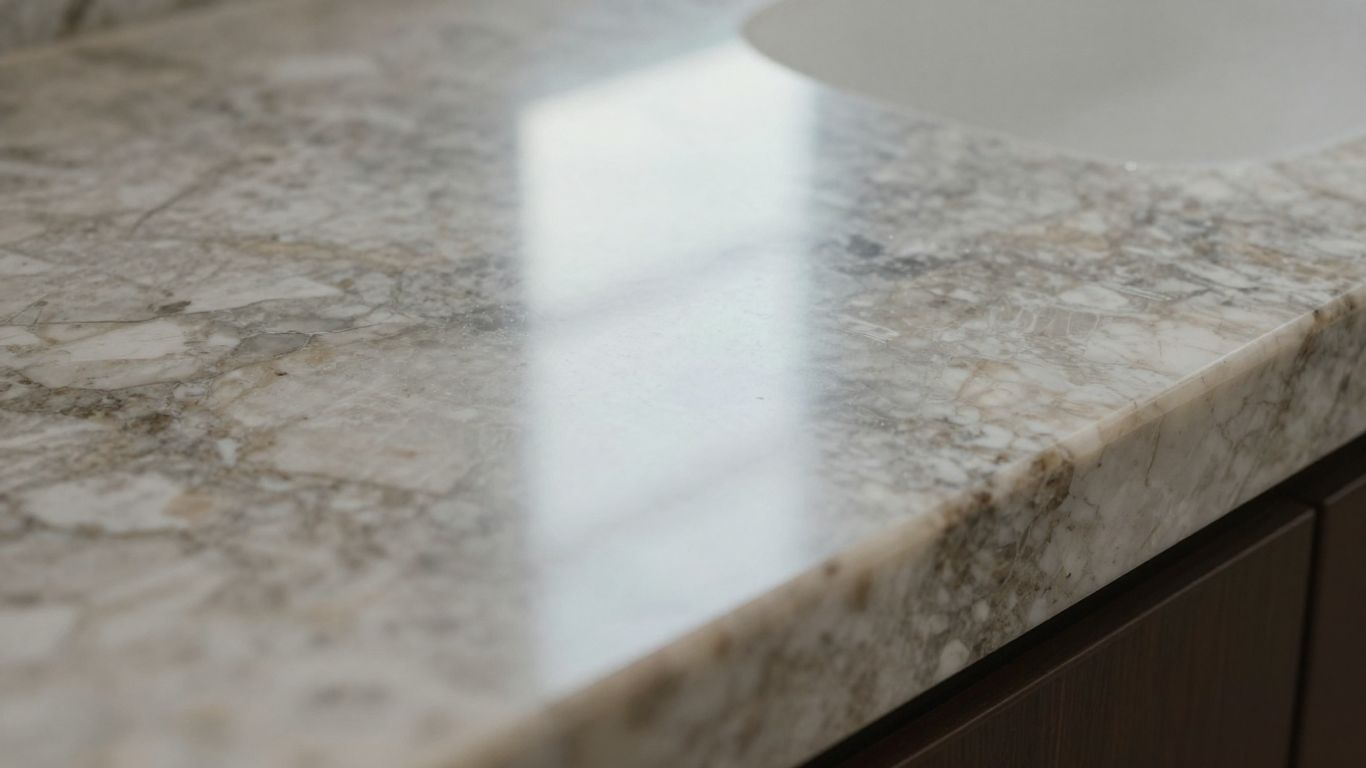
So, you're thinking about quartz countertops for your kitchen or bathroom? Great choice! They look fantastic and are super practical. But when you start looking around, you'll notice the prices can jump around quite a bit. It's not just a simple price tag; a bunch of things play a role in how much you'll end up paying. Let's break down what goes into the cost so you're not caught off guard.
Factors Influencing Quartz Countertop Pricing
When you're trying to figure out the cost of quartz, it's not just about the square footage. Several elements can really change the final number. The brand you choose is often a big one, with some well-known names carrying a higher price tag for their reputation and perceived quality. Then there's the actual look of the slab itself. Simple, solid colors are usually less expensive than intricate patterns that mimic natural stone like marble or granite. These more complex designs take more effort to produce. The thickness of the slab matters too; thicker slabs (like 3cm) tend to cost more than thinner ones (2cm) because they use more material and often look more substantial.
Here's a quick look at what influences the price:
- Slab Quality and Design: Basic colors versus detailed veining or patterns.
- Brand Reputation: Well-known manufacturers often charge more.
- Thickness: 3cm slabs are generally pricier than 2cm.
- Color and Pattern Complexity: Simple colors are cheaper than marble-look designs.
- Origin: Where the quartz is manufactured can affect the cost.
It's easy to get caught up in the sticker price, but remember to think about the long game. A slightly more expensive quartz might offer better durability or a finish that stays looking new for longer, potentially saving you money down the road.
Average Cost of Quartz Countertops in 2026
Alright, let's talk numbers for 2026. For installed quartz countertops, you're generally looking at a range of about $50 to $100 per square foot. This figure includes both the material and the labor to get it installed. Of course, this is just an average, and you can find options that fall outside this range. For instance, really basic quartz might be closer to the $50 mark, while high-end, designer looks could push past $100 per square foot. A full kitchen installation, which usually involves 30 to 50 square feet, might land somewhere between $2,500 and $6,000, depending on all those factors we just discussed.
| Quartz Type | Average Cost per Sq Ft (Installed) | Notes |
|---|---|---|
| Basic/Standard | $50 – $70 | Simple designs, fewer color options |
| Mid-Quality | $70 – $100 | Popular choice, good balance of quality |
| Premium/Designer | $100 – $150+ | Unique patterns, high-end finishes |
Material-Only vs. Fully Installed Costs
It's super important to know if the price you're seeing is just for the slab itself or if it includes everything. Buying material-only means you'll have to arrange for fabrication (cutting it to size and shape) and installation separately. This can sometimes seem cheaper upfront, but you need to factor in those additional costs. Fabrication and installation labor can easily make up 30% to 50% of the total project cost. So, when you get a quote, always clarify if it's for the raw material or the complete, installed job. Getting a full quote from a reputable kitchen countertop supplier will give you a much clearer picture of your total investment.
Exploring Quartz Worktop Varieties and Their Costs
So, you've decided quartz is the way to go for your kitchen or bathroom. That's great! But as you start looking around, you'll notice that not all quartz is created equal, and the prices can jump around quite a bit. It's not just about the color you pick; there are different tiers of quartz, and knowing about them can help you find the sweet spot between your budget and what you really want.
Basic Quartz Slab Pricing
When we talk about basic or standard quartz, we're usually looking at slabs with simpler designs. Think solid colors, maybe a very subtle speckle. These are often the most budget-friendly options. They're great if you want a clean, uniform look and don't need a lot of fancy patterns. You can expect these to run somewhere in the ballpark of $50 to $70 per square foot, installed. It's a solid choice for a fresh look without breaking the bank.
Mid-Quality Quartz Slab Pricing
This is where most people land, and honestly, it's for good reason. Mid-quality quartz offers a nice step up in terms of design variety and overall aesthetic appeal. You'll find more convincing marble-look patterns, more intricate veining, and a wider range of colors here. These slabs typically fall between $85 and $150 per square foot, installed. It's a popular range because you get a lot of bang for your buck, with plenty of options that look high-end without the highest price tag. Many popular brands offer great choices in this category, giving you a good balance of quality and style.
Premium Quartz Slab Pricing
Now, if you're after something truly special, premium quartz is where it's at. This category includes designer slabs, unique patterns that are harder to replicate, and sometimes even quartz that mimics exotic natural stones very closely. These can easily go for $150 or more per square foot, installed. The price reflects the complexity of the design, the manufacturing process, and often, the brand name. If you have a very specific vision or want a show-stopping centerpiece for your kitchen, this is the tier to explore. You're paying for that unique look and the advanced engineering that goes into creating these stunning surfaces.
The cost of quartz countertops in 2026 is influenced by factors such as the type, size, and quality of the quartz material. Additional expenses can arise from installation services, chosen edge profiles, and any special design requests.
Here's a quick rundown to help visualize:
- Basic Quartz: Simple designs, solid colors. Around $50-$70/sq ft installed.
- Mid-Quality Quartz: More patterns, popular marble-looks. Around $85-$150/sq ft installed.
- Premium Quartz: Unique designs, high-end mimicry. $150+/sq ft installed.
Remember, these are just general price ranges. The actual cost can shift based on the specific manufacturer, the thickness of the slab, and where you're buying from. Always get a few quotes to compare!
Additional Expenses for Quartz Worktops
So, you've picked out the perfect quartz slab, and you're thinking the price you saw is pretty much the final number. Hold on a sec! There are definitely a few other costs that can sneak up on you when you're getting new countertops. It's not just about the slab itself, you know.
Cost of Edge Profiles and Custom Details
This is where things can get a little fancy, and a little more expensive. The standard, straight edge is usually the most budget-friendly option. But if you're after something more decorative, like a beveled edge, an ogee, or even a dramatic waterfall edge that cascades down the side of your island, that's going to cost extra. These more intricate profiles take more time and skill to fabricate, and sometimes they use a bit more material too. The more detailed you get with the edges, the higher the price tag will climb.
Installation Labor and Fabrication Fees
This is a big one, often making up a good chunk of the total cost, sometimes 30-50%. It's not just slapping the countertop down. This fee covers a lot: precise templating of your kitchen space, cutting the quartz slabs to fit perfectly, polishing those edges we just talked about, and then the actual installation. If you're getting sink or cooktop cutouts, that's also part of the fabrication process and adds to the labor cost. Remember, these slabs are heavy, so getting them into your kitchen and installed correctly takes skilled hands. The installed cost of quartz countertops typically ranges from $50 to $150 per square foot, and a good portion of that is labor [c788].
Charges for Sink and Cooktop Cutouts
Speaking of cutouts, these are usually an additional charge. Whether it's for your kitchen sink (undermount or drop-in) or your cooktop, the fabricator needs to make these precise openings. The complexity of the cutout, like a specific shape for an undermount sink, can influence the price. Some places might charge a flat fee per cutout, while others might factor it into the overall fabrication labor. It’s worth asking about this upfront so there are no surprises.
Don't forget to factor in potential costs for removing your old countertops, especially if they're heavy or difficult to get out. Disposal fees can add up, and sometimes you might even need minor plumbing adjustments if your new sink or faucet setup is different.
Comparing Quartz Worktops to Other Materials
When you're looking at new kitchen counters, it's easy to get a bit overwhelmed by all the choices. Quartz is super popular right now, and for good reason, but how does it stack up against other materials, especially when you're thinking about the price tag? Let's break it down.
Quartz vs. Granite: A Cost and Maintenance Comparison
This is a classic showdown. Granite is a natural stone, meaning every slab is unique, which can be a big draw for some people. Quartz, on the other hand, is engineered. This difference really impacts how they perform and what they cost.
Generally, quartz offers a more consistent look and requires less upkeep than granite. You don't need to seal quartz, which is a big plus. Granite, because it's porous, usually needs sealing once a year to keep it from staining. This means quartz often has lower long-term maintenance costs.
In terms of price, it's not always a clear win for one or the other. While some basic granite options might be cheaper upfront, exotic granite varieties can definitely be more expensive than most quartz. On average, quartz countertops typically fall in the $50 to $100 per square foot range installed, while granite can range from $40 to $85 per square foot. However, remember that specific choices, like intricate veining in granite or premium brands of quartz, can push those prices up significantly. You can find more details on quartz countertop pricing.
Here's a quick look:
| Material | Average Cost Per Sq Ft* | Maintenance Cost |
|---|---|---|
| Quartz | $50 – $100 | Low |
| Granite | $40 – $85 | Medium |
*Costs are approximate and include installation.
Quartzite vs. Quartz: Understanding the Differences
This one trips people up because the names sound so similar! Quartzite is a natural stone, formed when sandstone is put under intense heat and pressure. Quartz is the engineered product we've been talking about, made from crushed quartz crystals mixed with resins.
Because quartzite is a natural stone, it's incredibly hard – even harder than granite. It's also porous, though, so like granite, it needs regular sealing to prevent stains. Fabrication can also be trickier with quartzite, which often makes it more expensive than quartz. Expect quartzite to run anywhere from $80 to $200+ per square foot installed. While both are durable, quartzite's natural beauty comes with a higher price tag and more maintenance.
Quartz vs. Laminate: Value and Durability
Comparing quartz to laminate is like comparing a luxury car to a reliable economy model. Laminate is the budget-friendly option, usually costing between $10 and $40 per square foot installed. It's made by layering plastic or paper onto particleboard. It's affordable and comes in tons of patterns, but that's where the similarities to quartz end.
Laminate is much less durable. It scratches easily, can be damaged by heat and moisture, and doesn't hold up well over time. If you're looking for something that will last for decades and withstand daily kitchen use without showing wear and tear, quartz is a much better investment. While the upfront cost of quartz is higher, its longevity and resistance to damage often make it a better value in the long run compared to replacing laminate countertops multiple times. Quartz offers a significant upgrade in both performance and aesthetic appeal.
When you're weighing your options, think about more than just the initial price. Consider how long you plan to stay in your home, how much wear and tear your kitchen sees, and how much effort you're willing to put into maintenance. These factors can dramatically change which material offers the best value for your specific situation.
Maximizing Value with Quartz Worktops
So, you've decided quartz is the way to go for your kitchen or bathroom. Awesome choice! But how do you make sure you're getting the most bang for your buck? It's not just about picking the prettiest slab; there are smart ways to approach this that can save you a good chunk of change without sacrificing quality. Think of it like shopping for anything else – a little planning goes a long way.
Choosing the Right Thickness for Your Budget
When you're looking at quartz slabs, you'll notice they come in different thicknesses, usually 2cm (about 3/4 inch) and 3cm (about 1 1/4 inch). The thicker 3cm slabs are the standard and feel really substantial. They often don't need extra support or fancy edge builds, which can simplify installation. However, they do cost more, both for the material itself and sometimes for the fabrication.
On the flip side, 2cm slabs are lighter and cheaper. They're a great option if you're trying to keep costs down. The catch? They usually need a plywood subtop underneath to give them stability, and you might need a more involved edge profile to make them look finished. This can add to the labor costs, so it's a trade-off you'll want to discuss with your fabricator. For areas that don't see super heavy use, like a guest bathroom vanity, 2cm might be perfectly fine and save you money.
The Impact of Slab Size on Overall Cost
This is a big one that people often overlook. Quartz is manufactured in large slabs, and you typically pay for the whole slab, or at least a significant portion of it, even if you only need a small piece. This means that the size of your project relative to the standard slab dimensions can really affect the price.
- Larger Kitchens: If you have a huge kitchen that requires multiple full slabs, you're going to use up more material, and the cost will naturally be higher. However, sometimes you can get a better per-square-foot rate when buying in bulk.
- Smaller Projects: For smaller areas like a single bathroom vanity or a small kitchen, you might end up paying for a lot of leftover material. This is where looking into remnants can be a lifesaver (more on that next!).
- Seams: The way slabs are laid out also matters. A good fabricator will plan the layout to minimize waste and ensure any seams are placed in less visible areas. Sometimes, a slightly different layout might use material more efficiently, even if it seems less intuitive at first glance.
The way your project fits with the standard slab dimensions is a key factor in the final price. Always ask your supplier how they plan to cut your specific project from the slab to understand potential waste and cost implications.
Considering Remnants for Smaller Projects
This is probably the best-kept secret for saving money on quartz. Remnants are simply leftover pieces from larger fabrication jobs. Think of them as offcuts. Because fabricators want to get rid of them, they're usually sold at a significant discount compared to buying a full slab. Quartz countertops can be pricey, but remnants make them accessible for smaller applications.
- What they're good for: Perfect for bathroom vanities, small kitchen islands, laundry room counters, window sills, or even custom shelving.
- Where to find them: Most local countertop fabricators and suppliers will have a selection of remnants. It's worth calling around to see what they have in stock.
- What to look for: You'll need to be flexible with color and pattern, as you're limited to what's available. Also, make sure the remnant piece is large enough for your needs and check for any imperfections. Sometimes, you might need to combine two smaller remnants for a larger surface, which can add complexity.
Using remnants is a fantastic way to get that high-end quartz look without the high-end price tag for smaller jobs. It's a win-win for your wallet and your aesthetic goals.
Future Trends in Quartz Worktop Design and Technology
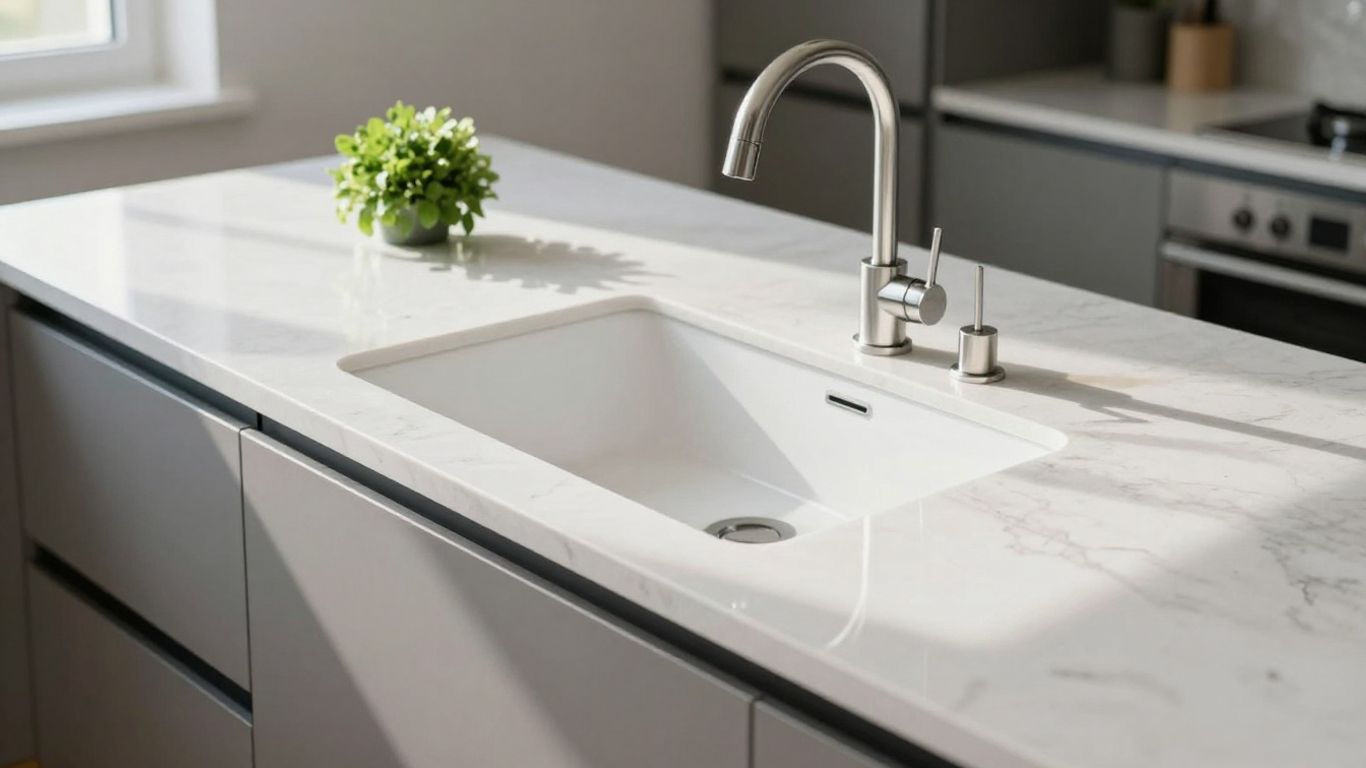
So, what's next for quartz countertops? It's not just about new colors, though there are plenty of those. The industry is really pushing boundaries with how these surfaces look, feel, and even function. We're seeing a big shift towards surfaces that blend seamlessly into our lives, offering both aesthetic appeal and smart capabilities.
Emerging Color Palettes and Finishes
The stark whites that dominated for a while are definitely taking a backseat. By 2026, expect a lot more warmth. Think creamy beiges, soft taupes, and those versatile "greige" shades. It’s all about creating a more inviting and natural feel in the kitchen and bathroom. Manufacturers are also getting really good at mimicking natural stone, but with the consistency that engineered quartz offers. Some new collections are really something else, with bold veining and subtle tonal shifts that look incredibly sophisticated. You can explore some of these new quartz designs that are hitting the market.
Innovations in Smart Surface Technology
This is where things get really interesting. We're starting to see prototypes of quartz surfaces with integrated technology. Imagine a countertop that can wirelessly charge your phone or even has induction cooking elements built right into the stone. They're invisible until you need them, which is pretty wild. While these might be on the pricier side initially, it points to a future where our kitchen surfaces do more than just sit there.
The Rise of Sustainable Quartz Options
Environmental consciousness is growing, and that's impacting countertop manufacturing too. Companies are looking for ways to reduce their footprint. This means using more recycled materials, like glass, and developing more eco-friendly resins. It’s a good sign that you can have a beautiful, durable surface that’s also made with the planet in mind. These efforts are helping to create versatile options that bring both comfort and modern elegance to your spaces, aligning with broader design trends.
Wrapping It Up: Your Quartz Countertop Journey
So, we've gone over a lot about quartz countertops. They're tough, look good, and are pretty easy to keep clean, which is a big win for most kitchens. Remember, the price can jump around depending on the brand, how fancy the pattern is, and even the thickness of the slab. While they're not indestructible – keep hot pans off them! – quartz offers a solid, stylish choice for many homes. By knowing what factors affect the cost and what to look for, you can feel more confident picking out the perfect quartz for your space without any big surprises down the road.
Frequently Asked Questions
How much do quartz countertops usually cost per square foot?
You can expect quartz countertops to cost somewhere between $50 and $150 for each square foot, and that usually includes the installation. The final price really depends on the brand you pick, how fancy the pattern is, and the cost of labor in your area.
Is quartz tougher than granite?
For the most part, yes! Quartz is made to be harder and a bit more flexible, which means it's less likely to crack or chip compared to granite. However, granite can handle hotter temperatures without getting damaged.
What are the downsides of using quartz countertops?
The main things to watch out for with quartz are its sensitivity to heat – really hot pans can leave scorch marks – and it can fade if left in direct sunlight for too long. Because of this, it's not the best choice for outdoor kitchens.
Do quartz countertops need to be sealed often?
Nope, you don't need to seal quartz countertops at all! Since they are made in a factory, they are non-porous, meaning liquids and germs can't soak into them. This makes them super easy to keep clean and hygienic.
What's the difference between quartz and quartzite?
This can be a bit confusing! Quartz is a man-made material, mixed with resins. Quartzite, on the other hand, is a natural stone that comes from sandstone that's been hardened by heat and pressure. Quartzite is very hard but can be porous, meaning it needs sealing, and it's often more expensive to work with.
How should I clean my quartz countertops?
Cleaning quartz is a breeze! Just use a soft cloth with some warm water and a little bit of mild dish soap. Wipe it down and then dry it with a clean cloth to avoid any water spots. It's best to stay away from harsh chemicals or abrasive cleaners.


