If you've already got quartz worktops fitted, that silica dust story all over the news in 2026 doesn't touch your kitchen. Not a bit. The whole thing is about the folks who cut and shape the stone in workshops, not the slab you chop your onions on. So breathe out. Your worktop's fine.
I've fielded a fair few worried calls about this lately. People who'd happily lived with their surface for years, then caught a scary headline and suddenly felt uneasy. Totally understandable. So let me set it out properly, what the silica dust story is, why your fitted quartz worktops carry zero risk, what actually changed with the rules, and the one narrow moment silica ever comes into it at home.
What Is the Silica Dust Story, Really?
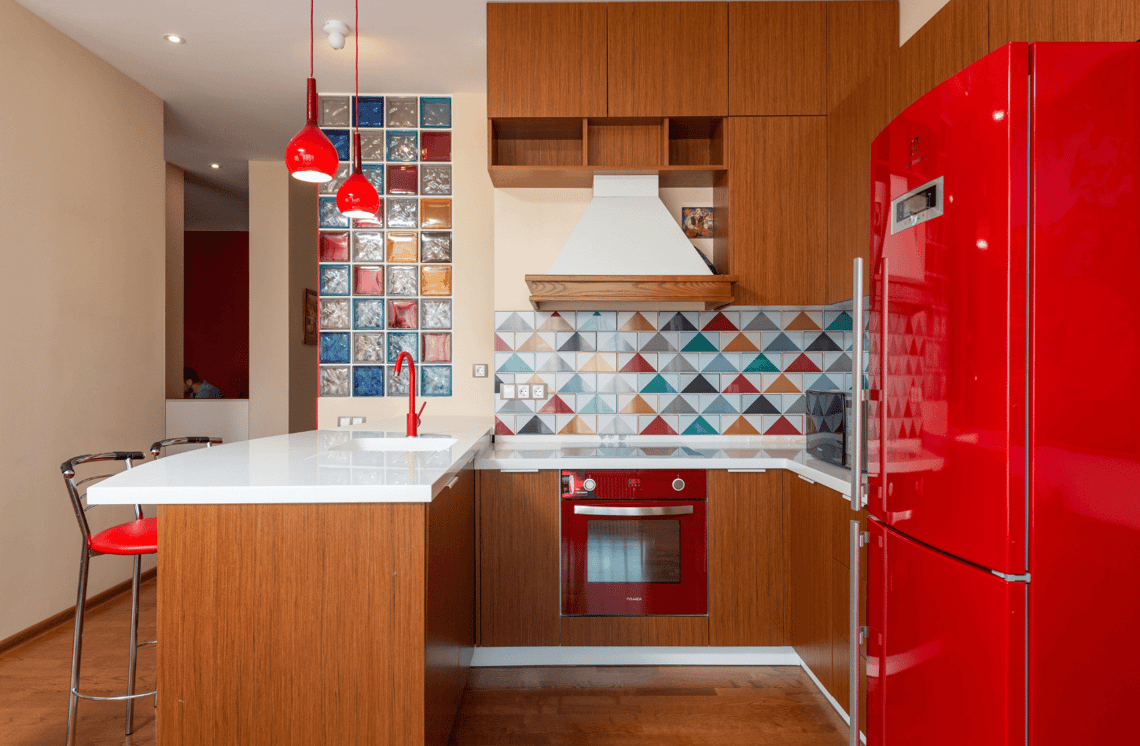
Right, the material first. Quartz worktops are crushed natural quartz mixed with resin and a bit of pigment. The trade calls it engineered stone. Popular for obvious reasons, it's tough, easy to look after, and you can get it in pretty much any finish going. The wrinkle is the crystalline silica in it, which in older engineered stone can hit 95%.
Now the part that matters. Sitting there as a solid slab, that silica is inert. Harmless. Does nothing to anyone. Trouble only starts when it's cut, ground or polished, because that kicks fine dust into the air. Breathe that in, respirable crystalline silica, RCS for short, over and over, and it scars the lungs. Years of it can bring on silicosis, and there's no fixing silicosis once it's done.
So that's the story in a nutshell. The Health and Safety Executive weighed in during 2026 with big new guidance, after confirmed silicosis cases and, worse, young fabricators dying from it. Grim stuff, and a genuine workplace crisis. But look again at who's actually exposed, it's the person holding the cutting tool, not the family sitting down to tea.
Does the Silica Dust Story Affect My Existing Quartz Worktops?
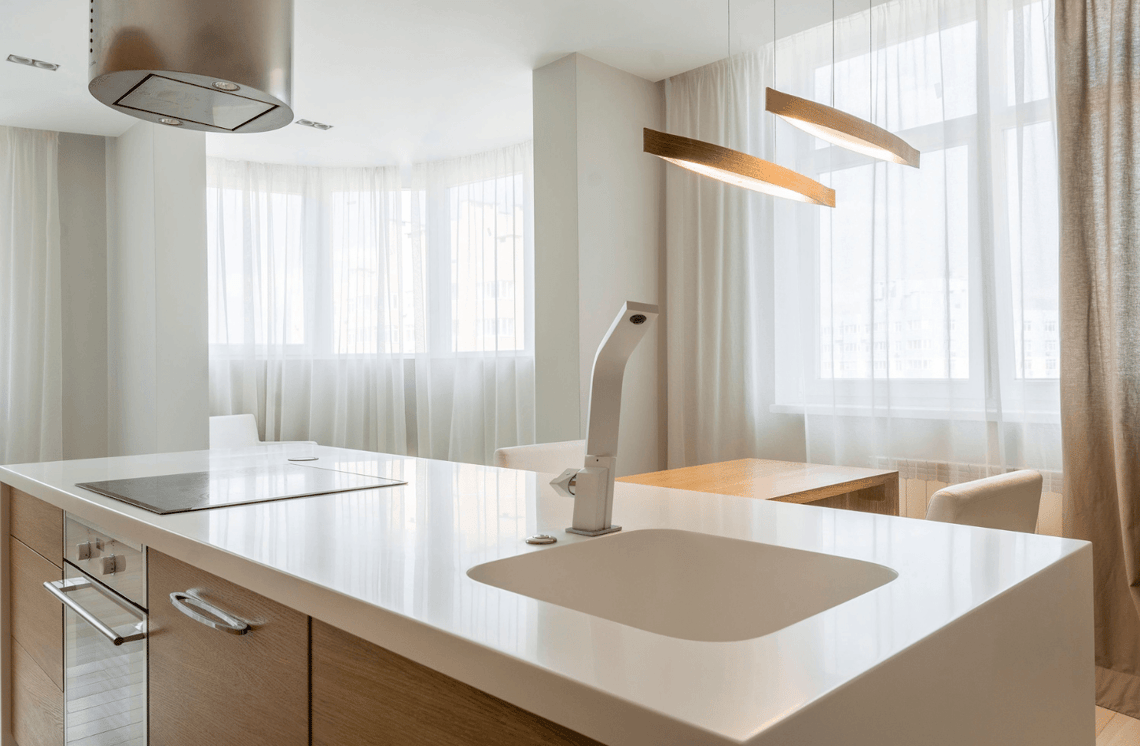
No. Plainly no. Your fitted quartz worktops are safe as houses, and the 2026 news changes none of that.
Here's why. A worktop that's been installed is sealed, solid, inert. It sheds no dust. Gives off no fumes. Puts nothing into the air of your home, full stop. Chop on it, roll pastry, stick a hot pan down, scrub it, lean your whole weight on it every day, no risk at all. That silica's locked inside the slab, bound up in resin, polished flat. You'd have to take an angle grinder to the thing to free any, and I've yet to meet anyone who does that while the kettle boils.
A customer asked me last month, half laughing but clearly a touch anxious, if she ought to stop her kids doing homework at the island. I gave her the same answer I'll give you. That island's one of the safest spots in the house. Wipe clean, sealed, dead inert. Let them get on with it.
I reckon what spooks people is the word itself. "Silica" sounds like something seeping out non stop, a gas or a smell. It's nothing like that. Crystalline silica is a mineral set hard into the slab, same stuff that turns up naturally in granite, in sandstone, in beach sand under your feet. You've been around silica your entire life. The material just sitting there was never the issue, only airborne dust from cutting is, and a fitted worktop makes none.
Why the Workshop Is the Only Place Silica Matters
Picture where the danger actually lives. A sealed tin of paint versus someone spraying it in a shut room, same stuff, worlds apart in what you breathe. Your quartz is the sealed tin once it lands in your kitchen.
The workshop's the other thing entirely. Slabs get sized, edges shaped, sink holes cut out. Every one of those jobs, done dry, chucks silica into the air the fabricator's breathing. And it isn't a single puff either. It's day after day, slab after slab, and that's precisely how it builds to something dangerous over a career. Invisible, gradual, easy to shrug off until it's too late, which is what makes it so nasty for the trade.
That's the reason every control lands on the workshop, extraction, water suppression, masks, health checks. Occupational, top to bottom. Not one of those things has anything to do with your kitchen, because your kitchen was never where the danger sat. By the time the worktop reaches your door it's sealed, polished and inert, the risky bit long finished. If you fancy the fuller picture on how engineered surfaces stack up against natural ones, our guide to natural stone versus engineered stone is worth a read.
What the 2026 HSE Rules Actually Changed
The big shift is blunt: cutting engineered stone dry is now off the table. Fabricators have to wet cut so the dust never gets airborne, plus run extraction, kit workers out with proper masks, and keep an eye on their health with regular checks.
The regulator also nudged the trade hard towards lower silica engineered stone, having worked out that decent lower silica options now exist at the same standard, so there's no excuse left. And they put teeth behind it, inspectors out visiting workshops up and down the country, with the power to shut a place down on the spot if it's cutting dry.
For you at home? Quietly good news. The quartz worktops leaving workshops today are made in far tighter, far safer conditions than they were a few years ago. Yours was always fine once fitted, and new ones are simply being produced more responsibly now. If you're nosy about what the current market looks like, our 2026 quartz worktops buyer's guide lays it out.
When Silica Could Matter for Your Worktop (a Rare Case)
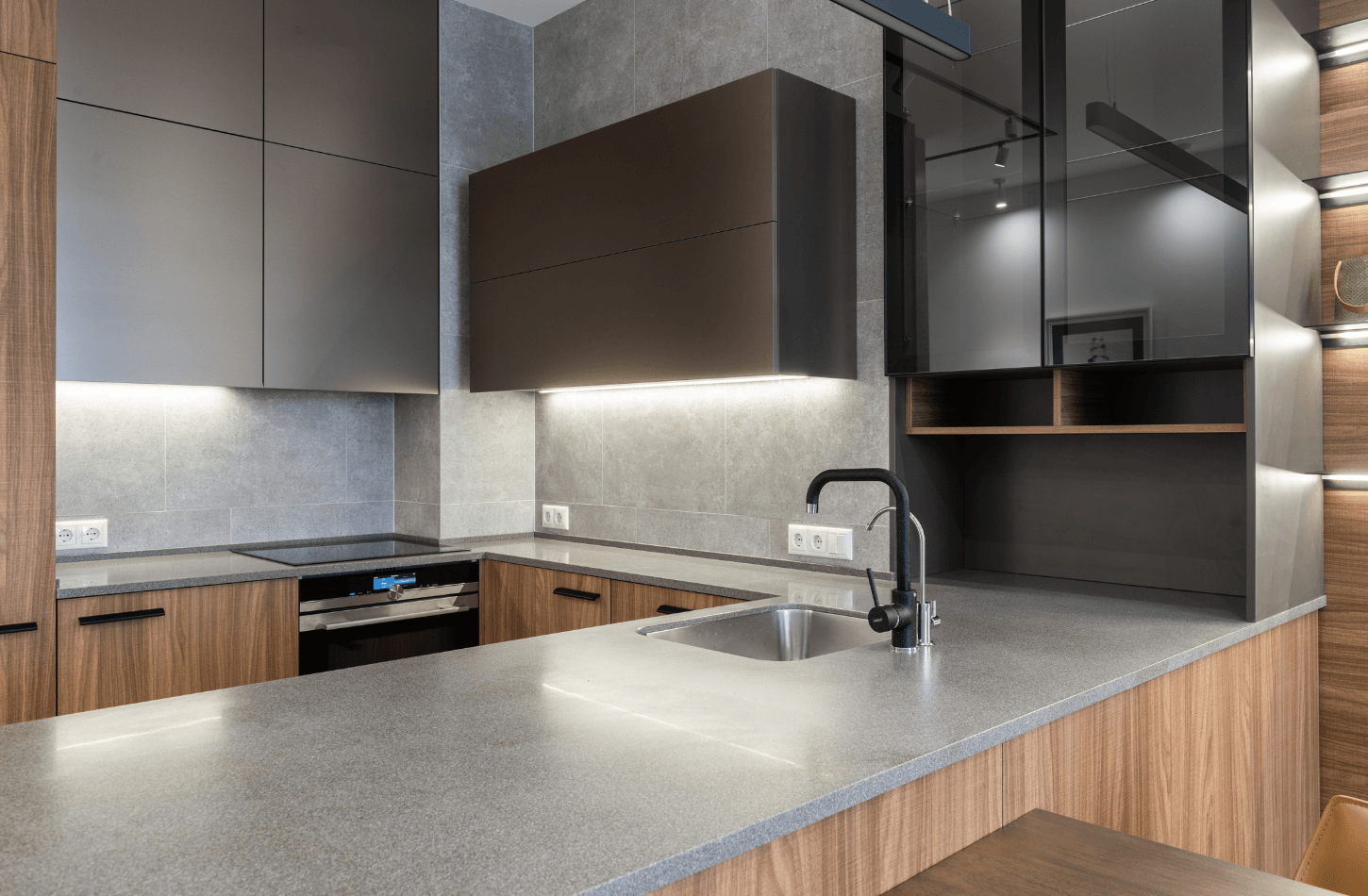
I'll be straight with you here, because skipping it would be exactly the tidy brochure move. There is one situation where dust does come off a fitted worktop, when someone cuts or alters it in place. New tap hole being drilled, say, or an existing quartz worktop trimmed to fit a swapped out appliance. That on site work throws silica about, same as the workshop does.
Rare, brief, but real. So here's my get it in writing tip. If a fitter suggests cutting your quartz in the kitchen, ask straight out how they'll handle the dust. A good one wet cuts, runs extraction, wears a mask, cracks a window. If they just shrug and pick up a dry blade, that's your moment to stop and question it. For normal daily living, though, none of it applies, an untouched worktop is inert and stays that way. And for the everyday care side, our guide to cleaning quartz worktops covers all you'll really need.
The Bottom Line on Quartz Worktops and the Silica Dust Story
So, should the silica dust story rob you of sleep? If you've already got quartz worktops in, not for a second. The whole risk lives in the cutting and fabrication of engineered stone, a workshop matter the HSE is now policing hard, and never in the finished surface you actually live with. Yours is sealed, inert, completely safe, and new quartz is being made more responsibly than it's ever been.
At Work Tops we take all this seriously, buy from suppliers who do the same, and stock everything from engineered quartz to properly lovely natural stone. Mulling over a kitchen upgrade, or just after a bit of honest reassurance about the quartz worktops you've already got? Have a look through our worktop range and drop us a line, we're always happy to help you choose well and put your mind at ease.
Frequently Asked Questions
Do my existing quartz worktops pose any health risk? None. Fitted quartz worktops are sealed and inert, and they release no dust or fumes in normal use, so there's nothing there to harm you or your family.
What is the silica dust story about? It comes down to workers cutting and fabricating engineered stone breathing in respirable crystalline silica dust, which can cause silicosis. After serious cases surfaced in 2026, the HSE brought in new safety guidance. It's a workshop matter, not a finished worktop one.
Can silica dust come off my worktop at home? Only if someone physically cuts or grinds it in place, drilling a fresh tap hole, for instance. Through ordinary day to day use, a fitted quartz worktop gives off nothing whatsoever.
Are new quartz worktops still safe to buy in 2026? Yes. Under the 2026 HSE rules, quartz worktops are now made with stricter dust controls, so newer surfaces are fabricated more safely than before, and they're every bit as safe once they're in your home.
Should I remove or replace my quartz because of the silica dust story? No reason to. Pulling out safe, inert quartz worktops would be pointless, the silica dust story simply doesn't reach finished surfaces, so your kitchen is grand exactly as it stands.