

Understanding Quartz Worktops Cost: A 2026 Buyer's Guide
GMS Kumar
Thinking about new kitchen counters? Quartz is a popular choice, and for good reason. It looks great and holds up well. But how much does it actually cost? This guide is here to break down the quartz worktops cost for 2026, so you know what to expect before you start shopping. We'll cover everything from the basics of what makes quartz cost what it does, to how to get the best deal.
Key Takeaways
- The price of quartz worktops can change a lot based on the quality of the material, from basic options to high-end designer looks.
- Things like the edge style you pick and any special finishes can add to the overall quartz worktops cost.
- Kitchen size plays a big role in how much your project will cost, with larger kitchens naturally needing more material and labor.
- Don't forget about extra costs like installation, which can vary depending on how complicated your kitchen layout is.
- When comparing quartz worktops cost to other materials like granite or marble, quartz often offers a good balance of price, durability, and looks.
Understanding Quartz Worktops Cost Factors
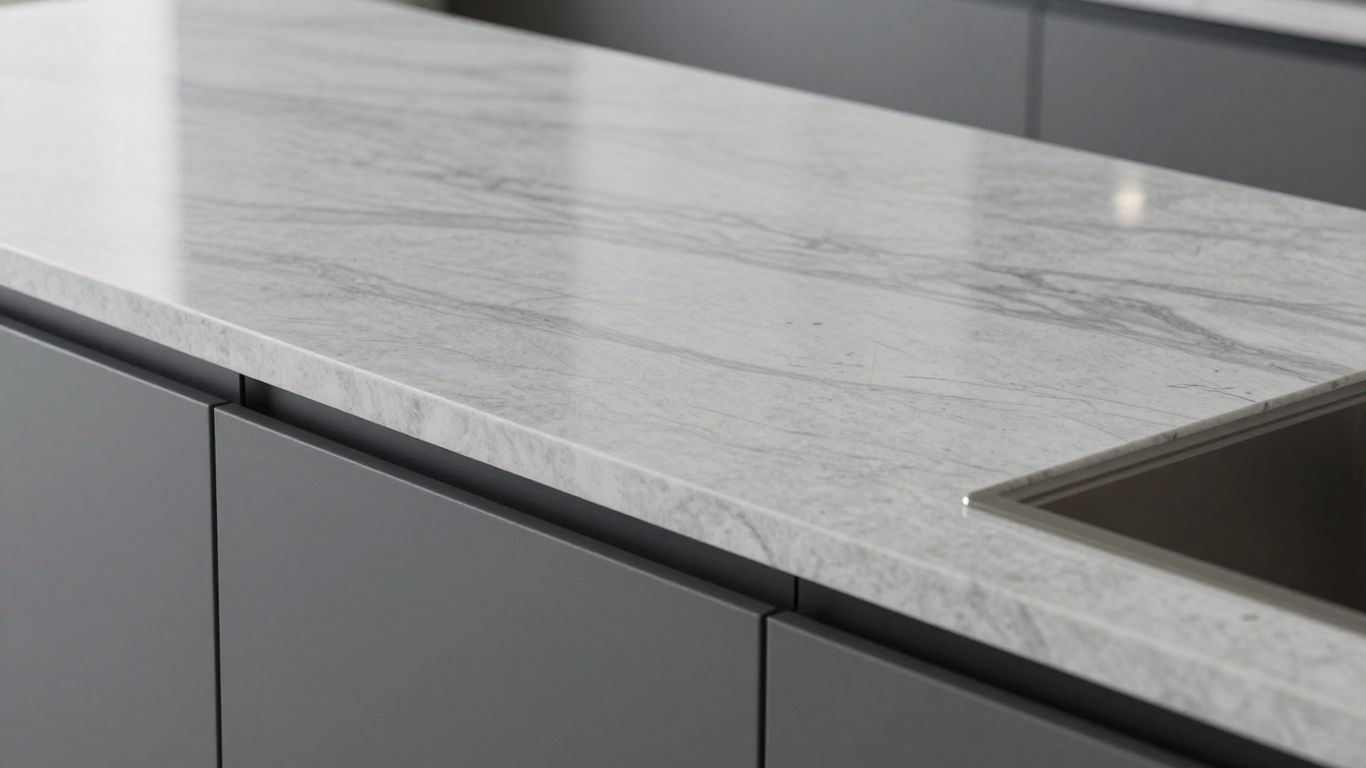
When you're looking into quartz worktops, the price tag isn't just a single number. It's a mix of different things that add up. Think of it like buying a car – the base model is one price, but add a sunroof and fancy wheels, and the cost goes up. With quartz, it's similar, and understanding these factors is key to budgeting.
Material Grade and Its Impact on Quartz Worktops Cost
The quality, or grade, of the quartz itself plays a big role. You've got your basic, entry-level quartz, which is usually a solid color or has a very simple pattern. This is the most budget-friendly option. Then there's the mid-range, offering a bit more design variety. At the top end, you find high-grade quartz with intricate patterns, unique colors, and sometimes even added elements like recycled glass or metallic flecks. These premium options cost more because they use better materials and more complex manufacturing processes. Generally, higher grades mean more visual appeal and durability, but also a higher price point.
Here’s a rough idea of how grades can affect pricing:
- Low-Grade Quartz: Often around $30-$50 per square foot. Good for basic needs, but design options are limited.
- Middle-Grade Quartz: Typically $50-$80 per square foot. Offers a good balance of design and cost.
- High-Grade Quartz: Can range from $80-$150 per square foot. For those wanting unique looks and top durability.
Edge Profiles and Their Influence on Quartz Worktops Cost
How the edge of your worktop is finished can really change the look, and yes, the cost. A simple, slightly rounded edge, often called an 'eased' edge, is usually the cheapest because it's straightforward to make. If you want something a bit more decorative, like a bevel or a more elaborate Ogee curve, that takes more time and skill to fabricate, so it adds to the bill. The 'waterfall' edge, where the material flows down the side of your cabinets, looks amazing but is typically the most expensive edge style due to the extra material and complex cutting involved.
Surface Finishes: Polished vs. Matte Quartz Worktops Cost
Quartz worktops come in different finishes, and this can also affect the price, though sometimes it's more about preference than a huge cost difference. The most common is a polished finish, which gives you that classic, glossy look. It really makes the colors and patterns pop. A matte or honed finish offers a softer, more contemporary feel. While polished is often slightly more expensive, sometimes matte finishes can require extra steps during manufacturing to achieve that smooth, non-glossy look, which can also add to the labor cost. It's worth asking your supplier about the specific cost implications for the finish you prefer.
Choosing the right combination of edge style, finish, and material grade allows homeowners to achieve the look they want while keeping their budget in mind. Carefully planning these details ensures that your quartz countertop is both beautiful and cost-effective.
Estimating Your Quartz Worktops Cost
Figuring out the total cost for your new quartz worktops can feel a bit like putting together a puzzle. There are a few main pieces to consider, and they all add up. The biggest chunk of the cost usually comes down to the square footage you need. But don't stop there; other factors play a significant role too.
Quartz Worktops Cost Per Square Foot Breakdown
The price per square foot for quartz can really vary. You'll see numbers ranging from around $50 to $100 or even more, depending on what you choose. Basic quartz, often in standard colors and thicknesses like 20mm, might be on the lower end. Think of this as your starting point. For example, in Ontario, you might find basic material costs between $40-$60 per square foot [1b02]. Higher grades, unique patterns, or quartz with added crystals will push that price up. It's not just about the material itself, though; fabrication and installation costs are often bundled into this per-square-foot price, or they might be separate line items.
Projected Quartz Worktops Cost by Kitchen Size
Your kitchen's size is a pretty straightforward way to estimate the overall project cost. A smaller kitchen won't need as much material, so the total bill will naturally be lower. Here’s a general idea of what you might expect:
- Small Kitchen (30–40 sq ft): Expect costs to be somewhere in the $1,500 to $3,000 range.
- Medium Kitchen (40–60 sq ft): This size typically falls between $2,500 and $4,800.
- Large Kitchen (60–80+ sq ft): For larger spaces, the cost can start around $3,800 and go up significantly.
These figures are just estimates, of course. They usually include the material, fabrication, and standard installation. If you need a more precise number for your specific project, you can often get an instant estimate online by inputting your kitchen dimensions [8f53].
Brand-Specific Quartz Worktops Cost Variations
Just like with any product, different brands of quartz come with different price tags. Some well-known names might charge a premium for their reputation, quality control, or unique designs. For instance, you might find that brands like Cambria or Caesarstone have a higher average cost per square foot compared to lesser-known manufacturers. It's worth looking into what each brand offers in terms of durability, warranty, and aesthetic options when comparing prices. Sometimes, a slightly higher upfront cost from a reputable brand can mean better long-term value and fewer headaches down the road.
Additional Expenses Affecting Quartz Worktops Cost
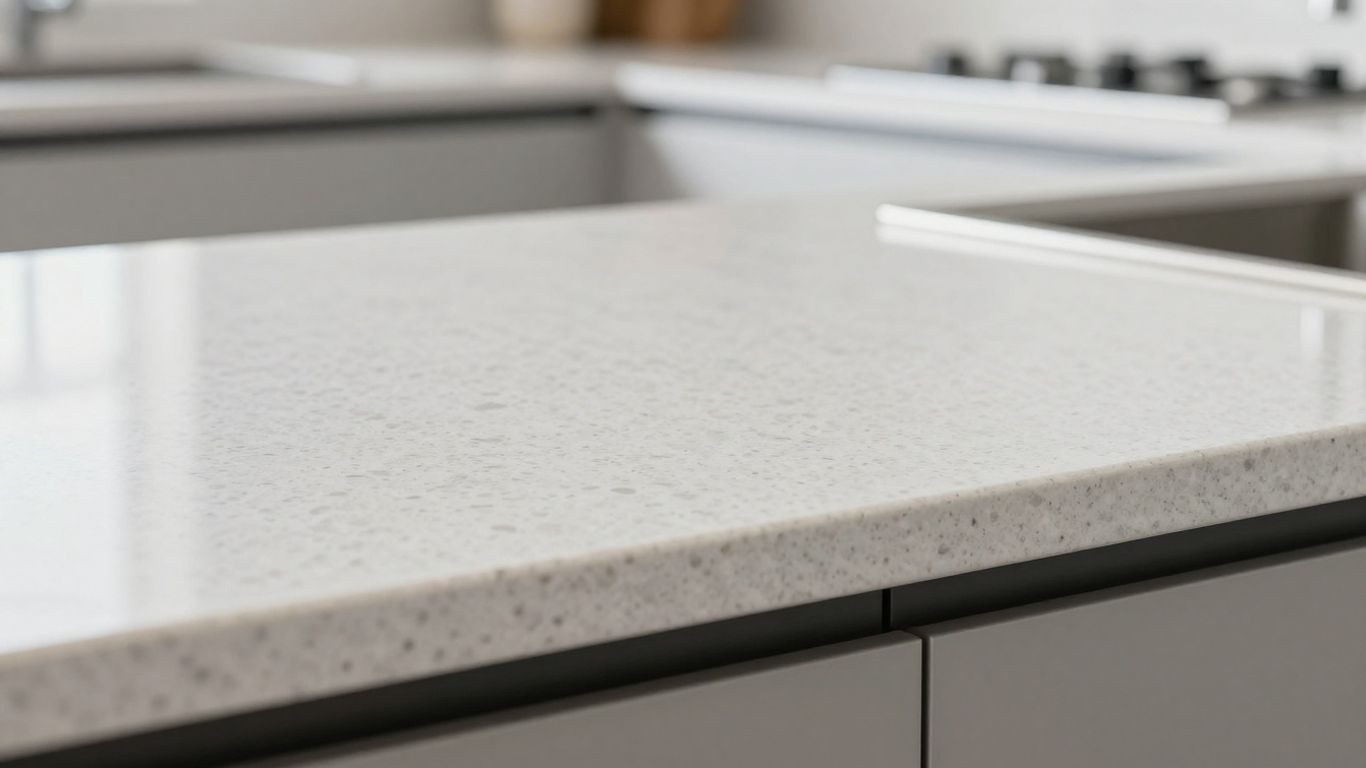
So, you've picked out your dream quartz, figured out the square footage, and you're feeling pretty good about the price. But hold on a sec, there are a few more things that can bump up the final bill. It's not just about the slab itself; the little details can add up.
Customization Options and Their Effect on Quartz Worktops Cost
This is where you really make the worktop your own, but it comes at a price. Think about things like adding a matching quartz backsplash – that's more material and more work, usually priced by the foot. Then there are those fancy waterfall edges where the quartz flows down the sides of your cabinets or island. Looks amazing, but it uses a lot more material and takes more skill to fabricate, so expect a higher cost. Even simple things like special cutouts for sinks or unique shapes can add to the fabrication time and, you guessed it, the cost. The more custom you go, the more the price tag will climb.
Installation Complexity and Associated Quartz Worktops Cost
Installation isn't always straightforward. If your kitchen layout is tricky, with lots of angles or curves, it's going to take the installers more time and effort. Sink and cooktop cutouts, while standard, add to the complexity. If you're aiming for those super-smooth, almost invisible seams, especially with patterned quartz, that's a specialized skill that costs more. Even getting the slabs into your home can be an issue if you live on a higher floor or have narrow doorways. These factors all contribute to the labor cost.
Here's a rough idea of what some extra fabrication might add:
| Feature | Estimated Additional Cost |
|---|---|
| Sink Cutout | $200 - $300 |
| Radius Corner | $20 - $40 |
| Waterfall End Panel | $300 - $600+ |
| Backsplash (linear ft) | $50 - $100+ |
Location-Based Quartz Worktops Cost Differences
Where you live matters. Labor rates can be higher in big cities compared to rural areas. If you're in a remote location, delivery fees might be more substantial. Sometimes, if the installation site is difficult to access, like a tight space or a multi-story building without easy elevator access, installers might charge extra for the hassle. It’s worth checking if your local fabricator has different pricing structures based on these factors.
It's easy to get caught up in the beauty of quartz, but remember to factor in these extra costs. A little bit of planning upfront can save you from sticker shock later on. Always ask for a detailed quote that breaks down all these potential charges.
Maximizing Value and Minimizing Quartz Worktops Cost
Everyone wants a beautiful kitchen without getting hit with sticker shock. Cutting the cost of your quartz worktops is all about being smart with your choices and knowing where to look. You don’t have to sacrifice durability or looks to keep your spending under control.
Strategies for Saving on Quartz Worktops
There are actually quite a few easy ways to save money on your new countertops, and none involve downgrading to something you’ll hate in a year.
- Choose standard, in-stock colors: Skip the rare slabs and stick with white, gray, or common speckled patterns. They are usually less expensive and just as stylish.
- Ask about remnants for small jobs: Lots of suppliers have leftover pieces from other projects that they sell cheap—great for bathroom vanities or laundry rooms. Using remnants can really shrink your costs.
- Go for a standard thickness (2cm): Thicker slabs and fancy, layered edges look great but add a lot to your bill. Standard is sturdy enough for most kitchens.
- Stick with simple edge profiles: Straight or slightly rounded edges are a lot cheaper to fabricate than elaborate options like ogee or waterfall.
- Skip custom cutouts and features unless necessary: The fewer the customizations, the less you’ll pay in materials and labor.
- Check for bundle pricing: Sometimes you can get a better deal by having one local contractor do everything—measure, fabricate, and install. This can also cut down on delivery and handling fees.
- Work with local suppliers: They tend to be more flexible with pricing and faster with turnaround times.
The Importance of Professional Installation for Quartz Worktops
It might seem tempting to try installing your worktops yourself or hire someone who’s not specialized, but beware—saving here can cost you down the line.
- Warranty: Most quartz brands require professional installation to keep your warranty intact.
- Precision: Trained installers know how to make precise cuts and ensure seamless joints. One mistake can ruin an entire slab.
- Durability: Bad installs often mean cracks or warping over time, which could mean expensive repairs sooner than you’d like.
A good installation ensures your worktop not only looks great but also holds up to years of heavy use in your kitchen.
Navigating Quotes to Avoid Hidden Quartz Worktops Cost
Reading estimates can feel like searching for hidden traps. Here’s what to keep an eye on:
- Is delivery included? Some quotes only cover in-store pickup.
- Will they remove old worktops for you?
- Are custom cuts, cutouts, or edge upgrades priced in, or are those extra?
- Are there charges for sealing, polishing, or specialty finishes?
- Ask if additional labor charges apply for tricky layouts or tight spaces.
Here’s a quick table to help you spot typical extra costs:
| Cost Item | Often Included? | Can Add ($) |
|---|---|---|
| Delivery | No | 100 - 300 |
| Old Countertop Removal | No | 200 - 500 |
| Extra Cutouts (e.g., sink) | Sometimes | 50 - 200 each |
| Special Edge Finishes | No | 15 - 30/ft |
| Sealing/Polishing | Sometimes | 80 - 200 |
Being aware of these details, and asking up front, will help keep your project on budget. For even more tips, check out this guide on quartz worktop installation and maintenance.
Quartz Worktops Cost Compared to Alternatives
When you're remodeling a kitchen, picking the right worktop can mess with your budget fast. Quartz, granite, marble, and laminate all come with their own price tags, maintenance issues, and looks. Let’s break down how quartz compares with the other big choices in 2026.
Quartz vs. Granite: A Cost Comparison
Quartz and granite are the go-to stones for a reason—they both look good and hold up well, but the money side is a bit different.
| Material | Installed Cost (per sq. ft.) | Annual Maintenance | 10-Year Maintenance |
|---|---|---|---|
| Quartz | $50–$200 | $0 | $0 |
| Granite | $60–$180 | $40–$60 | $400–$600 |
- Quartz tends to be more stable in pricing because it’s engineered, not mined. That means less surprise on your quote.
- Granite costs swing more due to the slab you pick and the complexity of your design, but both materials are generally in the same range.
- With quartz worktops often being more predictable in both price and pattern, it can feel like the safer bet for folks watching their wallet or wanting something low-effort on cleaning.
Granite needs to be resealed every year or so—add that into your total costs and effort when comparing with quartz.
Quartz vs. Marble: Value and Affordability
Marble screams high-end, but the costs pile up—not just up front, but over years of upkeep.
| Material | Installed Cost (per sq. ft.) | 10-Year Maintenance |
|---|---|---|
| Quartz | $50–$200 | $0 |
| Marble | $80–$250+ | $600–$1,000 |
- Marble’s unique veining is its selling point, but it’s the most expensive and needs resealing, just like granite.
- Quartz offers a consistent look and usually costs less up front and long-term.
- If you want “show-off” style and don’t mind fussing over stains, marble’s an option, but quartz is less fussy and way friendlier on maintenance.
Quartz vs. Laminate: Understanding the Price Difference
If you’re sticking to a strict budget, laminate is still the champ for low cost. But that comes with trade-offs.
| Material | Installed Cost (per sq. ft.) | Durability | Heat Resistance |
|---|---|---|---|
| Quartz | $50–$200 | Strong | Very Good |
| Laminate | $20–$50 | Fair | Weak |
- Laminate can look nice from a distance, but it’s easier to chip or burn.
- Quartz is better if you want something that lasts through years of kitchen chaos. The difference in price reflects that.
- Some folks stick with laminate for quick flips or temporary kitchens, but quartz often gets picked for a combination of durability and modern looks.
If you want something hassle-free that holds up, quartz usually wins over laminate or natural stones. But for the lowest upfront cost, laminate’s basically unbeatable.
Three key things to consider:
- Upfront costs are just one piece—maintenance for stone adds up over the years.
- Predictable pricing with quartz can prevent surprises during renovations.
- Appearance, durability, and lifestyle should guide your decision as much as price.
In 2026, quartz sits comfortably between premium stone and budget-friendly laminates. It’s a practical choice when you want reliable pricing, easy care, and a modern finish.
Wrapping It Up: Your Quartz Countertop Decision
So, we've gone over a lot of numbers and details about quartz countertops. It can seem like a lot, but really, it boils down to what you need and what you want to spend. Remember, the price isn't just about the material itself; it's also about the grade, the fancy edges you pick, and how complicated the installation is. Think about your kitchen size, what look you're going for, and how much upkeep you're willing to do. By looking at all these pieces, you can make a choice that feels right for your home and your wallet. It’s a big purchase, but with a little planning, you can get a countertop that looks great and lasts for ages.
Frequently Asked Questions
What makes quartz countertops cost more or less?
The price of quartz countertops can change based on a few things. The quality of the quartz is a big factor; higher grades with more unique designs and better durability usually cost more. Also, fancy edge styles or special finishes can add to the price. The size of your kitchen and how tricky the installation is will also affect the total cost.
How much does quartz typically cost per square foot?
Generally, you can expect to pay anywhere from $50 to $150 for each square foot of quartz, including installation. Cheaper options might be around $55-$75, while the really fancy, high-end ones could go for $100-$150 or even more, especially if they have special designs.
Is quartz more expensive than granite or marble?
Quartz is often priced similarly to granite, but it can be more expensive than some types of granite and generally costs less than high-end marble. While granite is a natural stone and marble is known for its luxury, quartz offers a consistent look and is very durable, which can make it a good value for the money.
Are there extra costs I should know about when buying quartz?
Yes, there can be. Things like special edge designs (like a waterfall edge), cutting out spaces for sinks, adding a matching backsplash, or if your kitchen layout is complicated, can all add to the final bill. It's always good to ask for a detailed quote that includes everything.
Can I save money on quartz countertops?
You can definitely save money! Choosing standard colors instead of rare ones, opting for simpler edge styles, and buying from local suppliers can help lower the cost. Sometimes, waiting for sales or choosing a mid-range quality can also be smart ways to stick to your budget.
Why is professional installation important for quartz?
Professional installation is key because it ensures your countertops are fitted perfectly, which prevents future problems. Many manufacturers also require professional installation to keep the warranty valid. A good installer knows how to handle the material properly, making sure it looks great and lasts a long time.


