

Elevate Your Kitchen: Choosing the Perfect Marble for Countertops
GMS Kumar
So, you're thinking about marble for your kitchen countertops? It's a classic look, for sure. People have been using it for ages, and it really does make a kitchen feel fancy. But, let's be real, kitchens get messy. You've probably heard that marble stains and scratches easily, and yeah, that's part of the story. It's not the toughest kid on the block when it comes to durability, and it needs a bit more attention than, say, quartz. We're going to break down what you really need to know about marble countertops, looking past the pretty pictures to see if it actually fits into your everyday life.
Key Takeaways
- Marble countertops offer a timeless, luxurious look with unique veining that makes each kitchen one-of-a-kind.
- While beautiful, marble is softer and more porous than granite or quartz, meaning it can stain and etch from acidic substances.
- Popular marble types like Carrara and Calacatta have distinct looks, ranging from subtle to dramatic, influencing both aesthetics and maintenance.
- Proper care, including regular sealing and prompt cleanup of spills, is vital for maintaining marble's appearance and preventing damage.
- Choosing marble for countertops involves balancing its stunning visual appeal with your kitchen's usage patterns, budget, and willingness to perform maintenance.
Understanding Marble For Countertops: Beauty And Practicality
Marble countertops have graced kitchens for ages, and it's easy to see why. They bring a certain elegance that's hard to match. But before you fall head over heels for that gorgeous veining, let's talk about what you're really getting into. It's not just about looks; it's about how marble fits into your actual life.
The Enduring Appeal of Marble Countertops
There's a reason marble has been a go-to for designers and homeowners for centuries. It's a natural stone that just feels luxurious. Think about the soft, flowing patterns – no two slabs are ever exactly alike, meaning your kitchen will have a truly unique look. This individuality is a big part of its charm. Plus, marble has a naturally cool surface, which is a bonus if you do a lot of baking or cooking and need a stable spot for dough or chocolate.
- Timeless Elegance: Marble adds a sophisticated air to any kitchen, making it feel more high-end.
- Unique Patterns: Each slab is a work of art, offering distinct veining and color variations.
- Cool Surface: Ideal for food prep, especially for tasks requiring a chilled surface.
- Resale Value: Often seen as a premium material, it can boost a home's appeal.
Marble's Unique Aesthetic Qualities
When we talk about marble's beauty, we're talking about its subtle depth and natural variations. Unlike the uniform look of some engineered materials, marble offers a softer, more organic feel. Its veining can range from delicate wisps to bold, dramatic streaks, adding visual interest without being overpowering. This natural variation means your countertop won't look like a mass-produced item; it will have its own character. It’s a material that can soften a space, making it feel more inviting and warm, even in a modern design.
Marble isn't just a surface; it's a statement. Its natural patterns and subtle color shifts create a dynamic visual that can anchor your kitchen's design. It brings a sense of history and artistry that manufactured materials often lack.
Functional Benefits for the Kitchen
Beyond its stunning looks, marble offers some practical advantages for the kitchen. Its natural coolness is a real plus for bakers who need to keep dough from getting sticky or work with delicate ingredients like chocolate. While it's always wise to use trivets for hot pans, marble is generally heat-resistant, meaning it won't warp or melt from typical kitchen heat. This combination of beauty and function is why many people still choose marble, even with its care requirements. If you're looking for a material that's both beautiful and has some practical kitchen perks, marble is worth considering. Remember, though, that marble is a porous material, and spills can soak in if not wiped up quickly. Regular sealing is key to protecting your investment and keeping it looking its best. You can find more information on how to care for marble.
Here's a quick look at some functional points:
- Temperature Regulation: Stays cool, aiding in food preparation.
- Heat Resistance: Can handle moderate heat, though trivets are recommended.
- Aesthetic Versatility: Pairs well with various cabinet colors and kitchen styles.
- Natural Material: Offers a unique, non-uniform look that appeals to many.
Exploring Popular Marble Varieties For Your Kitchen
So, you've decided marble is the way to go for your kitchen countertops. Awesome choice! But now comes the fun part: picking which marble. It's not just about picking a pretty slab; different marbles have different personalities and needs, kind of like people. Some are super chill and low-maintenance, while others need a bit more attention. Let's break down some of the most popular types you'll find.
Classic Choices: Carrara and Calacatta Marble
When most people think of marble, they're probably picturing something like Carrara or Calacatta. They're the rock stars of the marble world for a reason.
- Carrara Marble: This is probably the most common white marble out there. It usually has a soft white or light gray background with delicate, feathery gray veins. It's pretty versatile and can fit into almost any kitchen style, from super modern to more traditional. Because it's so popular, it's often a bit more budget-friendly than other types. Just remember, it's a bit more porous, so it needs regular sealing to keep it looking its best.
- Calacatta Marble: If you want something a bit more dramatic, Calacatta might be your jam. It's also white, but the veining is usually bolder, more dramatic, and can sometimes have warm, golden or beige undertones. Think of it as the more high-fashion cousin of Carrara. It's stunning, but it also comes with a higher price tag and requires diligent care. It's a real showstopper, though.
Bold Statements: Statuario and Nero Marquina
If subtle isn't your style, these two marbles are ready to make a statement.
- Statuario Marble: This is another high-end white marble, often considered one of the most prized. It has a very pure white background with striking, often dramatic, dark gray veining. The patterns can be quite bold and artistic. It's definitely a luxury choice and commands a higher price, but the visual impact is undeniable. It's less common than Carrara or Calacatta, making it feel even more special.
- Nero Marquina: Ready to go dark? Nero Marquina is a deep, rich black marble with sharp, contrasting white veins. It's incredibly dramatic and perfect for creating a modern, high-contrast look. It's denser than many white marbles, which can make it slightly more forgiving with stains, but it still needs to be sealed. This is a fantastic choice if you want your countertops to be a real focal point.
Warm Tones: Breccia and Other Earthy Hues
Not all marble is stark white or deep black. There are some beautiful options with warmer, earthier tones that can bring a different kind of warmth to your kitchen.
- Breccia Marble: This type is really interesting because it often has a mix of colors and patterns. You might see earthy tones like browns, reds, and golds mixed with cream or beige. The veining can be quite irregular and bold, giving it a unique, almost artistic look. It's great for kitchens aiming for a rustic, eclectic, or vintage vibe. It tends to be a bit softer, so it's more prone to etching, meaning you'll need to be extra careful with acidic substances.
When picking out your marble, it's super important to remember that no two slabs are exactly alike. The pictures you see online are just a guide. You really need to see the actual slabs in person to appreciate the unique patterns and colors. It's like choosing a piece of art for your kitchen!
Here's a quick rundown of what to think about:
| Marble Type | Typical Appearance | Veining Style | Best For |
|---|---|---|---|
| Carrara | Soft white/light gray with delicate gray veins | Subtle | Classic, versatile kitchens |
| Calacatta | White with bold, dramatic gray or golden veins | Bold | Statement kitchens, luxurious feel |
| Statuario | Pure white with striking, dark gray veins | Dramatic | High-end, artistic designs |
| Nero Marquina | Deep black with sharp white veins | High Contrast | Modern, bold, monochromatic kitchens |
| Breccia | Earthy tones (browns, reds, golds) with irregular veins | Unique | Rustic, eclectic, vintage kitchens |
Choosing the right marble is a big decision, but exploring these popular options should give you a great starting point. Remember to consider your lifestyle and how much maintenance you're willing to do. You can find more details on popular white marble countertops to help you visualize your options.
Integrating Marble Countertops Into Your Kitchen Design
So, you've decided marble is the way to go for your kitchen countertops. Awesome choice! Now comes the fun part: figuring out how to make it all come together. It's not just about picking a slab; it's about how that slab talks to the rest of your kitchen. Think of it like picking the perfect accessory for an outfit – it has to complement everything else.
Pairing Marble with Cabinetry Styles
This is a big one. The color and style of your cabinets will really set the stage for your marble. It’s all about creating balance and a look you’ll love every day.
- White Cabinets: These are super versatile. For a really dramatic look, try pairing white cabinets with a bold marble like Calacatta or Nero Marquina. The contrast is stunning. If you want something a bit softer, a classic Carrara can look really clean and bright.
- Dark Cabinets: If you’re going for dark cabinets, a lighter marble like Carrara or a soft white Dolomite can really open up the space and keep it from feeling too heavy. It creates a nice, elegant balance.
- Wood Cabinets: This is where things get cozy. Warm-toned marbles, like some of the Breccia varieties, can pick up on the natural wood tones and create a really inviting, rustic feel. It’s a classic combination for a reason.
Coordinating Marble with Backsplashes
Your backsplash is another chance to play with the marble. You can either go for a super cohesive look or use the backsplash to add another layer of interest.
- Full-Slab Backsplash: Want that high-end, super-sleek vibe? Continue the same marble slab from your countertop right up the wall. It creates a seamless, luxurious statement that’s hard to beat. It’s a look that really makes a statement and is often seen in modern kitchen designs.
- Contrasting Backsplash: Sometimes, you might want your countertops to be the star. In that case, you could pair a more subtle marble countertop with a bolder backsplash. Think of a simple white marble with a dramatic patterned tile or a darker stone.
Highlighting Kitchen Islands with Marble
Kitchen islands are often the heart of the kitchen, so making them stand out with marble is a fantastic idea. It’s a great way to add a focal point.
- Centerpiece Material: Using a dramatic marble, like a Calacatta with strong veining or a deep Nero Marquina, on your island can instantly make it the showstopper of your kitchen. It’s a great way to incorporate bold marble features.
- Two-Toned Design: You could even mix and match! Maybe use one type of marble for your perimeter countertops and a different, more striking marble for the island. This adds depth and visual interest to the whole space.
When you're planning your kitchen, think about how the marble will interact with light. Some marbles have a subtle glow, while others are more dramatic. Consider the overall mood you want to create – bright and airy, or dark and moody? The right combination can make all the difference.
Choosing the right marble and integrating it thoughtfully into your kitchen design is key. It’s about creating a space that’s not only beautiful but also feels right for how you live and cook. Take your time, look at examples, and trust your gut!
Essential Care And Maintenance For Marble Countertops
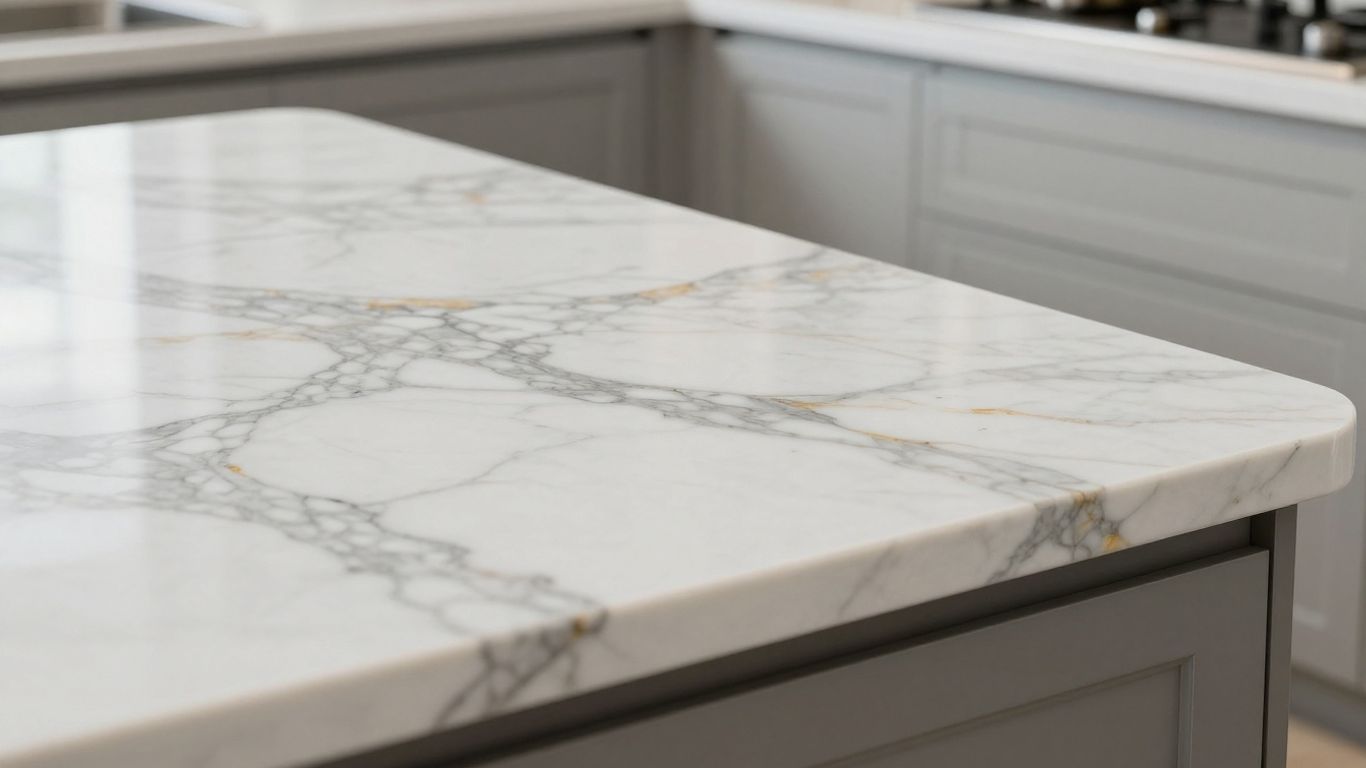
So, you've picked out that gorgeous slab of marble for your kitchen. Awesome choice! But before you start chopping onions and pouring wine, let's talk about keeping it looking its best. Marble is beautiful, no doubt, but it's also a natural stone that needs a little TLC. Think of it like a fancy car – you wouldn't just ignore the oil changes, right?
Understanding Marble's Porosity and Staining
Marble is a bit like a sponge. It's porous, meaning it can soak up liquids. This is where staining comes in. If you spill something colorful, like red wine or beet juice, and don't wipe it up quickly, it can seep into the stone and leave a mark. Even everyday things like coffee or oil can cause issues if left sitting there. The key is to act fast.
- Wipe up spills immediately: Don't let them linger. A quick wipe with a soft cloth is usually all it takes.
- Be mindful of acidic substances: Things like lemon juice, vinegar, and even some tomato sauces can etch the surface.
- Consider a good sealant: This is your first line of defense against stains. It fills in those tiny pores.
Dealing with Etching from Acids
This is probably the most common issue people run into with marble. Etching isn't a stain; it's more like a dull spot where the acid has slightly eaten away at the polished surface. It looks different from a stain and can be frustrating. Honed finishes can hide etching a bit better than polished ones, but it can still happen.
Acids are the arch-nemesis of polished marble. Even a brief encounter can dull the shine, leaving a mark that's more about surface damage than color absorption. While honed finishes offer a bit more forgiveness, vigilance is still your best friend.
Sealing and Cleaning Marble Surfaces
Keeping your marble clean doesn't have to be a chore, but it does require the right approach. Forget those harsh, all-purpose cleaners you might use elsewhere. You need gentle, specialized products.
- Use pH-neutral cleaners: These are specifically made for natural stone and won't damage the marble's surface. You can find them at most home improvement stores.
- Soft cloths are your friend: Microfiber cloths work great for daily wipe-downs and polishing.
- Reseal periodically: How often depends on how much you use your kitchen, but generally, every 6 to 12 months is a good range. This keeps that protective barrier strong. You can test if it's time by dripping a little water on the surface; if it beads up, you're good. If it soaks in, it's time to reseal. For more on cleaning natural stone, check out cleaning marble surfaces.
Remember, a little bit of consistent care goes a long way in keeping your marble countertops looking beautiful for years to come. It's all about being mindful and using the right tools for the job. And hey, if something does happen, most minor issues can be fixed by a professional, so don't panic! Avoid acidic cleaners and you'll be well on your way to happy marble ownership.
Marble Countertops: A Comparison With Other Materials
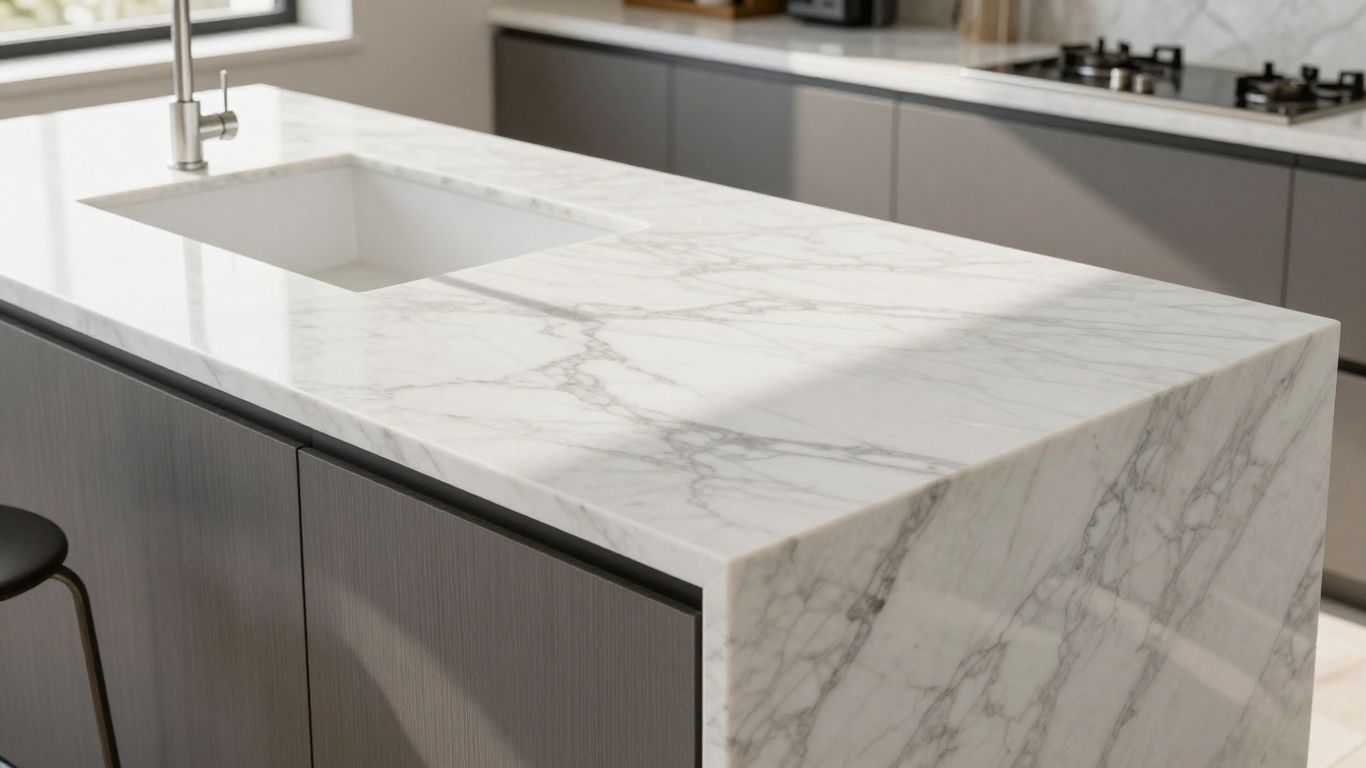
When you're thinking about kitchen countertops, marble is often at the top of the list for its sheer beauty. But how does it stack up against other popular choices like granite, quartz, and quartzite? It's not just about looks; it's about how the material will perform in your actual kitchen day in and day out.
Marble vs. Granite: Durability and Aesthetics
Granite is a workhorse. It's generally harder and more resistant to scratches and acids than marble. This means granite can handle a bit more rough-and-tumble in a busy kitchen without showing it as much. Marble, on the other hand, has a softer, more refined look that many people find incredibly appealing. It offers a timeless elegance that granite, with its often bolder patterns, might not always achieve. If your priority is a low-maintenance, super-durable surface, granite might be the way to go. But if you're willing to put in a little extra care for that classic, luxurious feel, marble shines.
| Feature | Marble | Granite |
|---|---|---|
| Durability | Softer, more prone to etching/staining | Harder, more scratch/stain resistant |
| Maintenance | Requires regular sealing, careful cleaning | Less frequent sealing, more forgiving |
| Aesthetics | Soft veining, elegant, timeless | Wide range of patterns, bold to subtle |
| Porosity | More porous | Less porous |
Marble vs. Quartz: Natural Beauty vs. Engineered Consistency
Quartz is a manufactured material, and this is where it really differs from marble. Because it's engineered, quartz is non-porous. This makes it incredibly resistant to stains and means you don't have to seal it. It's a super practical choice for kitchens where spills are common. Marble, however, is all about natural, unique beauty. Every slab is different, with its own veining and character. If you love the idea of a countertop that's a one-of-a-kind piece of art and you don't mind the upkeep, marble is fantastic. If you prefer a consistent look and a surface that's practically maintenance-free, quartz is a strong contender. Many people also look at quartzite as a natural stone that offers marble's look with granite's durability.
When Marble is the Superior Choice
So, when does marble really win out? It's often the choice for those who prioritize aesthetics above all else. Marble has a certain warmth and depth that engineered materials just can't replicate. Bakers often love it because it stays naturally cool, which is perfect for rolling out dough. Plus, the sheer elegance it brings to a kitchen is undeniable. It's a material that has been used for centuries for a reason – it has a timeless appeal that can make a kitchen feel instantly more luxurious. While it requires more attention, for many, the payoff in beauty and feel is well worth the effort. It's a material that truly elevates a space, and for some, that's the most important factor.
Marble countertops are a lifestyle choice. They bring unparalleled natural beauty and a sense of history to your kitchen, but they do ask for a bit more attention than some other materials. If you appreciate the unique character and are prepared for the maintenance, marble can be an exceptional addition to your home.
Making The Final Decision On Marble For Countertops
Assessing Your Lifestyle and Kitchen Usage
So, you've fallen for marble's charm. That's great! But before you commit, let's have a real talk about how you actually use your kitchen. Marble is gorgeous, no doubt, but it's not exactly the toughest kid on the block. If your kitchen is a whirlwind of activity – think constant cooking, kids doing homework right on the counter, or maybe you're just not the most careful person with spills – marble might present a challenge. It can scratch and stain, especially if you're dealing with acidic foods like lemon juice or wine. It's a material that rewards a gentle touch and prompt clean-ups. If you're someone who loves a pristine look and can commit to a bit of extra care, then marble is definitely a contender. But if low-maintenance is your middle name, you might want to reconsider or at least look into some of the more durable marble alternatives. It's about matching the stone to your life, not the other way around.
Considering Budget and Long-Term Value
Let's be honest, marble isn't the cheapest option out there. The price tag can be pretty steep, and that's not just for the slab itself. You've got to factor in fabrication, installation, and, importantly, sealing. Sealing is non-negotiable if you want to protect your investment. While the initial cost is higher, many people see marble as a long-term investment in their home's beauty and value. It's a classic material that doesn't really go out of style. Think about it like this:
- Initial Slab Cost: Varies widely based on rarity and origin.
- Fabrication & Installation: Professional work is key.
- Sealing: Budget for regular sealing to protect against stains and etching.
- Maintenance: Factor in gentle cleaners and prompt spill cleanup.
When you weigh the upfront expense against the timeless elegance and potential increase in home appeal, the long-term value can be quite compelling. It's a decision that pays off aesthetically for years to come, provided you're prepared for the upkeep.
The Importance of Viewing Marble Slabs In Person
Look, I get it. Scrolling through pictures online is easy, and sometimes you find a slab that just looks perfect. But with natural stone like marble, what you see online is rarely the full story. Every slab is unique, with its own patterns, veining, and subtle color variations. That picture-perfect slab might look completely different when you see it in person, or a slab you overlooked online might just steal your heart when you see its true character. It's really important to visit a local stone yard to see the actual slabs you're considering. You can touch them, see how the light hits them, and really get a feel for the material. Plus, talking to the stone experts there can give you insights you won't find anywhere else. They can explain the nuances of different types of marble and help you understand how each might perform in your specific kitchen environment. It's the best way to make sure you're truly happy with your choice.
Choosing marble is more than just picking a countertop; it's about embracing a material with a rich history and a unique personality. It requires a commitment to its care, but the reward is a kitchen that feels both luxurious and deeply personal. Don't rush this decision; let the stone speak to you.
So, Is Marble Right for Your Kitchen?
Okay, so we've talked a lot about marble. It's gorgeous, no doubt about it. It makes a kitchen feel fancy and it's actually pretty cool for rolling out dough, which is neat. But yeah, it can stain and scratch if you're not careful. It's not like granite or quartz, which are tougher. Picking marble means you're signing up for a bit more upkeep, like sealing it regularly and wiping up spills right away. If you love that classic, high-end look and don't mind the extra attention it needs, then marble could totally work for you. But if you're looking for something super low-maintenance, maybe look at other options. It really comes down to what you want your kitchen to be like and how much time you want to spend on cleaning.
Frequently Asked Questions
Is marble really a good choice for kitchen counters?
Marble is beautiful and can be a great choice for kitchens if you love its look and are okay with a little extra care. It stays cool, which is awesome for baking, and every piece is totally unique. But, it can stain and get scratched more easily than some other stones, so you need to clean up spills fast and seal it regularly.
What's the difference between Carrara and Calacatta marble?
Carrara marble usually has a white or light gray background with soft, feathery gray lines. It's a classic and often more affordable choice. Calacatta marble is also white but has bolder, more dramatic veining, sometimes with gold or brown tones. It tends to be more expensive and makes a bigger statement.
Will marble countertops get stained easily?
Yes, marble can stain if liquids like wine, coffee, or oil are left sitting on it. Because marble is porous, it can soak up these liquids. The best way to prevent stains is to seal the marble often and wipe up any spills right away. Using cutting boards and coasters also helps a lot.
What does 'etching' mean for marble countertops?
Etching happens when acidic things, like lemon juice, vinegar, or even some cleaning products, touch the marble. It doesn't stain the marble, but it can dull the shiny finish, leaving a dull spot or ring. Honed marble (which has a matte finish) hides etching better than polished marble.
How do I take care of my marble countertops?
Taking care of marble means sealing it about once a year to protect it from stains and etching. Always clean up spills immediately, especially acidic ones. Use mild, pH-neutral cleaners made for stone, and avoid harsh chemicals. Using trivets under hot pans and cutting boards when chopping food will also help keep your marble looking great.
How long do marble countertops usually last?
With good care and regular maintenance, marble countertops can last for a very long time, often 20 to 30 years or even more! They are a natural stone that holds up well over time, and their classic beauty means they don't go out of style. The key is consistent sealing and cleaning.


