

Elevate Your Kitchen with a Stylish Breakfast Bar Work Surface
GMS Kumar
So, you're thinking about adding a breakfast bar work surface to your kitchen? It's a great idea! It's not just about having a place to quickly eat your cereal or have a coffee. A well-designed breakfast bar can totally change how you use your kitchen, making it more social and functional. Whether you have a big open space or a tiny apartment, there's a breakfast bar style that can work for you. Let's look at how to make yours awesome.
Key Takeaways
- A breakfast bar work surface is more than just a spot to eat; it's a social hub and adds functionality to your kitchen.
- Consider different styles like island extensions, peninsulas, or wall-mounted ledges to fit your space and needs.
- Material choice is important – wood offers warmth, while stone and quartz provide durability and a sleek look.
- Proper dimensions are key: get the height, overhang, and seating clearances right for comfort and usability.
- Don't forget the details – color, complementary seating, and smart storage can make your breakfast bar a standout feature.
Designing Your Ideal Breakfast Bar Work Surface
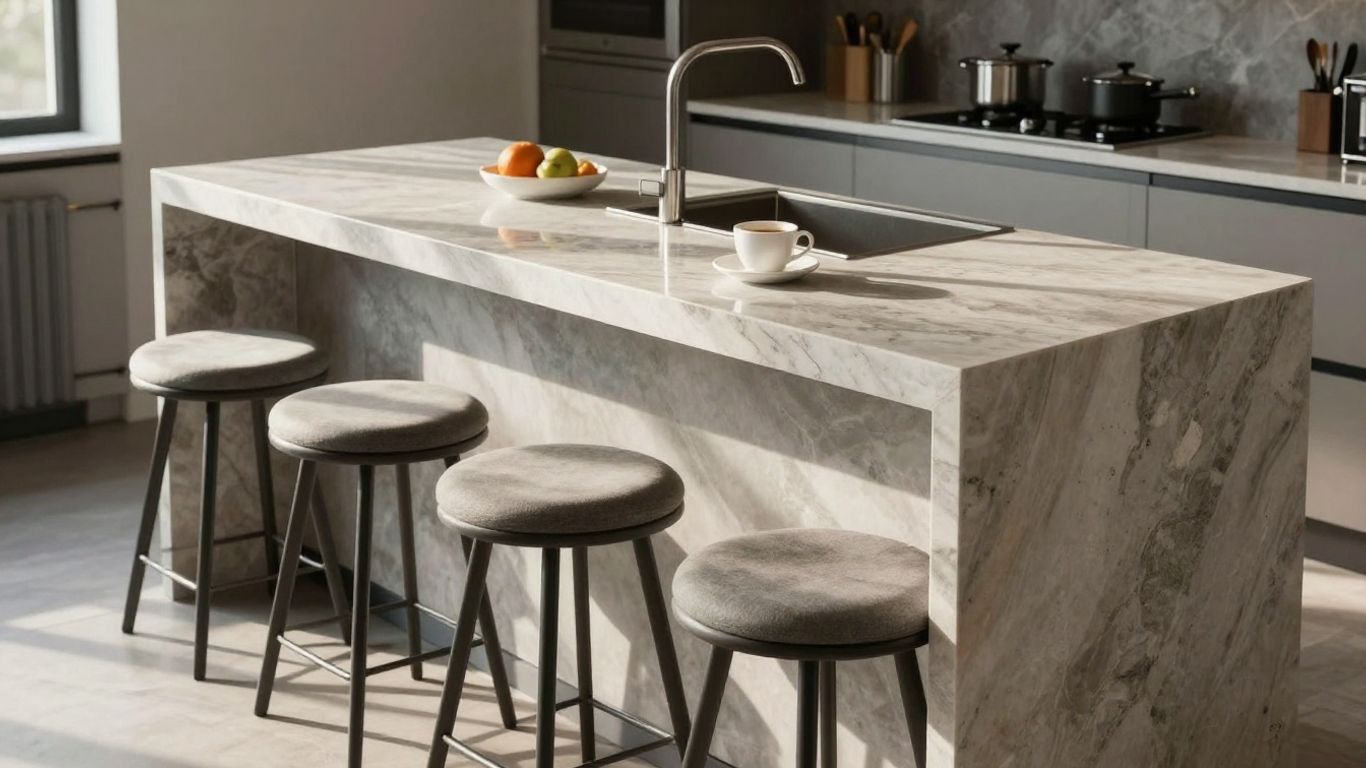
So, you're thinking about adding a breakfast bar to your kitchen? Smart move! It's more than just a place to grab a quick bite; it can really change how you use your kitchen space. Let's figure out how to make yours work perfectly for you.
Understanding the Purpose of a Breakfast Bar
First off, what do you really want this breakfast bar to do? Is it just for a speedy bowl of cereal before the school run, or will it be the spot for evening drinks with friends? Maybe it's a homework station for the kids, or even a place to perch while you're on a video call. Thinking about its main jobs helps shape everything else. A well-planned breakfast bar can become the social heart of your kitchen. It's about more than just eating; it's about connecting. It can also be a handy extra bit of counter space when you're cooking up a storm.
Integrating Seating and Functionality
This is where the magic happens. How will people actually sit at your bar? Will it be a simple overhang from an island, or a separate raised section? A raised bar, for instance, creates a clear separation between your cooking zone and your dining spot. This is great if you want to keep food prep separate or just prefer a more formal feel. It also means you can use different materials for each surface, which looks pretty sharp. Think about how the seating will tuck away too – you don't want people tripping over stools when the bar isn't in use. Getting the height right is key here, so everyone can sit comfortably. You'll want to check out different stool options to see what fits your vision.
Maximizing Space with a Breakfast Bar
Even in smaller kitchens, a breakfast bar can be a game-changer. A peninsula breakfast bar, for example, can tuck neatly into a corner, giving you that extra surface and seating without taking over the whole room. Or, consider a floating ledge style – it looks airy and keeps the floor space clear underneath, making the room feel bigger. It's all about smart design. You can even use the space under the bar for storage, like open shelving or drawers, if you plan it right. It's amazing how much you can fit into a kitchen when you think creatively about the layout and work surface design.
Planning is everything. Measure twice, cut once, as they say. Getting the dimensions and clearances right from the start means your breakfast bar won't feel cramped or awkward to use. It's the difference between a feature you love and one you just tolerate.
Exploring Breakfast Bar Work Surface Styles
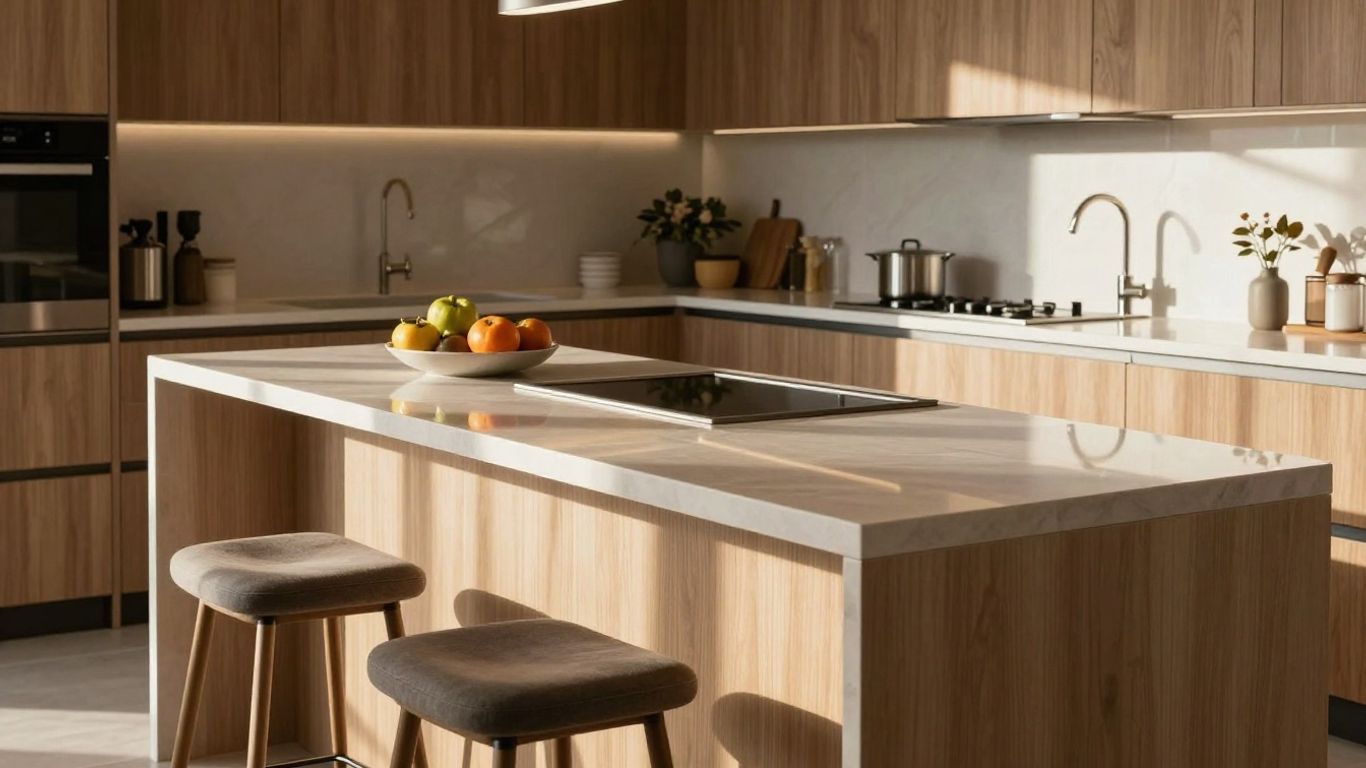
So, you've decided a breakfast bar is the way to go for your kitchen. Awesome choice! Now, let's talk about the different ways you can actually do it. It's not just one-size-fits-all, you know. The style you pick really depends on your kitchen's layout, how much space you've got, and, let's be honest, what looks good to you.
The Versatile Kitchen Island Breakfast Bar
This is probably what most people picture when they think of a breakfast bar. It's a freestanding unit, usually in the middle of the kitchen, and a section of its countertop is extended to create a seating area. It's super handy because it can do double duty – prep space, a place to chat while you cook, and of course, where you eat your breakfast. It really makes the kitchen the heart of the home. If you've got the room, a kitchen island breakfast bar is a fantastic way to add both function and a social hub. You can even have different levels, with the dining part slightly higher than the main work surface, which can help keep things tidy and separate.
Peninsula Breakfast Bars for Compact Spaces
Don't have enough space for a full island? No worries! A peninsula breakfast bar is your best friend. This style is attached to a wall or a run of cabinets on one end, kind of like a little extension. It still gives you that great seating area and extra counter space without taking up as much room as a freestanding island. It's a smart way to get a breakfast bar feel even in smaller kitchens. You can find some really clever compact dining options that make the most of every inch.
Floating Ledges and Wall-Mounted Options
For a really minimalist look, or if you're working with a super tight space, consider a floating ledge or a wall-mounted breakfast bar. This is basically a shelf that extends from the wall or a cabinet. It looks really sleek and modern, and because there are no legs or cabinets underneath, it makes the space feel more open and airy. Plus, it's easy to tuck stools right under when they're not in use, keeping walkways clear. It’s a great way to add a stylish and functional eating spot without a big footprint.
Here's a quick rundown of how these styles fit into different kitchens:
| Style | Best For | Key Feature |
|---|---|---|
| Kitchen Island | Larger kitchens, open-plan layouts | Freestanding, multi-functional |
| Peninsula | Medium to smaller kitchens, galley layouts | Attached to wall/cabinets, space-saving |
| Floating Ledge/Wall-Mount | Very small kitchens, minimalist aesthetics | Sleek, airy, tuck-away seating |
When you're picking a style, think about how you'll actually use it day-to-day. Is it just for quick breakfasts, or will it be a spot for homework, drinks with friends, or even a bit of extra workspace?
Choosing Materials for Your Breakfast Bar Work Surface
The surface of your breakfast bar is a big part of how it looks and feels. It's also what you'll be interacting with most, so picking the right stuff matters. You've got a few good options, each with its own vibe and practical side.
Warmth and Character of Timber Surfaces
Timber tops, like oak or walnut, bring a really cozy feel to the kitchen. They're warm to the touch and show off the natural grain, giving your breakfast bar a handcrafted look. It feels solid and dependable, perfect for daily use. A good oil finish protects the wood while making the grain pop, adding a nice sheen. It’s a material that just feels good to be around.
Durable and Stylish Stone and Quartz
If you're after something sleek and low-maintenance, stone or quartz is the way to go. Quartz, in particular, is super smooth and handles spills and daily life without much fuss. It gives you that clean, polished look that’s easy to keep tidy. Natural stones like granite or marble offer unique patterns, with each slab telling its own story. While marble might need a bit more attention, the way it ages can add to its charm over time. You can find a huge variety of kitchen worktop styles to get ideas.
Unique Finishes for a Statement Piece
Beyond the usual suspects, there are other ways to make your breakfast bar stand out. Think about materials that add a bit of flair. For instance, metal cladding in finishes like aged bronze or copper can be custom-made to fit your space and add a real wow factor. These materials are often durable and easy to clean, too. You could also consider patterned tiles for the underside of the bar, which can tie in with your kitchen's overall look. It’s all about finding that detail that makes your kitchen uniquely yours.
When picking a material, think about how you'll actually use the space. If it's a high-traffic area with kids, something super durable and easy to wipe down is probably best. If it's more of a quiet spot for coffee, you might have more freedom to choose something purely for its looks.
Optimizing Dimensions for Your Breakfast Bar
Getting the measurements right for your breakfast bar is super important. It's the difference between a spot you'll use all the time and one that just feels a bit awkward. Think about how you'll actually use the space day-to-day.
Determining the Right Bar Height
Bar height can vary, but a common comfortable height for stools is around 36–42 inches off the floor. This height works well for casual meals and chatting. If you're aiming for a more formal dining feel or a space that doubles as a prep area, you might consider a slightly different height, but for a typical breakfast bar, this range is a good starting point. Remember, the height of your stools needs to match your bar.
Ensuring Adequate Overhang and Knee Space
Nobody likes bumping their knees! You need enough space for people to sit comfortably. A good rule of thumb is to have an overhang of at least 10-12 inches. This gives people room to tuck their legs under without feeling cramped. For taller bar heights, you might need a bit more overhang, so check out bar height seating recommendations for specific guidance.
Calculating Seating Width and Clearances
How much space does each person actually need? It’s not just about fitting them in; it’s about comfort. Aim for about 24 inches of width per person. This gives everyone a bit of breathing room. Also, think about the space behind the stools. You need enough room for people to walk past, even when others are seated. A minimum of 3 feet (about 1 meter) behind the seating area is usually a good idea, especially if it's a main walkway in the kitchen. This helps keep traffic flowing smoothly.
- Seating Width: Allocate at least 24 inches per person.
- Overhang: Aim for 10-12 inches for comfortable knee space.
- Clearance: Allow at least 3 feet behind seated guests for easy movement.
Getting these measurements dialed in means your breakfast bar will feel natural and inviting, not cramped or inconvenient. It's all about making the space work for you and your family.
Enhancing Your Breakfast Bar's Aesthetic
So, you've got your breakfast bar sorted – the size is right, the material is chosen, and it's ready to go. But how do you make it really pop? It's all about the little touches that tie everything together and make it a real feature in your kitchen. Think of it as the finishing touches on a great outfit.
Adding Color and Pattern Underneath
Don't let the space under your breakfast bar be a forgotten zone. This is a prime spot to inject some personality. Since feet tend to wander, especially with kids around, picking finishes that can handle a bit of wear and tear is smart. Patterned tiles can look really striking here, and you could even match them to your kitchen backsplash for a unified look. Another idea is using metal cladding, like aged bronze or copper sheets, cut to size and attached with adhesive. It adds a bit of shine and texture.
The area beneath your breakfast bar is a fantastic canvas for creativity. Whether you opt for bold geometric tiles, a subtle mosaic, or even a durable, colorful paint, this often-overlooked space can significantly contribute to the overall style of your kitchen. It's a chance to be a bit playful without committing to a large-scale color change elsewhere.
Selecting Complementary Stools and Seating
What you sit on matters, a lot. Mixing and matching bar stools can add a lot of interest and character. It also makes the space more adaptable. Different people might find different types of seating more comfortable, so you can make sure everyone feels good. Plus, it's a neat way to stay within budget because you don't have to buy matching sets. Try to stick to a general material, like wood or metal, to keep things looking connected, but beyond that, feel free to mix it up. You might even find some great upholstered benches that add a pop of color and comfort, turning your breakfast nook into a real statement piece. This approach to seating can be a great way to add a statement piece to your kitchen.
Creating a Cohesive Design Scheme
Making sure your breakfast bar fits in with the rest of your kitchen is key. If you've got a waterfall edge on your island, where the countertop material flows down the sides, this creates a really stylish look that's perfect for seating. Matching the material used on the waterfall edge to the main kitchen island worktop helps create a look that feels put-together and thoughtful. It’s about making sure all the elements work together, from the countertop material to the seating and any decorative touches. A well-integrated snack counter can blend beautifully with your existing countertops, offering both style and function.
Here are a few things to keep in mind for a cohesive look:
- Material Harmony: Try to echo materials used elsewhere in the kitchen, whether it's wood tones, metal finishes, or stone patterns.
- Color Palette: Ensure the colors of your stools, any under-bar treatments, and accessories align with your main kitchen color scheme.
- Style Consistency: Whether your kitchen is modern, rustic, or traditional, choose stools and decorative elements that fit that overall style.
- Lighting: Consider how pendant lights or under-cabinet lighting can highlight the breakfast bar area and tie it into the rest of the kitchen's illumination.
- Flow: Make sure the breakfast bar area doesn't feel isolated. It should feel like a natural extension of the kitchen workspace and social area.
Practical Considerations for Breakfast Bar Installation
So, you've picked out the perfect spot and the dreamiest material for your new breakfast bar. Awesome! But before you start picturing yourself sipping coffee there, let's talk about the nitty-gritty of getting it installed. It's not just about slapping it in place; there are a few things to keep in mind to make sure it's sturdy, safe, and actually works well day-to-day.
Support Structures for Extended Spans
If your breakfast bar is going to be a long stretch, especially if it's made of heavy stuff like stone or quartz, you'll need to think about how it's going to be held up. For really long runs, you might need some hidden steel reinforcement tucked away inside. Timber tops can sometimes get away with more decorative legs or supports, which can actually add to the look. It’s all about making sure it doesn't sag or, worse, break down the line. Getting this right means your bar will be solid and reliable for years to come. You can find some great breakfast bar ideas that show how different supports can be integrated stylishly.
Easy-to-Clean and Scuff-Resistant Finishes
Let's be real, a breakfast bar is going to see some action. Think spilled drinks, crumbs, and maybe even the occasional scuff from shoes or bags. Because of this, the finish you choose for the surface itself is pretty important. You want something that wipes clean easily without needing a ton of elbow grease. Some materials are naturally better at this than others. For instance, a smooth, non-porous surface will be much easier to maintain than something with a lot of texture. Also, consider how it will hold up to daily wear and tear. You don't want it looking worn out after just a few months.
Incorporating Storage Solutions
While the main job of a breakfast bar is a place to sit and eat, there's often a bit of unused space underneath that you can totally make work for you. Think about adding some shallow drawers for cutlery or placemats, or maybe some open shelving for cookbooks or decorative items. Even a few simple cubbies can make a big difference in keeping your kitchen tidy. It's a smart way to add functionality without taking up extra floor space. This is especially helpful in smaller kitchens where every bit of storage counts. You might want to explore contrasting shapes for your bar, which can sometimes open up new possibilities for integrated storage.
When planning the installation, always double-check the recommended clearances. You need enough room for people to walk behind those seated at the bar, and also enough space for the stools themselves without them feeling crammed. Aiming for at least 90cm (about 3 feet) of walkway space behind the bar is a good rule of thumb, but more is always better if your kitchen layout allows it.
Final Thoughts on Your Breakfast Bar
So, there you have it. Adding a breakfast bar to your kitchen isn't just about having another place to sit; it's about making your kitchen work better for you and your family. Whether you're grabbing a quick coffee before work, helping the kids with homework, or just catching up with friends, a well-designed breakfast bar can really change how you use your kitchen. Think about the space you have, how you like to use your kitchen, and pick a style that fits. It’s a simple change that can make a big difference in making your kitchen the heart of your home.
Frequently Asked Questions
What exactly is a breakfast bar?
Think of a breakfast bar as a cool, casual spot in your kitchen where you can pull up a stool. It’s like an extension of your counter or island, made for sitting and eating or just hanging out. It’s super handy for quick meals, chatting with whoever’s cooking, or even doing homework.
What's the best height for a breakfast bar?
Usually, a breakfast bar is about 36 to 42 inches high from the floor. This height is comfy for most bar stools, which are typically around 24 to 30 inches tall. It makes it easy to sit down and get up without feeling awkward.
How much space do I need around a breakfast bar?
You'll want at least 36 inches of space behind the stools when they're pulled out. This way, people can walk by without bumping into anyone sitting down. Also, make sure there's enough room for knees under the bar – about 10 to 15 inches of overhang is usually good.
What materials work well for a breakfast bar top?
Lots of materials look great! Wood like oak or walnut gives a warm, cozy feel. Stone like granite or quartz is super tough and easy to clean. You can even use concrete for a modern look, or stylish laminate for a budget-friendly option.
Can I add a breakfast bar if I have a small kitchen?
Absolutely! Even small kitchens can benefit. You could add a small overhang to an existing island, or install a wall-mounted ledge that folds up when not in use. A narrow peninsula can also work wonders in tight spaces.
How do I make my breakfast bar look stylish?
You can add style by choosing cool stools that match your kitchen's vibe. Think about adding some color underneath the bar with paint or tiles, or even using a different material for the countertop. Good lighting, like pendant lights above, can also make a big difference.


