

Quartz Worktop or Granite: Making the Best Choice for Your Kitchen
GMS Kumar
Picking out new kitchen countertops can feel like a big deal, right? You've got your eyes on a few options, and the big debate often comes down to quartz worktop or granite. Both are popular for a reason, offering a good mix of looks and toughness. But they're not exactly the same. Let's break down what makes each one tick, so you can figure out which one is the best fit for your kitchen and how you actually use it.
Key Takeaways
- Quartz is engineered, offering a consistent look and a non-porous surface that resists stains and doesn't need sealing. It's great for busy homes needing low maintenance.
- Granite is a natural stone, meaning every slab is unique with its own patterns and colors. It's very durable and handles heat well, but it does require regular sealing to prevent stains.
- For scratch resistance, both are tough for daily use, though quartz might show dull marks from very hard impacts, while granite is generally less prone to this.
- When it comes to heat, granite is more forgiving. Quartz can be damaged by high heat due to its resin content, so using trivets is a must.
- Both quartz worktop or granite options can add value to your home, but the choice really hinges on your personal style, how you cook, and how much upkeep you're willing to do.
Understanding Quartz Worktop Or Granite Composition
What Is A Quartz Countertop?
So, you're looking at quartz countertops? It's good to know what you're actually getting. Quartz isn't entirely natural stone, like granite. Instead, it's an engineered product. Think of it as a super-strong composite. It's made from about 90-93% ground-up natural quartz crystals, mixed with polymers and resins. Pigments are added to give it color. This manufacturing process means you get a really consistent look from slab to slab. It's a bit like a high-tech, super-durable material for your kitchen. Because it's engineered, manufacturers can control the appearance precisely, offering a huge range of colors and patterns, some even mimicking natural stones like marble or granite. It's also non-porous, which is a big deal for kitchens.
What Is A Granite Countertop?
Granite, on the other hand, is a completely natural stone. It's quarried directly from the earth, formed over millions of years by intense heat and pressure deep underground. Each slab is unique, a one-of-a-kind piece of natural art. You'll find variations in color, veining, and mineral flecks that make every granite countertop distinct. This natural origin gives granite a certain character that many people love. It's a solid, dense material, but because it's natural, it does have tiny pores. This is why granite countertops sometimes need sealing to keep them looking their best and to prevent stains from soaking in. It brings a piece of the natural world right into your home.
Durability And Performance Comparison
Scratch Resistance
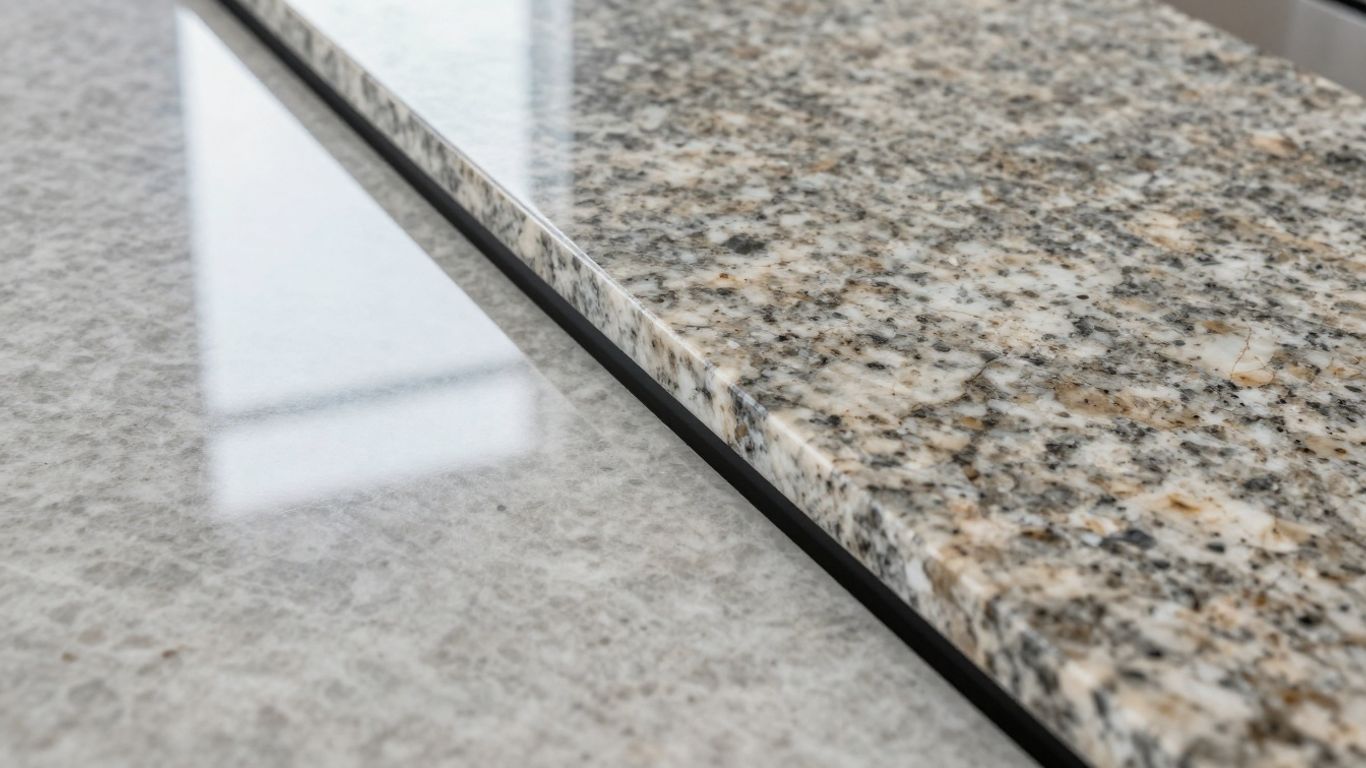
When it comes to resisting scratches, both granite and quartz are pretty tough cookies for everyday kitchen life. Granite, being a solid, natural stone, generally holds its own against knives and other sharp objects. Quartz, while also very hard, has a bit of a different story. Because it's engineered with resins, it can sometimes show dull marks or micro-scratches if you're really going at it with something sharp or if there's a very hard impact. It's not a huge difference for most people, but if you're someone who frequently chops directly on your countertop (which, let's be honest, isn't the best idea for any surface), granite might have a slight edge. However, for typical daily use, both surfaces perform admirably.
Heat Resistance
This is where granite really shines. As a natural stone that's formed under immense heat and pressure, it can handle hot pots and pans pretty well. You can often place a hot pan directly from the stove onto granite without much worry. Quartz, on the other hand, is a bit more sensitive. The resins used in its manufacturing can discolor or even crack if exposed to extreme heat for too long. So, with quartz, it's always a good idea to use trivets or hot pads. It’s not that it can’t handle any heat, but it’s definitely less forgiving than granite when it comes to scorching temperatures. You can find a variety of trivets and hot pads at kitchen supply stores.
Long-Term Appearance
Both granite and quartz are designed to look good for a long time, but they achieve this in different ways. Granite, being natural, can develop a bit of 'character' over the years. Some people love this, seeing it as a sign of a well-loved, lived-in kitchen. It might gain a few subtle marks or a slightly different patina. Quartz, however, is engineered for consistency. It will look pretty much the same on day one thousand as it did on day one. If you prefer a uniform, predictable look that doesn't change much over time, quartz is your winner. If you appreciate the unique journey of natural materials, granite might be more your style. Both are excellent choices for a beautiful kitchen that lasts.
When comparing durability, it's important to consider your specific kitchen habits. Are you someone who always uses cutting boards and trivets, or are you more likely to place a hot pan directly on the counter? Your routine will play a big role in how each material holds up over the years.
Maintenance Requirements For Your Kitchen Surface
When you're picking out a new kitchen surface, thinking about how much work it'll take to keep it looking good is a big deal. Nobody wants a countertop that’s a constant headache. Let's break down what's involved with quartz and granite.
Daily Cleaning
For quartz, the daily upkeep is super simple. Because it's engineered and non-porous, spills just sit on top. A quick wipe-down with a damp cloth and maybe a little mild soap is usually all you need. No special cleaners required, which is a nice perk. Granite, on the other hand, also cleans up easily with soap and water, but you have to be a bit more careful about what you use. Harsh chemicals can sometimes dull the finish over time, so sticking to gentle cleaners is best.
Sealing Needs
This is where quartz and granite really differ. Quartz countertops don't need sealing at all. They're manufactured to be non-porous, so liquids can't seep in. This means they naturally resist stains and bacteria without any extra steps. Granite, however, is a natural stone and it's porous. To keep it protected from stains and moisture, it needs to be sealed periodically. Most homeowners find sealing their granite countertops about once a year does the trick, though some stones might need it more or less often. A simple water bead test can tell you if it's time – if water soaks in instead of beading up, it's time for a refresh.
Stain Resistance
Thanks to its non-porous nature, quartz is inherently very resistant to stains. Most common kitchen spills, like wine, coffee, or oil, won't penetrate the surface if wiped up reasonably quickly. Granite, while durable, can be susceptible to staining if it's not properly sealed. If a spill sits for a long time on unsealed or poorly sealed granite, it might leave a mark. However, with regular sealing and prompt cleanup, granite is a practical choice for kitchens, maintaining its quality over time.
Aesthetic Appeal Of Quartz Worktop Or Granite
When you're picking out a new kitchen surface, how it looks is a pretty big deal, right? Both granite and quartz have their own unique charm, and figuring out which one fits your style can be fun. It really comes down to whether you're drawn to the wild beauty of nature or the clean, predictable look of something engineered.
Unique Natural Patterns
Granite is all about that one-of-a-kind look. Since it's a natural stone pulled straight from the earth, every single slab is different. You'll find all sorts of cool variations in its veining, speckles, and colors. Think of it like a piece of art for your kitchen – no two are ever exactly the same. This natural character can make your kitchen feel really warm and unique. If you like the idea of bringing a bit of the outdoors in, granite is definitely worth a look. It’s a material that has timeless elegance for kitchen countertops.
Consistent Engineered Look
Quartz, on the other hand, is engineered. This means manufacturers have a lot more control over its appearance. You can get quartz in pretty much any color you can imagine, from bright whites to deep blacks, and it can even be made to mimic the look of marble or granite. The best part? The pattern and color are consistent across the entire slab, and even across different slabs. This makes it super easy to get a sleek, modern, and uniform look in your kitchen. If you prefer things to be predictable and matchy-matchy, quartz is probably more your speed.
Color And Style Options
Let's talk colors and styles. Granite offers a huge range of natural hues – you might find soft grays, warm browns, deep blacks, and even stones with hints of green or blue. The variations within a single slab can be quite dramatic, offering a lot of visual interest. Quartz, because it's manufactured, opens up an almost endless palette. You can go for a solid, bold color, a subtle pattern, or something that looks remarkably like natural stone. This flexibility means you can really tailor the countertop to your specific design vision.
The choice between granite and quartz often boils down to personal preference for natural variation versus engineered consistency. Both materials offer a significant aesthetic upgrade to any kitchen, but they achieve it through different means.
Here’s a quick rundown of what to expect:
- Granite: Expect unique patterns, natural color variations, and a distinct organic feel. It’s perfect for those who love a look that’s truly their own.
- Quartz: Offers consistent color and patterns, making it ideal for modern or minimalist designs where uniformity is key. It’s also known for being less porous and generally requiring less maintenance.
- Customization: While granite’s beauty is in its natural state, quartz can be engineered to replicate other stones or achieve specific, hard-to-find colors and effects.
Investment And Resale Value
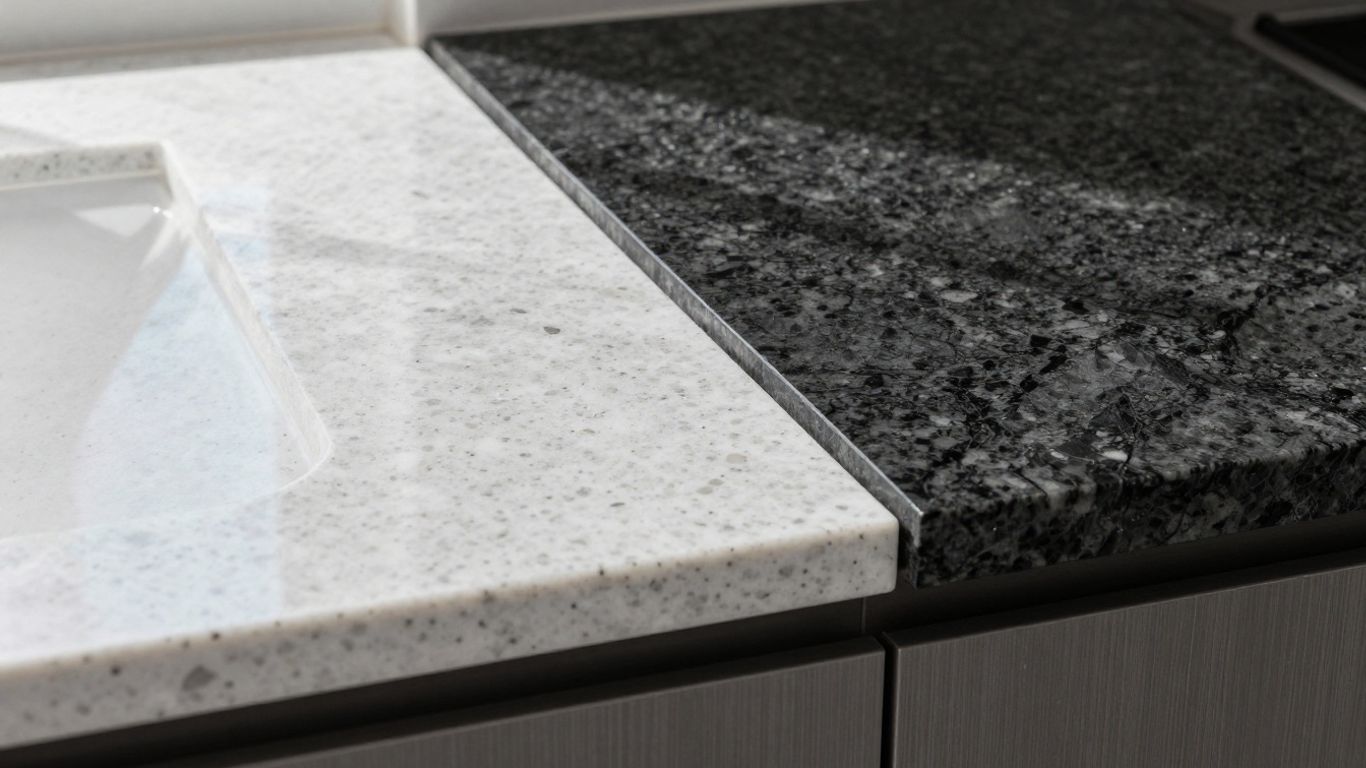
When you're thinking about kitchen renovations, the cost and what you get back later are pretty big deals. Both granite and quartz are solid choices that can make your kitchen look great and potentially add value to your home. It’s not just about how they look right now, but also about how they hold up over time and what a future buyer might think.
Cost Considerations
Let's talk numbers for a second. Granite countertops can vary a lot in price, usually falling somewhere between $40 and $100 per square foot. This depends on how rare the stone is, its color, and how thick it is. Quartz, on the other hand, often sits in a similar range, sometimes a bit higher, typically from $70 to $100 per square foot, especially for premium brands or unique patterns. It's worth shopping around and getting quotes for both to see what fits your budget.
Here's a quick look at the typical price ranges:
| Material | Price Range (per sq ft) |
|---|---|
| Granite | $40 - $100 |
| Quartz | $70 - $100 |
Impact On Home Value
So, will putting in a new countertop actually make your house worth more? Generally, both granite and quartz are seen as desirable upgrades by potential homebuyers. While quartz might not directly boost your home's appraised value in a huge way, it definitely makes a positive impression. Buyers often see quartz as a sign of a well-maintained, modern kitchen, which can indirectly lead to a better selling price and help your home sell faster. Granite also holds its own; many people still love the natural beauty and character of granite, and it's a strong contender if you're looking to maximize return on investment on a tighter budget. It's one of those features that makes a kitchen feel more move-in ready.
When remodeling with the goal of selling, it's generally advised to steer clear of materials perceived as dated. Both granite and quartz are currently popular choices that appeal to a wide range of buyers, making them sound investments for improving your home's marketability.
Choosing between them often comes down to your personal style and what you think will appeal most to future buyers in your area. If you're aiming for a sleek, contemporary look, quartz is often the go-to. If you prefer the unique, natural variations of stone, granite might be your preference. Either way, investing in quality countertops is a smart move for your kitchen's long-term appeal and potential resale value. You can find more information on countertop pricing and benefits at granite and quartz countertops.
Choosing The Right Surface For Your Lifestyle
So, you've looked at the nitty-gritty of what quartz and granite are made of, how they hold up to daily life, and what they look like. Now comes the really important part: figuring out which one actually fits your life. It’s not just about picking a pretty slab; it’s about choosing a kitchen workhorse that can keep up with you.
Busy Households
If your kitchen is the command center for a bustling family, you probably need something that can handle a bit of chaos. Think spilled juice boxes, dropped cereal bowls, and maybe even a rogue crayon or two. Quartz often wins out here because its non-porous nature means it's super resistant to stains. You don't have to panic every time something hits the counter. Granite is tough, no doubt, but it usually needs to be sealed regularly to keep those pesky stains at bay, which adds another task to your already full plate. For a busy household, the low-maintenance aspect of quartz is a big plus.
Design Preferences
Your kitchen is a reflection of your style, right? If you love the idea of a perfectly uniform look, where every part of your countertop looks the same, then engineered quartz is probably your jam. It’s made to be consistent, so you know exactly what you're getting. On the other hand, if you appreciate the unique beauty of natural stone, with all its swirls, flecks, and variations, then granite is the way to go. Each slab is like a piece of art, totally one-of-a-kind. It really comes down to whether you prefer a predictable, clean look or the organic charm of nature.
Cooking Habits
How you use your kitchen for cooking can also steer your decision. If you're someone who loves to cook, especially with high heat, and maybe sometimes forgets to grab a trivet, granite is generally more forgiving with direct heat. It's a natural stone, after all. Quartz, while very heat resistant, does have that resin component, so it's generally recommended to use a trivet or hot pad to be safe. If you're more of a baker or a casual cook who doesn't typically put scorching hot pans directly on the counter, then quartz is perfectly fine. It's about matching the countertop's resilience to your kitchen's intensity. For more details on how these materials perform, you can check out scratch resistance information.
Ultimately, the best surface is the one that makes your daily life easier and brings you joy every time you step into your kitchen. Don't just pick what's trendy; pick what works for you and your family. Considering the long-term investment is also smart; both granite and quartz can add value to your home, but your personal satisfaction comes first.
So, Which Countertop Wins?
Alright, so we've talked a lot about granite and quartz. It's not really a case of one being 'better' than the other, you know? It really boils down to what you need in your kitchen. If you're all about easy cleaning and not worrying about spills, quartz is probably your jam. It's tough and looks the same day in and day out. But if you love that unique, natural stone look and don't mind a little bit of upkeep, granite brings a whole lot of character. Think about how you actually use your kitchen – are you a master chef with hot pans flying, or more of a 'set it and forget it' type? Consider your style too. Seeing samples in person can really help make the final decision. Whichever you pick, both are solid choices that can make your kitchen look great for years to come.
Frequently Asked Questions
Which is tougher, quartz or granite?
Both quartz and granite are really strong and can handle daily kitchen tasks. Quartz is a bit harder on a scientific scale, but in everyday use, the difference is hard to notice. Granite is a natural stone and is known for its toughness.
Can I put hot pans directly on my countertop?
Granite is great with heat, so you can usually put hot pans on it. Quartz has a bit of plastic (resin) in it, so it's best to use a hot pad or trivet to avoid any damage or discoloration from very hot items.
How do I clean quartz and granite countertops?
Cleaning both is pretty simple! For everyday messes, mild soap and water work well for both quartz and granite. Quartz doesn't need any special sealing, while granite usually needs to be sealed about once a year to protect it from stains.
Which countertop is better for preventing stains?
Quartz is a fantastic choice if you're worried about stains. Because it's not porous (meaning it has no tiny holes), liquids like wine or oil can't soak in. Granite can stain if it's not sealed properly, but with regular sealing, it's also very stain-resistant.
Does granite or quartz look more natural?
Granite is a natural stone, so every slab is completely unique with its own patterns and colors, giving it a very natural and one-of-a-kind look. Quartz is made by humans, so it has a more consistent and predictable appearance. You can get quartz that looks like natural stone, though!
Which countertop is better for my home's value?
Both granite and quartz are considered upgrades that can increase your home's value. Buyers often see them as desirable features. Quartz is popular for modern kitchens, while granite appeals to those who love natural stone. Either can make your kitchen more attractive to potential buyers.


