

The Ultimate Guide to Choosing Your Dream Marble Worktop
GMS Kumar
Thinking about a marble worktop for your kitchen or bathroom? They look amazing, right? That classic veining and cool surface can really make a space feel special. But before you rush out and pick the first slab you see, let's chat about what really goes into choosing and living with a marble worktop. It's not just about looks; it's about making sure it fits your life and your kitchen. We'll cover everything from how tough it is to how to keep it looking good, so you can decide if this dream material is truly the right fit for you.
Key Takeaways
- Consider your daily routine and how you use your kitchen. A busy household might need a tougher material than someone who rarely cooks.
- Marble is beautiful but porous, meaning it can stain and etch from acids like lemon juice or wine. Regular sealing is a must.
- While marble is heat resistant, it's softer than granite or quartz, so scratches and wear are more likely over time. A honed finish can hide etching better.
- For best results, use marble in areas with less heavy use, like a statement island or a bathroom vanity, and protect main work zones with other materials if needed.
- Finding a good supplier and ensuring professional installation are key steps to getting a stunning and well-fitting marble worktop.
Understanding Your Marble Worktop Choice
Choosing a marble worktop is a big decision, and it's not just about picking a pretty slab. You've got to think about how you actually use your kitchen and what you expect from your surfaces. Marble is beautiful, no doubt about it, but it's also a natural stone with its own quirks. It's important to be realistic about its needs and your lifestyle before you commit.
Assessing Your Lifestyle and Kitchen Habits
Think about your daily routine. Are you a whirlwind of activity in the kitchen, constantly chopping, spilling, and cooking? Or is your kitchen more of a calm space, used for lighter meal prep and entertaining?
- Heavy Use: If your kitchen is the hub of a busy family, with kids, pets, and lots of cooking, marble might require more attention than you're willing to give. Spills, especially acidic ones like lemon juice or wine, can etch the surface, and daily wear and tear can become noticeable over time. You'll need to be diligent about wiping up messes immediately and using protective measures.
- Light Use/Showpiece: If you're a keen baker who loves the cool surface for dough, or you envision your marble worktop as a stunning island that's not constantly subjected to heavy-duty cooking, it could be a fantastic fit. Marble offers that timeless elegance that's hard to replicate.
- Appreciation for Patina: Are you someone who appreciates how things age and develop character? Marble develops a patina over time, which some people find adds to its charm. If you prefer a pristine, unchanging surface, marble might not be your best bet.
Considering the Location and Use of Your Marble Worktop
Where in your home will this marble worktop live? This makes a big difference.
- Kitchens: This is where marble faces its biggest challenges due to frequent use, heat, and potential spills. While stunning, it demands careful consideration for main prep areas. Many people opt for marble on an island or a less-used section of the counter.
- Bathrooms: Marble is often a more practical choice for bathrooms. The risk of etching from acidic substances is lower, and the cool surface is great for applying makeup. You'll still want to be mindful of spills from toiletries, but generally, it's a more forgiving environment.
- Other Areas: Think about butler's pantries, bar areas, or even a dedicated baking station. These spots might offer a good balance of showcasing marble's beauty without the constant demands of a primary kitchen work surface.
Marble is a natural material, and like all natural materials, it has unique characteristics. Understanding these characteristics, such as its porosity and susceptibility to etching, is key to making an informed decision. It's not about avoiding marble, but about knowing how to live with it and care for it properly.
Setting a Realistic Budget for Your Marble Worktop
Marble isn't the cheapest option out there, so budgeting is a must. The cost can vary quite a bit depending on the type of marble, its grade, and the complexity of the installation. You'll want to factor in:
- Material Cost: This is usually priced per square foot or linear foot. Higher grades of marble, like Grade A slabs, tend to be more expensive due to their consistent veining and fewer natural imperfections.
- Fabrication and Installation: This includes templating, cutting, edge finishing, and fitting the worktop. Professional installation is highly recommended for a perfect finish.
- Sealing and Maintenance Products: Budget for initial sealing and ongoing care products. While not a huge cost, it's something to keep in mind.
- Contingency: It's always wise to have a little extra set aside for unexpected issues or design changes. Remember that while marble is beautiful, materials like quartz might offer a more budget-friendly and lower-maintenance alternative if cost is a major concern.
The Unique Appeal of Marble Worktops
So, what's the big deal with marble? Why do people still dream about it for their kitchens and bathrooms, even with all the newer, tougher materials out there? Honestly, it's hard to put a finger on just one thing. It's a mix of its history, its look, and how it feels.
What Makes Marble Countertops So Special?
Marble is a natural stone, formed over ages. This means every single slab is different. You won't find two kitchens with identical marble. The way the veins swirl and blend, the subtle shifts in color – it creates a surface that many people feel nothing else can match. Designers often talk about the depth and organic patterns you get with marble, something engineered materials still struggle to copy. It's this uniqueness that really sets it apart. It's like owning a piece of natural art. If you're looking for that one-of-a-kind look, marble is definitely worth considering for your kitchen island.
The Timeless Beauty and Character of Marble
Marble has been around for centuries, used in everything from sculptures to grand buildings. It doesn't really go out of style. Instead of looking dated, it tends to develop a soft patina over time. Many homeowners actually find this aging process charming. It adds character and a sense of history to your home. It’s a classic choice that just keeps looking good, year after year. It brings a certain elegance that’s hard to replicate.
The Cool Touch Advantage for Bakers
One of the most practical benefits of marble, especially if you love to bake, is its naturally cool surface. It stays cooler than the surrounding room temperature. This is fantastic for working with dough, pastry, or chocolate. Rolling out pie crusts or tempering chocolate becomes much easier when your work surface isn't warming things up too quickly. It’s a feature that serious bakers really appreciate.
Marble offers a combination of visual luxury and practical benefits that few other materials can match. Its natural coolness is a boon for anyone who spends time in the kitchen creating delicate pastries or working with chocolate, while its unique veining ensures no two surfaces are ever alike, offering a truly bespoke aesthetic.
Here's a quick look at why marble stands out:
- Unique Patterns: No two slabs are identical, offering a one-of-a-kind look.
- Timeless Appeal: Marble has been used for centuries and remains a classic choice.
- Cool Surface: Ideal for baking and working with temperature-sensitive ingredients.
- Natural Elegance: Adds a touch of luxury and sophistication to any space.
While marble does require a bit more attention than some other materials, its distinctive beauty and functional advantages make it a dream material for many. It's a choice that speaks to both style and a love for the craft of cooking and baking, offering heat resistance that's a step above many alternatives.
Durability and Maintenance of Marble
Marble is undeniably beautiful, but let's be real, it's not exactly the toughest kid on the block when it comes to kitchen worktops. It’s a natural stone, and like many natural things, it has its quirks. Understanding these quirks is key to keeping your marble looking fantastic for years to come.
Understanding Marble's Porosity and Susceptibility to Stains
Marble is a porous material. Think of it like a sponge, but for liquids. This means spills, especially those that are colorful or oily, can soak in if you don't wipe them up fast. Red wine, coffee, tomato sauce, olive oil – these are the usual suspects. Once they seep in, they can leave a mark that’s tough to get out. Regular sealing helps a lot with this, acting like a protective shield. Most experts suggest resealing your marble every 6 to 12 months, but honestly, it depends on how much you use your kitchen and what kind of stuff you're usually slinging around.
Dealing with Etching from Everyday Acids
This is where marble can be a bit finicky. Because it's made of calcium carbonate, marble reacts with acids. You know, those common kitchen ingredients like lemon juice, vinegar, wine, and even some cleaning products. When an acid hits the marble, it doesn't stain; it etches. This looks like a dull, lighter spot where the surface has been slightly dissolved. It won't just wipe away like a spill. While sealers help with stains, they don't stop etching. If you're worried about this, opting for a honed finish can make etching less noticeable because the matte surface blends the marks better than a polished one.
Managing Scratches and Wear Over Time
Compared to materials like granite or quartz, marble is softer. This means it can pick up scratches more easily. Grit from plates, dragging appliances, or even cutting directly on the surface can leave marks. Over time, a well-loved marble countertop will develop a sort of patina – a collection of these etches, tiny scratches, and general wear. Some people actually like this aged look, calling it character. But if you want it to look brand new all the time, you'll need to be extra careful.
The Importance of Regular Sealing for Marble
Sealing is your best friend when it comes to marble. It's not a magic bullet, but it significantly reduces how much liquid can soak into the stone. When you first get your marble worktop, it should be sealed by the professionals. After that, you'll need to reapply the sealant periodically. A good rule of thumb is every 6 to 12 months. You can test if it's time by dripping some water on the surface; if it beads up, you're good. If it soaks in within a few minutes, it's time to reseal. You can buy sealants at most hardware stores. For a truly low-maintenance kitchen, you might consider using quartzite or porcelain for your main prep areas and reserving marble for less high-traffic spots.
Marble countertops require a bit more attention than some other materials. Think of it as a relationship – it needs consistent care to stay beautiful. Daily cleaning with a gentle touch and prompt attention to spills are the most important habits to adopt. Avoiding harsh chemicals is non-negotiable. With the right approach, your marble will remain a stunning feature in your home.
Here’s a quick rundown of what to do and what to avoid:
- Daily Cleaning: Use a pH-neutral cleaner or mild dish soap with warm water. Always dry the surface with a soft cloth to prevent water spots and streaks. This simple routine is key to maintaining marble countertops.
- Products to Avoid: Steer clear of anything acidic like vinegar or lemon juice. Also, skip abrasive cleaners, scouring pads, and bleach. These can damage the stone's surface.
- Protective Measures: Use cutting boards, trivets under hot pans, and coasters under drinks. Wiping up spills immediately, especially colored or acidic ones, is crucial. These habits help minimize wear and tear.
Caring for Your Marble Worktop
So, you've picked out that gorgeous slab of marble for your kitchen or bathroom. Awesome choice! But now comes the part where we talk about keeping it looking its best. Marble is beautiful, no doubt, but it's also a natural stone with a bit of a personality. It needs a little extra attention, but honestly, it's not rocket science. Consistent, gentle care is the name of the game.
Daily Cleaning Best Practices
Think of your daily cleaning routine like giving your marble a gentle spa treatment. You don't want to scrub it raw or blast it with harsh chemicals. The best approach is simple: grab a soft cloth, some warm water, and a pH-neutral cleaner. Mild dish soap works wonders here, and it's something most of us already have. Just a little bit mixed with water is perfect. Wipe down the surfaces after use, especially if you've had any spills. And don't forget to dry it off with a clean, soft cloth afterward to prevent water spots and streaks. It’s a quick step that makes a big difference.
Products to Avoid for Marble Surfaces
This is where you really need to pay attention. Marble is sensitive, especially to acids. So, anything acidic is a big no-no. That means no vinegar, no lemon juice, and definitely no harsh bathroom cleaners that have a strong acidic base. These can actually eat away at the surface, causing dull spots called etching. Also, steer clear of abrasive powders or scouring pads. They can scratch the surface, and nobody wants that. Stick to the gentle stuff.
Implementing Protective Measures in Work Zones
Think of these as your marble's best friends. They're simple things that can save your worktop from a lot of potential damage.
- Use cutting boards: Always. Don't cut directly on the marble, even if you have a honed finish. Grit from plates or pans can also cause scratches, so be mindful.
- Coasters are your allies: For drinks, especially anything that might sweat or could spill, like glasses of water or iced tea.
- Trivets for hot items: While marble has some heat resistance, it's best not to test its limits with scorching hot pots and pans straight from the stove or oven. Use trivets or hot pads.
- Wipe spills immediately: This is probably the most important rule. Liquids, especially colored ones like red wine, coffee, or tomato sauce, can soak in and stain if left sitting. A quick wipe-up is key.
Marble develops a patina over time. This isn't necessarily a sign of damage, but rather the natural aging process of the stone. Embracing this character can be part of the charm of having a natural material in your home. It tells a story of use and life.
If you're looking for a way to maintain the appearance and integrity of your marble, sometimes a quick process involving acetone and waterproof sandpaper can help remove marks and lightly seal the surface [f495]. Remember, regular sealing is also important, typically every 6 to 12 months, depending on how much you use the surface. You can find sealants at most hardware stores, and they're usually pretty straightforward to apply. If you're unsure, your fabricator can guide you or even do it for you. For those who want to keep their marble looking pristine, using a neutral pH cleaner like mild dish soap is highly recommended [26e5].
Marble Worktops Versus Other Materials
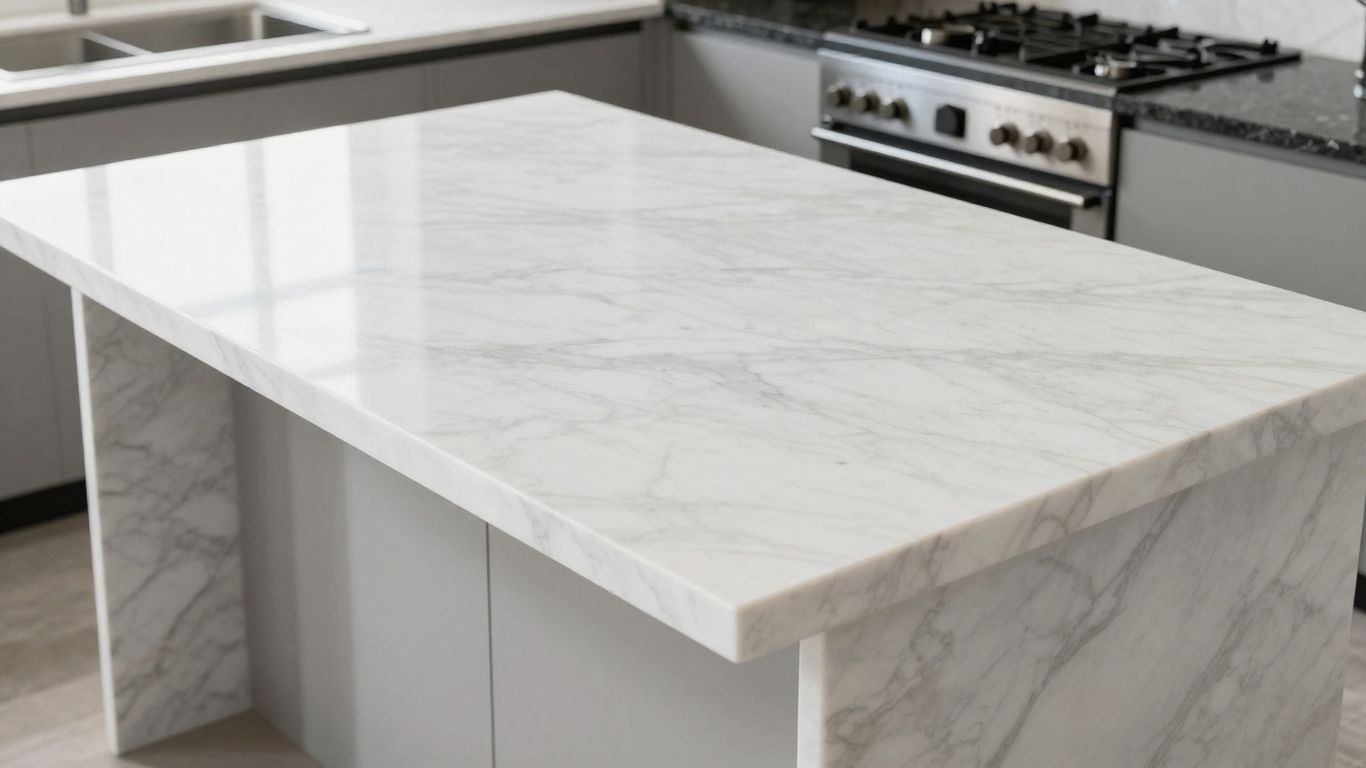
When you're thinking about a new kitchen worktop, it's easy to get overwhelmed by all the choices. Marble is definitely a showstopper, but how does it stack up against other popular materials? It really comes down to what you value most: that classic, luxurious look or a surface that can take a beating with zero fuss.
Marble vs. Quartz: Beauty vs. Engineered Resilience
Marble brings that natural, veined beauty that's hard to replicate. It's got a cool touch, which is a dream for anyone who loves to bake. Plus, its heat resistance is pretty good. Quartz, on the other hand, is engineered. This means it's super tough against stains and scratches. It's a real workhorse for busy kitchens. However, quartz can be sensitive to really high heat, so you'll still want to use trivets. While marble offers unique patterns, quartz provides a more consistent look. Pricing can also be a factor; quartz generally has more stable pricing compared to marble, which is consistently at the premium end of the market [a912].
Marble vs. Granite: Classic Veining vs. Hardness
Granite is often seen as the tougher sibling to marble. It's a natural stone, just like marble, but it's typically harder and less likely to get etched or scratched. This makes granite a popular choice for main work surfaces in homes where things get a bit hectic. If you're looking for that timeless, elegant look with distinctive veining, marble often wins. Granite, while beautiful, usually has a more speckled or consistent pattern. For many busy households, granite's durability makes it a preferred option for everyday use.
Marble vs. Quartzite and Porcelain: Luxury vs. Low Maintenance
Quartzite and porcelain are the low-maintenance champions. They offer fantastic resistance to stains, scratches, and heat, making them ideal for kitchens that see a lot of action. You can pretty much do anything on them without much worry. However, they might not have the same unique, luxurious feel or the specific cool touch that marble provides. People often choose marble for a statement piece, like a kitchen island, or when they're after a very specific aesthetic that quartzite or porcelain just can't quite capture. It's a trade-off between that high-end, natural stone appeal and a surface that's practically indestructible.
Choosing the right worktop material involves weighing up aesthetics, durability, and how much care you're willing to put in. Marble offers unparalleled beauty but requires more attention, while materials like quartz and granite provide greater resilience for demanding environments.
Here's a quick rundown:
- Marble: Unmatched natural beauty, cool surface for baking, unique veining. Requires regular sealing and careful cleaning to avoid etching and stains.
- Quartz: Engineered for durability, highly resistant to stains and scratches. Less sensitive to acids than marble, but can be damaged by extreme heat.
- Granite: Hard and durable, good resistance to scratches and heat. A solid choice for busy kitchens, though less porous than marble [dbe5].
- Quartzite & Porcelain: Excellent stain, scratch, and heat resistance. Very low maintenance, but may lack the unique character of natural marble.
Where Marble Worktops Shine
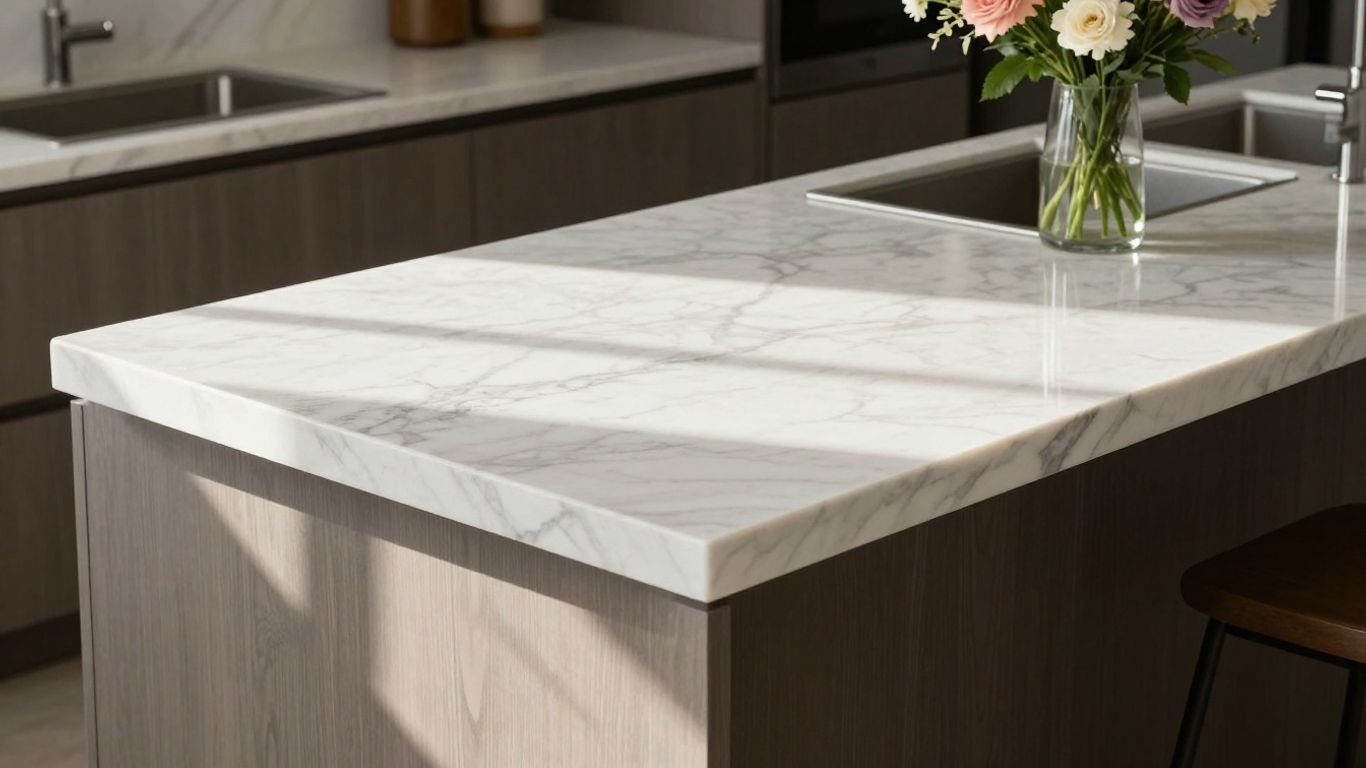
Marble is undeniably stunning, but its unique characteristics mean it's not always the best fit for every single surface in a busy household. Instead, it truly shines in specific areas where its beauty can be admired and its maintenance needs are more manageable. Think of it as a special feature, not necessarily the workhorse of your entire kitchen.
Ideal Spots for a Marble Showpiece Island
A central island is often the heart of a kitchen, and a marble slab here can be a real showstopper. Because islands sometimes see less direct, heavy-duty use compared to the main countertops next to the stove or sink, they can be a perfect place to showcase marble's veining and elegance. It becomes a focal point, a place for guests to gather, and a beautiful surface for serving.
Dedicated Baking or Pastry Zones
If you're a keen baker, you'll already know about marble's cool touch. This natural stone stays cooler than many other materials, making it absolutely fantastic for rolling out pastry, working with chocolate, or any task where keeping things chilled is key. Setting up a specific baking zone with a marble surface means you get all the practical benefits for your culinary creations, while protecting the rest of your kitchen from potential spills or heavy use.
Elegant Bathroom Vanities and Powder Rooms
Bathrooms are another area where marble truly excels. The consistent coolness of the stone is a pleasant surprise during your morning routine, and it adds a significant touch of luxury to the space. Unlike kitchens, bathrooms typically involve fewer acidic substances and less intense daily wear and tear. This makes marble vanities a practical and beautiful choice, offering a spa-like feel. You can find some lovely marble bathroom worktops that really transform the look and feel of your bathroom.
Marble's natural beauty is best appreciated where it can be a focal point and where its specific care requirements can be easily met. It's about choosing the right spot to let its unique character take center stage, rather than expecting it to withstand the rigors of every kitchen task.
Achieving Your Dream Marble Worktop
So, you've decided marble is the way to go for your kitchen or bathroom. Awesome choice! But getting that perfect slab and making sure it looks amazing for years to come involves a few key steps. It's not just about picking the prettiest stone; it's about the whole process from start to finish.
Selecting the Right Marble Slab
This is where the magic really happens. Remember, no two marble slabs are exactly alike. You're looking for a piece that speaks to you, with veining and color that fits your vision. Think about the overall look you're going for. Do you want dramatic, bold veining, or something more subtle and understated? White marble varieties like Carrara and Calacatta are always popular for a reason, offering that classic, elegant look that can really brighten up a space. But don't shy away from other colors; beautiful green and pink marbles are also making waves. It's a good idea to visit a supplier and see the actual slabs in person. This is your chance to pick the exact piece that will be the centerpiece of your kitchen.
Finding a Reputable Marble Supplier
Choosing the right supplier is almost as important as picking the slab itself. You want someone who knows their stuff, can guide you through the options, and has a good track record. A good supplier will be transparent about the stone's properties and offer advice on care. They'll also be able to provide custom cuts, which is pretty much a given with marble. Look for suppliers who offer templating services – they'll come to your home, measure precisely, and ensure a perfect fit for your space. This attention to detail really makes a difference.
Ensuring Professional Installation for a Perfect Finish
Once you've picked your slab and found your supplier, the installation is the final hurdle. This isn't a DIY job for most people. Professional installers have the tools and experience to handle heavy stone slabs, cut them precisely on-site if needed, and fit them without damaging your cabinetry or the marble itself. They'll also know how to properly seal the worktop after installation, which is a big deal for marble's longevity. A sloppy installation can lead to uneven surfaces, gaps, or even cracks down the line. It’s worth the investment to have it done right.
Marble countertops offer a unique beauty that's hard to match. While they do require a bit more attention than some other materials, the payoff in terms of elegance and character is significant. By carefully selecting your slab, choosing a trusted supplier, and opting for professional installation, you're setting yourself up for a stunning and lasting addition to your home.
So, Is Marble Right For You?
Alright, so we've talked a lot about marble. It's gorgeous, no doubt about it. That classic look? It really can't be beat. But, let's be real, it's not for everyone. If you're someone who likes things super low-maintenance and doesn't want to worry about spills or scratches, maybe marble isn't your first pick. Think about your daily life – are you a spill-prone person? Do you have little ones running around? If the answer is yes, you might want to look at tougher stuff like quartz or quartzite. But if you appreciate a bit of character, don't mind a little extra care, and love that timeless elegance, then go for it! Just remember to seal it well and wipe things up fast. It's all about finding what fits your home and your life best.
Frequently Asked Questions
Is marble really that fragile for a kitchen counter?
Marble is a natural stone that's softer than materials like granite or quartz. This means it can scratch more easily and can get stained if spills, especially from things like wine or lemon juice, aren't wiped up quickly. It's also prone to etching, which looks like a dull spot where an acidic item has sat for a bit. While it's not as tough as some other options, many people love its beauty and are willing to take extra care.
How often do I need to seal my marble countertop?
Sealing your marble is super important to help protect it from stains. Most experts suggest sealing it when it's first installed, and then again every 6 to 12 months. If you use your kitchen a lot or have lighter colored marble, you might need to seal it more often. A simple test is to put a drop of water on the counter; if it soaks in quickly within 15-30 minutes, it's time to reseal.
What are the best ways to clean marble daily?
For everyday cleaning, stick to gentle methods. Use a soft cloth with warm water and a cleaner that's made for natural stone or is pH-neutral. You can also use a little bit of mild dish soap. Always dry the counter with a clean cloth afterward to prevent water spots and streaks. Avoid using harsh chemicals or anything acidic.
Can I put hot pans directly on my marble counter?
It's best not to. While marble can handle some heat, placing very hot pans directly on it can cause something called thermal shock, which might damage the stone or the sealer. Always use trivets or hot pads to protect your marble surface from extreme heat.
What's the difference between marble and quartz countertops?
Marble is a natural stone known for its unique, flowing veining and classic beauty. It's softer, more porous, and needs more careful maintenance. Quartz, on the other hand, is an engineered material made from crushed quartz mixed with resins. It's much harder, highly resistant to stains and scratches, and requires very little upkeep, making it a more practical choice for busy kitchens.
Where is the best place to use a marble countertop?
Marble really shines in areas where it can be admired but doesn't face constant heavy use or potential spills. Think of a beautiful island centerpiece, a dedicated baking station where its cool surface is a bonus, or elegant bathroom vanities. While it can be used in kitchens, it's often best in zones that get a bit less intense daily wear and tear, or when homeowners are prepared for the extra care it needs.


