

Transform Your Kitchen with Durable Vinyl for Worktops
GMS Kumar
Thinking about giving your kitchen a facelift without breaking the bank? Maybe you're tired of those old countertops but a full replacement just isn't in the cards right now. Well, you're in luck! There's a pretty neat trick that's become super popular for updating kitchen surfaces, and it involves something called vinyl wrap. It's a way to change up the look of your worktops without all the fuss and cost of new ones. We're going to look into what this vinyl for worktops stuff is all about and see if it might be the right move for your kitchen.
Key Takeaways
- Vinyl for worktops offers a budget-friendly way to update your kitchen's appearance, mimicking materials like wood or marble without the high cost.
- Application is generally straightforward for DIYers, but requires careful preparation and patience to avoid bubbles and ensure a smooth finish.
- While vinyl for worktops is water-resistant and easy to clean, it can be sensitive to heat and prone to scratches or peeling over time, especially with heavy use.
- Choosing patterned vinyl for worktops can help disguise minor imperfections and scratches, extending its visual appeal.
- Vinyl for worktops is a good short-term solution for a quick refresh or for renters, but consider its durability limitations compared to traditional materials for long-term use.
Transform Your Kitchen with Vinyl for Worktops
Thinking about giving your kitchen a facelift without a full renovation? You're not alone. Many homeowners are looking for smart, budget-friendly ways to update their space, and that's where vinyl for worktops really shines. It's a fantastic option for renters or anyone wanting a quick, stylish change. Vinyl offers a surprisingly durable and attractive solution for refreshing your countertops.
Understanding Vinyl for Worktops
So, what exactly are we talking about when we say "vinyl for worktops"? It's essentially a durable, self-adhesive material that you can apply directly onto your existing countertops. Think of it like a super-powered contact paper, but designed specifically for the high-traffic, often wet environment of a kitchen. It's not just about looks, though. This stuff is built to handle spills, heat (within reason!), and daily wear and tear. It's a way to get a brand-new countertop look without the hassle and expense of replacing the whole thing. You can find it in rolls, much like wallpaper, and it comes in an incredible variety of finishes.
The Appeal of Vinyl for Worktops
Why has vinyl wrapping become so popular for kitchen makeovers? For starters, the cost is a huge factor. Compared to granite, quartz, or even a new laminate countertop, vinyl is a fraction of the price. Plus, the visual transformation can be dramatic. You can mimic the look of expensive materials like marble or natural wood, or go for a sleek, modern solid color. It's also incredibly practical. Cleaning is usually just a quick wipe-down, and it's resistant to moisture, which is a big plus in a kitchen. It’s a great way to update countertops with a wooden appearance using worktop vinyl wrap.
Key Considerations Before Installation
Before you jump in, there are a few things to keep in mind. First, surface preparation is absolutely key. Your current countertop needs to be clean, dry, and smooth for the vinyl to adhere properly. Any bumps or grease will show through and can cause the vinyl to lift later on. You'll also want to measure carefully, accounting for any edges that need wrapping. Having the right tools, like a sharp craft knife and a smoother tool, makes a big difference. It’s also important to understand that while durable, vinyl isn't indestructible. You'll want to be mindful of very hot pans or sharp knives directly on the surface.
While vinyl wrap is a fantastic budget-friendly option, it's important to manage expectations. It's a surface covering, not a replacement for solid stone. Treat it with a bit of care, and it will serve you well for a good amount of time.
When planning your project, remember to order enough material. It's always better to have a little extra than to run short. This approach to kitchen transformations has seen a significant rise in popularity for good reason.
Achieving a Seamless Look with Vinyl for Worktops
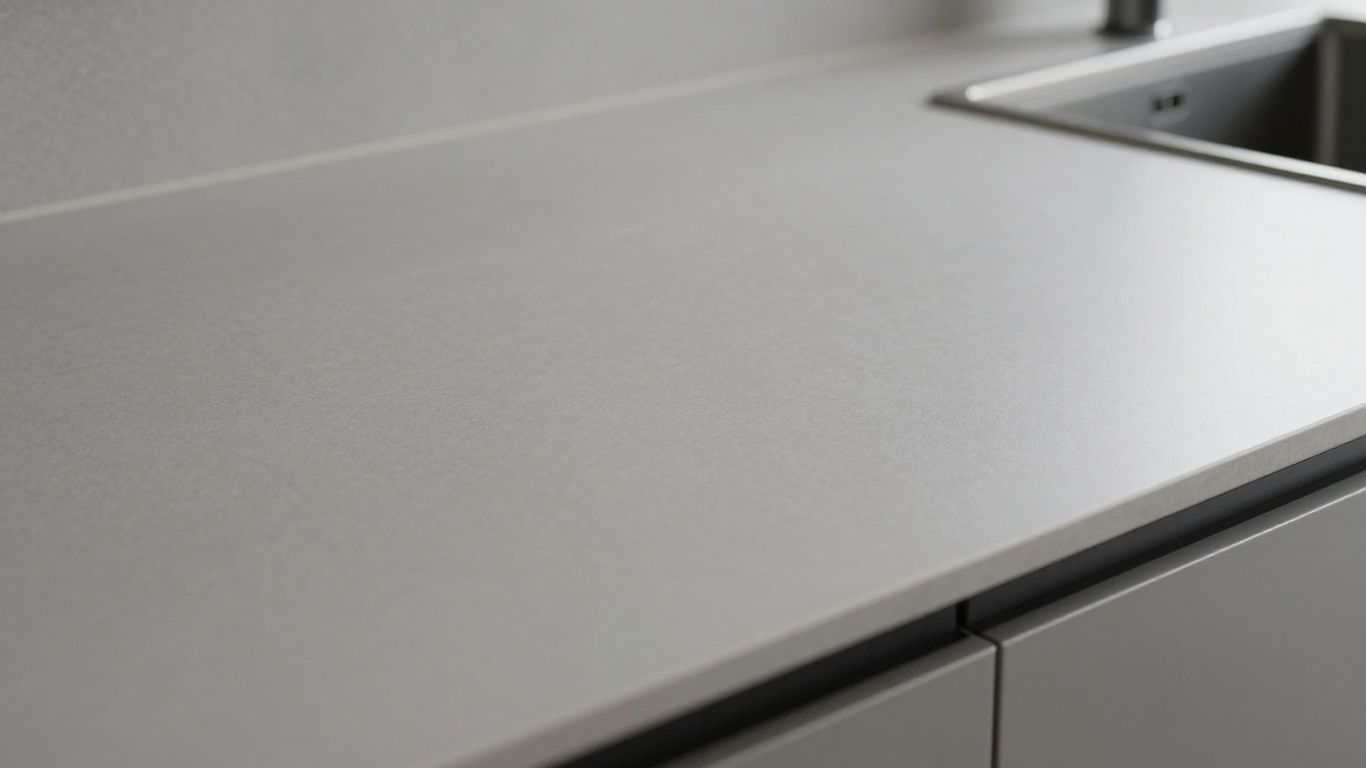
So, you've picked out the perfect vinyl for your kitchen worktops. Awesome! Now comes the part where you actually stick it on. Getting it to look like it's always been there, without any weird bubbles or lifting edges, is the goal. It's not super complicated, but you do need to pay attention to a few things.
Preparation is Paramount for Vinyl for Worktops
Before you even think about peeling the backing off that vinyl, you've got to get your worktop ready. Seriously, don't skip this. Any little bump, gap, or bit of grease on your old surface is going to show through the new vinyl, or worse, cause it to not stick right. If your worktop has any cracks or uneven bits where two pieces join, you'll want to fill those in and sand them smooth. After that, give the whole thing a really good clean. You need something that cuts through grease, like a good degreaser, and then let it dry completely. A clean, smooth surface is your best friend here.
Application Techniques for Vinyl for Worktops
When you start applying the vinyl, take your time. Cut the vinyl a bit bigger than you need so you have some wiggle room. Start at one end and slowly peel off the backing as you go. Use a squeegee or even just your hands to smooth out the vinyl, pushing out any air bubbles as you lay it down. Try not to stretch the vinyl too much while you're doing this, because that can cause it to shrink later on. Having an extra pair of hands can really help, especially around tricky spots like the sink or hob, to keep things steady and smooth. You can find some helpful tips on joining vinyl wrap for worktops.
Achieving Perfect Seams with Vinyl for Worktops
If you have an L-shaped or U-shaped worktop, or even just two pieces that need to meet, getting those seams to look good is key. One way to do it is to overlap the two pieces of vinyl slightly, maybe by an inch or two, and then cut through both layers at the same time. This gives you a really clean edge. Then, carefully lift the top layer and peel away the excess from the bottom layer before pressing the two pieces together firmly. A little bit of heat from a hairdryer can make the vinyl more flexible, which helps when you're wrapping edges or dealing with corners, like when you're wrapping a worktop around a sink. Just be careful not to overdo the heat, or you might melt the vinyl.
Allowing the adhesive to fully bond is important. Give your newly wrapped worktop about 24 hours before you put anything heavy on it or use it a lot. This means no hot mugs or heavy chopping boards for a day.
Remember to trim off any excess vinyl with a sharp knife once everything is in place. It's better to do this as you go along rather than leaving it all for the end. And don't forget to let the adhesive cure properly – usually around 24 hours – before you really start using the worktop. This gives it time to stick on there for good.
Maintaining Your Vinyl for Worktops
Keeping your vinyl worktops looking good doesn't have to be a chore. With a little regular attention, they'll stay fresh and functional for a long time. It's really not complicated, honestly.
Daily Cleaning of Vinyl for Worktops
For everyday spills and crumbs, a simple wipe-down is usually all that's needed. Grab a soft cloth, some warm water, and a tiny bit of mild dish soap. Give it a gentle scrub – no need for anything harsh. This approach is effective for keeping the surfaces looking nice day-to-day. The key is consistency; a quick clean after each use prevents build-up.
Protecting Vinyl for Worktops from Heat and Scratches
Vinyl is pretty tough, but it's not invincible. Hot pans straight from the oven are a definite no-no directly on the surface. Always use trivets or heat pads. You know, those things you put under hot dishes? Yeah, use those. Scratches can also happen if you're not careful. Try to avoid dragging heavy pots or appliances across the surface. If you do notice a scratch, sometimes a bit of gentle buffing can help, but it's best to prevent them in the first place. It’s a good idea to keep a cutting board handy for food prep.
Ensuring Longevity of Your Vinyl for Worktops
To get the most out of your vinyl worktops, think about a few things. Avoid harsh chemicals or abrasive cleaners, as these can dull the finish or even damage the material over time. Also, be mindful of prolonged exposure to direct sunlight, which can sometimes cause fading. If you're dealing with a stubborn stain, try a specialized vinyl cleaner, but always test it on an inconspicuous spot first. Remember, these worktops are a cost-effective choice, and with proper care, they can last quite a while.
Taking care of your vinyl worktops is mostly about common sense. Think of it like looking after any other surface in your kitchen – gentle cleaning, avoiding extreme heat, and being a bit careful with sharp objects will go a long way. It's not rocket science, just a bit of mindful upkeep.
Here’s a quick rundown of what to do and what to avoid:
- Do: Wipe up spills immediately.
- Do: Use mild soap and water for cleaning.
- Do: Use trivets and cutting boards.
- Avoid: Placing hot pots or pans directly on the surface.
- Avoid: Using abrasive cleaners or scouring pads.
- Avoid: Dragging heavy items across the worktop.
Exploring Design Options with Vinyl for Worktops
When you think about updating your kitchen, the worktops are a big deal. They take up a lot of space and really set the tone for the whole room. Vinyl worktop wraps give you a ton of freedom to play with different looks without a huge commitment. It’s kind of like giving your kitchen a whole new personality.
Wood-Effect Vinyl for Worktops
If you love the warm, natural feel of wood but aren't keen on the price tag or the upkeep, wood-effect vinyl is a game-changer. You can find wraps that mimic everything from light, airy oak to rich, dark walnut. It’s pretty amazing how realistic they can look these days. This is a fantastic way to add a touch of rustic charm or modern sophistication to your kitchen. It’s also super helpful if you're trying to match existing wood tones in your home; you can find a pretty close shade, whether you prefer lighter or darker wood finishes. It makes coordinating furniture and cabinets a lot easier.
Mimicking Premium Materials with Vinyl for Worktops
Beyond wood, vinyl can convincingly imitate a lot of other high-end materials. Think about the look of marble, granite, or even concrete. These finishes can give your kitchen a really polished, luxurious feel. It’s a smart move if you want that high-end aesthetic without the cost of natural stone or the hassle of installation. You can get that sleek, modern look or a more classic, veined pattern. It’s a great way to get a stylish alternative for your kitchen.
Choosing Patterns to Disguise Imperfections
This is where vinyl really shines, especially if you’re looking for a practical solution. Solid colors or very subtle patterns can sometimes show every little crumb or water spot. But a vinyl wrap with a bit of a busy pattern – maybe some speckles, swirls, or a more complex wood grain – can hide a multitude of sins. It means less stress about keeping things looking spotless all the time. You can find wraps that are designed to be forgiving, making your life a little easier.
When picking out your vinyl, think about how much wear and tear your worktops actually get. A busy pattern is your friend if you have kids or a lot of cooking action happening. It’s not just about looks; it’s about making your kitchen work for you day-to-day.
The Practicality of Vinyl for Worktops
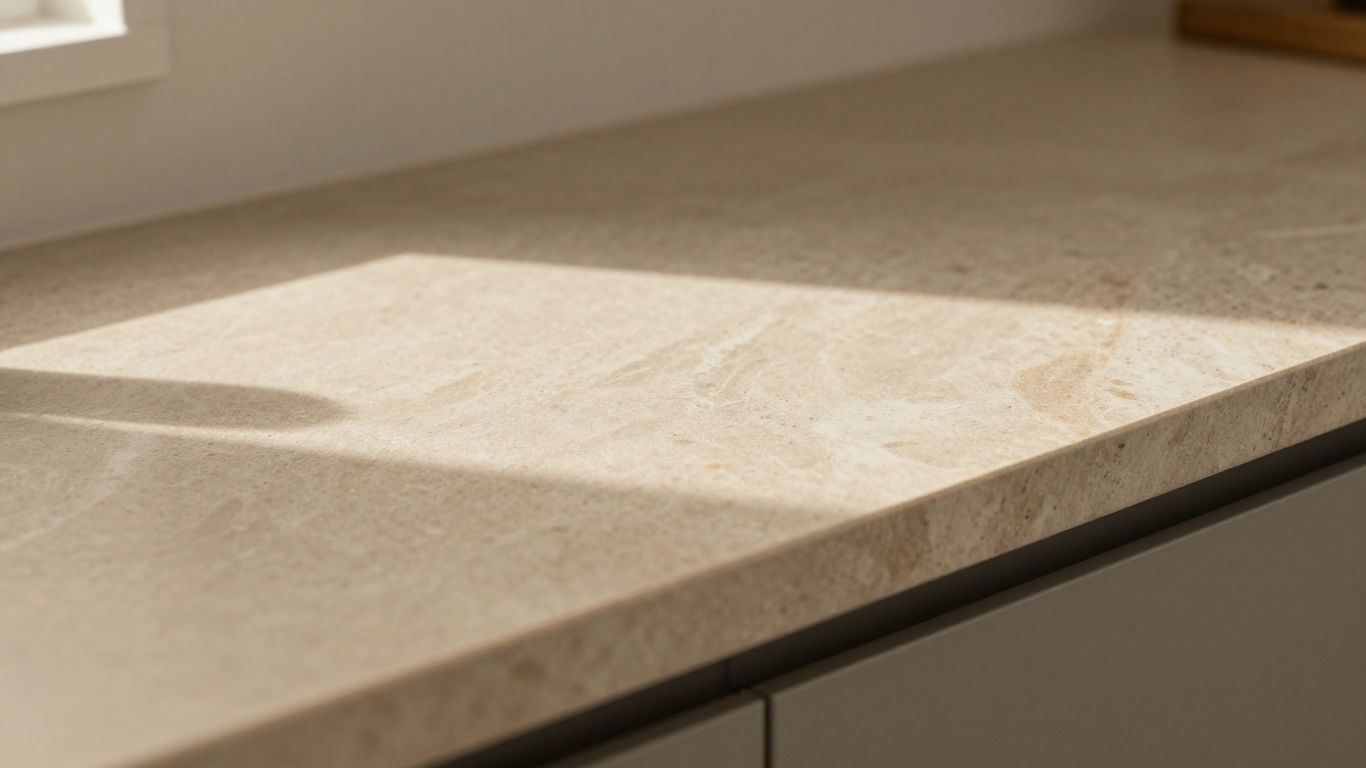
So, you're thinking about giving your kitchen worktops a facelift without breaking the bank or calling in the pros? Vinyl wrap might just be your answer. It's a pretty straightforward way to get a new look, and honestly, it's way easier than you might think.
Cost-Effectiveness of Vinyl for Worktops
Let's talk money. Replacing kitchen worktops can get seriously expensive, fast. Vinyl wrap, on the other hand, is a fraction of the cost. You can get a whole new look for your countertops without the hefty price tag of new materials. It's a smart move if you're saving up for a bigger kitchen renovation down the line or just want a quick refresh on a budget. This makes it a really accessible option for a lot of people looking to update their space. It's a fraction of the cost of replacing a worktop and a big reason why many people try this solution.
DIY Installation of Vinyl for Worktops
This is where vinyl really shines for the average homeowner. You don't need fancy tools or a degree in construction to get this done. Most people can tackle this project themselves over a weekend. You'll need a few basic things like a sharp knife, a squeegee (or even a credit card in a pinch), and maybe a hairdryer to help with curves. The process usually involves cleaning the surface really well, carefully applying the vinyl, and trimming the excess. It's a hands-on project, but totally doable. If you're looking for a project that gives you a big visual payoff without needing professional help, this is it. You can find vinyl films at many high street retailers and online, with brands like d-c-fix being quite common.
Durability and Moisture Resistance
Now, about how well it holds up. Vinyl wrap is surprisingly tough. It's moisture-resistant, which is a huge plus in a kitchen where spills and steam are common. Unlike some natural materials, it won't warp or get damaged easily by water. It's also pretty good at resisting scratches and stains, though it's not indestructible. You do need to be a bit careful with very hot items directly from the oven, as that can cause damage. But for everyday use, like chopping boards or general wear and tear, it holds up well. It's a practical choice for humid environments where wood might struggle. Luxury vinyl plank offers superior durability compared to real wood, being resistant to scratches, dents, and moisture.
While vinyl wrap is a great budget-friendly option, it's worth remembering that it is a plastic product. If environmental impact is a big concern for you, you might want to explore other options like painting or laminate overlays for your worktops.
So, Is Vinyl Wrap the Right Choice for Your Kitchen?
Alright, so we've talked about how vinyl wrap can totally change up your kitchen's look without costing a fortune. It's pretty neat how you can get that fancy marble or wood vibe without actually buying the real deal. Plus, cleaning it up is usually a breeze – just a quick wipe and you're good to go. But, remember, it's not indestructible. Things like super hot pans or sharp knives can still cause some damage, and over time, you might notice a bit of shrinking or wear, especially in high-traffic spots. If you're looking for a quick, budget-friendly refresh and you're willing to be a little careful, vinyl wrap could be a great option. Just weigh up what you need your worktops to do day-to-day before you commit. It's a fun way to give your kitchen a new personality, but maybe keep those really hot pans on a trivet!
Frequently Asked Questions
Is vinyl wrap a good choice for kitchen countertops?
Vinyl wrap can be a great option for kitchen countertops if you're looking for a quick and affordable way to update their look. It's especially good for renters or those on a tight budget. However, it's not as tough as materials like granite or quartz, so you need to be careful with hot pans and sharp objects.
How long does vinyl wrap for countertops usually last?
With good care, high-quality vinyl wrap can last for several years. But it's not a permanent fix. Things like scratches, heat, and even some shrinking over time can happen, especially with heavy use. It's a good temporary solution or for less-used surfaces.
Can I put hot pans directly on a vinyl-wrapped countertop?
No, it's best not to. Vinyl wrap can melt or get damaged by direct heat from hot pots and pans. Always use trivets or hot pads to protect the surface. Even a slight bump with a hot item can leave a mark.
What kind of surface is best for applying vinyl wrap?
Vinyl wrap sticks best to smooth, clean surfaces that aren't porous. Think laminate or Formica countertops that are in good shape. It won't stick well or look good over rough or damaged surfaces like concrete or natural stone.
How do I clean and care for my vinyl-wrapped countertops?
Cleaning is pretty simple! Just use a damp cloth with some mild soap and water. Avoid using harsh chemicals or scrubby cleaners, as they can damage the vinyl. Wiping spills quickly also helps keep them looking good.
Does vinyl wrap for countertops come in different styles?
Absolutely! You can find vinyl wrap in tons of designs, from mimicking expensive materials like marble, granite, and wood to solid colors and cool patterns. This makes it easy to match your kitchen's style without the high cost of the real thing.


