

Choosing the Perfect Granite Kitchen Sinks for Your Home
GMS Kumar
Picking out a new kitchen sink can feel like a big decision. It's not just about looks, right? It's about how you use your kitchen every day. Whether you're a gourmet chef or just someone who needs to wash a few dishes, the right sink makes a difference. Today, we're going to talk about one popular option: granite composite kitchen sinks. They've become a go-to for many people, and for good reason. Let's figure out if one of these granite sinks is the perfect fit for your home.
Key Takeaways
- Granite composite sinks are made from a mix of granite dust and resin, offering durability without the maintenance of natural granite.
- These sinks resist scratches, stains, and heat, making them a practical choice for busy kitchens.
- Consider sink style (single, double, farmhouse, workstation) and mounting type (undermount, drop-in) based on your kitchen size and how you cook.
- Granite composite sinks pair well with both granite and quartz countertops, offering a cohesive look.
- When choosing kitchen sinks granite composite is a strong contender, but also look at fireclay and cast iron for different aesthetics and features.
Understanding Granite Composite Kitchen Sinks
When you're thinking about a new kitchen sink, granite composite is a material that pops up a lot. It sounds fancy, right? But what exactly is it, and why should you care? Basically, it's a blend of ground granite (or sometimes quartz) and acrylic resins. This mix gets molded into sink shapes. It's a popular choice because it offers a good balance of looks and toughness.
What Is Composite Granite?
Think of composite granite as a man-made material designed to mimic the look and feel of natural granite, but with some added benefits for kitchen use. It's typically made from about 80% crushed granite or quartz mixed with acrylic resins. This combination is then poured into molds to create sinks. Unlike natural granite, which is quarried stone, composite granite is manufactured, giving it a more consistent appearance and properties.
Benefits of Composite Granite Sinks
There are several good reasons people go for these sinks. For starters, they're pretty tough. They hold up well against daily kitchen life, resisting things like stains, scratches, and chips. This means your sink can keep looking good for a long time without a lot of fuss. They're also non-porous, which is a plus for hygiene, and they don't need sealing like natural granite does. Plus, you get a lot of choices in terms of color and style, making it easier to match your kitchen's look. You can find them in a wide variety of styles, sizes, and shapes to suit any kitchen design [0d59].
Here's a quick rundown of the good stuff:
- Durability: Resists scratches, stains, and chips.
- Hygiene: Non-porous surface is easy to keep clean.
- Low Maintenance: No need for sealing.
- Aesthetics: Available in many colors and finishes.
- Cost-Effective: Generally less expensive than natural granite sinks.
Composite granite sinks are known for their durability and resistance to scratching, maintaining a like-new appearance over time. This material is designed to withstand daily wear and tear, ensuring longevity in your kitchen [dbf5].
Drawbacks of Composite Granite Sinks
Now, no material is perfect, and composite granite has a couple of things to consider. Because it's a manufactured material, it has a very uniform look. If you're after the unique, natural patterns you find in real stone, this might not be it. Also, it's a really hard material. While that's good for resisting damage, it means if you drop a glass or a plate, it's more likely to break when it hits the sink. And while it's often cheaper than natural granite, it can cost more than other sink materials like stainless steel.
Here are a few points to keep in mind:
- Uniformity: Lacks the natural variation found in real stone.
- Hardness: Can be tough on dropped dishes.
- Cost: Can be pricier than basic sink materials.
Choosing the Right Sink Style and Configuration
Picking out a kitchen sink isn't just about picking a basin to wash dishes in. It's about finding something that fits how you actually use your kitchen, day in and day out. Think about your cooking habits, the size of your kitchen, and even what kind of pots and pans you typically use. The right sink can make a big difference in how smoothly your kitchen tasks flow.
Single Basin Sinks
If you've got a smaller kitchen or just prefer a clean, uninterrupted space, a single basin sink might be your best bet. These sinks offer one large, open area, which is super handy for washing big items like roasting pans or baking sheets without any hassle. They also tend to be easier to clean since there's no divider to get in the way. You can find them in various sizes and mounting styles, so they can fit into most kitchen designs. They really help maximize the usable space on your countertops.
Double Basin Sinks
Double basin sinks are popular for a reason: they let you multitask. You can wash in one side and rinse or dry in the other, or use one for dirty dishes and the other for food prep. This setup is great for kitchens where a lot of cooking happens. However, if you often find yourself washing really large pots or pans, you might find that the individual basins in a double sink are a bit too small. It's worth considering how often you tackle those oversized items when deciding if a double basin is the right fit for your needs. Many homeowners find that a double basin sink works well for separating tasks.
Farmhouse Sinks Revisited
Farmhouse sinks, also known as apron-front sinks, bring a certain charm and a lot of practicality. Their deep basins are fantastic for washing big pots and pans, and the exposed front looks great, especially in more traditional or modern farmhouse-style kitchens. While they used to be just for country kitchens, they're showing up everywhere now. Just a heads-up, installing a farmhouse sink might require some specific adjustments to your countertops, so it's good to plan for that.
Workstation Sinks
For those who really get into their kitchen prep work, workstation sinks are a game-changer. These aren't your average sinks; they come with built-in accessories like cutting boards, colanders, and drying racks that slide into place. It's like having a mini command center right in your sink, keeping your countertops clear and all your prep tools within easy reach. They're designed to make cooking and cleaning up more efficient, especially in busy kitchens.
Sink Mounting Options for Your Kitchen
When you're picking out a new granite composite sink, one of the big decisions you'll make is how it's going to be installed. This isn't just about looks; it affects how you use your sink and how easy it is to keep clean. There are three main ways sinks get put into your kitchen counters: undermount, drop-in, and integrated. Each has its own vibe and practical side.
Undermount Sinks
Undermount sinks are installed underneath your countertop. This gives your kitchen a really clean, smooth look because there's no rim sitting on top of the counter. You can just wipe crumbs and water straight from the counter into the sink, which is super handy. This makes cleaning up a breeze and gives your kitchen a more modern feel. They work best with solid countertop materials like quartz or granite that have strong edges, as they need to be securely attached from below. It's a popular choice for a reason!
Drop-In Sinks
Drop-in sinks, also called top-mount or overmount sinks, are the most common type you'll see. They're installed from above, and the sink has a rim that rests on top of the counter, hiding the cutout edge. Think of it like dropping a sink into a hole in your counter. They're generally easier and cheaper to install than undermount sinks, and they can be a good option if you ever need to replace the sink down the road. However, that rim can be a bit of a pain to clean around, as gunk can build up there.
Integrated Sinks
Integrated sinks are a bit different. They're made from the same material as your countertop, so the sink and counter look like one continuous piece. This is usually done with solid surface materials or some types of composite. It offers the ultimate seamless look, but it's often a more expensive option and might not be available for all granite composite sinks. If you're going for a super sleek, minimalist design, this is something to look into.
Here's a quick rundown:
- Undermount: Sleek look, easy counter-to-sink cleaning, best with durable counters.
- Drop-In: Easier installation, often more budget-friendly, but can trap dirt around the rim.
- Integrated: Ultimate seamless look, made from the same material as the counter, usually a higher cost.
Choosing the right mounting style really depends on your priorities. Do you want that super clean look and easy wipe-down, or is straightforward installation and cost more important? Think about how you use your kitchen and what kind of maintenance you're willing to do.
When you're looking at sinks, especially for materials like quartz or granite, an undermount style really lets the countertop shine and makes daily cleanup much simpler. For granite countertops, while undermounts are great, a drop-in model can also work if you're thinking about future replacements. Pairing sinks with countertops is a big part of getting the look and function just right.
Pairing Sinks with Countertop Materials
When you're picking out a new kitchen sink, it's not just about how it looks on its own. You've got to think about how it's going to play with your countertops. The right sink can really make your kitchen shine, or it can just kind of disappear. And let's be honest, nobody wants a sink that clashes with their beautiful new counters.
Sinks for Granite Countertops
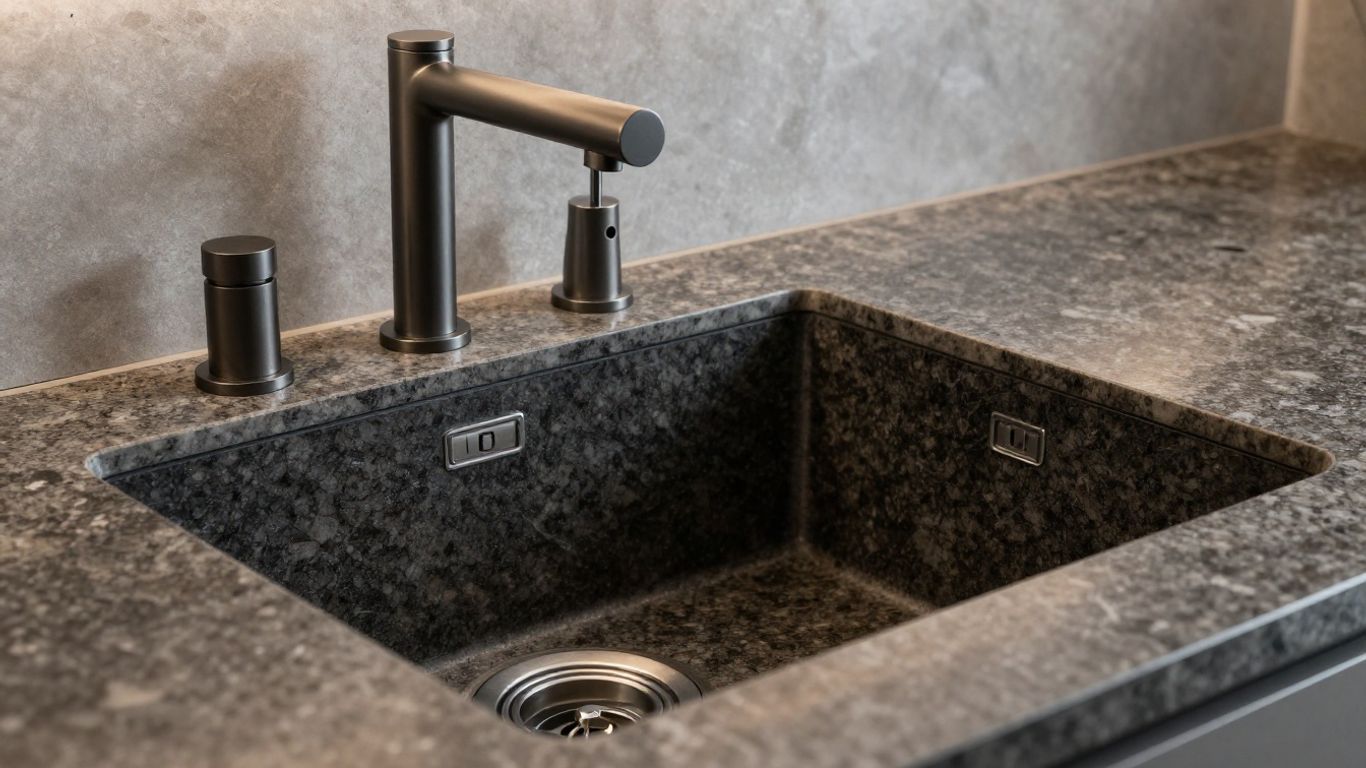
Granite countertops are pretty popular, and for good reason. They look great and they're tough. When you're pairing a sink with granite, you have a few good options. Undermount sinks are a big hit because they give you that super clean look. You can just wipe crumbs and water right off the counter and into the sink. No lip to catch gunk! Drop-in sinks can work too, and they're often easier if you think you might want to swap out the sink later on. A lot of people like to go with darker sinks, like a black composite granite or a matte stainless steel, to help hide water spots and complement the natural patterns in the stone. It's a nice way to add some contrast.
Sinks for Quartz Countertops
Quartz countertops are known for being really consistent and clean-looking. Because quartz is nonporous and super strong, undermount sinks are a fantastic choice here. They create a really smooth transition from the counter to the sink, making cleanup a breeze. You can't go wrong with a stainless steel or a composite granite sink with quartz countertops; it really depends on the vibe you're going for. A stainless steel sink can give it a more modern, industrial feel, while a composite granite sink can blend in beautifully.
Sinks for Other Countertop Materials
It's not just granite and quartz, though! If you have marble countertops, which are softer and more porous, you might want to consider a drop-in or apron-front sink to avoid chipping the edges. For soapstone, which is naturally dense, a farmhouse sink can give you that rustic charm. Quartzite, another super-hard material, also pairs well with undermount sinks, just like granite and quartz. No matter your countertop choice, there's a sink out there that will work perfectly with it.
Choosing the right sink material and mounting style is key to both the look and the daily function of your kitchen. Think about how you use your kitchen and what kind of maintenance you're willing to do.
Here's a quick rundown:
- Granite Countertops: Undermount or drop-in sinks. Darker colors often work well to complement the stone. Composite granite or stainless steel are good material choices.
- Quartz Countertops: Undermount sinks are ideal for a seamless look. Stainless steel or composite granite sinks are popular pairings.
- Marble Countertops: Drop-in or apron-front sinks are often recommended to protect edges. Professional installation is key for undermounts.
- Soapstone Countertops: Farmhouse sinks fit the rustic vibe. Lighter sinks can offer a nice contrast. Both undermount and drop-in styles work.
- Quartzite Countertops: Durable and hard, quartzite works well with sleek undermount sinks. Stainless steel or composite sinks are great options.
Ultimately, the best sink for your kitchen is one that fits your lifestyle and complements your countertops. If you're unsure, talking to a professional about different sink materials can help you make the right decision.
Key Considerations for Your Kitchen Sink
So, you're thinking about a new kitchen sink. It's more than just a place to wash dishes, right? It's a workhorse that needs to fit your life and your kitchen's look. Let's break down what really matters before you pick one.
Size and Depth Requirements
This is a big one. You don't want a sink that's too small to handle your biggest pots or a roasting pan after Thanksgiving dinner. But you also don't want it to overwhelm your counter space, especially if you have a smaller kitchen. Think about what you wash most often. Do you hand wash a lot of large items? If so, a deeper, wider sink might be your best bet. The sink needs to fit the designated space, especially if you're not changing your existing cabinets. It's a good idea to measure your cabinet base to make sure the sink you love will actually fit. Some sinks are designed for specific cabinet widths, so pay attention to those details. For example, a large farmhouse sink might need a wider base cabinet than a standard double-bowl sink.
Durability and Lifestyle Fit
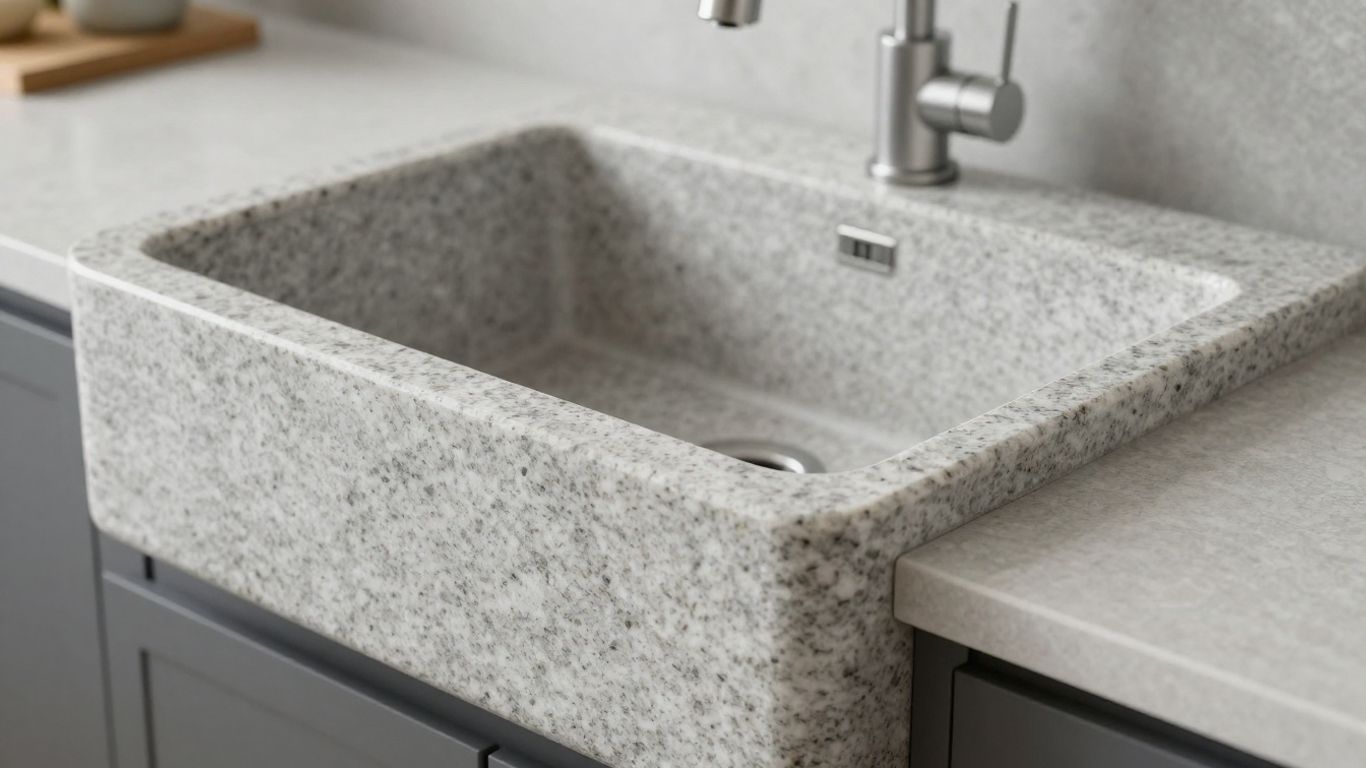
Your kitchen sink goes through a lot. Daily washes, dropped utensils, hot pans – it needs to hold up. Granite composite sinks, for instance, are known for being tough. They're made from a mix of crushed granite and resin, making them resistant to scratches, stains, and heat. This means they can handle a busy kitchen without showing wear and tear too quickly. Consider how you use your kitchen. Are you a gourmet chef who's always cooking? Or do you mostly use a dishwasher? Your lifestyle will dictate how much abuse your sink needs to endure. A sink that's easy to maintain and stands up to daily use is key for a happy kitchen experience.
Ease of Cleaning and Maintenance
Nobody wants to spend hours scrubbing their sink. Look for materials and designs that make cleaning simple. Some sink materials are naturally more resistant to stains and water spots, which means less elbow grease. For example, composite granite sinks are often praised for being easy to wipe down. Think about the sink's shape too. A single basin sink generally has fewer nooks and crannies for gunk to hide in compared to a double basin sink with a divider. Also, consider the finish. Matte finishes might hide water spots better than high-gloss ones. Choosing a sink that's easy to keep clean will save you time and frustration in the long run.
Here are a few things to keep in mind:
- Material Matters: Different materials have different cleaning needs. Stainless steel can show water spots, while fireclay can be prone to chipping if not cared for properly.
- Design Details: Look at the corners and edges. Rounded corners are usually easier to clean than sharp, tight ones.
- Drainage: A well-designed drain and strainer system can help prevent clogs and make cleaning the drain area simpler.
When you're picking out a sink, it's easy to get caught up in how it looks. But don't forget about how it's going to work for you day in and day out. The best sink is one that looks good, feels right, and makes your kitchen tasks a little bit easier, not harder. Think about the construction and how the sink will function in your kitchen, along with the upkeep it will require. These points will help you make a good choice for your home.
Exploring Popular Sink Brands and Materials
When you're picking out a new kitchen sink, there are a bunch of brands and materials to think about. It's not just about how it looks, but also how it holds up to daily life. Let's break down some of the common choices you'll see.
Granite Composite Sink Brands
Granite composite sinks are a really popular choice these days, and for good reason. They're made from about 80% crushed granite or quartz mixed with resin. This makes them super tough. You'll find great options from brands like BLANCO and Kraus. These sinks are known for being durable, resisting scratches and stains, and they're pretty easy to clean too. They also look really nice, especially with granite or quartz countertops. Another brand to check out is Swanstone, which also makes sinks from 80% quartz, blending looks with toughness.
Comparing Granite Composite to Other Materials
So, how does granite composite stack up against other sink materials? It's a solid contender.
- Stainless Steel: This is a classic for a reason. It's durable, can handle heat, and works with almost any kitchen style. However, stainless steel can scratch more easily than composite granite and sometimes shows water spots. It's often a bit more budget-friendly, though.
- Fireclay: These sinks are nonporous and pretty resistant to chips. They tend to come in fewer sizes and colors and can be more expensive. They have a nice, smooth finish.
- Cast Iron: Cast iron sinks are really durable and come in lots of colors. The downside is they can stain, and they're super heavy, so they need extra support when installed.
Granite composite sinks really hit a sweet spot between durability, looks, and maintenance.
Fireclay and Cast-Iron Sink Options
While granite composite gets a lot of attention, fireclay and cast-iron sinks are also worth a look. Fireclay sinks are made by firing clay at very high temperatures, creating a hard, glossy surface. They're a good choice if you want something that looks a bit more traditional and is easy to wipe down. Cast-iron sinks, on the other hand, are known for their heft and classic appeal. They are incredibly strong but can be quite heavy, so installation needs to be planned carefully. They often have a thick enamel coating that comes in a wide array of colors.
Choosing the right sink material is a big decision. Think about how you use your kitchen, what kind of look you're going for, and how much time you want to spend on cleaning. Granite composite offers a great balance for many households.
Wrapping It Up
So, picking out a granite sink isn't just about grabbing any old basin. It's about finding something that fits how you use your kitchen, looks good with your counters, and will last for years. Whether you're leaning towards the tough, easy-to-clean composite granite or another material, thinking about size, style, and how it's installed makes a big difference. Take your time, consider what really matters for your daily routine, and you'll end up with a sink you'll be happy with every time you step into your kitchen.
Frequently Asked Questions
What exactly is composite granite?
Composite granite is basically a mix of real granite dust and a strong resin. Think of it like making a cake: you mix the flour (granite dust) with the wet ingredients (resin) and bake it (mold it) into a sink shape. It gives you the look of granite but is made in a factory.
Are granite composite sinks really tough?
Yes, they are! These sinks are made to last. They can handle scratches, stains, and even hot pans without getting damaged. They're a great choice if you do a lot of cooking or have a busy kitchen.
What's the difference between a single and double basin sink?
A single basin sink is just one big open space, which is awesome for washing big pots and pans. A double basin sink has a divider in the middle, so you can have one side for washing and the other for drying, or keep dirty dishes separate.
What does 'undermount' vs. 'drop-in' sink mean?
An undermount sink is installed *under* your counter, so there's no rim sticking up. This makes it super easy to wipe crumbs and water right into the sink. A drop-in sink sits *on top* of the counter, with a visible edge.
Can I put a granite composite sink with granite countertops?
Absolutely! They are a fantastic match. A composite granite sink looks great with granite countertops because they have a similar feel and durability. It creates a really cohesive and stylish look for your kitchen.
Are these sinks hard to keep clean?
Not at all! Granite composite sinks are designed to be easy to clean. Because they aren't porous, stains don't usually stick, and you can just wipe them down. They're much simpler to maintain than some other sink materials.


