

Find Quality Marble Worktop Near Me: Your Guide to Local Suppliers
GMS Kumar
So, you're on the hunt for a marble worktop near me? It's a pretty big decision, right? Marble has this way of making a kitchen or bathroom feel super fancy and timeless. But honestly, picking the right kind can feel like a maze. You've got all these names like Carrara, Calacatta, and others, each with its own look and feel. Plus, there's the whole deal with how tough it is and how much work it needs. This guide is here to help you sort through it all, from understanding the stone itself to finding local suppliers who can help you get that perfect marble worktop.
Key Takeaways
- Marble worktops bring a classic, elegant look to any space, but they do need some care.
- Different marble types, like Carrara and Calacatta, have unique patterns and colors.
- Consider how durable the marble is and how much maintenance you're willing to do.
- Local suppliers and showrooms are great places to see and feel the marble before you buy.
- Alternatives like quartz or dolomite might be a better fit if you need something more low-maintenance.
Exploring Popular Marble Worktop Options Near You
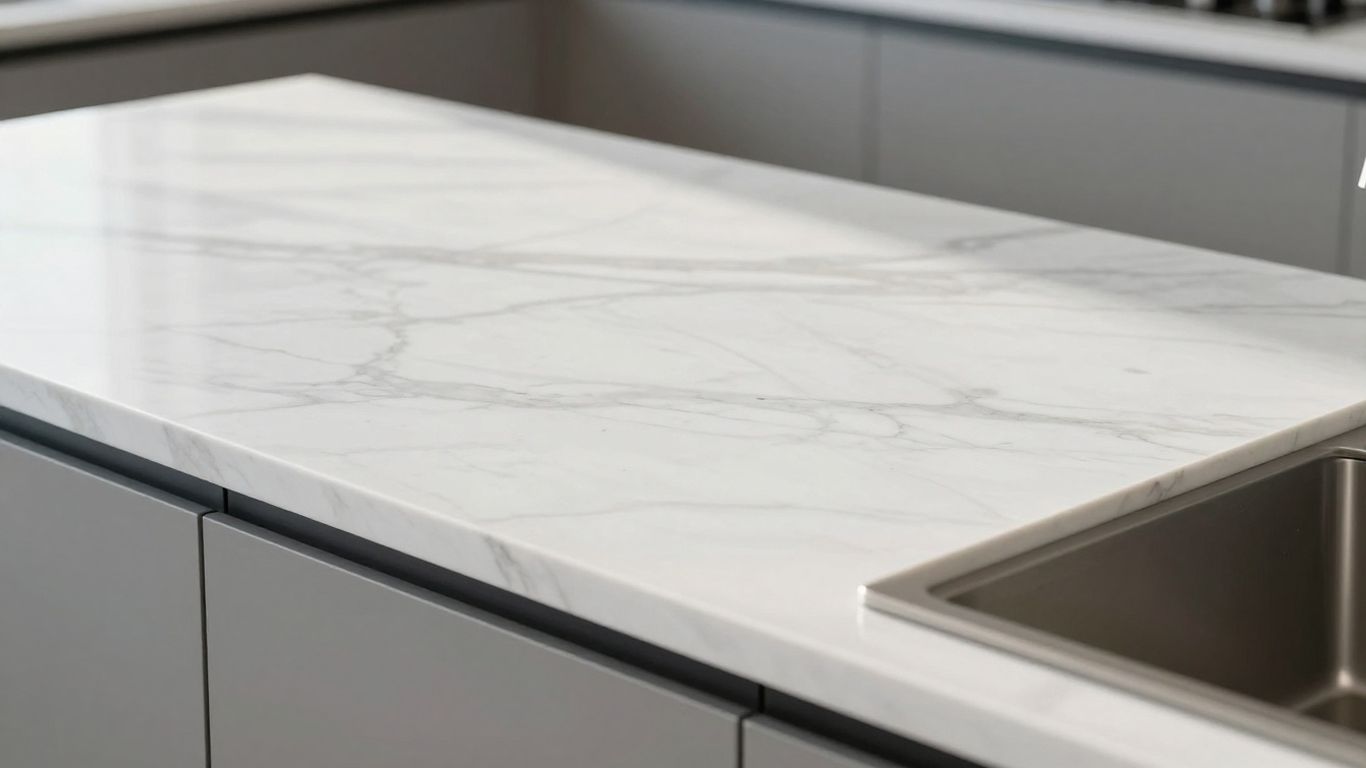
When you're thinking about marble worktops for your home, it's easy to get a little lost in all the choices. Marble has been a go-to for fancy surfaces for ages, and for good reason. It brings this natural beauty and elegance that's hard to match. But not all marble is created equal, and knowing the differences can really help you pick the right slab for your kitchen or bathroom. Let's look at some of the most talked-about types you might find when you're searching for marble worktops near me.
Carrara Marble: Timeless Elegance
This is probably the marble that first pops into most people's heads. Carrara marble comes from Italy and is known for its soft white or grayish-white background. The veining is usually a gentle, feathery gray, giving it a classic and understated look. It's super versatile, fitting in with pretty much any kitchen style, from super modern to more traditional. It’s the kind of marble that just feels right, no matter the decor. Because it's natural, every piece is unique, so your countertop will have its own special pattern. Just remember, like most marbles, it needs a good seal and quick clean-ups to keep it looking its best.
Calacatta Marble: Dramatic Statement Pieces
If you want your worktop to really grab attention, Calacatta marble might be the one. It's also from Italy but has a much bolder look than Carrara. Think bright white backgrounds with striking, thick veins that can be gray, gold, or even black. It's definitely a more luxurious and dramatic choice. Calacatta is often more expensive, but the visual impact is pretty incredible. It's perfect for making a statement in your kitchen or bathroom. Some specific types, like Calacatta Viola, are really popular right now for adding a splash of color and personality.
Statuario Marble: The Pinnacle of Luxury
Statuario is often considered the king of Italian marbles, quarried from the same region as Carrara but with a distinct difference. It boasts a very pure, bright white background, often even whiter than Carrara, and features bold, dramatic veining that can range from deep gray to black. The patterns are typically more linear and less busy than Calacatta, giving it a clean yet powerful look. It's rare and highly sought after, making it one of the most expensive options. If you're aiming for the absolute highest level of luxury and a truly show-stopping piece, Statuario is it. It's often reserved for high-end projects where the budget allows for such a premium material.
Arabescato Marble: Unique Veining Patterns
Arabescato marble is another Italian beauty, known for its distinctive, angular, and often dramatic veining. Unlike the softer, more flowing patterns of Carrara, Arabescato's veins tend to be more irregular and striking, often resembling a cracked mud pattern or abstract art. The background can vary from white to grayish tones. This unique veining makes each slab truly one-of-a-kind and adds a lot of character to a space. It's a fantastic choice if you appreciate natural artistry and want a worktop that stands out for its unique, almost sculptural qualities. It offers a sophisticated look that can complement both contemporary and classic designs. When you're exploring options, seeing a slab of Arabescato in person is a must to appreciate its intricate patterns. You can find some amazing examples at places that specialize in natural stone countertops.
Choosing the right marble involves balancing its stunning looks with practical considerations. Each type offers a different aesthetic, from the subtle charm of Carrara to the bold statements of Calacatta. Think about the overall style you want for your home and how the worktop will fit into your daily life.
Understanding Marble Durability and Maintenance
Marble is undeniably beautiful, but let's be real, it's not exactly the toughest kid on the block when it comes to kitchen countertops. It’s a natural stone, and that comes with its own set of quirks. Understanding these characteristics is key to keeping your marble worktop looking fantastic for years.
The Porous Nature of Marble
Think of marble like a sponge, but way prettier. It has tiny little pores that can soak up liquids. This means spills, especially acidic ones like wine, lemon juice, or even tomato sauce, can seep in and leave a mark. It’s not that the stone is ruined, but it can lead to staining or etching, which is a dull spot where the surface has been slightly damaged by an acid.
Sealing and Protecting Your Marble Worktop
This is where sealing comes in. Sealing your marble worktop is like giving it a protective coat. It helps to fill those tiny pores, making it harder for liquids to penetrate. How often do you need to seal it? Generally, every six to twelve months is a good rule of thumb, but it really depends on how much you use your kitchen and what kind of sealants you use. Always make sure the surface is totally clean and dry before you apply any sealant. You can find good quality sealers specifically made for marble at most home improvement stores. Regular sealing helps protect the porous surface from stains and damage.
Dealing with Etching and Stains
So, what if you do get a little etching or a stain? Don't panic! For light etching, sometimes a good polish can help. For stains, a poultice is your best friend. You can make one with baking soda and water (or hydrogen peroxide for tougher stains). Spread it over the stain, cover it with plastic wrap, and let it sit overnight. It draws the stain out of the stone. For everyday cleaning, stick to mild, pH-neutral soaps and water. Avoid abrasive cleaners or anything too harsh, as they can do more harm than good.
Marble is a natural material, and its beauty lies in its imperfections. Each slab is unique, with its own story told through its veining and color variations. Embrace the natural character of your marble, as it will develop a patina over time, adding to its charm and history in your home.
Here’s a quick rundown of what to do:
- Wipe up spills immediately: Don't let them sit, especially acidic ones.
- Use coasters and trivets: Protect the surface from glasses and hot pans.
- Clean gently: Stick to mild soap and water for daily cleaning.
- Re-seal periodically: Keep that protective barrier strong.
Following these steps will help keep your marble worktop looking its best. For more detailed advice on keeping your marble pristine, check out marble maintenance tips.
Discovering Local Marble Worktop Suppliers
Finding Showrooms for Marble Worktops Near Me
Okay, so you've decided marble is the way to go. Awesome choice! But where do you actually find these beautiful slabs? The best place to start is by looking for local showrooms. Think of them as your treasure chests for stone. Walking into a showroom lets you see and touch the actual marble. Photos online are nice and all, but they don't quite capture the feel or the subtle variations in veining. You can really get a sense of the quality and the different finishes available. Plus, the staff are usually pretty knowledgeable and can answer all your burning questions.
When you're browsing, pay attention to:
- The variety of marble on display: Do they have different types like Carrara, Calacatta, or maybe even some more unique options?
- The quality of the slabs: Look for consistent veining (unless you want a dramatic pattern!) and check for any visible flaws.
- The overall presentation: A well-organized showroom usually means a well-run business.
Don't be shy about asking to see different slabs, even if they're not currently on display. Many suppliers have large warehouses where the real magic happens. It's a good idea to have a rough idea of the size you need, but don't stress too much about exact measurements at this stage. Just getting a feel for what's out there is the main goal right now. If you're looking for a wide selection of natural stones, including marble, checking out places that specialize in countertops is a good bet.
Consulting with Countertop Specialists
Once you've visited a few showrooms and have a better idea of what you like, it's time to talk to the pros. Countertop specialists are your go-to people for all things stone. They've seen it all and can offer advice that goes way beyond just aesthetics. They can talk to you about the practical side of things, like how a particular marble will hold up in your specific kitchen environment.
Here’s what a good specialist can help you with:
- Material suitability: They can advise if a certain marble is the best fit for your lifestyle. For instance, if you have young kids and a busy kitchen, they might steer you towards something a bit more forgiving or suggest proper sealing techniques.
- Budgeting: They can give you realistic price ranges based on the type of marble, its origin, and the complexity of your project.
- Design integration: They can help you visualize how the marble will look with your existing or planned cabinetry, flooring, and backsplash.
Remember, marble is a natural product. Its beauty lies in its uniqueness, but this also means variations in color and veining are normal. A good specialist will help you understand and appreciate these natural characteristics, rather than seeing them as imperfections.
Don't hesitate to ask them about maintenance requirements for the specific marble you're interested in. They can also explain the process of sealing and how often it needs to be done. This conversation is really where you bridge the gap between admiring a slab and knowing how it will perform in your home day-to-day. They can also point you towards options like quartz countertops if you love the marble look but need something more durable.
Evaluating Custom Fabrication Options
So, you've picked your marble and talked to the experts. The next step is figuring out the custom fabrication. This is where your chosen slab gets cut, shaped, and finished to perfectly fit your kitchen or bathroom. It's a pretty important part of the process, and you want to make sure it's done right.
When you're evaluating fabrication options, consider these points:
- Edge profiles: Do you want a simple, straight edge, or something more decorative like a bullnose or ogee edge? The edge style can really change the overall look.
- Cutouts: Think about sink cutouts, cooktop cutouts, and any special features you might need. Precision here is key.
- Seam placement: For larger countertops, seams are unavoidable. A good fabricator will do their best to make them as inconspicuous as possible, often matching them with the veining.
The quality of the fabrication is just as important as the quality of the marble itself. A poorly fabricated piece can detract from even the most beautiful stone. Ask to see examples of their previous work, especially if they have any installed in showrooms. This gives you a tangible idea of their craftsmanship. Some companies might even offer a warranty on their fabrication work, which is always a good sign. It's worth getting quotes from a couple of different suppliers to compare not just the price of the material, but also the fabrication costs and what's included.
Considering Marble Alternatives for Your Home
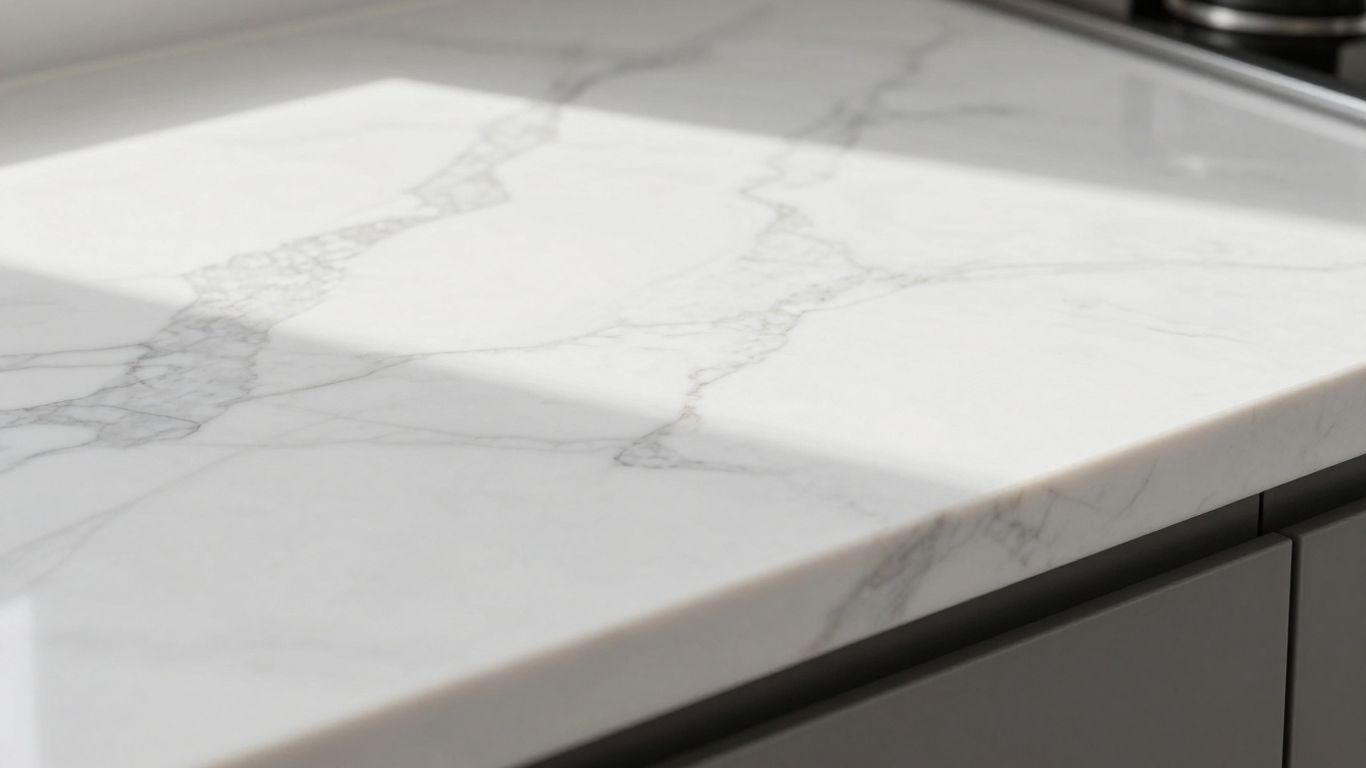
While the allure of natural marble is undeniable, it's smart to explore other options that might better suit your lifestyle and budget. Sometimes, you want that classic stone look without the potential upkeep. Luckily, there are some fantastic alternatives out there that offer similar aesthetics with different performance characteristics.
Dolomite: A More Forgiving Marble-Like Stone
Dolomite is often mistaken for marble, and it's easy to see why. It shares that elegant, natural stone appearance that many people love. However, dolomite has a slightly different mineral composition, making it generally harder and less porous than traditional marble. This means it can be a bit more resistant to etching and staining, which is a big win for busy kitchens. You'll find it in a range of lighter shades, often with subtle veining, giving you that sophisticated feel without quite as much worry.
- Increased Durability: Stands up better to daily wear and tear compared to many marbles.
- Elegant Appearance: Offers a clean, classic look that complements various kitchen styles.
- Practicality: A good middle-ground for those who admire marble's beauty but need a bit more resilience.
While dolomite is more forgiving, it's still a natural stone and benefits from regular sealing and prompt cleanup of spills to maintain its appearance.
Quartz Countertops: Mimicking Marble's Look
If you're drawn to the intricate veining and bright white backgrounds of marbles like Carrara or Calacatta, but are concerned about maintenance, quartz countertops are a game-changer. Engineered quartz is made from natural quartz crystals mixed with resins and pigments. This process creates a non-porous surface that is incredibly durable and virtually maintenance-free. Many quartz manufacturers have developed patterns that uncannily mimic the look of natural marble, offering a wide array of choices for quartz countertop options.
- Low Maintenance: No sealing required, highly resistant to stains and scratches.
- Consistency: Offers a uniform look across slabs, unlike the unique variations in natural stone.
- Variety: Available in countless colors and patterns, including many that replicate marble's beauty.
Granite and Other Natural Stones
Don't forget about other natural stone options! Granite, for instance, is renowned for its toughness and heat resistance, making it a workhorse in the kitchen. While its veining patterns are typically more speckled than marbled, it offers a distinct kind of natural beauty. Other stones like quartzite, which is a natural stone formed from quartz, also present a compelling case, offering marble-like aesthetics with granite-like durability. Exploring these options can lead you to a material that perfectly balances your desire for natural beauty with your practical needs. You can find beautiful and practical alternatives to Calacatta marble that might surprise you.
Factors to Consider When Choosing Your Marble Worktop
So, you've decided marble is the way to go for your new worktop. Awesome choice! But before you get too excited, let's chat about a few things that'll make sure you pick the right marble for your space and your life. It's not just about picking the prettiest slab, though that's definitely part of the fun.
Aesthetics and Veining Variations
This is where the real magic happens, right? Marble is famous for its unique patterns. You've got everything from the subtle, wispy veins of Carrara to the bold, dramatic streaks of Calacatta. The veining is what gives each piece of marble its own personality. Think about the overall look you're going for. Do you want something that blends in, offering a soft backdrop, or a statement piece that draws the eye? It's also super important to remember that no two slabs are exactly alike. If you're eyeing a specific look, like the intricate patterns of Arabescato marble, try to see the actual slab you'll be getting. Sometimes, what looks good in a picture might be a bit different in person. For a more consistent look, you might want to explore options with minimal veining, which can offer enduring appeal. See popular marble options.
Budgetary Considerations for Marble
Let's be real, marble isn't always the cheapest option out there. Prices can swing quite a bit depending on the type of marble, where it's quarried, and how rare or dramatic its veining is. For example, Calacatta is generally more expensive than Carrara. You might find some types starting around $50 per square foot, while others can easily go for $100 or more. It's always a good idea to get a few quotes from different suppliers. Don't forget to factor in installation costs too, as that can add a significant chunk to the total price. If the budget is tight, maybe a marble-look quartz or a more budget-friendly natural stone could be a better fit.
Lifestyle and Kitchen Usage
How do you actually use your kitchen? Are you a whirlwind of activity, constantly chopping, spilling, and cooking? Or is it more of a calm space where things are handled with a bit more care? Marble is beautiful, but it's also a natural stone that can be a bit sensitive. It's porous, meaning it can absorb liquids, and it can etch if acidic things like lemon juice or vinegar sit on it for too long. If you have young kids or a busy household where spills are common, you might want to consider how much maintenance you're willing to do. Regular sealing is a must for most marbles, and you'll need to be quick to wipe up spills. For those who love the marble look but need something tougher, materials like Dolomite or quartz countertops are worth a look. They offer a similar aesthetic with a bit more resilience for everyday life.
Choosing the right worktop involves balancing beauty with practicality. Think about how your kitchen or bathroom is used daily. A high-traffic area might benefit from a more durable material, while a less-used space could be perfect for a more delicate, luxurious stone. It's all about finding that sweet spot between what you love and what works for your lifestyle.
The Unique Appeal of Different Marble Types
Marble isn't just one thing; it's a whole world of natural beauty, and different types offer really distinct looks and feels for your home. When you're picking out a worktop, knowing these differences can help you find exactly what you're after.
Danby Marble: American Sourced Durability
Danby marble comes from Vermont, and it's a bit of a standout because it's generally tougher than many other marbles. You'll often find it with a clean white base, but the veining is usually more subtle, giving it a sophisticated, understated vibe. It’s a great option if you love the look of marble but are a little worried about the upkeep. This domestic stone offers a blend of classic aesthetics and increased resilience. It works well in both modern and traditional kitchens, and because it's sourced in the US, it can sometimes be easier to get and potentially less expensive to transport.
- Durability: Harder than many marbles, handling daily use better.
- Aesthetics: Clean white with soft, understated gray veining.
- Origin: Quarried in Vermont, USA.
- Versatility: Suitable for countertops, backsplashes, and even flooring.
Even though it's more durable, remember it's still natural stone. Using cutting boards and coasters is always a good idea to keep it looking its best.
Emperador Marble: Rich, Deep Hues
Emperador marble is quite different from the bright whites you might typically associate with marble. It's known for its rich, deep brown tones, often with lighter brown or even creamy veining running through it. This gives it a warm, luxurious feel that can add a lot of character to a space. It's a fantastic choice if you're looking for something a bit more dramatic and less common than white marble. It can create a really cozy and elegant atmosphere, especially in kitchens or bathrooms where you want a touch of old-world charm.
The depth of color and intricate veining in Emperador marble make each slab a unique piece of art. It brings a sense of warmth and sophistication that's hard to replicate with other materials.
Pietra Gray Marble: Modern Contrast
Pietra Gray marble offers a striking, contemporary look. It typically features a deep gray background with bold, contrasting white or lighter gray veining. This dramatic combination makes it a real statement piece. If you're aiming for a modern, high-end design, Pietra Gray is definitely worth considering. It's a material that doesn't shy away from attention and can really define the style of a room. Its strong patterns mean that each installation will be completely unique, showcasing the natural beauty of the stone. You can find suppliers who offer this exquisite stone, like Palazzo Stone, who specialize in premium marble worktops Palazzo Stone.
- Color: Deep gray base.
- Veining: Bold, contrasting white or light gray patterns.
- Style: Modern and dramatic.
- Impact: Creates a strong focal point in any room.
Wrapping Up Your Search
So, finding that perfect marble worktop near you is totally doable. It’s not just about picking something that looks good, though that’s a big part of it. Think about how you actually use your kitchen or bathroom every day. Do you need something super tough that can handle a lot of action, or is a bit more delicate beauty okay? We've talked about how marble brings that classic, fancy vibe, but also how other materials might be a better fit depending on your lifestyle and budget. Don't forget to check out local showrooms or online galleries to get a real feel for the options. Getting advice from the pros can really help sort through the choices, making sure you end up with a worktop you’ll love for years to come.
Frequently Asked Questions
What is marble, and why is it popular for countertops?
Marble is a beautiful natural stone that has been used for ages in fancy buildings and sculptures. It's super popular for countertops because it looks really elegant and adds a touch of luxury to kitchens and bathrooms. Each piece of marble is unique, with its own special patterns and colors, making your space one-of-a-kind.
Are marble countertops hard to take care of?
Marble is a natural stone, so it needs a little extra attention. It can get scratched or stained more easily than some other materials, especially from things like lemon juice or tomato sauce. It's a good idea to wipe up spills right away and to seal the marble regularly to protect it. Think of it like caring for a special piece of art!
What's the difference between Carrara and Calacatta marble?
Both Carrara and Calacatta are famous Italian marbles, but they look different. Carrara marble usually has a white or grayish-white background with soft, feathery gray veins. It's more subtle and classic. Calacatta marble, on the other hand, has a brighter white background and much bolder, more dramatic veins that can sometimes have hints of gold or black. Calacatta is often seen as more luxurious and makes a bigger statement.
Can I use marble in a busy kitchen?
While marble is beautiful, it might not be the best choice for a super busy kitchen where spills and scratches are common. It's more delicate than materials like granite or quartz. If you love the marble look but need something tougher, you might want to consider alternatives like Dolomite, which is similar but more durable, or quartz countertops that are designed to look like marble but are much easier to maintain.
How do I find a good marble supplier near me?
To find a good supplier, start by searching online for 'marble worktops near me' or 'countertop stores.' Look for showrooms where you can see the marble slabs in person – seeing the actual stone is really important! Read reviews from other customers and ask for recommendations. Talking to countertop specialists at these stores can also help you understand your options and find the best fit for your home and budget.
What are some alternatives to marble countertops?
If you love the look of marble but are worried about maintenance, there are great alternatives! Quartz countertops are very popular because they mimic marble's beauty but are much stronger and easier to clean. Dolomite is another option; it's a natural stone that looks like marble but is more resistant to stains and scratches. Granite and other natural stones are also durable choices that offer a unique look.


