

Discover the Beauty and Durability of Solid Oak Worktops for Your Kitchen
GMS Kumar
Thinking about a kitchen upgrade? You've probably seen a lot of options for countertops, but solid oak worktops really stand out. They bring this natural warmth and a look that just doesn't go out of style. Sure, they need a little attention now and then, but that's part of what makes them special. They get better with age, kind of like a fine wine. We're going to break down why oak might be the perfect choice for your kitchen and how to keep it looking great.
Key Takeaways
- Solid oak worktops offer a timeless look and natural warmth that suits many kitchen styles, from traditional to modern.
- Oak is a strong hardwood, making these worktops resilient to daily kitchen use, including scratches and dents, especially when properly thick.
- You can choose from different styles like full stave for an uninterrupted look or butcher block for a robust surface, and various grades (natural, rustic, prime) to match your aesthetic.
- Finishes like oil or lacquer protect the wood and bring out its natural beauty, with oiled finishes needing more regular upkeep but offering a more natural feel.
- Proper care, including regular oiling for moisture protection, helps your solid oak worktops maintain their integrity and age gracefully for years.
The Enduring Appeal Of Solid Oak Worktops
Timeless Beauty And Natural Warmth
Oak worktops bring a certain warmth and character to a kitchen that's hard to match. It’s not just about looks, though; there's a real tactile quality to solid oak that makes a kitchen feel more inviting. The natural grain patterns are unique to each piece, meaning your worktop will be one-of-a-kind. This natural variation is a big part of why oak has been a popular choice for so long. It’s a material that feels alive and grounded, transforming a functional space into a cozy heart of the home. Unlike sterile, manufactured surfaces, oak offers a connection to nature that many people crave in their living spaces.
A Versatile Choice For Any Kitchen Style
One of the best things about oak is how adaptable it is. Whether you're going for a super modern, minimalist look or a more traditional, farmhouse vibe, oak worktops can fit right in. They pair well with different cabinet colors and styles, from sleek, handle-less units to classic shaker doors. You can really play with the finish too, to get the exact look you want. It’s this flexibility that makes oak a safe bet, even if your kitchen style evolves over time. It’s a material that doesn’t really go out of fashion.
The Richness Of Oak Grain And Colour
The visual appeal of oak comes down to its distinctive grain and color. You'll find a range of tones, from pale, almost creamy hues to deeper, richer browns, often with beautiful figuring like wavy or straight grain. This natural variation means no two worktops are exactly alike. It’s this depth and complexity in the wood’s appearance that adds a layer of sophistication to your kitchen. The way light plays on the grain can change throughout the day, giving your worktop a dynamic and ever-changing beauty. It’s a material that truly has a story to tell, reflecting its natural origins and the passage of time.
Unpacking The Durability Of Oak Kitchen Countertops
When you're thinking about putting in a new kitchen worktop, you want something that can handle the daily grind, right? Oak kitchen countertops are a solid choice for this very reason. They're made from hardwood, which means they're naturally tough. This inherent strength makes them really good at standing up to the usual bumps and scrapes that happen in a busy kitchen.
Hardwood Strength For Daily Demands
Oak is a hardwood, and that's a big deal when it comes to kitchen worktops. It means the wood itself is dense and strong. Unlike softer woods that might dent easily if you drop something on them, oak has a better chance of resisting that kind of damage. Think about it – you're chopping, prepping, maybe even leaning on your worktop. Oak is built to take that kind of use over time. It’s a material that has been used for furniture and building for ages because it’s just plain sturdy.
Resilience Against Scratches And Dents
Now, no countertop is completely scratch-proof, and oak is no exception. If you drag a sharp knife across it, you might see a mark. But compared to many other materials, oak holds up pretty well. Minor scratches can often be buffed out or are barely noticeable because of the natural grain patterns. Deeper dents are less common with oak than with softer woods. For everyday use, like placing down pots or bags of groceries, it's quite resilient. If you're really worried about sharp objects, just remember to use a cutting board – it’s a simple step that helps keep your worktop looking great for longer. White Oak, in particular, is known for its toughness [d336].
Longevity Through Proper Thickness
The thickness of your oak worktop plays a significant role in its durability. A worktop that's too thin might be more prone to warping or even cracking over time, especially with changes in humidity. Most solid wood worktops are at least 40mm thick, and this substantial size gives them the stability they need. This thickness means the wood can handle the stresses of kitchen life without easily bowing or breaking. It’s an investment in a piece that’s built to last for years, even decades, with the right care. Solid wood worktops are exceptionally strong and durable [0ef9].
Oak worktops are a fantastic choice for those looking for a combination of beauty, durability, and versatility. While they do require some maintenance and care, the benefits they offer in terms of aesthetic appeal, strength, and sustainability make them a worthwhile investment for any kitchen.
Here's a quick look at how oak stacks up:
- Hardness: Oak is a dense hardwood, making it resistant to impacts.
- Grain: The natural patterns in oak can help mask minor surface imperfections.
- Repairability: Unlike some materials, oak can often be sanded and refinished if it does get damaged.
- Thickness Matters: Opting for a thicker worktop (40mm+) adds to its overall robustness and longevity.
Exploring Different Oak Worktop Styles And Grades
Full Stave Oak for Uninterrupted Beauty
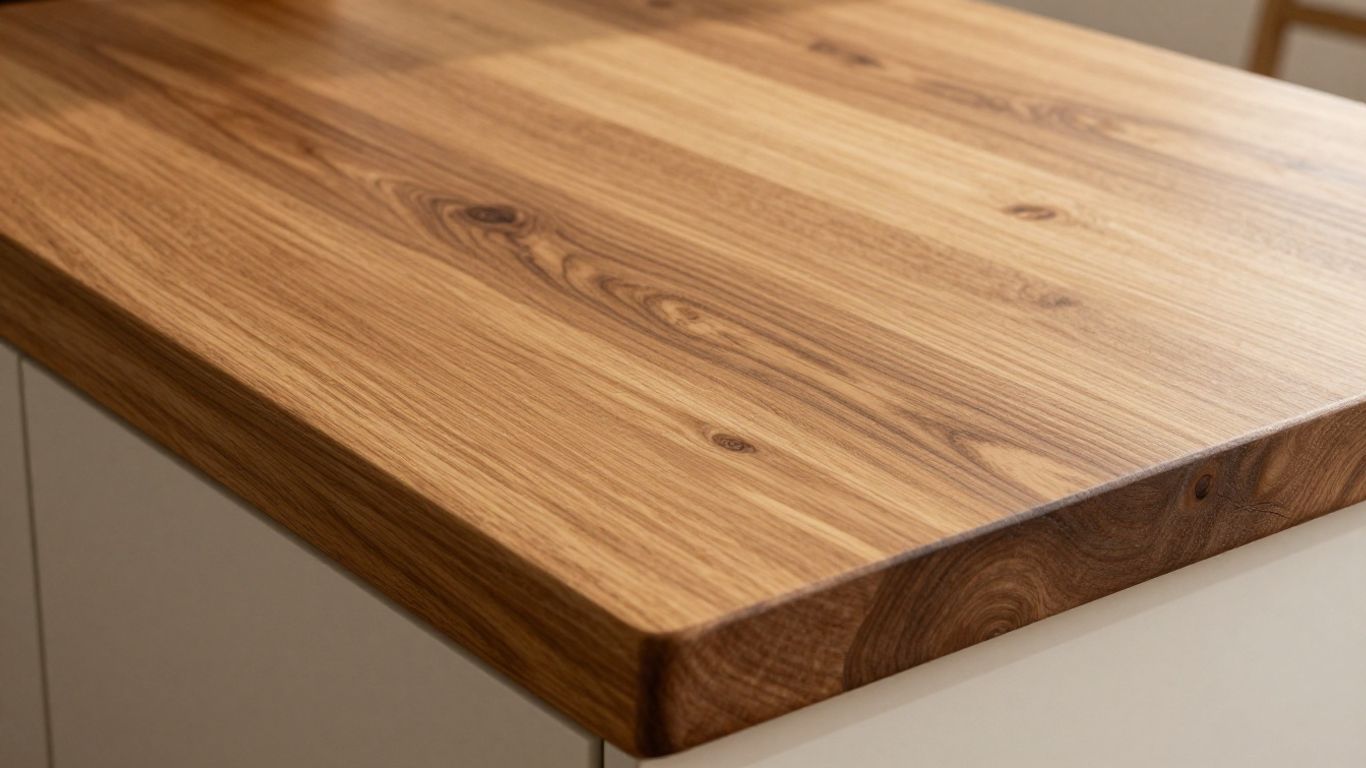
When you picture a solid oak worktop, you might be imagining the full stave style. This is where you get long, wide planks of oak running the entire length of the worktop. It really lets the natural beauty of the wood shine through, with a continuous grain pattern that looks super elegant. It’s a classic look that works in pretty much any kitchen, from super modern to more traditional setups. The uninterrupted grain gives it a really luxurious feel, and because each piece of oak is unique, your worktop will be one-of-a-kind.
Butcher Block for Robust Functionality
Then there's the butcher block style. This is made up of lots of smaller oak blocks glued together. It gives a really sturdy, robust look and feel, and it’s incredibly durable. Think of it like a giant cutting board. This style is fantastic if you do a lot of cooking and need a work surface that can handle a lot of action. The pattern of the blocks adds a different kind of visual interest compared to full stave, and it’s a great choice if you want something that looks substantial and built to last. It’s a really practical option for busy kitchens.
Understanding Natural, Rustic, and Prime Grades
Beyond the style, oak worktops also come in different grades, which basically means how the wood looks. It’s not about quality, but more about the aesthetic. You’ve got:
- Prime Grade: This is the most uniform. It has a straight, consistent grain with very few knots or colour variations. It’s perfect if you’re going for a clean, modern look. It’s all about that sleek, uncluttered appearance.
- Natural Grade: This grade shows off more of the wood’s natural character. You’ll see more knots, colour differences, and a varied grain pattern. It gives a really authentic, rustic vibe that’s super popular for farmhouse or country-style kitchens. It feels very genuine.
- Rustic Grade: Similar to natural, but often with even more pronounced features like larger knots and more dramatic colour changes. This grade really embraces the imperfections and unique history of the wood, giving your kitchen a warm, lived-in feel. It’s for those who love a strong natural look.
Choosing the right grade and style is all about matching the worktop to your personal taste and the overall design of your kitchen. It’s not just a surface; it’s a statement piece.
When you’re looking at different options, remember that the thickness can also play a role in the overall look and durability. Thicker tops, like 40mm, tend to look more substantial and can be more resistant to warping over time. It’s worth checking out different countertop materials to see how oak compares visually and functionally.
Achieving A Beautiful Finish On Your Oak Surface
So, you've picked out some gorgeous solid oak worktops. Awesome choice! Now, let's talk about how to make them look their best and keep them protected. The finish you choose is a big deal; it's what you see and touch every day, and it's the first line of defense against spills and wear.
The Protective Qualities Of Oiled Finishes
An oiled finish is a popular way to go for oak. It really lets the natural beauty of the wood shine through. The oil soaks into the wood, kind of like it's becoming part of the oak itself. This gives it a warm, natural look that many people love. It also creates a barrier that helps keep moisture out, which is super important in a kitchen. This finish ages really nicely, developing a kind of patina over time that just adds character. It does mean you'll need to re-oil it every so often, usually once or twice a year, to keep it in top shape. It's a bit more hands-on, but the result is a surface that feels truly alive and connected to nature. If you're looking for that authentic wood feel, this is a great way to go. You can find good quality oils specifically made for kitchen worktops that will keep your surfaces looking great. Regular oiling is key here.
The Sealed Surface Of Lacquered Finishes
If you're after something a bit more low-maintenance, a lacquered finish might be more your speed. Instead of soaking in, lacquer forms a protective layer on top of the wood. Think of it like a clear shield. This means it's really good at resisting spills, stains, and even minor scratches right from the start. For busy kitchens, especially with kids running around, this can be a lifesaver. It's easier to clean up messes, and you don't have to worry as much about immediate wipe-downs. The downside? It can sometimes feel a little less natural to the touch compared to an oiled finish. Some lacquers can also give a slightly more 'plastic-y' look, though modern formulations are much better at maintaining a natural appearance. There are even some finishes that aim for an invisible look, preserving the wood's natural texture while still offering protection. Polymer coatings are an example of these advanced options.
Enhancing Grain With Surface Treatments
Beyond just oil and lacquer, there are other ways to treat your oak surface. Staining is an option if you want to change the wood's natural color. You can go for anything from a light, airy tone to a deep, rich shade. Just remember, if you stain your worktop, you'll still need to apply a protective topcoat, like oil or lacquer, over the stain to keep it safe from daily kitchen life. It's all about balancing the look you want with the protection you need. Different treatments can really bring out the unique patterns in the oak grain. Some oils, for instance, can deepen the natural colors, making the contrast between the lighter and darker parts of the wood really pop. It’s worth looking at samples under different lights to see how the grain and color change. Ultimately, the right finish will not only protect your investment but also highlight the inherent beauty of solid oak, making your kitchen a truly special place.
Choosing the right finish is a balance. Think about how you use your kitchen daily. Do you need maximum protection with minimal fuss, or do you enjoy the process of caring for wood and appreciate its natural evolution? Your answer will guide you to the perfect surface treatment.
Essential Care For Your Solid Oak Worktops
Regular Oiling For Moisture Protection
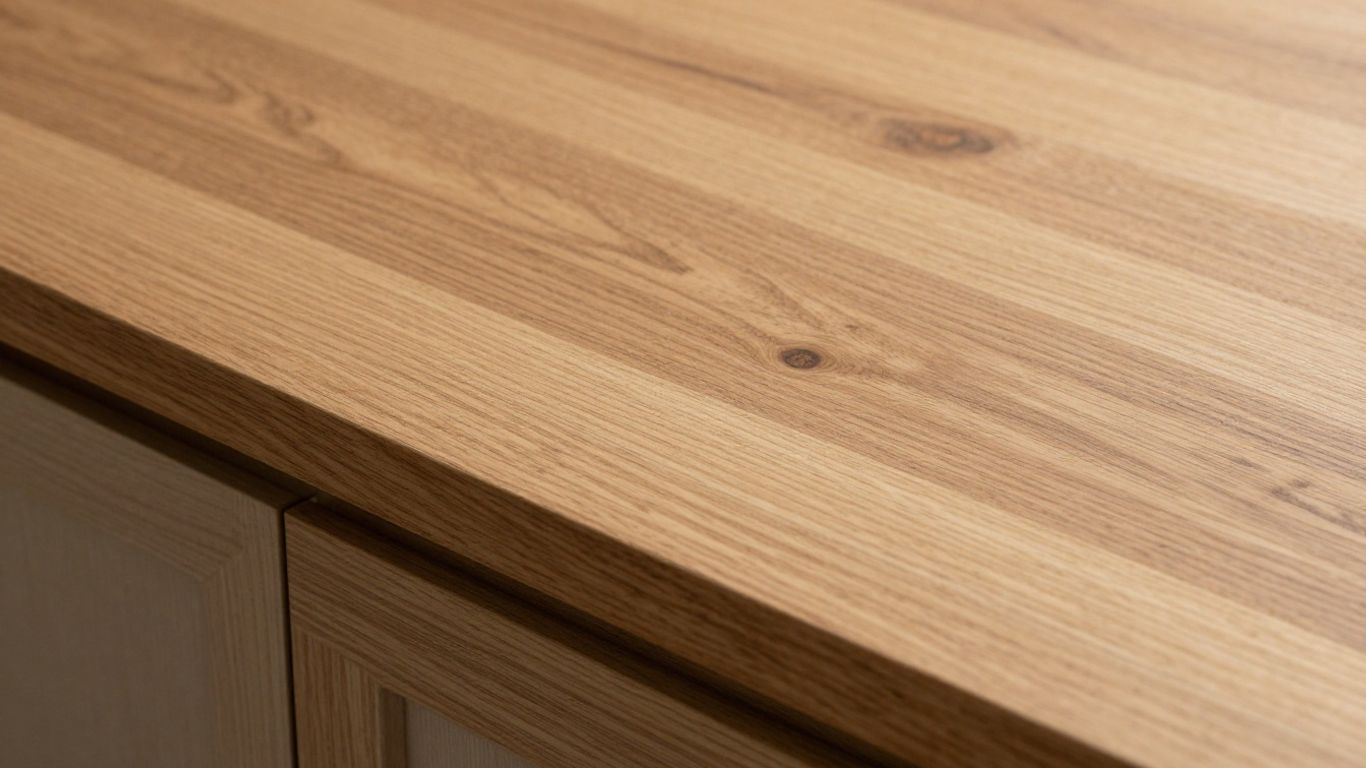
Keeping your oak worktop looking its best and performing well for years really comes down to a few key habits. One of the most important things you can do is to oil it regularly. Think of it like giving your skin some lotion; it keeps the wood hydrated and stops it from drying out, which can lead to cracks. A good quality Danish oil works wonders because it soaks right into the wood, creating a protective layer from the inside out. This not only keeps the wood looking warm and feeling nice but also helps it resist water. You don't want water sitting on your worktop, especially near the sink, as it can cause dark stains that are tough to get out. Aim to oil your worktop every three months, or more often if you notice the wood looking a bit dry or if water stops beading on the surface. When you oil, make sure to cover all the edges too. It’s best to apply a few thin coats, letting each one dry completely, usually for about 24 hours, before adding the next. This might sound like a lot, but patience here really pays off in the long run.
Maintaining The Wood's Integrity
Beyond regular oiling, daily cleaning habits play a big part in keeping your oak worktop in good shape. For everyday messes, like crumbs or light spills, a soft cloth dampened with warm water and a little bit of mild soap is usually all you need. Just be sure to wipe up any spills right away – don't let them sit. Harsh cleaning chemicals, the kind with bleach or ammonia, are a big no-no; they can strip away the protective oil and make the wood look dull. After cleaning, always dry the surface thoroughly with a clean cloth. Letting water pool, even for a short time, can lead to watermarks or even warping over time. Using coasters for drinks and placemats or trivets for hot dishes also makes a huge difference in preventing damage. It’s these small, consistent actions that really help maintain the wood’s natural beauty and strength.
Aging Gracefully With Consistent Care
Over time, your oak worktop might pick up a few minor scratches or dull spots. Don't panic! This is where a bit of gentle sanding and re-oiling can work wonders. Once a year, you can give the surface a light sanding with fine-grit sandpaper (around 220 grit). This smooths out any little marks and prepares the wood to soak up fresh oil. Always sand in the direction of the wood grain to keep that lovely pattern looking its best. Just be careful not to sand too much, especially if your worktop is part of a larger installation. It’s also a good idea to keep an eye on your kitchen’s humidity levels. Wood naturally expands and contracts with changes in moisture, so trying to keep the humidity steady, ideally between 40% and 60%, can help prevent warping or cracking. By following these simple steps, your oak worktop won't just last for years; it will age beautifully, developing a rich character that synthetic materials just can't match. It’s all about consistent care to keep it looking great and functioning perfectly.
Oak worktops are a natural material, and like any natural material, they require attention. Embracing a routine of regular maintenance isn't a chore; it's an investment in the longevity and enduring beauty of your kitchen's centerpiece. Think of it as a partnership with your worktop, ensuring it stays a source of pride for years to come.
The Sustainable Choice Of Oak Kitchen Countertops
Responsibly Sourced Renewable Materials
When you pick oak for your kitchen worktops, you're actually making a pretty good choice for the planet. Oak trees grow, and when they're harvested for things like countertops, there's a big push to replant them. This means it's a renewable resource, unlike materials that take millions of years to form or are mined out of the ground. Many suppliers make sure their oak comes from forests managed responsibly, often certified by groups that keep an eye on things like replanting and protecting wildlife. It’s a way to get a beautiful, durable kitchen feature without feeling guilty about where it came from. This commitment to sustainability means your kitchen can look great and be kinder to the environment.
An Eco-Conscious Approach To Kitchen Design
Choosing oak worktops fits right into a greener way of thinking about your home. Instead of materials that might be full of chemicals or create a lot of waste during manufacturing, oak is a natural product. Its longevity is also a big plus for eco-conscious design. A well-cared-for oak countertop can last for decades, meaning you won't be replacing it anytime soon. This reduces the need for new materials and cuts down on landfill waste over time. It’s about creating a kitchen that’s not just stylish but also built to last, minimizing its environmental footprint. You can find out more about eco-friendly countertop options that align with this philosophy.
Biodegradable Options For Greener Homes
One of the really neat things about natural wood like oak is that it’s biodegradable. When a wooden worktop eventually reaches the end of its very long life, it can break down naturally, unlike plastics or composites that stick around for ages. This is a significant advantage for reducing the amount of waste we send to landfills. By opting for a material that can return to the earth, you're making a choice that supports a more circular economy. It’s a simple yet effective way to make your kitchen design more environmentally friendly. Choosing sustainable surfaces can decrease landfill waste considerably.
A Lasting Impression
So, there you have it. Solid oak worktops really do bring something special to a kitchen. They look great, they hold up well to daily life, and they’re a choice you can feel good about, too. While they need a little attention now and then, it’s really just about keeping them looking their best. Think of it as a little bit of care for a piece of your home that will be around for a long, long time. If you’re looking to add warmth, character, and a touch of natural elegance to your kitchen, solid oak is definitely worth considering. It’s a solid choice, literally.
Frequently Asked Questions
What makes oak worktops so popular for kitchens?
Oak worktops are loved because they look great and are really strong. They bring a warm, natural feel to any kitchen and can fit with almost any style, from old-fashioned to super modern. Plus, they're made from a tough wood that can handle everyday kitchen messes.
Are oak worktops easy to scratch or damage?
Oak is a hardwood, meaning it's naturally tough. While it's more resistant to scratches and dents than softer woods, it's not completely indestructible. With normal use, it holds up well, but it's always a good idea to use cutting boards and be a little careful.
How do I keep my oak worktop looking good?
Taking care of your oak worktop is pretty simple! You'll want to wipe up spills right away. Regularly applying a special oil or wax designed for wood worktops will protect it from moisture and keep it looking its best. Think of it like giving your worktop a little spa treatment every now and then.
Can oak worktops get damaged by water?
Oak is a natural material, so it can be affected by too much water, especially if it's not sealed properly. It's important to wipe up any spills quickly, especially around the sink. Regular oiling helps create a barrier against moisture, but it's still best to avoid leaving puddles of water on the surface.
Are oak worktops a good choice for the environment?
Yes, oak is a great choice if you care about the environment. Oak trees grow relatively fast, and wood is a renewable resource. Many oak worktops come from forests that are managed responsibly, meaning they replant trees and take care of the forest for the future. It's a much greener option than materials made from plastics or chemicals.
What's the difference between different types of oak worktops?
Oak worktops come in different styles and grades. 'Full stave' means the worktop is made from long, wide pieces of oak, showing off the wood's grain beautifully. 'Butcher block' style uses smaller blocks glued together, making it super strong. Grades like 'prime' have a very smooth, even look, while 'natural' or 'rustic' grades show more knots and natural variations for a charming, traditional feel.


