

Choosing the Perfect Oak Worktop for Your Kitchen: A 2026 Guide
GMS Kumar
Thinking about a kitchen refresh for 2026? It feels like everyone’s moving away from those super sleek, all-white looks. The big shift seems to be towards warmth and materials that feel more natural, you know? Like wood. And when it comes to wood worktops, oak is really having a moment. It’s sturdy, looks great, and seems to fit right into this new vibe. So, if you’re considering an oak worktop, this guide is for you. We’ll look at why it’s a good choice and how to make sure it works perfectly in your kitchen.
Key Takeaways
- Warm, natural materials are trending, making oak worktops a popular choice for adding character and a lived-in feel.
- Statement worktops, especially thicker oak profiles, are becoming focal points in kitchen designs, offering both style and substance.
- Texture and tactile finishes are in, meaning honed or matte surfaces on your oak worktop are favored over high-gloss looks.
- Sustainable choices are important; an oak worktop can be a long-lasting option that can be refinished, avoiding the disposable trend.
- Practicality is key: oak worktops are durable for daily use and age gracefully, but require regular maintenance to keep them looking their best.
Embracing Warmth and Natural Materials
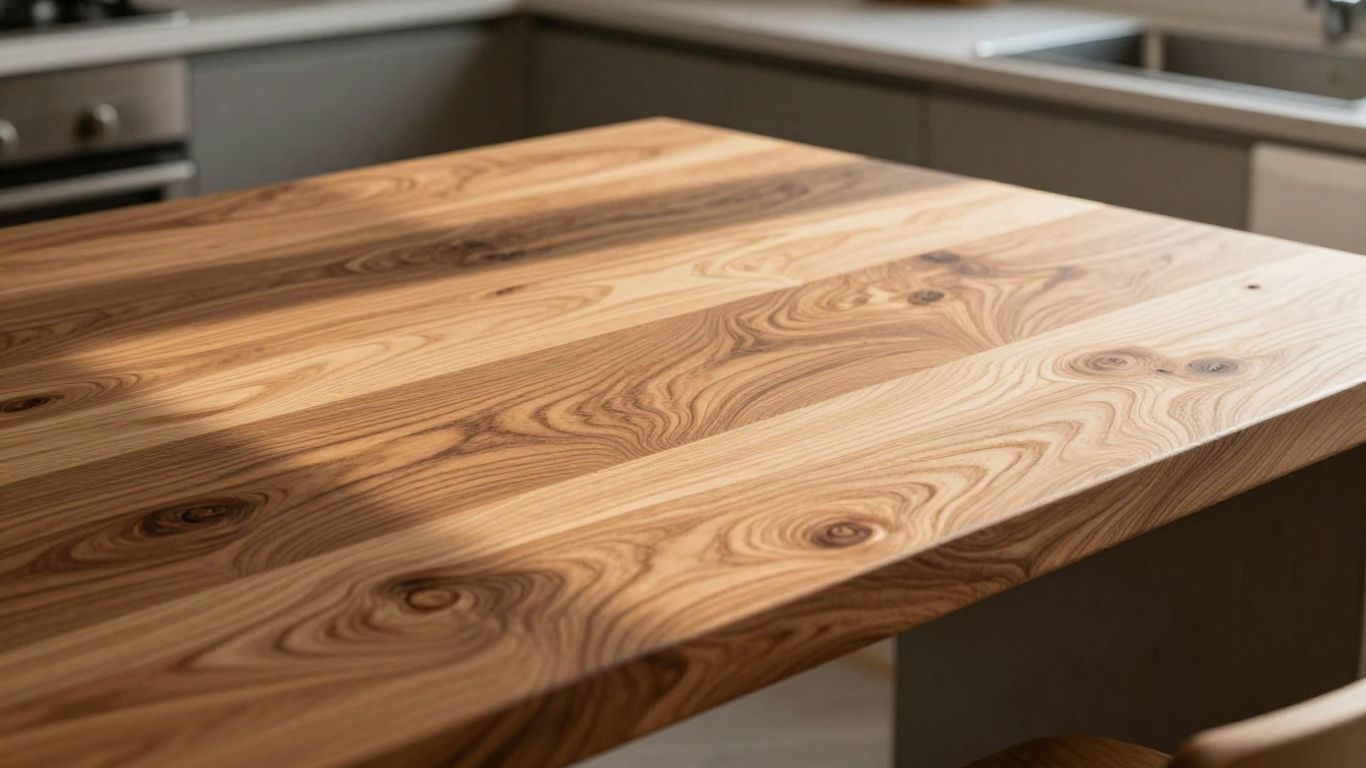
It feels like kitchens are finally letting go of those super-cool, almost sterile vibes we saw for a while. You know, the ones that looked great in magazines but felt a bit chilly in real life? Now, it's all about bringing in that cozy, welcoming feeling, and honestly, it's about time. The shift towards warmer palettes is a big deal in kitchen design for 2026. Think less stark white and more soft, earthy tones. We're talking about colors that feel like they've been kissed by the sun – think gentle taupes, sandy beiges, and muted clay shades. These colors just make a space feel more inviting, like a warm hug when you walk in.
And what goes perfectly with these warmer tones? Natural wood, of course. Oak, in particular, has this timeless appeal that just keeps getting better. It brings a sense of groundedness and authenticity that you just can't fake with other materials. It’s not just about the color, either; it’s about the grain, the texture, the way it feels under your hand. It adds a layer of character that makes a kitchen feel lived-in and loved, not like a showroom that’s afraid of a few crumbs.
The Shift Towards Warmer Palettes
Forget the icy greys and stark whites that dominated for so long. The trend is definitely leaning towards colors that feel more natural and comforting. It’s like we’re all craving a bit more hygge in our homes, and the kitchen is leading the charge.
- Earthy Neutrals: Shades like soft biscuit, gentle mushroom, and warm sand are replacing cooler tones. They pair beautifully with wood and create a calm backdrop.
- Nature-Inspired Hues: Muted greens, soft terracotta, and even some deeper, richer tones like oxblood are making an appearance, adding depth without being overwhelming.
- Warm Undertones: Even whites are getting warmer, moving away from clinical brights to softer, creamier shades that feel more welcoming.
The desire for kitchens that feel like a true sanctuary is driving this change. People want spaces that are not only functional but also emotionally comforting, reflecting a desire for a more grounded and authentic home life.
The Enduring Appeal of Natural Wood
There's just something about real wood that speaks to us. It’s honest, it’s beautiful, and it ages so gracefully. Oak worktops, for example, bring a warmth and character that synthetic materials struggle to match. They have a unique grain pattern that tells a story, and that’s something special. Plus, they fit right into that desire for more natural materials in our homes. It’s a choice that feels good, both aesthetically and in terms of connecting with nature.
Achieving a Lived-In Aesthetic
This isn't about creating a messy space, but rather one that feels comfortable and used. It’s about surfaces that can handle daily life and actually look better with a bit of character. Think about how a well-loved wooden table gets those little marks over time – it adds to its story. That’s the kind of vibe we’re going for. It’s about embracing imperfections and choosing materials that develop a patina, rather than trying to keep everything looking brand new all the time. It makes the kitchen feel more personal and less like a sterile environment. Choosing a real wood worktop is a great way to start building this feel.
Statement Oak Worktops: Anchoring Your Kitchen Design
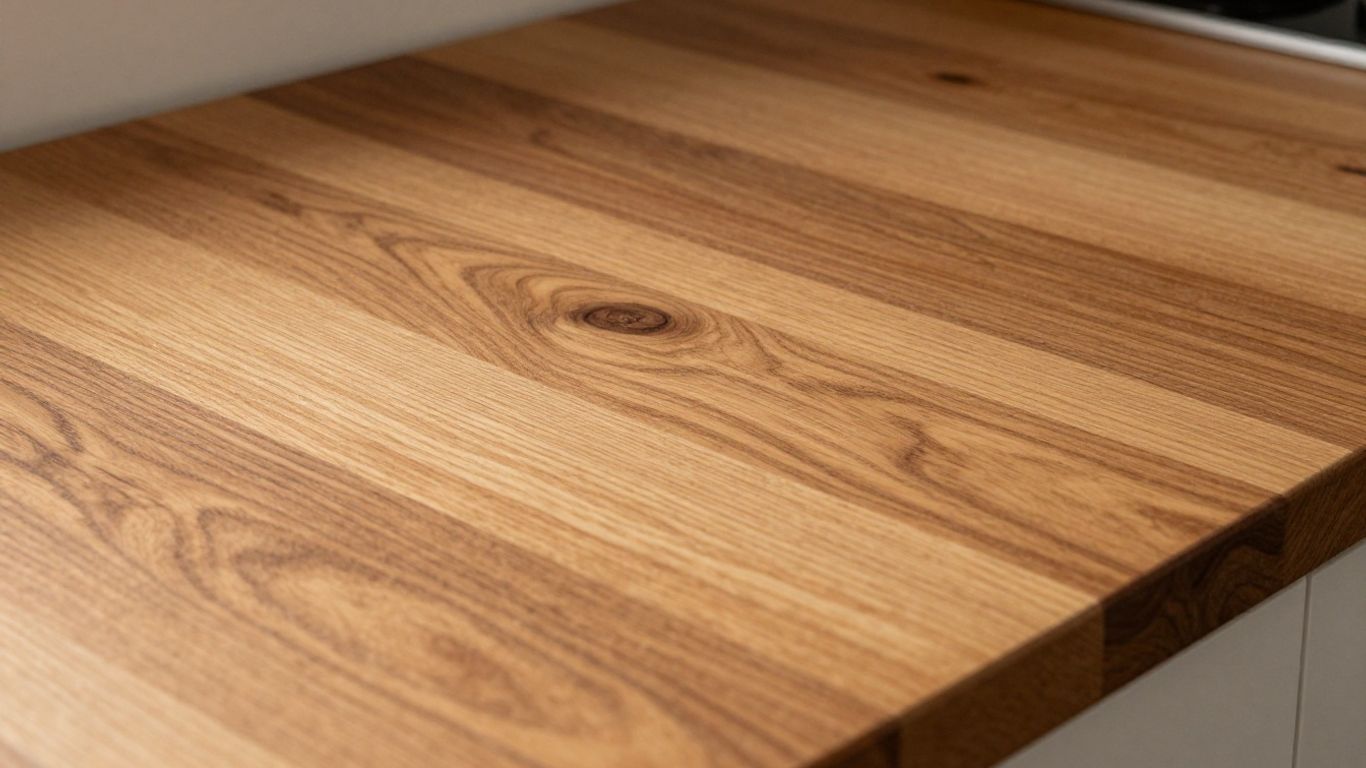
Forget those flimsy countertops of the past. In 2026, your kitchen worktop isn't just a place to chop vegetables; it's the main event, the anchor that holds your entire kitchen design together. We're seeing a big move towards making these surfaces real focal points. Think of it as the foundation for everything else you'll build in your kitchen space. A substantial oak worktop brings a sense of gravitas and natural beauty that simply can't be faked.
Worktops as Focal Points
Instead of blending into the background, worktops are stepping into the spotlight. Designers are opting for bolder choices, like thicker profiles and continuous runs that stretch across your kitchen. This approach creates a strong visual presence, making the worktop a true centerpiece. It’s about giving your kitchen a solid, grounded feel right from the start. This aligns with the broader shift towards warmer, more personalized kitchen designs we're seeing this year [d864].
The Popularity of Chunky Oak Profiles
When we talk about 'chunky,' we're often looking at profiles around 40mm thick, sometimes even more. This added depth isn't just for show; it speaks to quality craftsmanship and adds a tangible sense of substance. Paired with simpler cabinetry, a thick oak counter creates a striking, yet understated, statement. It feels robust and built to last, which is exactly what people are looking for.
Here’s a quick look at why thicker profiles are trending:
- Visual Weight: Adds a grounded, substantial feel to the kitchen.
- Craftsmanship: Suggests higher quality and attention to detail.
- Durability: Often perceived as stronger and more long-lasting.
- Aesthetic Balance: Complements minimalist cabinetry beautifully.
Seamless Transitions with Timber Upstands
To really nail that cohesive look, designers are ditching traditional tiled splashbacks in favor of timber upstands. These are essentially extensions of your worktop material that run up the wall. They create a smooth, unbroken line between your counter and the wall, reinforcing that sense of continuity. It’s a subtle detail, but it makes a big difference in achieving a clean, modern, and integrated kitchen design. This focus on integrated elements is part of a larger picture of what to expect in kitchen design [10a6].
The trend is leaning towards surfaces that feel more natural and less 'showroom perfect.' We're seeing a move away from high-gloss finishes towards more tactile, characterful options that age gracefully. This approach makes a kitchen feel more welcoming and lived-in, which is exactly what most homeowners are aiming for these days.
Texture and Tactility in Kitchen Design
Forget those super-smooth, almost sterile surfaces that were all the rage a few years back. In 2026, kitchens are all about how things feel. We're talking about surfaces that invite you to touch them, materials that have a bit of character. It’s a move towards a more sensory experience, making your kitchen feel more like a welcoming part of your home rather than just a place to cook.
Layering Materials for Depth
Instead of sticking to just one material, designers are mixing things up. Think about pairing a warm oak worktop with a backsplash that has a bit of texture, maybe some handmade tiles or a subtly veined stone. This layering adds visual interest and makes the space feel richer. It’s like adding different fabrics to a room to make it cozier.
- Combine wood with natural stone for a grounded feel.
- Introduce metal accents, like brushed brass or aged bronze, for a touch of warmth.
- Consider glass elements, perhaps in cabinet fronts or lighting, to add a different kind of sheen.
The Appeal of Honed and Matte Finishes
Polished surfaces can look great, but they often show every fingerprint and water spot. That’s why honed and matte finishes are becoming so popular. They diffuse light in a softer way, which can make a kitchen feel more relaxed. Plus, they tend to hide minor marks better, meaning less stress for you. A matte finish on your oak worktop can bring out its natural grain beautifully.
Characterful Surfaces Over Polished Perfection
We're seeing a real shift away from trying to achieve that flawless, factory-perfect look. Instead, people are embracing surfaces that show their history and character. This could mean choosing an oak worktop with natural knots and variations in the grain, or opting for a stone with subtle veining. These aren't flaws; they're what make your kitchen unique and give it that lived-in, authentic vibe. It’s about choosing materials that age gracefully, developing a patina over time rather than looking worn out. This approach aligns perfectly with the growing desire for kitchen countertop trends for 2026 that prioritize warmth and authenticity.
The move towards tactile surfaces is about creating a kitchen that feels more human and less like a showroom. It’s about comfort, warmth, and a connection to natural materials that makes the space truly inviting.
Sustainable Choices for Long-Term Value
When you're picking out an oak worktop, thinking about where it comes from and how long it'll last is a big deal these days. It's not just about looks anymore; it's about making smart choices that are good for the planet and your wallet in the long run. Choosing materials that stand the test of time means less waste and a kitchen that feels good to be in.
The Rise of Eco-Conscious Materials
More and more, people are looking for kitchen materials that don't harm the environment. This means looking at things like reclaimed wood, which gives old timber a new life, or wood sourced from forests managed responsibly. It's about supporting practices that don't deplete natural resources. You can find some great options that are both beautiful and kind to the earth. Planning a kitchen renovation in 2026? Explore sustainable material choices that offer convenience, cost savings, and improved energy efficiency. Make eco-conscious decisions for a greener kitchen. [ad1b]
Refinishing Oak for Longevity
One of the best things about oak is its durability and how it ages. Unlike some materials that look worn out after a few years, oak can be sanded down and refinished. This means that little scratch or stain doesn't have to be the end of the world. You can bring it back to looking fresh or even change its finish over time. It’s a bit like giving your kitchen a new lease on life without replacing the whole thing.
Here’s a quick look at how you can keep your oak worktop looking its best:
- Regular Oiling: Apply a food-safe worktop oil every few months to protect the wood and keep it from drying out.
- Wipe Spills Immediately: Don't let liquids sit on the surface, especially water, as it can cause stains or damage.
- Use Chopping Boards: While oak is tough, using a dedicated chopping board will prevent deep cuts and preserve the finish.
- Sand and Refinish: If the surface becomes dull or damaged, you can lightly sand it and reapply oil or varnish.
Avoiding the Disposable Cycle
We're moving away from a culture where things are just thrown out when they get a bit old. Oak worktops fit perfectly into this shift. They aren't meant to be replaced every few years. Instead, they're designed to be part of your home for decades. By choosing a material that can be repaired and maintained, you're actively choosing against the 'throwaway' mentality. It's a more thoughtful approach to home design that benefits everyone. Choose kitchen countertops made from sustainable materials like reclaimed timber, recycled composites, or those using low-carbon binders. [b8f7]
Investing in quality, natural materials like oak means you're not just buying a worktop; you're investing in a piece that will grow with your home, developing character and beauty over time, rather than becoming obsolete.
Optimizing Layouts for Modern Living
Kitchen layouts are changing, and it's not just about making things look pretty. We're moving away from the old 'work triangle' idea, you know, sink, stove, fridge all in a neat little triangle. Instead, kitchens in 2026 are all about zones. Think about it: a prep zone with lots of counter space, a cooking zone with everything you need right there, and maybe a social zone around an island where people can hang out. This really fits how we actually use kitchens now, especially if you have more than one person cooking or a bunch of friends over.
Zone-Based Kitchen Planning
This zone approach means we're seeing bigger work surfaces. Deep timber counters and extended islands are becoming really popular. They give you more room to spread out and make multitasking way easier. Plus, it keeps the whole kitchen looking smooth and connected. When you mix these bigger surfaces with natural materials and smart storage that hides clutter, you get a kitchen that's both functional and looks really good.
Expansive Work Surfaces for Multitasking
Having a large, continuous stretch of countertop space is key for making your kitchen work better. It means you can chop veggies, plate up meals, and still have room for a cookbook or a tablet without feeling cramped. This is especially true for open-plan living, where the kitchen island often pulls double duty as a dining spot or a place for kids to do homework. A solid oak worktop, for instance, provides a durable and beautiful surface that can handle all this activity.
Maximizing Light with Continuous Surfaces
We all want our kitchens to feel bright and airy, right? In 2026, the focus is less on super glossy finishes and more on how surfaces interact with light. Lighter wood tones, like those found in many oak options, and matte finishes help bounce natural light around the room without making it feel cold or sterile. When you have continuous surfaces with fewer breaks or seams, it makes the whole space feel bigger and more open. This is where things like integrated appliances and handleless cabinets really help create that smooth, uncluttered look. It makes the kitchen feel more like a cohesive part of your home, not just a utility room. For a truly integrated look, consider porcelain slabs for backsplashes and even sinks, which create a unified surface.
The trend is towards creating kitchens that feel more like furniture – warm, inviting, and integrated into the home's overall design. Natural materials like oak play a big role in achieving this, bridging the gap between practical workspace and aesthetic feature.
The Practicality of an Oak Worktop
So, you’re thinking about an oak worktop for your kitchen. That’s great! They look fantastic, really bringing a natural warmth into the space. But let's talk about how they actually hold up in the day-to-day hustle of a busy kitchen. Because, let's be honest, a kitchen needs to be more than just pretty; it needs to work.
Durability for Everyday Use
Oak is a hardwood, which means it's pretty tough. It can handle a good amount of chopping and general kitchen activity. However, it's not indestructible. Unlike stone or some composites, wood can scratch and dent if you're not careful. Dropping a heavy pot or dragging a cast-iron pan across the surface will likely leave a mark. It's also not a huge fan of excessive moisture or direct heat. You'll want to use trivets for hot pans and wipe up spills pretty quickly. For most homes, though, this level of durability is perfectly manageable, especially if you appreciate how wood ages.
Maintenance and Care Considerations
Keeping your oak worktop looking its best involves a bit of regular attention. It's not a 'set it and forget it' kind of material. You'll need to oil it periodically – how often depends on how much you use the surface and what kind of finish you have. A good quality worktop oil will protect the wood and bring out its natural beauty. Spills should be wiped up immediately to prevent staining, and you should avoid harsh cleaning chemicals. Think gentle soap and water. It might sound like a lot, but honestly, it becomes second nature pretty quickly. Many people find the routine quite satisfying, like caring for a piece of furniture.
Aging Gracefully with Character
This is where oak really shines, in my opinion. Unlike materials that look 'ruined' when they get a scratch or a water ring, oak develops character over time. Those little marks and changes tell the story of your kitchen, of meals shared and memories made. It's a surface that gets better with age, developing a patina that's unique to your home. If you're someone who likes things to look brand new all the time, maybe oak isn't your first choice. But if you appreciate a surface that feels lived-in and tells a story, then an oak worktop is a fantastic option. It’s a material that truly becomes part of your home's history. If you're looking for a material that ages well, timber countertops are a great place to start.
Wrapping It Up: Your Oak Worktop Journey
So, picking out a new oak worktop for your kitchen isn't just about picking a slab of wood, is it? It's about choosing something that feels right for your space, something that's going to last and look good doing it. We've talked about how warmer tones and natural textures are really in, and how a good oak worktop fits right into that vibe. Whether you're going for a chunky, statement piece or something a bit more subtle, remember to think about how you actually use your kitchen day-to-day. It’s about making a choice that feels good now and will keep feeling good for years to come. Get it right, and your kitchen will feel like the heart of your home, no matter the season.
Frequently Asked Questions
Why are warm colors and natural materials becoming more popular for kitchens?
People want their kitchens to feel cozy and welcoming, like a place to relax and spend time. Warm colors and natural wood, like oak, create a comfortable and inviting atmosphere that feels more like home than cool, stark colors.
What makes oak worktops a good choice for a kitchen?
Oak worktops bring the beauty of natural wood into your kitchen. They are strong and can last a long time. Plus, they add a warm, natural feel that many people are looking for in their homes today.
Are thicker worktops, like 40mm oak, a big trend?
Yes, thicker worktops are becoming really popular. They give a kitchen a sense of quality and craftsmanship. A chunky oak worktop can really become the main feature of your kitchen design.
What does 'honed or matte finish' mean for a worktop, and is it better?
A honed or matte finish isn't shiny like a polished surface. It's a bit softer and less reflective. This means it can hide small marks or fingerprints better and feels more natural to the touch. Many people find them more practical for busy kitchens.
Is it better to choose sustainable materials for my kitchen?
Choosing sustainable materials is important for the environment. Oak is a natural material that can be cared for and even fixed if needed, meaning it can last a very long time. This avoids throwing things away and helps reduce waste.
How do I keep my oak worktop looking good?
Oak worktops need a little care, but it's usually simple. You'll want to clean up spills right away and occasionally re-oil the surface to keep it protected and looking its best. Over time, it will develop a beautiful, unique look.


