

Granite vs. Quartz: Weighing the Pros and Cons for Your Kitchen
GMS Kumar
When you're thinking about new kitchen counters, granite and quartz are usually the top two contenders. They both look great and can handle a lot of use, but they're actually pretty different. Figuring out which one is best for your kitchen means looking at what makes each special and what might be a pain. We'll break down the pros and cons of granite versus quartz to help you choose.
Key Takeaways
- Granite is a natural stone, meaning each slab is unique with its own patterns and colors, offering a one-of-a-kind look.
- Quartz is an engineered material made from crushed quartz and resin, providing a consistent appearance and a wide range of design options.
- Granite is very durable and heat resistant but is porous and needs sealing to prevent stains; it requires more maintenance.
- Quartz is non-porous, highly stain-resistant, and low-maintenance, but can be sensitive to extreme heat and harder to repair.
- The choice between granite and quartz depends on your priorities for natural beauty versus uniformity, maintenance level, and lifestyle needs.
Understanding The Core Differences: Granite Versus Quartz
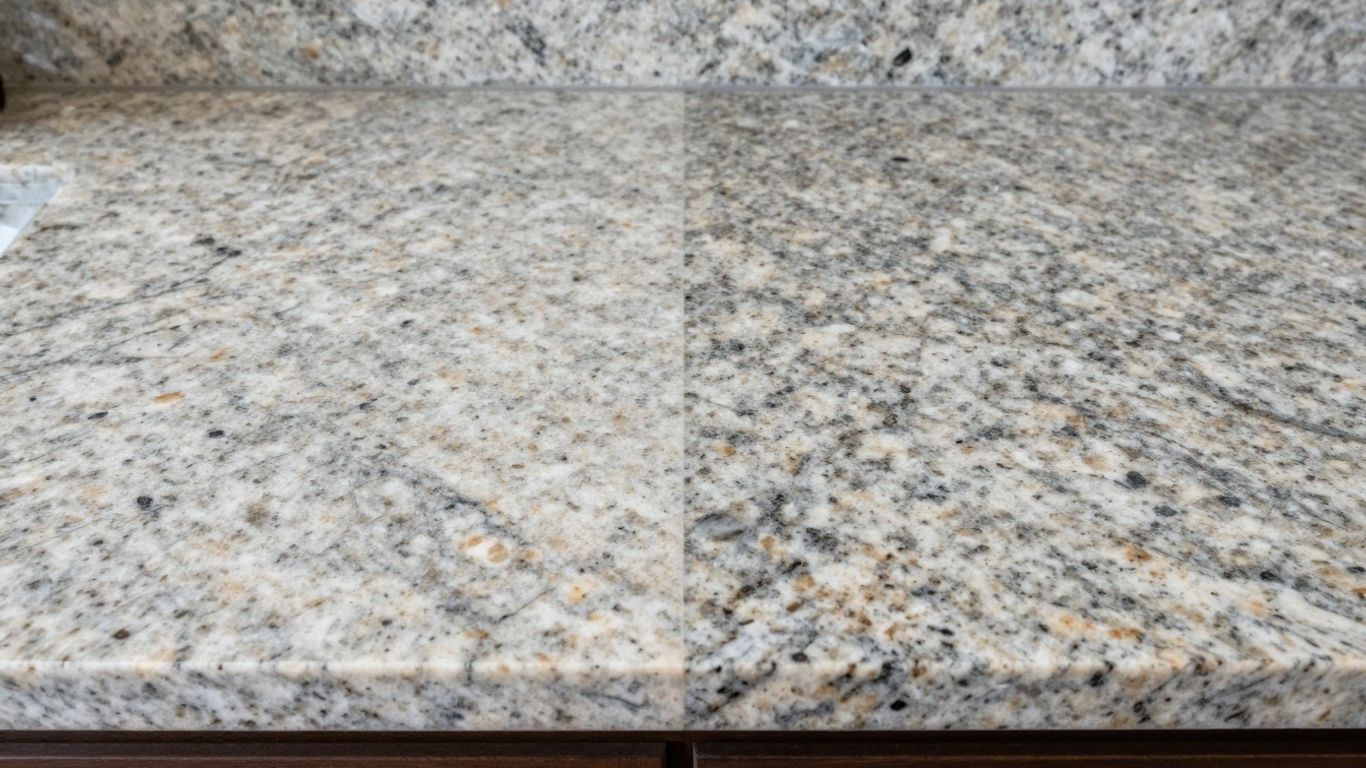
When you're looking at new kitchen countertops, granite and quartz are probably the two names that pop up the most. They both look great and are super popular, but they're actually pretty different under the surface. It's not just about looks; how they're made and how they behave day-to-day really sets them apart.
Natural Stone Versus Engineered Material
Granite is what you'd call a natural stone. It's quarried directly from the earth, deep underground, where it's formed over millions of years. Because it's natural, every single slab is unique. You'll find all sorts of variations in color, patterns, and mineral flecks. It's like a piece of art from nature.
Quartz, on the other hand, is an engineered material. This means it's man-made. Manufacturers take crushed quartz crystals – which is a natural mineral – and mix them with resins, polymers, and pigments. This process creates a material that's very consistent. You get a lot more control over the final look, which is a big deal for some people.
Aesthetic Consistency Versus Unique Patterns
This difference in origin leads to a big contrast in appearance. Granite offers that one-of-a-kind character. If you love the idea of having a countertop that no one else in the world has, granite is your go-to. The patterns can be dramatic, subtle, or anything in between. It brings a natural, organic feel to your kitchen.
Quartz countertops are known for their consistency. The colors and patterns are uniform across the entire slab. This predictability is great if you want a very clean, modern look or if you need to match specific design elements in your kitchen. You can get quartz that mimics natural stone, or you can find solid colors and intricate patterns that you'd never see in nature. This makes quartz an excellent choice for those seeking a sleek and modern style.
Formation And Composition
Granite is igneous rock, meaning it's formed from cooled magma. Its composition includes minerals like quartz, feldspar, and mica, which give it its distinctive look and hardness. The exact mix of these minerals and how they cool determines the final appearance of each slab.
Quartz countertops are made from about 90-95% ground natural quartz, mixed with about 5-10% polymer resins and pigments. The resins bind the quartz particles together and give the surface its non-porous quality. The pigments are added to achieve the desired color and pattern. This engineered structure is what gives quartz its impressive stain resistance and makes it so low-maintenance.
The choice between granite and quartz often comes down to whether you prefer the unpredictable beauty of nature or the controlled consistency of a manufactured product. Both have their strengths, and understanding these core differences is the first step in deciding which is right for your home.
The Pros and Cons of Granite Countertops
Granite countertops have been a go-to for kitchens for ages, and for good reason. They bring a natural beauty that's hard to replicate. But like anything, they've got their ups and downs.
Dazzling Natural Beauty And Uniqueness
This is where granite really shines. Each slab is pulled from the earth, meaning no two countertops will ever be exactly alike. You get these incredible, one-of-a-kind patterns and color variations that can really make your kitchen pop. It’s like having a piece of art right there on your counter. If you're looking for a kitchen that feels truly personal and has a lot of character, granite is a fantastic choice. It adds a certain warmth and depth that engineered materials often can't quite match. You'll find everything from subtle speckles to dramatic swirls, offering a huge range of looks to fit your style.
Exceptional Durability And Heat Resistance
Granite is a super hard natural stone. It holds up really well against everyday wear and tear. Think scratches and chips – granite can handle a lot. Plus, it’s naturally heat resistant, so you can often place hot pots and pans directly on it without worrying too much. This is a big plus in a busy kitchen where things can get hectic. It’s a material that’s built to last and withstand the demands of cooking and family life.
Porosity And The Need For Sealing
Here's where granite needs a little more attention. Because it's a natural stone, granite is porous. This means it can absorb liquids if not properly sealed. Spills, especially things like red wine, oil, or juice, can seep in and cause stains if you don't wipe them up quickly. To combat this, granite needs to be sealed. This sealing process fills in the tiny pores, making the surface much less likely to absorb stains. You'll want to get this done periodically to keep your countertops looking their best. It’s a bit of an ongoing commitment, but many homeowners find it’s worth it for the beauty granite provides. You can find more details on maintaining granite to keep it in top shape.
Maintenance Requirements For Natural Stone
Beyond the sealing, granite maintenance is pretty straightforward. For daily cleaning, a mild soap and water or a pH-neutral cleaner is usually all you need. You'll want to avoid harsh chemicals or abrasive cleaners, as these can damage the sealant or even the stone itself over time. The key is consistency. Wiping up spills right away and doing the periodic sealing will go a long way in keeping your granite countertops looking gorgeous for years. It’s not a high-maintenance material in the grand scheme of things, but it does require a bit more mindful care than some other options out there. It’s a trade-off for that stunning natural look and feel.
While granite offers unparalleled natural beauty and impressive durability, its porous nature means it requires regular sealing and prompt attention to spills to prevent staining. This commitment to maintenance is a key consideration for homeowners deciding if granite is the right fit for their lifestyle and kitchen habits.
The Pros and Cons of Quartz Countertops
When you're thinking about kitchen counters, quartz often pops up as a top contender. It's an engineered material, which means it's made by humans, not pulled straight from the earth like granite. This manufacturing process gives it some pretty neat advantages, but also a couple of things to watch out for.
Remarkable Stain Resistance And Non-Porous Surface
One of the biggest selling points for quartz is that it's not porous. Think about it – spills happen, especially in a kitchen. Coffee, wine, tomato sauce – these can all be a real headache on some surfaces. But with quartz, because it's non-porous, those liquids just sit on top. They don't soak in. This makes it incredibly resistant to stains. You don't have to panic every time something spills; just wipe it up. Plus, since nothing can seep in, it's also a more hygienic option, which is always a good thing in the kitchen. This lack of porosity means it's also resistant to bacteria growth.
Low Maintenance And No Sealing Required
This ties right into the non-porous nature. Because it doesn't absorb liquids, quartz doesn't need to be sealed. Unlike granite, which often requires periodic sealing to keep it protected, quartz is pretty much good to go once it's installed. This means less upkeep for you. No need to remember to reseal it every year or two. Cleaning is usually a breeze too – just a bit of soap and water, or a mild cleaner, and you're done. It really simplifies life for busy households.
Consistent Appearance And Design Versatility
Since quartz is engineered, manufacturers have a lot of control over its look. This means you get a very consistent appearance from slab to slab. If you've picked out a specific pattern or color, you can be pretty sure that what you see in the showroom is what you'll get in your kitchen. This predictability is great for matching cabinets and other design elements. Plus, quartz comes in a huge variety of colors and patterns. You can find everything from solid whites and grays to designs that mimic natural stones like marble or granite. This makes it super flexible for different kitchen styles.
Potential Heat Sensitivity And Repair Challenges
Now, for the downsides. While quartz is tough, it's not invincible. It's made with resins, and these resins can be sensitive to high heat. So, while it can handle a warm pan for a moment, leaving a hot pot or pan directly on the surface for an extended period can cause damage. It might discolor or even crack. It's always best to use trivets or hot pads. Also, if a chip or crack does happen, repairs can be trickier than with natural stone. Because it's engineered, matching the exact pattern and color in a repair can be difficult. It's not impossible, but it's something to consider.
The engineered nature of quartz offers a predictable and uniform look, which many homeowners appreciate for its clean aesthetic and ease of coordination with other kitchen elements. Its non-porous surface is a significant advantage for busy kitchens, offering superior stain resistance and simplifying daily cleaning routines without the need for regular sealing.
Here's a quick rundown:
- Pros:
- Excellent stain resistance due to its non-porous surface.
- Very low maintenance; no sealing required.
- Consistent appearance and a wide range of design options.
- Durable and resistant to scratches.
- Cons:
- Can be sensitive to high heat; trivets are recommended.
- Repairs can be more challenging to match perfectly.
- Some people prefer the natural variation of stone.
When you're weighing your options, think about how you use your kitchen. If you want a surface that's super easy to care for and looks consistently good, quartz countertops are definitely worth a close look.
Aesthetic Appeal: Natural Variation Versus Uniformity
When you're picking out countertops, how they look is a big deal, right? It's one of the first things you notice. Granite and quartz really show their differences here, and it boils down to whether you want something totally unique or something that's perfectly predictable.
Granite's One-Of-A-Kind Character
Granite is a natural stone, pulled right from the earth. Because of this, every single slab is different. You'll find unique patterns, swirls, and flecks that you just won't see anywhere else. This natural variation is what gives granite its special charm and makes your kitchen truly one-of-a-kind. If you love the idea of having a countertop that's like a piece of art, with its own story told in the stone, then granite might be your pick. You can find granite in all sorts of colors, from deep, moody blacks to warm creams and vibrant reds, each with its own distinct veining. It’s a material that brings a sense of timeless elegance to a space.
Quartz's Predictable and Coordinated Look
Quartz, on the other hand, is engineered. This means it's made in a factory by mixing crushed quartz crystals with resins and pigments. The big advantage here is consistency. If you see a sample you love, you can be pretty sure the slab you get will look very similar. This is great if you're going for a specific look, like a sleek, modern kitchen, or if you want your countertops to perfectly match your cabinets and backsplash. Quartz can mimic the look of natural stones like marble or granite, but it also comes in a huge range of solid colors and patterns that you'd never find in nature. This makes it super flexible for designing your kitchen.
Matching Your Kitchen's Overall Style
So, how do you choose? Think about the vibe you want for your kitchen. Are you aiming for a rustic, natural feel where every element has its own character? Granite might be the way to go. Or perhaps you prefer a clean, modern, and highly coordinated look where everything flows together perfectly? Quartz offers that kind of predictable beauty. It's really about what speaks to you and how you envision your kitchen functioning and looking day to day.
The choice between natural variation and engineered uniformity often comes down to personal taste and the desired atmosphere of your kitchen. Both materials offer distinct aesthetic benefits that can significantly impact the overall feel of your home.
Durability and Longevity Considerations
When you're picking out a countertop, how tough it is really matters, right? You want something that can handle the daily grind of kitchen life without falling apart. Both granite and quartz are known for being pretty tough cookies, but they get there in different ways.
Scratch, Chip, and Heat Resistance Comparison
Granite, being a natural stone, is super hard. It can stand up to a good amount of scratching and heat. You can usually put a hot pan on it for a bit, though it's always safer to use a trivet. It's not completely immune to chips, especially on the edges, but it's generally a very robust material. Quartz, on the other hand, is engineered. This means its hardness is very uniform throughout. It's often cited as having slightly better scratch resistance than granite, which is pretty impressive. However, quartz can be a bit more sensitive to extreme heat. That resin binder in quartz can get damaged by very hot items, potentially causing discoloration or even cracks. So, while both are tough, they have different weak spots. Think of granite as a rugged individualist and quartz as a precisely engineered performer.
Impact of Daily Use on Each Material
In a busy kitchen, things happen. Spills, dropped utensils, maybe a rolling pin gone astray. Granite, because it's porous, can absorb liquids if not sealed properly. This means spills might lead to stains over time, and it can harbor bacteria if not cleaned well. Regular sealing helps prevent this, but it's an extra step. Quartz, being non-porous, is a champ against stains and bacteria. It's much easier to wipe down and keep hygienic. It handles everyday scratches and dings really well. However, remember that heat sensitivity we talked about? That's a daily use consideration if you're someone who often places hot pots directly on the counter. For most day-to-day activities like chopping (with a cutting board, of course!) or general use, both hold up well, but quartz often wins on the low-maintenance front for daily cleanups.
Long-Term Performance and Investment Value
Both granite and quartz are built to last for decades. They are solid investments for your kitchen. Granite, with its natural beauty, can add significant resale value to your home, especially if you have unique patterns that appeal to buyers. It's a timeless material that many people love. Quartz also offers excellent long-term value. Its durability, stain resistance, and consistent look mean it will likely serve you well for many years with minimal fuss. For homeowners who want a predictable, low-maintenance surface that still looks great, quartz is a fantastic choice. It's less about the
Maintenance and Lifestyle Fit
When you're picking out new countertops, it's easy to get caught up in how they look. But honestly, how much work are you willing to put into keeping them looking good? That's where maintenance and your daily life really come into play.
Daily Cleaning and Upkeep Differences
Let's talk about the everyday stuff. For granite, you'll want to stick to mild soap and water for cleaning. It's pretty straightforward, but you have to be mindful of what you use. Harsh chemicals can mess with the sealant, which is a whole other topic. So, it's a bit more hands-on. Quartz, on the other hand, is super easy. Most of the time, a damp cloth and a little bit of mild detergent will do the trick. Its non-porous surface means spills don't soak in, making quick cleanups a breeze. This makes quartz a really practical choice for busy kitchens.
Sealing Requirements For Granite
Granite is a natural stone, and like many natural things, it has pores. These little openings can soak up liquids, which can lead to stains and even bacteria growth if you're not careful. To keep your granite looking its best and to prevent issues, it needs to be sealed. This usually happens about once a year, though some sealants last longer. It's not a super complicated process, but it is an extra step you have to remember. Think of it like giving your granite a protective coat. If you're someone who likes to stay on top of these kinds of tasks, it's no big deal. But if you're looking for something you can basically forget about after it's installed, this might be a drawback. Proper sealing is key to keeping your granite countertops looking great for years.
Choosing Based On Household Activity
Your kitchen isn't just a place to cook; it's the hub of your home, right? Think about who uses it and how. If you've got little kids who are always making messes, or maybe you love to entertain and things can get a bit chaotic, a low-maintenance material like quartz might be a lifesaver. Its resistance to stains and ease of cleaning means you can worry less about spills and more about enjoying your time. On the flip side, if you're someone who enjoys the finer things and doesn't mind a little extra care to maintain a natural material's unique beauty, granite could be perfect. It really comes down to matching the countertop's needs with your household's rhythm. For many, the peace of mind that comes with quartz countertops is a major selling point.
Ultimately, the countertop that fits best is the one that aligns with how you actually live. Don't pick a material that demands more attention than you're willing or able to give. Your kitchen should be a place of enjoyment, not constant worry about upkeep.
Fabrication and Installation Nuances
Handling Weight and Structural Support
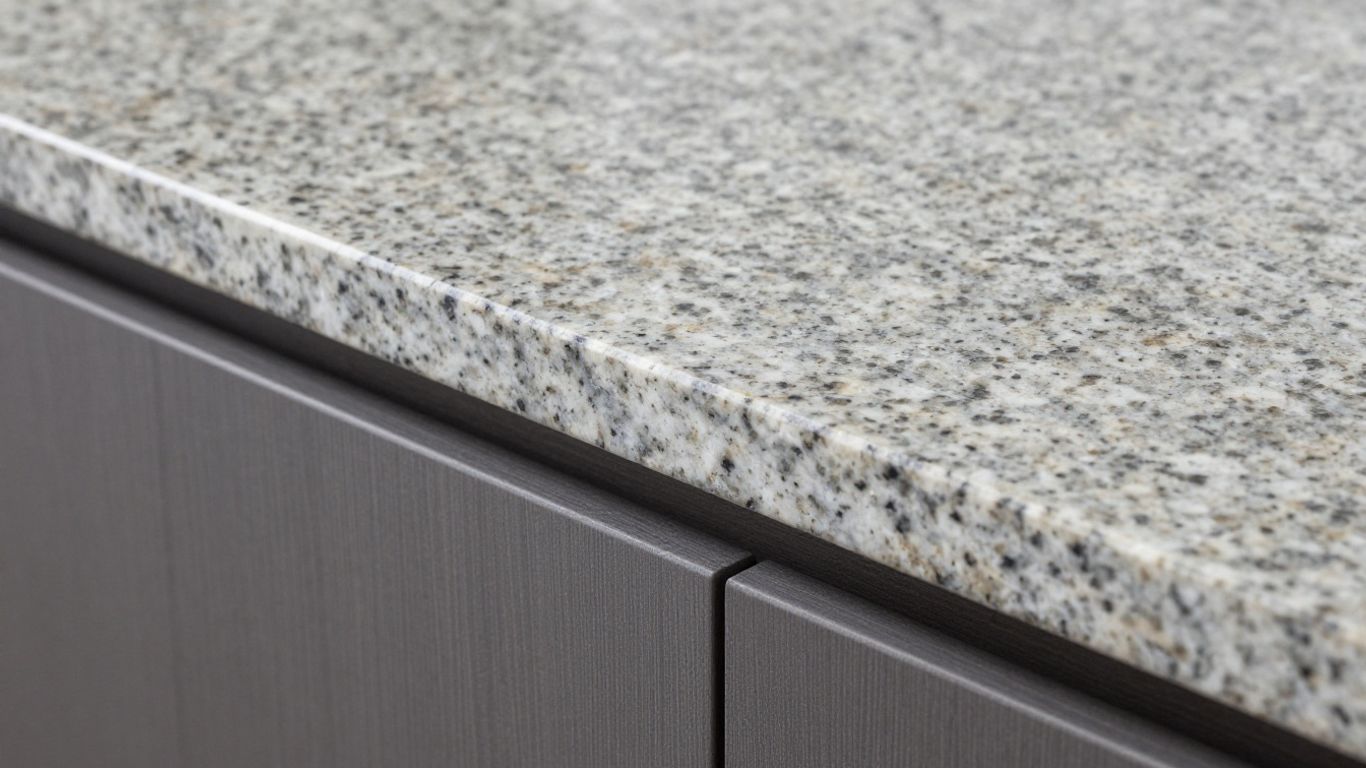
When you're looking at granite versus quartz, one thing that often gets overlooked is how these materials are actually put into your kitchen. It's not just about picking a pretty slab; it's about how it gets there and how it's supported. Granite, being a natural stone, can be quite heavy. We're talking serious weight, especially for larger pieces like kitchen islands. This means your cabinets need to be sturdy enough to hold it, and sometimes, extra support might be needed, particularly if you're planning overhangs. Quartz, while still substantial, is often lighter than granite because it's engineered. This can sometimes make installation a bit simpler, but don't let that fool you – it still requires careful handling.
Precision Cutting and Seam Planning
This is where the skill of the fabricator really shines. Both granite and quartz need to be cut precisely to fit your kitchen perfectly. This includes making exact cutouts for sinks and cooktops. A big part of this is seam planning. Nobody wants to see a big, obvious line running across their countertop. Good fabricators know how to minimize seams and place them in less visible spots, or even make them almost disappear, especially with certain patterns. For quartz, the engineered nature means you can get a more consistent look, which can help hide seams better if the pattern is uniform. With granite, the natural variations mean seams can be trickier to blend in perfectly, but a skilled hand can make it work.
Importance of Skilled Craftsmanship
Honestly, the best material in the world can look terrible if it's installed poorly. This is why finding a good fabricator and installer is so important. They're the ones who take the raw slab and turn it into your beautiful new countertop. They handle the cutting, the polishing of the edges, and the final placement. A botched installation can lead to chips, uneven surfaces, or seams that are just plain ugly. It's worth doing your homework to find someone with a good reputation and plenty of experience. They'll know how to handle the weight, cut accurately, and plan those seams so you're happy with the final result for years to come. It's a big part of the overall investment, and you don't want to skimp here. If you're looking for a team that focuses on quality work, you might want to check out local stone fabricators. They understand that the installation is just as critical as the material choice itself.
Making The Final Decision: Your Kitchen's Perfect Fit
Assessing Personal Priorities and Budget
So, you've looked at all the details, the pros, the cons, the looks, and the upkeep. Now comes the part where you really have to think about what matters most to you and your household. Is it the low-fuss, always-looks-good vibe of quartz, or are you drawn to the one-of-a-kind, natural artistry of granite? Your budget plays a big role here too. While both can be pricey, sometimes one might edge out the other depending on the specific slab or pattern you fall in love with. It’s not just about the sticker price, though. Think about the long haul – what kind of maintenance are you willing to do? If you’re someone who likes to set it and forget it, quartz might be your best bet. If you don't mind a little periodic upkeep for that natural beauty, granite could be perfect. Ultimately, the best countertop is the one that makes you happy every time you walk into your kitchen.
Considering Resale Value and Investment
When you're thinking about your kitchen, it's smart to consider how your choices might affect your home's value down the line. Both granite and quartz are generally seen as upgrades that can boost resale value. Granite, with its unique natural patterns, can appeal to buyers looking for that distinct, high-end look. It often fits well in homes aiming for a more organic feel. Quartz, on the other hand, offers a consistent, modern appearance and is a big plus for buyers who prioritize low maintenance and durability. It’s a safe bet that appeals to a wide range of tastes. Think about the kind of buyer you might attract – are they more likely to appreciate the natural variation or the predictable, clean look? It’s a bit of a gamble, but both are solid investments in your home.
Seeking Professional Guidance for Your Project
Sometimes, even after all the research, you might still feel a bit unsure. That's totally normal! This is a big decision for your home. Talking to a professional fabricator or designer can really help clear things up. They've seen countless kitchens and know the ins and outs of how different materials perform in real life. They can offer insights into things like fabrication challenges, installation details, and even help you find the perfect slab that fits your vision and budget. Don't hesitate to ask questions – that's what they're there for! Getting a professional opinion can give you that final bit of confidence to move forward with your kitchen project. You can explore kitchen countertop options to get a better feel for what's out there.
So, Which Countertop Wins?
Alright, so we've gone over granite and quartz, and honestly, there's no single 'winner' here. It really just comes down to what you're looking for in your kitchen. If you love that unique, natural look and don't mind a little extra upkeep, granite might be your jam. It's got that one-of-a-kind beauty that you just can't replicate. But if you're all about low maintenance, super consistent patterns, and serious stain resistance, then quartz is probably the way to go. Think about how you actually use your kitchen – are you a messy cook? Do you have little ones running around? Answering those questions will help point you in the right direction. Either way, you're getting a solid, good-looking countertop that will serve you well for years to come.
Frequently Asked Questions
What's the main difference between granite and quartz countertops?
Granite is a natural stone that comes straight from the earth, so every piece looks unique with its own colors and patterns. Quartz, on the other hand, is made by people. It's a mix of crushed quartz crystals and other materials, which gives it a more uniform and predictable look.
Is granite or quartz better for resisting stains?
Quartz is generally better at resisting stains because it's not porous, meaning liquids can't soak into it easily. Granite is a natural stone and can be a bit porous, so spills should be wiped up quickly to avoid stains.
Do I need to seal granite countertops?
Yes, granite countertops usually need to be sealed. This helps protect them from stains and keeps them looking nice. Quartz countertops don't need sealing because they are engineered to be non-porous.
Which countertop is more durable for everyday use?
Both granite and quartz are very durable and can handle daily kitchen activities well. They are both resistant to scratches and chips. However, some people find quartz slightly more resistant to stains due to its non-porous nature.
Can I put hot pots directly on granite or quartz?
Granite is known for being very heat resistant, so it can handle hot pots and pans better. While quartz can handle some heat, it's best to use trivets or hot pads for very hot items to avoid potential damage, as prolonged high heat can sometimes affect the resin in quartz.
Which countertop material offers more design choices?
Quartz offers a wider range of consistent colors and patterns because it's manufactured. You can find quartz that looks like marble, concrete, or has bold colors. Granite has unique natural patterns, but you have less control over the exact look since each slab is different.


