

Unveiling the Enduring Strength: Why Granite is a Premier Choice for Buildings
GMS Kumar
Thinking about building or renovating? It can feel like a lot, trying to pick the right stuff for your place. From the kitchen to the bathroom, every choice counts. This article is all about granite, a rock that's been around forever and for good reason. We'll look at why it's such a solid choice for buildings, covering everything from how tough it is to how good it looks. So, let's get into why is granite used for buildings and if it's the right fit for your next project.
Key Takeaways
- Granite offers amazing durability and strength, resisting damage and weathering much better than materials like concrete or wood, making structures last for ages.
- With a wide range of colors and unique patterns, granite provides a timeless elegance that can be customized to fit any architectural style, from classic to modern.
- Being a natural material, granite has a lower environmental impact compared to manufactured options, and its longevity means less waste and fewer replacements over time.
- Granite's hardness and resistance to elements mean it holds up well in harsh conditions where steel or wood might fail, making it a reliable choice for demanding environments.
- Compared to other common building materials, granite provides a superior combination of lasting strength, natural beauty, and sustainable qualities, explaining why is granite used for buildings so often.
Unrivaled Durability and Structural Integrity
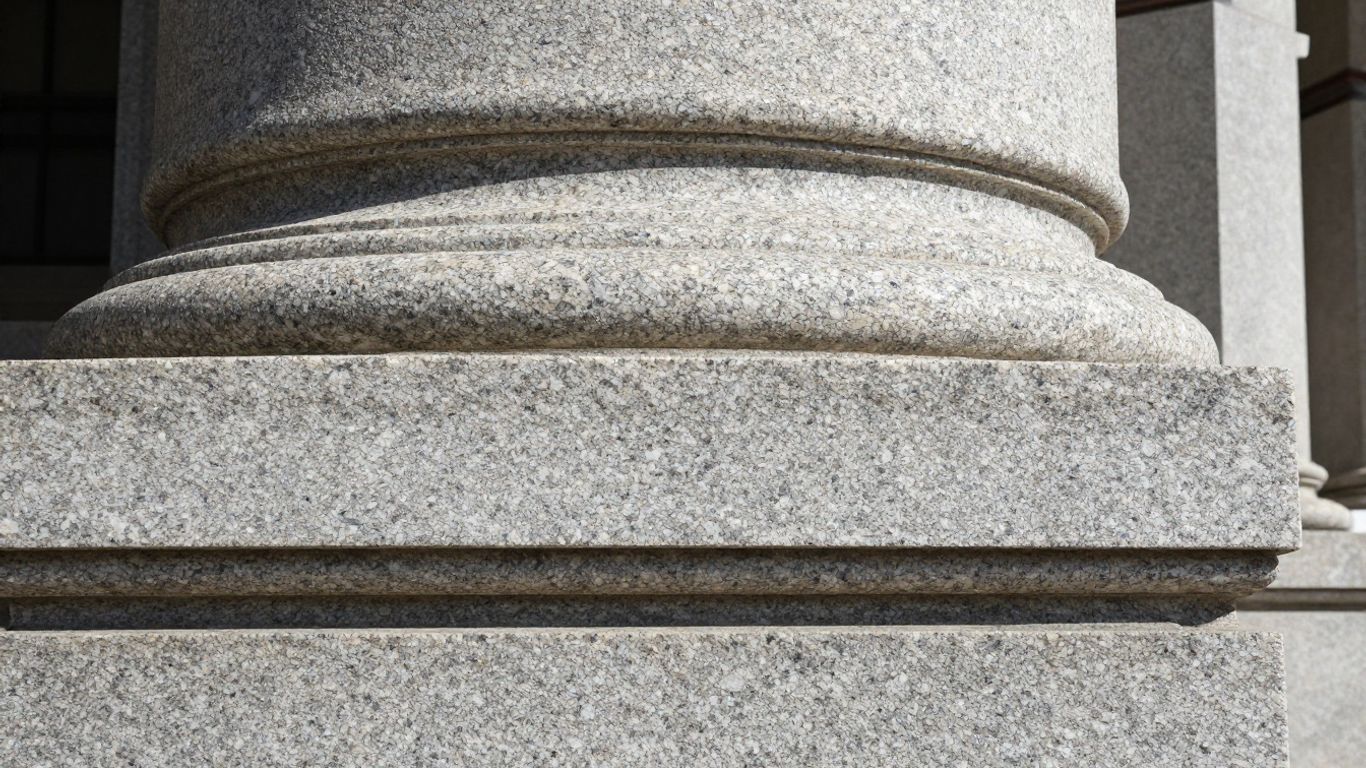
When you're building something that needs to last, you want materials you can really count on. Granite is one of those materials. It’s a super tough igneous rock, formed deep within the earth, and that origin gives it some serious staying power. This natural strength means it can handle a lot without breaking down.
Resistance to Mechanical Damage and Wear
Think about how much wear and tear a building goes through. Foot traffic, furniture moving, even just the general hustle and bustle – it all adds up. Granite is incredibly hard, ranking high on the Mohs scale of mineral hardness. This means it laughs off scratches and scuffs that would leave other materials looking rough. Unlike concrete, which can chip and crack over time, or wood that can dent, granite keeps its composure. It's also great for high-traffic areas like lobbies or staircases because it just doesn't wear down easily. You won't see it getting dull or grooved from constant use.
Exceptional Weathering and Environmental Resilience
Buildings have to deal with whatever Mother Nature throws at them, from scorching sun to freezing rain. Granite handles this like a champ. It doesn't rust like steel, it doesn't rot like wood, and it's not bothered by UV rays. This makes it a fantastic choice for exterior cladding, paving, or even structural elements that are constantly exposed to the elements. You don't have to worry about it corroding or degrading due to moisture or temperature changes. It just sits there, looking good and doing its job, year after year.
Unmatched Longevity for Enduring Structures
Choosing granite is often a decision for the long haul, sometimes for generations. Its resistance to damage and the environment means it requires very little upkeep to maintain its appearance and structural integrity. While other materials might need regular patching, sealing, or replacement, granite often just needs a good cleaning. This low maintenance aspect, combined with its inherent durability, makes it a surprisingly cost-effective choice over the lifespan of a building. It's the kind of material that contributes to a structure's legacy, standing strong long after other components might have given way. It’s a material that truly stands the test of time, making it a solid foundation for any project that aims for permanence. You can find out more about the structural integrity of buildings when using granite.
Granite's dense, crystalline structure is the secret to its incredible toughness. It's not just hard; it's also very stable, meaning it doesn't expand or contract much with temperature changes, which is a big deal for preventing cracks and structural issues over time.
Aesthetic Appeal and Design Versatility
Granite isn't just about being tough; it's also incredibly good-looking. This natural stone brings a unique kind of beauty to any building project. Think about it: each slab is like a piece of art, formed over millions of years. You just don't get that kind of character from manufactured materials.
A Spectrum of Colors and Unique Patterns
One of the coolest things about granite is the sheer variety. It comes in so many colors – deep blacks, rich greens, soft grays, creamy whites, and even vibrant reds and blues. And the patterns? They're all over the place, from subtle speckles to dramatic veins and swirls. This means that no two projects will ever look exactly the same. It’s a natural material, so you get these one-of-a-kind looks that really make a building stand out. You can find some really interesting examples of natural stone facades that showcase this diversity.
Timeless Elegance in Architectural Design
Granite has been used in buildings for ages, and for good reason. It just has this timeless elegance that works in both old and new designs. Whether you're going for a grand, classical look or something sleek and modern, granite fits right in. It adds a sense of quality and permanence that’s hard to match. It’s the kind of material that makes a building feel substantial and well-built, giving it a sophisticated and lasting appearance.
Customization for Distinctive Project Visions
Beyond its natural beauty, granite is also super adaptable. You can cut it, shape it, and polish it in different ways to get just the look you want. Need a super smooth, shiny finish? Easy. Prefer something more matte and textured? That can be done too. This flexibility means architects and designers can really get creative and tailor the stone to their specific vision for a project. It’s not a one-size-fits-all kind of material; it’s about making it work perfectly for your unique design.
Granite's natural variations mean that every installation is inherently unique. This inherent individuality is a significant draw for projects aiming for a distinctive and memorable aesthetic, moving beyond the uniformity often found in other construction materials.
Environmental Consciousness and Sustainable Practices
In today's world, thinking about the planet is a big deal, and that includes how we build things. Granite really shines here because it's a natural material. Unlike stuff that needs a lot of factory processing and chemicals, granite is just dug out of the earth, cut, and polished. This means its production has a smaller carbon footprint. It’s not burdened by the same environmental issues as synthetic materials. This natural origin is a big plus for anyone looking to build greener.
The Natural Origin and Lower Carbon Footprint
Granite is pulled straight from the ground. This means fewer factories are involved, and less energy is used compared to making concrete or other manufactured building products. While quarrying itself has an impact, the overall lifecycle of granite is often more eco-friendly. The extraction process does use heavy machinery, which is something to consider, but the material itself doesn't require complex chemical treatments for its basic form. This natural aspect is a key reason why it's seen as a sustainable choice.
Reduced Maintenance and Long-Term Cost-Effectiveness
One of the best things about granite is how little upkeep it needs. It's tough against stains and scratches, so you're not constantly fixing or replacing it. Think about it: wood needs sealing, metal can rust, but granite just keeps on going. This means less waste over time and fewer resources spent on repairs or replacements. It’s a material that truly lasts, saving you money and hassle in the long run. This durability also means fewer harmful preservatives are needed, unlike with some other natural materials that degrade faster.
Recyclability and Waste Minimization Benefits
When a building with granite is eventually taken down, the granite doesn't just have to become landfill. It can be reused! Old granite pieces can be crushed up and used for things like road base or decorative landscaping. This ability to be repurposed is a huge win for waste reduction. Instead of creating more trash, we can give this strong material a second life. This circular approach is exactly what sustainable building is all about. It’s a smart way to handle materials and keep them out of the waste stream.
Granite's natural strength and beauty mean it can be a building material that lasts for generations. Its ability to be reused at the end of its life cycle further solidifies its place as an environmentally sound option for construction projects.
Here's a quick look at why granite is a good choice:
- Natural Material: No complex manufacturing or chemical processes needed.
- Low Maintenance: Resists damage, reducing repair needs and associated waste.
- Reusability: Can be repurposed, minimizing landfill contributions.
- Durability: Lasts for a very long time, meaning fewer replacements over the building's life.
Granite's journey from the earth to a building and potentially back into use demonstrates a commitment to sustainability that many other materials just can't match. It’s a solid choice for building responsibly.
Granite's Superiority Over Alternative Materials
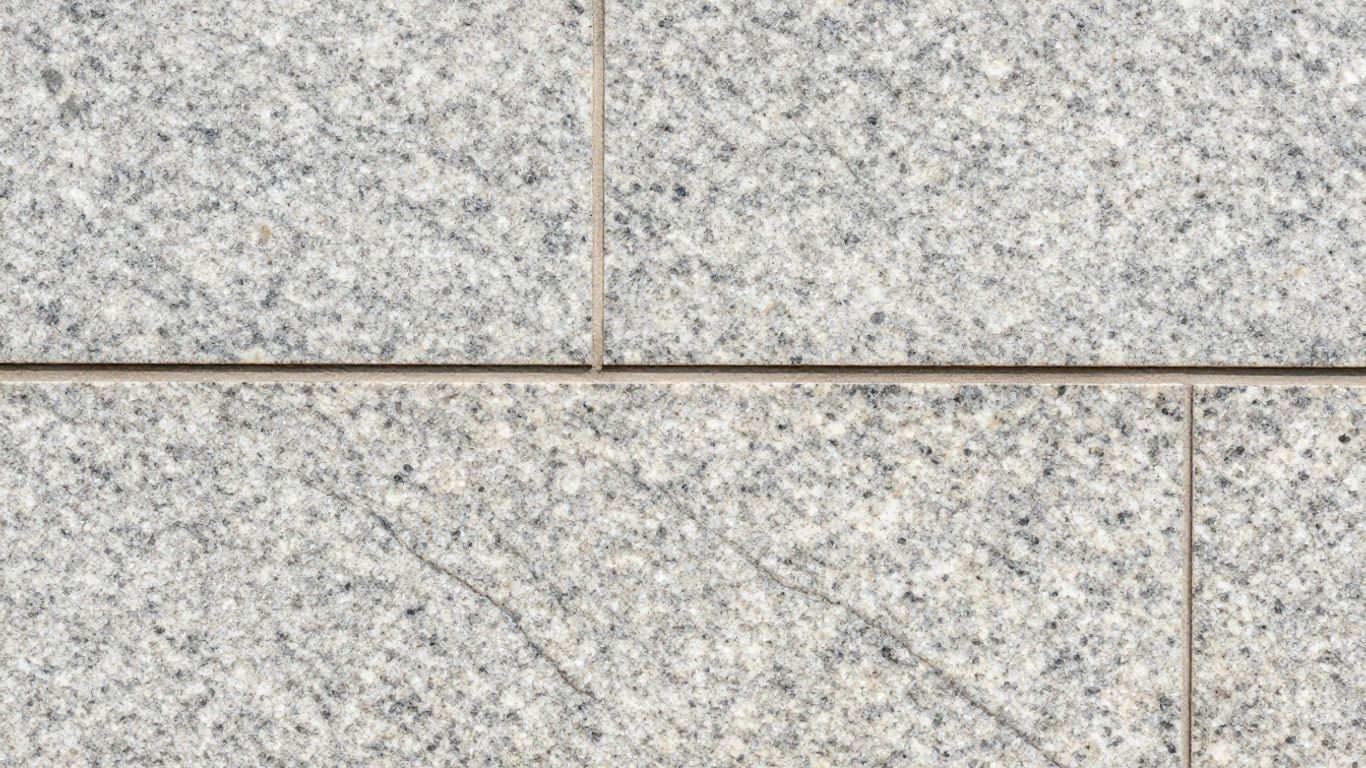
When you're picking materials for a building project, it's easy to get overwhelmed. There are so many options out there, each with its own pros and cons. But when it comes down to it, granite really shines, especially when you stack it up against other common choices. It's not just about looking good; it's about standing the test of time.
Comparing Strength Against Concrete and Ceramics
Let's talk about strength. Concrete is everywhere, right? It's strong, sure, but it can crack and crumble over time, especially with freeze-thaw cycles or constant moisture. Granite, on the other hand, is incredibly dense. It ranks high on the hardness scale, meaning it shrugs off scratches and impacts that would leave concrete looking rough. Think about high-traffic areas or places that get a lot of weather – granite just holds up better. Ceramics can be tough too, but they're often brittle and can chip or break if something heavy hits them just right. Granite is more forgiving.
Outperforming Steel and Wood in Harsh Conditions
Now, consider steel and wood. Steel is strong, but it rusts. That's a big problem in damp environments or coastal areas. Wood is beautiful, but it rots, warps, and is a feast for insects. Granite doesn't have these issues. It doesn't rust, it doesn't rot, and it's not bothered by pests. This makes it a fantastic choice for exterior applications, like facades, steps, or even bridges, where materials are constantly exposed to the elements. You don't have to worry about constant treatments or replacements like you would with wood or painted steel.
Why Is Granite Used for Buildings Over Other Options
So, why pick granite? It boils down to a few key things:
- Unmatched Durability: It resists wear, scratches, and impacts better than most materials.
- Weather Resistance: It handles rain, snow, frost, and UV rays without degrading.
- Low Maintenance: Once installed, it requires very little upkeep compared to alternatives.
- Aesthetic Variety: Its natural colors and patterns offer a unique look that manufactured materials can't replicate.
- Longevity: Granite structures can last for centuries, making it a smart long-term investment.
While materials like marble offer a certain sophisticated look, they often come with higher maintenance needs and are more susceptible to etching and staining. Granite provides a similar level of elegance but with a much more robust and forgiving nature, making it suitable for a wider range of applications where durability is paramount.
Ultimately, granite offers a blend of resilience, beauty, and longevity that's hard to beat. It's a material that doesn't just build structures; it creates legacies. For projects where lasting strength and timeless appeal are non-negotiable, granite is often the top pick. It's a material that has proven its worth over centuries, and it continues to be a smart choice for modern construction, standing the test of time.
The Lasting Word on Granite
So, when you look at buildings that have stood for ages, or even the new ones going up today, granite is often the material you're seeing. It’s tough, looks good, and doesn't mess with the planet too much. It’s not just about making things look fancy; it’s about building things that last. Whether it's a big public building or your own home, picking granite means you're going with something solid that won't let you down. It’s a smart choice, plain and simple.
Frequently Asked Questions
Is granite really as strong as people say?
Yes, granite is incredibly strong! It's one of the hardest natural stones out there. This means it can handle a lot of wear and tear, like scratches and bumps, without showing much damage. Think of it like a super tough shield for your building.
Can granite handle bad weather?
Absolutely. Granite is great at dealing with rain, snow, sun, and even freezing temperatures. Unlike materials like wood that can rot or metal that can rust, granite stays strong and looks good no matter the weather. It's perfect for buildings that need to last a long time outside.
Does granite look boring or all the same?
Not at all! Granite comes in so many different colors and has unique patterns, like natural artwork. This means every piece is a little different, giving buildings a special and beautiful look that you can't get with plain materials like concrete.
Is granite good for the environment?
Granite is a natural material, so it doesn't need lots of chemicals to be made like some other building stuff. Plus, because it lasts so long and doesn't need frequent fixing, it's a more eco-friendly choice. When buildings made of granite are old, the stone can even be used again for other things.
Is granite more expensive than other building materials?
While the first cost might seem a bit higher than some things, granite is a really smart buy over time. Because it lasts so long and needs very little upkeep, you save money on repairs and replacements. It's an investment that pays off for many, many years.
Can granite be used for different parts of a building?
Yes, granite is super versatile. It's used for everything from the outside walls and foundations to inside floors, countertops, and decorative features. Its strength and beauty make it a great choice for almost any part of a building project.


