

Marble vs. Quartzite Cost: A Comprehensive Breakdown for Your Next Renovation
GMS Kumar
So, you're thinking about redoing your kitchen or bathroom and trying to figure out the whole marble vs quartzite cost thing. It's a big decision, and honestly, the price tag is a huge part of it. But it's not just about what you pay upfront. We need to look at the whole picture, from how much it costs to keep it looking good over the years to how it holds up to everyday life. Let's break down the marble vs quartzite cost so you can make a smart choice for your home.
Key Takeaways
- Quartzite usually costs more upfront than marble, but its durability can mean lower long-term expenses.
- Marble offers a classic luxury look but comes with higher maintenance and potential repair costs.
- The total cost of ownership includes not just the price per square foot, but also sealing, cleaning supplies, and possible repairs.
- Both marble and quartzite are natural stones, meaning each slab has unique patterns and colors.
- Consider your lifestyle: busy households might prefer the lower upkeep of quartzite, while a less-used space might suit marble's elegance.
Understanding The Core Differences: Marble Versus Quartzite
Before we get into the nitty-gritty of costs, let's clear up what we're actually talking about when we say marble and quartzite. It's easy to get them mixed up, especially since they both look pretty fancy. But trust me, they're not the same beast at all.
What Constitutes Quartzite?
So, quartzite. Think of it as nature's powerhouse. It starts out as sandstone, which is basically just a bunch of quartz grains all stuck together. Then, deep underground, it gets put through the wringer – tons of heat and pressure. This whole process fuses those grains into this super dense, incredibly hard natural stone. It's like the sandstone went to a really intense spa treatment and came out a completely different, much tougher material. Because of how it's formed, quartzite often has these cool, wavy patterns and striations, giving it a look that can sometimes remind people of marble, but with way more grit.
The Nature of Marble
Marble, on the other hand, is formed from limestone. When limestone gets heated and squeezed, the calcite inside it recrystallizes. This is what gives marble its signature look – those beautiful, often dramatic veins that have made it a symbol of luxury for ages. From ancient statues to fancy kitchen islands, marble has always been about that classic, elegant vibe. Every slab of marble is a unique piece of art. It's softer than quartzite and, importantly, it's more porous. This means it can absorb liquids more easily, which is something to keep in mind for your kitchen or bathroom.
Key Material Compositions
To make things super clear, here’s a quick rundown of what these stones are made of and how they stack up:
- Quartzite: A natural metamorphic rock, born from sandstone under intense heat and pressure. It's mostly quartz crystals fused together.
- Marble: A natural metamorphic rock, formed from limestone. Its composition is primarily calcite.
Here's a little table to help visualize:
| Property | Quartzite | Marble |
|---|---|---|
| Type | Natural Stone | Natural Stone |
| Origin | Metamorphic Sandstone | Metamorphic Limestone |
| Main Component | Fused Quartz Crystals | Calcite |
| Mohs Hardness | 7 (Very Hard) | 3 (Softer) |
| Porosity | Low (Requires Sealing) | High (Requires Regular Sealing) |
| Pattern Variation | Unique veining and patterns per slab | Unique veining and patterns per slab |
| Scratch Resistance | Excellent | Fair |
| Etch Resistance | Excellent | Poor (Sensitive to Acids) |
Understanding these basic differences is the first step in figuring out which stone will actually work best for your home and your lifestyle. It's not just about looks; it's about how the material behaves day-to-day.
Initial Investment: Price Per Square Foot Analysis
When you're looking at new countertops, the sticker price is usually the first thing that grabs your attention. It makes sense, right? You need to know what you're getting into financially before you even start dreaming about how that new surface will look. But here's the thing: the cost per square foot for marble and quartzite can swing quite a bit. It's not just about the material itself; a bunch of other stuff plays into the final number.
Budget-Friendly Ranges
For those keeping a close eye on the budget, you might find some entry-level options. Marble, often seen as a luxury, can sometimes be found in more basic grades or with simpler veining in the lower price brackets. Think of it as the everyday marble, still beautiful but without those super rare, dramatic patterns. Quartzite, on the other hand, generally starts a bit higher. It's a natural stone that requires more effort to quarry and process, so even the most basic quartzite slabs tend to be pricier than the most affordable marble. You're looking at a starting point that's often a bit more than what you'd pay for basic granite, for example.
Mid-Range Selections
This is where things get really interesting for most homeowners. In the mid-range, you'll find a much wider variety of both marble and quartzite. For marble, this is where you'll see those classic Carrara or Calacatta slabs with lovely, consistent veining. They offer that timeless elegance without breaking the bank. Quartzite in this category starts to show off its unique character. You'll find slabs with more intricate patterns, bolder colors, and that distinctive crystalline sparkle that makes quartzite so appealing. This mid-tier is often the sweet spot, balancing aesthetic appeal with a more manageable cost.
Premium Slab Pricing
Now, if you're aiming for the absolute top-tier, prepare for some sticker shock. Premium marble often means exotic varieties, rare colors, or exceptionally dramatic veining that makes each slab a true work of art. Think of those deep, dark marbles or those with incredibly intricate, almost painterly patterns. Quartzite also hits premium heights, especially with unique colors like blue quartzite or slabs that mimic the look of exotic marbles but with quartzite's durability. These slabs are often priced per square foot based on their rarity and visual impact, and they can easily go up to $200 or even more per square foot, not including fabrication and installation. It's a significant investment for a truly one-of-a-kind look.
| Material | Budget Range (per sq ft) | Mid-Range (per sq ft) | Premium Range (per sq ft) |
|---|---|---|---|
| Marble | $40 - $75 | $75 - $125 | $150 - $250+ |
| Quartzite | $70 - $100 | $100 - $150 | $150 - $200+ |
Remember, these prices are just for the raw slab material. Fabrication, edge profiles, sink cutouts, and installation labor will add to the final cost. Always get detailed quotes that break down all these components.
Long-Term Value: Total Cost of Ownership
So, you've picked out a gorgeous slab of marble or quartzite. That's awesome! But before you get too excited, let's chat about what happens after it's installed. The sticker price is just the beginning, you know? Thinking about the total cost of ownership means looking at the whole picture, not just the initial splurge.
Maintenance Expenses Over Time
This is where things can really start to add up, especially with marble. It's beautiful, no doubt, but it's also a bit high-maintenance. You'll need to seal it regularly, and depending on your climate and how much you use your kitchen, that could be every 6 to 12 months. Then there's the special cleaners you'll want to use to keep it looking its best. Quartzite is a bit more forgiving. It still needs sealing, but usually only every year or two, and it's less fussy about what you use to clean it.
- Marble: Requires frequent sealing (every 6-12 months), specialized cleaners, and occasional professional polishing to deal with etching.
- Quartzite: Needs sealing less often (every 18-24 months), and standard pH-neutral cleaners are generally fine.
Remember, these aren't one-time costs. They're recurring expenses that, over a decade, can make a big difference in your overall budget.
Repair Costs and Frequency
Let's be real, kitchens get a lot of action. Things get dropped, spills happen. Marble is pretty soft, so etching and staining are almost a given if you're using it regularly. Fixing those issues, especially if you need a professional to buff out etching, can get pricey. Quartzite, on the other hand, is super hard. It's much less likely to get scratched or stained, so you're probably looking at fewer repair bills. Most homeowners find that quartzite countertops hold up really well over time with minimal fuss.
Here's a rough idea of what to expect:
| Material | Likelihood of Repair (10 yrs) | Common Issues | Estimated Repair Cost (per incident) |
|---|---|---|---|
| Marble | High (70-80%) | Etching, staining, chips | Moderate to High |
| Quartzite | Low (10-15%) | Minor chips | Low to Moderate |
The Impact of Sealing Requirements
Sealing is your countertop's protective shield. For marble, it's a constant battle against liquids and acids. If you skip sealing or don't do it often enough, you're practically inviting stains and etching. Quartzite also needs sealing to keep it from absorbing liquids, but it's a more robust stone, so the seal tends to last longer. This means less worry about spills and fewer professional appointments to keep it protected. It's a trade-off between that luxurious marble look and the practical upkeep that keeps your kitchen looking great.
Durability and Performance Factors
Quartzite and marble bring a lot to the table, but their toughness and how they handle kitchen chaos are pretty different. Getting a slab installed isn’t just about picking a pattern — you want to know how your surface will handle everything from a dropped pot to that surprise spaghetti spill. Let’s break it down by the big durability and performance points:
Scratch and Chip Resistance
Quartzite is much harder than marble and stands up to scrapes and everyday banging far better. That high quartz content makes quartzite tough — it’s actually rated around 7 on the Mohs scale, while marble comes in much softer, around 3. What does that mean day to day?
- Quartzite resists scratching from knives, keys, or accidental drops.
- Marble can develop nicks or scratches if you aren’t careful, especially with heavy or sharp objects.
- Chips are rare with quartzite, but not unheard of on marble — those fancy edges take the brunt.
If your family tends to skip cutting boards, quartzite just makes life easier.
| Property | Quartzite | Marble |
|---|---|---|
| Mohs Scale Hardness | 7 | 3 |
| Scratch Resistance | High | Low |
| Chipping Likelihood | Low | Moderate |
You can read more on quartzite's superior scratch resistance and how it holds up in busy kitchens.
Stain and Etching Vulnerability
This is where things really split. Both stones are natural and porous, but marble soaks up liquids faster and reacts with acidic stuff (like lemon juice, tomato sauce, even vinegar), leaving dull spots called etches. Quartzite, on the other hand, is more dense, so stains and etching don't happen as easily.
Key differences:
- Marble will stain and etch if not sealed frequently
- Quartzite is less likely to stain but still benefits from periodic sealing
- Red wine or oil can mark marble quickly if spilled
For households that see a lot of spills or love to cook, marble requires a little more attention and fast cleaning to avoid those permanent marks.
Heat Tolerance Comparison
Another thing to keep in mind: how each stone responds to heat. You might like putting hot pans directly on your countertop, but not all stone can handle that! Here’s how marble and quartzite compare:
- Quartzite deals much better with high heat — you can sometimes set a warm pan down (though using trivets is still safest)
- Marble can discolor or even crack with sudden hot items directly touching it
Hot tips:
- Always use trivets or potholders, especially with marble.
- Never pour boiling water straight onto a marble counter.
- Quartzite will tolerate kitchen heat better than marble, but both can be damaged by thermal shock (rapid temperature changes).
| Feature | Quartzite | Marble |
|---|---|---|
| Heat Resistance | Excellent | Good |
| Prone to Thermal Shock | Low | Moderate |
| Recommended for Cooktops | Yes | If careful |
In short, when it comes to durability — especially for folks who use their kitchens for more than show — quartzite really shines. It shrugs off scratches, handles heat, and shrugs off most stains with less fuss than marble. Meanwhile, marble requires a bit more care but offers a classic look many people still love. Your lifestyle and habits might tip the balance one way or another — and that’s what matters most in the end.
Aesthetic Appeal and Design Versatility
When you're picking out stone for your kitchen or bathroom, how it looks is a big deal, right? Both marble and quartzite bring their own kind of beauty to the table, but they do it in different ways. It's not just about the color; it's about the whole vibe they create.
Unique Patterns and Veining
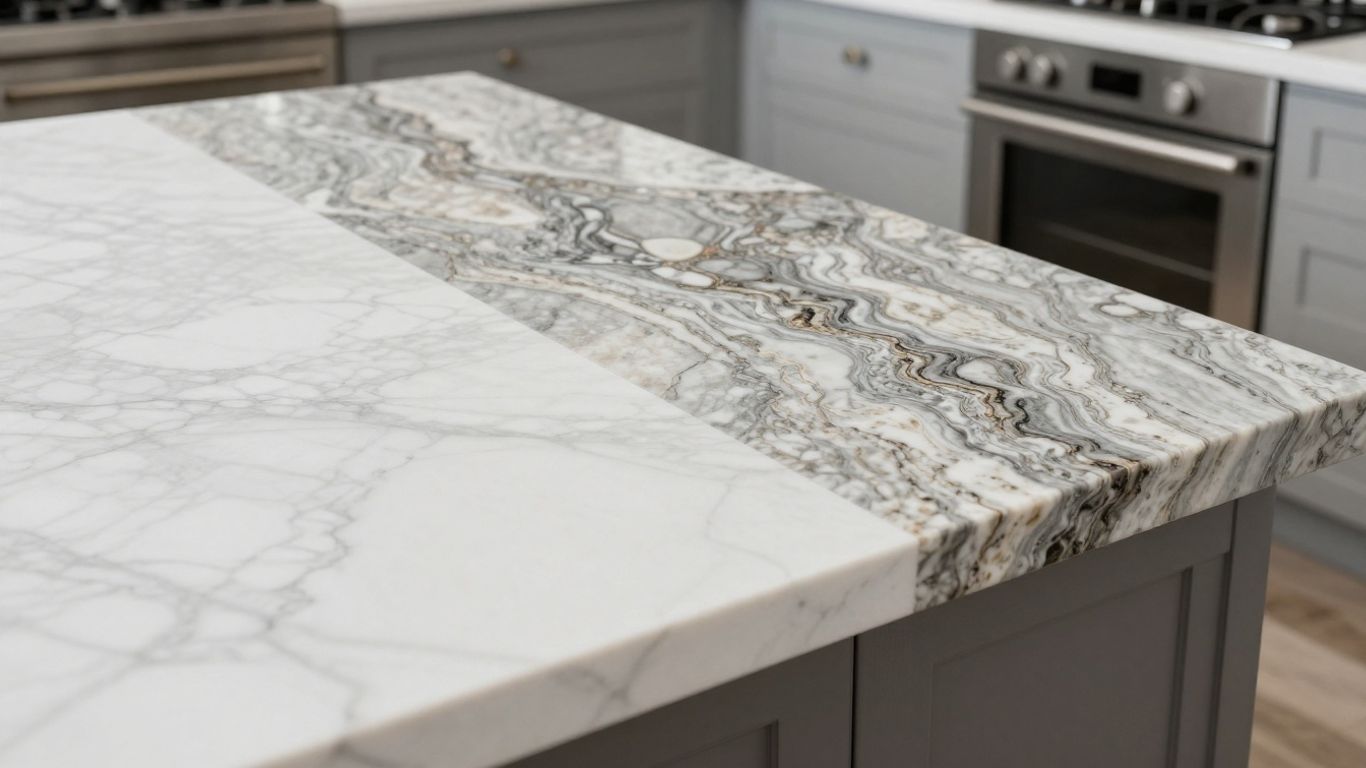
Marble is famous for its dramatic, swirling veins. Think of it like a piece of art – no two slabs are exactly alike. You get these beautiful, organic patterns that can range from subtle wisps to bold, striking lines. This natural variation is what gives marble its luxurious, classic feel. It’s a statement piece, for sure.
Quartzite, on the other hand, often has a more subdued, yet still interesting, look. While it can have veins, they're usually more linear and less dramatic than marble's. Some quartzite slabs look almost like a solid color from a distance, but up close, you see subtle mineral movements and crystalline structures. It can offer a cleaner, more modern aesthetic, or sometimes a look that mimics marble but with a different kind of depth. If you're after a consistent look, quartzite might be your pick. For those who love the unpredictable beauty of nature, marble is hard to beat. You can find some really unique quartzite patterns that look like abstract paintings, which is pretty cool too.
Finish Options: Polished to Honed
The way you finish the stone really changes how it looks and feels. You've got a few main choices:
- Polished: This gives you a super shiny, reflective surface. It makes colors pop and can make a space feel brighter. But, be warned, it shows fingerprints and scratches more easily. It’s great for a formal look.
- Honed: This is a matte finish, so no shine. It feels smooth and velvety. It’s a bit more forgiving with smudges and minor wear, making it good for busy areas. It gives a more relaxed, contemporary vibe.
- Leathered: This finish has a textured, slightly bumpy feel, almost like leather. It hides fingerprints and minor imperfections really well, which is a big plus for families. It adds a rustic or natural touch.
Color Palettes and Trends
Marble naturally comes in a range of colors, from classic whites and grays with black veining to warmer creams and even some bolder hues like green or pink. It’s timeless, really. Trends in marble often revolve around the intensity and color of the veining.
Quartzite, being a metamorphic rock, can also show up in a variety of colors, often influenced by the minerals present during its formation. You'll find whites, grays, beiges, and even pinks, blues, and greens. Lately, there's been a trend towards warmer tones, like gold and bronze veining, moving away from the cooler grays that were popular for a while. Deep, moody colors like charcoal or forest green are also making a statement for those wanting a dramatic look. Ultimately, both stones offer a lot of flexibility, but the specific look you get depends on the individual slab and the finish you choose. It's all about finding that perfect match for your home's style. For a more durable, low-maintenance option that still offers visual interest, quartz countertops are worth considering, especially in busy kitchens.
Installation Complexities and Associated Costs
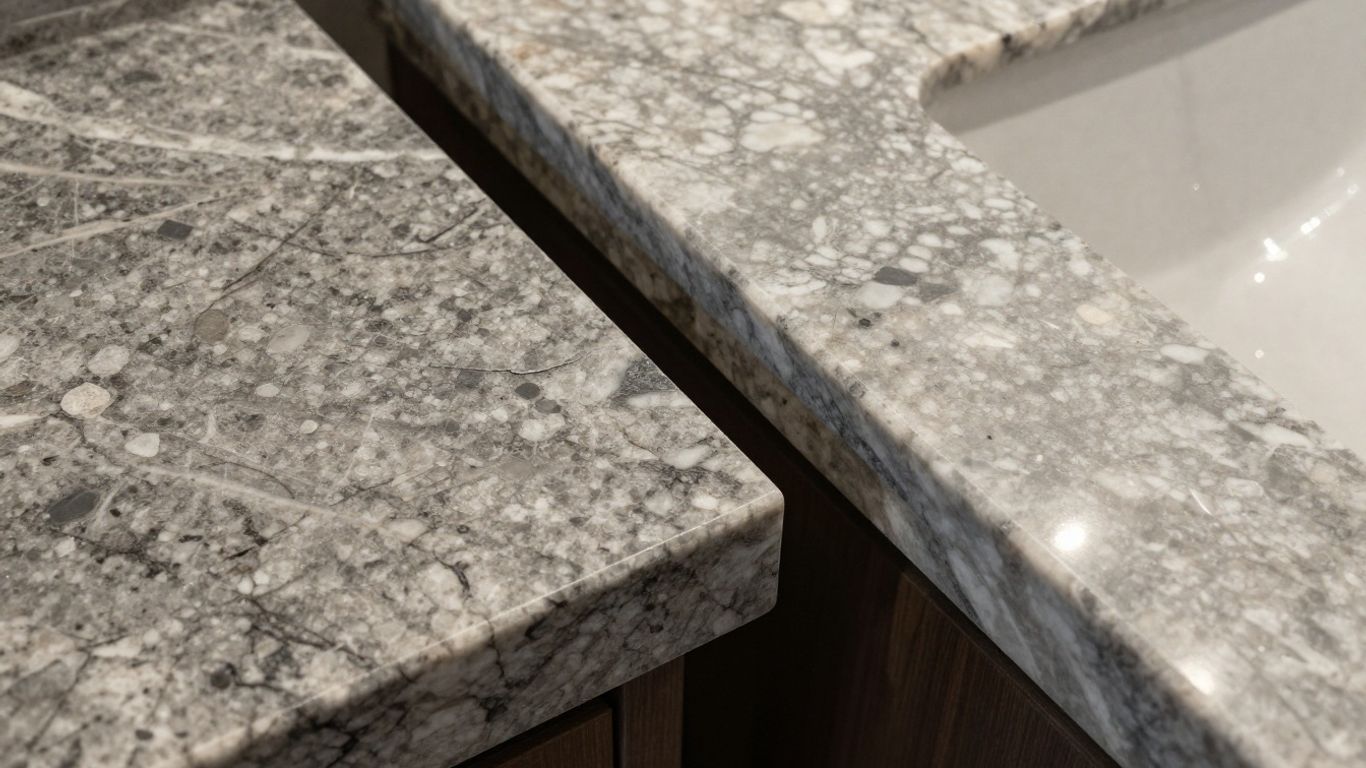
So, you've picked out the perfect slab, but before it graces your kitchen, there's the matter of getting it installed. This is where things can get a bit tricky, and honestly, a bit pricey too. The type of stone you choose really impacts how much work it's going to be for the fabricators and installers.
Fabrication Challenges
Quartzite, being super hard, is a real challenge to cut and shape. It takes specialized tools and a lot of skill to get clean edges and precise cuts without chipping or cracking the stone. This difficulty means fabricators often charge more for working with quartzite compared to marble. Marble, while softer, can be more prone to chipping during fabrication if not handled with extreme care, especially with intricate designs. The hardness of quartzite is a double-edged sword: it makes it durable but significantly increases fabrication costs.
Edge Profile Choices
Beyond the basic straight edge, there are tons of edge profiles you can choose from, and each one adds to the cost. Simple eased or square edges are usually standard and included in the base price. But if you're dreaming of a fancy bullnose, ogee, or a custom multi-layered edge, expect to pay extra. These more complex profiles require more time and precision from the fabricator, especially with harder stones like quartzite. The more detailed the edge, the higher the labor cost will be.
Geographic Pricing Variations
Where you live plays a surprisingly big role in installation costs. Big cities or areas with a high cost of living will naturally have higher labor rates. You might find that getting a quartzite countertop installed in a major metropolitan area costs more than in a smaller town. It's not just about labor, though; transportation costs for getting the slabs to your location can also vary. It's always a good idea to get quotes from a few different local stone suppliers to compare pricing in your specific area.
Remember, the installers are not just placing the stone; they're ensuring it's perfectly level, properly supported, and seamlessly integrated into your kitchen. This craftsmanship is what prevents future problems and ensures your beautiful new countertops last for years. Don't skimp on this part of the process.
Here's a general idea of how edge profiles can affect costs:
- Standard Edges (Eased, Square): Often included or a minimal upcharge.
- Semi-Custom Edges (Bullnose, Bevel): Moderate additional cost.
- Custom/Complex Edges (Ogee, Waterfall, Multi-layered): Significant upcharge due to increased labor and skill required.
When you're getting quotes, make sure to ask what's included. Sometimes, basic installation is quoted, and then edge profiles, sink cutouts, and other details are added on. Understanding the full picture upfront helps avoid sticker shock later.
Lifestyle Considerations for Your Choice
When you're picking out countertops, it's not just about how pretty they look or how much they cost upfront. You've really got to think about how you actually live your life day-to-day. This is where the rubber meets the road, so to speak, and can make a huge difference in how happy you are with your choice down the line.
Ideal For Busy Households
If your home is a whirlwind of activity, with kids, pets, and maybe even a chaotic morning routine, you'll want something that can handle a bit of a beating. Quartzite is generally a much more forgiving option for busy families. It's tough, resists scratches and stains better than marble, and doesn't require constant wiping down. Think about it: are you the type to meticulously clean up every little spill the second it happens, or are you more likely to deal with it when you have a spare moment? If it's the latter, quartzite is probably your best bet. Marble, while stunning, can be a bit high-maintenance in a busy environment. It's more prone to etching from acidic substances like lemon juice or vinegar, and spills need prompt attention.
Suitability for High-Traffic Areas
Kitchens and bathrooms are often the busiest spots in the house. For these high-traffic zones, durability is key. Quartzite stands up well to the daily grind. It's a natural stone that's incredibly hard, making it resistant to chips and scratches that can happen from everyday use, like placing hot pans or dropping utensils. Marble, on the other hand, is softer and more porous. While it can be sealed, it's still more susceptible to damage in areas that see a lot of action. If you're looking for a material that will maintain its pristine look with minimal fuss in a busy kitchen, quartzite is a strong contender. For areas that get less use, like a guest bathroom vanity, marble might be more manageable.
Balancing Luxury with Practicality
Ultimately, the choice between marble and quartzite often comes down to finding that sweet spot between the luxurious look you desire and the practical demands of your lifestyle. Marble offers that timeless, high-end appeal that many people dream of for their homes. It has a unique beauty that can't quite be replicated. However, this luxury comes with a need for careful handling and regular upkeep. Quartzite offers a similar natural stone beauty, often with dramatic veining, but with a significantly more robust performance profile. It's a material that lets you have that natural stone elegance without the constant worry. It's about understanding your own habits and preferences to make a choice that you'll be happy with for years to come.
Choosing a countertop material is a significant decision that impacts your daily life. Consider not just the initial cost and appearance, but how the material will hold up to your specific household activities and how much maintenance you're willing to undertake. A material that aligns with your lifestyle will provide greater satisfaction and longevity.
So, What's the Verdict?
Alright, so we've looked at marble and quartzite, and let's be real, they both bring a lot to the table, literally. Marble gives you that timeless, high-end look that's hard to beat, but you've gotta be ready to baby it a bit with regular sealing and careful cleaning. Quartzite, on the other hand, is like the tough kid who still looks amazing. It gives you a lot of that natural stone beauty, often with marble-like veining, but it's way more forgiving when it comes to scratches and stains. While quartzite can sometimes cost a bit more upfront than marble, its lower maintenance needs over time can really balance things out. Ultimately, the best choice really boils down to what you value most: are you going for pure, classic elegance and don't mind the upkeep, or do you want that natural stone vibe with a side of 'set it and forget it' durability? Think about your lifestyle, how you use your kitchen, and your budget, and you'll find the perfect fit for your home.
Frequently Asked Questions
What's the main difference between quartzite and quartz?
Think of it this way: Quartzite is a natural stone that forms deep in the earth from heat and pressure, kind of like how a diamond is made. It's super tough! Quartz, on the other hand, is man-made. It's engineered in a factory using ground-up quartz mixed with resins and other stuff. While they sound similar, they're totally different in how they're made and how they perform.
Is quartzite really as durable as people say?
Yes, quartzite is incredibly strong and tough! It's much harder than marble and even harder than granite. This means it's really good at resisting scratches and chips, making it a great choice for busy kitchens where things can get a little rough.
Does quartzite stain easily?
Quartzite is pretty good at resisting stains, especially compared to marble. However, since it's a natural stone, it can be a little bit porous. This means it's a good idea to seal it when it's installed and then again every few years. Sealing helps prevent liquids like wine or oil from soaking in and causing a stain.
How does the cost of quartzite compare to marble?
Generally, quartzite tends to be more expensive than marble when you first buy it. This is because it's harder to find and quarry, and it takes special tools to cut. While marble might seem cheaper at first, you might end up spending more over time on cleaning and repairs, so the long-term cost can be different.
Can I put hot pans directly on quartzite countertops?
Quartzite is excellent when it comes to handling heat! It's much more heat-resistant than marble. While it's usually safe to put a hot pot or pan on it for a short time, it's always best to use a trivet or hot pad to be extra safe and protect your investment for years to come.
What kind of maintenance does quartzite need?
Quartzite is relatively low-maintenance, which is a big plus! You'll want to clean it with mild soap and water or a pH-neutral cleaner. The most important thing is to make sure it's sealed properly when installed and resealed every couple of years. This simple step helps keep it looking beautiful and prevents stains.


