No, quartz isn't banned. But something did change in 2026, the Health and Safety Executive stepped in, and the headlines asking is quartz banned in the UK have had customers ringing us genuinely worried. If you've just had quartz fitted, or it's going in next month, I get why those headlines sting. Let me walk you through what actually happened.
The HSE acted in May 2026. It's a real change, not a scare story, and it's worth ten minutes of your time. So if you're wondering is quartz banned in the UK, here's what matters: what does the guidance require, who does it actually hit, is the worktop in your kitchen fine, and does any of this matter if you're mid way through planning a new one? All of that, below.
So, Is Quartz Actually Banned in the UK?
Short version: no. When people ask is quartz banned in the UK, the plain fact is you can still buy engineered stone, still have it fitted, still live with it. That hasn't moved an inch.
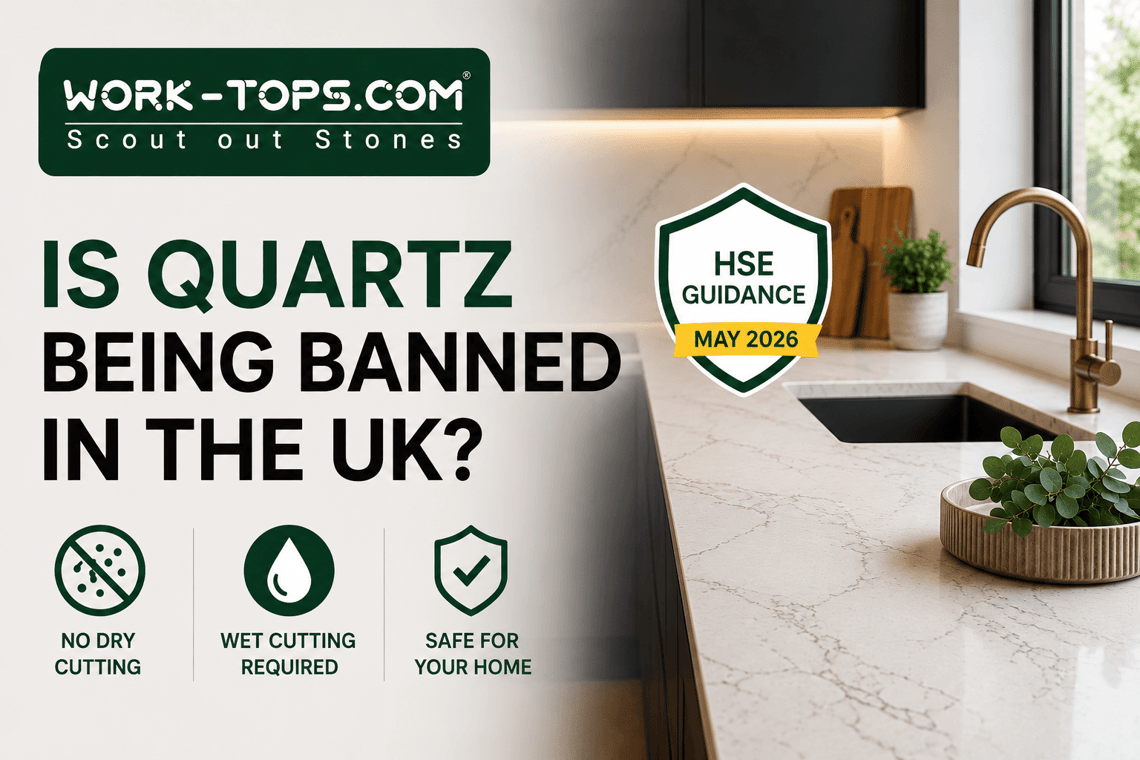
What the HSE did was go after how the stone gets cut in the workshop. Its May 2026 guidance says, in plain terms, that dry cutting engineered stone is unacceptable, and that water suppression is how a business stays on the right side of the law.
A workshop rule, then, not a shopping rule. So when people ask is quartz banned in the UK, the honest answer is that it's the cutting that's regulated, not the sale. Still torn between materials? Our quartz versus granite piece is a decent starting point.
Why the HSE Stepped In
None of this lands properly without the health bit. Most "quartz" worktops are engineered stone, which is crushed quartz bound with resin, and the silica in it can reach 95%.
In your kitchen? Completely harmless. The trouble is the cutting. Grind or polish that stone and it throws off respirable crystalline silica, dust so fine you never see it. Breathe it in year after year and it scars your lungs. That's silicosis, and there's no cure and no undo button.
Two young fabricators died of it. That, plus pressure from MPs, unions and doctors, is what forced the issue. The HSE spent two years digging into it, and its own testing showed dry cutting throwing out five to ten times more silica dust than the wet method with the very same tools. That number is really the whole reason the guidance exists, and why people started asking is quartz banned in the UK in the first place.
What the 2026 Guidance Actually Requires
Strip it back and the guidance is one idea: stop cutting dry, cut wet instead. It's the first COSHH sheet the HSE has ever written just for engineered stone, and it tells employers to do four things, use lower silica stone, run on tool water suppression and keep the mist down, hand out proper respiratory kit, and check workers' health regularly.
And they mean it. Inspectors are making 1,000 plus visits to fabricators across Britain over the year, and they're taking action where they find problems. Four businesses had already been served stop work notices by the end of May. Cut dry and get caught, and your workshop can be closed on the day. There's even a phone line, 0300 003 1647, if a worker wants to report a shop.
Does This Affect My Existing Quartz Worktop?
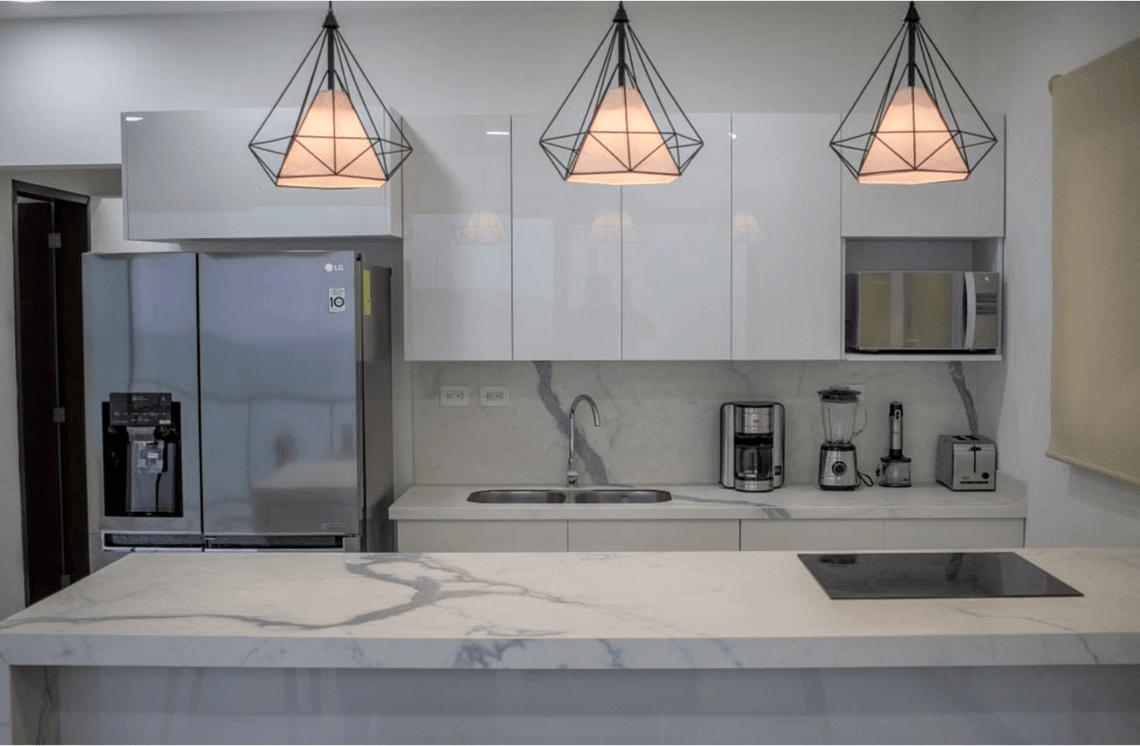
This is the one I hear most, right alongside is quartz banned in the UK, and here's the reassuring bit: the worktop already sitting in your kitchen is completely safe.
Fitted quartz is sealed and inert. Nothing shedding, nothing off gassing, nothing drifting into your food. The danger lives entirely in the cutting stage, and that's done in a workshop, not on your countertop while you're making dinner.
So cook, wipe down, host, all as normal. Want it looking showroom fresh? Our guide to cleaning quartz worktops sorts that.
Should I Still Buy Quartz in 2026?
Would I still fit it in my own kitchen? Yes. Asking is quartz banned in the UK is really asking whether it's safe to buy, and the guidance doesn't change what quartz is for a homeowner, it just raises the bar on who you buy it from.
Three quick things to ask:
How do you cut it? A good fabricator wet cuts with extraction as standard, and won't get cagey when you ask.
Got a lower silica option? The HSE found lower silica stone comes at the same quality, so there's no reason to dodge it, and plenty of big brands now carry it.
What else is out there? Fancy skipping the whole debate? Granite carries far less silica, and our guide to beautiful natural stone worktops lays out the choices.
What About Marble as an Alternative?
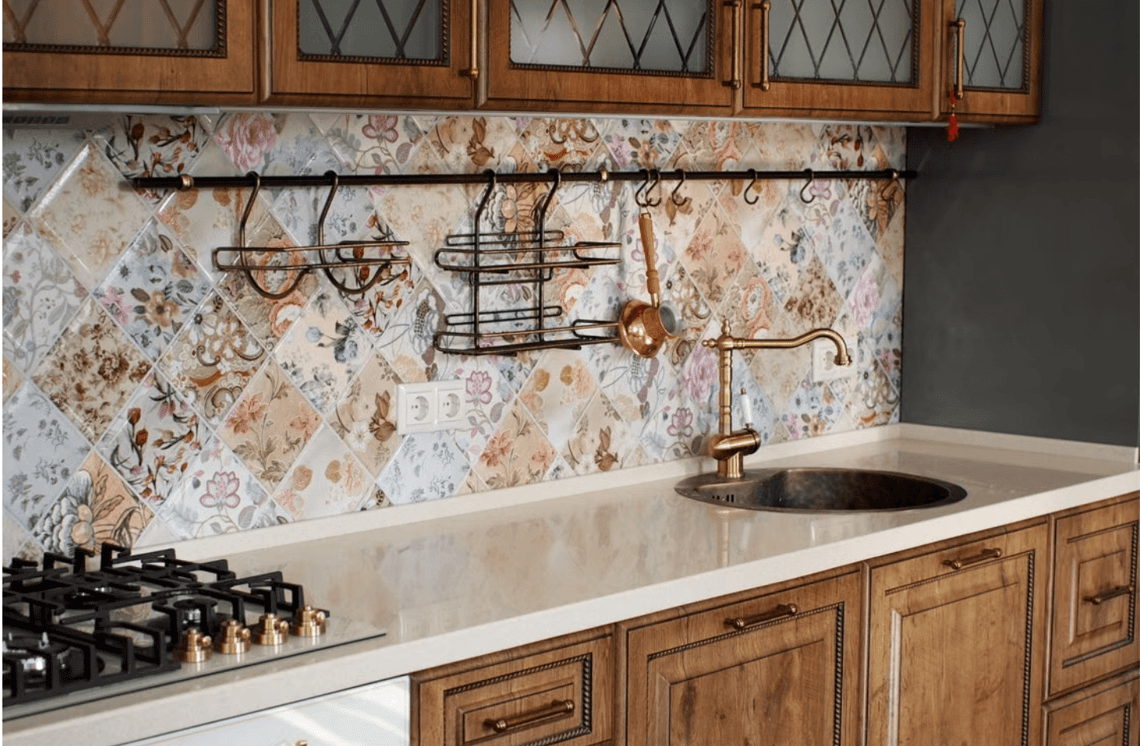
Gone off quartz a bit? Marble deserves a look. It's natural stone, so its silica sits well under engineered quartz, and honestly not much touches it for presence. That veining, the fact no two slabs match, the character resin just can't fake, it's why marble still lands as the showpiece in so many kitchens.
It does want more from you, mind. Softer, more porous, needs sealing and a gentler wipe down. Worth it in the right room, though. Our marble worktops for kitchens run from crisp whites to deep dramatics and warm neutrals, so most schemes find a match. Quiet Carrara or something louder, marble shifts the whole feel of a room.
And on budget, our 2026 quartz worktops buyer's guide breaks down pricing and picks.
What Might Happen Next?
Being straight with you, this isn't settled. Some unions want the lot banned and reckon the guidance is too soft, pointing at Australia, which outlawed engineered stone completely back in 2024. So while the answer to is quartz banned in the UK is no today, the campaigners haven't packed up.
For now the UK line is simple enough, regulate the cutting hard, enforce it harder, keep the product on sale. For you at home that means the same conclusion: buy quartz with confidence, as long as your supplier takes worker safety seriously.
The Bottom Line for Homeowners
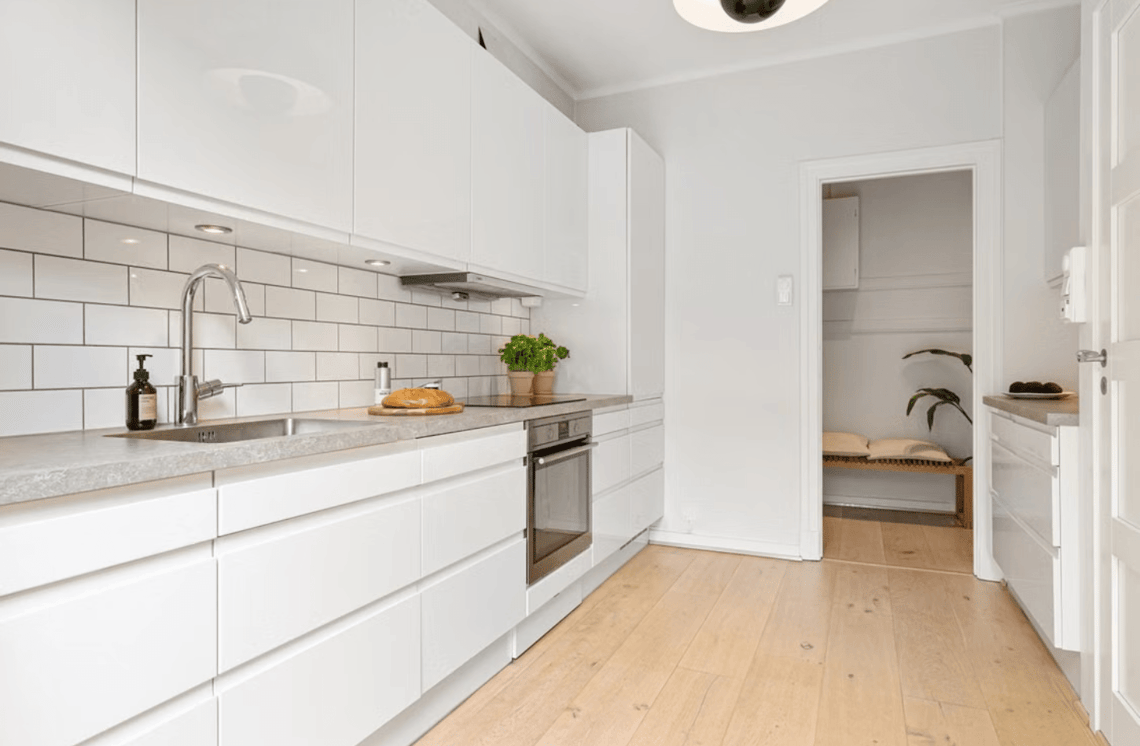
So, is quartz banned in the UK? No. The 2026 HSE guidance is aimed at dangerous dry cutting in workshops, not the slab in someone's kitchen. Yours is fine, and new quartz is still very much for sale. If you take one thing from all the is quartz banned in the UK worry, let it be this: the only thing that really matters is picking a supplier who plays it straight.
At Work Tops we take this seriously and buy from suppliers who do too, so you get a gorgeous surface without the nagging worry. Planning an upgrade and want an honest steer on the right material? Have a look through our worktop range and get in touch, we're always happy to help you land on the right one.
Frequently Asked Questions
Is quartz banned in the UK in 2026?
No. Quartz and engineered stone aren't banned. The HSE has called dry cutting unacceptable, but that's about how worktops are made, not whether you can buy or own one.
Is my existing quartz worktop dangerous?
No. A fitted worktop is sealed and inert and puts no dust into your home. The silica risk is confined to cutting and polishing in a workshop.
What is the health risk with quartz?
Cutting engineered stone releases respirable crystalline silica dust, and years of it can cause silicosis, an incurable lung disease. The people at risk are the fabricators, not anyone using the finished top at home.
Can I still buy quartz worktops?
Yes. Buy and fit away, just pick a supplier and fabricator who wet cut with proper dust control, and ask about lower silica options.
Could quartz be banned in the future?
Maybe. Some unions want a full ban like Australia's. For now the UK is regulating how it's cut rather than banning it.