

Exploring the Diverse Basalt Uses: From Construction to Art
GMS Kumar
Basalt is a pretty common rock, you know? It comes from volcanoes and makes up a huge part of the Earth's crust, especially under the oceans. But it's not just some boring geological thing; basalt uses are all over the place! From building our roads to making cool art and even helping the environment, this dark, dense rock is surprisingly useful. Let's take a look at all the different ways we use basalt.
Key Takeaways
- Basalt is a workhorse in construction, used for everything from road aggregate and concrete to railroad ballast, thanks to its strength and durability.
- In landscaping and architecture, basalt adds both beauty and function as decorative stones, paving materials, and wall cladding.
- Industrially, basalt is transformed into insulation (stone wool) and used as a filtration medium, with ongoing research into high-tech applications.
- The rock shows promise in environmental efforts, potentially aiding carbon sequestration and improving soil health in agriculture.
- Basalt's geological significance is immense, helping us understand Earth's crust, tectonic activity, and even formations on other planets.
Foundational Uses Of Basalt In Construction
Aggregate For Roadways And Concrete
Basalt's tough nature makes it a go-to material for building roads and making concrete. When you crush it up, it creates a really solid aggregate that holds up well under heavy traffic. This crushed basalt is mixed into asphalt for paving and also forms a key part of concrete mixes. Its hard grains interlock nicely, giving roads and structures a strong base that lasts. Think about all those highways and bridges you drive on; there's a good chance basalt played a part in their construction.
Railroad Ballast Applications
Railroads need a stable foundation, and that's where basalt really shines. The crushed rock used under train tracks, called ballast, needs to be strong, durable, and allow for good drainage. Basalt fits the bill perfectly. It resists crushing under the weight of trains and the constant vibration, and it doesn't break down easily when exposed to the elements. This means fewer track adjustments and a safer, more reliable railway system. It's a pretty important job for a common rock!
Durability In Building Materials
Beyond just roads and tracks, basalt itself can be used directly in building. Slabs of basalt can be cut and polished for use as durable flooring, countertops, or even exterior cladding on buildings. Its resistance to weathering and abrasion means it looks good for a long time, even in tough environments. For projects where longevity and a solid feel are important, basalt is a great choice. It's also being explored in more advanced ways, like using basalt fiber reinforcement in precast concrete elements, which adds strength and stability to things like pipes and panels.
Basalt's inherent strength and resistance to wear and tear make it a reliable choice for many construction needs. It's a material that doesn't easily give up, providing a solid foundation for infrastructure and buildings alike.
Here's a quick look at why basalt is so good for construction:
- Hardness: It's a very dense and hard rock, resisting scratching and crushing.
- Durability: It holds up well against weather, chemicals, and physical stress.
- Stability: It doesn't easily expand or contract with temperature changes.
- Availability: It's one of the most common volcanic rocks on Earth, making it accessible.
Aesthetic And Functional Landscaping With Basalt
Basalt isn't just for building foundations or roads; it's also a fantastic material for making outdoor spaces look good and work better. Think about adding some natural flair to your garden or patio. This dark, volcanic rock brings a unique texture and color that can really make a landscape pop.
Decorative Stones And Rock Gardens
When you're planning a rock garden or just want to add some visual interest, basalt rocks are a solid choice. Their natural, somewhat rugged look fits right in with a more naturalistic style. You can use larger basalt boulders to create focal points or smaller pieces to fill in gaps. They're great for areas that don't get a lot of water because they don't need much upkeep. Plus, they have a way of holding onto heat, which can be nice on cooler evenings.
- Boulders: Use large basalt boulders as statement pieces in your garden. They can anchor a design or create a sense of natural elevation.
- Gravel: Crushed basalt makes for excellent decorative gravel. It's a good alternative to mulch in certain areas and provides a clean, consistent look.
- Accents: Smaller basalt stones can be used to edge pathways, surround plants, or create dry creek beds.
Paving And Wall Cladding
Basalt is also super practical for paving and covering walls. Its tough nature means it holds up well against foot traffic and the elements. You can find basalt pavers that give walkways a sophisticated, earthy feel. For walls, basalt cladding adds a strong, natural look that's both durable and attractive. It's a material that really stands the test of time, looking good year after year. Some stone drainage pavers are even made with basalt, helping to manage water while looking great.
Architectural Design Elements
Beyond just paving and walls, basalt can be incorporated into more creative architectural features. Imagine custom-designed benches, planters, or even water features made from this versatile stone. Its dark color can provide a striking contrast to lighter materials, or it can blend in for a more subdued, natural look. Architects and designers are finding new ways to use basalt to add character and a sense of permanence to outdoor structures. It's a material that offers a lot of design flexibility for outdoor decor projects.
Basalt's natural characteristics, like its density and resistance to weathering, make it a reliable choice for landscaping elements that need to last. It doesn't just look good; it performs well too, which is always a win.
Industrial Transformations Of Basalt
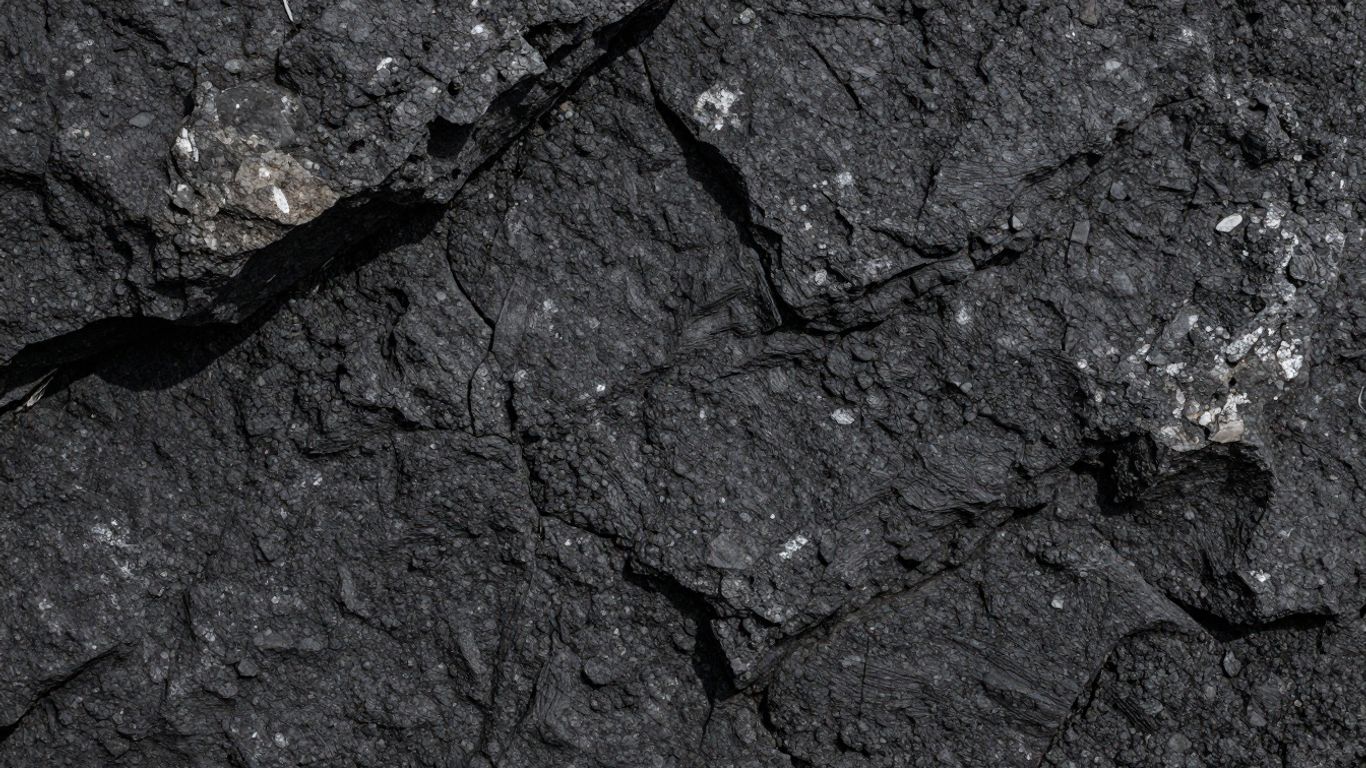
Basalt isn't just for roads and buildings, though it's great for that. This volcanic rock has some pretty cool industrial uses that might surprise you. Think about it – this stuff comes out of the ground, and we've figured out how to turn it into all sorts of useful materials.
Basalt Stone Wool For Insulation
One of the most significant industrial transformations of basalt is its conversion into basalt stone wool. This process involves melting basalt rock at very high temperatures and then spinning it into fine fibers. These fibers are then processed into mats, boards, or loose-fill insulation. Basalt stone wool is a fantastic insulator, both for heat and sound. It's fire-resistant and doesn't absorb moisture, making it a durable and safe choice for buildings and industrial applications. You'll find it used in everything from attics and walls to industrial pipes and ovens.
Filtration Media For Water Treatment
Because of its stable, fine-grained nature, basalt is also a really effective material for filtration. When crushed into specific sizes, it can be used in water treatment plants and sewage systems. It acts as a natural filter, removing impurities and solids from water. Its durability means it holds up well under constant use, and it doesn't break down easily, which is important for a reliable filtration system. This makes it a more sustainable option compared to some synthetic filter materials.
High-Tech Material Exploration
Beyond insulation and filtration, scientists are looking at basalt for some pretty advanced stuff. Researchers are exploring its potential in creating high-strength composite materials, similar to how basalt fiber is used in aerospace and automotive industries. There's also ongoing work into its properties for things like advanced ceramics and even in the development of new electronic components. The unique chemical composition and physical structure of basalt mean it could have a role in future technologies that we haven't even thought of yet. It's a material that keeps on giving, showing up in unexpected places.
The transformation of basalt into specialized industrial products highlights humanity's ingenuity in utilizing natural resources. From creating comfortable living spaces with insulation to ensuring clean water through filtration, basalt proves its worth beyond its raw geological form.
Basalt's Role In Environmental Conservation
It turns out this common volcanic rock is doing more than just holding up our roads and buildings. Basalt is quietly playing a part in helping out the environment, which is pretty neat when you think about it. It’s not just about being tough and durable; some of its natural properties are being looked at for some pretty big environmental jobs.
Carbon Sequestration Potential
One of the most exciting areas is how basalt might help with climate change. When basalt is exposed to air and water, it can slowly react with carbon dioxide (CO2) from the atmosphere. This process, called weathering, can actually trap the CO2 and turn it into solid carbonate minerals. Scientists are exploring ways to speed this up, potentially using crushed basalt to draw down CO2 levels. It’s like nature’s own carbon capture system, and we might be able to give it a boost. This could involve spreading basalt dust on land or even using it in construction materials that continue to absorb CO2 over time.
Soil Enhancement In Agriculture
Farmers have known for a while that adding crushed basalt to soil can be a good thing. It’s not just about adding bulk; basalt contains a bunch of minerals that plants need, like potassium and magnesium. When it breaks down, it releases these nutrients slowly, which is way better than a quick chemical fix. Plus, it helps improve the soil's structure, making it drain better and hold just the right amount of water. This means healthier plants and potentially less need for artificial fertilizers. It’s a way to give the soil a natural, long-term boost.
Shoreline Protection Projects
When you think about coastlines, they’re always getting battered by waves and storms. Basalt, because it’s so hard and doesn’t break down easily, is a great material for building things that need to withstand the ocean. We’re talking about breakwaters, which are structures built to reduce wave energy before it hits the shore, and groynes, which are built out into the sea to trap sand and prevent beach erosion. Using basalt in these projects helps protect coastal communities and natural habitats from the damaging effects of erosion and rising sea levels. It’s a practical application that makes a real difference in vulnerable areas. You can find more about land management and conservation efforts on the Bureau of Land Management website.
Basalt's natural properties, from its mineral content to its reaction with CO2, are being studied for environmental benefits. It's a reminder that even common geological materials can hold surprising solutions for ecological challenges.
Artistic And Cultural Significance Of Basalt
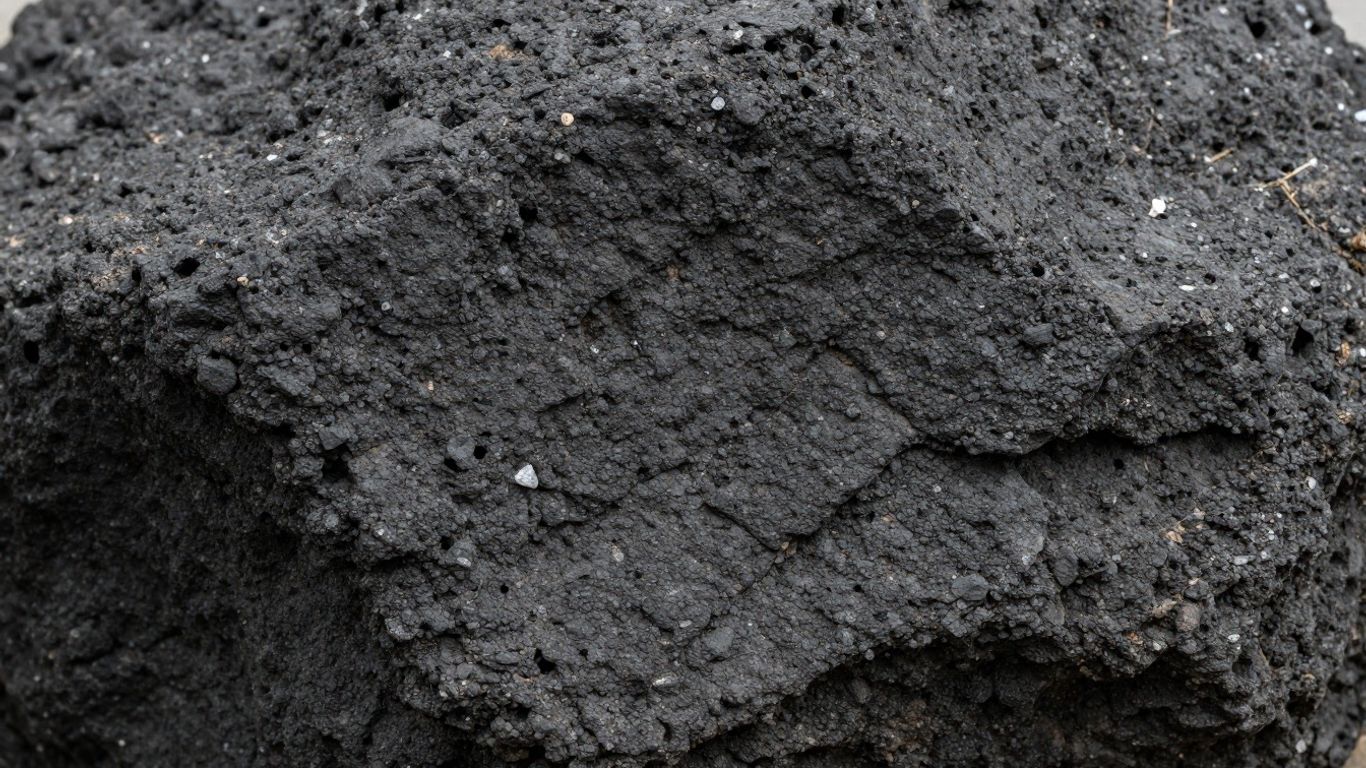
Carving Sculptures And Decorative Items
Basalt's dense, fine-grained texture makes it a dream for sculptors. It holds detail really well, which is why you see it used for everything from intricate statues to more abstract art pieces. Unlike softer stones, it doesn't chip away too easily, so artists can really push the boundaries with their designs. The uniform dark color also gives sculptures a certain gravitas, a timeless feel that really stands out. It's a material that artists appreciate for its reliability and the sophisticated finish it provides.
Historical Artifacts And Monuments
This rock isn't just for modern art, though. People have been using basalt for ages. Think about ancient civilizations – they were carving tools, grinding stones, and even building significant monuments out of basalt. Its durability meant that these pieces have lasted for centuries, giving us a direct link to the past. Many historical artifacts, including statues and building materials, were made from basalt due to its toughness. It's pretty amazing to think about the hands that shaped these stones so long ago. Some of these ancient works are still standing today, like the impressive Seven Grandfather Teachings monument which uses local basalt.
Basalt In Modern Urban Art
Today, basalt is popping up in urban environments in some really cool ways. Beyond just being a building material, it's being incorporated into public art installations and landscape designs. You might see it as sleek paving stones, striking wall cladding, or even as part of large-scale sculptures that interact with the cityscape. It adds a natural, grounded element to often man-made environments. For instance, Stonehenge Ibiza uses basalt columns to create a connection between people and the wider universe, showing how the material can inspire awe.
Basalt's journey from the fiery depths of the earth to its place in our art and cultural heritage is a testament to its enduring qualities. It's a material that connects us to geological history while simultaneously being shaped by contemporary creativity.
Geological Insights From Basalt
Understanding Earth's Crust
Basalt is a pretty big deal when we talk about what makes up our planet, especially the crust. It's an extrusive igneous rock, meaning it forms when lava cools down on the surface. Most of the Earth's oceanic crust is actually made of basalt. Think about it – all those vast ocean floors? Yep, basalt. It's also a common sight in volcanic islands and large continental lava flows. Studying basalt helps geologists figure out how volcanoes work and how the Earth's crust has changed over millions of years. It's like a history book written in stone.
Here's a quick look at where you'll find basalt:
- Oceanic Crust: Forms the majority of the seafloor, especially at mid-ocean ridges where new crust is made.
- Continental Lava Flows: Huge areas covered by ancient eruptions, like the Deccan Traps in India.
- Volcanic Islands: Many islands, like Hawaii, are built from basalt.
- Volcanic Arcs: Found where tectonic plates collide and one slides under another.
The dark color of basalt comes from its high content of iron and magnesium, and its fine-grained texture tells us it cooled quickly. This quick cooling means the mineral crystals didn't have much time to grow big.
Extraterrestrial Basaltic Formations
It's not just Earth that has basalt. We've found it on other planets too! The dark, flat areas on the Moon, called the 'maria' (Latin for seas), are actually ancient basaltic lava flows. Scientists look at lunar basalt to understand the Moon's volcanic past. We've also detected basalt on Mars and Venus. Analyzing these extraterrestrial samples gives us clues about the geology and history of these other worlds, showing us that volcanic processes are common throughout the solar system. It's pretty wild to think about rocks from space telling us so much.
Tectonic Plate Boundary Indicators
Basalt is a fantastic indicator of what's happening with Earth's tectonic plates. Where plates pull apart, like at mid-ocean ridges or in continental rift zones, basaltic magma rises to fill the gap. This process, known as seafloor spreading, is a direct result of plate tectonics. The type and distribution of basalt can tell geologists a lot about the forces shaping our planet. For instance, the presence of specific basalt types can point to the location of mantle plumes or the history of volcanic activity along plate boundaries. It's a key piece of the puzzle when trying to understand how the Earth's crust is formed.
| Geological Setting | Basalt's Role |
|---|---|
| Mid-Ocean Ridges | Forms new oceanic crust through seafloor spreading |
| Continental Rifts | Lava flows and volcanic activity |
| Hotspots | Builds volcanic islands and plateaus |
| Subduction Zones (Arcs) | Contributes to volcanic mountain ranges |
The Enduring Appeal of Basalt
So, there you have it. Basalt isn't just some boring old rock you see everywhere; it's actually pretty amazing. From holding up our roads and buildings to looking good in gardens and even helping us fight climate change, this volcanic stone really does it all. It’s been around forever, used by ancient folks and still super relevant today. It just goes to show that sometimes, the most common things are also the most useful, and basalt is definitely one of those.
Frequently Asked Questions
What is basalt and why is it used so much?
Basalt is a very common type of dark rock that comes from cooled lava. It's super strong and doesn't break down easily, which makes it great for building things like roads, buildings, and even railroad tracks. Think of it as nature's super-tough building block!
Can basalt be used to make my house look nice?
Absolutely! Basalt isn't just for tough jobs. It looks really cool in gardens as decorative stones or for pathways. Architects also use it to cover walls and create stylish floors, giving spaces a natural and elegant feel.
How is basalt used in factories or for special products?
When basalt is melted and spun into thin threads, it becomes something called stone wool, which is amazing for keeping buildings warm and quiet. It's also used to clean water because its tiny pieces can trap impurities. Scientists are even looking into using it for super-advanced technology!
Does basalt help the environment?
Yes, it can! Scientists are studying how basalt can help fight climate change by trapping carbon dioxide from the air. It's also used to make soil healthier for farming and to build structures that protect coastlines from waves.
Has basalt been used for art or in historical places?
Definitely! Because basalt is hard and holds its shape well, artists carve it into beautiful statues and decorations. Many old buildings and important historical items, like ancient tools and monuments, were made from basalt, showing it's been valued for a long time.
What can basalt tell us about the Earth?
Basalt is like a history book for our planet! Studying where basalt is found helps scientists understand how Earth's crust forms, how continents move, and even what other planets like the Moon and Mars might be like, since they have basalt too.


