

How Much is Marble? A Comprehensive Guide to Pricing in 2026
GMS Kumar
Thinking about marble for your next home project in 2026? It's a beautiful choice, but figuring out how much is marble can feel like a puzzle. This guide is here to help you sort through all the details. We'll look at what makes marble cost what it does, compare some popular types, and talk about all the extra bits that add up. So, whether you're dreaming of a new kitchen or a fancy bathroom, you'll have a better idea of the costs involved.
Key Takeaways
- The price of marble in 2026 depends a lot on the type of stone, where it's from, and what's happening in the market. Some marbles, like Calacatta, cost more than others, such as Carrara.
- Don't forget to include extra costs beyond just the marble itself, like accounting for cuts, waste, and any special edge finishes you want.
- The look you choose matters – polished, honed, or tumbled finishes will affect the price, as will the thickness of the slab or tile.
- Installation costs can change quite a bit. Hiring a pro will cost more than doing it yourself, and prices vary depending on where you live.
- Adding marble can boost your home's value and give it a lasting look, making it a good investment if you maintain it properly.
Understanding Marble Pricing Factors
So, you're thinking about marble for your home? Awesome choice! It really does add a touch of class. But before you get too far, let's chat about what makes the price tag tick. It's not just a simple number; a few things really shake up the cost.
The Influence of Marble Type on Cost
This is probably the biggest one. Not all marble is created equal, you know? Some types are just way rarer and harder to find, which naturally makes them more expensive. Think of it like art – a famous painter's work costs more than a local artist's, right? The really dramatic, bold veining you see in marbles like Calacatta or Statuario? That's usually a sign of a pricier stone compared to something like Carrara, which has softer, more subtle patterns. The quarry it comes from also matters; Italian marble, for example, often has a premium attached because of its history and reputation.
- Carrara Marble: Generally the most budget-friendly, known for its soft gray veins on a white background.
- Calacatta Marble: Features bolder, more dramatic veining, often in shades of gold or brown, making it more expensive.
- Statuario Marble: Similar to Calacatta but typically with finer, more delicate veining.
- Danby Marble: A U.S. option that offers a good balance of appearance and cost.
The grade of the marble also plays a significant role. Higher grades usually mean fewer natural flaws like cracks or uneven patterns, making them more desirable and, of course, more costly.
Geographical Impact on Marble Expenses
Where your marble is quarried and where you buy it from can really change the price. If a quarry is in a tough spot to get to, or if the extraction process is more complicated, that cost gets passed on. Then there's shipping. If you're getting your marble from overseas or even just a few states away, those transportation fees add up. Sometimes, buying locally can save you a chunk of change, but not always. It really depends on the supplier and their logistics. We try to make it easier by offering nationwide shipping, which can cut down on those extra travel costs.
Market Trends Affecting Marble Value
Just like anything else, the marble market has its ups and downs. If everyone suddenly wants a certain color or a specific type of finish, prices can go up. On the flip side, if there's a ton of a particular marble available, you might snag a better deal. For 2026, we're seeing a lot of interest in natural variations and unique veining patterns. People are also starting to care more about where their stone comes from and if it's sourced responsibly, which can sometimes add to the production cost but is definitely a good thing long-term. Staying aware of these trends helps you make a smarter purchase.
Comparing Popular Marble Varieties
When you're looking at marble, it's not all the same. Think of it like picking out different kinds of apples – some are sweet, some are tart, and they all look a bit different. The same goes for marble. Each type has its own vibe and price tag, and knowing the differences can really help you find the perfect fit for your home.
Carrara Marble: An Accessible Choice
Carrara marble is probably the most well-known and, honestly, the most budget-friendly of the Italian white marbles. It usually has a soft, grayish veining against a white or sometimes a bluish-gray background. It’s got this subtle, classic look that works pretty much anywhere, from kitchen counters to bathroom floors. It’s a solid choice if you want that natural marble feel without breaking the bank. It's a go-to for a reason: its understated elegance and relative affordability.
Calacatta Marble: Premium Elegance
Now, Calacatta is a whole different ballgame. This stuff is known for its dramatic, bold veining. You'll often see thick veins in shades of gold or brown against a really pure white background. It’s definitely a statement piece. If you want your space to feel super luxurious and high-end, Calacatta is the way to go. It's pricier, for sure, but the visual impact is pretty amazing. It's the kind of marble that makes people stop and stare.
Statuario Marble: A Balanced Option
Statuario is often considered the rarest and most prized of the Italian whites. It's got these striking, clean gray veins on a bright white background. People often compare it to Carrara, but Statuario usually has more distinct and dramatic veining. It’s pure luxury, often used in really high-end homes and fancy commercial spaces. It offers a bit of that Calacatta drama but with a cleaner, more refined look. It’s a nice middle ground if you want something special but maybe not as bold as Calacatta.
Danby Marble: A U.S. Alternative
If you're looking for something sourced closer to home, Danby marble is a great option. Quarried in Vermont, it offers a range of colors, from a creamy white with golden-brown veins to a pure white with gray streaks. What's cool about Danby is that it's generally less porous than its Italian cousins, which can make it a bit more forgiving, especially in busy areas. It still requires sealing, of course, but it's a fantastic American-made choice that gives you that natural marble beauty with a slightly more practical edge. You can find Danby marble slabs that offer a unique look for your project.
Here's a quick rundown:
- Carrara: Subtle gray veining, more affordable, classic look.
- Calacatta: Bold, dramatic veining, pure white background, premium price.
- Statuario: Rare, striking clean veins on bright white, high-end luxury.
- Danby: U.S.-sourced, varied colors, less porous than Italian options.
Choosing the right marble isn't just about looks; it's about finding a material that fits your lifestyle and budget. Each type brings its own character, and understanding these differences is key to making a decision you'll be happy with for years to come.
When you're picking out your marble, remember that the origin and specific quarry can also play a role in the final appearance and cost. It's always a good idea to see samples in person if you can, to really get a feel for the color and veining.
Beyond the Stone: Additional Marble Costs
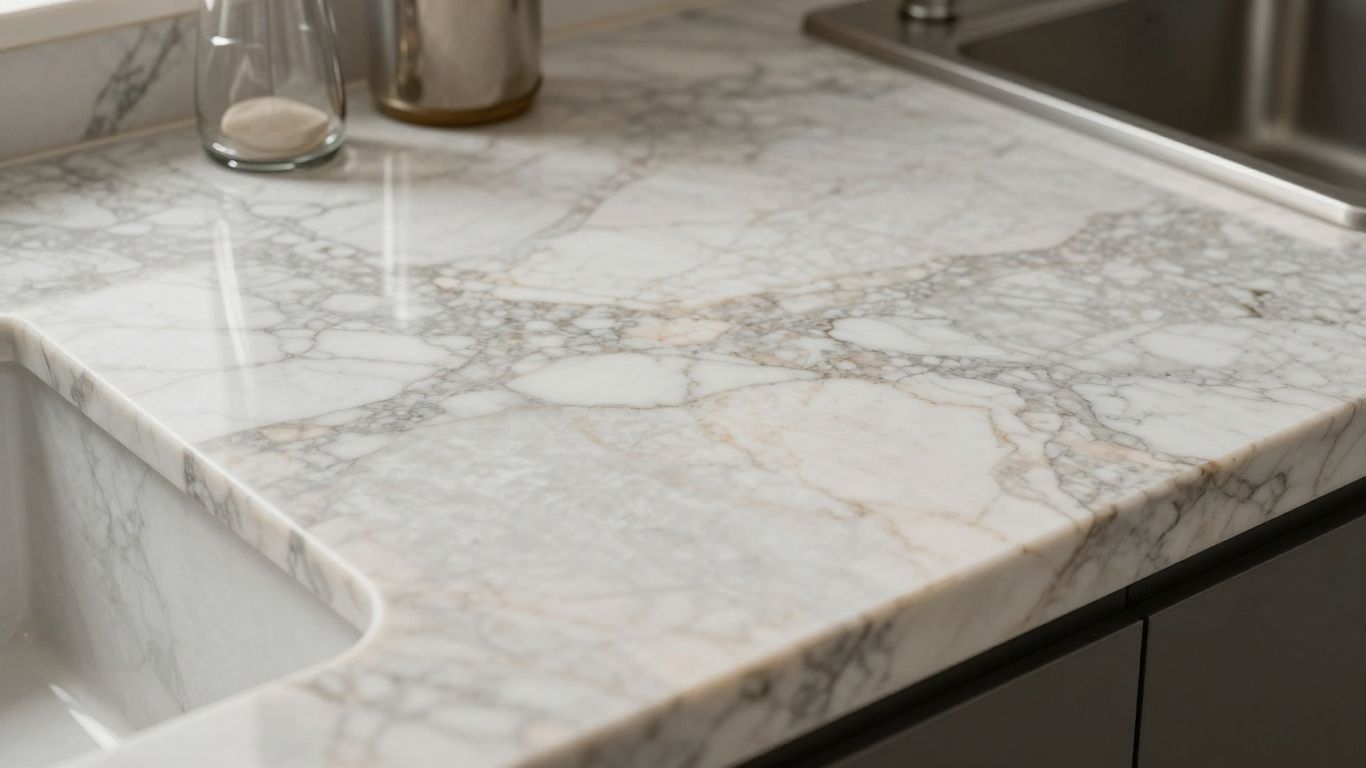
So, you've picked out the perfect marble slab, dreaming of how it'll transform your space. That's awesome! But hold on a sec, the price tag on that beautiful stone isn't the whole story. There are a bunch of other things that add to the final cost, and it's super important to know about them before you get too far into planning. Think of it like buying a car – the sticker price is just the beginning, right?
Calculating Square Footage and Waste
First off, you need to figure out exactly how much marble you actually need. This means measuring the area you want to cover, whether it's a kitchen countertop or a bathroom floor. You'll multiply the length by the width to get your square footage. Easy enough. But here's the kicker: you almost always need to buy more than your exact measurements. Why? Because when the installers cut the marble to fit around corners, pipes, or oddly shaped spaces, there's going to be some leftover material, or waste. It's pretty standard to add about 10% to 15% extra to your total square footage to account for these cuts and any pieces that might have a small flaw. It's way better to have a few extra tiles or a bit of leftover slab than to run short halfway through the job and have to order more, which can be costly and lead to color matching issues.
- Measure twice, cut once: Accurate measurements are key to avoiding overspending.
- Factor in waste: Always add 10-15% for cuts and potential imperfections.
- Consider complex layouts: Rooms with lots of angles or obstacles will generate more waste.
Don't forget that sometimes, buying a little extra to hit a bulk discount can actually save you money in the long run, even if it seems like you're buying more than you strictly need.
Considering Edge Treatments and Finishes
Once you've got the basic shape and size sorted, you'll need to think about the edges and the overall finish of your marble. These details really make a difference in both the look and the price. For countertops, you can choose from a variety of edge profiles – think simple eased edges, fancy bullnose, or even more intricate ogee designs. Each one requires extra labor and precision, so the more detailed the edge, the higher the cost. The finish is another factor. A polished finish is super shiny and popular, but it can show water spots more easily. A honed finish is more matte and forgiving. Then there are other options like leathered or brushed finishes, which add texture and can also affect the price. These aren't just aesthetic choices; they impact how the marble looks, feels, and how much maintenance it will need down the line. For flooring, the finish might be less about the edge and more about the surface texture and slip resistance, which can also influence cost.
The Role of Transportation and Logistics
Finally, let's talk about getting that gorgeous marble from the quarry or supplier to your home. This is a big one that people often overlook. Marble is heavy and fragile, so shipping it isn't like sending a t-shirt. The distance it has to travel plays a huge role. If your chosen marble comes from a quarry halfway across the world, you're going to be paying a pretty penny for freight. Even if it's sourced domestically, specialized carriers are often needed to handle the stone safely. This includes the cost of secure packaging, insurance during transit, and the actual transportation fees. Sometimes, suppliers who have efficient shipping networks can help reduce these costs, but it's always something to ask about. You might find that a slightly less exotic marble sourced closer to home could save you a significant amount just on transportation alone. It's all part of the puzzle when figuring out the total investment for your marble project.
Marble Slabs Versus Marble Tiles
When you're planning a renovation or a new build, you'll run into a big decision: do you go with marble slabs or marble tiles? It might seem like a small detail, but it actually makes a pretty big difference in both the look and the cost of your project. Slabs are those big, continuous pieces of stone, often used for countertops or dramatic feature walls. Tiles, on the other hand, are smaller, cut pieces, typically used for flooring, backsplashes, or shower walls.
Aesthetic and Maintenance Differences
The most obvious difference is the visual impact. Slabs offer a more seamless, flowing look. Think of a kitchen island topped with a single slab of Calacatta marble – the veining can run uninterrupted across the entire surface, creating a truly luxurious statement. This continuous pattern is hard to replicate with tiles, no matter how carefully you lay them out. Tiles, by their nature, have grout lines. These lines can break up the pattern and, depending on the color and width, can either blend in or stand out. For flooring, especially in high-traffic areas, tiles can be a more practical choice. They're generally more forgiving when it comes to minor chips or cracks, as you can replace a single tile rather than a whole slab.
When it comes to maintenance, both require care, but the approach differs. Marble is porous, meaning it can absorb liquids, leading to stains if not sealed properly. Polished finishes, often seen on slabs for countertops, show water spots and etching more readily than honed finishes. Honed finishes, which have a matte look, are more common for tiles used on floors and are better at hiding minor imperfections. Tumbled finishes, with their distressed edges, offer a rustic charm and are very forgiving for everyday wear and tear.
Here's a quick look at how finishes affect appearance and care:
- Polished: High gloss, reflective. Best for low-traffic areas and accent walls. Requires high maintenance.
- Honed: Matte, smooth, natural look. Great for kitchens and bathrooms, and high-traffic floors. Medium maintenance.
- Tumbled: Distressed edges, rustic. Ideal for entryways and areas needing character. Low maintenance.
Choosing the right finish is key to loving your marble for years to come. It’s an investment in beauty and durability.
Understanding the Price Discrepancy
Generally speaking, marble slabs tend to be more expensive per square foot than marble tiles. This isn't just because they're bigger pieces of stone. The quarrying process for slabs is often more selective to ensure large, unblemished pieces. Then, there's the fabrication. Cutting and shaping large slabs requires specialized equipment and skilled labor, adding significantly to the cost. Installation of slabs can also be more complex and costly, especially for countertops, which often involve precise cutouts for sinks and cooktops.
Marble tiles, while still a premium material, are typically more budget-friendly. They are mass-produced and cut to standard sizes, which streamlines the manufacturing process. Installation is also generally more straightforward, though intricate patterns or large formats can increase labor costs. If you're looking to get that marble look without the highest price tag, exploring marble tile options is a smart move. Keep in mind that the type of marble, its rarity, and the finish all play a role in pricing, whether you're buying slabs or tiles. For instance, a rare, highly veined slab will command a much higher price than a basic tile, but even high-end tiles can add up quickly, especially for large areas. When comparing prices, always factor in the thickness and dimensions of the material, as these can affect both durability and cost. You can find detailed information on marble tile costs to help you budget effectively.
Maximizing Your Marble Investment
So, you've decided on marble. That's a big step, and honestly, a really smart one if you're thinking long-term. Marble isn't just about making your kitchen look fancy; it's a material that can actually add real value to your property over time. Think of it as a solid investment, not just a pretty surface. With the global marble market showing strong growth, it's clear that people are still really into this stone, especially in high-end building projects.
The Value of Marble in Property Enhancement
When it comes to selling your home or even just getting a better rental income, marble makes a difference. Buyers see marble and think 'luxury,' 'quality,' and 'well-maintained.' It's that simple. A home with marble floors or countertops just stands out more. It gives every room a unique look because no two marble slabs are exactly alike. High-end finishes signal that you've invested in quality, and features like marble in the kitchen or bathroom are big pluses when an appraiser comes around. It's a way to make your property more attractive without doing a full renovation.
Achieving Timeless Appeal with Marble
Trends in home decor change faster than you can blink. What's popular today might look a bit dated in a few years. But marble? Marble has a way of staying stylish. Whether your home is super modern, classic traditional, or even a bit industrial, marble fits right in. Think about those fancy hotels or high-end shops; they use marble because it always looks sophisticated. Choosing neutral marble colors means your space won't feel 'over' in a decade. It's a look that lasts.
Understanding Marble Maintenance Needs
Now, about keeping that marble looking good. It's not exactly maintenance-free, but it's also not as scary as some people make it out to be. The key is knowing what to do and what to avoid.
- Sealing is your best friend: Properly sealing your marble, especially in areas like kitchens and bathrooms, helps prevent stains and etching from acidic liquids (like lemon juice or vinegar).
- Clean up spills quickly: Don't let liquids sit on the surface. A quick wipe-down is usually all it takes.
- Use the right cleaners: Stick to pH-neutral cleaners. Avoid anything harsh or abrasive, as these can dull the finish over time.
- Consider the finish: A polished finish looks amazing but shows water spots more easily. A honed finish is a bit more forgiving for everyday use.
Marble's durability is a major selling point. A well-cared-for marble floor can easily last 40 to 100 years. That's a lifespan that most other flooring materials just can't match. This longevity is a big part of why it holds its value so well over time.
When you're planning your project, remember to factor in a little extra for waste. You'll always need more material than your exact measurements because of cuts needed for edges and corners. A good rule of thumb is to add about 10-15% extra to your total square footage. This covers those cuts and also accounts for any pieces that might arrive with minor imperfections. It's much better to have a few leftover tiles than to run short mid-job. You can often find great deals on marble tiles online if you shop around, especially if you're buying in larger quantities.
Exploring Alternatives to Natural Marble
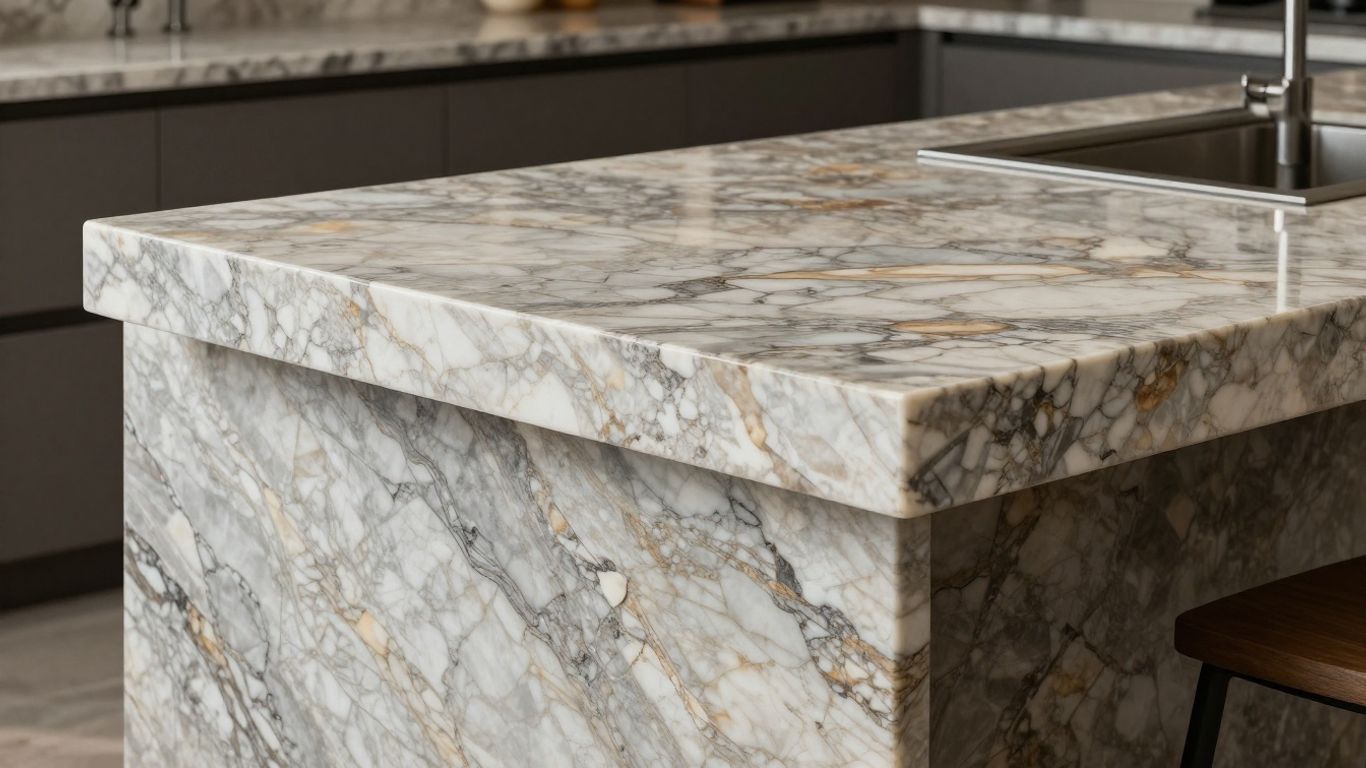
While natural marble offers unparalleled beauty and a timeless appeal, it's not always the most practical or budget-friendly choice for every home. Thankfully, the market in 2026 offers some fantastic alternatives that can mimic marble's look without all the fuss. These options often provide greater durability and require less maintenance, making them a smart pick for busy households or those looking to stretch their renovation budget.
Cultured Marble: A Manufactured Solution
Cultured marble isn't actually marble at all, but rather a composite material made from polyester resins, pigments, and a marble powder. It's created in molds, allowing for a lot of customization in terms of shape, size, and color. The biggest draw here is its non-porous surface, which means it's highly resistant to stains and doesn't need sealing like natural marble does. This makes it a really low-maintenance option, especially for bathrooms where moisture is a constant.
- Pros: Non-porous, stain-resistant, seamless appearance, customizable shapes, generally more affordable than natural marble.
- Cons: Can be scratched or chipped more easily than some other alternatives, repairs can be tricky, doesn't have the unique veining of natural stone.
- Best for: Shower surrounds, vanity tops, and bathtub liners where a seamless, water-resistant surface is key.
While cultured marble can look quite convincing, it's important to remember it's a manufactured product. It won't have the same depth or unique variations you'd find in a natural stone slab, but for many applications, its practicality and cost-effectiveness are major advantages.
Comparing Marble to Granite and Quartz
When people think of marble alternatives, granite and quartz often come up. They're popular for good reason, offering different benefits that might suit your needs better than natural marble. Let's break them down:
- Granite: This is another natural stone, known for its incredible durability and heat resistance. It's harder than marble, making it less prone to scratching. Granite also comes in a huge variety of colors and patterns, though it typically has a more speckled look than the veining of marble. Like marble, it's porous and needs to be sealed regularly to prevent stains.
- Quartz (Engineered Stone): This is where things get interesting. Quartz countertops are made from about 90-95% ground natural quartz mixed with resins and pigments. This process creates a non-porous surface that is extremely resistant to stains, scratches, and heat. The biggest advantage of quartz is its consistency and low maintenance. You can find quartz that perfectly mimics the look of Carrara or Calacatta marble, often at a lower price point and with far less upkeep. It's a fantastic choice if you love the marble aesthetic but want a more forgiving material for your kitchen or bathroom. You can explore some of these marble-look quartz options to see the variety available.
- Quartzite: Don't confuse this with quartz! Quartzite is a natural metamorphic rock, formed from sandstone. It's incredibly hard – even harder than granite – and offers the natural beauty of stone with excellent durability. Many homeowners are turning to quartzite in 2026 because it provides a marble-like appearance with superior performance. Varieties like Taj Mahal quartzite offer soft veining and a warm look that rivals natural marble, but with much better resistance to etching and staining. It's a great middle-ground if you want natural stone but need more resilience than marble provides. You can find more details on quartzite's properties if you're curious.
So, What's the Bottom Line on Marble Prices?
Alright, so we've gone over a lot of stuff about how much marble costs in 2026. It's clear that there's no single answer, and that's okay. The price really depends on what you're looking for – the type of marble, where it comes from, and even how thick it is. Don't forget to factor in installation, because that can add a good chunk to the total. But honestly, when you think about how beautiful marble looks and how it can make your home feel more special, it often feels worth it. Just do your homework, get a few quotes, and you'll find a marble that fits your style and your wallet. Happy renovating!
Frequently Asked Questions
What makes marble prices different from one type to another?
Think of marble like different kinds of art. Some types are super rare and have really cool, unique patterns, like Calacatta or Statuario. These are harder to find and more special, so they cost more. Other types, like Carrara, are more common and have simpler designs, making them a more affordable choice for your home.
Does it cost more if the marble comes from far away?
Yes, it can! Just like shipping anything else, if the marble has to travel a long way from the quarry to your home, the shipping costs get added to the price. Sometimes, buying from a local supplier or one that has good shipping deals can save you money.
How much extra marble should I buy?
You'll need to buy more marble than the exact size of your space. This is because tiles need to be cut to fit around corners and edges, and some pieces might get cut wrong or break. It's smart to get about 10% to 15% extra to make sure you don't run out halfway through your project.
Are marble slabs more expensive than marble tiles?
Generally, yes. Marble slabs, which are big, solid pieces of stone, often cost more than marble tiles. Slabs look super fancy because they have fewer seams, but this luxury comes with a higher price tag compared to smaller, individual tiles.
Is marble a good investment for my home?
Definitely! Marble is known for looking elegant and high-end, which can make your home more attractive and potentially increase its value. It has a classic look that doesn't go out of style, so it's a choice that stays beautiful for a very long time.
How does marble compare to other materials like quartz?
Marble offers a natural, luxurious look with unique veining, but it can be a bit delicate and needs regular sealing to prevent stains. Quartz is a man-made material that's very durable, resistant to stains, and requires less upkeep, often at a similar or slightly higher price point depending on the design.


