Got a quartz worktop in your kitchen? Then the silica headlines that blew up in 2026 aren’t about you. Quartz worktop safety in the home was never the issue, the story is about the people who cut and shape the stone in workshops, not the finished slab you wipe down after dinner. That said, the coverage rattled a lot of people, and if you’re about to spend real money on a new kitchen, you deserve the full picture.
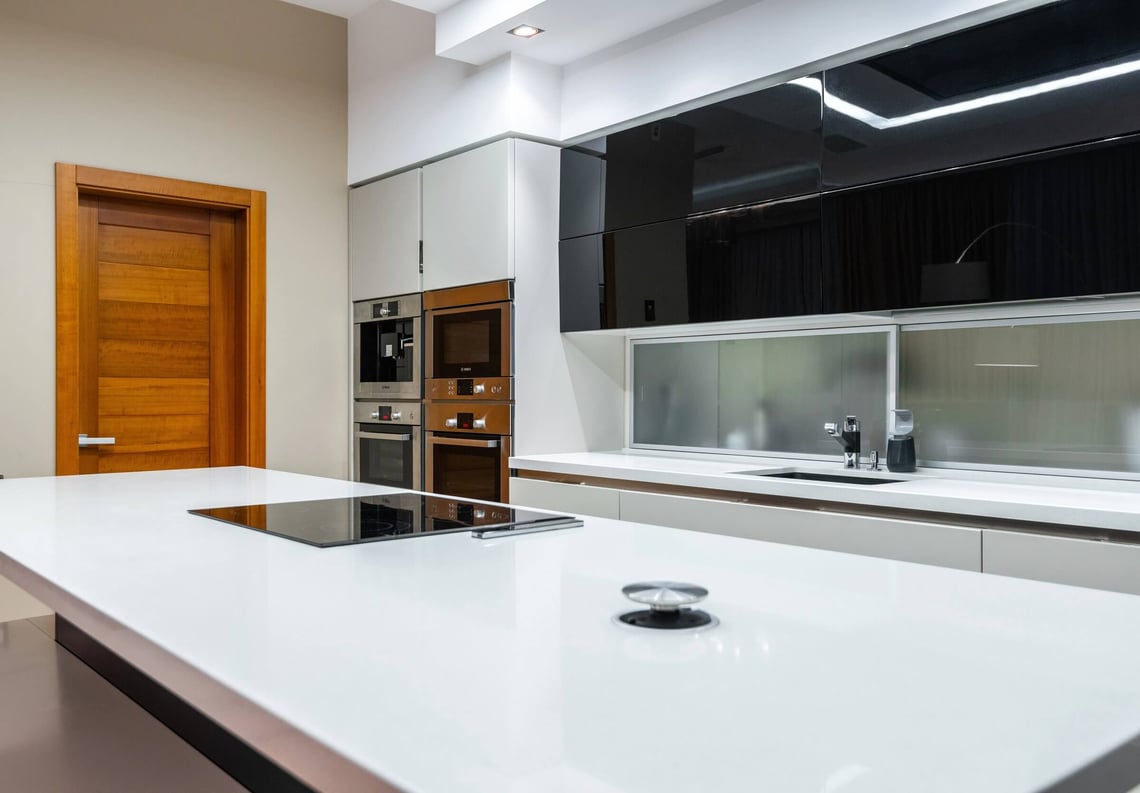
So here’s the plan. I’ll explain what the silica story actually is, why it took over the trade press this year, whether quartz worktop safety is anything you need to think about at home, and how to buy smart if you’re shopping for surfaces right now. No scare tactics, just the view from someone who handles this stuff week in, week out.
What Is the Silica Health Story All About?
Start with the material. A quartz worktop is crushed natural quartz mixed with resins and pigments, what the trade calls engineered stone. People love it because it’s tough, easy to live with and genuinely good looking. The snag is the silica content, which in some engineered stone runs as high as 95%.
Sat there as a finished slab, that silica does nothing. It’s inert. The danger only shows up when someone cuts, grinds or polishes the stone, because that flings fine dust into the air. That dust, respirable crystalline silica, or RCS, goes deep into the lungs, and enough of it over enough years causes silicosis. There’s no cure. It doesn’t reverse. And that’s the crux of why quartz worktop safety became a workshop floor issue rather than a kitchen one.
The reason RCS is so nasty comes down to size. These particles are far too small to see or feel, and your body’s usual defences, the tiny hairs and mucus that catch ordinary dust, don’t stop them. They travel right down into the deepest part of the lung and lodge there, scarring the tissue a little more with every exposure. That’s why the risk is cumulative, building silently over years of dry cutting, and why it’s workshop ventilation and wet methods, rather than anything in your kitchen, that hold the key to quartz worktop safety.
It hit the national news in 2026 when the Health and Safety Executive stepped in with major new guidance, prompted by confirmed silicosis cases and the deaths of young fabrication workers here in the UK. That’s the real story, a serious occupational health problem, and the key to it is understanding exactly who’s in the firing line.
Does Quartz Worktop Safety Affect Me as a Homeowner?
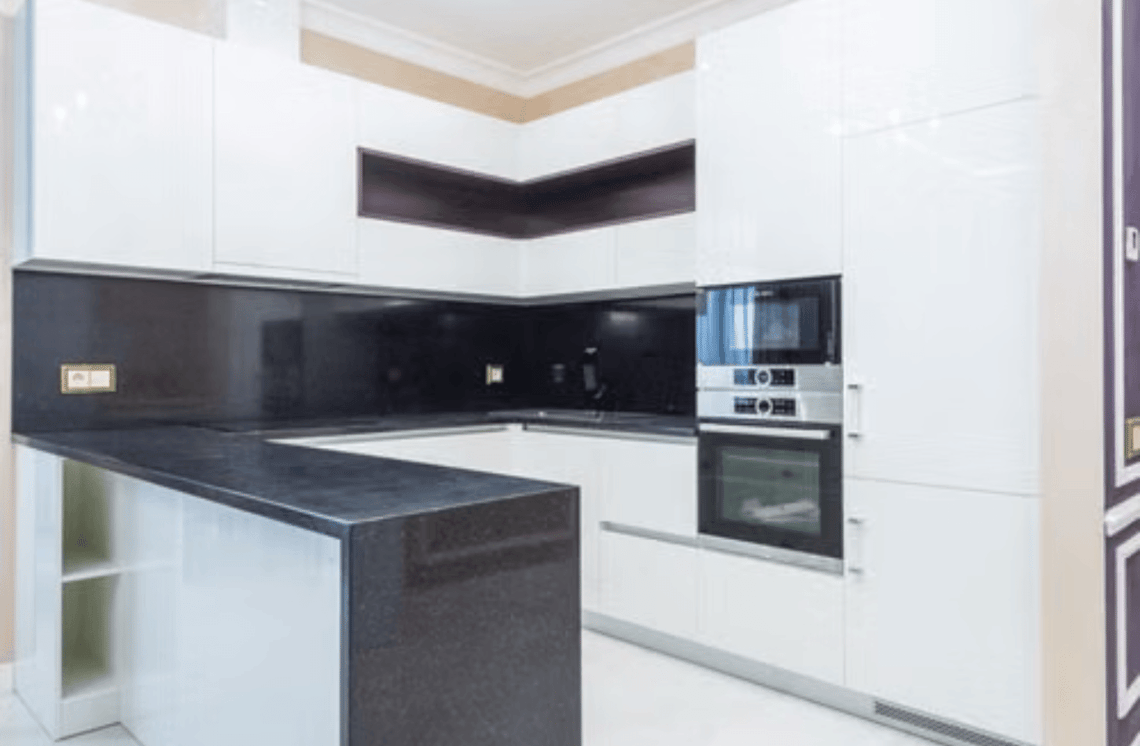
Here’s the bit you came for. Your installed worktop is completely safe. Where quartz worktop safety is concerned, once that surface is in your kitchen, there’s simply nothing to worry about.
A finished quartz worktop is sealed, solid and inert. It doesn’t shed dust, it doesn’t give off fumes, it doesn’t off gas a thing into your home. Chop on it, cook beside it, scrub it, lean on it every day of the week, and your quartz worktop safety is never in question. The risk lives entirely at the fabrication stage, raw slabs being cut and shaped in a workshop, which is exactly why the new rules go after fabricators, not families.
It’s worth saying this plainly, because I’ve had customers ask whether they should be worried about their children or pets near the worktop, or whether cutting a lemon on it “releases” anything. It doesn’t. Once the stone is bonded, polished and fixed in place, the silica is locked in the slab. Nothing short of taking a grinder to it would free any dust, and that’s simply not something that happens during normal kitchen life.
So if quartz is already in, carry on enjoying it. And to keep it looking sharp, our guide to cleaning quartz worktops runs through the simple do’s and don’ts.
What the New HSE Rules Mean
The 2026 HSE guidance is, at bottom, about making fabrication safer, and it feeds straight into quartz worktop safety for everyone downstream. The headline: dry cutting engineered stone is now unacceptable. Fabricators have to use wet methods that kill the dust at source instead.
In plain terms, businesses are told to do four things:
Move to lower silica engineered stone where they can, because quality alternatives now exist.
Run on tool water suppression so dust never gets airborne.
Give workers proper respiratory protective equipment.
Carry out regular health checks to catch trouble early.
And it’s not a paper exercise. HSE inspectors are running a big programme of workshop visits across Great Britain, with real teeth, including shutting down sites that won’t comply. For you at home the takeaway is a good one: the worktops coming out of workshops now are made under far tighter, far safer conditions, which only strengthens quartz worktop safety across the board.
How to Buy Quartz Safely in 2026
None of this is a reason to swerve quartz. It’s still one of the best surfaces going. What’s changed is that choosing a responsible supplier now matters more than ever for real quartz worktop safety. A few things I’d ask:
Ask how they cut. A decent supplier wet cuts with extraction as standard and won’t hesitate to say so.
Ask about lower silica options. Plenty of big brands now do engineered stone with reduced silica at the same quality.
Pick an established, compliant fabricator. Buying from a business that treats worker safety seriously gives you peace of mind on every front. And if you’re weighing quartz against other stone, our quartz versus granite comparison lays out the practical differences.
Prefer a Naturally Low Silica Surface? Consider Slate
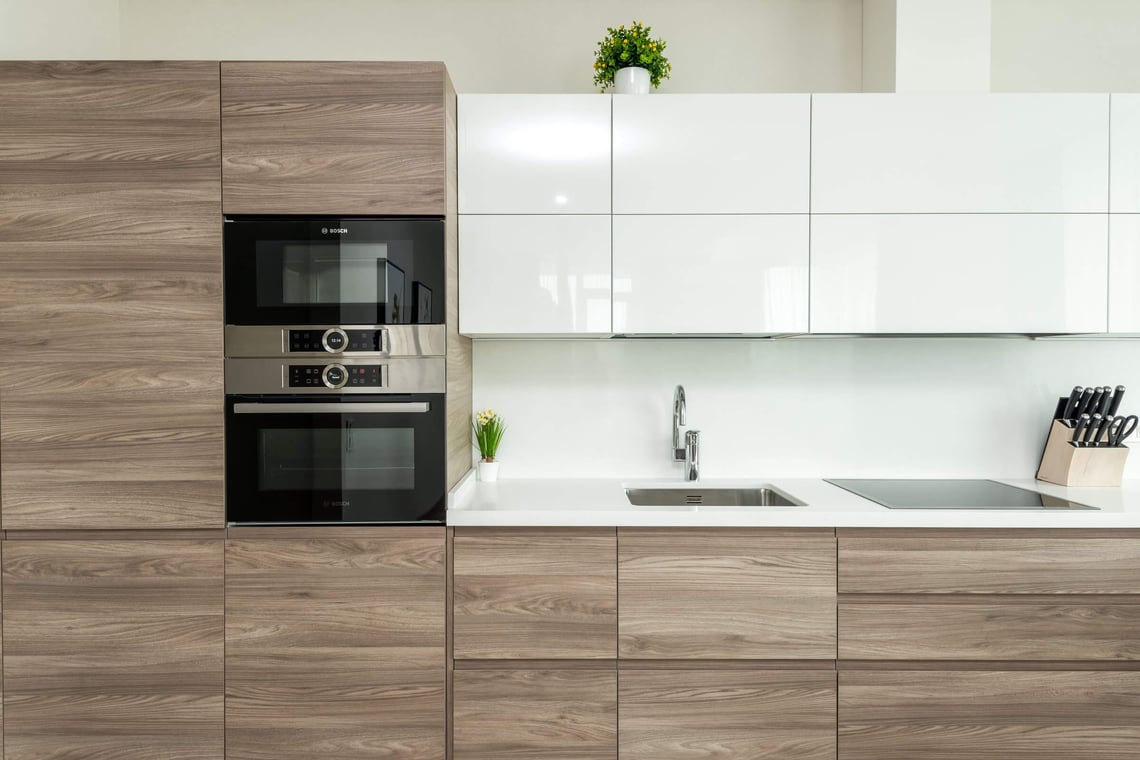
If the silica story has pushed you towards something natural, slate is well worth a look. As a natural stone it has a completely different makeup to engineered quartz, and it brings a quiet, characterful finish that sits happily in modern and traditional kitchens alike.
A slate worktop gives you a deep matte look, cracking heat resistance and a tactile, honest surface that ages with grace. It’s naturally less porous than many stones too, so day to day care stays simple. For anyone after a robust, distinctive work surface with genuine natural appeal, slate earns a spot on the shortlist next to quartz, granite and marble. If you’d like to browse, our natural stone worktops range shows the colours and finishes on offer.
One honest caveat: slate does mark and scratch more readily than quartz, and darker slates can show a dulling over time that a wipe of stone safe oil brings back. Plenty of people love that lived in patina, others don’t, so it’s worth handling a sample before you commit. It’s a different character to quartz rather than a straight upgrade, but for the right kitchen it’s a beautiful, low silica choice.
The Bottom Line on Quartz Worktop Safety
So should the silica story keep you up at night? On quartz worktop safety in your own home, the answer is a flat no. The risk sits entirely in the cutting and fabrication of engineered stone, a workshop problem the HSE is now regulating hard, not in the worktop you live with. Yours is safe, and new surfaces are being made more responsibly than they’ve ever been.
At Work Tops we take these standards seriously, buy from quality suppliers, and stock everything from quartz to natural stone, so you can choose with real confidence. Planning a kitchen upgrade and want an honest steer on the right material and on quartz worktop safety generally? Have a browse through our quartz worktops buyer's guide and get in touch, we’re always glad to help you choose well.
Frequently Asked Questions
Is it safe to have a quartz worktop in my home?
Yes. A finished, installed quartz worktop is sealed and inert. It releases no dust or fumes, so quartz worktop safety is not a concern for you or your family during everyday use.
Why did quartz worktop safety make headlines in 2026?
Because the HSE issued major new guidance after confirmed silicosis cases and deaths among fabrication workers. The concern is about cutting engineered stone in workshops, not owning a finished worktop.
What is respirable crystalline silica?
It’s the fine dust released when engineered stone is cut, ground or polished. Breathed in over years it can cause silicosis, which is why quartz worktop safety rules now focus on wet cutting and dust control.
Is slate a lower silica alternative to quartz?
Slate is a natural stone with a different makeup to engineered quartz, and many homeowners consider it when thinking about quartz worktop safety. It offers a matte finish, good heat resistance and straightforward care.