Table of Contents
- Comparing Natural Stone vs Porcelain Tile
- Closely Scrutinising The Natural Stone Vs Porcelain Tiles
- How Much Does Natural Stone Vary From The Porcelain Tile?
- Natural Stone Vs Porcelain Tile, How Important Is To Check On The Quality?
- Do Stone Products Vary In Cost?
- Frequently Asked Questions and Answers
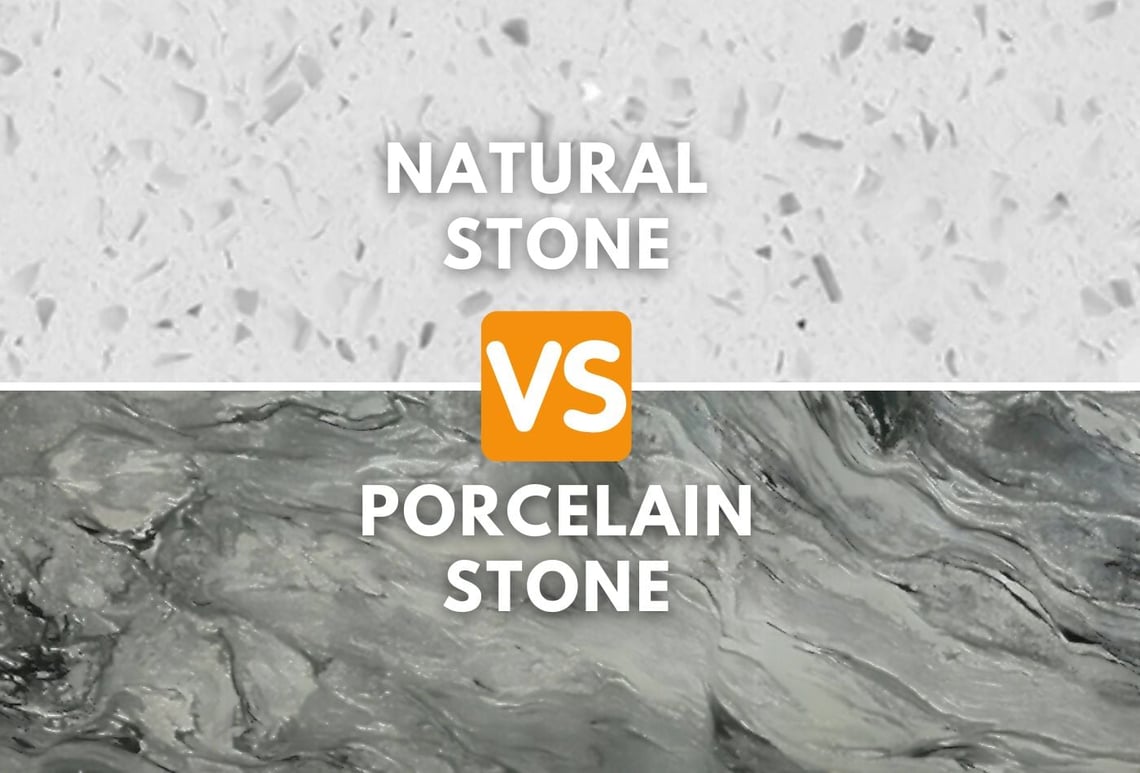
Is Natural stone vs Porcelain tile a real rival? When the topic is about Natural stone vs Porcelain tile , it often boils down to personal selections and lifestyle needs. Rather than mumbling to yourself on what to buy, read on our blogs and get a clear idea of what to buy for your interior and exterior property renovations!
Comparing Natural Stone vs Porcelain Tile

Natural stone has this raw, uncut beauty. The rare one and earthy patterns, like twists, grains, veins and twirls appealing to those who love a luxurious, organic feel in their spaces. It's a bit more of an investment, and requires maintenance than the usual materials, but the timeless beauty is unmatched.
On the flip side, Porcelain tiles are super popular for their durability, low maintenance, and affordability. Perfect for busy households or commercial spaces, truly since they can mimic the look of any natural stone without the hefty price tag. But there is a chance for them breaking easily because of the slightly delicate feature. On the whole both have their own flaws and on fleeks. Stats show that homeowners leaning towards luxury and natural aesthetics often opt for stone, while budget-conscious buyers and those seeking versatility go for Porcelain tiles. Both have their loyal fans, making the choice all about your specific needs! To make these slabs yours, make a call to this number +44 0330 113 5868 or mail to info@work-tops.com.
|
SHIVAKASHI GRANITE 
£365.54 Shivakashi Granite is a Beige which is a yellow granite with a fine to medium-grained pinkish-beige tone that dazzles onlookers. The granite stone product is stylish and enticing, with light brown and red veins and spots. This South Indian stone… read more |
MISTY CONCRETE QUARTZ 
£292.12
Misty Concrete Quartz is an engineered surface material. It features a white background with tiny spots all around the stone that give it a grained effect. As it is manufactured with quartz, it is immune to acids and alkalis, offers… read more |
INDO LAVANTE MARBLE 
£260.00 Indo Levanto is a shade of brown-orange marble combined with darker and lighter shades of grey and white veins on the brown-orange slab. This stone is especially good for exterior and interior wall and floor applications, monuments, countertops, mosaics, fountains,… read more |
Closely Scrutinising The Natural Stone Vs Porcelain Tiles
Natural stone and Porcelain tiles have long been the challengers that tend to bring together the beauty and durability, a touch of luxe and tradition to any space. World of flooring and surfaces offers the benefits you require. Meanwhile those are completely a different genre, however both materials require high care and attention just like our babies. Sometimes Natural stones can be a little expensive, but they are worth the penny! On the other hand, Porcelain tile is praised for its elegance, often replicating the look of natural stone at a fraction of the cost. We are here to discuss the boon and bane of the topic “Natural stone vs porcelain tiles”. So you come out with the right choice in the end based on your specific needs, budget, and aesthetic preferences. Discover which option reigns supreme for your next renovation project!
How Much Does Natural Stone Vary From The Porcelain Tile?

Do They Vary In Weight?
Natural stone is significantly heavier than Porcelain tile. Stones like Granite or Marble require a sturdy subfloor to support their weight, making them more challenging to install. Porcelain tiles conflict with the lighter, easier to handle, and less demanding on the subfloor, which can simplify installation.
Structural Changes
Natural stone can vary in physical and structural features given each piece a unique character. However, it can sometimes be open to the chipping or cracking without being installed or maintained rightly. Porcelain tiles, on the other hand, are created artificially to be uniform in size and thickness, ensuring consistency and durability. Sometimes might crack near the scorching burners and very rarely they show opposition to the tear and wear.
How Far Are The Natural Stone Vs Porcelain Tiles When It Comes To Maintenance?
Natural stone requires regular sealing to protect it from stains and moisture. It’s also rugged towards the acidic cleaners, requiring specialised products for cleaning. Porcelain tiles are much easier to clean and keep; without pores blocking the finer particles inside and can be cleaned with a usual household cleaners without damaging the surface shine.
Environmental Impact
The environmental impact of natural stone is higher due to the quarrying and transportation processes involved in its extraction. However, it’s a natural stone material that lasts for years by effortlessly shining for more decades.
Natural Stone Vs Porcelain Tile, How Important Is To Check On The Quality?
"Natural stone vs Porcelain tile" or both, checking the quality before investing in stones is a crucial thing. If the material you chose is a natural stone, variations in colour, texture, structural and physical features could affect both the appearance and durability, so it’s important to ensure you're getting high-quality stone that meets your specific needs. Poor-quality stone may chip, stain easily, or require excessive maintenance.
With Porcelain tiles, quality impacts their resistance to wear, moisture, and even how well they mimic natural stone. Make sure to closely inspect the quality of any slabs, so you ensure that your investment will stand the test of time. Avoid mishaps and pay nominal price for the quality slabs, so you value money while avoiding potential stress.

Do Stone Products Vary In Cost?

When it comes to cost, natural stone tends to be on the pricier side. You're paying for that authentic, one-of-a-kind look and the labour involved in quarrying and installation, costing around £239.75 per sq metre. Porcelain tiles, however, are usually more budget-friendly, costing £39.00. Work-tops is a renowned stone supplier offering a multifarious range of styles, even ones that mimic natural stone, without the heart wrecking cost price. So, if you’re looking to afford luxury, natural stone is worth the splurge, make sure you don’t exceed the estimated budget and still want a stylish finish, Porcelain tiles are the way to go!
Frequently Asked Questions and Answers
What Are Natural Stone Tiles?
Natural stone tiles are made from real, quarried stone, which makes them purely natural. Each tile is unique with natural variations in shade, thickness, texture, and pattern. These tiles are priced for their rare tone shades and peculiar pattern, making them a popular choice for your room interiors or even for the exteriors.
Do You Think That Porcelain Is Better Than Regular Tile?
Porcelain is often considered better than regular ceramic tile due to its higher density, durability, and water resistance. Porcelain tiles are less likely to chip or crack and are suitable for high-traffic areas or places with moisture like bathrooms. Porcelain tends to offer elegance at the minimal cost.
How Can I Tell If A Tile Is Made From Natural Stone?
You can tell if a tile is natural stone by looking for continuing patterns even at the sides and by the colours and patterns sometimes. Additionally, natural stone tiles are typically cooler to the touch compared to porcelain or ceramic. If you’re unsure, try placing a drop of vinegar on the tile; natural stone (especially marble or limestone) will often react by fizzing slightly due to its mineral content.
P.s. The readers are informed that none of the content available on any of the pages of Work-tops.com should be taken as legal advice and that Work-tops will not be held accountable for your use of the information contained in or linked from these web pages.