Table of Contents
“Why is my countertop discoloured? Has this been gradual or did it happen overnight? What did I miss?”
Countertops are one of the costliest investments of our homes. We install it assuming at least 30-40 years of no repairs and replacement. But when you start noticing dull and faded countertops, it almost makes your blood boil.
But, you’re not alone. Many homeowners nationwide have approached us to ask if there's any remedy to cure it. Today we will be sharing those important tips to fix existing damage with you too so you do not panic and take the best steps for prevention.
Stay tuned till the end.
What is Countertop Discolouration? What Causes it?
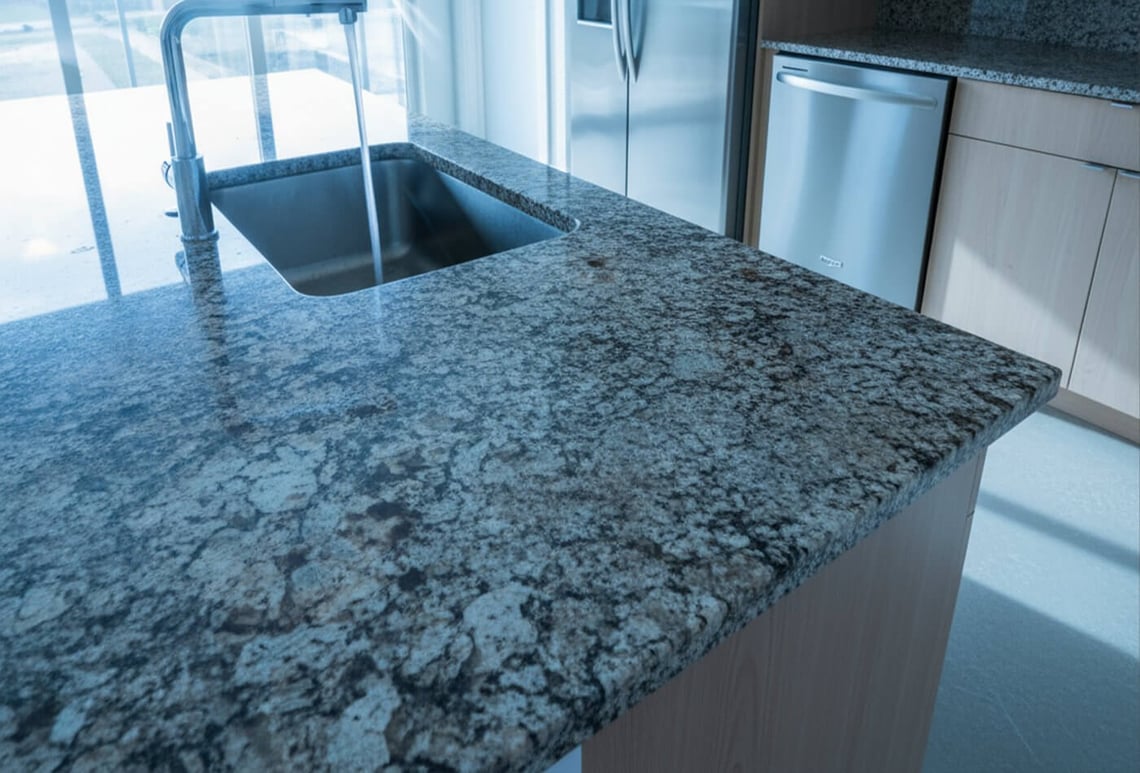
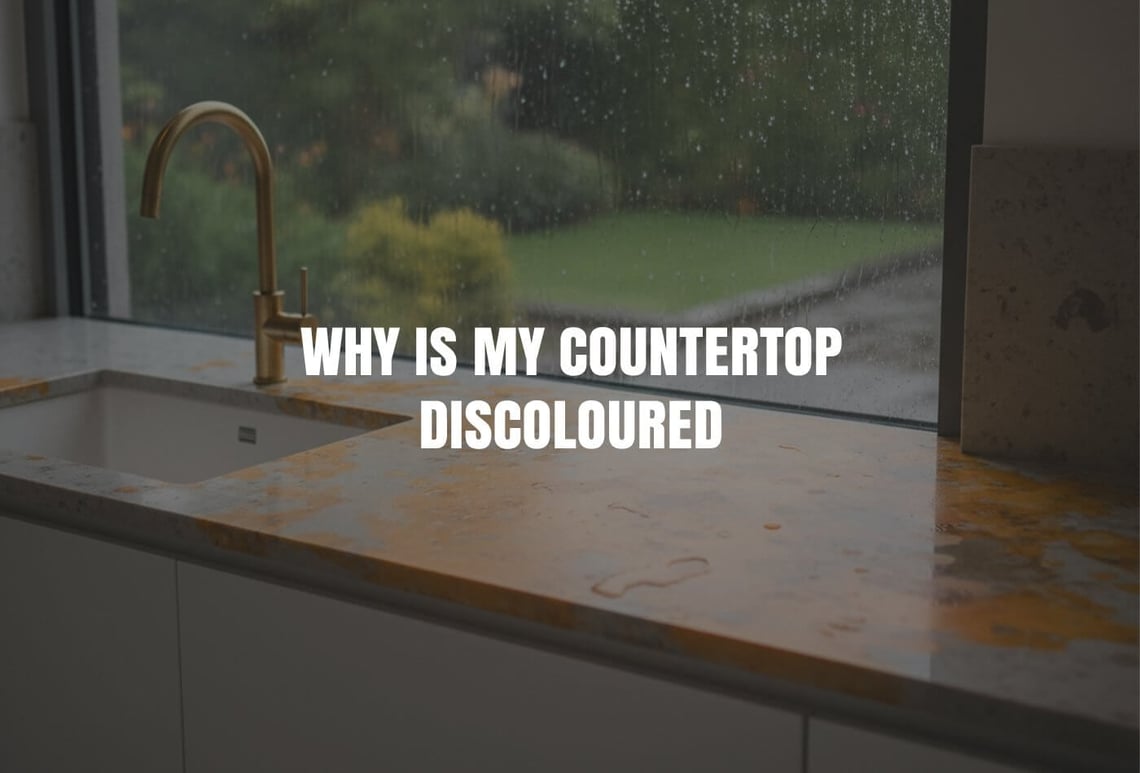
There are many signs of a worktop discolouration. shows up in many forms, yellowing, cloudy patches, dark stains, or uneven colouring. The root cause depends on your countertop’s material, how you use it, and how well you care for it. Here are the most common culprits for those of you asking, “Why is my countertop discoloured?”
1. Porousness of The Material
Natural stones, especially marble and limestone are porous. If you have kitchen countertops made of these and are left unsealed, there are chances that liquids seep into their tiny pores, leaving behind minerals and particles that will stain. This discoloration and fading does not happen in quartz, Porcelain, Silestone and Dekton, unless the sealant wears off or cracks appear.
2. Spills of Staining Agents
Common liquids that we use in a kitchen like coffee, tea, wine, fruit juices, cooking oils, sauces etc can also discolour surfaces if you do not wipe up quickly. Highly avoid acidic substances like lemon juice and vinegar especially on marble and limestone.
ARCTIC CREAM GRANITE

£414.87
Arctic Cream Granite comes from Brazil. The creamy base colour is super rich and all willing nines that are off the traditional white and other used sentiments of colours will be found on Artic Cream tops. These granite slabs have… read more
BLACK BEAUTY GRANITE

£444.68
Specifications Stone Name: Black Beauty Granite Core material: Granite Nature: Natural Stone Base Colour: Black Pattern: Foam-like white streaks Hardness: 6 on the Mohs scale Uses: Indoor and outdoor Description This Indian granite features a black base surfaced with white… read more
AZUL PLATINO GRANITE

£276.63
Azul Platino Granite from Spain is a grey and white slab granite with a low variation that complements all interiors and design elements in bathrooms, kitchens, and outdoor spaces. This durable, polished granite is suitable for commercial and residential applications… read more
3. Chemical Damage and Harsh Cleaners
Are you guilty of using harsh chemical cleaners to wash your countertops? If yes, you've been making your investment. Using cleaners with bleach, ammonia, and other harsh acids will damage the finish and colour of worktops, making surfaces look dull or cloudy. So from now on, please just use warm water and neutral soaps.
4. Heat Damage
“Why is my countertop discoloured, it's not even near the window?!” Okay, but have you been placing hot pots and pans directly from the oven on your countertops? If yes, that has led to your worktop burn marks. You might also be noticing subtle shifts in colour. Yes, that's the heat! Even extreme natural sunlight can cause worktop fading.
5. Water Marks and Mineral Deposits
Hard water that is rich in minerals can also leave marks or build up white or grey films on your kitchen countertops. If you don't wipe your worktop after mopping with hard water, the water sits on the surface near sinks or edges. With time you will start noticing minerals that can crystallize and leave permanent white patches or cloudy areas.
6. Sunlight (UV Exposure)
If your kitchen countertops are installed near windows or are in an outdoor setting, that may be one reason for fading or dullness too. UV rays over time can degrade sealants which cause yellowing or uneven patches.
7. Wear And Tear, Scratches & Etching
Everyday wear like chopping, sliding heavy items, using abrasive scrubbers can cause micro-scratches. On polished stone surfaces, acidic spills can “etch” the stone: tiny pits or dull spots that look like discolouration.
Read More on Natural Stone Worktops Fading
How To Prevent Worktop Fading?
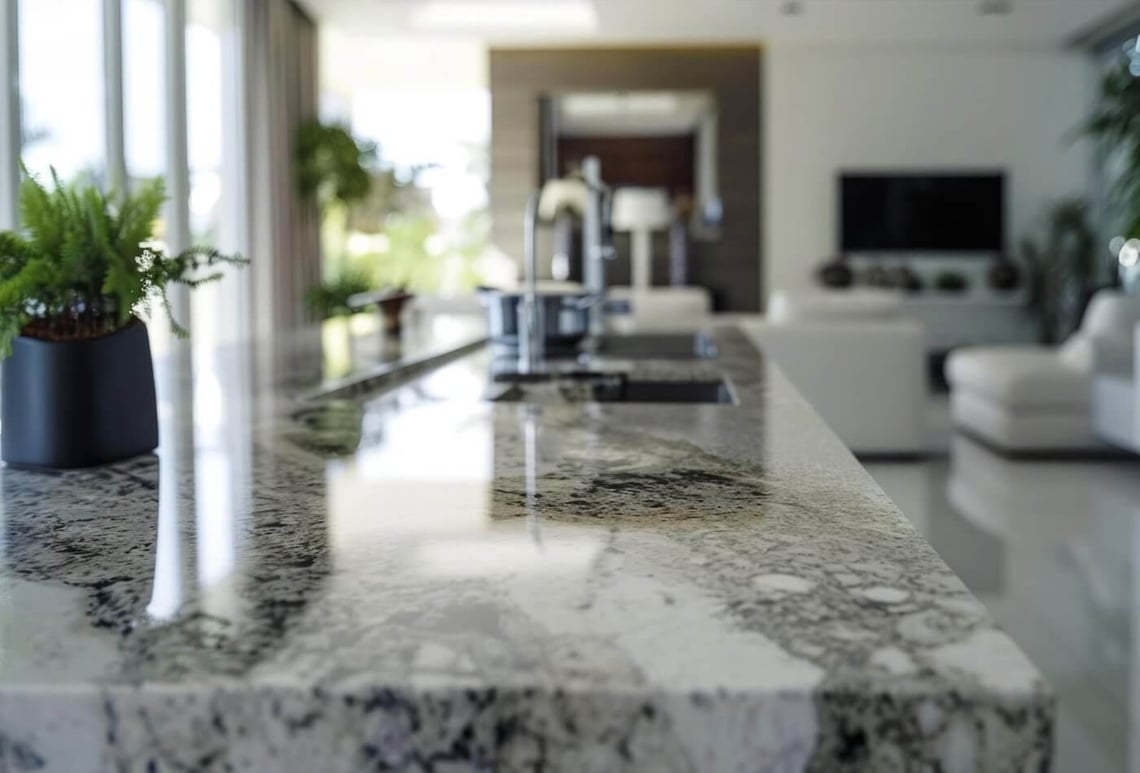
If you are done asking “Why is my countertop discoloured?” and are ready to move on to the steps to prevent it from repeating, let's read further.
Different countertop materials need different care. Here are prevention tips per material type, many of which align with what Work-Tops recommends for maintenance.
1. Natural Stone (Granite, Marble, Limestone, Travertine) - Seal them regularly, at least annually. Wipe up spills immediately. Don’t use harsh acidic cleaners and homemade lemon vinegar hacks. Use cutting boards and trivets. Clean with warm water and pH-balanced soap.
2. Engineered Stone, Quartz, Porcelain Dekton, Silestone - Actually these worktops are highly stain-resistant. But you must make sure its sealant is not broken by harsh chemicals and high heat. So avoid putting hot pans directly on top, use heat pads and trivets. Use mild detergent or just clean with soft cloth in warm water. Avoid direct sunlight if dyed.
Want UV-Stable Worktops? Contact Us
Simple Steps to Avoid Worktop Discolouration
Always dry edges, seams, and sink areas. Water pooling can damage sealants or affect bonded seams.
If you are serving liquids that can stain, always use coaster mats. Think red wine, oils, coffee, etc.
Regularly maintain your countertops. Keep polishing, re-sealing and if possible biannually book professional treatments to restore shine and protection.
Why Is My Countertop Discoloured? Talk to Experts. (+44 0330 113 5868)
How To Fix Discoloured Countertops?
If discolouration has already occurred, don't panic, you can mostly solve it depending on how deep the damage is.
Surface Cleaning to Remove Stains or Residue
Polishing & Honing
Re-Sealing
Spot Repair for Deep Stains
Replace or Refinish
Click for More Helpful Resources & Tips
BROWN EMPERADOR DARK MARBLE

£287.00
Brown Emperador Dark Marble's aesthetic qualities make it one of the most sought-after materials on the market. So much so that its use in decoration is so widespread that it is also used to create sculptures. Emperador marble looks great… read more
ARABESCATO OROBICO MARBLE

£293.75
Arabescato Orobico is dark or light grey marble with naturally occurring light and dark bands of white and gold veins running and joining along the surface of the marble slab. It is an excellent choice for interior applications like worktops,… read more
INDO LAVANTE MARBLE

£260.00
Indo Levanto is a shade of brown-orange marble combined with darker and lighter shades of grey and white veins on the brown-orange slab. This stone is especially good for exterior and interior wall and floor applications, monuments, countertops, mosaics, fountains,… read more
How to Tell If Worktop Fading Is Permanent?
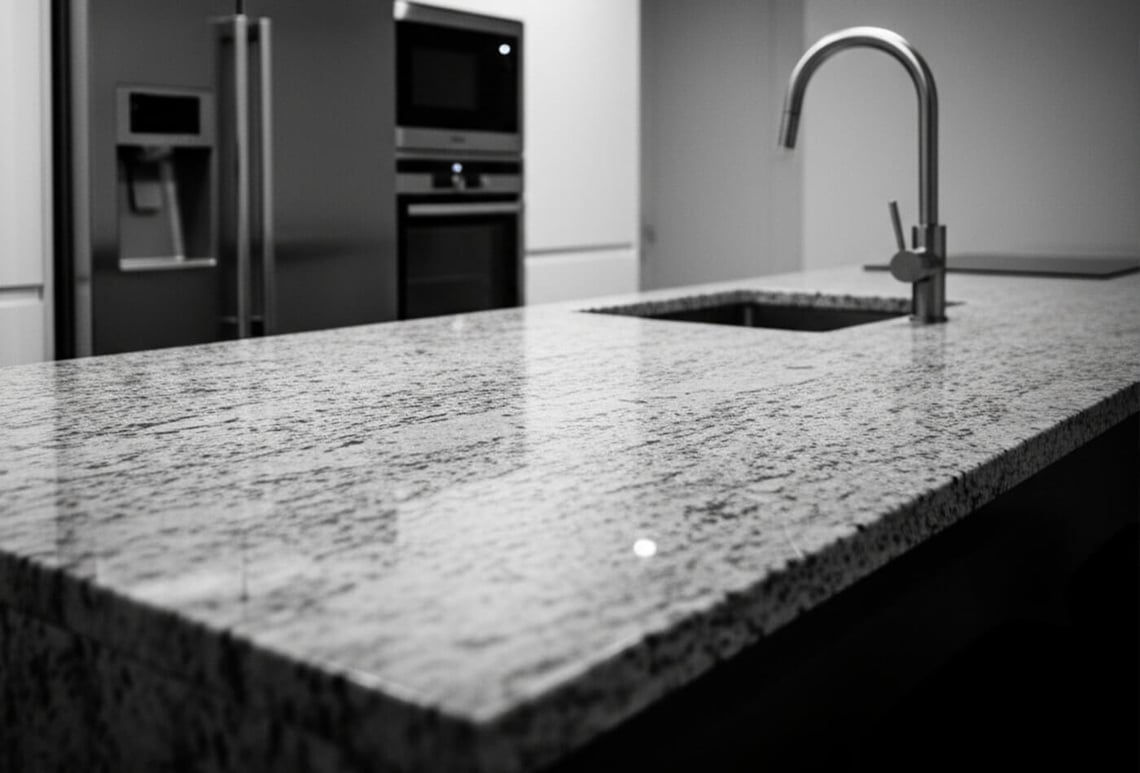
To determine whether discolouration can be fixed, here’s a simple diagnostic you can try:
Clean the Area Thoroughly using a mild, pH-neutral cleaner. Dry well.
Inspect Under Good Lighting. See if the stain is only on the surface (can you feel it, is it darker only at top) or if penetration is deeper.
Apply a Test Poultice (for stone surfaces). If the stain lightens over time, it was absorbent and may respond to treatment.
Check the Sealant. If water or staining agent beads up and rolls off, seal is good. If it soaks in, re-sealing is needed.
Consider Material Limitations. Some materials (e.g., marble) are more vulnerable to etching/acid damage; some composite surfaces discolour under UV. If your countertop is of a sensitive material, some discolouration may be expected over long use.
Next Read: Does Quartzite Need to Be Sealed?
Final Thoughts: Natural Stone and Sunlight Fading
So, why is my countertop discoloured? Yes if the stone is unsealed or If the surface finish or coating deteriorates. But many natural stones, especially granite, quartzite, or well-finished sealed stones can remain remarkably resilient. With smart material selection, good sealing, protective measures, and maintenance, fading can be minimised such that your worktop stays beautiful for many years.
Dial 0330 113 5868 or send your query here to get a free quote.
Frequently Asked Questions and Answers
My Countertop Has Discoloured What To Do?
First off, blot the area with tissue. Follow with warm water wiping. Dry wipe it again. If the colour still remains, soak soft cloth on a pH-neutral cleaner and wipe it again. Leave it to dry.
How To Tell If Worktop Discolouration Is Permanent?
Blot any visible liquids with dry tissue. Wipe with warm water and pH-neutral soap using a soft microfiber cloth. Dry with a clean cloth. If it is gone, it is safe. If you see stains, burn marks or dull spots, contact 0330 113 5868 for help, that's permanent.
Does Granite Countertop Fade Faster Than Quartz?
Granite does not stain easily. But Marble and limestone do. They are more porous, so absorbing liquids is faster compared to quartz. They also react to acid quickly. Extreme sunlight may slightly discolour them as well.Quartz worktops on the other han have resins and sealants built in, so absorption is slowed down making it more stain-resistant.
Why Is My Countertop Discoloured?
Sunlight, heat from direct placing of oven pans without heat pads, and 5 more lists explained in the blog are main reasons why your worktop is faded and dull.
What Cleaners Should I Avoid So My Countertop Doesn’t Discolour?
Avoid all types of harsh liquids like bleach, ammonia, vinegar or lemon and abrasive scrubbers. Just use mild dish soap with warm water. Before washing your countertop entirely, test an inconspicuous area first.
Is Heat Damaging My Worktop Colour?
Yes. Heat can damage resin in engineered surfaces and cause scorch marks. Sunlight (UV exposure) can fade or discolour surfaces, particularly lighter dyes or sealants. Use heat protection and avoid prolonged direct sun.